

Kenya’s Great Rift Valley is one of East Africa’s most interesting travel destinations, offering a remarkable combination of lakes, volcanic landscapes, wildlife parks, forests, and scenic viewpoints. Stretching across the country, the valley is known for its dramatic escarpments, freshwater and alkaline lakes, geothermal features, and important wildlife habitats. For travellers interested in nature, adventure, photography, and wildlife safaris, the Great Rift Valley provides plenty of places worth exploring.
Some of Kenya’s most popular attractions are found within this region, including Lake Naivasha, Hell’s Gate National Park, Lake Nakuru National Park, Mount Longonot, Lake Bogoria, and Lake Baringo. Visitors can enjoy boat trips, guided nature walks, cycling, birdwatching, hiking, wildlife photography, and traditional safari game drives. The region also provides opportunities to learn about Kenya’s geological history and the communities living around its lakes and highlands.
One of the main advantages of visiting the Great Rift Valley is its accessibility from Nairobi. Several attractions around Naivasha and Nakuru can be reached by road, making them suitable for day trips, weekend holidays, or longer Kenya safari itineraries. Travellers planning a combined Kenya and Tanzania holiday can also include selected Rift Valley destinations before continuing towards the Maasai Mara or Tanzania’s northern safari circuit.
This updated guide explores the top things to do in Kenya’s Great Rift Valley, including the best places to visit, recommended activities, travel seasons, suggested itineraries, and practical information for planning your journey.
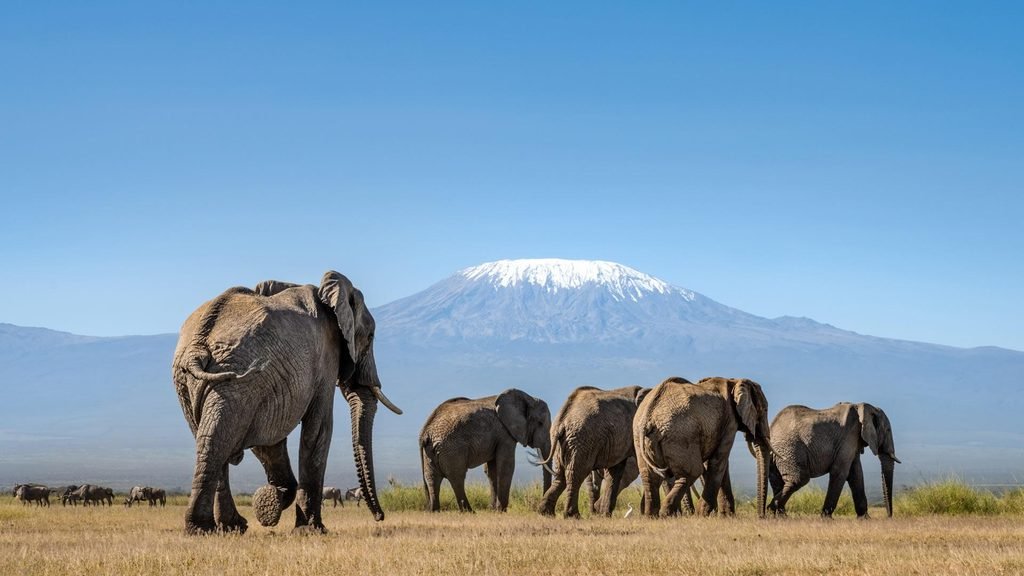
1. Take a Boat Safari on Lake Naivasha
Lake Naivasha is one of the most popular destinations in Kenya’s Great Rift Valley. Located northwest of Nairobi, this freshwater lake is surrounded by scenic landscapes, wildlife habitats, and several accommodation properties. It is particularly well known for its birdlife, hippopotamuses, and opportunities to explore the lake by boat.
A guided boat trip is one of the best ways to experience Lake Naivasha. During the excursion, visitors may observe hippos in the water, African fish eagles perched near the shoreline, and other waterbirds feeding in the shallows. Depending on the season, birdwatchers may encounter pelicans, cormorants, herons, kingfishers, and other species associated with freshwater habitats.
Boat trips should be arranged with experienced local operators who understand the lake’s conditions and wildlife behaviour. Hippos are powerful wild animals, and visitors should maintain a safe distance rather than attempting to approach them closely.
Lake Naivasha is particularly suitable for travellers who want a relaxed wildlife experience without spending the entire day inside a safari vehicle. It can also be combined with nearby Hell’s Gate National Park or a guided nature walk.
Recommended time: Half a day to one full day.
2. Explore Hell’s Gate National Park by Bicycle
Hell’s Gate National Park is one of Kenya’s most distinctive national parks because it offers opportunities for outdoor activities that are not commonly permitted in many other wildlife parks. Visitors can explore authorised routes by bicycle, enjoy guided walks, and admire dramatic cliffs and volcanic landscapes.
The park is known for its towering rock formations, geothermal features, and scenic valleys. Fischer’s Tower is one of its best-known landmarks, while the surrounding landscapes provide attractive opportunities for photography.
Cycling is particularly popular because visitors can experience parts of the park at a slower pace. Wildlife such as zebras, giraffes, antelopes, and buffaloes may be encountered, although visitors must follow park safety regulations and maintain appropriate distances.
The park also contains geothermal features associated with Kenya’s volcanic history. Some activities, including access to particular gorge areas, may be restricted because of safety conditions, so visitors should confirm which routes are open before travelling.
The Kenya Wildlife Service’s official Hell’s Gate National Park page provides information about activities, park access, and visitor regulations.
Recommended time: Half a day to one full day.
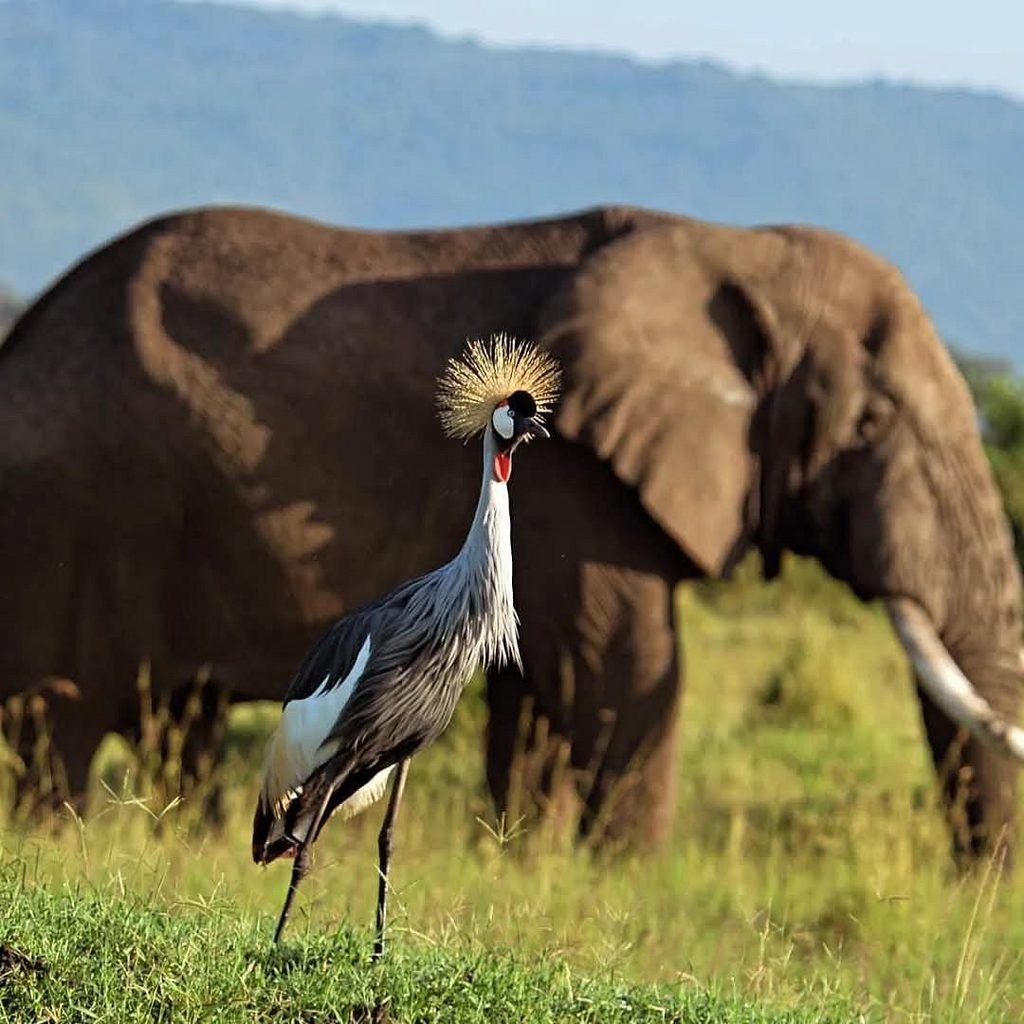
3. Go on a Wildlife Safari in Lake Nakuru National Park
Lake Nakuru National Park is one of the most important wildlife destinations in Kenya’s Great Rift Valley. The park surrounds Lake Nakuru and includes grasslands, woodland, rocky viewpoints, and other habitats that support numerous animal and bird species.
Lake Nakuru is particularly important for rhinoceros conservation. Both black and white rhinoceroses occur within the park, making it an attractive destination for travellers interested in observing these threatened animals. Visitors may also encounter buffaloes, giraffes, zebras, antelopes, and various predators.
The lake has historically been famous for flamingos, but their numbers vary according to water conditions and food availability. Travellers should therefore avoid expecting enormous flamingo gatherings during every visit.
Lake Nakuru also offers scenic viewpoints and picnic locations where visitors can appreciate the surrounding landscapes. A full-day game drive allows time to explore different parts of the park and observe wildlife without rushing.
According to Kenya Wildlife Service, the park is an important sanctuary for both black and white rhinoceroses and supports a wide variety of bird species.
Recommended time: One full day.
4. Hike Mount Longonot for Spectacular Rift Valley Views
Mount Longonot National Park is a popular hiking destination located near Lake Naivasha. The mountain is a volcanic formation with a prominent crater, offering visitors an opportunity to explore one of the Great Rift Valley’s most interesting geological landscapes.
The hike involves climbing from the park entrance towards the crater rim. Once at the top, visitors can enjoy views of the surrounding valley, nearby landscapes, and the interior of the volcanic crater. Some hikers continue along the crater rim, although this requires additional time and physical effort.
Mount Longonot is suitable for reasonably fit travellers who enjoy outdoor activities. The trail includes steep sections, loose volcanic soil, and areas exposed to the sun, so suitable footwear, drinking water, and appropriate clothing are important.
Early morning is often a practical time to begin the hike because temperatures may be cooler. Visitors should also check weather conditions before departure, as rain and strong winds can make sections of the trail more difficult.
Recommended time: Approximately four to six hours for a standard hike, depending on fitness and route.
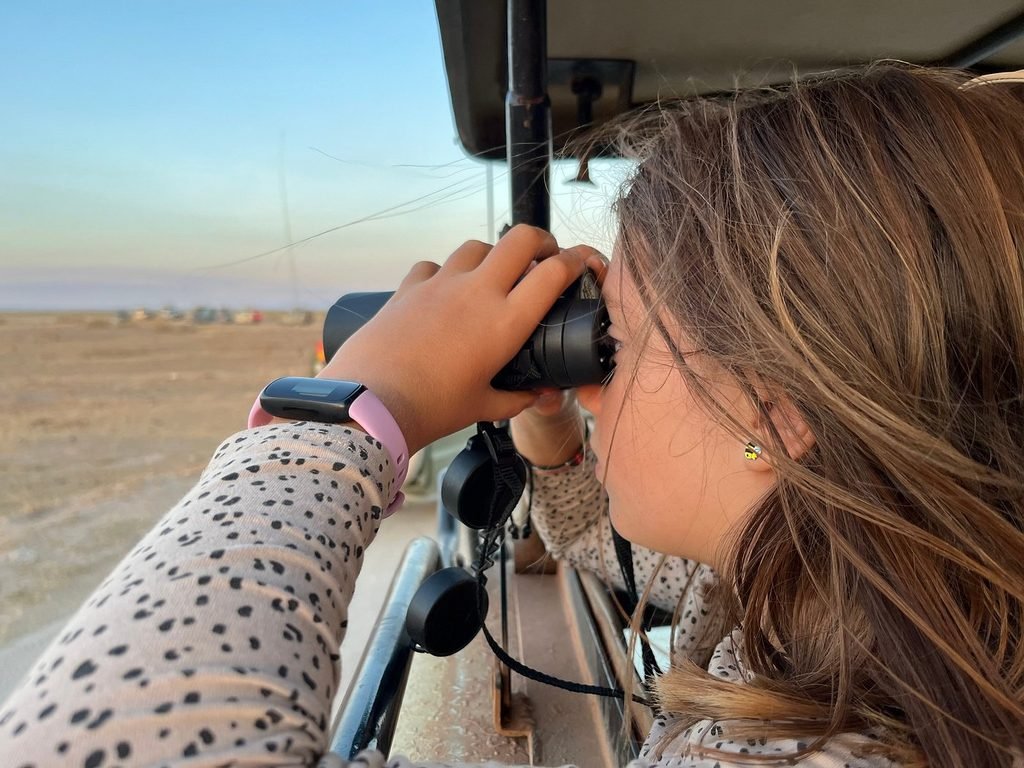
5. Visit Lake Bogoria for Flamingos and Geothermal Features
Lake Bogoria is one of Kenya’s most distinctive Rift Valley lakes. It is known for its alkaline waters, geothermal activity, and seasonal flamingo populations. The surrounding landscape includes hills, dry vegetation, and geological features that make the area particularly interesting for nature photography.
Lake Bogoria is associated with hot springs and geothermal activity, providing visitors with an opportunity to observe evidence of the volcanic processes that shaped the Great Rift Valley. However, these geothermal areas can be dangerous, and visitors should remain on authorised routes and follow local safety instructions.
Flamingos are another important attraction. Large numbers may gather at the lake when conditions are suitable, although their distribution changes according to water chemistry, food availability, and seasonal conditions.
Lake Bogoria is part of the UNESCO-listed Kenya Lake System in the Great Rift Valley, together with Lake Nakuru and Lake Elementaita. These lakes are internationally recognised for their ecological importance and birdlife.
You can learn more through the UNESCO Kenya Lake System World Heritage listing.
Recommended time: Half a day to one full day.
6. Enjoy Birdwatching and Boat Trips on Lake Baringo
Lake Baringo is another important destination in Kenya’s Great Rift Valley, particularly for travellers interested in birdwatching, freshwater habitats, and quieter natural environments.
Unlike the alkaline waters of Lake Bogoria, Lake Baringo is a freshwater lake supporting a variety of fish, birds, and other wildlife. Visitors may encounter African fish eagles, herons, kingfishers, and other water-associated birds.
Guided boat trips provide opportunities to explore the lake and observe wildlife from the water. Hippos and crocodiles also occur in the lake, so excursions should be arranged with experienced local guides who understand the conditions and safety requirements.
Lake Baringo is particularly attractive to birdwatchers because of the variety of habitats around the lake, including wetlands, woodland, and dry landscapes.
Travellers can also explore nearby communities and learn about local traditions through appropriately arranged cultural visits.
Recommended time: One to two days.
7. Explore the Scenic Landscapes of Lake Elementaita
Lake Elementaita is a relatively shallow alkaline lake located between Naivasha and Nakuru. It forms part of the UNESCO-listed Kenya Lake System in the Great Rift Valley and is particularly important for birdlife and ecological conservation.
The lake is surrounded by open landscapes, hills, and wildlife habitats that provide attractive opportunities for photography and relaxation. Flamingos and other waterbirds may be present depending on seasonal conditions, while the surrounding areas support additional wildlife species.
Lake Elementaita is suitable for travellers who prefer a quieter environment compared with some of the busier national parks. Several accommodation properties in the surrounding region offer opportunities to enjoy the scenery and explore nearby attractions.
The lake can also be included as a short stop when travelling between Lake Naivasha and Lake Nakuru.
Recommended time: Half a day or an overnight stay.
8. Visit Menengai Crater Near Nakuru
Menengai Crater is one of the Great Rift Valley’s most impressive volcanic landscapes. Located near Nakuru, this large volcanic caldera offers extensive views of the surrounding highlands and provides opportunities for nature walks, hiking, and photography.
The crater is associated with Kenya’s volcanic history and ongoing geothermal activity. Visitors can explore designated viewpoints and appreciate the scale of the geological formation.
Menengai is particularly attractive to travellers interested in geology, landscape photography, and outdoor activities. The surrounding forest also supports different plant and animal species.
The Kenya Forest Service identifies the caldera, viewpoints, nature trails, and birdwatching opportunities among the area’s attractions.
Recommended time: Two to four hours.
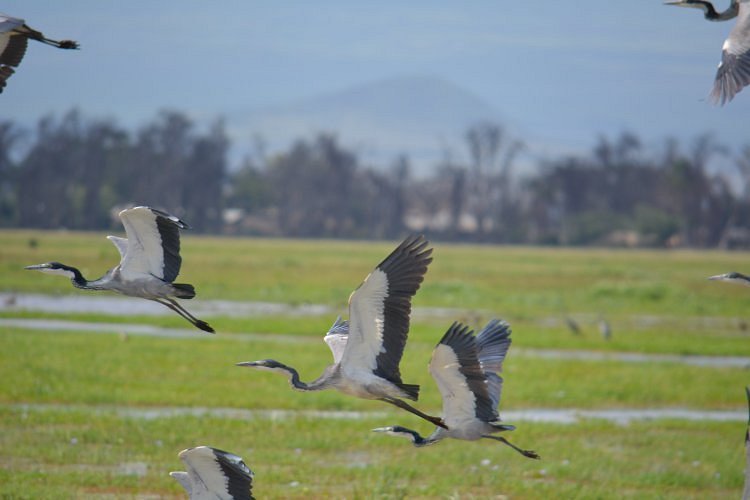
9. Take a Guided Nature Walk on Crescent Island
Crescent Island Game Sanctuary is a popular wildlife attraction associated with Lake Naivasha. It offers opportunities for guided walking experiences in an environment where visitors may encounter giraffes, zebras, antelopes, and various bird species.
Walking allows travellers to appreciate the landscape from a different perspective compared with a traditional vehicle-based safari. Visitors can observe wildlife habitats, learn about local ecology, and enjoy views of the surrounding lake.
Crescent Island is particularly suitable for travellers who want to combine a Lake Naivasha boat trip with a nature walk. However, visitors should follow their guide’s instructions and maintain appropriate distances from animals.
Recommended time: Two to three hours.
10. Enjoy the Great Rift Valley Viewpoints
One of the simplest but most rewarding activities in Kenya’s Great Rift Valley is stopping at scenic viewpoints along the roads connecting Nairobi, Naivasha, and other destinations.
From elevated sections of the escarpment, travellers can enjoy extensive views across the valley floor, surrounding hills, and distant lakes. These viewpoints provide opportunities for photography and help visitors appreciate the geological scale of the region.
The Great Rift Valley was shaped by tectonic processes over millions of years, creating the distinctive escarpments, volcanic formations, and lake basins visible today.
Travellers driving from Nairobi towards Naivasha often stop at designated viewpoints before descending into the valley. However, roadside stops should be made only in safe locations, particularly along busy highways.
Recommended time: Fifteen to thirty minutes at a suitable viewpoint.
11. Explore the Maasai Mara National Reserve
Maasai Mara National Reserve is one of Kenya’s most famous wildlife destinations and is commonly included in longer Great Rift Valley travel itineraries.
The reserve is known for its open grasslands, predator populations, and seasonal wildebeest migration movements. Visitors may encounter lions, leopards, cheetahs, elephants, buffaloes, giraffes, zebras, and numerous other animals.
The Maasai Mara forms part of the wider Serengeti-Mara ecosystem, which extends into northern Tanzania. During suitable periods, large wildebeest herds may move between the Serengeti and Maasai Mara, sometimes crossing the Mara River.
Travellers interested in wildlife photography may benefit from spending several nights in the reserve rather than attempting a short visit.
The Maasai Mara is also a suitable destination for visitors planning a combined Kenya and Tanzania safari, although cross-border travel requires authorised immigration crossings or appropriate flight arrangements.
Recommended time: Two to three nights.
12. Discover Kenya’s Geothermal Landscapes
The Great Rift Valley is one of Kenya’s most important geothermal regions. Volcanic activity and underground heat have created hot springs, steam vents, and other geological features across parts of the valley.
Visitors can observe geothermal landscapes in areas such as Hell’s Gate National Park and Lake Bogoria. These features provide an opportunity to understand how tectonic activity continues to influence the region.
Some geothermal sites are associated with energy production, including the Olkaria geothermal area near Naivasha. Kenya uses geothermal energy as an important source of electricity, demonstrating how the country’s geological conditions contribute to modern energy development.
Visitors should remember that geothermal features can involve extremely hot water, steam, and unstable ground. Access should be limited to authorised visitor areas, and local safety instructions must always be followed.
13. Experience Local Culture Around the Great Rift Valley
Kenya’s Great Rift Valley is home to several communities with different traditions, languages, and cultural practices. Travellers interested in cultural tourism can arrange visits that provide opportunities to learn about local livelihoods, traditional activities, and community history.
In areas around the Maasai Mara, cultural visits may introduce travellers to aspects of Maasai heritage, including traditional clothing, livestock keeping, and community customs. Other parts of the Rift Valley are associated with different communities and agricultural traditions.
Cultural activities should be arranged respectfully, with clear information about what visitors can expect and how the local community benefits.
Travellers should also ask permission before photographing people and avoid treating cultural visits as performances that must follow a particular tourist expectation.
14. Best Time to Visit Kenya’s Great Rift Valley
The Great Rift Valley can be visited throughout the year, but the most suitable travel period depends on your preferred activities.
For hiking, cycling, and scenic exploration, relatively dry conditions are generally more comfortable because trails may be easier to navigate. However, temperatures and rainfall vary considerably across the region, especially between higher elevations and lower lake basins.
Birdwatching can be rewarding throughout the year, with seasonal movements influencing the species present. Flamingo numbers at lakes such as Bogoria, Nakuru, and Elementaita also vary according to environmental conditions.
Travellers interested in combining the Great Rift Valley with a Maasai Mara safari often choose the June-to-October period, although wildlife viewing remains possible outside these months.
Seasonal Travel Guide
| Period | General Conditions | Recommended Activities |
|---|---|---|
| January–February | Often relatively dry in many areas | Hiking, cycling, boat trips and wildlife viewing |
| March–May | Main rainy period in many locations | Green landscapes, birdwatching and photography |
| June–October | Generally drier conditions | Hiking, national parks and wildlife safaris |
| November–December | Short rains may occur | Scenic travel, birdwatching and nature experiences |
Weather conditions can vary between destinations, so travellers should check local forecasts before planning outdoor activities.
15. Suggested 5-Day Kenya Great Rift Valley Itinerary
A five-day itinerary provides a practical opportunity to explore several of the region’s most popular attractions without spending every day travelling long distances.
Day 1: Nairobi to Lake Naivasha
Depart Nairobi in the morning and travel towards Lake Naivasha, stopping at a suitable Great Rift Valley viewpoint along the way. After arriving at the lake, enjoy a guided boat trip to observe hippos and birdlife. Depending on your schedule, you may also arrange a guided nature walk on Crescent Island.
Spend the night near Lake Naivasha.
Day 2: Hell’s Gate National Park and Mount Longonot Area
After breakfast, visit Hell’s Gate National Park for cycling, scenic exploration, or an authorised guided walk. The park’s cliffs, volcanic formations, and open landscapes provide attractive opportunities for photography.
If you prefer hiking, you can choose Mount Longonot instead of attempting both major activities in one day. Travellers interested in a more relaxed schedule may spend the afternoon enjoying the scenery around Lake Naivasha.
Overnight near Naivasha.
Day 3: Lake Naivasha to Lake Nakuru National Park
Travel towards Lake Nakuru National Park for a wildlife safari. The park is particularly important for rhinoceros conservation and supports numerous bird species and other animals.
Enjoy a game drive through suitable wildlife areas and visit designated viewpoints where conditions permit. Spend the night in Nakuru or at accommodation near the park.
Day 4: Nakuru to Lake Bogoria
After breakfast, travel towards Lake Bogoria. Explore authorised areas around the lake and observe the surrounding landscapes, geothermal features, and birdlife.
Depending on the season, you may encounter flamingos and other waterbirds. Continue to your accommodation in the region.
Day 5: Return to Nairobi
After breakfast, begin the journey back towards Nairobi. Depending on your route and available time, you may stop at scenic viewpoints or other suitable attractions.
Arrive in Nairobi later in the day, allowing sufficient time if you have an onward flight.
This itinerary can be adjusted according to road conditions, accommodation availability, and your preferred activities.
16. Can You Combine Kenya’s Great Rift Valley with a Tanzania Safari?
Yes. Kenya’s Great Rift Valley can be included in a longer East African safari that also visits Tanzania’s national parks.
A combined itinerary may begin in Nairobi, continue through Lake Naivasha and Lake Nakuru, and then include the Maasai Mara before travelling towards Tanzania. Alternatively, travellers may visit Amboseli National Park and cross into Tanzania through the Namanga border.
Once in Tanzania, popular destinations include Serengeti National Park, Ngorongoro Crater, Tarangire National Park, and Lake Manyara.
However, a combined Kenya and Tanzania safari requires careful planning because the countries have separate immigration requirements, national park fees, and transport arrangements. Travellers cannot simply drive directly across the shared Maasai Mara–Serengeti wildlife boundary and must use an authorised border crossing or suitable flight connections.
For assistance with the Tanzania portion of your holiday, visit Eddy Tours & Safaris or contact our safari planning team.
17. How Much Does It Cost to Visit Kenya’s Great Rift Valley?
The cost of visiting Kenya’s Great Rift Valley depends on the destinations selected, accommodation category, transport arrangements, number of travel days, and activities included.
A short trip to Lake Naivasha may involve transport, accommodation, and boat excursion expenses. Visiting national parks such as Hell’s Gate and Lake Nakuru requires applicable entry fees, while guided hiking, bicycle rental, and other activities may involve additional charges.
Longer itineraries that include Lake Bogoria, Lake Baringo, or the Maasai Mara generally require additional transport and accommodation expenses.
Travellers should request updated quotations before booking because park fees, accommodation rates, and activity charges may change.
Official information about national park entry arrangements is available through Kenya Wildlife Service.
18. Important Travel Tips for Visiting the Great Rift Valley
A well-planned journey can make exploring Kenya’s Great Rift Valley easier and more enjoyable. Travellers should consider the distances between attractions, road conditions, weather, and the amount of time required for different activities.
Plan your route carefully. Lake Naivasha, Hell’s Gate, Mount Longonot, and Lake Nakuru can be combined relatively easily, while Lake Bogoria and Lake Baringo require additional travel.
Carry suitable clothing. Temperatures vary across the region, and early mornings can be cool in higher areas. Lightweight clothing, a warm layer, and comfortable shoes are practical for most activities.
Bring drinking water. Hiking and cycling can be physically demanding, particularly during warm weather.
Follow wildlife safety rules. Hippos, buffaloes, and other wild animals can be dangerous. Maintain a safe distance and follow the instructions of authorised guides.
Check activity access before travelling. Some hiking routes, gorge areas, and geothermal locations may have temporary restrictions because of weather or safety conditions.
Allow enough travel time. Road journeys may take longer than expected because of traffic, weather, or road conditions.
Travel responsibly. Avoid littering, disturbing wildlife, or entering restricted conservation areas.
Frequently Asked Questions About Kenya’s Great Rift Valley
What Is Kenya’s Great Rift Valley Famous For?
Kenya’s Great Rift Valley is famous for its lakes, volcanic landscapes, escarpments, geothermal features, wildlife parks, and birdlife. Popular destinations include Lake Naivasha, Hell’s Gate National Park, Lake Nakuru, Lake Bogoria, and Mount Longonot.
What Are the Best Things to Do in the Great Rift Valley?
Popular activities include boat safaris on Lake Naivasha, cycling in Hell’s Gate National Park, hiking Mount Longonot, wildlife viewing in Lake Nakuru National Park, birdwatching at Lake Bogoria, and visiting scenic viewpoints.
Can You Visit the Great Rift Valley from Nairobi?
Yes. Several attractions, including Lake Naivasha, Hell’s Gate, and Mount Longonot, can be reached by road from Nairobi. They are suitable for day trips or short holidays, depending on your itinerary.
Is Lake Naivasha Worth Visiting?
Yes. Lake Naivasha is particularly attractive for boat trips, birdwatching, hippo viewing, and nature activities. It is also conveniently located near Hell’s Gate National Park and Mount Longonot.
Can You See Flamingos in Kenya’s Great Rift Valley?
Yes. Flamingos may be observed at lakes such as Bogoria, Nakuru, and Elementaita. However, their numbers and distribution change according to environmental conditions.
Is Hell’s Gate National Park Safe for Cycling?
Cycling is permitted on authorised routes, but visitors must follow park regulations and maintain safe distances from wildlife. Guided activities are advisable for travellers unfamiliar with the area.
How Many Days Do You Need to Explore the Great Rift Valley?
Three to five days can provide a good introduction to attractions around Naivasha and Nakuru. Travellers who want to include Lake Bogoria, Lake Baringo, or the Maasai Mara may benefit from a longer itinerary.
Can You Combine the Great Rift Valley with the Maasai Mara?
Yes. Lake Naivasha and Lake Nakuru are commonly included in longer Kenya safari itineraries that continue towards the Maasai Mara.
Can You Combine Kenya’s Great Rift Valley with Tanzania?
Yes. Travellers can combine Kenya’s Great Rift Valley with Tanzania’s Serengeti, Ngorongoro Crater, Tarangire, and other destinations through suitable cross-border travel arrangements.
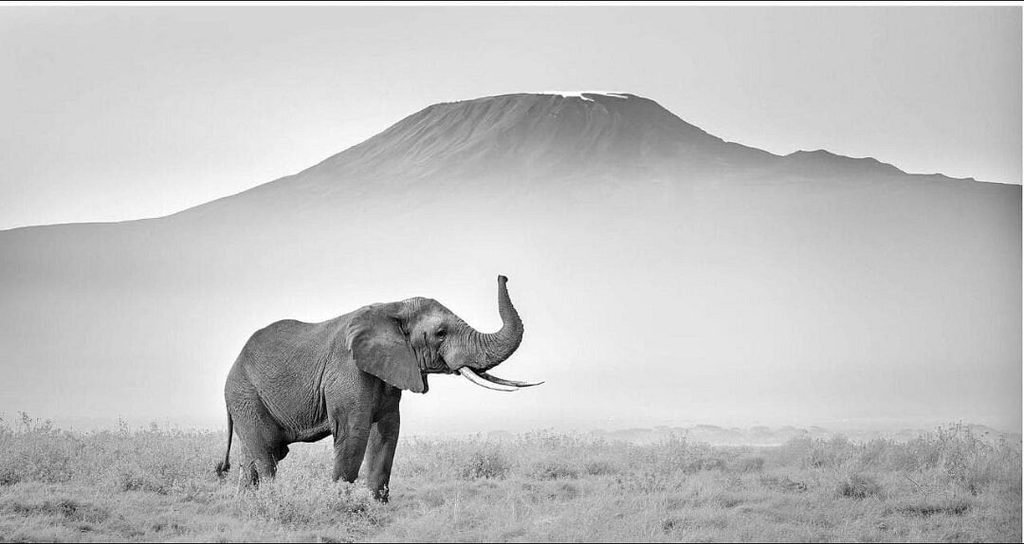
Plan Your Kenya Great Rift Valley and Tanzania Safari
Kenya’s Great Rift Valley offers an excellent combination of wildlife, adventure, scenic landscapes, and natural attractions. From boat trips on Lake Naivasha and cycling through Hell’s Gate to hiking Mount Longonot and exploring the wildlife habitats of Lake Nakuru, the region provides experiences suitable for different travel interests.
Travellers with additional time can continue towards Lake Bogoria, Lake Baringo, or the Maasai Mara before extending their holiday into Tanzania. Combining destinations allows visitors to experience a wider variety of East African landscapes, but the itinerary should be carefully planned to avoid unnecessary travel.
Eddy Tours & Safaris is a local tour company in Arusha, Tanzania, specialising in professionally guided Tanzania wildlife safaris, Kilimanjaro climbing trips, and private holidays. Our team can assist travellers interested in combining Kenya’s Great Rift Valley with Tanzania’s national parks by discussing suitable Tanzania itineraries and cross-border travel arrangements.
Explore our Tanzania safari experiences or contact Eddy Tours & Safaris to discuss your preferred travel dates, destinations, accommodation category, and budget.
Contact Eddy Tours & Safaris
Location: Arusha, Tanzania
Email: sales@eddytours-safaris.com
Phone/WhatsApp: +255 711 906 664
Website: Eddy Tours & Safaris Official Website