
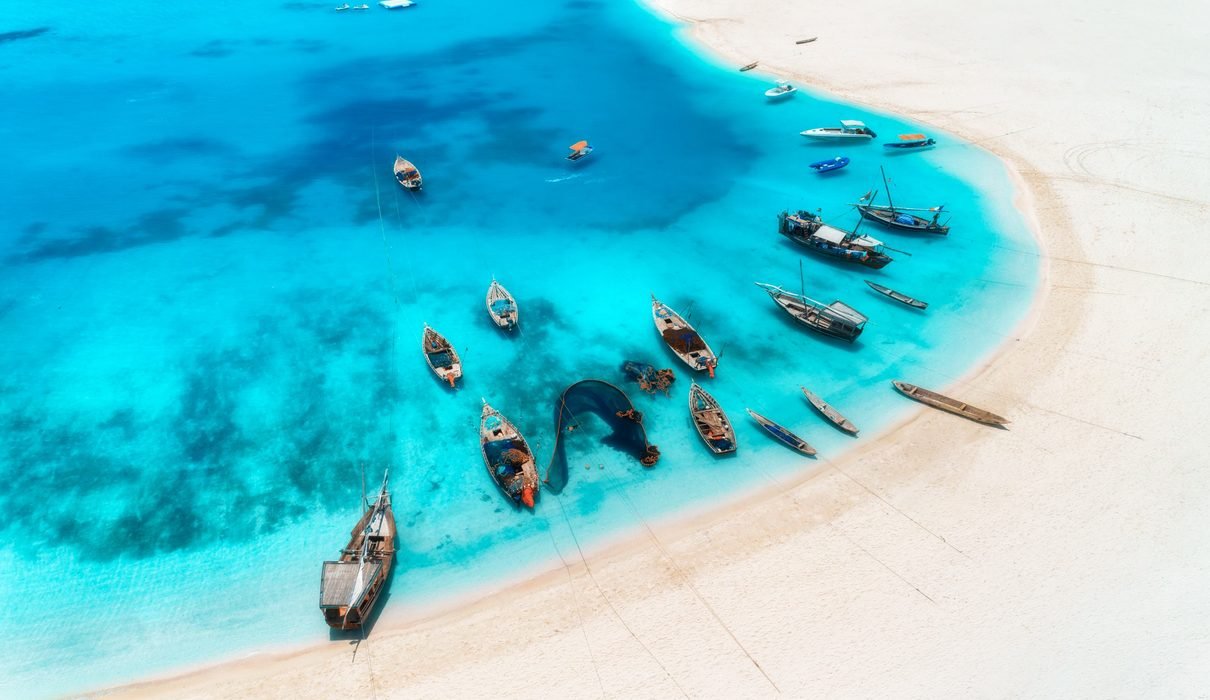
Stone Town is one of the most interesting places to visit during a holiday in Zanzibar, Tanzania. Located on the western coast of Unguja Island, this historic town is famous for its narrow streets, beautifully carved wooden doors, old buildings, colorful markets, and rich Swahili culture. Walking through Stone Town feels different from visiting Zanzibar’s beach destinations because almost every street has something to tell you about the island’s history and everyday life.
For travelers planning to visit Zanzibar in 2027 or 2028, Stone Town is a great place to begin a holiday. You can explore historic buildings, learn about Zanzibar’s trading history, taste local food, visit traditional markets, and enjoy beautiful views of the Indian Ocean. The town is small enough to explore on foot, but there are plenty of interesting places to discover, especially when you take your time and travel with a knowledgeable local guide.
Stone Town became a UNESCO World Heritage Site in 2000 because of its historic architecture and cultural importance. Over many centuries, the town developed through contact between African, Arab, Indian, and European communities. These influences can still be seen in its buildings, food, language, and traditions. The town also has a difficult history connected with the East African slave trade, which is an important part of understanding Zanzibar’s past.
At Eddy Tours & Safaris, we help travelers plan Zanzibar holidays, cultural tours, and Tanzania safari experiences. Whether you are visiting Stone Town for a few hours, spending a full day exploring, or staying overnight, this guide explains the best things to do in Zanzibar Stone Town in 2027 and 2028, including popular attractions, cultural experiences, local food, shopping, and practical travel advice.

Zanzibar Stone Town Travel Overview
| Travel information | Details |
|---|---|
| Destination | Stone Town, Zanzibar, Tanzania |
| Island | Unguja |
| Best for | History, culture, food, shopping and sightseeing |
| Recommended visit | One full day or one to two nights |
| Main activities | Walking tours, museums, markets and waterfront visits |
| Getting around | Mostly on foot |
| Popular evening activity | Forodhani Gardens food market |
| Travel years | 2027 and 2028 |
| Tour options | Guided cultural tours and customized Zanzibar holidays |
1. Explore the Historic Streets of Stone Town
One of the best things to do in Zanzibar Stone Town is simply walk through its narrow streets and discover the character of the old town. Unlike modern cities with wide roads and organized blocks, Stone Town has a network of winding alleys that lead between historic houses, small shops, mosques, cafés, and traditional markets. Some streets are so narrow that cars cannot pass through, making walking the most practical way to explore.
As you move through the town, you will notice old coral-stone buildings with wooden balconies, decorated windows, and large entrance doors. Many of these buildings reflect the different communities that influenced Zanzibar over several centuries. You may also see residents sitting outside their homes on traditional stone benches called baraza, chatting with neighbors or watching daily life pass by.
A guided walking tour is particularly useful for first-time visitors because it helps explain the history behind buildings that might otherwise look like ordinary houses. Local guides can also help you understand the customs of the town and show you quieter streets that visitors sometimes miss. Morning and late afternoon are comfortable times for walking, especially during the warmer months.
2. Visit the Old Fort of Zanzibar
The Old Fort, locally known as Ngome Kongwe, is one of the most recognizable historic buildings in Stone Town. Located near the waterfront and Forodhani Gardens, this large stone fortress dates back to the period of Omani influence in Zanzibar. Its thick walls, open courtyard, and historic appearance make it an interesting stop for travelers who want to learn more about the island’s past.
The fort has served different purposes over the years, including military and public uses. Today, it is associated with cultural activities, local crafts, and events, depending on the arrangements in place during your visit. Visitors can appreciate its architecture, walk through accessible areas, and learn how the building became part of Stone Town’s history.
The Old Fort is also conveniently located near several other attractions, making it easy to include during a walking tour. After exploring the fort, you can continue toward the House of Wonders, Forodhani Gardens, or the nearby waterfront. Check access arrangements and any event schedules before your visit in 2027 or 2028.
3. Discover the House of Wonders
The House of Wonders, also known as Beit al-Ajaib, is one of Zanzibar’s most famous historic landmarks. Built in 1883 during the reign of Sultan Barghash, the building stands along the Stone Town waterfront and reflects the importance of Zanzibar during the period of the sultanate. Its large balconies and distinctive architecture made it one of the most impressive buildings in the town.
The House of Wonders became known for its modern facilities during the nineteenth century, including electricity and other features that were unusual in the region at that time. For many years, the building served as an important cultural and historical attraction, helping visitors understand Zanzibar’s royal past and the island’s connections with international trade.
The building has undergone major restoration following structural damage, including a partial collapse in 2020. Visitors planning trips in 2027 or 2028 should therefore confirm whether interior access is available before making arrangements. Even when entry is restricted, the building remains an important part of Stone Town’s waterfront landscape and can be appreciated from approved public viewing areas.
4. Enjoy the Forodhani Gardens Night Food Market
Forodhani Gardens is one of the most popular places to visit in Stone Town during the evening. Located along the waterfront near the Old Fort, the gardens become lively as food vendors prepare different dishes for residents and visitors. The combination of cooking stalls, ocean views, local conversations, and evening activity makes Forodhani an enjoyable place to experience Zanzibar’s food culture.
Visitors can find a variety of foods, including grilled seafood, meat skewers, chapati, fresh fruit, and Zanzibar pizza. Despite its name, Zanzibar pizza is different from the Italian version. It is commonly prepared using thin dough folded around a filling and cooked on a hot surface. Depending on the vendor, fillings may include vegetables, meat, eggs, cheese, or sweet ingredients.
When visiting the market, take time to look at the different stalls and ask about prices before ordering. Choose food that is freshly cooked and served hot, and be careful with seafood or other items that may have been left unrefrigerated. Forodhani is a good place to enjoy the evening atmosphere, but you do not need to purchase anything to appreciate the waterfront setting.

5. Visit the Former Slave Market and Anglican Cathedral
One of the most important historical experiences in Stone Town is visiting the former slave market site and Christ Church Anglican Cathedral. The cathedral stands on the location of a former slave market, providing a powerful reminder of Zanzibar’s role in the East African slave trade. This visit is particularly meaningful for travelers who want to understand the more difficult chapters of the island’s history rather than focusing only on its beautiful buildings and beaches.
The site includes memorial features and historical interpretation connected with the experiences of enslaved people and the abolition of the slave trade. A guided visit can help explain how Zanzibar became involved in regional and international trading networks and how those networks affected communities across East Africa. The subject is serious, and visitors should approach the memorial respectfully.
The cathedral itself is also an important part of Stone Town’s architectural and religious history. Because it remains an active place of worship, access may occasionally be affected by religious services or other activities. Check current visiting arrangements and any entrance fees before arriving.
6. Explore Darajani Market
Darajani Market is one of the busiest places in Zanzibar City and an excellent destination for visitors who want to see everyday local life. The market is located near the eastern edge of Stone Town and attracts residents shopping for fresh vegetables, fruit, fish, meat, spices, and household goods. It offers a very different experience from the souvenir shops found along the main tourist streets.
Walking through Darajani gives you an opportunity to observe the variety of products used in Zanzibar’s cooking and daily routines. You may see tropical fruits, fresh herbs, dried spices, and locally produced foods, while vendors call out prices and customers move between the stalls. The market can be crowded and noisy, particularly during the morning, but this is part of its character as a working commercial area.
Visitors should remember that Darajani is primarily a local market rather than a tourist attraction. Ask permission before taking close-up photographs of vendors or shoppers, avoid blocking entrances, and respect people conducting their daily business. If you are interested in learning about the ingredients used in traditional Zanzibar dishes, visiting with a local guide can make the experience more informative.
7. Discover Zanzibar’s Famous Carved Wooden Doors
The carved wooden doors of Stone Town are among the town’s most recognizable architectural features. Many historic houses have large wooden entrances decorated with detailed patterns, brass studs, and carefully designed frames. These doors reflect different architectural influences and often provide clues about the history, craftsmanship, and social standing associated with the buildings.
As you walk through Stone Town, you will notice that some doors feature floral designs, geometric patterns, or Arabic inscriptions. Others have brass decorations and heavy wooden panels. The exact designs vary, and not every feature has one fixed meaning, but the doors collectively show the skill of the craftspeople who helped shape Zanzibar’s historic architecture.
Photographing these doors is a popular activity, especially along the quieter streets where the old buildings are well preserved. However, many doors still lead into private homes or businesses. Visitors should avoid entering private courtyards without permission and should be respectful when taking photographs near residents.
8. Visit the Freddie Mercury Museum
Stone Town is also known as the birthplace of Freddie Mercury, the famous lead singer of the rock band Queen. Born Farrokh Bulsara in Zanzibar in 1946, he later became one of the best-known performers in international rock music. His connection to Zanzibar has made the Freddie Mercury Museum a popular stop for music fans visiting the island.
The museum is associated with his early life and includes displays about his personal history and musical career. Visitors interested in music can learn about his background and the journey that eventually led him to international fame. The museum is relatively small compared with major national museums, so it can usually be included as part of a wider Stone Town walking tour.
Even travelers who are not major Queen fans may find the visit interesting because it connects Stone Town’s historic setting with a well-known figure from modern music. Opening hours, ticket prices, and exhibition arrangements should be checked before your visit.

9. Learn About Zanzibar’s Royal History at the Palace Museum
The Palace Museum, also known as the People’s Palace or Beit el-Sahel, is associated with the former rulers of Zanzibar. Located along the historic waterfront, the building offers an opportunity to learn about the sultanate and the political history of the island. Its position near other major landmarks makes it a useful stop for visitors interested in Stone Town’s royal past.
The history of Zanzibar’s rulers is closely connected with trade, architecture, and the development of the town during the nineteenth and early twentieth centuries. Exploring the palace’s history helps explain why Stone Town became such an important center along the East African coast and how its relationships with other parts of the Indian Ocean shaped local life.
Visitor access and exhibitions may change because of maintenance or restoration work. If the museum is open during your 2027 or 2028 visit, a guided tour can provide valuable historical context. If interior access is unavailable, your guide can still explain the building’s importance from an appropriate public area.
10. Visit the Hamamni Persian Baths
The Hamamni Persian Baths are another interesting historical attraction in Stone Town. Built during the nineteenth century, the baths reflect the influence of Persian and Arab bathing traditions on Zanzibar’s urban life. Although the building is no longer used as a public bathhouse in the traditional sense, it remains an important example of the town’s historic architecture.
The baths were designed with different rooms and spaces associated with bathing and relaxation. Their layout provides insight into the social customs of the period and the importance of public bathing facilities in the town. Visitors interested in architecture may enjoy examining the surviving design features and learning how the building was originally used.
The Hamamni Baths are a good addition to a walking tour because they offer a different perspective from the forts, palaces, and markets. Check whether guided interior visits are available before including the site in your schedule.
11. Take a Boat Trip to Prison Island
Prison Island, also called Changuu Island, is a popular excursion from Stone Town. Located offshore in the Indian Ocean, the island can be reached by boat from the Stone Town area. It is known for its historical buildings, coastal scenery, and resident giant Aldabra tortoises, which are one of the main attractions for visitors.
The island has a history connected with plans for a prison and its later use as a quarantine station. Today, visitors often combine a short historical tour with time spent observing the tortoises and enjoying the surrounding coastal environment. The boat journey also provides views of Stone Town from the water, which can be particularly attractive when the weather is clear.
Prison Island is suitable for travelers who want to combine cultural sightseeing with a short marine excursion. However, boat schedules and sea conditions can affect the trip, and any wildlife interaction should follow the rules established by the site. Ask your guide about entrance fees, boat arrangements, and the appropriate way to observe the tortoises.
12. Experience a Traditional Zanzibar Spice Tour
Zanzibar is widely known as the Spice Island because of its long history of growing and trading spices. Although most spice farms are located outside Stone Town, a spice tour is a popular excursion that can be combined with a visit to the historic center. Travelers can learn about plants used in cooking, traditional remedies, perfumes, and other everyday products.
During a typical spice tour, a local guide introduces visitors to plants such as cloves, cinnamon, nutmeg, vanilla, cardamom, and black pepper, depending on what is grown at the farm. You may have the opportunity to smell fresh leaves, observe how different spices grow, and learn how they are harvested and prepared. The experience is especially interesting for visitors who enjoy cooking or want to understand why spices have played such an important role in Zanzibar’s history.
Spice tours vary between farms, so the exact activities depend on the operator and season. If you plan to combine a spice tour with Stone Town sightseeing, allow enough time for both activities rather than rushing through the historic streets.
13. Try Traditional Zanzibar Food
Trying local food is an important part of visiting Stone Town because Zanzibar’s cuisine reflects the island’s connections with East Africa, Arabia, India, and the wider Indian Ocean region. Spices, coconut, rice, seafood, and fresh vegetables are common ingredients in many local dishes. The variety of food available makes Stone Town an enjoyable destination for travelers who want to experience Zanzibar beyond its beaches.
Popular dishes include pilau rice, biryani, coconut-based curries, grilled fish, octopus dishes, chapati, and different types of street food. Urojo, sometimes called Zanzibar mix, is another local favorite made with a flavorful sauce and a combination of ingredients that can include fritters, potatoes, and other toppings. Fresh tropical fruit and sugarcane juice are also commonly available.
For a more relaxed experience, choose a local restaurant or café and ask about the dishes being served that day. Some foods may be spicy, while others are mild and suitable for visitors who prefer familiar flavors. If you have allergies or dietary restrictions, explain them clearly before ordering, especially when seafood, nuts, or dairy products may be involved.
14. Shop for Local Crafts and Souvenirs
Stone Town has many small shops selling souvenirs, clothing, artwork, spices, jewelry, and handmade crafts. Shopping can be an enjoyable part of exploring the town because many stores are located inside historic buildings along narrow streets. You can find colorful fabrics, carved wooden items, baskets, paintings, and other products that reflect local artistic traditions.
When shopping, take time to compare products and ask about their origin. Some items are locally made, while others may be imported or produced elsewhere. If buying handmade crafts is important to you, ask vendors about the materials and people involved in making them.
Friendly bargaining is common in some markets and souvenir shops, but it should be done respectfully. Remember that the sellers are running businesses and that a small difference in price may matter more to them than to a visitor. Shopping locally can be a good way to support small businesses while bringing home something that reminds you of your Zanzibar holiday.
15. Watch the Sunset Along the Stone Town Waterfront
The Stone Town waterfront is one of the best places to spend the late afternoon. Facing the Indian Ocean, the seafront provides views of traditional boats, passing vessels, historic buildings, and the changing colors of the sky. After a day of walking through narrow streets and visiting museums, relaxing near the water can be a pleasant way to finish your sightseeing.
Forodhani Gardens and nearby waterfront areas are popular places to enjoy the evening atmosphere. Depending on the conditions, you may see traditional dhow boats moving across the water or local residents gathering along the shore. The sunset can be especially attractive when the sky is clear, although the exact view depends on the weather and your location.
Travelers who prefer a quieter experience may choose a waterfront café or restaurant where they can sit, enjoy refreshments, and watch the evening activity. This is also a good opportunity to take photographs of Stone Town’s historic seafront before visiting the Forodhani night food market.
Suggested One-Day Stone Town Itinerary
If you have only one full day in Stone Town, it is possible to experience several major attractions without rushing too much. Begin your morning with a guided walking tour through the historic streets, where you can learn about the carved wooden doors, old buildings, and different cultural influences that shaped the town. Continue to Darajani Market to see local shopping activity before visiting the former slave market and Anglican Cathedral.
After lunch at a local restaurant, explore the Old Fort and the waterfront area. Depending on opening arrangements, you may also visit the Freddie Mercury Museum, Palace Museum, or Hamamni Persian Baths. Allow time to walk slowly between attractions and enjoy the atmosphere of the old town rather than treating every stop as a quick photograph.
In the late afternoon, return to the waterfront to watch the sunset before visiting Forodhani Gardens in the evening. The food market is a good place to try Zanzibar pizza, grilled dishes, and other local snacks. If you are staying overnight, you can enjoy a more relaxed evening and explore additional streets the following morning.

How Many Days Should You Spend in Stone Town?
One full day is enough to see several of Stone Town’s main attractions, especially if you arrange a guided walking tour. However, spending one or two nights gives you more time to explore the town at a comfortable pace, enjoy the evening atmosphere, and visit museums without feeling rushed.
Travelers who want to include Prison Island, a spice tour, or other excursions may benefit from allowing two days or more. Stone Town can also serve as the starting point for a longer Zanzibar holiday, with additional nights at beach destinations such as Nungwi, Kendwa, Paje, Jambiani, or Matemwe.
For travelers combining Zanzibar with a mainland Tanzania safari, Stone Town is a convenient cultural addition before continuing to the beach. The best duration depends on your interests, travel schedule, and how much time you want to spend exploring the island.
Best Time to Visit Stone Town in 2027 and 2028
Stone Town can be visited throughout the year because its main attractions include historic buildings, markets, cultural sites, and local restaurants. However, the weather can affect how comfortable it is to walk through the town, particularly during periods of high humidity or heavy rainfall.
June to October is generally a popular time to visit Zanzibar because conditions are often relatively dry and comfortable. December to February is another popular period, although temperatures and humidity can be high. The heavier rainy season commonly occurs around March to May, while shorter rains may occur around November, although actual weather conditions vary between years.
If you plan to visit in 2027 or 2028, choose your dates based on your wider Zanzibar holiday and the activities you want to enjoy. Stone Town’s historic attractions can be explored in different seasons, but outdoor walking tours are generally more comfortable during cooler morning or late-afternoon hours.
Practical Travel Tips for Visiting Stone Town
Stone Town is best explored on foot, so comfortable walking shoes are important. The streets can be uneven, and some areas have limited space for vehicles. A local guide can help you navigate the town and explain the history of its buildings, but independent travelers can also enjoy walking through the main public areas.
Zanzibar has a predominantly Muslim population, and visitors should dress respectfully when walking through residential neighborhoods or visiting religious sites. Lightweight clothing that covers the shoulders and knees is a practical choice in many areas. When photographing residents, religious buildings, or private homes, ask permission where appropriate.
Carry some Tanzanian shillings for small purchases, local food, and market shopping, although certain tourism businesses may accept other payment methods. Confirm prices before buying goods or booking services, and keep personal belongings secure in busy markets. It is also sensible to carry drinking water and protect yourself from the sun during longer walking tours.
For travel in 2027 and 2028, check current visa rules, Zanzibar visitor insurance requirements, entrance fees, and attraction opening hours before departure, as these details may change.
Frequently Asked Questions About Stone Town Zanzibar
1. Is Stone Town worth visiting in 2027 and 2028?
Yes. Stone Town is one of Zanzibar’s most important cultural destinations, with historic buildings, local markets, museums, and traditional food.
2. What is Stone Town famous for?
It is famous for its UNESCO World Heritage status, narrow streets, carved wooden doors, historic architecture, and Swahili culture.
3. How many days do you need in Stone Town?
One full day is useful for the main attractions, while one or two nights allow a more relaxed visit.
4. Can you explore Stone Town on foot?
Yes. Walking is the most practical way to explore its narrow historic streets.
5. What is the best thing to do in Stone Town?
A guided walking tour is one of the best ways to understand the town’s history and architecture.
6. Is the Old Fort worth visiting?
Yes. It is an important historic landmark and is conveniently located near the waterfront.
7. Can you visit the House of Wonders?
Interior access depends on restoration progress and visitor arrangements. Check its status before your trip.
8. What is Forodhani Gardens famous for?
It is particularly known for its evening street-food market and waterfront atmosphere.
9. What food should I try in Stone Town?
Popular options include Zanzibar pizza, pilau, biryani, grilled seafood, chapati, and urojo.
10. Where is Freddie Mercury’s museum?
It is located in the historic Stone Town area associated with his early life.
11. Is Darajani Market suitable for tourists?
Yes, visitors can explore the market respectfully while observing everyday local shopping activities.
12. Can I visit Prison Island from Stone Town?
Yes. Boat excursions to Changuu Island are commonly arranged from the Stone Town area.
13. Are there giant tortoises on Prison Island?
Yes. The island is known for its resident Aldabra giant tortoises.
14. Can I do a spice tour from Stone Town?
Yes. Spice farm excursions outside the town can be arranged as part of a Zanzibar sightseeing itinerary.
15. What is the best time of day to visit Stone Town?
Morning and late afternoon are generally comfortable for walking, while evenings are popular around Forodhani Gardens.
16. Is Stone Town good for photography?
Yes. Its historic streets, carved doors, buildings, and waterfront offer many photography opportunities.
17. Can I visit Stone Town during the rainy season?
Yes. Many attractions can still be visited, although heavy rainfall may affect walking tours and boat excursions.
18. Should I hire a local guide?
A knowledgeable local guide is helpful for understanding the town’s history and navigating its narrow streets.
19. What should I wear in Stone Town?
Lightweight, modest clothing is recommended, particularly around residential and religious areas.
20. Can I buy souvenirs in Stone Town?
Yes. Shops sell fabrics, artwork, spices, jewelry, baskets, and other crafts.
21. Is Stone Town suitable for families?
Yes. Families can enjoy walking tours, cultural attractions, local food, and suitable nearby excursions.
22. Can I combine Stone Town with a beach holiday?
Yes. Many travelers visit Stone Town before continuing to Zanzibar’s northern, eastern, or southeastern beaches.
23. Can I combine Stone Town with a Serengeti safari?
Yes. A Tanzania safari and Zanzibar holiday can be arranged as one travel itinerary.
24. Are entrance fees included in Stone Town tours?
This depends on the tour package. Always confirm which museum, attraction, and guide fees are included.
25. How can I book a Stone Town tour for 2027 or 2028?
You can contact Eddy Tours & Safaris to request a customized Zanzibar cultural tour or holiday quotation.
Plan Your Zanzibar Stone Town Tour for 2027 and 2028 with Eddy Tours & Safaris
Stone Town is much more than a place to spend a few hours before heading to Zanzibar’s beaches. Its historic streets, old buildings, traditional markets, local food, and waterfront provide a chance to understand the island’s culture and history. Whether you are interested in the Old Fort, the former slave market, Forodhani Gardens, Freddie Mercury’s connection to Zanzibar, or simply walking through the narrow streets, there are plenty of experiences to enjoy.
For travelers visiting Zanzibar in 2027 or 2028, spending at least one full day in Stone Town is a good way to discover the historic side of the island. Those with additional time can combine their visit with Prison Island, a spice tour, or several days at the beach. Stone Town also works well as part of a longer Tanzania holiday that includes a Serengeti safari, Ngorongoro Crater, or Mount Kilimanjaro.
At Eddy Tours & Safaris, we help travelers plan Zanzibar sightseeing tours, beach holidays, and customized Tanzania travel packages. Our team can assist with arranging cultural tours, transfers, accommodation, and suitable excursions according to your interests and travel dates.
Request Your Zanzibar Holiday Quotation
Chat with Eddy Tours & Safaris on WhatsApp
Email: sales@eddytours-safaris.com
Discover the history, food, and everyday culture of Stone Town as part of your Zanzibar holiday in 2027 or 2028.