
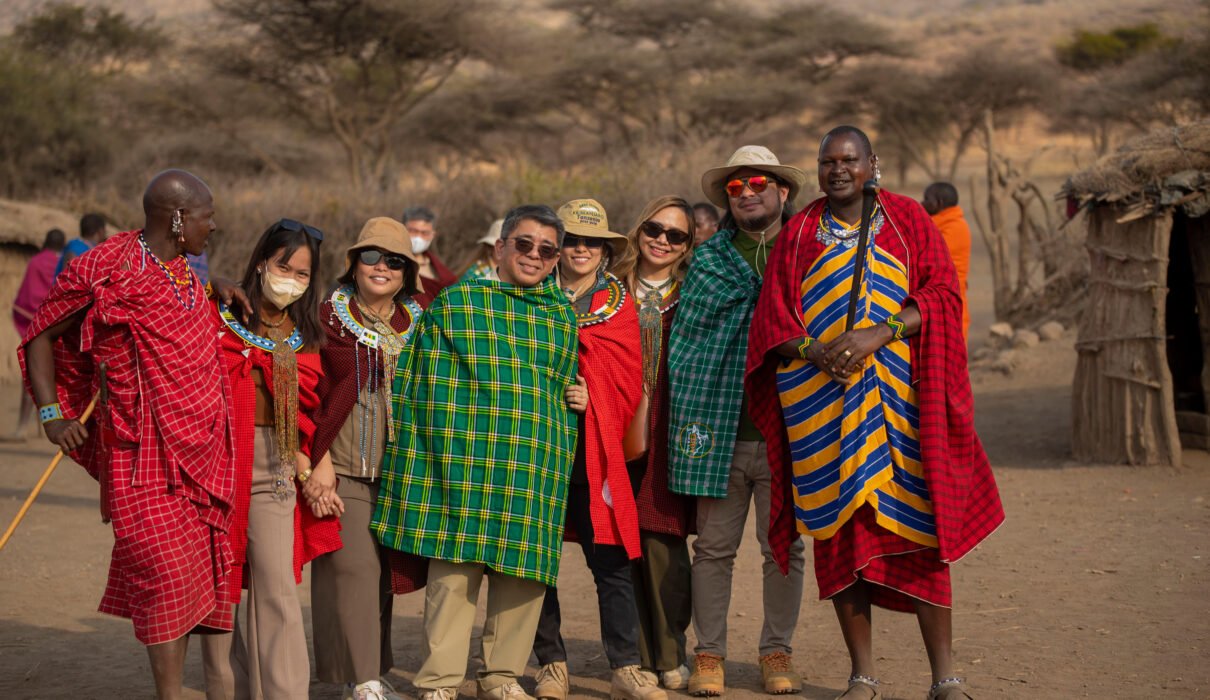
Tribes of Tanzania: Ethnic Groups and Traditions is one of the most meaningful ways to understand the country beyond wildlife and landscapes, because Tanzania’s real identity lives in its people, languages, customs, beliefs, music, clothing, food systems and social structures that have been passed from one generation to another for centuries across villages, mountains, plains and coastal communities.
More than a hundred distinct ethnic communities live across Tanzania, each with its own stories, knowledge systems and relationship with land and nature. When visitors take time to learn about people before taking photographs, before entering villages, and before joining cultural activities, travel becomes a respectful exchange instead of a simple observation.
Tribes of Tanzania: Ethnic Groups and Traditions and why cultural diversity matters
Tribes of Tanzania: Ethnic Groups and Traditions show how cultural diversity strengthens social stability and helps protect traditional knowledge that supports agriculture, livestock keeping, water management, healing practices and environmental conservation. Cultural heritage protection frameworks promoted by UNESCO emphasise that living traditions are as important as monuments, because languages, rituals and skills carry identity and community memory. Social and cultural development research coordinated by the UN Department of Economic and Social Affairs further highlights how indigenous knowledge and community institutions improve local governance and social resilience.
Academic research shared through JSTOR and international anthropology networks such as the American Anthropological Association help preserve oral history, cultural values and social structures that might otherwise disappear under modern pressure.
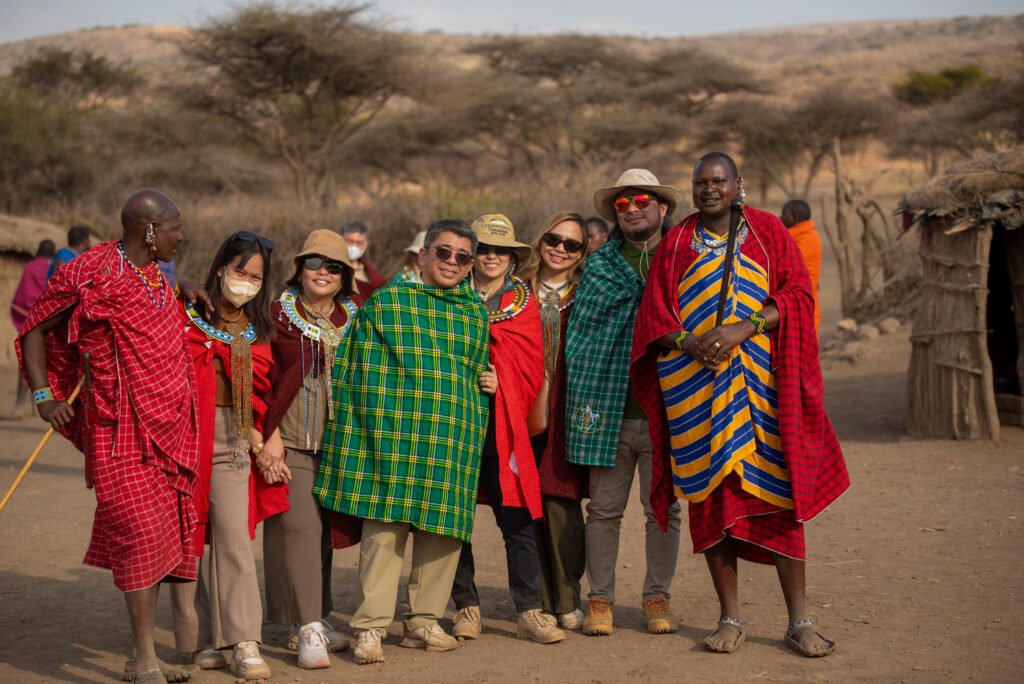
Tribes of Tanzania: Ethnic Groups and Traditions among pastoral communities
Tribes of Tanzania: Ethnic Groups and Traditions are clearly seen among pastoral communities such as the Maasai, Barabaig and Datoga, whose livelihoods depend on seasonal grazing, cattle management and shared land-use systems. These communities have developed strong institutions for conflict resolution, land access and livestock movement that are closely linked to environmental cycles. Sustainable rangeland and pastoral systems research supported by the Food and Agriculture Organization shows that traditional grazing practices can support biodiversity and reduce land degradation when combined with modern land planning.
Environmental governance guidance from the International Union for Conservation of Nature also recognises that community land rights and customary management systems play a key role in protecting ecosystems that surround many pastoral villages.
Tribes of Tanzania: Ethnic Groups and Traditions within farming societies
Across Tanzania, many ethnic communities such as the Chagga, Haya, Sukuma and Nyakyusa have developed intensive and sustainable farming systems adapted to local climate, soil and water availability. Tribes of Tanzania: Ethnic Groups and Traditions among farming societies include terrace cultivation, mixed cropping, soil conservation practices and traditional seed selection that maintain food security and ecosystem health. Agricultural research and rural development studies published by the International Food Policy Research Institute and sustainable land-use research coordinated by the CGIAR confirm that many indigenous farming practices remain highly relevant for climate adaptation.
Forest-based farming and agroforestry systems promoted by the World Agroforestry Centre further show how cultural land management supports both livelihoods and biodiversity.
Tribes of Tanzania: Ethnic Groups and Traditions and the relationship with nature
Tribes of Tanzania: Ethnic Groups and Traditions are deeply connected to rivers, forests, mountains and wildlife. Sacred forests, ritual trees and protected springs are common features in many communities. Conservation research coordinated by Conservation International and ecosystem protection programmes supported by The Nature Conservancy show that traditional spiritual and cultural values often contribute directly to biodiversity protection.
Community-based conservation approaches promoted by the United Nations Environment Programme demonstrate how cultural institutions can strengthen local stewardship of forests, wetlands and wildlife corridors.
Tribes of Tanzania: Ethnic Groups and Traditions and language diversity
Language is one of the strongest expressions of Tribes of Tanzania: Ethnic Groups and Traditions. Tanzania hosts dozens of distinct languages belonging to Bantu, Nilotic and Cushitic families. Linguistic research coordinated by Ethnologue and language documentation initiatives supported by Endangered Languages Project show that many local languages remain vulnerable and require active preservation through education and community use.
Protecting language diversity is also linked to preserving oral history, medicinal knowledge and environmental information that cannot be fully translated into global languages.
Tribes of Tanzania: Ethnic Groups and Traditions and music, dance and ceremonies
Ceremonies, music and dance remain essential expressions of Tribes of Tanzania: Ethnic Groups and Traditions, marking rites of passage, harvest celebrations, marriages and community reconciliation. Cultural documentation initiatives promoted by UNESCO Intangible Cultural Heritage help protect traditional performance and artistic practices across East Africa.
Research institutions such as the Smithsonian Institution and academic cultural archives preserve audio and visual records that support long-term safeguarding of traditional artistic knowledge.
Tribes of Tanzania: Ethnic Groups and Traditions and traditional governance systems
Traditional leadership, elders’ councils and clan-based institutions remain important in many Tanzanian communities. Tribes of Tanzania: Ethnic Groups and Traditions include decision-making structures that regulate land use, marriage rules, inheritance and conflict resolution. Governance and community development studies coordinated by the Overseas Development Institute and the World Bank show that inclusive traditional institutions often support stronger social cohesion and resource management.
Recognising these governance systems helps modern development programmes align with local realities instead of replacing them.
Tribes of Tanzania: Ethnic Groups and Traditions and women’s roles in culture
Women play central roles in preserving Tribes of Tanzania: Ethnic Groups and Traditions through food systems, childcare, traditional healing, craft production and intergenerational education. Gender and development research supported by UN Women and social policy studies by Institute of Development Studies demonstrate how empowering women strengthens cultural continuity and community wellbeing.
Traditional basketry, beadwork, pottery and textile skills remain major sources of identity and income for many rural households.
Tribes of Tanzania: Ethnic Groups and Traditions and youth cultural transmission
For Tribes of Tanzania: Ethnic Groups and Traditions to survive, young people must remain connected to their heritage while accessing modern education and employment. Education and culture integration strategies promoted by Global Partnership for Education and youth development research coordinated by UNICEF highlight the importance of culturally inclusive learning systems.
When schools and families work together, young people grow up respecting both modern opportunities and ancestral knowledge.
Tribes of Tanzania: Ethnic Groups and Traditions and ethical cultural tourism
Tribes of Tanzania: Ethnic Groups and Traditions can be supported through ethical and respectful cultural tourism when communities control how their culture is presented and shared. Sustainable tourism and community benefit frameworks promoted by the International Institute for Environment and Development show that cultural tourism can support education, healthcare and infrastructure when it is locally led.
Visitors who plan culturally sensitive journeys through Eddy Tours and Safaris are guided to interact respectfully with communities, follow local protocols and support genuine cultural initiatives rather than staged activities.
Tribes of Tanzania: Ethnic Groups and Traditions and community-based travel experiences
Meaningful engagement with Tribes of Tanzania: Ethnic Groups and Traditions happens best through community visits that are co-designed with local leaders. Travellers often choose to combine cultural encounters with wildlife experiences through custom safari itineraries in Tanzania, which allow communities to participate directly in guiding, hosting and cultural interpretation.
For guests seeking deeper understanding of daily life, traditional food preparation, farming practices and storytelling, professional planning support through professional local safari planning services helps ensure visits remain respectful, educational and beneficial for host families.
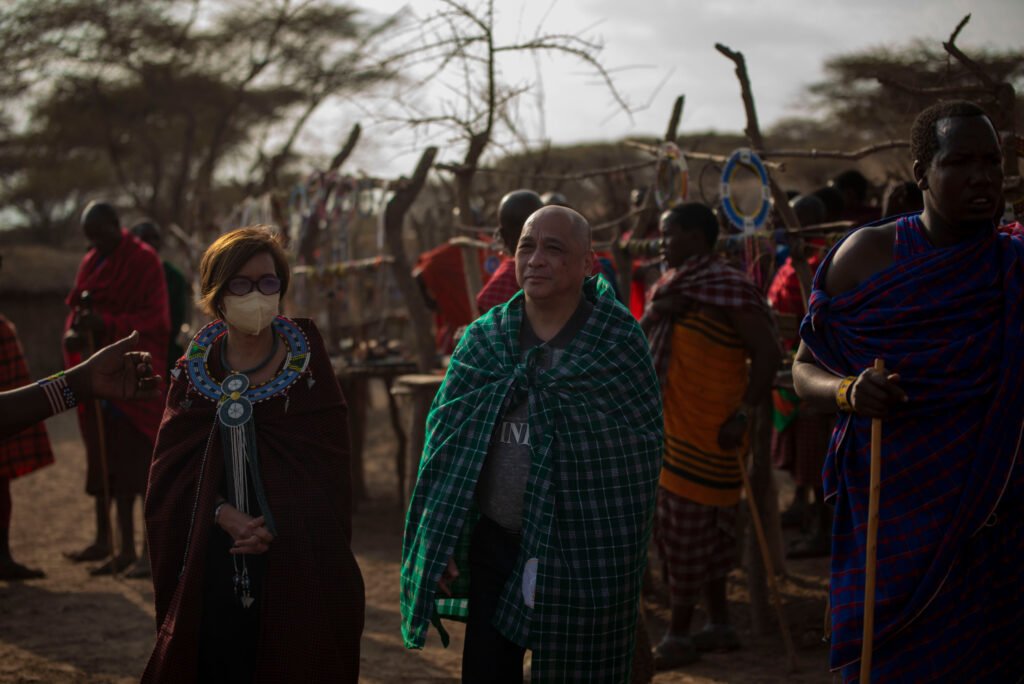
Tribes of Tanzania: Ethnic Groups and Traditions and cultural landscapes
Many cultural practices are inseparable from the land itself. Sacred hills, ritual groves and ancestral burial grounds shape how communities manage their environment. Tribes of Tanzania: Ethnic Groups and Traditions therefore also protect cultural landscapes. Landscape protection research coordinated by UN Environment Programme World Conservation Monitoring Centre and heritage landscape studies published through ScienceDirect show how cultural and natural heritage overlap.
Protecting these landscapes safeguards both biodiversity and cultural identity.
Tribes of Tanzania: Ethnic Groups and Traditions and responsible travel choices
Travellers who wish to experience Tribes of Tanzania: Ethnic Groups and Traditions responsibly are encouraged to choose locally operated travel services that respect community consent, privacy and cultural values. Visitors who book through responsible travel programmes in Tanzania contribute directly to community income, cultural preservation projects and youth education initiatives.
Respectful travel builds trust, supports cultural pride and creates long-lasting relationships between visitors and host communities.
Tribes of Tanzania: Ethnic Groups and Traditions and the future of cultural heritage
Tribes of Tanzania: Ethnic Groups and Traditions face growing challenges from land pressure, climate change, urban migration and cultural homogenisation. Long-term cultural protection requires strong policy support, community leadership and responsible visitor behaviour. Cultural sustainability research supported by Compendium of Cultural Policies and Trends highlights how national strategies can protect heritage while supporting modern development.
When travellers, governments, researchers and communities work together, Tanzania’s cultural heritage continues to remain alive, dynamic and respected.
In simple words, Tribes of Tanzania: Ethnic Groups and Traditions represent the true soul of the country. By listening, learning and travelling respectfully, visitors become partners in protecting cultural identity while enjoying meaningful and unforgettable experiences across Tanzania.