
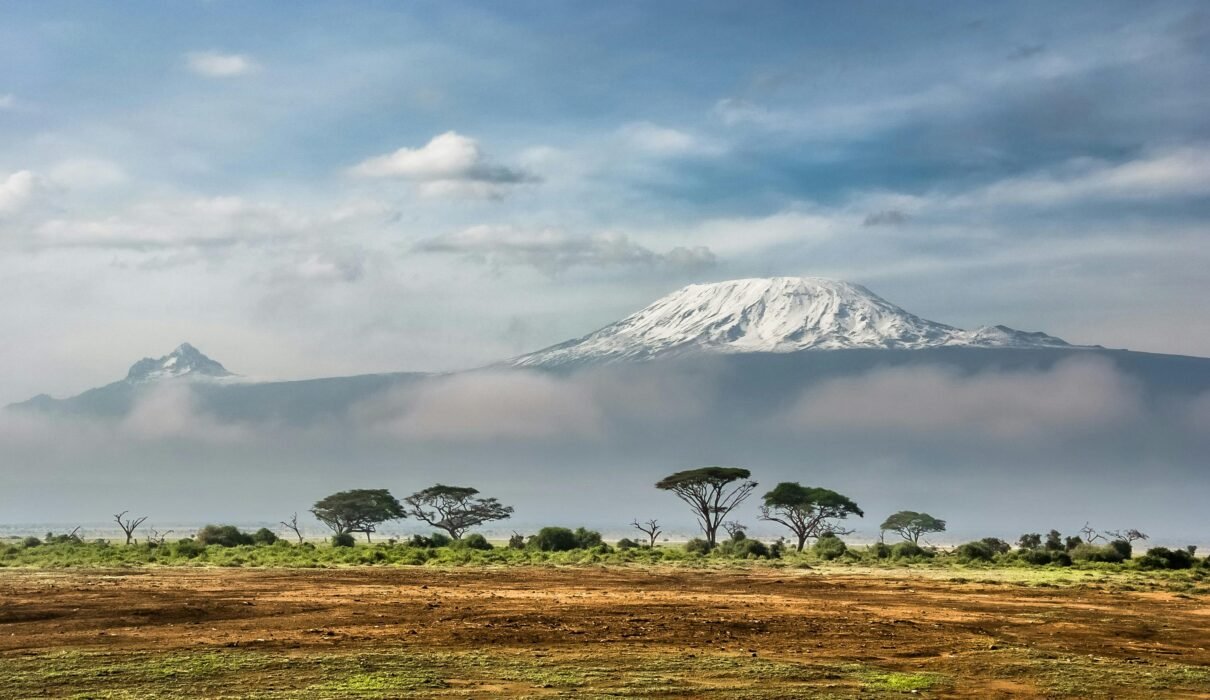
Uhuru Peak: Reaching the Summit of Kilimanjaro is the dream of thousands of travelers who come to Tanzania looking for more than adventure. It is the moment when effort, patience, science, history and personal courage meet at the highest point in Africa. Standing at Uhuru Peak is not only about reaching a sign at the top of a mountain. It is about understanding what this place represents to the environment, to research communities, and to the people who protect this fragile landscape every day.
This guide explains the real meaning of Uhuru Peak using reliable scientific and conservation sources, and shows how careful planning makes your climb safer, richer and more responsible. For travelers preparing their journey with a professional local company such as Eddy Tours & Safaris, knowing the deeper story behind the summit transforms the climb into an experience that stays with you long after you return home.
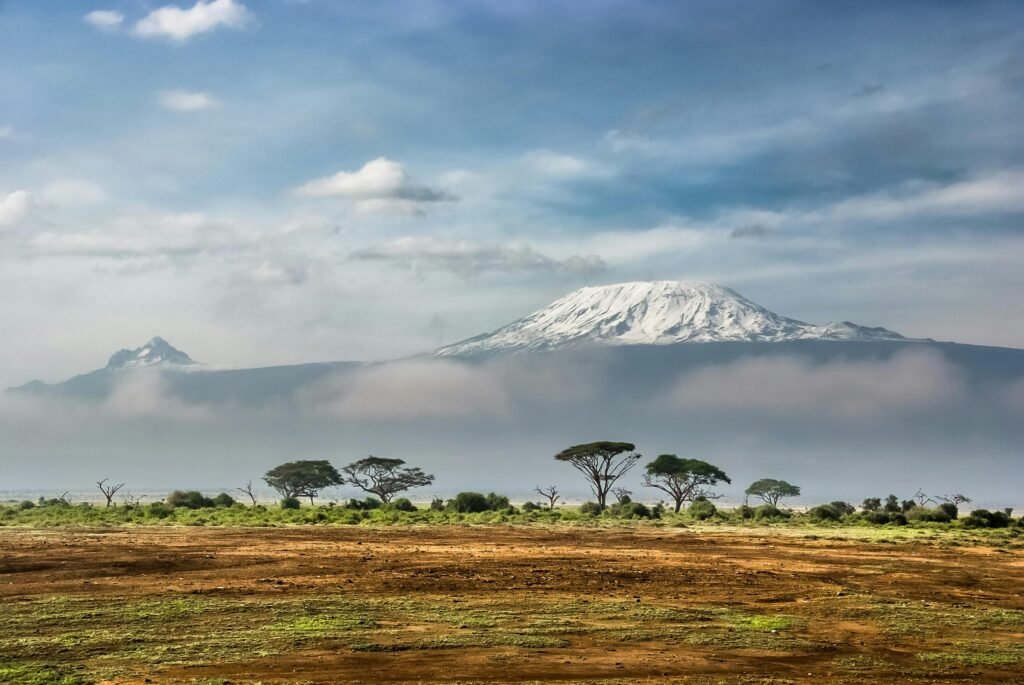
Uhuru Peak: Reaching the Summit of Kilimanjaro and its place in African geography
When people speak about Uhuru Peak: Reaching the Summit of Kilimanjaro, they are referring to the highest point on the African continent, located on the Kibo volcanic cone of Mount Kilimanjaro. Kilimanjaro itself is one of the most studied isolated mountains in the world. Geological research published by the United States Geological Survey explains how the mountain was formed through complex volcanic processes that created its massive structure and multiple cones.
Scientific analysis published through Frontiers in Earth Science and academic platforms such as ScienceDirect shows how high-altitude volcanic landforms like Kibo influence erosion patterns, soil stability and water systems. Uhuru Peak sits within this fragile geological system, making it an important reference point for researchers studying long-term landscape change.
Uhuru Peak: Reaching the Summit of Kilimanjaro and the story behind the name
The historical meaning of Uhuru Peak: Reaching the Summit of Kilimanjaro is closely linked to Tanzania’s national identity. The word “Uhuru” means freedom in Kiswahili and symbolizes independence and pride. Cultural and historical heritage frameworks promoted by UNESCO emphasize the importance of preserving places that carry national and educational value alongside natural significance.
Uhuru Peak is therefore not just a geographical point. It represents a cultural landmark that connects natural heritage with the human story of the region. Educational research supported by United Nations Academic Impact shows how protected landscapes become powerful learning environments that shape environmental awareness and cultural understanding.
Uhuru Peak: Reaching the Summit of Kilimanjaro and climate science
One of the most important scientific dimensions of Uhuru Peak: Reaching the Summit of Kilimanjaro comes from climate research. Kilimanjaro’s summit glaciers and ice fields have been widely used as indicators of climate change in tropical mountain systems. Observations from NASA Climate and assessments from the Intergovernmental Panel on Climate Change show how rising temperatures and shifting precipitation patterns directly affect high-altitude ice and permafrost.
Environmental monitoring programs coordinated by the United Nations Environment Programme and ecosystem assessments supported by the International Union for Conservation of Nature confirm that summit environments like Uhuru Peak are extremely sensitive to climate stress. Every climber who reaches the summit becomes a witness to a changing mountain landscape.
Uhuru Peak: Reaching the Summit of Kilimanjaro and human physiology at altitude
From a medical perspective, Uhuru Peak: Reaching the Summit of Kilimanjaro takes place in one of the most demanding natural environments the human body can tolerate without technical climbing equipment. Reduced oxygen pressure affects breathing, circulation and sleep. Medical guidance from the Centers for Disease Control and Prevention and professional standards promoted by the International Society for Mountain Medicine explain how altitude illness develops and how it can be prevented through proper ascent profiles.
Clinical research published through PubMed and medical education resources from Johns Hopkins Medicine confirm that slow ascent, hydration and early symptom recognition significantly improve safety and performance near the summit. This is why professional teams monitor climbers carefully before attempting the final push to Uhuru Peak.
Uhuru Peak: Reaching the Summit of Kilimanjaro and environmental protection
Environmental responsibility is central to Uhuru Peak: Reaching the Summit of Kilimanjaro. The summit zone is part of a highly fragile alpine ecosystem where recovery from damage is extremely slow. Conservation organizations such as the World Wide Fund for Nature, the African Wildlife Foundation and Conservation International emphasize that tourism activities must be carefully managed to avoid erosion, waste accumulation and habitat disturbance.
Geospatial and land monitoring research published by the United States Geological Survey and environmental education initiatives supported by the National Geographic Society show how trail concentration and regulated access are essential for protecting high-altitude environments like Uhuru Peak.
Uhuru Peak: Reaching the Summit of Kilimanjaro and wildlife conservation beyond the summit
Although wildlife is not found directly at the summit, Uhuru Peak: Reaching the Summit of Kilimanjaro remains connected to broader conservation systems that protect the entire mountain ecosystem. Research and protection programs implemented by the Wildlife Conservation Society and BirdLife International highlight how lower-altitude forests and moorlands support biodiversity that depends on healthy mountain catchments.
Large-scale ecosystem planning promoted by Panthera and integrated biodiversity frameworks coordinated by Intergovernmental Science-Policy Platform on Biodiversity and Ecosystem Services show that mountain protection strengthens wildlife corridors and water security across northern Tanzania.
Uhuru Peak: Reaching the Summit of Kilimanjaro and ethical mountain tourism
The social dimension of Uhuru Peak: Reaching the Summit of Kilimanjaro is equally important. Ethical employment and fair working conditions for mountain crews are promoted by the International Labour Organization, while community development programs supported by Oxfam International demonstrate how tourism can improve livelihoods when managed responsibly.
Professional trekking operations that follow ethical porter treatment, transparent wages and proper equipment standards create safer working environments and better communication on the mountain. Many travelers prefer structured itineraries provided by responsible Kilimanjaro climbing programs that place both human welfare and environmental protection at the center of every ascent.
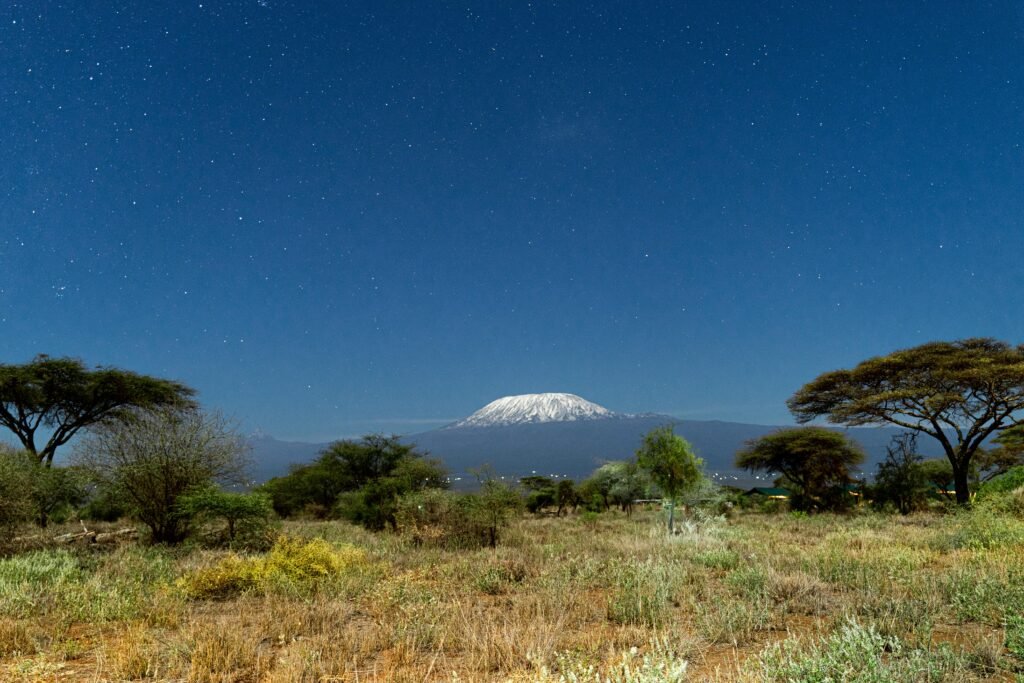
Uhuru Peak: Reaching the Summit of Kilimanjaro and research collaboration
Modern research depends on responsible access to summit regions, making Uhuru Peak: Reaching the Summit of Kilimanjaro a valuable field site for scientists. Ecological and climate studies published through Nature Research and long-term environmental data shared via Frontiers in Environmental Science rely on controlled human movement and reliable field logistics.
Operational risk management guidance developed by the World Bank Disaster Risk Management programme supports safer research and conservation activity in remote high-altitude environments such as Kilimanjaro’s summit zone.
Uhuru Peak: Reaching the Summit of Kilimanjaro and first-time climbers
For many visitors, Uhuru Peak: Reaching the Summit of Kilimanjaro represents their first experience at extreme altitude. Public health research supported by the Harvard T.H. Chan School of Public Health and physiological studies published in Frontiers in Physiology show that previous altitude experience is not essential when acclimatization schedules and professional supervision are applied correctly.
What matters most is honest communication with guides, controlled pacing and consistent hydration. Climbers who plan carefully with local professionals such as Tanzania travel specialists benefit from realistic daily strategies that respect individual responses to altitude.
Uhuru Peak: Reaching the Summit of Kilimanjaro and personal meaning
Beyond science and safety, Uhuru Peak: Reaching the Summit of Kilimanjaro holds powerful personal meaning for many people. It becomes a place of reflection, gratitude and quiet pride. The long night ascent, the cold air and the slow steps across volcanic rock create a shared human experience that connects climbers from different cultures and backgrounds.
Understanding the deeper environmental and historical value of Uhuru Peak helps climbers move through this space with humility and respect, knowing that they are visitors in a fragile and globally important landscape.
Plan your journey to Uhuru Peak with local expertise
Reaching the summit responsibly requires knowledge, flexibility and respect for both science and people. Uhuru Peak: Reaching the Summit of Kilimanjaro becomes safer and more meaningful when your climb is guided by professionals who understand daily mountain conditions and ethical operating standards.
If you would like honest advice and carefully designed itineraries, you can speak directly with local specialists through personal climbing consultation support. Your journey to Uhuru Peak is not just about standing at the top. It is about how you travel, who you support, and how you protect one of Africa’s most extraordinary natural treasures.