
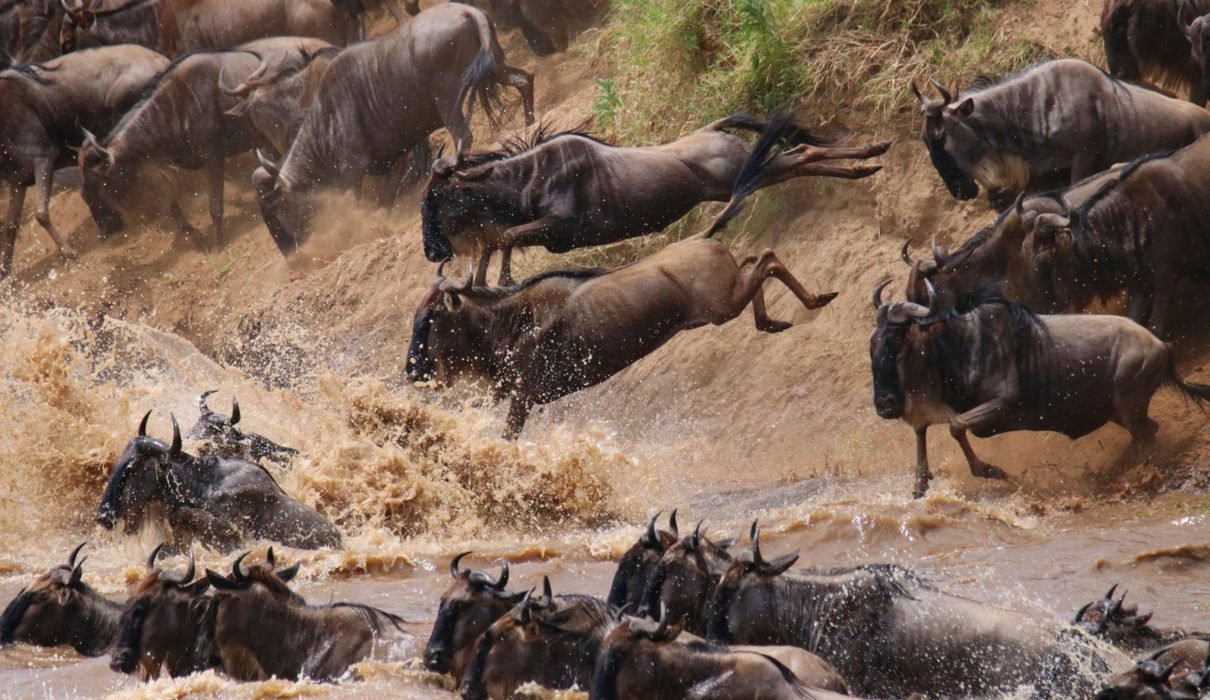
The Ultimate 6 Days Calving Season Safari Tanzania is designed for travellers who want to experience one of the most interesting periods of the Great Wildebeest Migration. Every year, large herds of wildebeest return to the short-grass plains of the Southern Serengeti and Ndutu, where hundreds of thousands of calves are born within a relatively short period. The arrival of these newborn animals attracts lions, cheetahs, hyenas and other predators, creating excellent opportunities to observe wildlife behaviour in its natural surroundings. This six-day safari takes you through some of Northern Tanzania’s best wildlife areas, combining the calving grounds with the elephant country of Tarangire and the remarkable wildlife concentration inside Ngorongoro Crater.
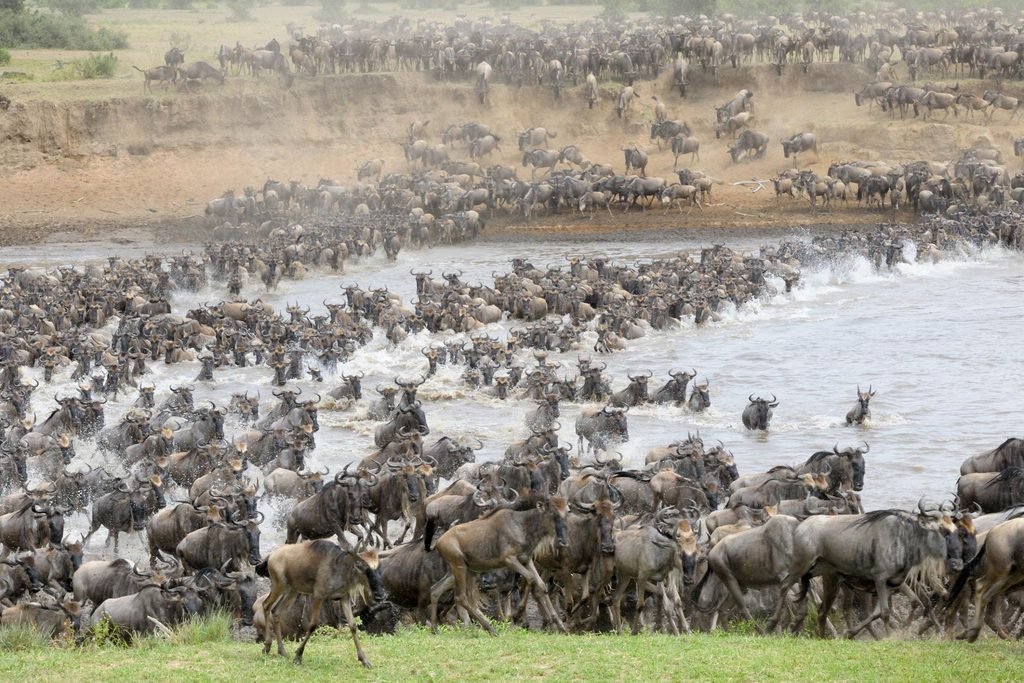
Travelling with Eddy Tours & Safaris, you will have a private safari vehicle and an experienced local guide who understands the seasonal movement of wildlife. Rather than spending most of your holiday moving between distant destinations, this itinerary gives particular attention to the Southern Serengeti and Ndutu, where the main calving activity usually takes place between late January and February. The programme also includes comfortable accommodation, daily game drives and time to appreciate the changing landscapes of Northern Tanzania. Whether you are visiting Africa for the first time or returning for another safari, the calving season provides a different view of the Great Migration, with young animals, large herds and predators sharing the same grasslands.
Why Choose This 6 Days Tanzania Calving Season Safari?
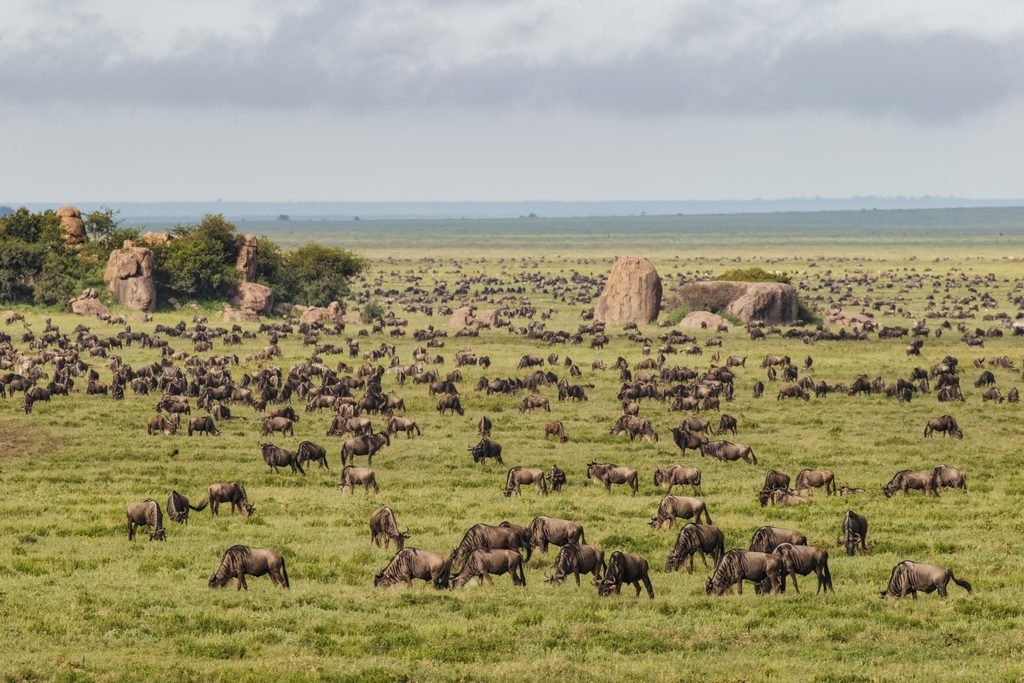
A calving season safari is different from the more familiar Great Migration river-crossing safaris. During the calving months, the wildebeest gather on the southern plains, where fresh grass provides important nutrition for pregnant females and their newborn calves. The open landscape allows visitors to see large numbers of animals, sometimes stretching across the grasslands as far as the eye can reach. It is also a particularly interesting season for photographers because the plains are often green, the skies can be dramatic and many animals are accompanied by their young. You may see calves learning to walk, mothers protecting their newborns and predators moving through the herds in search of opportunities.
This package has been arranged to provide a good balance between wildlife viewing and travelling time. Beginning in Arusha, you will visit Tarangire National Park before continuing towards the Ndutu region, where two full days are dedicated to exploring the calving grounds. You will then travel through the Southern Serengeti ecosystem before finishing with a game drive inside Ngorongoro Crater. The itinerary can be adjusted according to your travel dates, accommodation preferences and the latest information about the migration. Travellers interested in comparing other routes can also explore our Tanzania safari holidays and request a private itinerary based on their preferred travel period.
Detailed 6 Days Calving Season Safari Itinerary
Day 1: Arusha to Tarangire National Park – Elephants, Baobab Trees and Wildlife
Your safari begins in Arusha, where your professional guide from Eddy Tours & Safaris will collect you from your hotel after breakfast. Following a short briefing about the journey, you will drive towards Tarangire National Park, one of Tanzania’s most attractive wildlife destinations. The journey normally takes approximately two to three hours, depending on traffic and your departure point. As you leave Arusha behind, the landscape gradually changes from busy settlements and farmland to open countryside, Maasai villages and the broad plains of Northern Tanzania. On arrival at Tarangire, your guide will complete the park entry procedures before beginning your first game drive.
Tarangire is particularly well known for its large elephant population and impressive baobab trees, some of which have stood for hundreds of years. During your game drive, you may encounter elephants feeding among the trees, giraffes moving through the woodland, zebras, wildebeest, impalas, buffaloes and several species of antelope. Lions and leopards are also present, although sightings depend on their movements and the conditions of the day. The Tarangire River is an important feature of the park, especially during the dry season, while the greener months bring attractive scenery and a wide variety of birdlife. Your guide will select suitable game-viewing areas according to recent wildlife activity and road conditions.
You will enjoy a packed lunch at an appropriate picnic area before continuing your afternoon game drive. Later, you will leave the park and travel to your accommodation in the Tarangire or Karatu area, depending on the confirmed lodge arrangement. After checking in, you can relax, enjoy dinner and prepare for the next day’s journey towards the Southern Serengeti.
Accommodation: Comfortable lodge in the Tarangire or Karatu area
Meals: Lunch and Dinner
Day 2: Tarangire or Karatu to Ndutu – Entering the Great Migration Calving Grounds
After an early breakfast, you will begin your journey towards Ndutu, travelling through the Ngorongoro Conservation Area. The drive takes you across the highlands, where the cooler climate, green hills and rural communities provide a different landscape from the dry plains of Tarangire. Depending on weather and road conditions, your guide may stop at a suitable viewpoint overlooking the Ngorongoro Crater before continuing towards the open grasslands of the southern Serengeti ecosystem. As you approach Ndutu, the woodland gradually gives way to wide plains that provide seasonal grazing for the migrating wildebeest and zebras.
The Ndutu region is one of the most important destinations for travellers visiting Tanzania during the calving season. Between January and March, large herds commonly gather across the short-grass plains of the Southern Serengeti and neighbouring Ngorongoro Conservation Area. The exact location of the animals changes according to rainfall and the availability of fresh grass, so your guide will use current local wildlife information to decide which areas to explore. During the main calving period, it is possible to see newborn wildebeest alongside their mothers, young zebras and large concentrations of grazing animals. Lions, cheetahs, hyenas and jackals are frequently attracted to these areas because of the abundance of potential prey.
You will enjoy a picnic lunch during the journey and continue with an afternoon game drive around the Ndutu plains, where permitted. This first afternoon introduces you to the calving grounds and provides an opportunity to begin observing the migration before the longer game drives scheduled for the following days. As evening approaches, you will travel to your tented camp or lodge in the Ndutu area for dinner and an overnight stay.
Accommodation: Safari lodge or seasonal tented camp in Ndutu
Meals: Breakfast, Lunch and Dinner
Day 3: Full-Day Ndutu Calving Season Safari – Newborn Wildebeest and Predator Activity
Today is dedicated entirely to exploring the Ndutu calving grounds, giving you enough time to observe the migration without rushing between destinations. After an early breakfast, you will leave camp with your guide and begin searching for the large wildebeest herds that gather on the plains during this season. Morning game drives are particularly rewarding because many animals are active before the temperature rises, while predators may still be moving through the grasslands after a night of hunting. The open terrain makes it easier to observe wildlife from a distance, and your guide will position the vehicle carefully to provide good viewing opportunities without disturbing the animals.
One of the most interesting parts of the calving season is watching the relationship between wildebeest mothers and their newborn calves. Wildebeest calves are capable of standing and moving shortly after birth, an important survival advantage in an environment where predators are always present. During your game drive, you may see young calves following their mothers, groups of females grazing together and herds responding to the presence of nearby lions or cheetahs. Although witnessing an actual birth or hunt cannot be guaranteed, the concentration of wildlife makes this a particularly good time to observe natural animal behaviour.
Your guide will also look for cheetahs resting on termite mounds, lions moving between grazing herds, spotted hyenas and other wildlife found around Ndutu. Depending on the day’s sightings, you may explore areas near Lake Ndutu, Lake Masek and the surrounding plains, subject to access regulations and road conditions. A picnic lunch will allow you to remain in the wildlife area for much of the day, although the programme can be adjusted if you prefer a break at camp. In the late afternoon, you will return to your accommodation for dinner and a relaxing evening.
Accommodation: Safari lodge or seasonal tented camp in Ndutu
Meals: Breakfast, Lunch and Dinner
Day 4: Southern Serengeti and Ndutu – Following the Great Migration Herds
After breakfast, you will spend another day exploring the Southern Serengeti ecosystem, with the route selected according to the current position of the migrating herds. Having a second full day in this area is particularly useful because the wildebeest do not remain in one location throughout the season. Rainfall can influence their movement from one section of the plains to another, and some days provide better opportunities for seeing newborn animals while others may be more productive for predator sightings. Your guide will use this flexibility to concentrate on areas where wildlife activity is strongest.
The Southern Serengeti is known for its extensive open grasslands, scattered acacia trees and rocky outcrops. During the calving season, large numbers of wildebeest and zebras may gather in these areas, often accompanied by gazelles and other grazing animals. Predators take advantage of the concentration of prey, and patient wildlife viewing can sometimes reveal hunting behaviour, territorial interactions and the daily challenges faced by young animals. The day is also suitable for wildlife photography, as you will have time to observe individual animals and wait for suitable lighting rather than moving continuously from one location to another.
Your guide will arrange lunch at a suitable location and continue exploring the plains during the afternoon. If the main migration herds have shifted towards a different section of the ecosystem, the game drive may be adjusted accordingly, subject to park access and the itinerary’s accommodation arrangements. You will return to your Ndutu accommodation in the evening, allowing you to enjoy a final night close to the calving grounds before travelling towards Ngorongoro the following day.
Accommodation: Safari lodge or seasonal tented camp in Ndutu
Meals: Breakfast, Lunch and Dinner
Day 5: Ndutu to Ngorongoro Conservation Area – Scenic Drive and Wildlife Viewing
Following breakfast, you will depart from Ndutu and begin your journey back towards the Ngorongoro highlands. Depending on the location of your accommodation and the day’s travel arrangements, you may enjoy a morning game drive before leaving the southern plains. This provides one more opportunity to observe the wildebeest herds, search for predators and photograph the landscapes that make the calving season so interesting. As you travel away from Ndutu, the open grasslands gradually change into rolling hills, woodland and the higher elevations of the Ngorongoro Conservation Area.
The Ngorongoro Conservation Area is an important wildlife and cultural landscape where conservation and traditional pastoral activities exist alongside one another. During the journey, you may see Maasai communities tending their livestock in designated areas, as well as wildlife moving across the surrounding grasslands. Your guide will explain the history of the area, its importance to Tanzania’s wildlife conservation and the relationship between the Serengeti ecosystem and the Ngorongoro highlands. The route also provides attractive views of the countryside, particularly when the seasonal rains have turned the hills green.
After lunch, you will continue to your lodge in the Karatu area or near the Ngorongoro Crater rim, depending on your accommodation choice. The afternoon will be relatively relaxed, giving you time to enjoy the lodge facilities and prepare for an early start the following morning. You will have dinner and spend the night close to Ngorongoro, ready for the final game drive of your six-day safari.
Accommodation: Comfortable lodge in Karatu or near Ngorongoro Crater
Meals: Breakfast, Lunch and Dinner
Day 6: Ngorongoro Crater Game Drive – Return to Arusha
Your final safari day begins with an early breakfast before travelling to the Ngorongoro Crater entrance. Once the necessary entry arrangements have been completed, you will descend into the crater for a game drive on its floor. Ngorongoro is one of Tanzania’s most famous wildlife destinations because of its distinctive volcanic landscape and the variety of animals living within a relatively compact area. The crater floor contains grasslands, wetlands, seasonal watercourses and woodland, providing suitable habitats for many different species throughout the year.
During your game drive, you may encounter large herds of buffaloes, zebras, wildebeest, gazelles and elephants, along with lions, spotted hyenas and several species of birds. The crater is also one of the places in Northern Tanzania where visitors may have an opportunity to see the endangered black rhinoceros, although sightings are never guaranteed. Hippos are often found in permanent water areas, while flamingos and other waterbirds may be present depending on seasonal conditions. Your guide will explore the main wildlife-viewing routes and stop at an appropriate picnic area for lunch before beginning the ascent out of the crater.
After completing your Ngorongoro game drive, you will travel back to Arusha, arriving in the late afternoon or early evening depending on road conditions and the time spent inside the crater. Your guide will drop you at your hotel or another agreed location in Arusha, marking the end of your six-day Tanzania calving season safari. If you are continuing your holiday, Eddy Tours & Safaris can also assist with arrangements for a Mount Kilimanjaro climbing adventure or a relaxing beach holiday in Zanzibar.
Accommodation: Not included after the safari unless arranged separately
Meals: Breakfast and Lunch
Safari Package Inclusions
The following services are included in the standard six-day private safari package:
- Private 4×4 safari Land Cruiser with a pop-up roof for wildlife viewing and photography.
- Professional English-speaking safari driver-guide throughout the trip.
- All scheduled game drives mentioned in the itinerary.
- Park entry and conservation fees for the included destinations.
- Ngorongoro Crater descent and vehicle service fees.
- Five nights of accommodation in selected safari lodges or tented camps.
- Meals as specified in the daily itinerary.
- Drinking water provided in the safari vehicle.
- Government taxes and applicable tourism charges included in the confirmed quotation.
- Pick-up and drop-off in Arusha at agreed locations.
- Safari planning and local assistance from Eddy Tours & Safaris.
Safari Package Exclusions
The following items are not included in the standard package price unless specifically mentioned in your quotation:
- International and domestic flights.
- Tanzania tourist visa fees.
- Travel and medical insurance.
- Personal expenses, including laundry, souvenirs and telephone calls.
- Alcoholic drinks, soft drinks and beverages not included by the accommodation provider.
- Tips for the safari driver-guide and lodge staff.
- Optional activities not listed in the itinerary.
- Hot-air balloon safaris, where available.
- Additional accommodation before or after the safari.
- Airport transfers unless included in the confirmed booking.
- Any extra services requested during the safari that are not included in the agreed package.
Best Time for the 6 Days Tanzania Calving Season Safari in 2027, 2028 and 2029
The most suitable period for this safari is generally from late January through February, although the migration can remain around the Southern Serengeti and Ndutu into March. The timing of the calving season is closely connected to rainfall and the growth of fresh grass, meaning that the exact weeks of peak activity can vary from one year to another. Travellers planning their safari for 2027, 2028 or 2029 should therefore understand that wildlife movements cannot be predicted with complete accuracy, even though the seasonal pattern is well established.
January is a good month to see the migration gathering on the southern plains, particularly towards the second half of the month. February is usually the strongest choice for travellers whose main interest is witnessing newborn wildebeest and increased predator activity. Early March can also provide rewarding wildlife viewing, with many young calves becoming more active and the herds beginning to respond to changes in grazing conditions. According to the Tanzania National Parks Authority, January and February are important months for the Serengeti calving season, while the wider January-to-March period is associated with the movement of herds across the southern plains.
Because February is popular with wildlife photographers and migration enthusiasts, accommodation around Ndutu can become limited during the busiest weeks. We recommend arranging your safari well in advance, particularly if you prefer a specific tented camp, family accommodation or a higher standard of lodge. Eddy Tours & Safaris can help you choose suitable travel dates and accommodation based on your budget, group size and preferred level of comfort.
Wildlife You May See During the Calving Season
The main attraction of this safari is the concentration of wildebeest and their newborn calves, but the Southern Serengeti supports many other wildlife species. Zebras frequently graze alongside wildebeest, while Thomson’s gazelles, Grant’s gazelles and other antelopes use the open grasslands. Lions, cheetahs, spotted hyenas and jackals are among the predators that visitors may encounter during game drives. Birdlife is also particularly interesting during the green season, when seasonal wetlands and fresh vegetation attract resident and migratory species.
Tarangire and Ngorongoro provide additional wildlife-viewing opportunities beyond the calving grounds. In Tarangire, elephants, giraffes, buffaloes, zebras and antelopes are commonly seen, while Ngorongoro Crater supports a wide range of wildlife within its volcanic walls. Combining these destinations allows travellers to experience different habitats during one holiday rather than concentrating exclusively on the migration. For further information about wildlife seasons and safari planning, you can explore the Serengeti National Park information and the travel resources available through Kilimanjaro Climb Specialist.
Accommodation During Your 6 Days Calving Season Safari
Accommodation for this itinerary can be arranged in comfortable mid-range lodges, seasonal tented camps or luxury safari properties, depending on your preferred travel style and budget. Around Ndutu, seasonal camps are particularly useful during the calving period because they allow travellers to stay relatively close to the areas where migrating animals are commonly found. This can reduce the time spent driving to the main wildlife-viewing areas and provide more opportunities for early morning and late afternoon game drives.
Most suitable safari camps provide private sleeping accommodation, bathroom facilities, meals and comfortable places to relax after a day in the bush. The facilities vary from one property to another, and some remote camps operate with limited electricity or internet connectivity. During the booking process, Eddy Tours & Safaris will explain the available accommodation options, confirm the facilities provided and recommend properties that fit your expectations. All accommodation remains subject to availability at the time of booking.
What to Pack for Your Tanzania Calving Season Safari
Travellers visiting Tanzania during January, February or March should prepare for a mixture of warm daytime temperatures, cooler mornings and occasional rainfall. Comfortable lightweight clothing in neutral colours is suitable for most game drives, while a warm jacket or fleece is useful during early departures and in the higher Ngorongoro area. A lightweight rain jacket is also recommended because the calving season takes place during Tanzania’s greener months, when short showers can occur.
Other useful items include comfortable walking shoes, sunscreen, sunglasses, a wide-brimmed hat, insect repellent, binoculars and a camera with sufficient storage space. Wildlife photographers may benefit from a zoom lens because animals must be observed from a respectful distance. Personal medication, travel documents and a small day bag should also be kept easily accessible during the journey. If you are combining your safari with mountain trekking, you can find additional preparation information through Kilimanjaro Climb Specialist, which provides resources for travellers planning climbing holidays in Tanzania.
Frequently Asked Questions About the 6 Days Calving Season Safari
Is February the best month to see wildebeest calving in Tanzania?
February is generally considered one of the best months for observing the wildebeest calving season in the Southern Serengeti and Ndutu. Large numbers of calves are commonly born during this period, attracting predators and creating excellent wildlife-viewing opportunities. However, the exact timing depends on seasonal rainfall and the movement of the herds, so travellers should remain flexible when planning their safari dates.
Can I see a wildebeest giving birth during this safari?
It is possible to witness a wildebeest giving birth during the calving season, especially when large numbers of pregnant females are gathered on the southern plains. However, wildlife sightings are unpredictable, and no safari operator can guarantee that you will see a birth or a predator hunt. Spending several days in Ndutu increases the amount of time available for observing wildlife behaviour and improves the opportunity to encounter interesting activity.
Is this six-day safari suitable for families with children?
Yes, this itinerary can be suitable for families, including those travelling with children who enjoy animals and outdoor activities. A private safari provides flexibility with departure times, rest stops and the length of game drives. Parents should nevertheless consider the travelling distances and the possibility of witnessing natural predator-prey interactions, which some younger children may find upsetting. Eddy Tours & Safaris can adjust the daily programme and accommodation choices according to the ages and needs of the children.
Can I combine this safari with Kilimanjaro climbing or Zanzibar?
Yes, many travellers combine a Northern Tanzania safari with a Kilimanjaro climb or a few days of relaxation in Zanzibar. Arusha is a convenient starting point for both safari and mountain travel, making it possible to arrange a longer holiday that includes several different experiences. If you are interested in climbing, you can review additional information from Kilimanjaro Climb Specialist or contact Eddy Tours & Safaris to discuss a combined travel itinerary.
How much does a 6 Days Tanzania Calving Season Safari cost?
The price depends on the number of travellers, accommodation category, travel dates and whether you choose a private or shared arrangement. Accommodation in Ndutu can be more expensive during the busiest calving weeks, particularly in February, when demand for well-located camps is high. Rather than providing an estimated price that may not reflect actual availability, Eddy Tours & Safaris prepares a quotation based on your travel details, including the selected lodges, park fees, transport and meals. This allows you to review the full cost before confirming your booking.
Is the calving season safari available in 2027, 2028 and 2029?
The itinerary can be planned for January, February and early March in 2027, 2028 or 2029, subject to accommodation availability, park regulations and confirmed operating arrangements. The seasonal migration follows a similar annual pattern, although the exact movement of the wildebeest varies with rainfall. Booking early is recommended for travellers who want to visit during the main February calving period, especially when travelling as a family or larger group.
Book Your 6 Days Calving Season Safari Tanzania with Eddy Tours & Safaris
If you are planning to visit Tanzania in 2027, 2028 or 2029, the six-day calving season safari offers an excellent opportunity to see the Great Migration during one of its most interesting stages. With several days around Ndutu, time in Tarangire and a final game drive inside Ngorongoro Crater, the itinerary combines a wide variety of wildlife experiences within a manageable six-day holiday. It is especially suitable for travellers who want to see the newborn wildebeest, photograph predators and explore Tanzania’s northern wildlife areas with a knowledgeable local guide.
At Eddy Tours & Safaris, we arrange private Tanzania safaris based on your travel dates, interests and accommodation budget. Our team can help you choose suitable lodges, organise your safari transport and prepare a detailed quotation before your arrival. Whether you are travelling as a couple, family or group of friends, we will work with you to arrange a comfortable and well-planned safari.
Contact Eddy Tours & Safaris today to plan your 6 Days Tanzania Calving Season Safari for 2027, 2028 or 2029.
Website: Eddy Tours and Safaris
Email: sales@eddytours-safaris.com
Booking Enquiries: Eddy Tours and Safaris Contact