
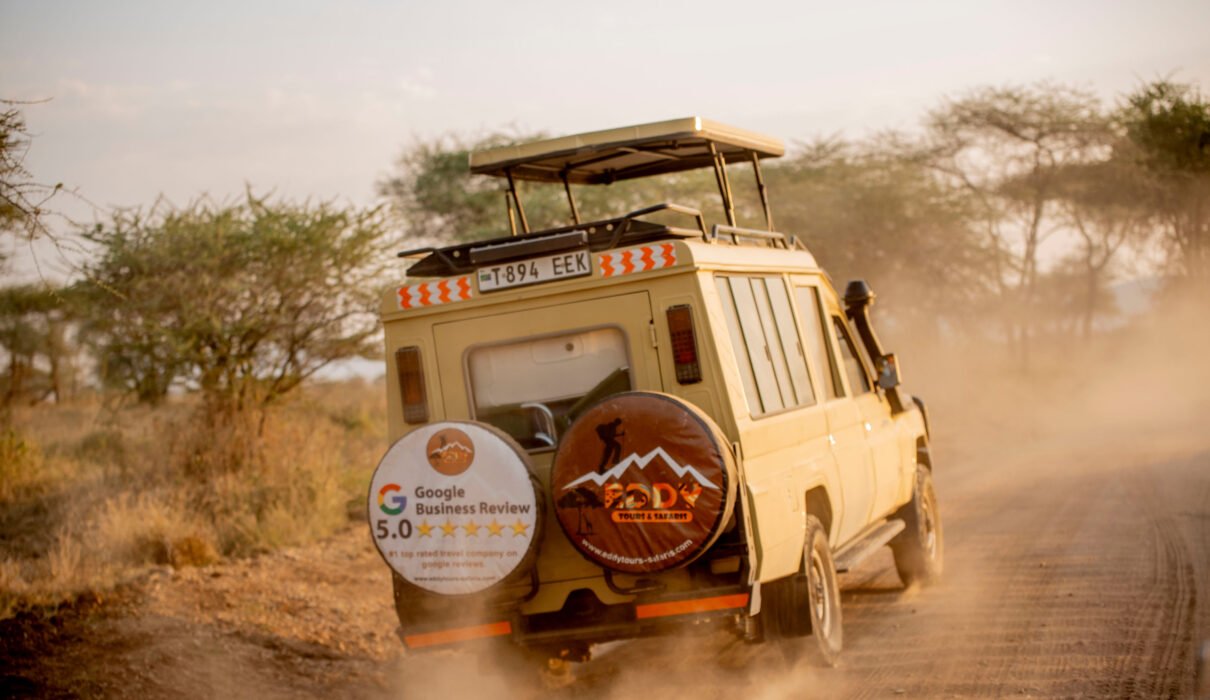
Unique Wildlife & Cultural Experiences in Tanzania are not created by simply driving through famous parks or visiting a village for a few minutes. They are built through respectful travel, strong conservation systems and genuine interaction with people who live alongside wildlife every day. When a journey is designed carefully, visitors do not only see animals and landscapes, they begin to understand how nature, culture and community are deeply connected across Tanzania.
This guide explains what truly makes travel special and responsible in Tanzania, using scientific research, global conservation standards and community development principles. If you are planning your journey with a trusted local operator such as Eddy Tours & Safaris, these insights help you experience the country in a way that protects wildlife, respects people and creates unforgettable memories.
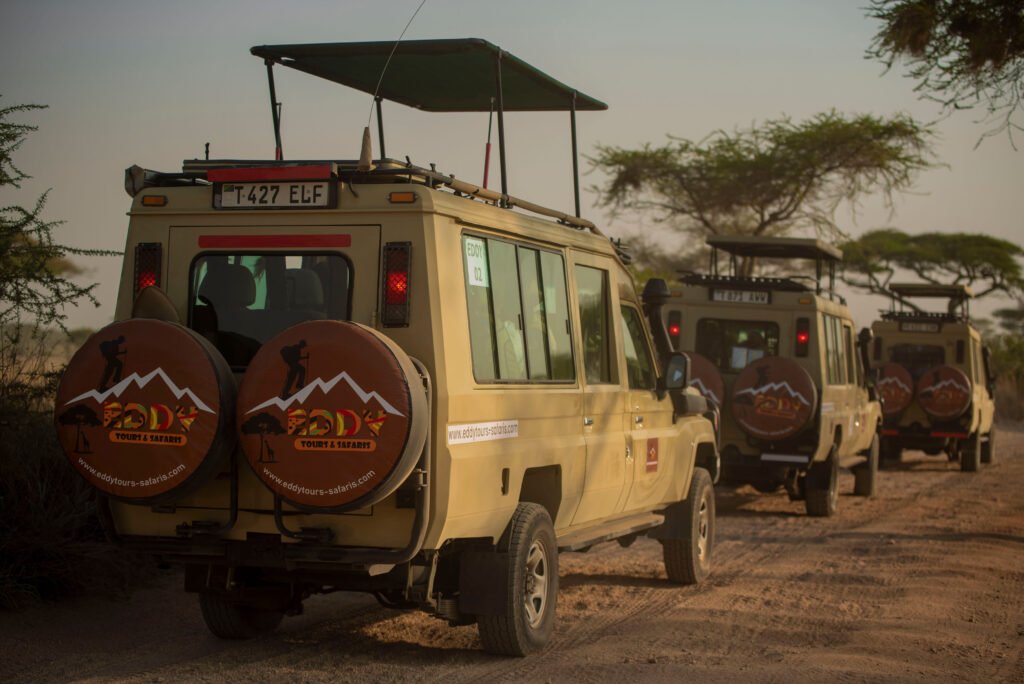
Unique Wildlife & Cultural Experiences in Tanzania and conservation leadership
At the heart of Unique Wildlife & Cultural Experiences in Tanzania is the country’s role within global conservation networks. Tanzania protects some of Africa’s most important ecosystems that are monitored and supported by organisations such as the World Wide Fund for Nature, the African Wildlife Foundation and the Wildlife Conservation Society. These institutions show how tourism, when properly managed, directly contributes to habitat protection and anti-poaching programmes.
Global conservation planning frameworks promoted by the International Union for Conservation of Nature and biodiversity governance supported by the Intergovernmental Science-Policy Platform on Biodiversity and Ecosystem Services guide how protected landscapes are managed. Travellers benefit from healthier wildlife populations and well-maintained ecosystems while supporting long-term environmental stability.
Unique Wildlife & Cultural Experiences in Tanzania through protected landscapes
The strength of Unique Wildlife & Cultural Experiences in Tanzania comes from the diversity of protected areas and community conservation zones. Environmental planning bodies such as the United Nations Environment Programme and land monitoring initiatives supported by the United States Geological Survey show how sustainable land use protects wildlife corridors and water sources.
Organisations including Conservation International and the National Geographic Society highlight that well-managed tourism supports conservation financing and environmental education, allowing visitors to witness natural processes without damaging fragile habitats.
Unique Wildlife & Cultural Experiences in Tanzania and bird and predator conservation
Another powerful element of Unique Wildlife & Cultural Experiences in Tanzania is the country’s extraordinary birdlife and large predator populations. Scientific programmes led by BirdLife International document how wetlands and savannahs support global migratory routes and breeding areas.
Large carnivore research and protection initiatives coordinated by Panthera demonstrate how lions, leopards and cheetahs depend on intact landscapes and responsible tourism behaviour. Ethical wildlife viewing reduces stress on animals and improves long-term survival rates.
Unique Wildlife & Cultural Experiences in Tanzania shaped by climate awareness
Climate resilience is now part of Unique Wildlife & Cultural Experiences in Tanzania. Climate research published by NASA Climate and scientific assessments by the Intergovernmental Panel on Climate Change explain how rainfall shifts and rising temperatures influence grazing patterns and water availability.
Responsible travel planning considers these environmental pressures, adjusting routes and seasonal timing to reduce ecological stress and protect both wildlife and visitor safety.
Unique Wildlife & Cultural Experiences in Tanzania and living heritage
The cultural side of Unique Wildlife & Cultural Experiences in Tanzania is just as important as wildlife. Cultural heritage protection frameworks promoted by UNESCO show how traditional knowledge, language and rituals form an essential part of human history and identity.
Community-based research and cultural studies supported by institutions such as the Smithsonian Institution highlight how indigenous knowledge systems contribute to sustainable land use, livestock management and biodiversity protection.
Unique Wildlife & Cultural Experiences in Tanzania and community empowerment
True Unique Wildlife & Cultural Experiences in Tanzania only exist when local people benefit directly from tourism. Labour and social protection standards promoted by the International Labour Organization and community development initiatives supported by Oxfam International demonstrate how fair employment strengthens conservation partnerships.
When tourism creates real income and skills development, communities become active partners in wildlife protection rather than passive observers of conservation policies.
Unique Wildlife & Cultural Experiences in Tanzania and scientific research access
Scientific understanding strengthens Unique Wildlife & Cultural Experiences in Tanzania. Field research published through Nature Research and ecological studies available via ScienceDirect help guide park management, species protection and visitor behaviour.
Responsible tourism provides controlled access that allows long-term monitoring of wildlife populations, vegetation change and human impact without disrupting sensitive research activities.
Unique Wildlife & Cultural Experiences in Tanzania and public health and safety
Health and safety are essential components of Unique Wildlife & Cultural Experiences in Tanzania. International travel health guidance from the World Health Organization and emergency preparedness standards promoted by the International Federation of Red Cross and Red Crescent Societies support safe travel in remote environments.
Professional safari operations integrate these standards into daily planning, vehicle safety, staff training and emergency communication systems.
Unique Wildlife & Cultural Experiences in Tanzania and transparent operations
Trust and transparency define reliable Unique Wildlife & Cultural Experiences in Tanzania. Ethical business frameworks promoted by Transparency International show how clear pricing, honest communication and fair contracts protect both travellers and service providers.
Transparent operations also ensure that conservation fees and community contributions are properly directed to their intended programmes.
Unique Wildlife & Cultural Experiences in Tanzania and responsible travel planning
Professional planning transforms Unique Wildlife & Cultural Experiences in Tanzania into smooth and well-balanced journeys. Carefully designed itineraries reduce long driving hours, avoid overcrowded sites and allow more time for meaningful interpretation of nature and culture.
You can explore well-structured wildlife and cultural journeys through Tanzania safari programmes created by experienced local professionals who understand both conservation needs and visitor comfort.
Unique Wildlife & Cultural Experiences in Tanzania and mountain and adventure travel
For travellers who combine wildlife viewing with adventure, Unique Wildlife & Cultural Experiences in Tanzania also extend into highland and mountain environments. Outdoor safety and environmental responsibility standards support sustainable access to fragile ecosystems.
Well-managed adventure options are available through Kilimanjaro climbing programmes that integrate environmental care, safety systems and cultural respect.
Unique Wildlife & Cultural Experiences in Tanzania through local expertise
Local knowledge greatly strengthens Unique Wildlife & Cultural Experiences in Tanzania. Local teams understand seasonal wildlife movement, cultural calendars, road conditions and conservation rules far better than external resellers.
For personalised guidance and ethical planning, travellers can speak directly with local specialists using professional local consultation support.
Why travellers choose Unique Wildlife & Cultural Experiences in Tanzania
At its best, Unique Wildlife & Cultural Experiences in Tanzania combine conservation science, cultural respect and honest hospitality into one meaningful journey. Travellers return home not only with photographs, but with a deeper understanding of how ecosystems and communities depend on one another.
By choosing responsible local operators and well-designed programmes, visitors directly support wildlife protection, cultural preservation and sustainable development while enjoying one of the most diverse travel experiences in Africa.