
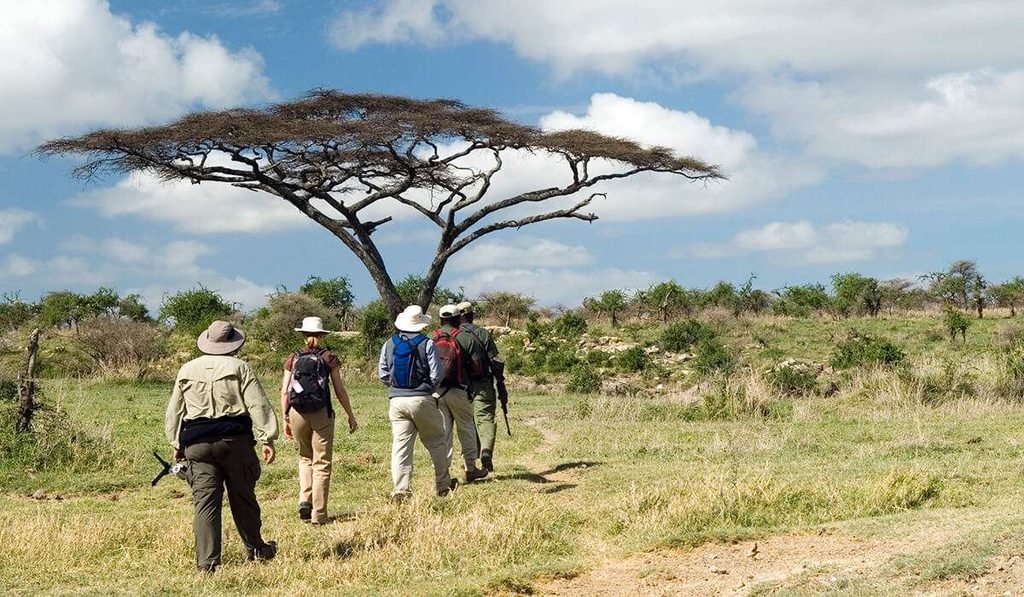
A walking safari in Tanzania gives you the chance to explore the African bush on foot with an experienced guide and an authorized park ranger. Instead of watching wildlife from a safari vehicle, you walk through approved areas, learn about animal tracks, identify different plants, and discover smaller details that are easy to miss during a normal game drive. It is a different way to experience Tanzania’s national parks, especially for travelers who enjoy nature, photography, and spending time outdoors.
Tanzania is widely known for its wildlife safaris in the Serengeti, Ngorongoro Crater, Tarangire, and other national parks. Most visitors explore these destinations in a four-wheel-drive safari vehicle, but walking safaris provide another way to understand the environment. During a guided walk, you may learn how animals move through the bush, how guides recognize fresh tracks, and how plants and insects contribute to the local ecosystem.
Walking safaris are not about getting as close as possible to dangerous animals. They are carefully managed activities that follow established safety rules. The guide and ranger choose suitable walking areas, explain how visitors should behave, and maintain appropriate distances from wildlife. Some walks last only a few hours, while longer experiences may be arranged in selected locations.
If you are planning a Tanzania safari in 2027, 2028, or 2029, adding a walking safari can be a good way to experience something different during your holiday. At Eddy Tours & Safaris, we help travelers plan private Tanzania safaris, including trips that combine wildlife game drives with guided nature walks where permitted.
This guide explains what walking safaris involve, the best places to experience them, safety requirements, suitable clothing, travel seasons, and what you should consider before booking.
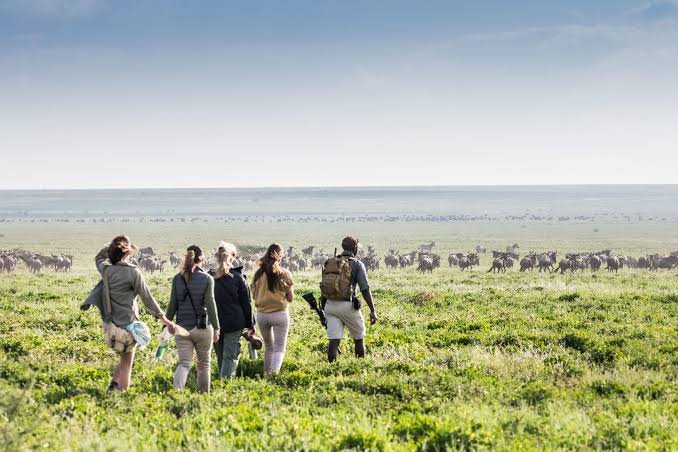
What Is a Walking Safari in Tanzania?
A walking safari is a guided outdoor activity that allows visitors to explore designated natural areas on foot. Unlike a normal safari game drive, where you travel between wildlife viewing areas in a vehicle, a walking safari moves at a slower pace. The guide explains the surrounding environment, including animal footprints, bird calls, vegetation, insects, and signs of wildlife activity.
During the walk, you may stop to examine tracks left by zebras, antelopes, buffalo, or other animals. Your guide may explain how to recognize different footprints, identify animal droppings, or understand which plants are used by wildlife. These details help visitors appreciate how the environment works beyond the large animals commonly photographed during game drives.
Walking safaris are usually conducted in small groups. Before the activity begins, the guide and ranger provide a safety briefing covering group movement, wildlife encounters, and the importance of following instructions. Visitors are expected to remain together and avoid making unnecessary noise.
The experience is different from hiking up Mount Kilimanjaro or Mount Meru. Mountain trekking focuses mainly on reaching a destination or completing a trail, while a walking safari focuses on observing and understanding the natural environment.
Why Choose a Walking Safari in Tanzania?
One of the main reasons to choose a walking safari is the opportunity to experience the bush without spending the entire day inside a vehicle. You can hear birds more clearly, notice different plants, and observe the ground for signs of animal activity. The experience encourages you to pay attention to details that are often overlooked when traveling along park roads. Walking safaris are also useful for travelers who want to learn more about wildlife behavior. A knowledgeable guide can explain why certain animals prefer particular habitats, how predators and prey use the same environment, and how seasonal changes affect vegetation and animal movement.
Another advantage is that walking safaris can be combined with traditional game drives. You do not need to choose one activity over the other. For example, you might spend the morning on a guided walk and continue with a game drive later in the day, depending on park regulations and your itinerary. Travelers planning a longer holiday can include walking activities as part of a Tanzania safari arranged by Eddy Tours & Safaris. This allows you to enjoy different activities while visiting the country’s wildlife destinations.
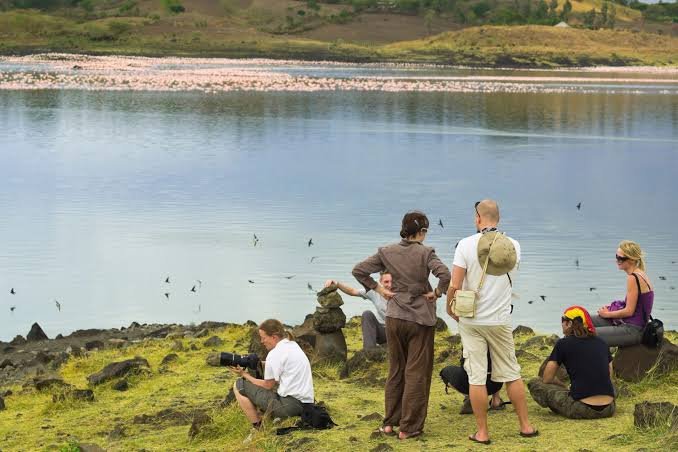
Best Places for Walking Safaris in Tanzania
Several protected areas in Tanzania offer guided walking activities, although the available trails, permitted areas, and booking requirements vary. Some parks are particularly suitable for shorter walks, while others offer opportunities for longer activities with experienced guides and rangers.
1. Arusha National Park Walking Safari
Arusha National Park is one of the most convenient places to experience a walking safari in northern Tanzania. Located near Arusha town, the park is known for its forests, open grasslands, Momella Lakes, and views of Mount Meru. Its varied landscapes make it a good destination for travelers who want to combine a nature walk with a short wildlife safari.
During a guided walk, visitors may have opportunities to observe giraffes, zebras, buffalo, antelopes, monkeys, and different bird species from appropriate distances. Wildlife sightings depend on the area, season, and animal movements. The park’s forests and open landscapes also provide opportunities to learn about vegetation and the different habitats found around Mount Meru.
Walking activities in Arusha National Park must be arranged with the relevant park authorities and accompanied by an authorized ranger. The exact route depends on the approved walking area and conditions on the day of your visit.
Arusha National Park is a practical choice for travelers with limited time. A walking safari can sometimes be combined with a game drive during the same visit, making it suitable for visitors staying in Arusha before traveling to Serengeti, Tarangire, or Ngorongoro.
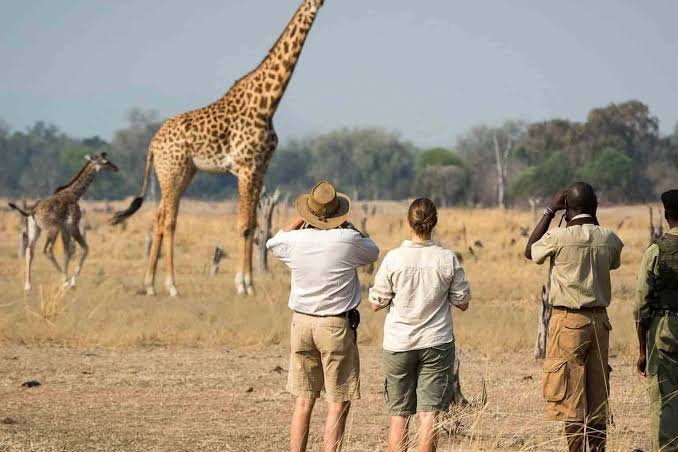
2. Tarangire National Park Walking Safari
Tarangire National Park is known for its large elephant populations, baobab trees, seasonal wetlands, and the Tarangire River. The park attracts many wildlife species, especially during the dry season when animals gather around remaining water sources.
A walking safari in Tarangire offers a different perspective from a vehicle-based safari. Instead of concentrating only on elephants, lions, and other large mammals, visitors can learn about the smaller features of the environment, including animal tracks, plants, insects, and birdlife.
The landscape includes open woodland, grassland, and areas with thick vegetation. Because large and potentially dangerous animals live in the park, walking activities are restricted to approved areas and must be conducted with authorized ranger supervision.
Tarangire can be included in a longer northern Tanzania safari itinerary. Travelers may spend time on regular game drives and add a walking activity where arrangements and park conditions permit.
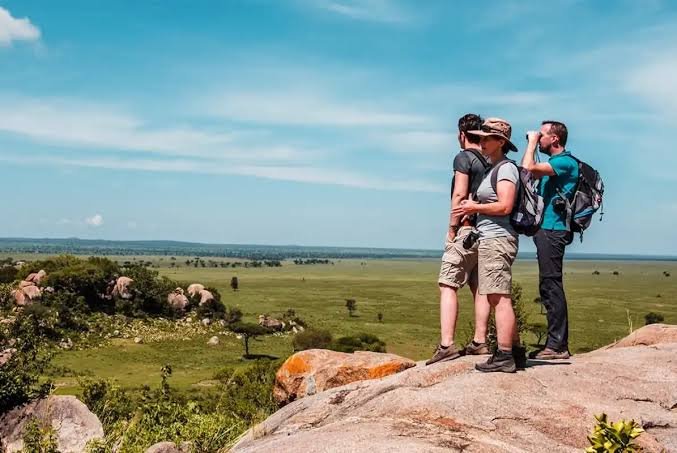
3. Serengeti National Park Walking Safari
Serengeti National Park is famous for its open plains, large wildlife populations, and the annual movement of wildebeest and zebras through the wider Serengeti ecosystem. Most visitors explore the park through game drives, but authorized walking safaris are also available in designated areas.
A walking safari in the Serengeti provides an opportunity to learn about the landscape beyond the wildlife normally seen from a safari vehicle. Your guide may explain animal tracks, vegetation, the role of grazing animals, and the relationship between different species.
The experience should not be confused with walking among migrating wildebeest or approaching predators. Walking activities take place only in approved areas, and the guide and ranger determine safe routes based on current conditions.
Because the Serengeti is a large national park, walking opportunities depend on the specific location, available arrangements, and park authorization. Travelers interested in combining a walking safari with a Serengeti game drive should discuss this during the planning stage.
You can contact Eddy Tours & Safaris to discuss a Serengeti itinerary that includes wildlife viewing and other permitted activities.
4. Nyerere National Park Walking Safari
Nyerere National Park is one of Tanzania’s major wildlife destinations in the southern part of the country. The park includes extensive woodland, grassland, wetlands, and river environments associated with the Rufiji River system.
Guided walking safaris are among the activities available in Nyerere. During a walk, visitors can learn about animal tracks, plants, birdlife, and the different habitats found within the park. The experience can be especially interesting for travelers who enjoy spending time outdoors and want to understand the smaller details of the African bush.
Nyerere is also known for traditional game drives and boat safari opportunities in approved areas. Combining these activities can provide a varied wildlife holiday, with each experience offering a different view of the park.
Walking safaris in Nyerere require advance arrangements, appropriate permits, and authorized ranger supervision. The available routes depend on park management requirements and local conditions.
5. Ruaha National Park Walking Safari
Ruaha National Park is known for its large wilderness areas, rocky landscapes, river valleys, and diverse wildlife. Located in central Tanzania, it is an attractive destination for travelers interested in a quieter safari experience away from the busiest northern tourist routes.
Walking activities in Ruaha can provide opportunities to learn about the park’s vegetation, animal tracks, and natural environment. The landscape is different from the open plains of the Serengeti, with woodland, rocky hills, and river systems creating a variety of habitats.
The park is home to elephants, buffalo, lions, antelopes, and many bird species. Because dangerous wildlife may be present, visitors must follow all instructions provided by their authorized guides and rangers.
Ruaha is particularly suitable for travelers planning a longer safari in southern Tanzania. A guided walk can complement regular game drives, allowing visitors to experience the park at a slower pace.
6. Ngorongoro Highlands Walking Experiences
The Ngorongoro Highlands offer walking and hiking opportunities through areas of grassland, forest, volcanic hills, and traditional pastoral landscapes. These activities are different from walking safaris inside national parks because the Ngorongoro Conservation Area is managed under its own regulations.
Depending on the approved route and arrangements, visitors may explore parts of the highlands around locations such as Empakaai Crater or Olmoti Crater. These walks are known for their scenery, birdlife, and opportunities to learn about the surrounding environment.
Walking activities in the Ngorongoro Conservation Area require appropriate authorization and ranger arrangements. Visitors should not assume that walking is permitted on the Ngorongoro Crater floor, where normal tourist wildlife viewing takes place from vehicles.
For travelers interested in combining hiking, wildlife viewing, and local culture, the Ngorongoro Highlands can be a useful addition to a longer Tanzania holiday.
Tanzania Walking Safari Destinations at a Glance
| Destination | Main attractions | Walking safari experience |
|---|---|---|
| Arusha National Park | Giraffes, buffalo, forest, Mount Meru views | Guided nature walks |
| Tarangire National Park | Elephants, baobab trees, woodland | Approved bush walks |
| Serengeti National Park | Open plains, wildlife, animal tracks | Designated guided walks |
| Nyerere National Park | Woodland, river habitats, birdlife | Ranger-escorted walking safaris |
| Ruaha National Park | Rocky landscapes, wildlife, river valleys | Guided wilderness walks |
| Ngorongoro Highlands | Volcanic landscapes, grassland, forests | Authorized highland walks |
The availability of walking activities must be confirmed for your travel dates. Not every part of these destinations is open to walking.
What Animals Can You See on a Tanzania Walking Safari?
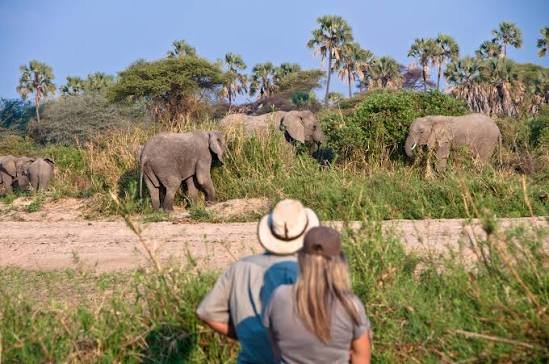
The wildlife you encounter depends on the destination, season, habitat, and route selected by your guide. In some locations, visitors may observe giraffes, zebras, antelopes, buffalo, and other animals from safe distances. Smaller wildlife, birds, insects, and reptiles may also be encountered.
However, walking safaris are not designed to provide close encounters with large animals. Unlike safari vehicles, people on foot may be viewed differently by wildlife. Guides therefore pay close attention to animal behavior, wind direction, vegetation, and the surrounding environment when choosing where to walk.
You should also understand that a walking safari may involve fewer large-animal sightings than a game drive. Much of the experience comes from learning about the environment, identifying tracks, and observing smaller details rather than searching for the Big Five.
If seeing lions, leopards, elephants, and other large mammals is your main priority, combining walking activities with regular game drives is usually the better choice.
Are Walking Safaris in Tanzania Safe?
Walking safaris involve entering natural areas where wild animals live, so there are risks that must be taken seriously. Safety depends on following park regulations, using experienced guides, remaining within approved areas, and listening carefully to the ranger’s instructions.
Before the walk begins, the guide explains how the group should move and what to do if wildlife is encountered. Visitors are generally required to walk together, avoid unnecessary noise, and remain behind the ranger or in the position instructed by the guide.
Running, separating from the group, approaching animals, or ignoring instructions can create dangerous situations. Even animals that appear calm may react unpredictably when people move too close.
In Tanzania’s national parks, authorized walking safaris are conducted with professional guides and armed park rangers. The ranger’s role is to help manage risks and respond appropriately to wildlife encounters.
For 2027, 2028, and 2029, travelers should confirm the current safety procedures and walking requirements with their tour operator before booking.
How Long Does a Walking Safari Take?
Walking safaris vary in duration depending on the destination and the type of activity. Tanzania National Parks distinguishes between short walks lasting up to four hours and longer walks lasting more than four hours.
For travelers trying a walking safari for the first time, a shorter guided walk can be a good introduction. It allows time to learn about animal tracks, plants, and the surrounding environment without spending most of the day walking.
Longer walking experiences may be suitable for travelers who enjoy hiking and are comfortable spending several hours outdoors. These activities require additional planning and depend on the available routes, park regulations, and guide arrangements.
The actual walking distance is not always the main focus. A guide may stop frequently to explain wildlife signs or observe interesting features along the route.
Best Time for Walking Safaris in Tanzania in 2027, 2028 and 2029
Tanzania offers wildlife activities throughout the year, but seasonal weather conditions can affect walking safaris. In many areas, the dry season provides more comfortable walking conditions because trails are generally less muddy and vegetation may be easier to move through.
From June to October, much of northern and central Tanzania experiences relatively dry conditions. This period is popular for wildlife safaris, and walking activities may be more comfortable during the cooler morning hours.
January and February can also be suitable for certain destinations, although weather patterns vary by region. During wetter months, vegetation may become thicker, and some trails can be muddy or difficult to access.
The best time depends on the park you want to visit. Northern Tanzania and southern Tanzania do not always experience identical weather conditions, so it is worth discussing the season when planning your itinerary.
For travel in 2027, 2028, or 2029, confirm the available walking activities and seasonal conditions before making your final arrangements.
What Should You Wear on a Tanzania Walking Safari?
Comfortable clothing is important because walking safaris involve spending time outdoors, sometimes in warm conditions or on uneven ground. Lightweight trousers and long-sleeved shirts are useful because they provide protection against sunlight, insects, and vegetation.
Neutral colors such as khaki, brown, olive green, and beige are generally suitable for walking in the bush. Bright clothing is usually less practical, while dark blue and black may be best avoided in areas where tsetse flies are present.
Comfortable closed walking shoes or hiking boots with good grip are recommended. Sandals and open shoes are generally unsuitable because the ground may contain stones, thorns, or uneven surfaces.
You should also carry drinking water, sunscreen, a hat, insect repellent, and any personal medication you may need. Binoculars can be useful for observing wildlife from a safe distance, while a small camera is suitable for taking photographs without carrying too much equipment.
How Much Does a Walking Safari Cost in Tanzania?
The cost of a walking safari depends on the destination, duration, park fees, ranger arrangements, transport, and whether the activity is included in a larger safari package.
A short walk in Arusha National Park may have different overall costs from a walking safari in Nyerere or Ruaha because the transport arrangements and travel distances are different. Some lodges and safari operators include walking activities in selected packages, while others charge separately.
Park authorities may also apply specific walking activity fees in addition to ordinary park entry charges. Ranger or guide services, accommodation, and transport can affect the final quotation.
For 2027, 2028, and 2029, exact prices should be confirmed before booking because park tariffs and operating costs may change.
To receive a quotation, contact Eddy Tours & Safaris with your preferred destination, travel dates, and number of travelers.
Can Children Join Walking Safaris in Tanzania?
Walking safaris are not suitable for every age group. Tanzania National Parks’ published walking safari guidelines restrict participation to people above 12 years of age. Individual parks, lodges, and walking programs may apply additional requirements.
Parents traveling with children should confirm the minimum age before including a walking safari in their itinerary. The child’s ability to follow instructions, remain with the group, and manage the walking conditions is also important.
Families with younger children can still enjoy traditional game drives, where wildlife is observed from a safari vehicle. This may be a more suitable option for travelers who want to introduce children to Tanzania’s wildlife without participating in a walking activity.
Walking Safari vs Game Drive: What Is the Difference?
Both activities allow visitors to experience Tanzania’s wildlife, but they offer different advantages.
During a game drive, travelers use a safari vehicle to cover larger areas and search for animals across different habitats. This is usually the most practical way to see large mammals such as lions, elephants, giraffes, zebras, and wildebeest.
A walking safari covers a much smaller area and focuses on understanding the environment. Instead of traveling from one wildlife sighting to another, visitors spend time learning about animal tracks, vegetation, insects, and the natural features around them.
| Feature | Walking safari | Game drive |
|---|---|---|
| Transport | On foot | Safari vehicle |
| Main focus | Nature, tracks, plants and wildlife signs | Wildlife viewing across larger areas |
| Distance covered | Relatively short | Much greater |
| Wildlife viewing | Often from a safe distance | Usually better for large mammals |
| Guide arrangements | Authorized guide and ranger | Professional safari driver-guide |
| Best for | Nature lovers and active travelers | General wildlife viewing and photography |
For many visitors, combining both activities provides a more complete safari experience.
Can You Combine a Walking Safari with a Serengeti and Ngorongoro Safari?
Yes. A walking safari can be included in a longer northern Tanzania itinerary, depending on the approved activities available at each destination.
For example, travelers may begin their holiday in Arusha with a guided walk in Arusha National Park before continuing to Tarangire for wildlife game drives. The journey can then include Serengeti National Park and Ngorongoro Crater, allowing visitors to see different landscapes and wildlife habitats.
Another option is to arrange a guided walking activity in an approved area of Tarangire or Serengeti as part of a longer safari. These activities must be planned in advance because ranger availability and park authorization may be required.
At Eddy Tours & Safaris, we can help travelers discuss suitable walking activities alongside their preferred wildlife safari destinations.
Important Rules to Follow During a Walking Safari
Before beginning a walking safari, visitors receive instructions from the guide and ranger. These rules are intended to protect both the group and the wildlife.
You should remain with the group at all times and follow the ranger’s directions. Avoid approaching animals, making sudden movements, or trying to obtain close-up photographs when the guide advises against it.
Visitors should not collect plants, animal bones, feathers, or other natural materials from protected areas. Littering and disturbing wildlife are also prohibited.
If you encounter an animal, remain calm and follow the instructions provided by the ranger. Never assume that an animal is harmless because it appears relaxed or is standing some distance away.
Following these rules helps make the activity safer and reduces unnecessary disturbance to wildlife.
Frequently Asked Questions About Tanzania Walking Safaris
1. What is a walking safari in Tanzania?
A walking safari is a guided activity where visitors explore approved natural areas on foot while learning about wildlife, animal tracks, plants, and the environment.
2. Are walking safaris allowed in Tanzania?
Yes. Walking safaris are permitted in designated areas under the relevant park regulations and authorization requirements.
3. Are Tanzania walking safaris safe?
They involve risks because visitors enter areas where wild animals live. Authorized guides, armed rangers, approved routes, and strict safety procedures help manage those risks.
4. Which national park is best for a walking safari?
Arusha National Park is a convenient choice for visitors staying in northern Tanzania. Tarangire, Serengeti, Nyerere, and Ruaha also offer walking opportunities subject to authorization.
5. Can I do a walking safari in Serengeti National Park?
Yes. Guided walking activities are available in designated areas, subject to park authorization and advance arrangements.
6. Can I walk inside Ngorongoro Crater?
Normal tourist walking safaris are not permitted on the crater floor. Authorized walking activities are available in selected parts of the wider Ngorongoro Highlands.
7. How long does a walking safari last?
Short walks may last up to four hours, while longer walks take more than four hours.
8. Do I need a guide for a walking safari?
Yes. Walking safaris in national parks require authorized professional guiding and ranger arrangements.
9. Can I walk alone in a national park?
No. Visitors must not leave designated areas or undertake unauthorized walks in wildlife habitats.
10. What animals might I see?
Depending on the destination, you may see giraffes, zebras, antelopes, buffalo, birds, and smaller wildlife from safe distances.
11. Will I see lions during a walking safari?
There is no guarantee. Walking safaris are not designed to approach lions or other dangerous animals.
12. Is a walking safari better than a game drive?
Neither is automatically better. Game drives are generally more suitable for seeing large animals, while walking safaris focus on learning about nature on foot.
13. What should I wear?
Wear comfortable neutral-colored clothing, long trousers, and closed walking shoes or hiking boots.
14. Do I need hiking experience?
Short walking safaris may be suitable for reasonably active travelers. Longer walks may require greater fitness and walking experience.
15. Can children join walking safaris?
Age restrictions apply. Tanzania National Parks’ published guidelines restrict participation to people above 12 years of age, and individual operators may have additional requirements.
16. What is the best time for a walking safari?
The dry season is often suitable, but the best period depends on the destination and local conditions.
17. Can I take photographs during a walking safari?
Yes, when permitted by the guide. Photography must not interfere with safety or disturb wildlife.
18. Do I need binoculars?
Binoculars are useful because they allow you to observe animals and birds from a safe distance.
19. Can I combine a walking safari with a Tanzania wildlife safari?
Yes. Walking activities can be added to suitable safari itineraries where park regulations and availability permit.
20. Are walking safaris available throughout the year?
Some activities operate year-round, but availability depends on weather, park conditions, and ranger arrangements.
21. How much does a walking safari cost?
Costs vary by park, activity duration, ranger services, transport, and other arrangements. Request an updated quotation for your travel dates.
22. Do I need to book in advance?
Yes. Advance booking is required for walking safaris in Tanzania’s national parks.
23. Can I arrange a private walking safari?
Private arrangements may be possible depending on the destination, guide availability, and applicable regulations.
24. Can I book a walking safari for 2027 or 2028?
You can request arrangements for those years, subject to confirmation of the applicable permits, fees, and availability.
25. Can I arrange a Tanzania walking safari for 2029?
Yes. You can discuss a proposed 2029 itinerary, although future prices and operating arrangements will need confirmation.
Book Your Tanzania Walking Safari for 2027, 2028 or 2029
A walking safari is a good way to experience a different side of Tanzania’s wildlife areas. While game drives allow visitors to travel across larger sections of the national parks, walking safaris provide time to learn about animal tracks, plants, birds, and the natural environment. The experience can be especially interesting for travelers who enjoy outdoor activities and want to understand more about the places they visit.
Whether you are interested in a short guided walk in Arusha National Park or adding a walking activity to a longer wildlife safari, proper planning is important. Walking routes, park permissions, ranger arrangements, and seasonal conditions should all be confirmed before travel.
Eddy Tours & Safaris is a local tour company in Arusha, Tanzania, arranging guided wildlife safaris, Kilimanjaro climbing trips, and private holidays. Our team can help you plan a Tanzania safari for 2027, 2028, or 2029 and discuss walking activities available at your chosen destinations.
Contact Eddy Tours & Safaris
Website: Eddy Tours & Safaris
Safari enquiries: Contact Our Team
WhatsApp: Chat with Us on WhatsApp
Email: sales@eddytours-safaris.com
Contact us with your preferred travel dates, group size, and destinations to request a Tanzania walking safari quotation.