
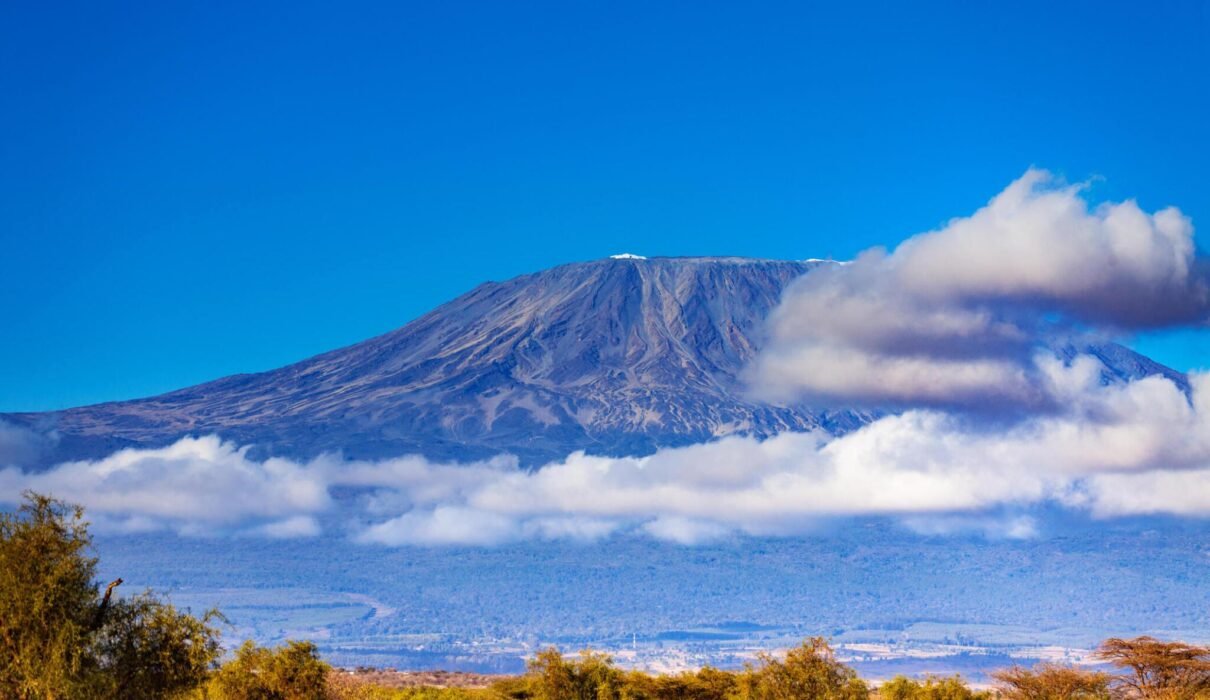
Avoid the crowds while climbing Kilimanjaro by choosing your route carefully, keeping your travel dates flexible and discussing the daily schedule with your guide. You cannot reserve the mountain for yourself, but these decisions can help you spend more time on quieter trails.
Kilimanjaro is a shared trekking destination. Different groups use the same paths, camps and summit approaches, and some routes join together higher on the mountain. A quiet first day does not mean the whole climb will feel the same.
The aim is to choose a trip that suits your preference for space without sacrificing a sensible itinerary. Your acclimatization schedule, preparation and guide’s decisions remain more important than avoiding other hikers.
Start by comparing the Kilimanjaro climbing options and explain that a quieter experience matters to you.
1. Choose a Route with Quieter Sections
Route choice is one of the most useful decisions you can make.
Rongai and the Northern Circuit are commonly suggested for travellers seeking less busy trails. Climbing Kilimanjaro identifies both as alternatives to the more frequently used routes, although neither offers complete solitude.
Ask your operator where each route is likely to feel quieter and where you will meet climbers from other approaches.
Rongai
Rongai approaches from the northern side of Kilimanjaro. Its location makes it a useful option to discuss if you prefer a different approach from the southern and western routes.
However, the standard itinerary eventually reaches the upper mountain and descends through Marangu. You should expect to see other groups during parts of the journey.
A seven-day Rongai programme is worth discussing alongside its camp sequence, walking stages and acclimatization arrangements.
Northern Circuit
The Northern Circuit spends part of the journey travelling around the mountain’s northern slopes.
It is generally a longer itinerary, so you need enough time and budget. The additional days should be considered as part of the whole climbing programme, rather than simply a way to escape busy camps.
Ask about the exact route, overnight stops and summit approach. The name alone does not tell you everything about the proposed trip.
For a useful route reference, read the Northern Circuit description and compare it with the itinerary your operator provides.
2. Understand Where Routes Join
A route may begin quietly and become busier after joining another trail.
This is particularly relevant when comparing approaches on the southern side of the mountain. Different groups can share later sections, camps or the summit route.
Lemosho, for example, offers a western approach, but a standard southern-circuit itinerary later shares parts of the mountain with other climbers. Choosing Lemosho does not guarantee quiet conditions at every camp.
If you are considering the eight-day Lemosho programme, ask which days use shared sections.
A useful question is:
“Which parts of this itinerary usually feel quieter, and where should we expect more groups?”
That answer is more helpful than a general promise that a route is uncrowded.
3. Keep Your Travel Dates Flexible
If you can choose between several departure dates, tell the operator before booking flights.
Popular climbing periods can bring more groups to the mountain. Climbing Kilimanjaro describes July and August as particularly popular and suggests considering other months when crowd levels are a concern. These are broad patterns, not a forecast for a particular departure.
Ask about nearby dates and the operator’s recent experience on your preferred route.
It is worth checking whether your proposed departure overlaps with:
- A large organised group.
- A special-event climb.
- A promoted summit date.
- A busy holiday travel period.
The operator may know its own bookings, but it cannot account for every company using the mountain. Treat the information as guidance rather than a guarantee.
Being flexible by a few days can give you more options. It may also help with accommodation and equipment arrangements.
4. Do Not Choose Wet Weather Only to Avoid People
A quieter month is not automatically a better month for your climb.
Rain can mean wet equipment, muddy trails and fewer views. You need to be comfortable with those trade-offs before choosing a departure mainly because it may attract fewer hikers.
Ask the operator what the expected conditions mean for your route and packing list. Do not assume that a route described as relatively dry will stay dry throughout the trip.
For many travellers, a quieter approach during a generally favourable climbing period is a more suitable compromise than choosing wetter conditions solely for fewer people.
Pack rain protection whatever dates you select. Mountain weather can change, and a broad seasonal pattern does not describe every day.
5. Consider a Private Climb
A private climb gives your party its own agreed climbing programme and guiding arrangements.
This may offer more room to discuss departure times, breaks and the pace of the day. It can suit travellers who prefer a small party rather than joining a larger scheduled group.
However, a private climb still uses public trails and designated accommodation areas.
You may share:
- Registration areas.
- Walking paths.
- Camps or mountain huts.
- Summit approaches.
- Facilities at overnight stops.
Private guiding gives you more control over your own arrangements. It does not create exclusive access to the mountain.
Ask Eddy Tours & Safaris about private and joining options, including the number of climbers expected in your party.
If you prefer shared travel, ask whether a smaller confirmed group is available for your dates.
6. Let Your Guide Manage Daily Timing
Several groups leaving camp together can create a busy stretch of trail.
Discuss the day’s departure time with your guide. Depending on the itinerary, a modest adjustment may help you walk ahead of or behind a larger group.
The decision needs to account for meals, crew arrangements, weather and the time required to reach the next camp. It should not become a reason to rush breakfast, miss rest or walk faster than is comfortable.
Sometimes the best response is simply to let a group pass or take a short break in an appropriate place.
At sections where progress is slower, remain patient. Do not leave the designated route or attempt an awkward shortcut to get around other climbers.
Your guide should decide what is practical for the group that day.
7. Choose Your Trip Length for Acclimatization
Crowd avoidance should not lead you into an itinerary that is too compressed.
A shorter schedule may cost less or fit your leave dates, but those advantages need to be considered alongside the time spent gaining altitude.
For example, compare the seven-day Machame itinerary with the six-day version. Discuss the additional overnight stage and how the daily walking programme changes.
If you prefer hut accommodation, review the six-day Marangu climb. Shared huts may feel different from camping, even when the number of climbers is similar.
The CDC recommends gradual acclimatization and explains that physical fitness does not protect against altitude illness.
Choose the route and duration around your needs first. Then look for ways to make that suitable programme quieter.
8. Do Not Pick a Demanding Route Just Because It Is Less Busy
Some routes attract fewer climbers because their early stages are more demanding.
Umbwe is a good example to discuss carefully. Its steep approach should be part of your decision, rather than being overlooked because you want fewer people around you.
Ask about the gradient, daily stages, altitude gain and previous experience expected. A quiet trail that does not suit your preparation is a poor choice.
You do not need to choose the most demanding approach to have a peaceful experience. A longer itinerary with quieter sections may serve you better.
Use the Kilimanjaro route collection to compare the options, and request a clear explanation of their differences.
What About Full-Moon Climbs?
Some travellers choose their dates because they want to attempt the summit around a full moon.
If avoiding crowds is your priority, ask whether your proposed date coincides with promoted full-moon departures. Compare nearby dates before deciding.
A full moon does not tell you how many people will climb that night. It also does not guarantee clear skies or remove the need for a headlamp.
Choose the date for reasons that matter to you, while understanding that it may be popular with other travellers for the same reasons.
Can You Avoid Crowds on Summit Night?
Summit routes can feel busy when several groups begin within a similar period.
Explain your preferences during the briefing, but leave the final departure timing to the guide. Weather, your condition and the remaining descent all affect that decision.
Do not push for an unusual start solely to avoid other climbers. Summit timing should support the whole day’s programme.
There may also be a short wait for a photograph at Uhuru Peak. Follow your guide’s instructions, respect other groups and keep your stop appropriate for your condition and the weather.
A summit photograph matters, but it should not delay a necessary descent.
Quiet Time at Camp
You may be able to enjoy quieter moments even at a shared camp.
Ask your guide where you can sit or take photographs within the permitted area. Stay close enough for briefings and follow the team’s instructions about movement around camp.
Bring earplugs if shared sleeping areas or camp noise affect your rest. Organise your equipment before bedtime so that you do not disturb others during an early departure.
You can also help make the camp more comfortable for everyone:
- Keep voices low near sleeping tents and huts.
- Use headphones rather than playing music aloud.
- Avoid shining your headlamp into other people’s sleeping areas.
- Prepare your bag without spreading equipment across shared spaces.
- Respect the crew’s working and resting areas.
Quiet surroundings partly depend on how everyone behaves.
Questions to Ask Before Booking
Tell the operator what “avoiding crowds” means to you. It may mean a small climbing party, quieter camps, less waiting on the trail or more time enjoying the landscape.
Then ask:
- Which suitable route offers quieter sections?
- Where does it join other routes?
- How many climbers will be in our party?
- Are nearby departure dates available?
- What flexibility does a private climb provide?
- Which camps or huts will we use?
- How does the itinerary provide time for acclimatization?
- What weather trade-offs should we expect?
Be cautious about promises of an empty trail or guaranteed solitude. An operator can arrange your trip, but it cannot control all other visitors.
For further preparation information, visit Kilimanjaro Climb Specialist and the official Kilimanjaro National Park visitor guide.
Frequently Asked Questions
Which Kilimanjaro routes should I consider for a quieter climb?
Rongai and the Northern Circuit are worth discussing. Compare their duration, camp sequence and suitability rather than choosing by crowd levels alone.
Is Lemosho quiet throughout the climb?
Not necessarily. A standard itinerary shares later sections with other routes, so the experience can change as you move around the mountain.
Does a private climb mean private camps?
Usually not. Confirm the guiding and accommodation arrangements separately.
Should I climb during the rainy season?
Only after understanding the conditions and trade-offs. Fewer visitors should not be the only reason for choosing your dates.
Can the guide change our departure time each morning?
There may be some flexibility, but it depends on the stage, weather, crew arrangements and group condition.
Can anyone guarantee a crowd-free Kilimanjaro climb?
No. Trails, camps and summit approaches are shared, and bookings can change.
Plan a Quieter Kilimanjaro Climb
Choose a suitable route, allow enough mountain days and keep your dates flexible where possible. Discuss the places where trails join and be realistic about shared camps and summit sections.
Send your dates, group size and trekking experience to Eddy Tours & Safaris. Explain that you prefer a quieter journey and ask for the route options that best fit your preparation and available time.
Request a Kilimanjaro climbing proposal.
After the climb, allow time to recover before a Tanzania safari or choose a relaxed excursion from the day-trip collection.
Email: sales@eddytours-safaris.com
Alternative email: eddytoursandsafaris@gmail.com
WhatsApp: +255 711 906 664