
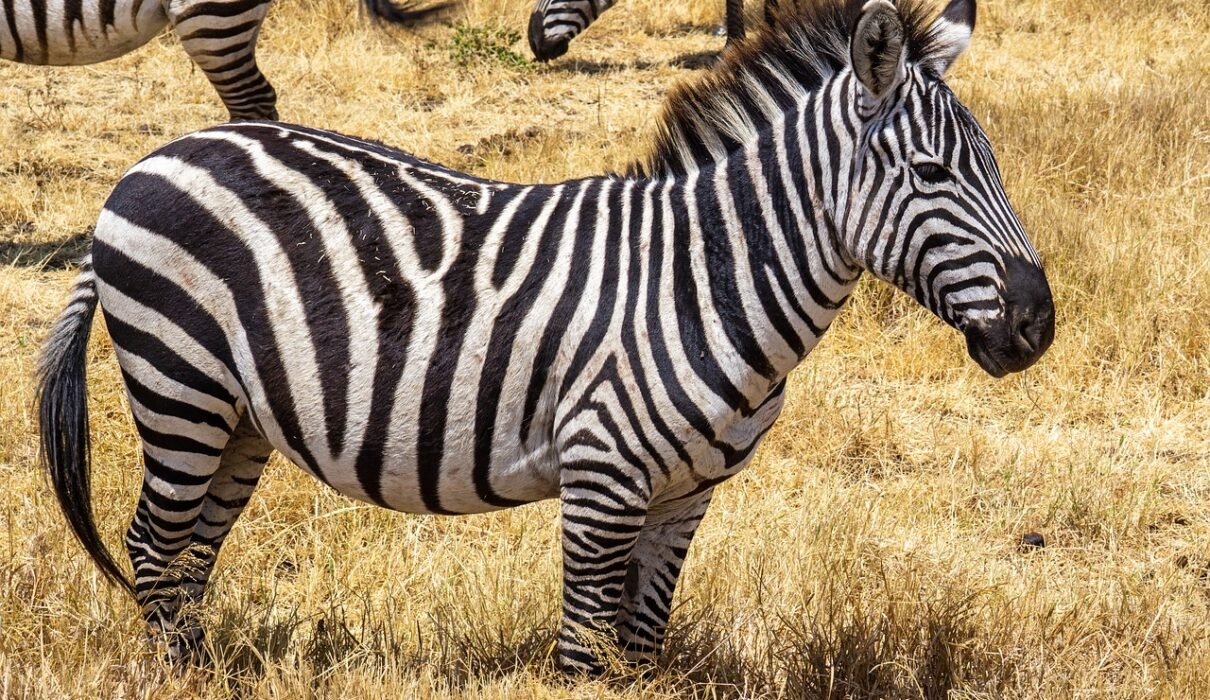
Choosing the best time to visit Tanzania is one of the most important decisions when planning an African holiday. Tanzania is a large country with different landscapes, climates, and travel experiences, from the wildlife-rich plains of Serengeti National Park to the snow-covered summit of Mount Kilimanjaro and the warm tropical beaches of Zanzibar.
Although Tanzania can be visited throughout the year, different seasons offer different advantages. Some months are especially good for wildlife viewing, while others are more suitable for climbing Mount Kilimanjaro, enjoying a Zanzibar beach holiday, photographing green landscapes, or traveling with fewer visitors.
For travelers interested in a classic wildlife safari, the dry season from June to October is generally considered the best period. During these months, vegetation becomes less dense in many parks, and animals increasingly gather near rivers and permanent water sources. This can make wildlife easier to locate, particularly in destinations such as Tarangire National Park, Serengeti National Park, and Ruaha National Park.
However, the dry season is not the only rewarding time to visit Tanzania. January and February are particularly interesting for travelers who want to experience the Great Wildebeest Migration’s calving season in the southern Serengeti and Ndutu area. November and December can offer beautiful green landscapes, fewer visitors in some parks, and excellent photography opportunities.
At Eddy Tours and Safaris, we help travelers plan Tanzania holidays according to their preferred travel dates, wildlife interests, budget, and accommodation preferences. Whether you are planning a safari, Kilimanjaro climb, Zanzibar beach holiday, or a combination of experiences in 2027 or 2028, understanding Tanzania’s travel seasons will help you choose the most suitable itinerary.
This guide explains Tanzania’s dry and rainy seasons, the best months for wildlife safaris, the Great Migration, Kilimanjaro climbing, Zanzibar, honeymoon holidays, and budget-friendly travel.
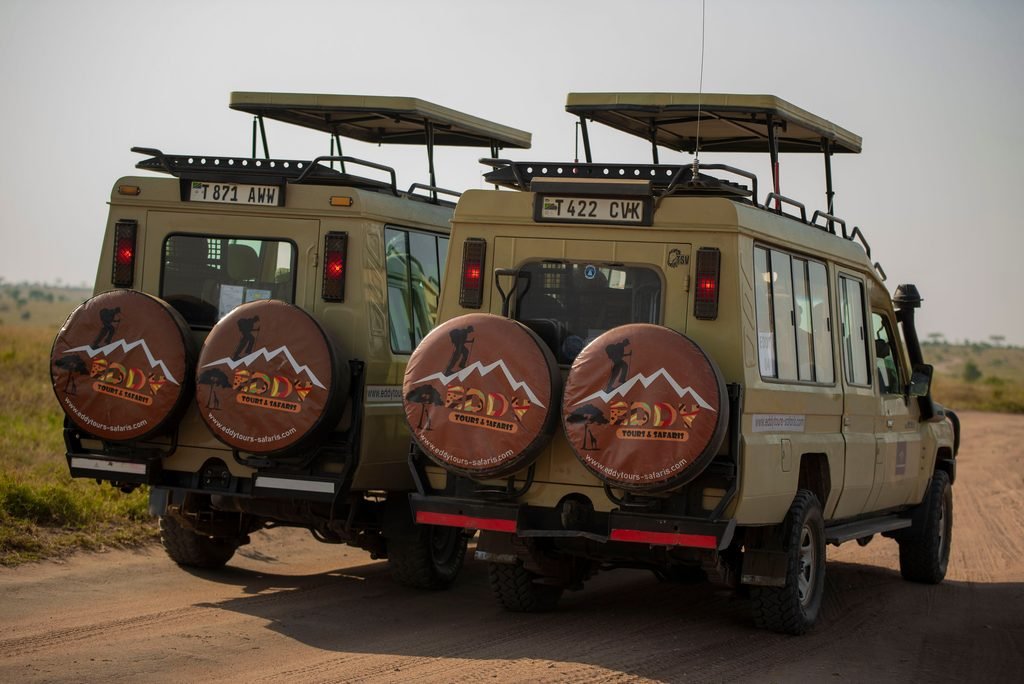
Tanzania Travel Seasons
Tanzania has two main dry periods and two rainy periods in much of the northern and coastal regions. However, rainfall patterns vary across the country, particularly between northern Tanzania, southern national parks, the coast, and the highlands.
| Travel period | General conditions | Best experiences |
|---|---|---|
| January–February | Generally warm, relatively dry in many northern areas | Serengeti calving season, safaris, Kilimanjaro and Zanzibar |
| March | Transition toward the long rains | Green-season safaris and fewer visitors |
| April–May | Main long rainy season in many regions | Lush landscapes, birdwatching and selected lower-season trips |
| June–October | Main dry season | Wildlife safaris, Kilimanjaro climbing and many outdoor activities |
| November–December | Short rains in many northern and coastal areas | Green landscapes, birdwatching and selected safari experiences |
These periods are seasonal guidelines rather than guarantees. Southern and western Tanzania may follow somewhat different rainfall patterns.
1. Tanzania Dry Season: June to October
The main dry season is generally the most popular time to visit Tanzania, especially for travelers planning wildlife safaris and Mount Kilimanjaro climbing expeditions.
During these months, rainfall decreases across much of the country, and many safari destinations become progressively drier. As temporary water sources disappear, animals often move toward rivers, lakes, and permanent waterholes. Vegetation also becomes thinner in some habitats, making wildlife easier to spot during game drives.
June usually marks the beginning of the dry season, when the landscapes may still retain some green vegetation from the previous rains. July, August, and September often bring increasingly dry conditions, while October can be particularly hot in some lowland areas before the short rains begin.
Why June to October Is Popular for Safaris
The dry season offers several advantages for wildlife viewing. Animals may become more concentrated around permanent water sources, roads in many safari areas are generally easier to navigate, and the reduced vegetation can improve visibility.
Serengeti National Park remains one of the strongest destinations during this period. The Great Migration often moves through the western and northern parts of the ecosystem, depending on rainfall and grazing conditions. Travelers hoping to witness Mara River crossings generally focus on the northern Serengeti between approximately July and October, although crossings cannot be guaranteed.
Tarangire National Park is another excellent dry-season destination. As the surrounding landscape becomes drier, elephants and other wildlife increasingly depend on the Tarangire River and remaining water sources. This can produce rewarding wildlife concentrations, particularly later in the season.
Ngorongoro Crater is also attractive during these months because its permanent water sources support many resident animals throughout the year.
Disadvantages of the Dry Season
The main disadvantage is that the most popular safari destinations can become busy, especially during July, August, and September. Accommodation prices may also be higher during peak travel periods, and popular lodges can sell out well in advance.
Travelers who prefer quieter safaris may consider early June, October, or carefully selected accommodation in less-visited areas.
2. Tanzania Short Dry Season: January to February
January and February are among the most rewarding months to visit Tanzania, particularly for travelers interested in the Great Migration calving season.
During this period, the southern Serengeti and Ndutu area often provide fresh grazing conditions that attract large numbers of wildebeest and zebras. The herds gather across the short-grass plains, where many wildebeest calves are born during the early months of the year.
February is especially associated with the calving season, although the exact timing and location vary according to rainfall.
The presence of young animals can attract predators such as lions, cheetahs, hyenas, and other carnivores. This creates excellent opportunities to observe natural wildlife behavior, although sightings and hunting events are unpredictable.
January and February are also popular months for climbing Mount Kilimanjaro because the weather is often relatively favorable compared with the long rainy season. However, summit conditions can still be extremely cold, with strong winds, snow, and ice.
Zanzibar is another attractive destination during these months, offering warm tropical weather and opportunities for beach relaxation and water-based activities.
3. Tanzania Long Rainy Season: March to May
The long rainy season generally begins during March and continues through April and May in many parts of Tanzania. April is often among the wettest months in northern Tanzania and Zanzibar, although the timing and intensity of rainfall vary.
During this period, the landscapes become greener, vegetation grows rapidly, and some wildlife areas may be more difficult to explore because of muddy roads and heavy rainfall.
However, the rainy season also has advantages for certain travelers. Photographers may appreciate the dramatic skies, green grasslands, and changing light. Birdwatchers can enjoy active birdlife, while travelers who prefer fewer visitors may find some safari destinations quieter.
Accommodation prices may be lower at certain properties, although some camps and lodges close temporarily during the wettest periods.
Is April a Bad Time to Visit Tanzania?
April is not necessarily a bad month, but it is less suitable for travelers who want predictable dry weather. Heavy rainfall can affect road conditions, visibility, and outdoor activities.
Some national parks remain open and can still provide rewarding wildlife viewing. However, travelers should choose accommodation and itineraries carefully, especially when visiting remote areas.
For Kilimanjaro climbing, April and May are generally less attractive because rain can make trails muddy and uncomfortable.
Zanzibar also receives substantial rainfall during the long rainy season, and some beach hotels may temporarily close.
4. Tanzania Short Rainy Season: November to December
November and December are commonly associated with the short rainy season in northern Tanzania and Zanzibar.
Rainfall during this period is often less persistent than during the long rains, although individual storms can still be heavy. The arrival of rain brings fresh grass and greener landscapes, creating attractive conditions for wildlife photography.
In the Serengeti ecosystem, the Great Migration often begins moving southward as grazing conditions change. However, the location of the herds varies according to rainfall, and travelers should not expect all animals to move together.
November can be attractive for travelers who prefer fewer visitors, while December becomes increasingly popular during the Christmas and New Year holiday period.
Zanzibar can also be enjoyable during December, although travelers should expect warm, humid conditions and the possibility of rain.
Best Tanzania Travel Seasons by Activity
| Travel experience | Generally best months | Main reason |
|---|---|---|
| Classic Tanzania safari | June–October | Drier conditions and easier wildlife viewing |
| Serengeti calving season | January–March, especially February | Large herds and newborn wildebeest |
| Mara River crossing opportunities | July–October | Northern migration movements |
| Tarangire elephant safari | July–October | Dry-season water dependence |
| Ngorongoro Crater safari | Year-round | Resident wildlife |
| Kilimanjaro climbing | January–March and June–October | Generally more favorable weather |
| Zanzibar beach holiday | June–October and January–February | Often relatively dry conditions |
| Birdwatching | November–April | Migratory birds and breeding activity |
| Green-season photography | November–March | Green landscapes and dramatic skies |
| Potential lower-season savings | March–May and parts of November | Reduced demand at selected properties |
Best Season to Visit Serengeti National Park
Serengeti National Park is one of Tanzania’s most famous wildlife destinations and can provide rewarding game drives throughout the year.
The best month depends on whether you want to see the Great Migration, predators, calving activity, or general wildlife.
January to March: Southern Serengeti and Ndutu
During the early months of the year, migration herds often gather on the southern plains of the Serengeti ecosystem and around Ndutu.
February is particularly well known for the calving season, when large numbers of wildebeest give birth. The presence of young animals can create opportunities to observe predator activity.
April to June: Central and Western Serengeti
As seasonal conditions change, the migration herds often move northwest through the Serengeti ecosystem.
During May and June, large groups may be found in the central and western regions, including areas around the Grumeti River.
River crossings may occur, but the timing is unpredictable.
July to October: Northern Serengeti
During the main dry season, many migration herds move toward the northern Serengeti and the Maasai Mara ecosystem.
This is the period most commonly associated with Mara River crossing opportunities.
However, river crossings depend on animal movements and cannot be scheduled or guaranteed.
November to December: Return Toward the South
As the short rains arrive, migration herds often begin moving southward toward areas with fresh grazing.
This period can provide beautiful green landscapes and opportunities to observe migrating animals across different parts of the Serengeti ecosystem.
The migration is a continuous natural movement, so travelers should choose accommodation based on current wildlife information rather than relying on fixed calendar dates.
Best Season to Visit Ngorongoro Crater
Ngorongoro Crater is a rewarding safari destination throughout the year because its grasslands, forests, wetlands, and permanent water sources support a wide variety of resident wildlife.
Visitors may encounter lions, buffaloes, elephants, zebras, wildebeest, hippos, hyenas, and different antelope species.
Black rhinoceroses also live within the conservation area, although sightings are uncommon and cannot be guaranteed.
June through October is popular because the weather is generally drier, while the green season offers attractive landscapes and excellent photography opportunities.
Early mornings around the crater rim can be cold at any time of year, so travelers should bring warm clothing.
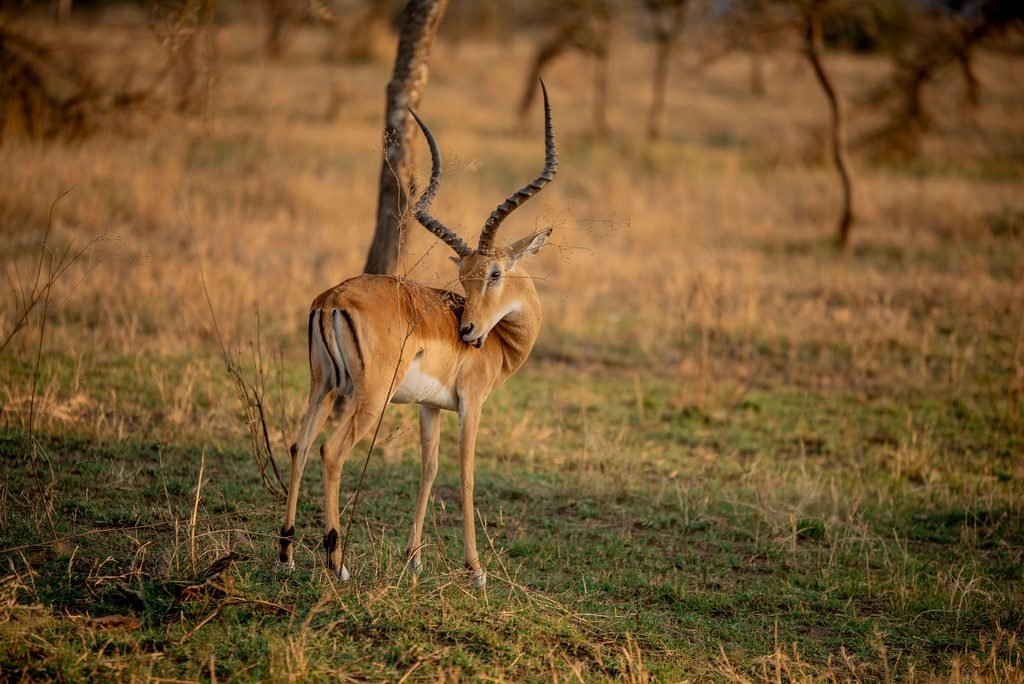
Best Season to Visit Tarangire National Park
Tarangire National Park is particularly rewarding during the dry season from June to October.
The park is famous for its elephants, ancient baobab trees, and the Tarangire River, which becomes increasingly important as seasonal water sources disappear.
From July through October, visitors may encounter large elephant families, buffaloes, giraffes, zebras, wildebeest, and various antelope species.
Lions and leopards also inhabit the park, although sightings are unpredictable.
During the rainy season, wildlife may spread into surrounding areas as water becomes more widely available. Nevertheless, Tarangire remains attractive for its scenery, birdlife, and varied habitats.
Best Season to Climb Mount Kilimanjaro
Mount Kilimanjaro can be climbed throughout the year, but some months generally provide more favorable conditions.
January through early March and June through October are popular climbing periods because rainfall is often lower than during the long rainy season.
January and February may provide opportunities for clear mountain views, while the June-to-October period often brings relatively dry conditions.
However, Kilimanjaro has its own mountain weather, and conditions can change rapidly with altitude. Climbers should prepare for rain, freezing temperatures, strong winds, and possible snow regardless of the month.
Travelers should also remember that route selection and acclimatization are more important to safety than simply choosing a dry month.
Longer itineraries such as the eight-day Lemosho Route and nine-day Northern Circuit generally provide more time for altitude adjustment than shorter routes.
Best Season for a Zanzibar Beach Holiday
Zanzibar is one of Tanzania’s most popular coastal destinations, offering white sandy beaches, warm ocean waters, historical attractions, and a wide selection of resorts.
June through October is generally an excellent period for a beach holiday because the weather is often relatively dry and temperatures are comfortable.
January and February are also popular, with warm conditions suitable for swimming, beach relaxation, and selected water-based activities.
April and May are commonly the wettest months, while November and December may bring shorter periods of rainfall.
Travelers interested in snorkeling or diving should consider the specific coastal area and local sea conditions because wind, tides, and underwater visibility vary throughout the year.
Best Tanzania Travel Seasons for a Honeymoon
Tanzania is an excellent destination for honeymoon couples who want to combine wildlife adventures with beautiful beach accommodation.
A popular honeymoon itinerary may include several days exploring Serengeti National Park and Ngorongoro Crater, followed by a relaxing stay in Zanzibar.
June through October is generally attractive for couples who want favorable safari conditions and a relatively dry beach holiday.
January and February are also good choices, particularly for travelers interested in the Serengeti calving season.
Honeymooners should consider booking well in advance during popular travel periods because luxury safari lodges and beach resorts can have limited availability.
Best Tanzania Travel Seasons for Budget Travelers
Travel costs vary throughout the year according to demand, accommodation availability, and the services included in a package.
Peak-season safaris, particularly during July, August, and September, may be more expensive because of high demand for popular lodges and tented camps.
Travelers looking for potential savings may consider March, April, May, or November, although weather conditions and accommodation closures must be taken into account.
Another option is to travel during the beginning or end of the dry season, when some properties may offer more favorable rates than during the busiest holiday weeks.
Travelers should compare the complete cost of a safari rather than focusing only on accommodation prices. National park fees, transport, guiding, and other essential services can represent a significant portion of the overall budget.
Tanzania Month-by-Month Travel Guide
January: Excellent for Calving-Season Safaris
January is a good month for visiting the southern Serengeti and Ndutu, where migration herds may be gathering for the calving season.
It is also a popular period for Kilimanjaro climbing and Zanzibar beach holidays.
February: One of the Best Months for Wildlife Action
February is particularly associated with the wildebeest calving season in the southern Serengeti ecosystem.
Predators may be active around the herds, creating memorable wildlife-viewing opportunities.
March: Transition Toward the Long Rains
March can still provide rewarding safaris, particularly early in the month, but rainfall generally becomes more frequent as the long rainy season approaches.
Travelers should prepare for changing weather conditions.
April: Green Landscapes and Heavy Rainfall
April is commonly one of Tanzania’s wettest months.
Some safari destinations remain rewarding, but muddy roads and heavy rain can affect travel arrangements.
May: End of the Long Rainy Season
May often marks the gradual transition toward drier conditions.
The landscapes can be particularly green, and visitor numbers may remain relatively low in some destinations.
June: Beginning of the Main Dry Season
June is an excellent month for safaris as weather conditions generally become drier.
The Great Migration may be moving through the central and western Serengeti, while Tarangire begins transitioning toward its dry-season wildlife concentrations.
July: Excellent Wildlife Viewing
July is one of Tanzania’s most popular safari months.
The northern Serengeti becomes increasingly important for migration-focused safaris, while other national parks offer rewarding wildlife viewing.
August: Peak Safari Season
August is particularly popular for Serengeti migration safaris and dry-season wildlife viewing.
Travelers should book accommodation well in advance.
September: Excellent for Safaris and Kilimanjaro
September generally offers dry conditions in many safari destinations.
It is also a popular month for Kilimanjaro climbing and Zanzibar beach holidays.
October: Late Dry-Season Wildlife Viewing
October can provide excellent wildlife viewing as animals continue relying on permanent water sources.
Tarangire is often particularly rewarding during this period.
November: Short Rains and Green Landscapes
November often brings shorter rains to northern Tanzania.
The changing landscapes can provide attractive photography opportunities and rewarding wildlife experiences.
December: Safaris, Beaches and Holiday Travel
December is a popular month for travelers combining wildlife safaris with Zanzibar beach holidays.
The Christmas and New Year period can be busy, so early booking is advisable.
Frequently Asked Questions About Tanzania Travel Seasons
What is the best month to visit Tanzania?
There is no single best month for every traveler. July through September is particularly popular for classic dry-season safaris, while February is excellent for the Serengeti calving season.
What is the best season for a Tanzania safari?
The main dry season from June to October is generally the best period for classic wildlife viewing in many national parks.
What is the cheapest time to visit Tanzania?
Some accommodation providers offer lower rates during parts of the rainy season, particularly April and May. However, prices vary, and some properties may be closed.
When is the best time to see the Great Migration?
The Great Migration takes place throughout the year. The best period depends on whether you want to see calving in the southern Serengeti, herds moving through the western corridor, or river crossing opportunities in the north.
When is the best time to see the Mara River crossings?
July through October is the main period associated with northern Serengeti river crossings, although the exact timing varies according to rainfall and herd movements.
Is Tanzania good to visit in January?
Yes. January is excellent for the southern Serengeti, Kilimanjaro climbing, and Zanzibar beach holidays.
Is Tanzania good to visit in June?
Yes. June marks the beginning of the main dry season and is particularly attractive for wildlife safaris and Kilimanjaro climbing.
Is Tanzania too crowded in August?
August is a popular travel month, particularly in the Serengeti and Ngorongoro. However, choosing suitable accommodation and less-visited areas can help create a quieter experience.
Is Tanzania worth visiting during the rainy season?
Yes, depending on your interests. The rainy season can offer green landscapes, birdwatching, fewer visitors, and potential accommodation savings, although weather and road conditions may be challenging.
When should I book a Tanzania safari for 2027/2028?
For popular travel periods such as July, August, September, and major holidays, booking several months in advance is advisable. Luxury lodges and migration-focused camps may require even earlier reservations.
Can I combine Kilimanjaro, safari and Zanzibar in one holiday?
Yes. Tanzania is particularly well suited to combined holidays that include Mount Kilimanjaro, wildlife safaris, and Zanzibar.
How many days should I spend in Tanzania?
A seven- to ten-day holiday can provide a rewarding safari experience. Travelers who want to combine Kilimanjaro, a safari, and Zanzibar may prefer approximately two to three weeks, depending on the climbing route and destinations selected.
Final Thoughts: What Are the Best Tanzania Travel Seasons?
The best time to visit Tanzania depends on the experiences you want to enjoy.
For classic wildlife safaris, June through October is generally the strongest choice because of the relatively dry weather and favorable wildlife-viewing conditions.
For the Serengeti calving season, January and February are particularly rewarding, while July through October is commonly associated with Mara River crossing opportunities.
For Kilimanjaro climbing, January through early March and June through October are generally preferred.
For Zanzibar beach holidays, June through October and January through February often provide favorable conditions.
Travelers who prefer green landscapes, birdwatching, and fewer visitors may also enjoy selected periods during the rainy seasons.
Rather than choosing your travel dates based on weather alone, consider the wildlife experiences, activities, accommodation, and overall holiday atmosphere that matter most to you.
With careful planning, Tanzania can provide an unforgettable holiday at almost any time of year.
Plan Your Tanzania Holiday with Eddy Tours and Safaris
Are you planning a Tanzania safari, Mount Kilimanjaro climb, or Zanzibar beach holiday in 2027 or 2028?
Eddy Tours and Safaris can help you choose suitable travel dates, discuss safari destinations, and plan an itinerary according to your interests and budget.
Whether you want to experience the Great Migration, climb Mount Kilimanjaro, explore Tanzania’s national parks, or relax beside the Indian Ocean, contact our team to discuss your holiday.
Website: www.eddytours-safaris.com
Contact page: Plan Your Tanzania Holiday
Email: sales@eddytours-safaris.com
WhatsApp: +255 711 906 664