
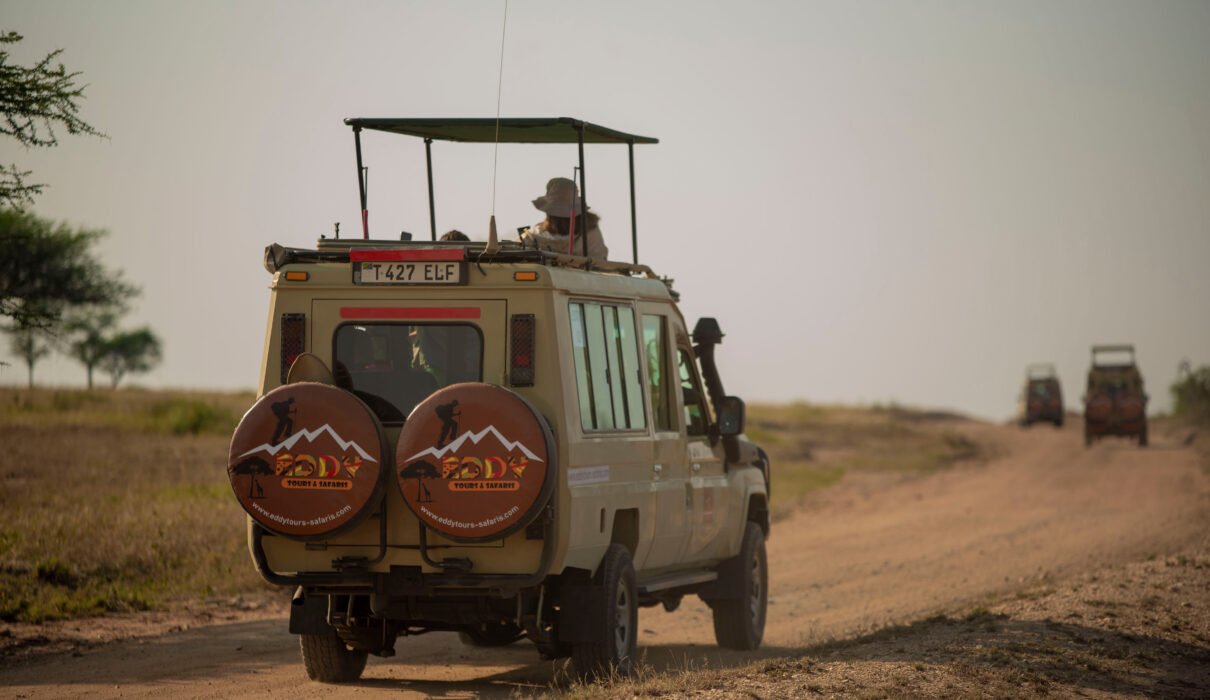
What I Wish I Knew Before Going on a Safari in Tanzania is the exact sentence I repeated to myself after my first real wildlife journey across the country, because so many important details are never clearly explained when you start planning. You see beautiful photos, exciting animal lists and luxury lodges, but very few people talk honestly about how wildlife rules work, how long the drives really are, how conservation affects your daily schedule and how much the quality of your tour company changes everything.
This guide is written as a personal, practical and honest story built around real conservation science, wildlife research and responsible tourism principles. If you are preparing your trip with a reliable local team such as Eddy Tours & Safaris, this article will help you avoid the most common mistakes and enjoy your safari with confidence, respect and realistic expectations.
What I Wish I Knew Before Going on a Safari in Tanzania about wildlife protection rules
One of the biggest surprises in What I Wish I Knew Before Going on a Safari in Tanzania was how strict and necessary wildlife viewing rules actually are. Tanzania’s ecosystems are part of globally important conservation networks supported by organizations such as the World Wide Fund for Nature, the African Wildlife Foundation and the Wildlife Conservation Society, and these institutions clearly show how vehicle behavior, distance control and noise management directly affect animal stress levels.
At first, I expected guides to drive close and stay longer at sightings. In reality, professional operators follow strict guidelines promoted by the International Union for Conservation of Nature and biodiversity governance principles supported by the Intergovernmental Science-Policy Platform on Biodiversity and Ecosystem Services. These rules protect breeding behavior, hunting success and long-term population stability.
What I Wish I Knew Before Going on a Safari in Tanzania about long driving distances
Another lesson in What I Wish I Knew Before Going on a Safari in Tanzania is that Tanzania is much bigger than it looks on a map. Large protected areas are intentionally remote to reduce human pressure on wildlife. Land use monitoring and spatial research published by the United States Geological Survey and global ecosystem mapping supported by the United Nations Environment Programme explain how road development and settlement expansion threaten wildlife corridors.
Because of this, professional safari planning focuses on slow travel and realistic routing rather than fast park-hopping. This is why many travelers choose carefully designed itineraries through Tanzania safari programs that reduce unnecessary transfers and protect both guest comfort and fragile habitats.
What I Wish I Knew Before Going on a Safari in Tanzania about wildlife behavior
A major realization in What I Wish I Knew Before Going on a Safari in Tanzania was that animals do not perform for visitors. Their movement is shaped by water, vegetation, temperature and predator pressure. Research from BirdLife International and large-carnivore science published by Panthera clearly shows how migration routes, nesting zones and hunting patterns constantly change.
This means some days feel slow and quiet, and that is normal. Learning to appreciate tracks, landscapes and animal behavior patterns turns your safari into a true learning experience instead of a photo checklist.
What I Wish I Knew Before Going on a Safari in Tanzania about climate and weather changes
One of the most overlooked points in What I Wish I Knew Before Going on a Safari in Tanzania is how climate influences wildlife visibility. Climate science from NASA Climate and global assessments published by the Intergovernmental Panel on Climate Change explain how rainfall shifts affect grazing patterns and water availability.
Environmental monitoring from the Food and Agriculture Organization also shows how vegetation cycles shape animal distribution. A responsible safari company adjusts routes and daily schedules based on these natural systems, not marketing promises.
What I Wish I Knew Before Going on a Safari in Tanzania about health and safety preparation
Health planning is another key part of What I Wish I Knew Before Going on a Safari in Tanzania. International travel health guidance from the World Health Organization and disease prevention recommendations from the Centers for Disease Control and Prevention explain how dehydration, heat stress and minor infections are far more common than dramatic wildlife incidents.
Remote-area emergency response principles promoted by the International Federation of Red Cross and Red Crescent Societies show why trained guides, communication equipment and evacuation procedures are essential for professional safari operations.
What I Wish I Knew Before Going on a Safari in Tanzania about conservation funding
Something I deeply underestimated in What I Wish I Knew Before Going on a Safari in Tanzania is how much tourism directly supports conservation. Organizations such as Conservation International and the National Geographic Society explain how park fees, research access and community projects are funded through responsible visitation.
Without controlled tourism, many anti-poaching programs, habitat restoration projects and wildlife monitoring initiatives would struggle to operate consistently.
What I Wish I Knew Before Going on a Safari in Tanzania about cultural respect
Cultural awareness became one of the strongest lessons in What I Wish I Knew Before Going on a Safari in Tanzania. Heritage protection frameworks promoted by UNESCO and educational research supported by Harvard University research programs highlight how respectful interaction strengthens both tourism quality and community pride.
Simple behavior such as asking before photographing people, respecting dress norms and listening to local explanations helps preserve cultural dignity and creates more meaningful encounters.
What I Wish I Knew Before Going on a Safari in Tanzania about local employment
Another powerful realization in What I Wish I Knew Before Going on a Safari in Tanzania is how strongly your booking choice affects local livelihoods. Fair employment frameworks promoted by the International Labour Organization and community development programs supported by Oxfam International show how ethical tourism builds long-term stability.
Choosing a responsible operator helps guides, drivers, cooks and support teams build sustainable careers while strengthening conservation partnerships.
What I Wish I Knew Before Going on a Safari in Tanzania about scientific research access
A less visible side of What I Wish I Knew Before Going on a Safari in Tanzania is how tourism supports science. Biodiversity and ecological studies published through Nature Research and field research distributed via ScienceDirect depend on protected access and responsible logistics.
Safari infrastructure often supports long-term monitoring of animal populations, vegetation change and ecosystem health when tourism follows strict conservation rules.
What I Wish I Knew Before Going on a Safari in Tanzania about environmental fragility
The landscapes that look endless are actually extremely sensitive. In What I Wish I Knew Before Going on a Safari in Tanzania, I learned that soil damage, waste and uncontrolled driving can permanently alter wildlife habitat. Environmental impact studies supported by the United States Geological Survey and global conservation planning coordinated by the International Union for Conservation of Nature highlight how fragile savannah and wetland systems are.
Responsible operators limit off-road driving, manage waste carefully and follow strict campsite regulations to protect water sources and vegetation.
What I Wish I Knew Before Going on a Safari in Tanzania about honest expectations
Perhaps the most important message in What I Wish I Knew Before Going on a Safari in Tanzania is to arrive with curiosity instead of fixed expectations. Every safari day is shaped by natural systems, not by schedules. When you accept this, slow moments become part of the magic.
This is why many travelers prefer working directly with experienced local professionals such as local safari consultation teams who explain what is realistically possible rather than overselling sightings.
What I Wish I Knew Before Going on a Safari in Tanzania about combining adventure and safari
Some visitors also combine wildlife travel with mountain or adventure activities. In What I Wish I Knew Before Going on a Safari in Tanzania, I discovered that structured outdoor tourism follows the same safety and conservation principles promoted by global research institutions.
If your journey includes high-altitude trekking, professional options are available through Kilimanjaro climbing programs that integrate environmental responsibility and medical preparedness.
What I Wish I Knew Before Going on a Safari in Tanzania about choosing the right operator
Finally, the real heart of What I Wish I Knew Before Going on a Safari in Tanzania is that your experience depends far more on the people guiding you than on the lodge or vehicle. Ethical operations, honest planning and strong conservation values transform your journey completely.
If you want a safari that respects wildlife, supports communities and gives you real understanding of Tanzania’s natural heritage, planning your journey with professionals who work daily inside these ecosystems makes all the difference. A responsible safari is not only unforgettable for you. It also protects the future of the landscapes you come to admire.