
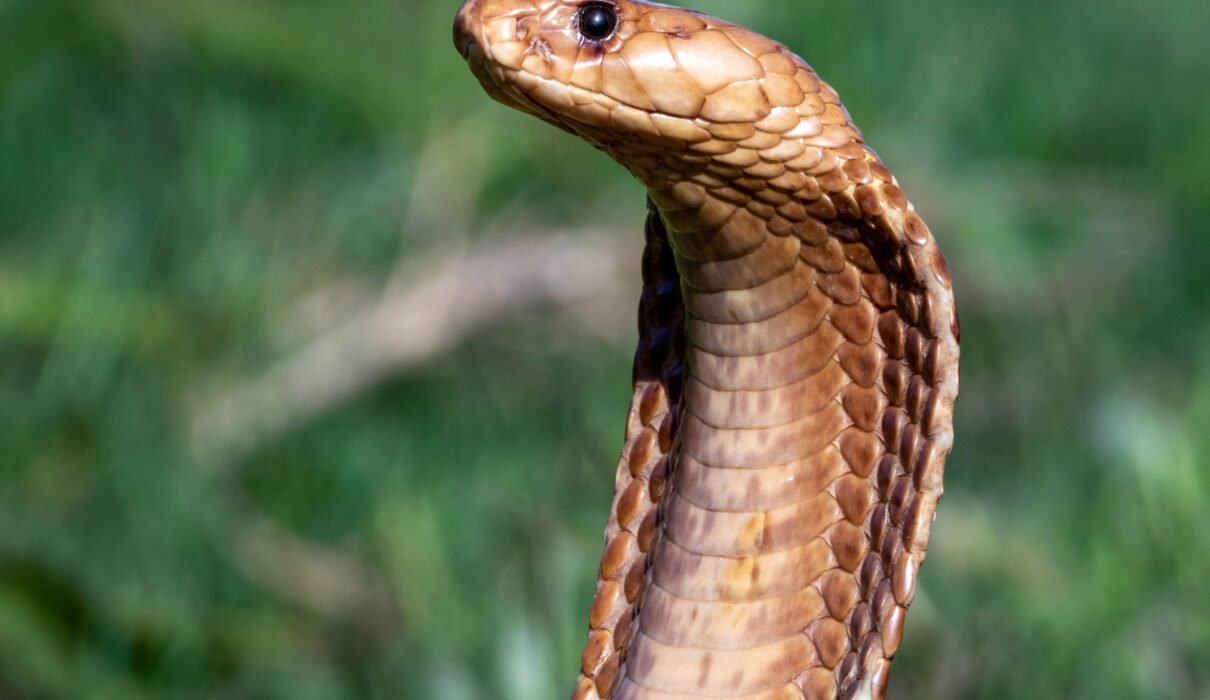
What to Do If You’re Bitten by a Snake in Tanzania is a question every traveler, trekker, and safari guest should understand before stepping into the wild. Tanzania’s landscapes are breathtaking, from open savannahs to lush forests, but they are also home to various snake species. While snakebites are rare, knowing exactly how to respond can protect your life or the life of someone with you. Preparation is not about fear; it is about confidence, awareness, and smart action when it matters most.
Tanzania hosts both venomous and non-venomous snakes, and most encounters happen accidentally when someone steps too close or disturbs a snake. According to the World Health Organization, snakebite is a serious medical emergency in many tropical regions, yet rapid first aid and proper hospital treatment dramatically improve survival rates. Whether you are on safari with Eddy Tours & Safaris or climbing mountains, knowledge is your strongest defense.
Understanding What to Do If You’re Bitten by a Snake in Tanzania
Understanding What to Do If You’re Bitten by a Snake in Tanzania begins with staying calm. Panic increases heart rate, which can spread venom faster through the bloodstream. Tanzania is home to species such as cobras, puff adders, and mambas, but most snakes avoid human contact. Research shared by the Centers for Disease Control and Prevention and the National Institutes of Health shows that correct first aid within the first hour significantly reduces complications.
Venom affects the body differently depending on the species. Some venoms attack the nervous system, while others damage tissue or affect blood clotting. Medical data from the Mayo Clinic and Johns Hopkins Medicine explains that symptoms may include swelling, difficulty breathing, blurred vision, or severe pain. Immediate transport to a medical facility is always the priority.
Immediate First Aid: What to Do If You’re Bitten by a Snake in Tanzania
If a snakebite occurs, the first step in What to Do If You’re Bitten by a Snake in Tanzania is to move away from the snake to avoid a second bite. Keep the victim still and calm. Remove tight items like rings or watches before swelling begins. Immobilize the affected limb using a splint if possible, keeping it at heart level.
Do not cut the wound, suck out venom, or apply ice. These outdated methods are strongly discouraged by the International Federation of Red Cross and Red Crescent Societies. Avoid applying a tight tourniquet, as it may cause further tissue damage. Instead, focus on getting to the nearest hospital where antivenom is available.
Common Snakes Found in Tanzania
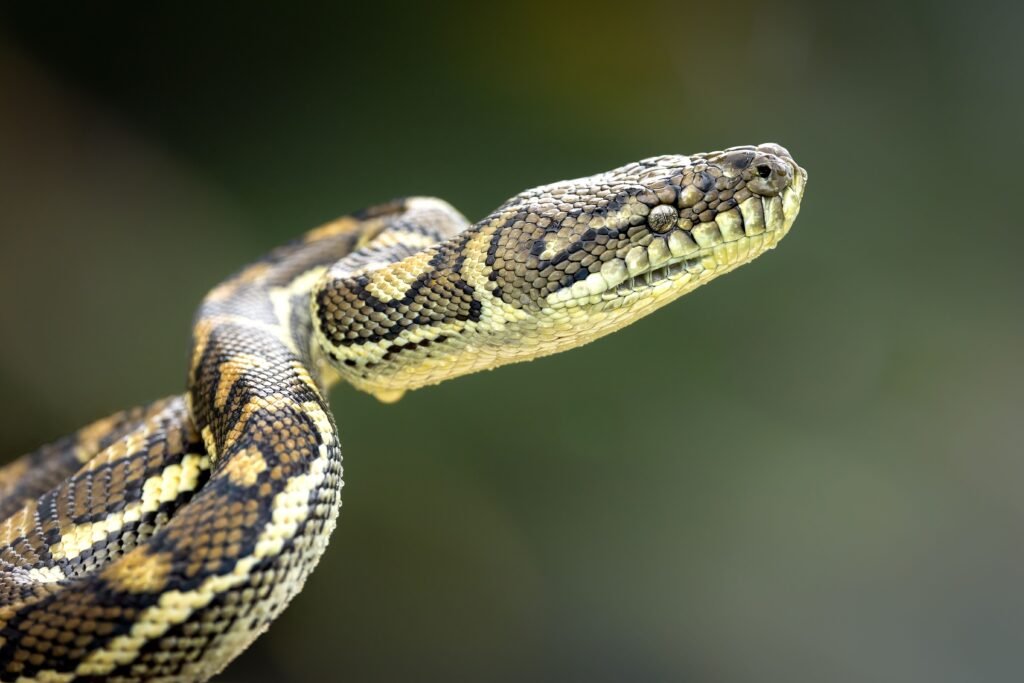
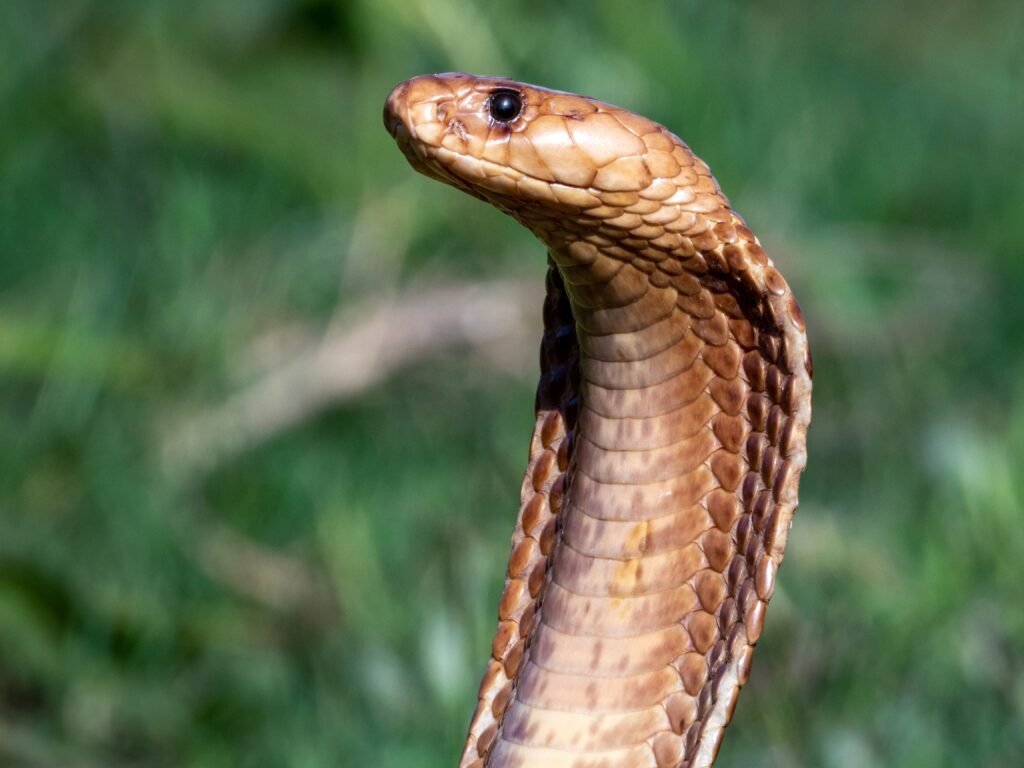
Learning about local wildlife is part of responsible travel. Organizations like the African Snakebite Institute and the International Union for Conservation of Nature document several medically important snakes in East Africa. These include the black mamba, green mamba, puff adder, and spitting cobra.
Wildlife conservation groups such as the World Wildlife Fund and the African Wildlife Foundation emphasize that snakes play a vital role in the ecosystem by controlling rodent populations. Most bites occur when snakes feel threatened, not because they are aggressive.
How Medical Treatment Works in Tanzania
Once at a hospital, doctors assess the severity of envenomation. The Tanzania Ministry of Health works with global partners like Médecins Sans Frontières and AMREF Health Africa to improve emergency care access in rural regions. Antivenom is the primary treatment and is administered based on symptoms rather than the snake’s identity.
Public health studies from the Harvard T.H. Chan School of Public Health confirm that early hospital treatment leads to better outcomes. Intravenous fluids, pain management, and monitoring of breathing and blood clotting may also be required.
Preventive Measures for Travelers and Climbers
Prevention is always better than cure. When exploring parks or climbing mountains with experienced safari guides, wear long trousers, sturdy boots, and avoid tall grass where visibility is low. The United Nations Environment Programme and the Food and Agriculture Organization highlight habitat awareness as a key strategy in reducing wildlife encounters.
If you are planning a Kilimanjaro climb, review safety guidelines provided by specialists such as Kilimanjaro Climb Specialist and coordinate with professional operators like Eddy Tours & Safaris to ensure guides carry communication devices and emergency plans.
Why Professional Safari Operators Matter
Choosing licensed tour providers significantly reduces risks. Companies like Eddy Tours & Safaris train their teams in wilderness first aid and emergency response. In remote areas, quick evacuation coordination can save lives. Organizations such as UNICEF and the World Bank support health infrastructure improvements that benefit both communities and travelers.
Reliable operators also educate guests about wildlife behavior. The Tanzania Wildlife Research Institute and the National Geographic Society provide educational materials that highlight the importance of respecting natural habitats.
Myths and Facts About Snakebites
There are many myths about snakebites. Some people believe sucking out venom helps, or that traditional herbs can neutralize toxins. However, evidence published by the Smithsonian Institution and medical reviews found through Google Scholar confirm that only professional medical treatment with antivenom is effective.
Another myth is that all snakebites are fatal. In reality, with fast medical care, most victims recover fully. Conservation groups like The Nature Conservancy and educational platforms such as Encyclopaedia Britannica stress balanced knowledge rather than fear-based reactions.
Emergency Contacts and Planning Ahead
Before heading into national parks, share your itinerary with your tour provider and confirm emergency communication options. If traveling independently, register with your embassy and understand the nearest medical facilities. Booking safaris through trusted local experts ensures structured safety planning and reliable transport.
Having travel insurance that covers medical evacuation is equally important. Quick coordination between local guides and medical teams makes a major difference when every minute counts.
Final Thoughts on What to Do If You’re Bitten by a Snake in Tanzania
Knowing What to Do If You’re Bitten by a Snake in Tanzania empowers you to act wisely rather than react emotionally. Stay calm, immobilize the limb, avoid harmful traditional methods, and reach professional medical care immediately. Tanzania remains one of Africa’s most remarkable destinations, and snake encounters are rare when proper precautions are taken.
By traveling with experienced professionals, respecting wildlife, and understanding first aid principles supported by global health organizations, you can explore Tanzania’s beauty with confidence. Prepared travelers are safe travelers, and smart planning transforms potential risk into manageable awareness.