

Where Do Safari Guides Sleep During Your Trip in Tanzania? 7 Surprising Facts for 2026/2027/2028
Where Do Safari Guides Sleep During Your Trip in Tanzania? This is one of the most common yet rarely answered questions travelers ask before heading into the wild. While guests focus on lodges, wildlife, and game drives, safari guides operate behind the scenes, ensuring every moment runs smoothly. Their sleeping arrangements are practical, strategic, and designed to keep both guests and wildlife safe while maintaining the rhythm of the safari experience.
Understanding where guides sleep adds a deeper layer of appreciation for the safari industry. It reveals how much planning, coordination, and dedication goes into every trip. Whether you are staying in a luxury lodge, a tented camp, or exploring remote national parks, your guide’s accommodation is always carefully arranged to balance comfort, safety, and accessibility.
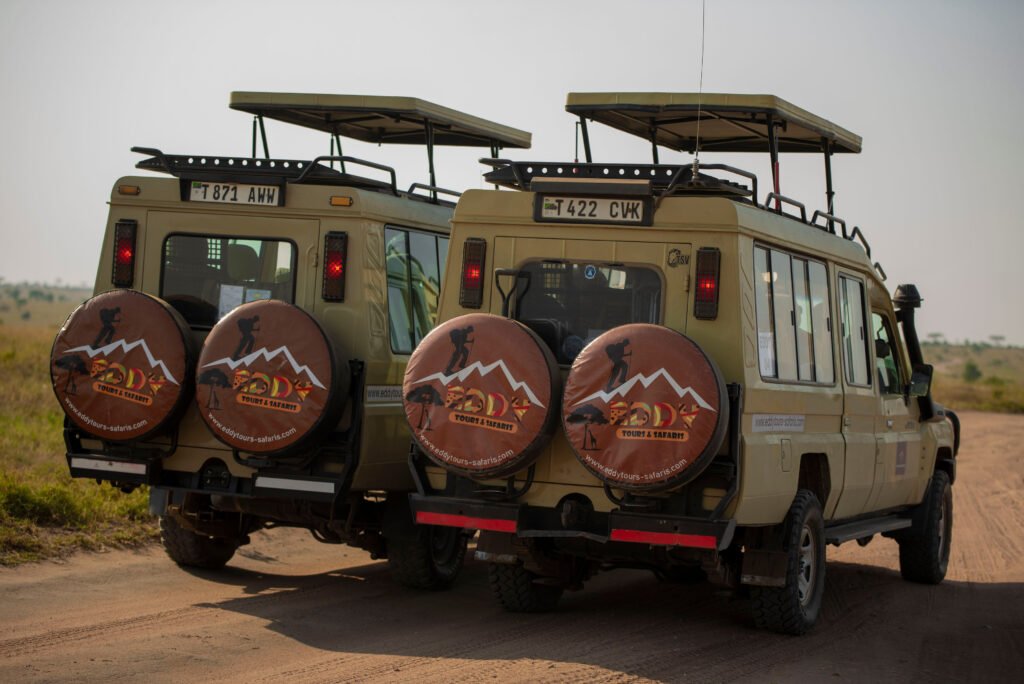
Where Do Safari Guides Sleep During Your Trip in Tanzania? Understanding the Basics
Safari guides in Tanzania typically sleep in staff quarters provided by lodges, camps, or designated ranger areas within national parks. These accommodations are separate from guest areas but located close enough for quick response in case of emergencies or early morning departures. The setup ensures that guides remain alert, available, and well-rested for the demanding nature of safari work.
In most cases, guides do not share the same luxury rooms as guests. Instead, they stay in functional yet comfortable rooms designed specifically for staff. These may include shared dormitories, private huts, or simple tents depending on the level of the safari camp. The priority is practicality rather than luxury, as guides spend most of their time outdoors.
For travelers booking with reputable operators like Eddy Tours & Safaris, guide accommodations are always pre-arranged to ensure seamless service throughout the journey.
Staff Quarters in Lodges and Camps
Most mid-range and luxury lodges across Tanzania provide dedicated staff quarters. These are usually located behind the main guest areas, out of sight but within walking distance. Staff quarters often include shared kitchens, bathrooms, and resting areas where guides can relax after long game drives.
Although these accommodations are simple, they are well-maintained and safe. The goal is to provide guides with enough rest so they can deliver exceptional service the next day. Many safari lodges follow guidelines from conservation organizations like World Wildlife Fund and IUCN to ensure sustainable and ethical operations.
Mobile Camps and Temporary Sleeping Arrangements
In remote areas such as the Serengeti or Selous, guides may sleep in mobile tents. These are temporary structures set up alongside guest tents but positioned separately for operational efficiency. Mobile camps are common during migration safaris, where camps move with wildlife patterns.
These tents are equipped with basic bedding and sometimes solar-powered lighting. Despite the simplicity, they allow guides to stay close to guests and wildlife activity zones, ensuring an authentic safari experience.
Learn more about safari styles on this Tanzania safari guide.
Luxury Safaris vs Budget Safaris: Where Do Guides Stay?
The level of accommodation for guides often reflects the type of safari you book. However, regardless of the package, safety and accessibility remain the top priorities.
Luxury Safari Guide Accommodation
In high-end lodges, guides are usually provided with private staff rooms that include proper beds, electricity, and sometimes en-suite bathrooms. While not as luxurious as guest suites, these rooms are comfortable and ensure guides are well-rested.
Luxury operators often align with sustainability practices promoted by organizations like National Geographic Society and Conservation International.
Mid-Range and Budget Safari Guide Accommodation
In mid-range and budget safaris, guides may share rooms or sleep in tents. These setups are simple but functional. The focus remains on delivering an excellent safari experience rather than providing luxury staff housing.
Even in budget settings, safety standards are maintained according to guidelines from UN Environment Programme and Wildlife Conservation Society.
Explore affordable safari options here: budget Tanzania safaris.
Why Guides Do Not Stay in Guest Rooms
Many travelers wonder why guides do not share guest accommodations. The answer lies in professionalism, logistics, and cultural expectations. Guides need their own space to rest, prepare, and coordinate with other staff members.
Additionally, separating guest and staff areas ensures privacy for travelers while allowing guides to focus on operational duties. This structure is widely adopted across the global tourism industry and supported by research institutions like UN World Tourism Organization.
Safety Considerations for Guide Accommodation
Safety is a critical factor in determining where guides sleep. Since safari environments are home to wild animals, accommodations are strategically placed in secure zones. Camps often include fencing, raised platforms, or natural barriers to minimize risk.
Guides are also trained in wildlife behavior through programs supported by African Wildlife Foundation and Panthera. This knowledge allows them to choose safe sleeping locations even in remote areas.
How Guide Accommodation Enhances Your Safari Experience
Having guides stay nearby ensures quick response times for early morning game drives, which are crucial for spotting wildlife. It also allows for better coordination of meals, transportation, and park entry logistics.
This behind-the-scenes efficiency is what makes safaris seamless and enjoyable. Companies like Eddy Tours prioritize this aspect to deliver high-quality experiences.
Environmental and Ethical Considerations
Guide accommodations are designed to minimize environmental impact. Many camps use eco-friendly materials, solar power, and waste management systems aligned with organizations like Rainforest Alliance and Global Wildlife Conservation.
These practices ensure that tourism supports conservation rather than harming ecosystems.
Do Guides Ever Sleep in the Wild?
In rare cases, such as walking safaris or research expeditions, guides may sleep in the open wilderness. However, this is done with proper equipment, safety protocols, and permits. These experiences are usually reserved for specialized tours and are not part of standard safari packages.
Such practices are studied and regulated by institutions like Smithsonian Institution and The Nature Conservancy.
Frequently Asked Questions
1. Do safari guides stay in the same lodge as guests?
Yes, but in separate staff quarters designed for operational efficiency.
2. Are guide accommodations safe?
Absolutely. They are strategically located and follow strict safety protocols.
3. Do guides sleep in tents?
In mobile camps or remote areas, guides may use tents.
4. Can guests see where guides stay?
Usually not, as staff areas are private and separate.
5. Do guides get enough rest?
Yes, schedules are structured to ensure adequate rest between activities.
6. Does guide accommodation affect safari quality?
Yes, proper accommodation ensures guides are well-rested and perform better.
Conclusion
Where Do Safari Guides Sleep During Your Trip in Tanzania? The answer reveals the thoughtful planning behind every safari. From staff quarters in lodges to mobile tents in remote parks, guide accommodations are designed for efficiency, safety, and sustainability. While guests enjoy luxury and adventure, guides operate from practical bases that allow them to deliver unforgettable experiences.
If you are planning your safari for 2026, 2027, or 2028, choosing a reliable operator makes all the difference. Start your journey with Eddy Tours & Safaris and experience Tanzania with expert guidance.
For additional insights, explore resources from Encyclopaedia Britannica, Google Scholar, NASA, NOAA, FAO, Convention on Biological Diversity, IPBES, World Health Organization, University of Oxford, University of Cambridge, and Kilimanjaro Climb Specialist.