
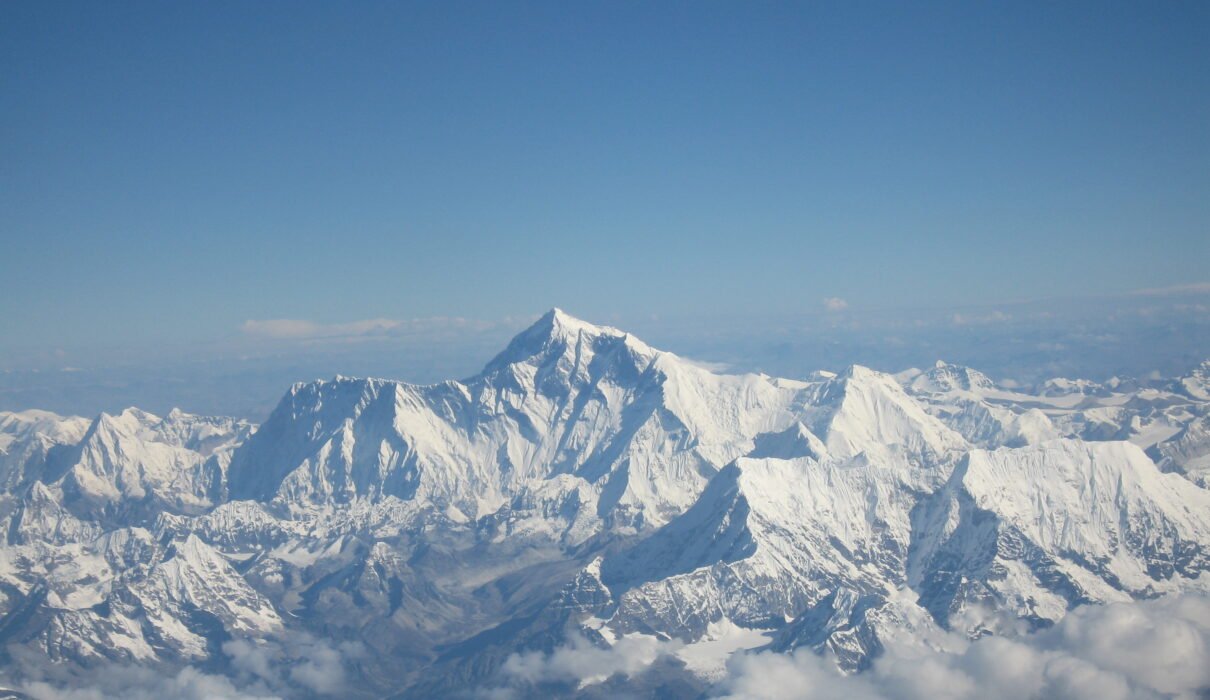
Where Is Mount Everest Located? This question sparks curiosity in travelers, students, and adventure lovers across the world. Mount Everest is located on the border between Nepal and the Tibet Autonomous Region of China, standing proudly within the majestic Himalayas. It is the highest mountain on Earth above sea level and remains one of the most iconic natural landmarks in human history.
The peak rises to an elevation of 8,848.86 meters and forms part of the Mahalangur Himal sub-range. Its southern face lies in Nepal, while its northern face belongs to Tibet. This unique position makes Everest not just a mountain, but a powerful symbol of international geography and shared natural heritage.
Where Is Mount Everest Located? Understanding Its Exact Geographic Position
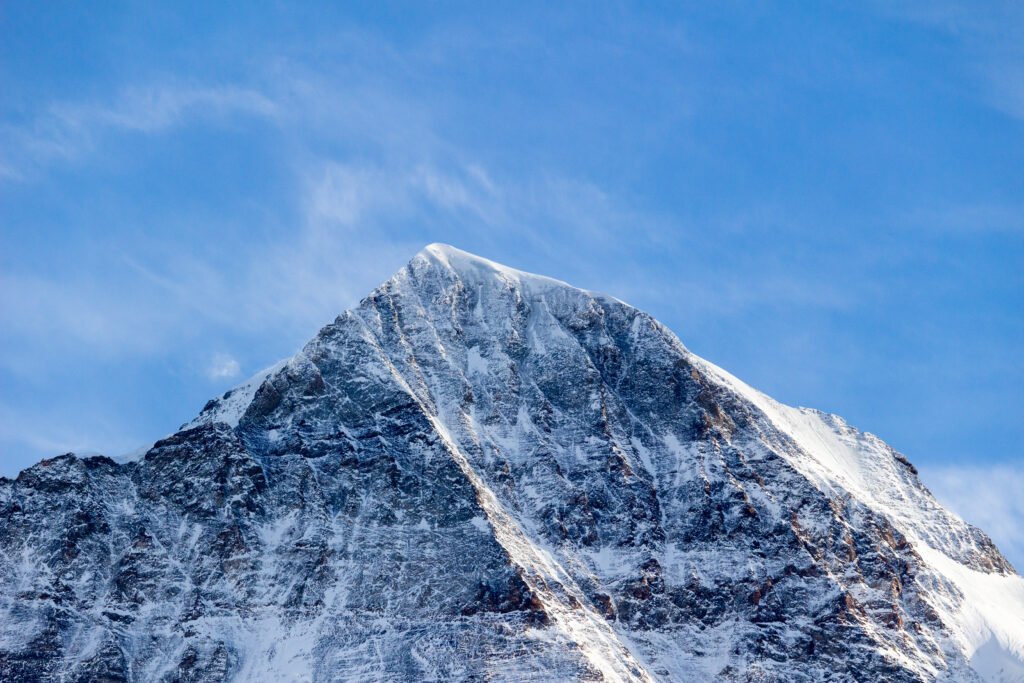
Mount Everest sits in South Asia, precisely along the international border separating Nepal and China. The mountain’s summit marks the official boundary between the two countries. The southern approach is accessed through Nepal’s Solukhumbu District, home to the famous Sagarmatha National Park, a UNESCO World Heritage Site recognized by UNESCO.
The northern approach lies within Tibet, administered by China. The Tibetan side is often reached through the Rongbuk region, which is known for its dramatic landscapes and the historic Rongbuk Monastery. According to the National Geographic Society, Everest is positioned at approximately 27.9881° N latitude and 86.9250° E longitude.
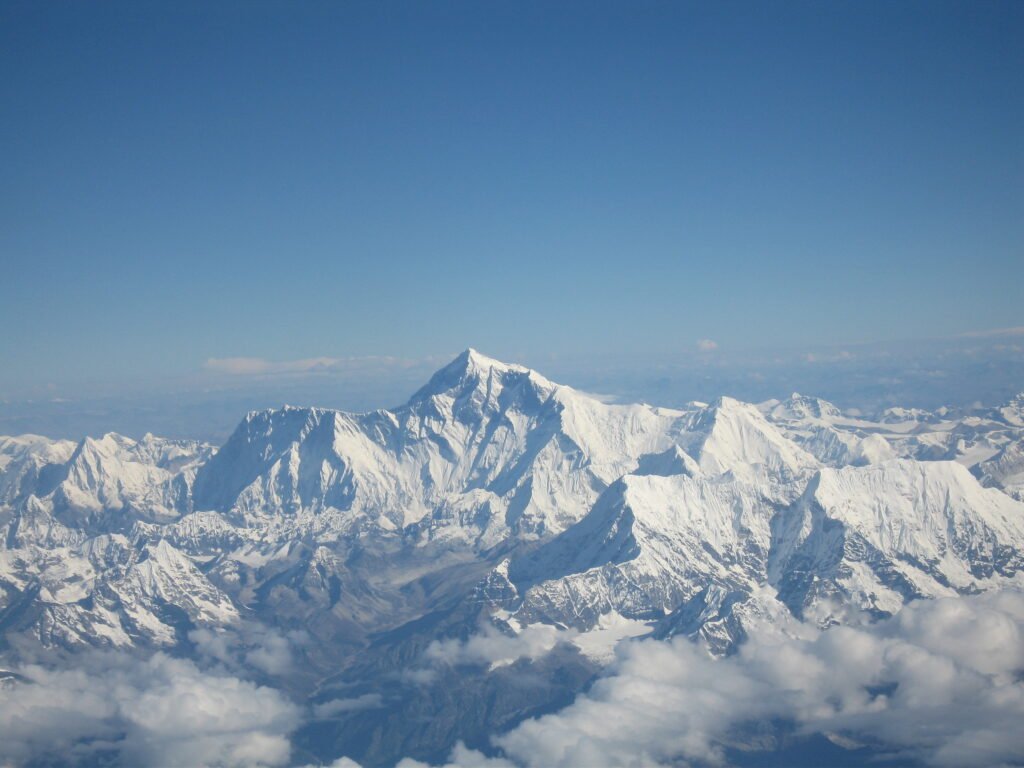
This location places Everest squarely in the Himalayan mountain range, which stretches across five countries: Nepal, China, India, Bhutan, and Pakistan. The Himalayas were formed due to the collision of the Indian and Eurasian tectonic plates, a process studied extensively by the United States Geological Survey.
The Himalayan Context of Where Is Mount Everest Located?
To fully answer Where Is Mount Everest Located?, one must understand the Himalayan system. The Himalayas are the youngest and tallest mountain range on Earth. Research from the Encyclopaedia Britannica confirms that this mountain chain continues to rise gradually due to tectonic activity.
Everest belongs to the Mahalangur Himal sub-range, which also includes other towering peaks such as Lhotse and Makalu. The region is shaped by glacial systems that feed major Asian rivers, including the Ganges and Brahmaputra. Hydrological studies from the World Wildlife Fund show how Himalayan glaciers support millions of people downstream.
Border Significance Between Nepal and China
The summit of Everest represents an international boundary. Climbers ascending from Nepal enter through Sagarmatha National Park, while those from Tibet pass through the Qomolangma Nature Preserve. Both protected areas are supported by global conservation efforts, including partnerships with the International Union for Conservation of Nature.
This dual-country location has strengthened diplomatic cooperation in mountain research, environmental monitoring, and tourism management. Environmental data is often shared with global institutions such as UN Environment Programme.
Why Where Is Mount Everest Located? Matters to Travelers
Understanding where Everest stands helps travelers plan their journey effectively. The Nepal side offers the popular Everest Base Camp trek, starting from Lukla. Detailed trekking information and regional safari extensions can be found at Eddy Tours & Safaris, which connects Himalayan exploration with African wildlife experiences.
Adventure seekers often combine trekking experiences with educational research on altitude and climate. The National Oceanic and Atmospheric Administration monitors atmospheric changes that impact high-altitude regions like Everest.
Those planning high-altitude expeditions can also consult professional climbing experts at Kilimanjaro Climb Specialist, known for mountain expedition guidance.
Geological Importance of Where Is Mount Everest Located?
The location of Everest reveals critical geological insights. The Himalayan region was formed around 50 million years ago when tectonic plates collided. Ongoing studies by institutions such as NASA use satellite technology to measure subtle movements in the mountain’s height.
Earthquake activity in the region is monitored by global seismic networks including USGS Earthquake Hazards Program. This constant geological movement explains why Everest continues to change slightly in elevation over time.
Environmental Value of Where Is Mount Everest Located?
Everest lies within fragile alpine ecosystems. Sagarmatha National Park protects rare wildlife such as snow leopards and red pandas. Conservation partnerships with organizations like The Nature Conservancy support biodiversity preservation.
Climate change is affecting Himalayan glaciers rapidly. Scientific findings from IPCC highlight how warming temperatures threaten ice stability. This makes the location of Everest environmentally significant on a global scale.
How to Visit the Region Where Mount Everest Is Located
Travelers usually fly into Kathmandu, Nepal’s capital, before heading to Lukla. Cultural insights into Nepalese heritage can be explored through regional tours available at Eddy Tours & Safaris. The Tibetan route requires travel permits coordinated through Chinese authorities.
Before traveling, visitors often check global travel guidelines via World Health Organization and visa requirements through official government portals like USA.gov.
Scientific Research Conducted Where Mount Everest Is Located
The Everest region functions as an open-air laboratory. Universities such as Harvard University and University of Cambridge conduct climate and altitude studies in the Himalayas.
Medical research on high-altitude adaptation is supported by institutions like National Institutes of Health. These studies help scientists understand how the human body reacts to extreme elevation.
FAQs About Where Is Mount Everest Located?
Is Mount Everest entirely in Nepal?
No, Mount Everest is located on the border between Nepal and Tibet, which is part of China.
Which country owns Mount Everest?
Both Nepal and China share the mountain, with the summit marking the boundary line.
What mountain range is Everest part of?
Everest is part of the Himalayan mountain range.
Can you see Everest from India?
Everest is not directly visible from most parts of India due to surrounding peaks.
Why is Everest’s location important?
Its position influences climate systems, water sources, and international mountaineering routes.
How do most climbers reach Everest?
Most climbers approach from Nepal via the Everest Base Camp trekking route.
Conclusion
Where Is Mount Everest Located? It stands proudly on the border of Nepal and Tibet within the mighty Himalayas. Its strategic geographic position, environmental value, and scientific importance make it one of the most significant natural landmarks on Earth. From tectonic forces to climate research and global tourism, Everest’s location continues to shape our understanding of the planet.
If you are inspired to explore breathtaking landscapes beyond the Himalayas, discover curated safari adventures through Eddy Tours & Safaris and experience nature at its finest.