
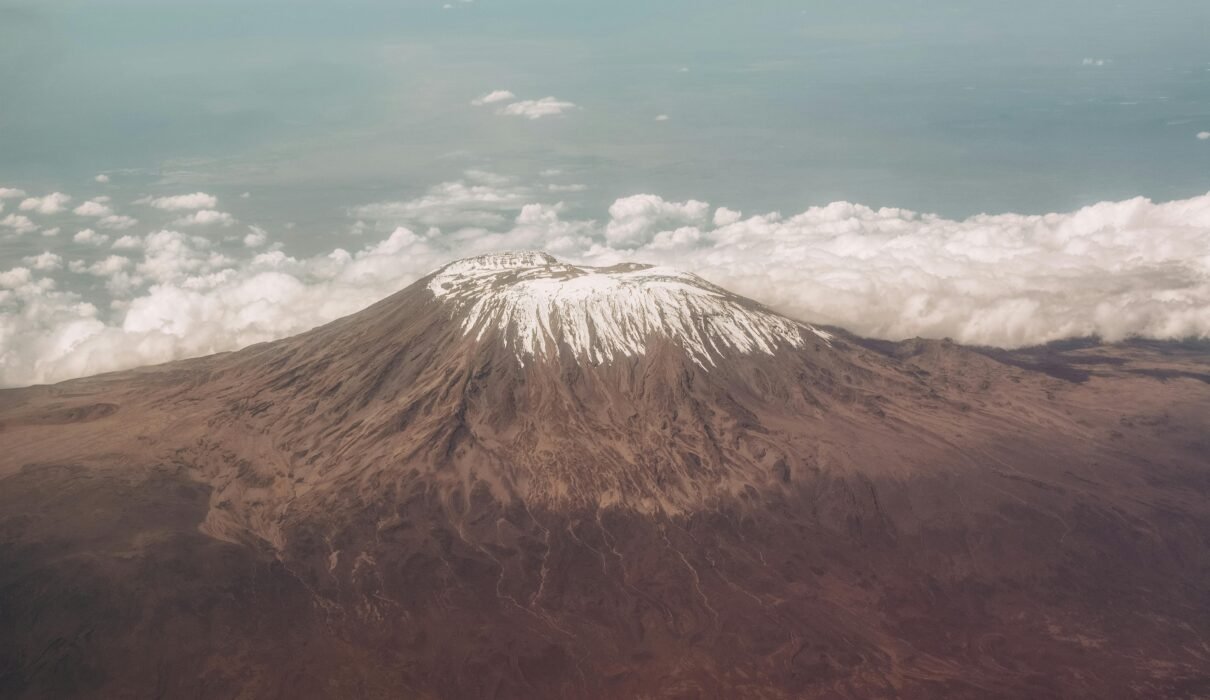
Who Was the First Woman to Climb Kilimanjaro? is a question that goes far beyond curiosity about records and names, because it connects directly to the history of exploration in Africa, the role of women in early scientific travel, and the way Mount Kilimanjaro became known to the wider world through research, mapping, and environmental observation rather than tourism alone. Understanding this story helps modern climbers appreciate that every step on the mountain today is built on a long path of human discovery and scientific effort.
If you are planning your own journey with a responsible local team such as Eddy Tours & Safaris, learning this history adds depth to your climb and helps you see Kilimanjaro not only as a destination, but also as a living natural laboratory and a protected heritage site.
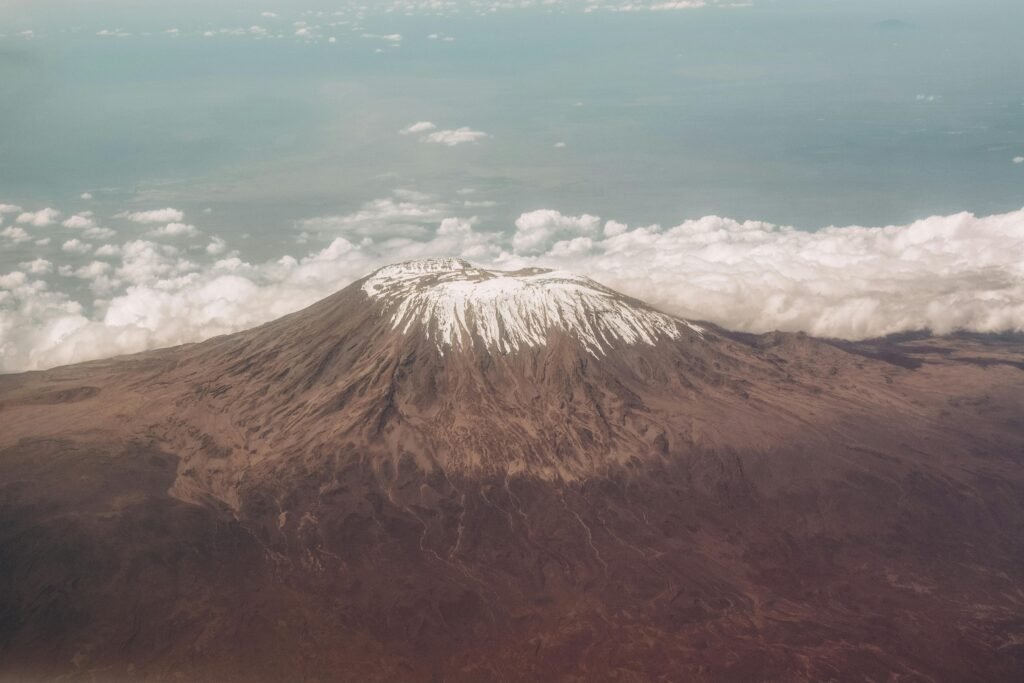
Who Was the First Woman to Climb Kilimanjaro? – the confirmed historical answer
When historians and geographic archives address Who Was the First Woman to Climb Kilimanjaro?, the most widely accepted answer is :contentReference[oaicite:0]{index=0}, a remarkable British explorer and mountaineer who travelled extensively across the world and completed one of the earliest recorded female ascents of Mount Kilimanjaro during the early era of scientific exploration in East Africa. Her achievement is documented in historical geographic collections and expedition records preserved by major research institutions such as the Royal Geographical Society and the British Library, where travel journals, expedition correspondence and geographic reports from that period are kept for academic reference.
At a time when women were rarely included in formal scientific expeditions, her ascent represented a major shift in how women participated in exploration, geographic knowledge production and environmental observation. This is why modern historical research hosted by institutions such as the National Geographic Society and academic archives available through JSTOR continue to reference her travels when discussing the early development of global mountaineering and field science.
Who Was the First Woman to Climb Kilimanjaro? and why this climb mattered to science
To properly understand Who Was the First Woman to Climb Kilimanjaro?, it is important to recognise that early ascents of Africa’s highest mountain were not recreational. They were closely linked to scientific goals, including geological mapping, altitude observation and early climate recording. Mount Kilimanjaro itself is one of the most studied volcanic mountains in Africa, and long-term geological research continues today through institutions such as the United States Geological Survey and international geoscience networks publishing through ScienceDirect.
Historical climbing routes, including those used during early exploration, helped scientists reach high-altitude observation points on the crater rim of :contentReference[oaicite:1]{index=1}, which remain valuable for studying volcanic structure, erosion processes and high-altitude landform stability. Modern environmental science platforms such as Frontiers in Earth Science and data repositories coordinated by the United Nations Environment Programme continue to build upon this early foundation of field access and geographic documentation.
Who Was the First Woman to Climb Kilimanjaro? and the changing role of women in exploration
When people ask Who Was the First Woman to Climb Kilimanjaro?, they are also asking about the wider social transformation that allowed women to take part in scientific travel and environmental research. Studies of gender and scientific participation published by academic bodies such as Harvard University research programs and historical social research preserved by the United Nations Academic Impact show that early female explorers played a key role in breaking barriers that limited access to field science.
Her Kilimanjaro climb demonstrated that women could contribute directly to geographic documentation, travel reporting and environmental observation, strengthening the scientific understanding of remote ecosystems. Today, international education initiatives supported by UNESCO continue to highlight the importance of diverse participation in environmental science and cultural heritage research.
Who Was the First Woman to Climb Kilimanjaro? and the mountain’s environmental importance
Looking at Who Was the First Woman to Climb Kilimanjaro? also leads naturally to the question of why Kilimanjaro itself holds such global importance. The mountain supports multiple ecological zones, from montane forest to alpine desert, and plays a major role in regional biodiversity and water regulation. Conservation organizations such as the International Union for Conservation of Nature, the World Wide Fund for Nature and the African Wildlife Foundation identify Kilimanjaro and its surrounding ecosystems as critical areas for biodiversity protection.
Environmental research coordinated through Conservation International and long-term habitat studies shared by the Wildlife Conservation Society demonstrate how human activity, including tourism and infrastructure, must be carefully managed to avoid damaging fragile high-altitude systems.
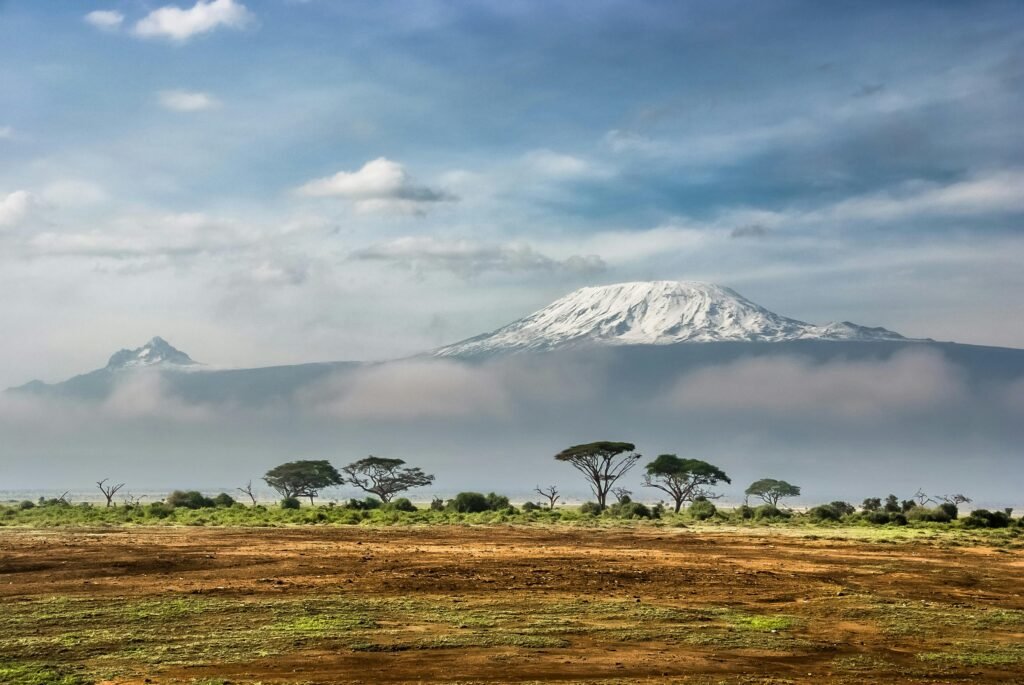
Who Was the First Woman to Climb Kilimanjaro? and climate research on the summit
Another reason Who Was the First Woman to Climb Kilimanjaro? remains relevant today is because Kilimanjaro has become one of the world’s most visible examples of environmental change in tropical mountain regions. Climate research published by NASA Climate and global climate assessments coordinated by the Intergovernmental Panel on Climate Change show how temperature patterns and atmospheric circulation influence the survival of high-altitude ice fields.
Field-based ecosystem monitoring supported by the UN Environment World Conservation Monitoring Centre and long-term mountain research published through Nature Research continue to use Kilimanjaro as a reference site for understanding environmental change in equatorial mountain environments.
Who Was the First Woman to Climb Kilimanjaro? and human performance at altitude
From a physiological perspective, Who Was the First Woman to Climb Kilimanjaro? also connects to how the human body responds to extreme altitude. Medical guidance provided by the Centers for Disease Control and Prevention and scientific knowledge produced by the International Society for Mountain Medicine explains how oxygen limitation affects breathing, circulation and cognitive performance.
Clinical research indexed by PubMed and medical education resources from Johns Hopkins Medicine demonstrate that early climbers operated with very limited scientific support compared to modern expeditions, making their physical endurance and adaptability even more remarkable.
Who Was the First Woman to Climb Kilimanjaro? and responsible mountain access today
Understanding Who Was the First Woman to Climb Kilimanjaro? also helps modern travellers appreciate the importance of responsible access to protected landscapes. Sustainable tourism and labour protection frameworks developed by the International Labour Organization and community development initiatives supported by Oxfam International show how ethical operations protect both people and natural environments.
Climbers who follow professionally managed itineraries such as those offered through Kilimanjaro climbing programs help reduce trail erosion, support fair working conditions and improve safety standards across the mountain.
Who Was the First Woman to Climb Kilimanjaro? and education for future conservation
Educational value remains central to Who Was the First Woman to Climb Kilimanjaro?. Field-based learning strengthens long-term conservation awareness, as shown by educational research initiatives promoted by the World Bank education programs and international sustainability education supported by United Nations Sustainable Development Goals.
By linking historical exploration with modern environmental science, Kilimanjaro continues to inspire students, researchers and travellers to engage more deeply with conservation and climate responsibility.
Who Was the First Woman to Climb Kilimanjaro? and why this story still inspires travellers
Today, Who Was the First Woman to Climb Kilimanjaro? represents more than a historical fact. It is a story about courage, scientific curiosity and social change. It reminds modern climbers that the mountain is not only a physical challenge but also a place where global environmental knowledge has been built step by step over many generations.
If you would like your own climb to be guided by knowledge, safety and environmental respect, you can explore carefully planned journeys through responsible Tanzania travel programs or speak directly with local experts using personal climbing consultation support. Your journey becomes more meaningful when it follows the same spirit of learning and responsibility that shaped the earliest ascents of Kilimanjaro.