
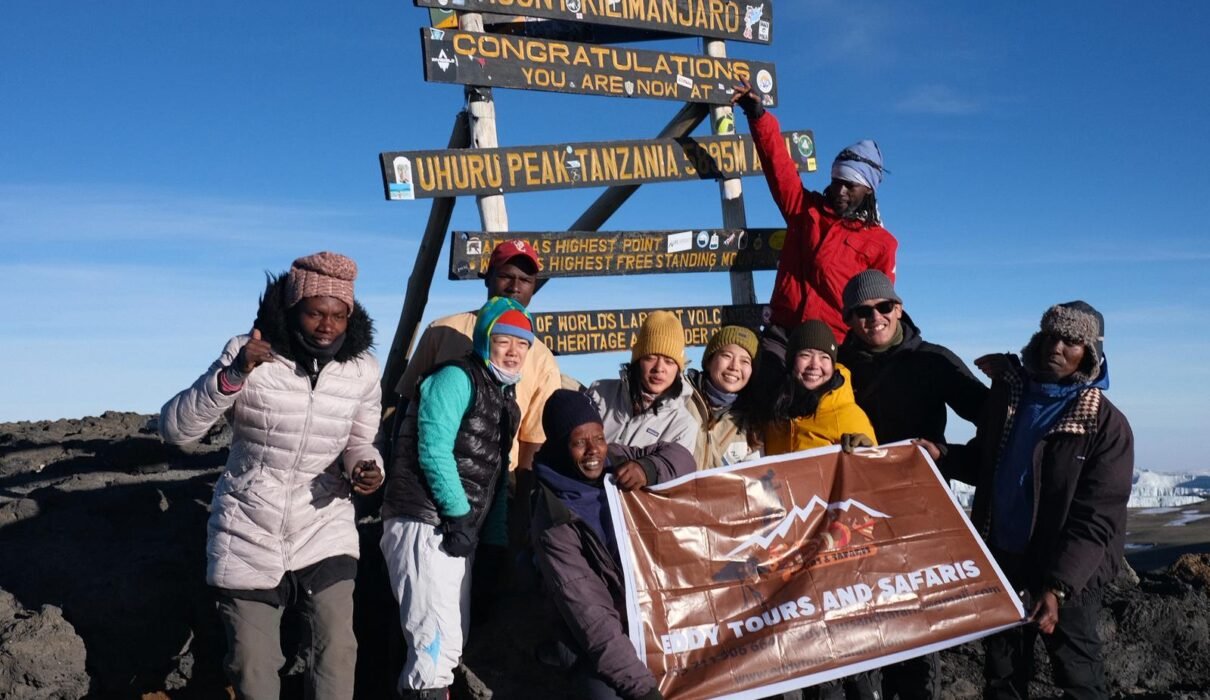
Why Some People Fail to Summit Kilimanjaro (Real Reasons) is one of the most important topics every climber should understand before planning this life-changing adventure. Mount Kilimanjaro stands as Africa’s highest peak, attracting thousands of trekkers each year, yet a surprising number never make it to Uhuru Peak. The difference between success and failure often comes down to preparation, awareness, and the right decisions made before and during the climb.
Kilimanjaro is not a technical mountain, but that does not mean it is easy. Many climbers underestimate the challenge, thinking it’s just a long hike. In reality, altitude, weather, fitness, and mental resilience all play a critical role. Understanding why people fail gives you a strong advantage and helps you prepare smarter, not harder.
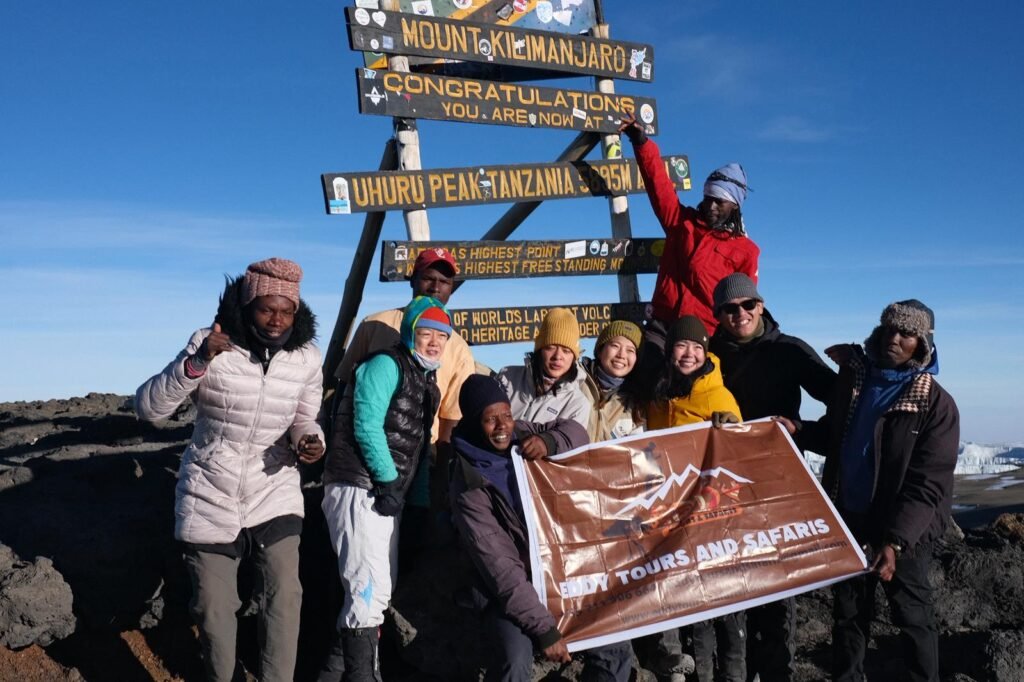
Why Some People Fail to Summit Kilimanjaro (Real Reasons Explained)
Failure on Kilimanjaro is rarely due to a single factor. Instead, it is usually a combination of small mistakes that build up over time. From choosing the wrong route to ignoring altitude symptoms, many climbers unknowingly set themselves up for disappointment. By learning from others’ experiences, you can avoid these pitfalls and significantly improve your chances of reaching the summit.
1. Poor Acclimatization to Altitude
The number one reason climbers fail is altitude sickness. Kilimanjaro rises to 5,895 meters, where oxygen levels are significantly lower. When the body does not adapt properly, symptoms such as headaches, nausea, and dizziness begin to appear.
Rushing the climb is one of the biggest mistakes. Short itineraries may seem attractive, but they reduce the time your body has to adjust. Studies from organizations like WHO and CDC emphasize the importance of gradual altitude exposure.
Choosing longer routes like Lemosho or Northern Circuit improves success rates dramatically. You can explore detailed route comparisons at Eddy Tours & Safaris.
2. Choosing the Wrong Route
Not all Kilimanjaro routes are equal. Some are shorter and steeper, offering less time for acclimatization. Others are longer but safer and more scenic. Many climbers choose based on cost rather than success rate.
Research from National Geographic and Nature highlights how gradual elevation gain increases survival and success rates in high-altitude environments.
If you want expert guidance on route selection, visit our Kilimanjaro planning page for tailored advice.
3. Lack of Physical Preparation
Many climbers underestimate the physical demands of Kilimanjaro. While it does not require technical climbing skills, it demands endurance, strength, and stamina.
Training should include long hikes, cardio workouts, and strength exercises. Institutions like NIH and Mayo Clinic recommend consistent aerobic training for high-altitude trekking.
Without proper preparation, fatigue sets in quickly, making summit night extremely difficult. Preparing your body properly is one of the most effective ways to avoid failure.
4. Mental Unpreparedness
Climbing Kilimanjaro is as much a mental challenge as it is physical. The summit push often begins at midnight in freezing temperatures, requiring determination and focus.
Research from American Psychological Association shows that mental resilience plays a key role in endurance activities. Climbers who stay positive and focused are more likely to succeed.
Having experienced guides from Eddy Tours & Safaris can make a huge difference, as they provide encouragement and pacing strategies.
5. Inadequate Gear and Equipment
Weather on Kilimanjaro can change rapidly. Temperatures at the summit can drop below -20°C. Without proper gear, climbers risk hypothermia and discomfort.
According to REI and OutdoorGearLab, layering systems and quality equipment are essential for high-altitude trekking.
Investing in good boots, thermal clothing, and sleeping bags is not optional—it is necessary for success.
6. Dehydration and Poor Nutrition
At high altitude, the body loses fluids quickly. Many climbers do not drink enough water, leading to dehydration and worsening altitude symptoms.
Organizations like UNICEF and FAO emphasize hydration and balanced nutrition for physical performance.
Guided climbs with professional teams such as Eddy Tours & Safaris ensure proper meal planning and hydration strategies.
7. Ignoring Expert Advice
Guides are trained to recognize altitude sickness and manage pacing. Ignoring their advice can lead to dangerous situations and forced descent.
Mountaineering organizations like Alpine Club and The Mountaineers stress the importance of listening to experienced guides.
Trusting your guide is one of the smartest decisions you can make on the mountain.
How to Avoid Failure on Kilimanjaro
Success on Kilimanjaro is achievable with the right approach. Start by choosing a reputable operator, selecting a longer route, and preparing both physically and mentally. Organizations like Kilimanjaro Climb Specialist and global research platforms like Google Scholar provide valuable insights into climbing strategies.
Booking with experienced teams such as Eddy Tours & Safaris ensures proper support, safety, and guidance throughout your journey.
Best Time to Climb Kilimanjaro Successfully
Weather plays a significant role in summit success. The best months are January to March and June to October, when conditions are more stable.
Climate data from Met Office and NASA Climate show that dry seasons offer better visibility and safer trekking conditions.
Why Choosing the Right Tour Operator Matters
Your tour operator directly impacts your success rate. Experienced companies provide trained guides, proper equipment, and structured itineraries.
Learn more about trusted climbing services at Eddy Tours & Safaris official site.
FAQs About Why Some People Fail to Summit Kilimanjaro (Real Reasons)
1. What is the main reason people fail Kilimanjaro?
The primary reason is altitude sickness due to poor acclimatization.
2. What is the success rate of Kilimanjaro?
Success rates range from 60% to over 90%, depending on the route and duration.
3. Can beginners climb Kilimanjaro?
Yes, with proper preparation, beginners can successfully reach the summit.
4. How long should I train before climbing?
At least 8–12 weeks of consistent training is recommended.
5. Is altitude sickness preventable?
It can be minimized with proper acclimatization and hydration.
6. What is the best route for beginners?
Lemosho and Machame routes are highly recommended for better acclimatization.
Conclusion: Turn Failure into Success
Understanding Why Some People Fail to Summit Kilimanjaro (Real Reasons) gives you a clear advantage. Success is not about luck—it is about preparation, smart choices, and the right support system. By avoiding common mistakes and following expert guidance, you can stand on the Roof of Africa with confidence.
If you are planning your climb for 2026, 2027, or 2028, take the next step with a trusted team like Eddy Tours & Safaris and turn your dream into reality.