
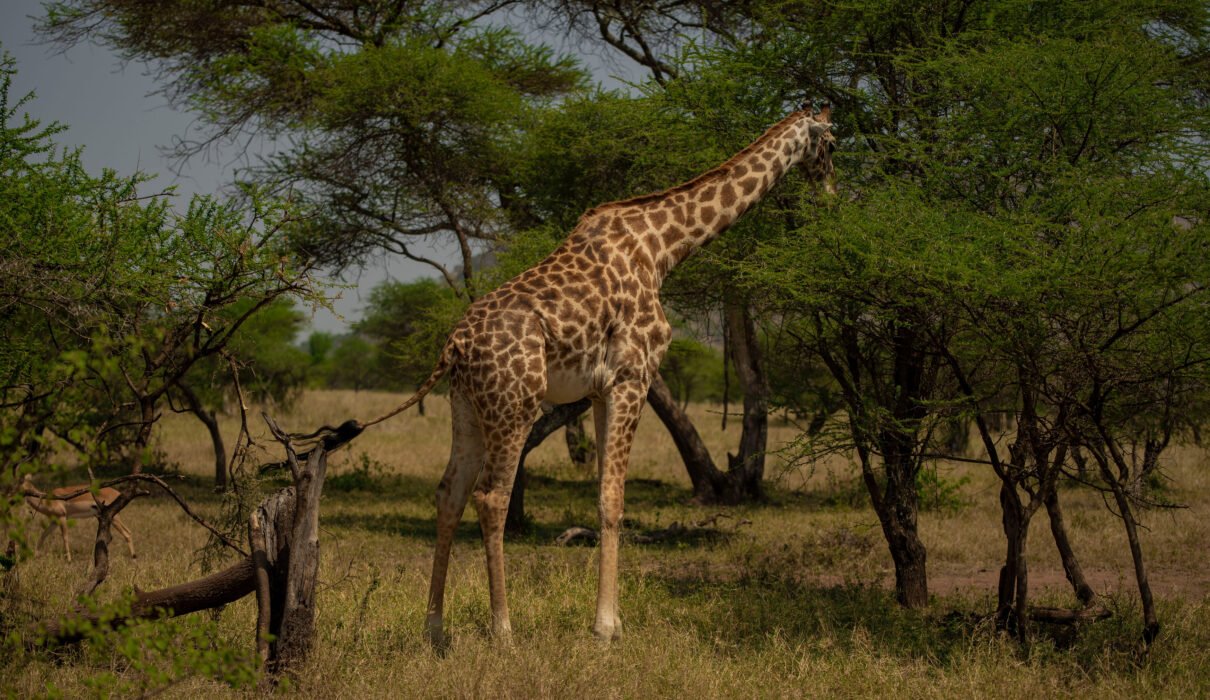
Wildlife of Tanzania: A Complete Overview is the best way to understand why this country is globally recognised as one of Africa’s strongest wildlife strongholds, not only because of famous animals, but because of the deep connection between protected areas, science, conservation institutions and local communities. From vast savannahs and wetlands to forested mountains and coastal ecosystems, Tanzania protects an extraordinary range of species that continue to shape research, conservation policy and responsible tourism across the continent.
This article explains how Tanzania’s wildlife system really works, what makes it different from many other safari destinations and why conservation success here depends on strong institutions, scientific research and ethical tourism operations. If you are planning a responsible safari with a professional local operator such as Eddy Tours & Safaris, understanding the broader conservation picture helps you travel with purpose, not just curiosity.
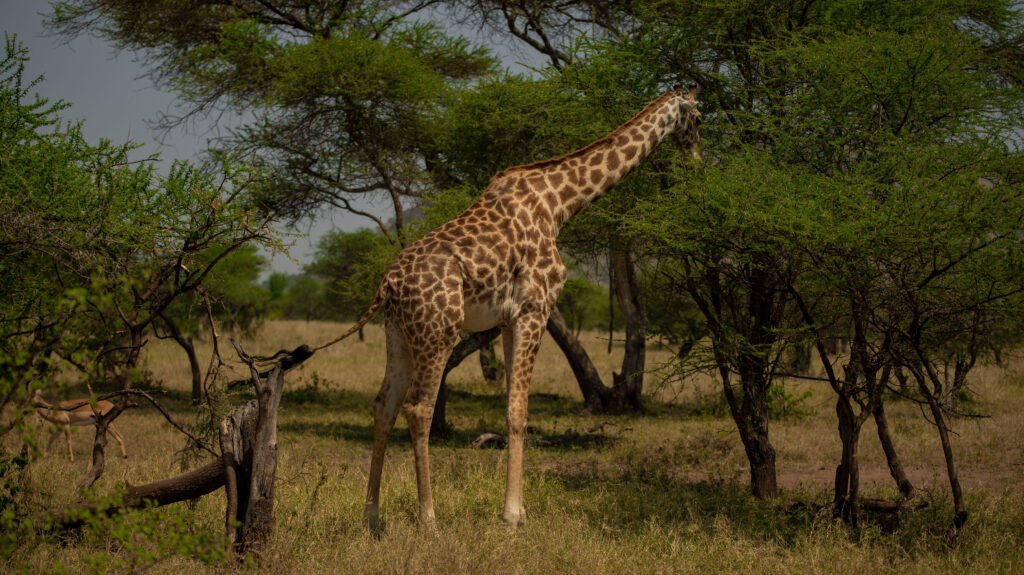
Wildlife of Tanzania: A Complete Overview of global biodiversity importance
When conservation organisations discuss Wildlife of Tanzania: A Complete Overview, they often highlight Tanzania as one of the most biologically diverse countries in Africa. According to international assessments published by the International Union for Conservation of Nature and global biodiversity monitoring coordinated through the Intergovernmental Science-Policy Platform on Biodiversity and Ecosystem Services, Tanzania supports hundreds of mammal species, thousands of bird species and an exceptionally wide range of reptiles, amphibians and plant communities.
Large-scale conservation evaluations led by United Nations Environment Programme and protected-area research supported by UNESCO demonstrate that Tanzania plays a central role in safeguarding globally significant ecosystems, including savannahs, montane forests, wetlands and coral reef systems that are critical for regional climate resilience and ecological stability.
Wildlife of Tanzania: A Complete Overview of flagship mammal populations
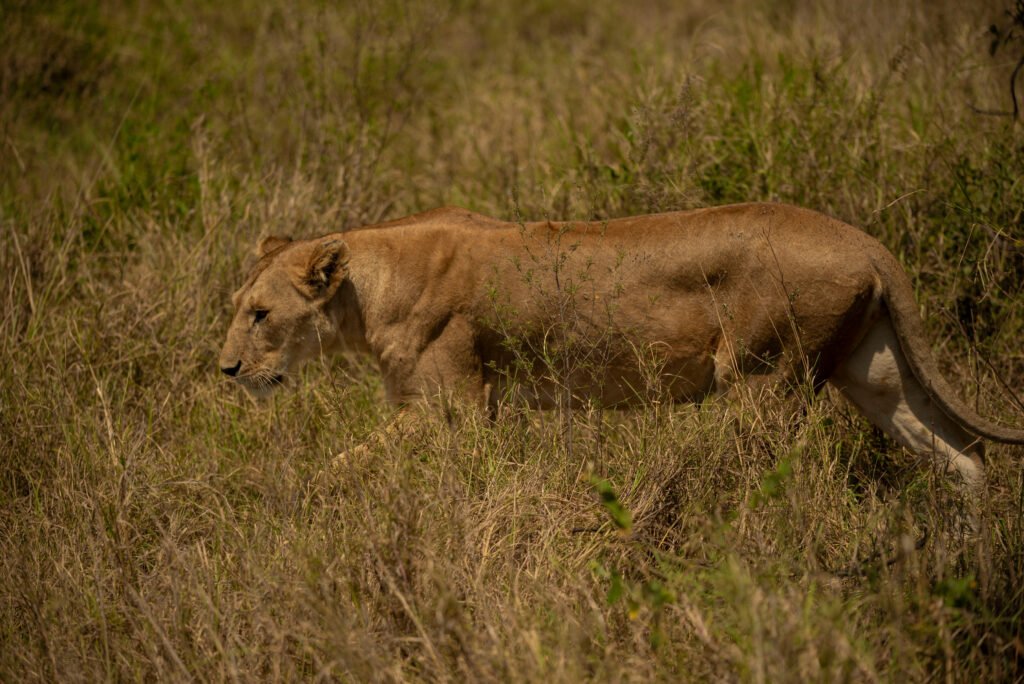
A true Wildlife of Tanzania: A Complete Overview must begin with the country’s globally recognised large mammal populations. Scientific field programmes supported by the African Wildlife Foundation, Wildlife Conservation Society and Panthera show that Tanzania remains one of the most important remaining landscapes for lions, leopards, cheetahs and large elephant populations.
Elephant conservation initiatives coordinated with the World Wide Fund for Nature and transboundary wildlife movement studies published through the National Geographic Society confirm that Tanzania’s protected corridors are essential for maintaining genetic diversity and long-term population stability across East Africa.
Wildlife of Tanzania: A Complete Overview of birdlife and migration systems
From a scientific perspective, Wildlife of Tanzania: A Complete Overview also highlights the country as one of Africa’s most important bird conservation regions. Data produced by BirdLife International identifies numerous Important Bird Areas across Tanzania, supporting migratory, endemic and threatened species that depend on wetlands, grasslands and forest habitats.
Avian migration research published through ScienceDirect and peer-reviewed journals accessed via Nature Research confirms that Tanzania functions as a critical seasonal refuge for many Palearctic and Afrotropical migratory birds, making habitat protection a priority far beyond national borders.
Wildlife of Tanzania: A Complete Overview of ecosystem diversity
An essential part of Wildlife of Tanzania: A Complete Overview is the extraordinary range of ecosystems found within the country. Landscape classification studies produced by the United States Geological Survey and global land-cover monitoring initiatives coordinated by the Food and Agriculture Organization demonstrate how Tanzania contains savannah plains, volcanic highlands, seasonal floodplains, tropical forests and coastal ecosystems in a relatively compact geographic area.
This diversity allows Tanzania to support species with very different ecological requirements, from arid-adapted herbivores to forest-dependent primates and wetland specialists, making the country one of Africa’s most complex conservation landscapes.
Wildlife of Tanzania: A Complete Overview of marine and coastal life
Many people forget that Wildlife of Tanzania: A Complete Overview also includes marine and coastal biodiversity. Scientific assessments supported by the IUCN Eastern and Southern Africa programme and marine conservation research coordinated through Conservation International show that Tanzania’s coral reefs, mangrove systems and seagrass beds are essential breeding grounds for fish, turtles and invertebrates.
Marine ecosystem monitoring published by UN Environment – Oceans and Seas confirms that coastal protection and fisheries management directly influence food security and community livelihoods along the Indian Ocean coastline.
Wildlife of Tanzania: A Complete Overview of conservation science and research
Scientific research is at the core of Wildlife of Tanzania: A Complete Overview. Long-term ecological studies accessed through the U.S. National Library of Medicine and biodiversity monitoring networks supported by international universities show how population trends, disease dynamics and habitat changes are tracked in Tanzania’s protected areas.
Academic collaborations coordinated through Harvard University research programmes and environmental field research published by the University of Oxford research networks continue to strengthen evidence-based conservation planning across the country.
Wildlife of Tanzania: A Complete Overview of climate and ecological resilience
Another major dimension of Wildlife of Tanzania: A Complete Overview is how climate change influences wildlife survival. Climate research produced by NASA Climate and global assessments from the Intergovernmental Panel on Climate Change show that rainfall variability, temperature rise and ecosystem stress are reshaping wildlife distribution patterns across East Africa.
Adaptation strategies supported by United Nations Convention to Combat Desertification focus on land restoration, sustainable grazing and corridor protection, all of which play a direct role in protecting wildlife movement routes in northern and central Tanzania.
Wildlife of Tanzania: A Complete Overview of community conservation
Community participation forms a fundamental pillar of Wildlife of Tanzania: A Complete Overview. Development and labour standards promoted by the International Labour Organization and community empowerment programmes supported by Oxfam International show that wildlife protection becomes stronger when communities benefit directly from conservation and tourism.
Local employment, education support and transparent revenue sharing reduce conflict between people and wildlife and improve long-term tolerance of conservation initiatives in rural landscapes.
Wildlife of Tanzania: A Complete Overview of ethical tourism and conservation funding
Ethical tourism is closely linked to Wildlife of Tanzania: A Complete Overview because tourism revenue supports conservation infrastructure, ranger operations and research programmes. Governance frameworks highlighted by Transparency International emphasise that transparent financial systems protect conservation funding and reduce misuse of natural resource revenues.
Travellers who choose responsible safari operators help sustain wildlife monitoring, anti-poaching initiatives and environmental education activities. You can explore professionally designed wildlife experiences through Tanzania safari programmes that actively support responsible travel practices.
Wildlife of Tanzania: A Complete Overview of protected area management
Effective protected area management defines much of Wildlife of Tanzania: A Complete Overview. Risk management and conservation governance studies supported by the World Bank environmental programmes demonstrate that ranger training, infrastructure investment and monitoring technology significantly improve wildlife protection outcomes.
Integrated landscape planning supported by the United Nations Climate Action platform further connects biodiversity protection with sustainable development and climate resilience at national scale.
Wildlife of Tanzania: A Complete Overview for responsible travellers
For visitors, Wildlife of Tanzania: A Complete Overview is more than scientific knowledge. It is a reminder that every safari choice influences ecosystems and communities. Travellers who work with experienced local professionals such as local wildlife specialists benefit from ethical operations, accurate interpretation and safer wildlife encounters.
If you are planning wildlife travel in Tanzania, you can review conservation-focused itineraries through nature and adventure programmes or request personalised guidance from local travel experts who understand both wildlife protection and visitor expectations.
Why Tanzania remains one of Africa’s strongest wildlife strongholds
In reality, Wildlife of Tanzania: A Complete Overview reveals a country where biodiversity protection is supported by science, community partnerships and long-term policy frameworks. Tanzania’s wildlife future depends on strong institutions, responsible tourism and continued international collaboration that protects ecosystems for both people and nature.
For travellers who value authentic conservation, ethical travel and meaningful wildlife encounters, choosing Tanzania and working with responsible local operators allows you to become part of a much bigger story of protection, resilience and shared responsibility.