
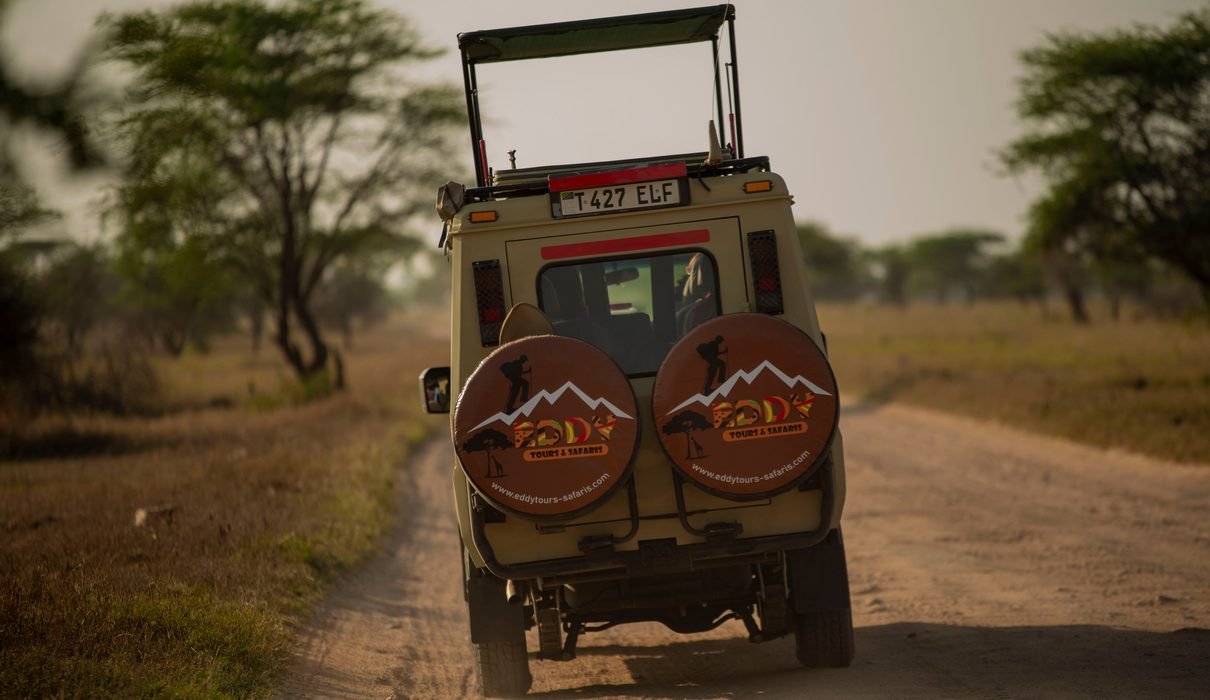
Every year, millions of wild animals move across the vast grasslands of East Africa in search of fresh grazing and water. Wildebeest travel in enormous herds, zebras move alongside them, and predators follow the changing movements of their prey. This remarkable natural event, known as the Great Wildebeest Migration, is one of the main reasons travellers choose a Tanzania safari. For visitors planning their African adventure in 2027, 2028, or 2029, witnessing this wildlife spectacle offers an opportunity to experience nature on an extraordinary scale.
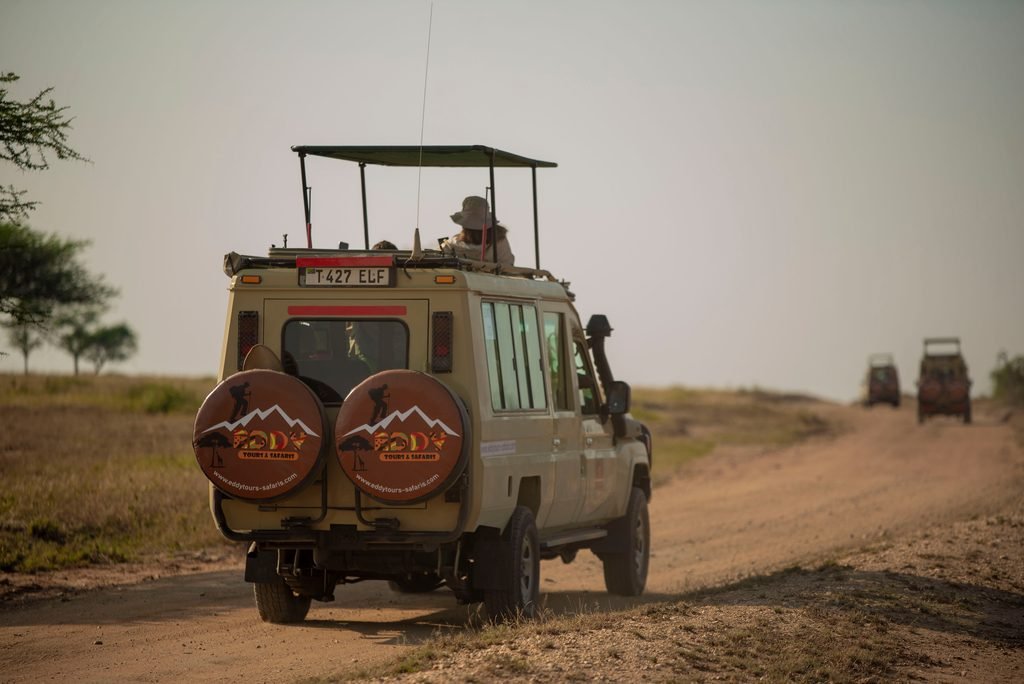
Tanzania is home to some of Africa’s most famous wildlife destinations, including Serengeti National Park, Ngorongoro Crater, Tarangire National Park, and Lake Manyara. These protected areas support elephants, lions, leopards, cheetahs, giraffes, buffaloes, zebras, wildebeest, and numerous other species. While the Great Migration is often the main attraction, a Tanzania safari offers much more than watching large herds. Travellers can observe predator behaviour, explore different landscapes, and learn about the ecosystems that support wildlife throughout the year.
The Serengeti is particularly famous for its open plains and seasonal wildlife movements. Depending on when you travel, you may encounter large herds grazing in the southern plains, moving through the central and western regions, or gathering near rivers in the northern Serengeti. However, the migration is a natural process influenced by rainfall and grazing conditions, so the location and timing of the animals cannot be guaranteed.
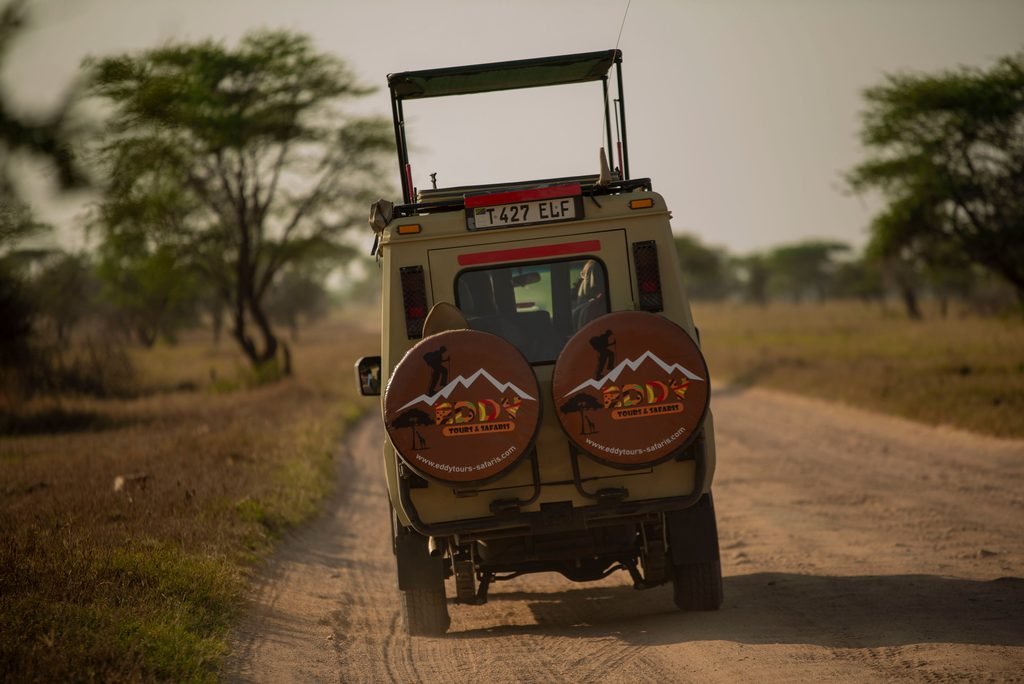
At Eddy Tours & Safaris, we arrange professionally guided Tanzania wildlife safaris for travellers who want to explore the country’s national parks and experience its remarkable wildlife. Whether you are planning a private safari, family holiday, honeymoon, or wildlife photography trip, choosing the right destinations and travel dates is essential.
What Makes Tanzania’s Great Wildlife Migration So Special?
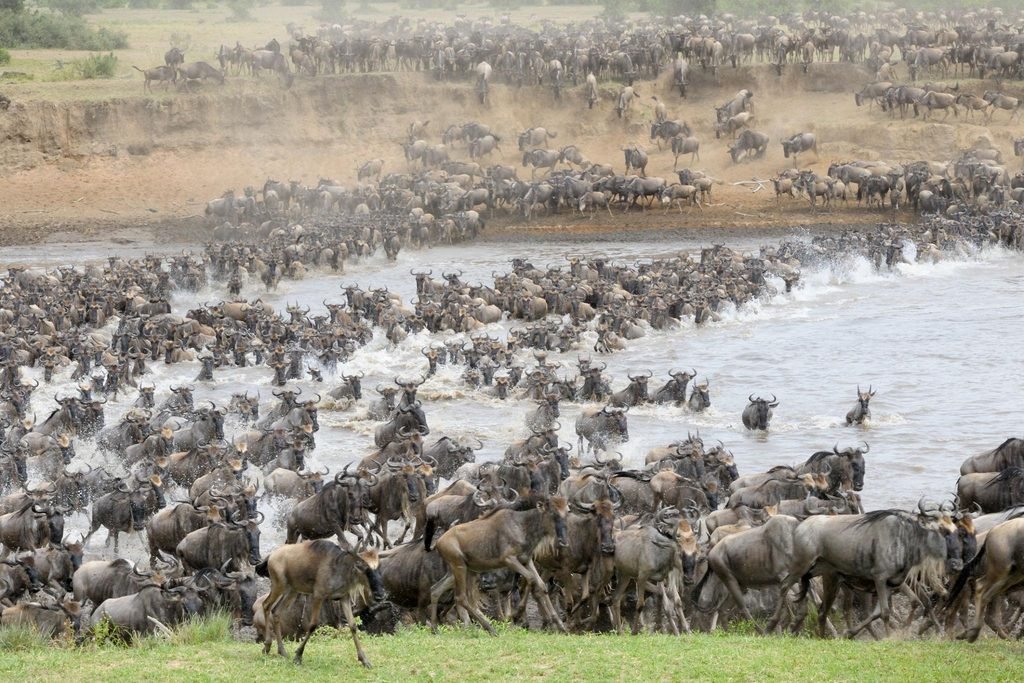
The Great Wildebeest Migration is one of the largest seasonal movements of land mammals in the world. More than a million wildebeest, accompanied by hundreds of thousands of zebras and other grazing animals, move through the Serengeti-Mara ecosystem following seasonal rainfall and the availability of fresh grass. This movement forms an important part of the ecosystem, influencing vegetation, predator activity, and the distribution of other wildlife.
Unlike a scheduled event, the migration does not begin and end on fixed dates. The herds move continuously throughout the year, with different regions becoming important during different seasons. In the southern Serengeti and Ndutu area, the calving season usually takes place during the early months of the year. As conditions change, herds gradually move towards other parts of the ecosystem, sometimes gathering near major rivers where crossings may occur.
One of the most interesting aspects of the migration is the relationship between herbivores and predators. Lions, cheetahs, leopards, hyenas, and other carnivores depend on the availability of prey, while wildebeest and zebras must continually search for suitable grazing. Watching these interactions provides an opportunity to understand how wildlife survives in Tanzania’s natural environments.
However, visitors should remember that the migration covers a vast area. Seeing enormous herds or witnessing a river crossing depends on being in the appropriate location at the right time, and even carefully planned safaris cannot guarantee specific events.
The Best Places to Witness Tanzania’s Greatest Wildlife Show
Tanzania has several remarkable national parks, but the Serengeti ecosystem is the main destination for travellers interested in the Great Wildebeest Migration. Other parks, including Ngorongoro and Tarangire, provide additional wildlife experiences that can make a safari more varied and rewarding.
Serengeti National Park: The Heart of the Great Migration
Serengeti National Park is one of Africa’s most famous wildlife destinations and the centre of Tanzania’s Great Migration experience. Its extensive grasslands, woodland habitats, river systems, and seasonal grazing areas support a remarkable variety of wildlife throughout the year. The park is particularly well known for lions, leopards, cheetahs, elephants, giraffes, buffaloes, zebras, and wildebeest.
The Serengeti covers a large area, and different regions offer different wildlife experiences. The central Serengeti, including the Seronera area, is known for its year-round wildlife populations and predator sightings. The southern plains become particularly important during the calving season, while the western and northern regions are associated with seasonal migration movements and river crossings.
For travellers interested in witnessing the migration, selecting the correct region is more important than simply booking a safari advertised as a Serengeti migration tour. The location of the herds changes throughout the year, and accommodation should be selected according to the expected seasonal movements.
The Serengeti is also recognised internationally for its conservation importance. Travellers can learn more through the UNESCO Serengeti National Park World Heritage page.
Southern Serengeti and Ndutu: The Calving Season
The southern Serengeti and Ndutu region are particularly important during the early months of the year, when large wildebeest herds often gather on the short-grass plains. The calving season usually takes place between approximately January and March, with many births concentrated during a relatively short period when conditions are suitable.
This period attracts travellers interested in observing newborn animals and predator activity. Wildebeest calves must quickly learn to stand and move with their mothers, while predators such as lions, cheetahs, and hyenas take advantage of the seasonal abundance of prey. The interaction between young herbivores and predators makes this one of the most interesting periods for wildlife observation.
However, the location of the herds varies according to rainfall, and the calving season does not follow an exact calendar. Travellers planning to visit Ndutu in 2027, 2028, or 2029 should allow several days in the region and choose accommodation that provides convenient access to the expected wildlife areas.
Western Serengeti: Seasonal Herd Movements
The western Serengeti becomes particularly interesting during periods when migrating herds move through the western corridor. This region includes river systems, woodland, and open areas that support different wildlife species. Depending on seasonal conditions, wildebeest and zebras may gather in large numbers while travelling towards other parts of the ecosystem.
The Grumeti River is one of the best-known features of the western corridor. During suitable migration periods, herds may encounter river crossings and other natural obstacles. However, crossing events are unpredictable, and visitors should not assume that a river crossing will occur during a particular game drive.
The western Serengeti also supports resident wildlife throughout the year, including elephants, buffaloes, giraffes, lions, and other species. This makes it an interesting destination even when the main migration herds are elsewhere.
Northern Serengeti: The Famous Mara River Crossings
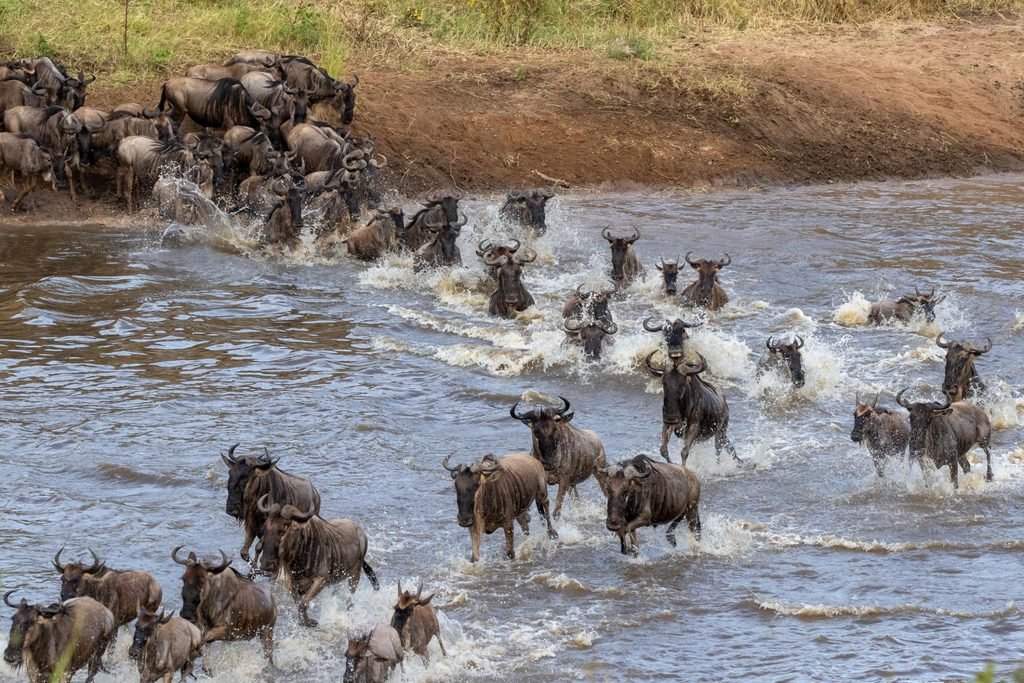
The northern Serengeti is particularly famous for the dramatic river crossings associated with the Great Wildebeest Migration. During certain periods, large herds may gather near the Mara River before attempting to cross between grazing areas. These crossings can involve strong currents, steep riverbanks, and the presence of crocodiles, making them among the most widely recognised wildlife events in Africa.
River crossings are most commonly associated with the middle and later months of the year, although their timing varies according to rainfall and herd movements. Some days may involve several crossings, while other periods may pass without any crossing activity. Travellers should therefore avoid expecting a guaranteed river crossing simply because they are visiting during a popular migration month.
For the best opportunity to observe this part of the migration, it is advisable to spend several nights in the northern Serengeti rather than travelling there for a single day. This allows more time to explore suitable areas and respond to wildlife movements.
Other Tanzania National Parks Worth Including in Your Safari
Although the Serengeti is the main destination for the Great Wildebeest Migration, Tanzania’s northern safari circuit includes other remarkable wildlife areas. Combining the Serengeti with one or two additional destinations can provide a more varied safari experience.
Ngorongoro Crater: Wildlife Inside an Ancient Volcano
Ngorongoro Crater is one of Tanzania’s most distinctive wildlife destinations. Formed after the collapse of a large volcano millions of years ago, the crater contains grasslands, woodland, wetlands, and water sources that support numerous animals within a relatively compact area.
Visitors may encounter lions, elephants, buffaloes, zebras, wildebeest, hippos, and various bird species during a crater game drive. Ngorongoro is also one of the places in Tanzania where travellers may have an opportunity to observe the endangered black rhinoceros, although sightings are never guaranteed.
Ngorongoro is particularly suitable for itineraries that include the Serengeti because the two destinations are connected through the northern safari circuit. Travellers can visit the crater before or after exploring the Serengeti, depending on their route and accommodation arrangements.
Official information about the conservation area is available through the Ngorongoro Conservation Area Authority.
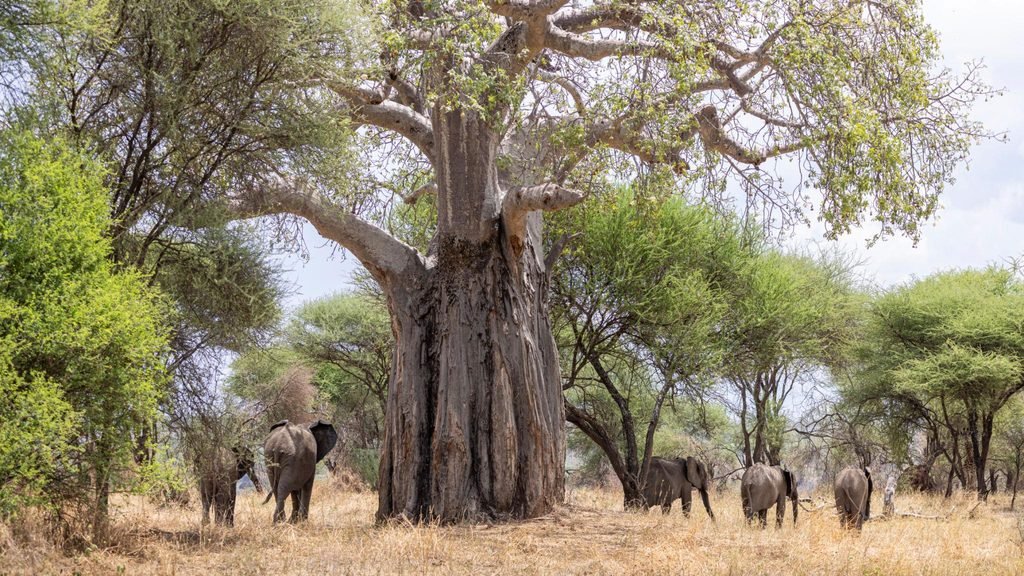
Tarangire National Park: Elephants and Baobab Trees
Tarangire National Park is particularly famous for its elephants, ancient baobab trees, and seasonal wildlife concentrations. The park contains woodland, grasslands, wetlands, and riverine habitats that support giraffes, zebras, buffaloes, lions, antelopes, and numerous bird species.
During the dry season, generally between June and October, the Tarangire River becomes an important water source for wildlife. Animals from surrounding areas may gather near the river, creating opportunities for rewarding game drives and wildlife photography.
Tarangire is conveniently located within driving distance of Arusha, making it a practical first destination for many northern Tanzania safaris. It also provides a different landscape from the Serengeti, allowing travellers to experience greater wildlife diversity during their holiday.
Lake Manyara National Park: Forests and Birdlife
Lake Manyara National Park is known for its groundwater forest, scenic landscapes, and birdlife. The park supports elephants, buffaloes, giraffes, monkeys, and various bird species. Its combination of forest and lake habitats provides a different environment from the open grasslands of the Serengeti.
Lake Manyara can be included in longer safari itineraries or used as an alternative to Tarangire, depending on your interests and available time. However, travellers with limited days should avoid including too many parks at the expense of time in the Serengeti.
Great Wildebeest Migration Calendar for 2027, 2028 and 2029
Understanding the general movement of the migration can help you choose suitable travel dates and accommodation locations. However, the following calendar is only a seasonal guide because rainfall and grazing conditions influence the actual movements of the herds.
| Months | Expected Migration Region | Main Wildlife Experience |
|---|---|---|
| January–March | Southern Serengeti and Ndutu | Calving season and predator activity |
| April–May | Southern and central Serengeti | Herd movements across the plains |
| May–July | Western corridor and central-western areas | Seasonal migration and possible Grumeti crossings |
| July–October | Northern Serengeti and Mara River region | Large herds and possible river crossings |
| October–December | Northern, eastern and central Serengeti | Seasonal movements towards southern grazing areas |
These periods are approximate, and the herds may arrive earlier or later depending on environmental conditions. Travellers planning a migration safari should choose their itinerary according to the expected wildlife movements for their travel dates.
How Many Days Do You Need for a Great Migration Safari?
The ideal safari duration depends on which part of the migration you want to experience. A short safari may provide opportunities to observe large herds if they are located in accessible areas, but travellers interested in specific events such as river crossings should allow more time.
A four-day safari can include the Serengeti and Ngorongoro, although it involves considerable driving if travelling entirely by road from Arusha. A five- or six-day itinerary provides more time for wildlife viewing, while a seven- or eight-day safari allows travellers to explore additional regions or spend several nights in one migration area.
For river-crossing safaris, spending at least three nights in the northern Serengeti is often a practical choice. However, longer stays improve flexibility rather than guaranteeing sightings.
Travellers interested in the calving season may benefit from spending several nights in Ndutu or the southern Serengeti, depending on the location of the herds.
Suggested 7-Day Tanzania Great Migration Safari Itinerary
The following itinerary provides a general example of a seven-day safari focused on the Serengeti and Ngorongoro. The exact Serengeti region should be adjusted according to your travel dates and the expected location of the migration.
Day 1: Arrival in Arusha
Upon arrival at Kilimanjaro International Airport, your driver will meet you and transfer you to your hotel in Arusha. Depending on your arrival time, you may relax after your international journey or explore part of the town. Your safari guide will explain the itinerary and provide information about the upcoming wildlife experience.
Day 2: Arusha to Serengeti National Park
After breakfast, you will begin the journey towards Serengeti National Park, travelling through the Ngorongoro highlands. The drive takes several hours, but the changing landscapes provide an interesting introduction to northern Tanzania. After entering the Serengeti, you will enjoy a game drive while travelling towards your accommodation.
Day 3: Full-Day Serengeti Game Drive
Today is dedicated to exploring the Serengeti. Your guide will select suitable wildlife areas according to the season and animal movements. You may encounter lions, elephants, giraffes, zebras, wildebeest, and other animals while exploring different habitats.
Day 4: Serengeti Migration Safari
Your fourth day focuses on exploring areas where migrating herds may be present. Depending on the season, this could involve travelling through the southern plains, western corridor, or northern Serengeti. The itinerary should be arranged in advance so that your accommodation is located near the expected migration region.
Day 5: Another Full Day in the Serengeti
A second full day dedicated to the migration provides additional opportunities to observe wildlife movements and predator activity. Your guide will explore suitable areas while allowing time for photography and observation. If the main herds are not nearby, you can still enjoy the Serengeti’s resident wildlife populations.
Day 6: Serengeti to Ngorongoro Conservation Area
After breakfast, you will enjoy a final game drive while travelling out of the Serengeti towards Ngorongoro. The journey passes through changing landscapes, from open grasslands to cooler highlands. You will spend the night near the crater rim or in Karatu, preparing for the following day’s crater visit.
Day 7: Ngorongoro Crater Game Drive and Return to Arusha
Your final safari day begins with an early game drive inside Ngorongoro Crater. The crater supports lions, elephants, buffaloes, zebras, wildebeest, hippos, and numerous bird species. You may also have an opportunity to observe the endangered black rhinoceros, although sightings are not guaranteed. After lunch, you will ascend from the crater and travel back to Arusha.
Important: This road-based itinerary is most practical when focusing on accessible Serengeti regions. Reaching the northern Serengeti for Mara River crossings requires additional travel time, and a fly-in safari or longer itinerary is often more suitable.
What Other Animals Can You See During a Tanzania Safari?
Although the Great Wildebeest Migration is the main attraction for many visitors, Tanzania supports a remarkable variety of wildlife throughout the year. The Serengeti is particularly famous for its lions, leopards, and cheetahs, while Tarangire is known for elephants and Ngorongoro provides opportunities to observe several large mammals within a relatively compact area.
Travellers may also encounter giraffes, buffaloes, hippos, hyenas, jackals, warthogs, antelopes, and numerous bird species. Each destination offers different wildlife habitats, so the animals you encounter depend on the location, season, and time spent exploring.
The Big Five—lion, leopard, elephant, buffalo, and rhinoceros—occur within Tanzania’s northern safari circuit, although seeing all five during one trip is not guaranteed. Black rhinoceroses and leopards can be particularly difficult to locate because of their limited distribution or secretive behaviour.
Best Time to Visit Tanzania for Wildlife Photography
Tanzania provides excellent wildlife photography opportunities throughout the year, but different seasons offer different conditions. The dry season often provides clearer views of animals because vegetation may be less dense and wildlife gathers near available water sources. However, dust and harsh midday sunlight can also affect photography conditions.
The wetter months bring greener landscapes, dramatic skies, and different wildlife behaviour. The southern Serengeti calving season is particularly interesting for photographers who want to observe newborn animals and predator activity, while the northern Serengeti can provide opportunities to photograph large herds and river crossings during suitable migration periods.
Photographers should consider spending several nights in one location rather than travelling between parks every day. This provides more time to observe animal behaviour and wait for suitable lighting conditions.
How Much Does a Tanzania Great Migration Safari Cost in 2027–2029?
The cost of a Tanzania Great Migration safari depends on the number of travel days, accommodation category, group size, season, and transport arrangements. Budget safaris generally use simpler accommodation, while mid-range packages provide comfortable lodges or tented camps. Luxury safaris may feature premium accommodation, private transfers, and exclusive camps located near important wildlife areas.
Migration-focused safaris can be more expensive during popular travel periods, particularly when accommodation demand is high in the northern Serengeti. Domestic flights may also increase the total cost, although they can reduce travel time and allow more time for game drives.
For travel in 2027, 2028, or 2029, it is best to request an updated quotation based on your preferred dates and group size. Accommodation rates, park fees, and operating costs may change, so older published prices should not be treated as guaranteed.
Private Safari or Joining Group: Which Is Better for the Migration?
A private safari provides greater flexibility because the vehicle and guide are dedicated to your group. This can be particularly useful during migration-focused safaris, where wildlife movements may require spending additional time in particular areas. Private arrangements also allow travellers to choose accommodation locations according to their preferred migration region.
Joining-group safaris allow travellers to share transport and guiding costs with other participants following a similar itinerary. This can make them attractive to solo travellers and visitors working with a limited budget. However, group departures generally follow fixed schedules, and participants have less flexibility when deciding how long to remain at wildlife sightings.
For travellers specifically interested in river crossings or wildlife photography, a private safari may provide greater flexibility. However, neither private nor group safaris can guarantee particular wildlife events.
What Should You Pack for a Tanzania Migration Safari?
Packing for a Tanzania safari requires comfortable clothing suitable for changing temperatures and long periods inside a vehicle. Lightweight clothing is practical during daytime game drives, while a warm jacket or fleece is useful for early mornings and cooler highland areas such as Ngorongoro.
A camera with a suitable zoom lens is recommended for wildlife photography, while binoculars can help observe distant animals without disturbing them. Sunscreen, sunglasses, a hat, personal medication, and a reusable water bottle are also useful.
Travellers should carry essential documents and keep valuable items secure during the journey. Those using domestic flights to remote safari airstrips should also check baggage restrictions before departure.
Frequently Asked Questions About Tanzania’s Great Wildlife Migration
What Is Africa’s Greatest Wildlife Show?
The Great Wildebeest Migration is often described as one of Africa’s greatest wildlife spectacles because of the enormous seasonal movement of wildebeest, zebras, and other grazing animals across the Serengeti-Mara ecosystem.
When Is the Best Time to See the Great Migration in Tanzania?
The best time depends on which part of the migration you want to experience. January to March is commonly associated with the southern Serengeti calving season, while July to October is often associated with northern Serengeti migration activity and possible Mara River crossings.
Can You See the Great Migration in 2027, 2028 or 2029?
The migration is an ongoing natural process, so travellers visiting during these years may have opportunities to observe migrating herds. However, the exact location and timing of the animals depend on rainfall and grazing conditions.
Are Mara River Crossings Guaranteed?
No. River crossings are unpredictable natural events, and no safari operator can guarantee that a crossing will occur during a particular game drive. Spending several nights in the northern Serengeti can improve flexibility but does not guarantee sightings.
How Many Days Are Recommended for a Migration Safari?
Five to eight days can provide a rewarding migration-focused safari, depending on the season and region visited. Travellers interested in river crossings may benefit from a longer itinerary or domestic flights to reduce travel time.
Can You Combine a Migration Safari with Zanzibar?
Yes. Many travellers combine a Tanzania Great Migration safari with a Zanzibar beach holiday. After completing the safari, you can travel to Zanzibar for several days of relaxation, cultural sightseeing, and Indian Ocean activities.
Is the Serengeti Worth Visiting Outside the Migration Season?
Yes. Serengeti National Park supports resident wildlife throughout the year, including lions, leopards, cheetahs, elephants, giraffes, buffaloes, and numerous other species. Even when the main migration herds are elsewhere, the park can provide rewarding wildlife experiences.
Book Your Tanzania Great Migration Safari for 2027, 2028 or 2029
Witnessing the Great Wildebeest Migration is one of the most remarkable wildlife experiences available in Tanzania. From the calving season on the southern Serengeti plains to the seasonal movements through the western corridor and the dramatic river crossings of the northern Serengeti, each stage of the migration provides a different perspective on the natural world.
However, the most rewarding safari begins with careful planning. Choosing the correct Serengeti region, allowing enough time for game drives, and selecting accommodation near the expected wildlife movements can make a significant difference to your experience. Whether you are interested in predator activity, large migrating herds, wildlife photography, or a combination of Tanzania’s national parks, a well-organised itinerary will help you make the most of your holiday.
Eddy Tours & Safaris is a local tour company in Arusha, Tanzania, arranging professionally guided wildlife safaris, Kilimanjaro climbing trips, and private holidays. Our team can help you plan a Great Migration safari for 2027, 2028, or 2029 according to your preferred travel dates, destinations, accommodation category, and budget.
Contact Eddy Tours & Safaris
Location: Arusha, Tanzania
Email: sales@eddytours-safaris.com
Phone/WhatsApp: +255 711 906 664
Website: Eddy Tours & Safaris
Booking enquiries: Plan your Great Migration safari