
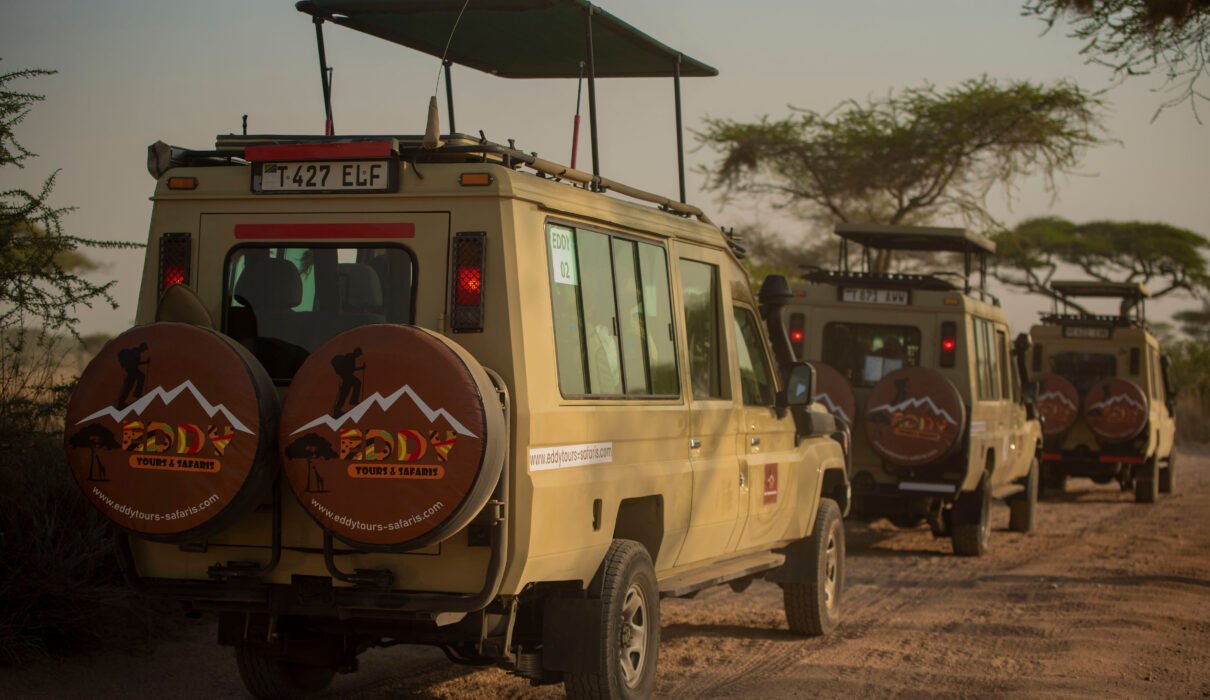
World’s Best Lowest Budget Safari in Tanzania is not about finding the cheapest price on the internet, but about understanding how responsible planning, shared logistics, local expertise and conservation-friendly operations can make a real safari experience affordable without sacrificing safety, wildlife ethics or comfort. Many travelers are surprised to learn that Tanzania can offer exceptional wildlife viewing on a small budget when the trip is designed carefully and managed by professional local teams who understand both conservation priorities and real operational costs.
Affordable safaris work best when travelers focus on value instead of luxury labels. Smart scheduling, shared transport, locally owned accommodation and well-trained guides reduce unnecessary expenses while still protecting wildlife habitats and supporting local communities. This approach is exactly how experienced planners such as Eddy Tours & Safaris create realistic low-cost safari programs that respect nature and people while keeping the experience authentic and meaningful.
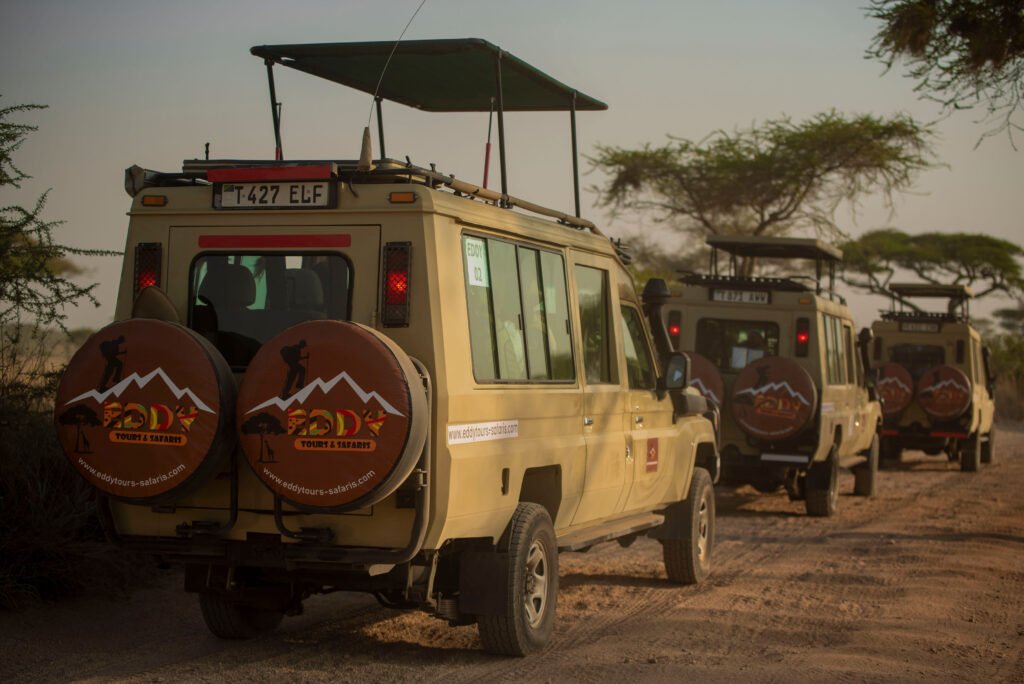
World’s Best Lowest Budget Safari in Tanzania and conservation reality
To truly understand the World’s Best Lowest Budget Safari in Tanzania, it is important to know how conservation funding and tourism are connected. Wildlife protection across Tanzania depends heavily on responsible tourism revenue. Global conservation organizations such as World Wide Fund for Nature, African Wildlife Foundation and Wildlife Conservation Society consistently explain that ethical tourism supports park management, ranger patrols and community conservation programs. A well-designed low-budget safari still contributes to these systems because park fees and conservation levies remain the same for all visitors.
Environmental governance frameworks promoted by the International Union for Conservation of Nature and biodiversity research coordinated by the Intergovernmental Science-Policy Platform on Biodiversity and Ecosystem Services confirm that tourism must balance affordability with ecological protection. Responsible budget safaris follow designated routes, limit off-road driving and operate within park regulations that protect sensitive ecosystems.
World’s Best Lowest Budget Safari in Tanzania and wildlife quality
Many travelers worry that a low-cost trip means poor wildlife viewing. In reality, the World’s Best Lowest Budget Safari in Tanzania still takes place inside world-class protected areas where wildlife density and diversity remain exceptional. Scientific monitoring conducted by organizations such as BirdLife International and large carnivore conservation research led by Panthera confirm that Tanzania remains one of the most important biodiversity landscapes on the African continent.
When a safari follows proper wildlife viewing guidelines and is led by trained guides, budget travelers can enjoy the same animal encounters as high-end guests. The difference is not what you see, but how you travel and where you sleep.
World’s Best Lowest Budget Safari in Tanzania and community benefit
The success of the World’s Best Lowest Budget Safari in Tanzania depends heavily on how tourism supports local communities. Development research published by International Labour Organization and social impact programs promoted by Oxfam International highlight that fair employment, local sourcing and training improve long-term community resilience.
Budget safaris that use locally owned lodges, community camps and Tanzanian staff keep money circulating in rural areas. This strengthens conservation motivation and reduces illegal activities such as poaching and habitat destruction.
World’s Best Lowest Budget Safari in Tanzania and environmental protection
A serious World’s Best Lowest Budget Safari in Tanzania cannot ignore environmental impact. Global conservation planning led by Conservation International and land-use monitoring supported by the United States Geological Survey show that unmanaged tourism contributes to erosion, water pollution and habitat fragmentation.
Professional budget safari operators reduce plastic use, manage waste carefully and follow designated tracks. These actions protect fragile landscapes without adding cost to the traveler.
World’s Best Lowest Budget Safari in Tanzania and climate awareness
The World’s Best Lowest Budget Safari in Tanzania also reflects climate responsibility. Climate science from NASA Climate and global assessments by the Intergovernmental Panel on Climate Change show that East African ecosystems are increasingly sensitive to drought and temperature shifts.
Ethical operators plan routes that minimize fuel consumption, avoid sensitive areas during critical seasons and encourage water conservation in camps and lodges.
World’s Best Lowest Budget Safari in Tanzania and safety standards
Safety remains a priority in any World’s Best Lowest Budget Safari in Tanzania. Health guidance published by the World Health Organization and emergency preparedness frameworks promoted by the International Federation of Red Cross and Red Crescent Societies emphasize trained staff, first-aid readiness and reliable communication systems.
Responsible safari companies follow risk management models developed by the World Bank Disaster Risk Management programme, ensuring vehicle maintenance, safe driving practices and rapid response procedures in remote areas.
World’s Best Lowest Budget Safari in Tanzania and guide professionalism
The real value of the World’s Best Lowest Budget Safari in Tanzania is created by knowledgeable guides. Educational standards supported by the National Geographic Society show that guides play a vital role in conservation awareness, wildlife interpretation and responsible visitor behavior.
Trained guides understand animal movement, ecosystem dynamics and conservation challenges described by scientific research published through Nature Research and ScienceDirect, making the experience educational and deeply rewarding.
World’s Best Lowest Budget Safari in Tanzania and scientific collaboration
Some of the strongest examples of the World’s Best Lowest Budget Safari in Tanzania operate alongside biodiversity research programs. Academic conservation initiatives promoted by the United Nations Environment Programme and protected-area management research supported by UNESCO depend on responsible visitor access.
By following park regulations and supporting research-friendly tourism, budget safaris contribute indirectly to data collection and ecosystem monitoring.
World’s Best Lowest Budget Safari in Tanzania and cultural respect
Cultural integrity is essential in the World’s Best Lowest Budget Safari in Tanzania. Community heritage frameworks promoted by United Nations Academic Impact and social research programs coordinated by Harvard University research initiatives show that respectful cultural interaction strengthens tourism sustainability.
Responsible operators prepare guests before visiting villages and cultural sites, ensuring consent, dignity and fair compensation for local communities.
World’s Best Lowest Budget Safari in Tanzania and transparent pricing
Transparency defines the credibility of the World’s Best Lowest Budget Safari in Tanzania. Governance and accountability studies by Transparency International highlight how clear pricing structures and honest contracts reduce exploitation and improve traveler trust.
Professional operators clearly explain what is included, how park fees are handled and how community contributions are distributed.
World’s Best Lowest Budget Safari in Tanzania and vehicle standards
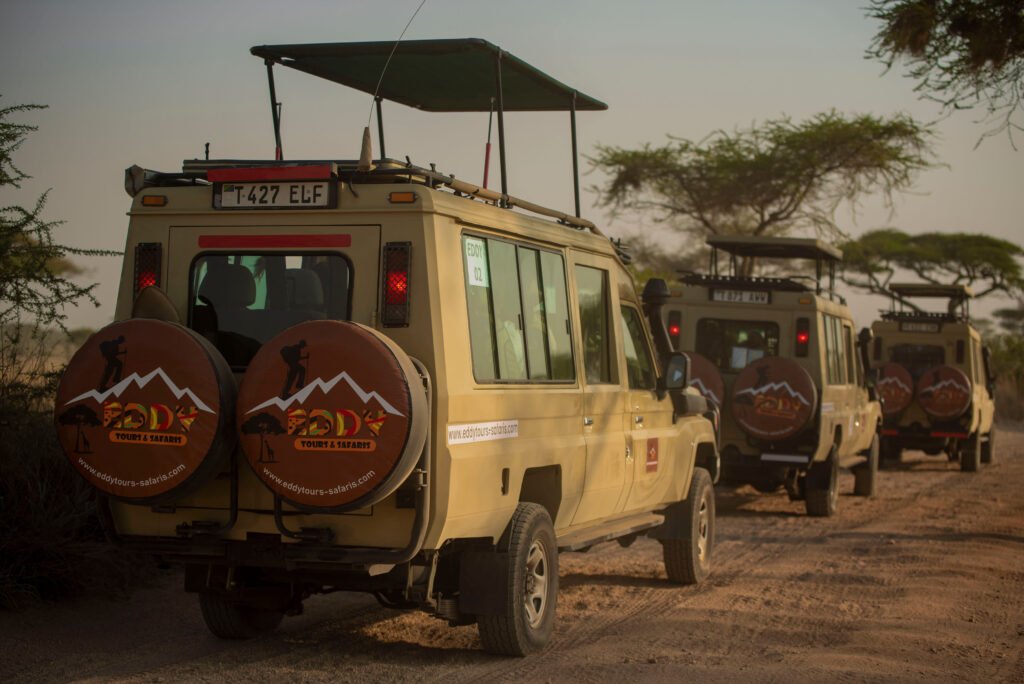
Vehicle quality is directly connected to safety and wildlife disturbance in the World’s Best Lowest Budget Safari in Tanzania. Transport efficiency studies published by the International Energy Agency and road safety initiatives promoted by the World Health Organization road safety programme confirm that well-maintained vehicles reduce accident risk and environmental impact.
Shared vehicles operated by trained driver-guides help keep safari costs low without reducing safety standards.
World’s Best Lowest Budget Safari in Tanzania and smart itinerary design
Careful itinerary design is what truly defines the World’s Best Lowest Budget Safari in Tanzania. Scientific travel behavior research supported by Frontiers in Sustainable Tourism and regional planning studies available through Food and Agriculture Organization show that shorter driving distances, shared departures and regional clustering of parks significantly reduce costs.
This is why many travelers choose professionally organized routes through affordable Tanzania safari programs, which focus on high-value parks while avoiding unnecessary transfers.
World’s Best Lowest Budget Safari in Tanzania and local expertise
Local knowledge transforms the World’s Best Lowest Budget Safari in Tanzania into a smooth and reliable experience. Tanzanian operators understand seasonal wildlife movements, road conditions and park access limitations far better than overseas agents.
Many travelers prefer working directly with local planners such as experienced adventure specialists who coordinate transport, accommodation and guiding teams locally.
World’s Best Lowest Budget Safari in Tanzania and real booking support
Strong communication and personal support define the World’s Best Lowest Budget Safari in Tanzania. Service quality frameworks developed by the International Organization for Standardization show that reliable customer communication increases satisfaction and reduces misunderstandings.
Travelers who need clear advice before booking often choose direct local consultation to build realistic itineraries that match their budget and expectations.
Why affordable safaris in Tanzania still deliver world-class experiences
The World’s Best Lowest Budget Safari in Tanzania is built on responsibility, local partnerships and conservation awareness. It proves that meaningful wildlife experiences do not belong only to luxury travelers. When operations follow science-based conservation practices, fair employment policies and transparent pricing, affordable safaris remain ethical, safe and deeply rewarding.
If you are looking for a genuine wildlife experience that respects nature, supports communities and fits a realistic budget, careful planning with experienced local professionals makes all the difference. A low-cost safari, when designed properly, becomes not a compromise, but a smart and responsible way to discover Tanzania.