
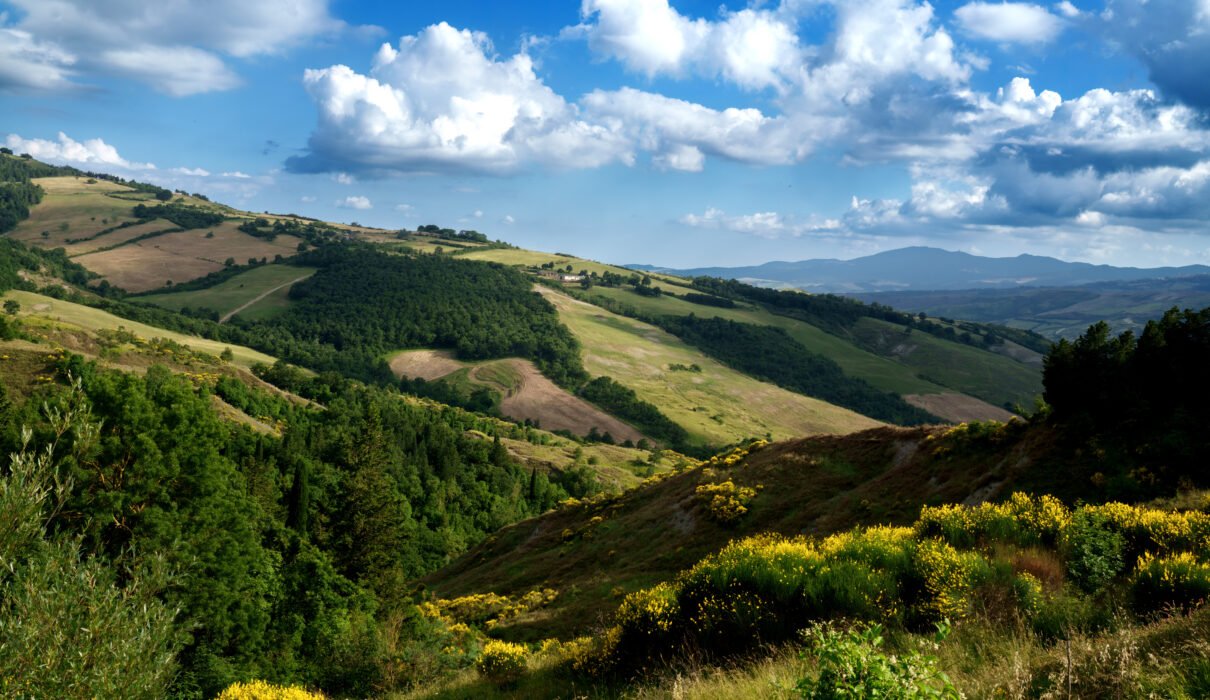
World’s Oldest Mountains are more than just ancient rocks rising from the earth; they are silent storytellers that reveal how our planet was shaped over unimaginable stretches of time. These majestic formations have witnessed shifting continents, changing climates, and the slow dance of tectonic plates. Unlike young and dramatic peaks that pierce the sky, these ancient ranges often appear softer and rounded, yet their true power lies in their age, resilience, and the geological secrets they protect deep within their layers.
When we explore the World’s Oldest Mountains, we step into a living classroom of earth science. According to research shared by USGS and geological studies published through Nature, some of these mountains formed billions of years ago during the earliest chapters of Earth’s history. Their survival through erosion, volcanic activity, and continental drift makes them remarkable natural treasures that continue to inspire scientists, travelers, and conservationists alike.
Why the World’s Oldest Mountains Still Matter Today
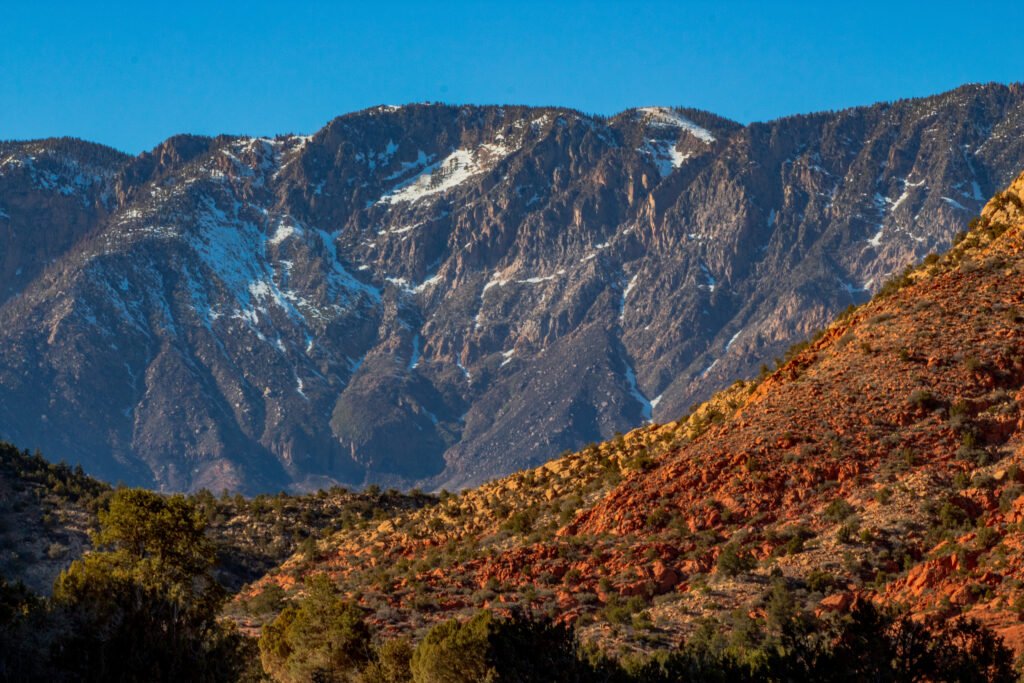
The importance of the World’s Oldest Mountains goes far beyond their impressive age. These ancient landscapes provide valuable information about the formation of continents, mineral resources, and even early life on Earth. Geological data referenced by Science.org and PNAS explains how studying ancient rock formations helps researchers understand plate tectonics and the chemical evolution of the planet. In many cases, these mountains contain some of the oldest exposed rocks ever discovered, offering a rare glimpse into Earth’s distant past.
Beyond science, these ranges support unique ecosystems. Organizations such as World Wildlife Fund and IUCN emphasize that ancient mountain environments often host endemic plant and animal species that adapted to stable conditions over millions of years. Protecting these habitats is crucial, as they are vulnerable to climate change and human activity.
7 Remarkable Examples of the World’s Oldest Mountains
1. The Barberton Greenstone Belt
Located in southern Africa, the Barberton Greenstone Belt is widely recognized as one of the oldest mountain regions on Earth. Studies highlighted by Harvard University and University of Oxford show that rocks here date back billions of years. Though erosion has softened its peaks, its geological value is unmatched. Researchers have even discovered evidence of early microbial life within these ancient rocks.
2. The Hamersley Range
Australia’s Hamersley Range stands as another powerful example of the World’s Oldest Mountains. Rich in iron ore and layered sedimentary formations, this region has been studied extensively by experts cited on Geology.com and ScienceDaily. The landscape reveals how ancient oceans once covered vast portions of the continent.
3. The Canadian Shield Uplands
The Canadian Shield contains some of the most ancient exposed rocks on the planet. According to Encyclopaedia Britannica, these formations are remnants of early mountain-building events that shaped North America. Though heavily eroded, their solid granite cores remain a testament to the Earth’s formative years.
4. The Waterberg Mountains
In southern Africa, the Waterberg Mountains display dramatic sandstone cliffs and plateaus. Conservation groups like Conservation International and Wildlife Conservation Society recognize this region for its biodiversity and ecological significance.
5. The Scottish Highlands
The Scottish Highlands are deeply eroded remnants of ancient mountain systems. Research institutions such as Stanford University and MIT have explored how tectonic collisions formed these landscapes long before modern continents took shape.
6. The Adirondack Mountains
The Adirondacks in North America are often cited among the World’s Oldest Mountains due to the age of their rocks. Oceanographic insights from Woods Hole Oceanographic Institution and climate data from NOAA help explain how glacial activity sculpted these ancient peaks.
7. The Pilbara Craton
The Pilbara region of Australia contains some of the most ancient crustal fragments known. Information shared by NASA reveals that studying these rocks even helps scientists compare Earth’s geology with other planetary bodies.
How the World’s Oldest Mountains Were Formed
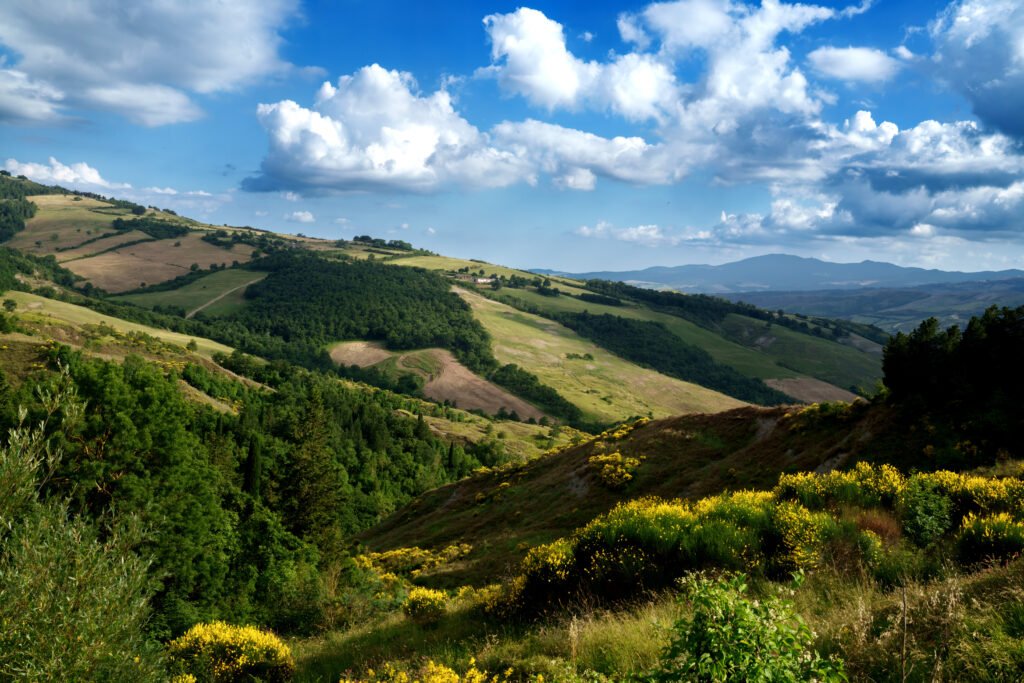
The formation of the World’s Oldest Mountains began with powerful tectonic forces deep beneath Earth’s surface. As plates collided, folded, and uplifted, massive mountain chains emerged. Over time, wind, water, and ice wore them down, transforming sharp peaks into rounded hills. Environmental research from UNEP and agricultural impact studies from FAO demonstrate how erosion not only reshaped these ranges but also enriched surrounding soils, influencing ecosystems and human settlements.
Unlike younger ranges such as the Himalayas, these ancient mountains no longer rise dramatically each year. Instead, they stand as stable geological cores. Their minerals, structural patterns, and fossil traces continue to be analyzed through global academic collaborations and digital research tools accessible even via platforms like Google.
Conservation and Sustainable Exploration
Preserving the World’s Oldest Mountains requires responsible travel and strong conservation efforts. UNESCO recognizes several ancient mountain regions as heritage sites, as noted on UNESCO. Protecting these landscapes ensures that future generations can continue learning from them. Sustainable safari operators such as Eddy Tours & Safaris promote eco-friendly exploration practices that respect fragile ecosystems while offering unforgettable experiences.
For travelers inspired by ancient geology and African landscapes, curated adventures are available through Eddy Tours & Safaris, where conservation and authentic cultural encounters go hand in hand. Those interested in combining mountain exploration with high-altitude trekking can also explore insights from Kilimanjaro Climb Specialist, which provides educational resources about mountain environments.
Choosing responsible travel partners such as Eddy Tours & Safaris supports local communities while protecting ancient landscapes. Ethical tourism ensures that the World’s Oldest Mountains remain untouched by harmful development and overexploitation. By prioritizing sustainability, visitors help safeguard biodiversity and geological heritage.
The Timeless Beauty of the World’s Oldest Mountains
The quiet strength of the World’s Oldest Mountains lies in their endurance. While they may not always boast towering peaks, their rolling ridges and exposed rock faces reveal a depth of history unmatched by younger ranges. Scientific institutions, conservation groups, and responsible tour operators continue working together to preserve these natural wonders. Through educational travel with Eddy Tours & Safaris, visitors can witness ancient formations while contributing to their protection.
Exploring the World’s Oldest Mountains is not just about sightseeing; it is about connecting with Earth’s earliest chapters. Their presence reminds us that the planet is constantly changing, yet some features endure against all odds. By supporting conservation initiatives and deepening our understanding through trusted research sources, we ensure these ancient giants continue inspiring curiosity and respect for generations to come.
Travelers seeking meaningful adventures can discover tailored itineraries and conservation-focused journeys through Eddy Tours & Safaris, where exploration meets responsibility in the heart of Africa’s most remarkable landscapes.