
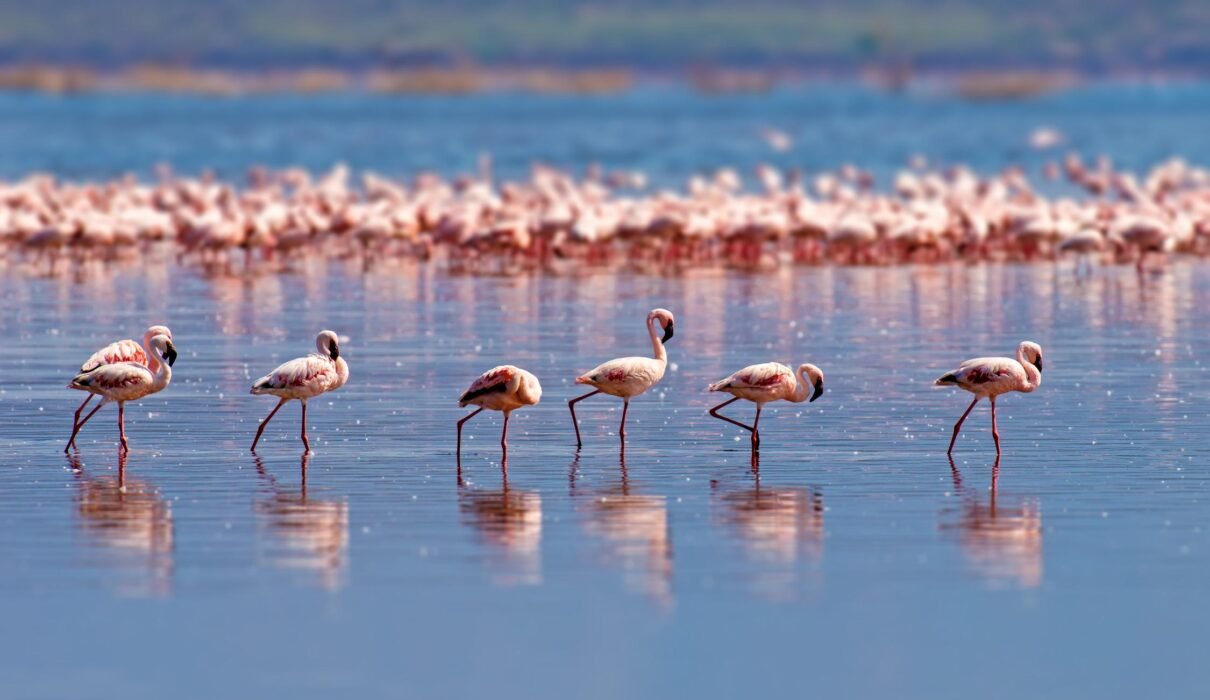
1-Day Lake Manyara National Park Safari is a practical and rewarding wildlife trip from Arusha for travellers who want to see Tanzania’s Rift Valley scenery, forest wildlife and lake habitats without committing to a multi-day safari. Lake Manyara National Park is smaller than Serengeti or Tarangire, but it offers a completely different landscape: groundwater forest, acacia woodland, open grassland, a broad alkaline lake and the dramatic wall of the Great Rift Valley escarpment.
The day begins with an early collection from Arusha and follows the main northern safari road toward Mto wa Mbu and Lake Manyara. Once inside the park, your private driver-guide leads a game drive through the habitats that make the area special. The route is designed around time, weather and current wildlife movement, not a fixed promise that every animal will appear on a particular track.
Lake Manyara is a good choice for first-time safari visitors, families, birdwatchers, photographers and people adding a short nature day before or after a Kilimanjaro climb. It can also be paired with other northern Tanzania destinations on a longer itinerary, but this page focuses on a proper one-day experience from Arusha. The return drive is long enough that an early start is important.
Lake Manyara day-tour highlights
- Early private pick-up from your Arusha hotel or agreed meeting point.
- Scenic road journey through northern Tanzania toward Mto wa Mbu.
- Private 4×4 game drive in Lake Manyara National Park.
- Groundwater forest, lake shore, woodland and Rift Valley escarpment scenery.
- Opportunity to see elephants, giraffes, baboons, hippos, buffalo, zebra, wildebeest and many birds.
- Picnic lunch in a designated park area.
- Professional English-speaking driver-guide and return transfer to Arusha.
Why visit Lake Manyara National Park?
Lake Manyara has a different feeling from the open plains of Serengeti. The drive into the park begins through dense groundwater forest, where large fig and mahogany trees create shade and the air can feel cooler. Baboons are often seen near the road, and blue monkeys may appear in the canopy. Further inside, the landscape opens to woodland, grassland and the shallow lake area beneath the escarpment.
This habitat variety is the park’s biggest strength. In one day, you may move from forest wildlife to elephant country, from open views to lake-edge birds. Giraffes, buffalo, warthogs, zebras, wildebeest, impala, hippos and many smaller species may be seen. Lions occur in the park and Lake Manyara is famous for historical reports of tree-climbing lions, but this behaviour is never guaranteed and should not be the only reason to visit.
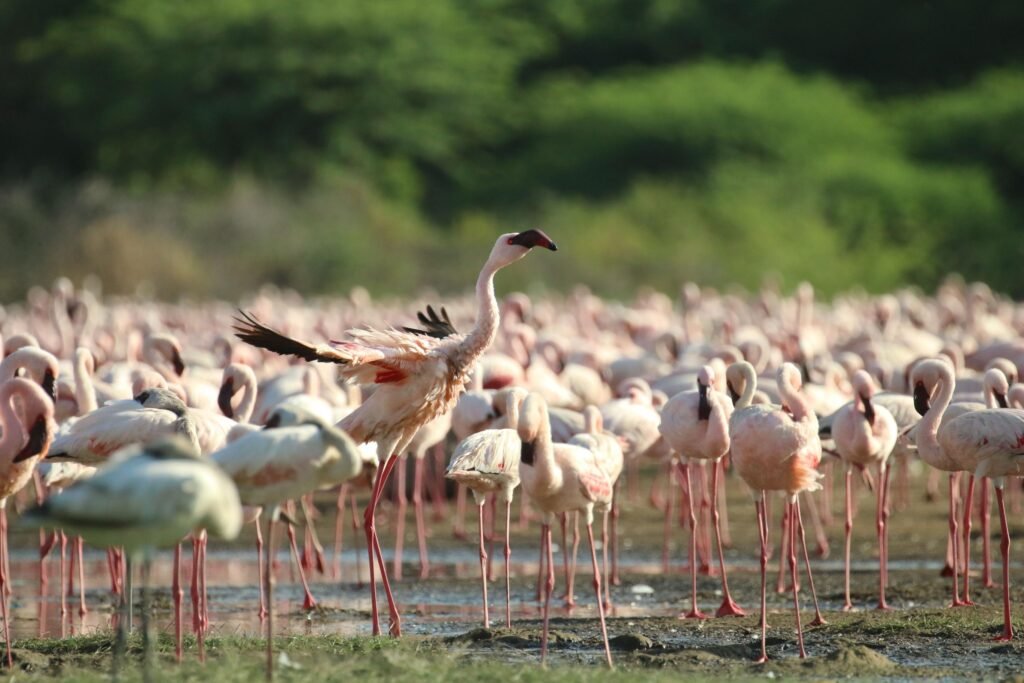
Birdwatchers often enjoy the park because of its forest, grassland and wetland environments. Depending on water level and season, you may see flamingos, pelicans, storks, herons, hornbills, kingfishers, eagles and many other species. Even guests who do not identify birds often appreciate the activity and colour around the lake and forest edges.
1-Day Lake Manyara Safari itinerary
Early morning: Arusha pick-up and drive to Lake Manyara
Your driver-guide collects you from your Arusha hotel early in the morning, usually after breakfast or with a packed breakfast arranged by your hotel. The drive toward Lake Manyara takes several hours, so starting early gives you more time in the park and avoids making the day feel rushed. The route passes through towns, cultivated land and the approach to Mto wa Mbu, a lively community at the base of the Rift Valley escarpment.
During the drive, your guide can explain the day’s plan, road timing and what wildlife is often seen in different parts of the park. Use this time to ask questions about Tanzania, the safari circuit and the local landscape. Keep sunglasses, a hat, water and your camera accessible in the vehicle, rather than packed inside the main bag.
Late morning: enter Lake Manyara National Park
After park formalities, begin the game drive. The first section often passes through the groundwater forest, one of Lake Manyara’s defining features. Look into the trees as well as along the road: baboons may sit in groups, monkeys may move through branches and birds can be active in the shade. Elephants sometimes use the forest corridors, though they remain wild animals and their location changes from day to day.
As the route moves away from the forest, the park reveals more open habitat. Your guide will follow safe roads and adjust the drive to current conditions. There is no need to rush constantly. A good game drive gives you time to watch a herd, observe birds at a water point or wait quietly if the guide believes an animal may move into view.
Midday: picnic lunch in the park
Stop at a designated picnic area for lunch. The exact location depends on park rules and the day’s route. Your guide will explain where it is safe to leave the vehicle and how to behave around wildlife. Keep food secure, do not feed animals and return all litter to the vehicle. A picnic lunch is a simple part of the safari, but it gives you a chance to stretch, enjoy the landscape and recharge before the afternoon drive.
Temperatures can be warm around midday, especially in the open areas, so use sunscreen, wear a hat and drink water. You may see animals resting in shade during this period, while birds and smaller wildlife remain active around suitable habitat.
Afternoon: lake, woodland and escarpment game viewing
Continue the afternoon game drive through woodland and toward lake-edge areas where access and water conditions permit. The shallow alkaline lake changes with rainfall and season. At times it may cover a larger portion of the park and attract more waterbirds; in drier conditions, the visible shoreline and animal distribution can look very different. Both conditions are part of Lake Manyara’s natural character.
Watch for giraffes browsing, buffalo in shaded areas, hippos in water, zebras and wildebeest in open ground, and raptors above the trees. The escarpment forms a dramatic backdrop to many views. Your guide may select different loops or tracks to avoid repeating the morning drive and to make the most of fresh wildlife signs.
In the late afternoon, exit the park and begin the return drive to Arusha. Arrival is generally in the evening, depending on traffic, weather, road conditions and your final hotel location. If you need airport drop-off, give your flight details in advance so we can confirm whether a same-day transfer is realistic.
Wildlife you may see on a Lake Manyara safari
Lake Manyara’s wildlife viewing is shaped by its changing habitats. Elephants are one of the main attractions, and the forest setting can make encounters feel particularly close while still following safe park distances. Large baboon troops are frequently seen, often moving across roads or feeding near the forest edge. Giraffes, buffalo, hippos, impala, zebras, wildebeest, warthogs and several monkey species may also be encountered.
Lions live in the park, but they are not guaranteed. Lake Manyara has long been connected with tree-climbing lions, yet lions do not climb trees every day, and there may be no suitable sighting during a one-day visit. An honest safari focuses on the park’s full ecosystem rather than selling one uncertain animal behaviour.
Birdlife can be a major highlight. Look for African fish eagles, hornbills, storks, kingfishers, herons, flamingos, pelicans and colourful smaller species. A pair of binoculars makes a real difference. You can enjoy birds even if you are not an expert; your guide can point out distinctive shapes, calls and habitats along the way.
Is one day enough for Lake Manyara?
Yes, one full day is enough to enjoy the park’s key habitats from Arusha, provided you start early and accept a long travel day. Lake Manyara is compact enough to explore meaningfully in a day, unlike Serengeti, which needs more time because of its size and distance. A one-day Lake Manyara Safari is a good choice if you have a spare day in Arusha, a short stop before a Kilimanjaro climb or a limited Tanzania itinerary.
If you have two or more days, Lake Manyara can be combined with Tarangire, Ngorongoro Crater or a cultural visit in Mto wa Mbu. For a first safari, a multi-day route gives more time for different wildlife environments. But do not underestimate Lake Manyara as a day trip: its forest, lake and escarpment scenery offer a very different perspective from the better-known open savannah parks.
Best time to visit Lake Manyara in 2027/2028
Lake Manyara can be visited throughout the year. Drier months, generally June to October, are popular because roads are often easier and wildlife may concentrate around water sources. The scenery can be dusty and the lake level may be lower, but clear light and comfortable game-drive conditions appeal to many visitors.
The greener months from roughly November to May bring different advantages: fresh vegetation, active birdlife, dramatic clouds and a more lush appearance. Rain can affect tracks and visibility, so a capable 4×4 and an experienced guide are important. April and May are often the wettest period, which may suit flexible travellers who prefer quieter parks and do not mind occasional rain.
There is no bad season if you choose the right expectations. For elephants and classic dry-season game drives, the dry months are a strong choice. For birding, photography and green scenery, the wetter months can be particularly attractive.
What to wear and bring
Wear comfortable, breathable clothes and closed shoes. Mornings from Arusha may feel cool, while Lake Manyara can become warm during the day, so a light fleece and T-shirt combination works well. Bring sunscreen, a hat, sunglasses and a compact rain jacket, especially outside the driest months. Neutral colours are practical because they show less dust, but you do not need special safari clothing.
Pack a small day bag with camera, spare battery, phone, binoculars, medication, hand sanitiser and any personal snack you need. Keep valuables secure and do not bring unnecessary jewellery. Your guide provides drinking water as included in the confirmed itinerary, but a reusable bottle is still useful. If you are travelling with children, bring a light jacket, sun protection and a familiar snack or activity for the road journey.
Package inclusions
- Private 4×4 safari vehicle with pop-up roof for game viewing.
- Professional English-speaking driver-guide.
- Return road transfer from Arusha hotel or agreed location.
- Lake Manyara National Park entry fees as stated in the final quotation.
- Full-day game drive in Lake Manyara National Park.
- Picnic lunch and drinking water during the safari.
- Government taxes and charges included in the confirmed quote.
Package exclusions
- International flights, visas and travel insurance.
- Hotel accommodation before or after the day trip.
- Alcoholic drinks, premium beverages and personal snacks not stated as included.
- Tips for the driver-guide and any personal purchases.
- Optional cultural activities, airport transfers or extra stops not shown in the confirmed itinerary.
- Any service not specifically listed under package inclusions.
Responsible wildlife viewing
Lake Manyara National Park is a protected wildlife area, not an open zoo. Your guide will keep an appropriate distance from animals, follow park road rules and avoid disturbing wildlife for a close photograph. Please remain in the vehicle during game drives unless the guide says it is permitted to step out at a designated place. Keep voices low near wildlife and never feed animals.
Use a refillable bottle where practical, collect all rubbish and respect the park staff and local communities around the area. Responsible behaviour keeps the park safe for animals and better for future visitors.
How to make the most of your Lake Manyara day trip
Start with realistic expectations. Lake Manyara is compact, but it has several habitats and wildlife can be spread across them. The best day is not measured by how many species you can tick off in an hour. It comes from slowing down enough to notice the forest, the birds, the changing light and the way animals use different parts of the park.
Let your guide know if you are especially interested in elephants, birds, primates, photography or landscape views. The guide cannot create sightings, but knowing your interests helps them decide when to spend longer in forest areas, look more carefully at the lake edge or choose a route with open escarpment views. Keep your camera ready but do not spend the entire drive looking through a screen; many good sightings appear quickly and are better experienced directly.
Because this is a full road day, prepare the night before. Charge phones and camera batteries, pack your hat and rain layer, and have your hotel breakfast ready early. Wear comfortable clothes and keep valuables light. A smooth start gives you more time in the park.
Add Mto wa Mbu or extend your northern Tanzania safari
Mto wa Mbu lies close to Lake Manyara and is known for its market, farms and community-based cultural activities. If you would like to include a village walk, local lunch, bicycle activity or market visit, ask before the itinerary is confirmed. These activities need enough time and should not be added casually at the end of an already long day.
For a more complete northern Tanzania safari, add Tarangire for elephants and baobabs, Ngorongoro Crater for its high concentration of wildlife, or Serengeti for longer game drives on the plains. Lake Manyara works especially well as the first or last park of a multi-day route because it adds forest and lake habitat to an itinerary that may otherwise focus mainly on grassland.
Private day trip versus shared departure
This package is best as a private day trip, giving you your own vehicle and guide. You can set a comfortable pace, spend longer at a sighting and adjust the stops around your group. Shared departures may be possible on selected dates, but they depend on availability, group size and matching travel plans. Confirm this before booking rather than assuming the tour is shared.
Frequently asked questions
Can I see tree-climbing lions in Lake Manyara?
Lions occur in the park, and Lake Manyara is associated with tree-climbing behaviour, but no lion sighting or tree-climbing scene can be guaranteed. The behaviour depends on the animals and conditions on the day.
How long is the drive from Arusha?
The road journey takes several hours each way, depending on traffic, road conditions and your pick-up location. This is why the tour starts early and returns in the evening. Exact timing is confirmed before departure.
Can I start this tour from Moshi?
It can be arranged, but Moshi is farther from Lake Manyara than Arusha. The day would be very long, so an overnight in Arusha or a multi-day northern circuit safari may be more comfortable.
Is Lake Manyara suitable for children?
Yes. A private vehicle allows the guide to adjust stops and pace for families. Tell us children’s ages and any dietary requirements before booking so the picnic and travel plan can be arranged sensibly.
Book your 1-Day Lake Manyara National Park Safari
For a well-organised Lake Manyara day tour in 2027 or 2028, contact Eddy Tours & Safaris. We can arrange a private vehicle, confirm your Arusha pick-up point, organise the picnic lunch and help you combine Lake Manyara with Tarangire, Ngorongoro or Serengeti if you have more days in Tanzania.
Use the contact page, email eddytoursandsafaris@gmail.com or sales@eddytours-safaris.com, or call and WhatsApp +255 711 906 664. Travellers planning Kilimanjaro before or after the day trip can also see Kilimanjaro Climb Specialist for route information.