
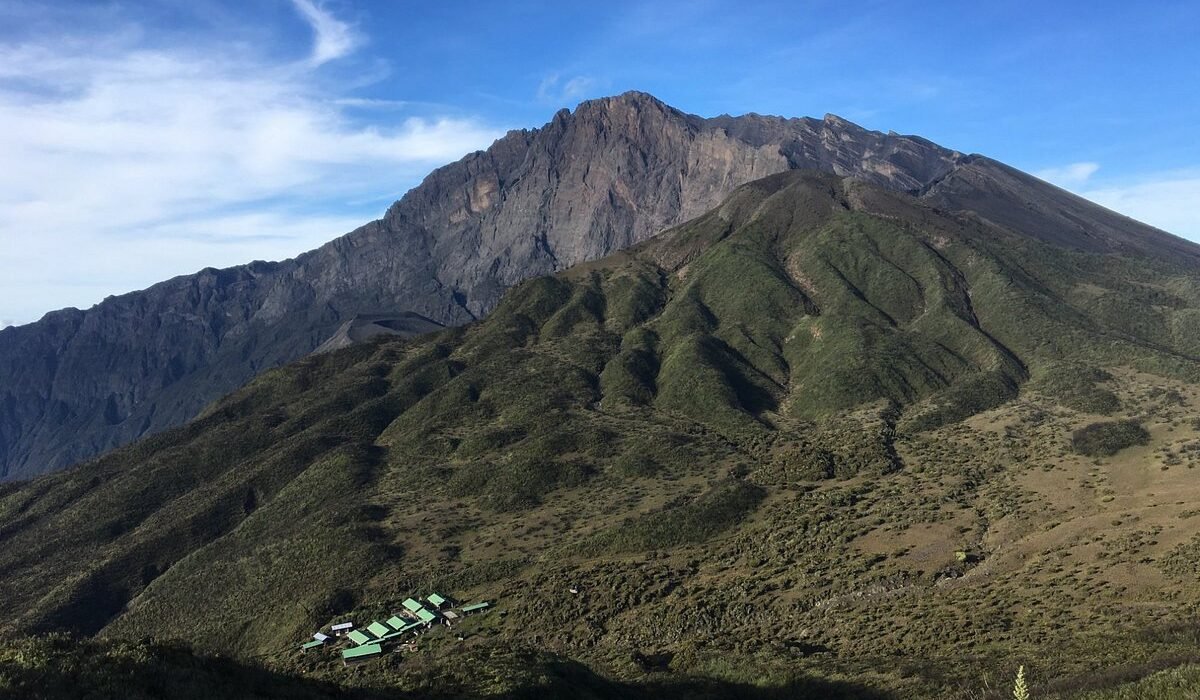
This 4-Day Mount Meru Climb is a guided high-altitude trek through Arusha National Park to Socialist Peak, the summit of Tanzania’s second-highest mountain at 4,566 metres. Mount Meru is often chosen by travellers who want a serious mountain challenge with forest wildlife, volcanic scenery and excellent views of Mount Kilimanjaro when the weather is clear. It is also a useful acclimatisation climb before Kilimanjaro, although it deserves to be treated as a rewarding expedition in its own right.
The route begins at Momella Gate and climbs through grassland, forest and moorland to Miriakamba Hut and Saddle Hut. From the summit ridge, the route follows the dramatic crater rim toward Socialist Peak before descending back through the huts and forest. The climb is shorter than Kilimanjaro but not easy. The final summit night is steep, cold, exposed and physically demanding.
Mount Meru is inside Arusha National Park, where wildlife is part of the trek. A park ranger escorts the group, and all climbers must follow ranger and guide instructions. You may see giraffes, buffalo, colobus monkeys, warthogs, birds and other animals in the lower park zones. Wildlife sightings are never guaranteed, and safety always comes before photographs or close encounters.
Why choose the 4-Day Mount Meru Climb?
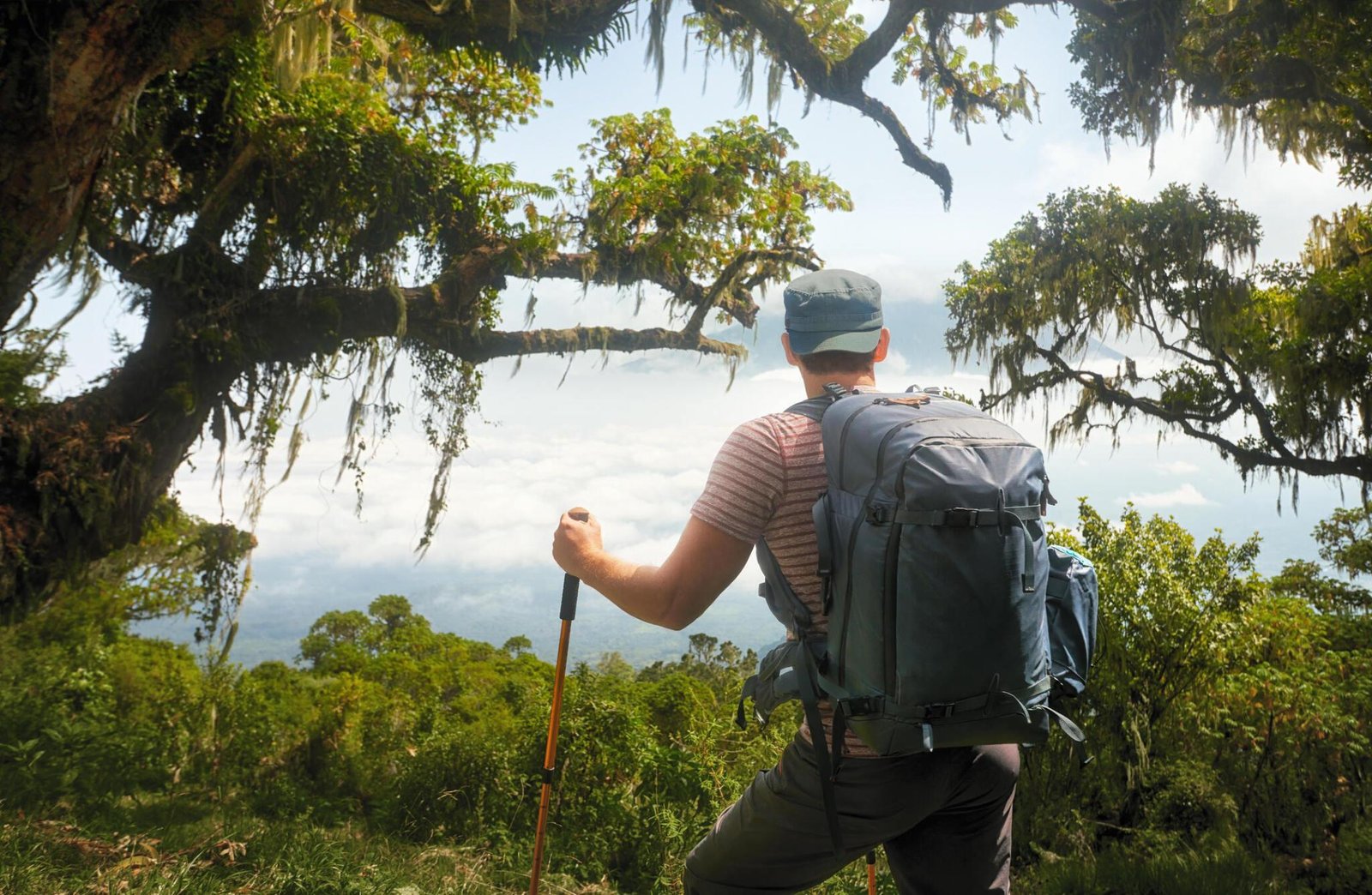
The four-day itinerary is the standard and most sensible way to climb Mount Meru. It breaks the ascent into manageable stages, with nights at Miriakamba Hut and Saddle Hut before the summit attempt. This gives your body time to adjust to altitude and avoids turning the mountain into a rushed fitness test.
Mount Meru offers a rare mix of mountain trekking and national-park wildlife. The first day passes through open grassland and forest, where giraffes and buffalo may be present. Higher up, the landscape becomes quieter and more volcanic. By the final day, you are walking along a narrow crater rim with views into the ash cone, down the mountain slopes and, in clear conditions, toward Kilimanjaro.
For climbers planning Kilimanjaro, Mount Meru can provide valuable experience with altitude, hut life, walking pace and summit-night conditions. It is not a replacement for Kilimanjaro acclimatisation, but it can be a good preparation step when your overall trip has enough time. For other travellers, it is simply an excellent stand-alone climb close to Arusha.
4-Day Mount Meru Climb itinerary
Day 1: Momella Gate to Miriakamba Hut
After breakfast, meet your mountain guide and drive from Arusha to Momella Gate in Arusha National Park. Complete park registration, meet the ranger escort and support team, then begin the trek. The lower route is usually walked at a measured pace because wildlife may be present and the terrain gradually climbs through grassland and forest.
Along the way, you may see giraffes, buffalo, warthogs, bushbuck, colobus monkeys and a wide range of birds. The ranger will manage the group’s movement and explain when it is safe to stop. Do not move ahead of the guide or leave the trail. This is a protected wildlife area, and the rules are part of the experience.
Continue through forest toward Miriakamba Hut, at approximately 2,514 metres. The hut is set in a forest clearing beneath the mountain. Have dinner, take a short rest and prepare for the higher climb on Day 2. Overnight at Miriakamba Hut.
Day 2: Miriakamba Hut to Saddle Hut via Little Meru
After breakfast, leave the forest and climb through moorland toward Saddle Hut. The landscape opens as you gain elevation, with giant heather, volcanic rock and views across Arusha National Park. The trail becomes steeper and the air noticeably cooler, so keep a warm layer and water close in your daypack.
Arrive at Saddle Hut, around 3,570 metres, in time for lunch and rest. If conditions and the group’s health allow, take an acclimatisation walk to Little Meru at about 3,820 metres before returning to the hut. This short climb provides excellent views and helps your body spend time higher before sleeping lower at Saddle Hut.
Eat an early dinner, refill water bottles and organise all summit gear before sleep. The next day begins before midnight, so have your headlamp, warm jacket, gloves, hat, snacks and extra batteries ready. Overnight at Saddle Hut.
Day 3: Saddle Hut to Socialist Peak, then descend to Miriakamba Hut
Wake around midnight and start the summit climb in darkness. The trail rises toward Rhino Point, then follows the crater rim. This is the most demanding day of the Mount Meru Climb. The terrain is steep and can feel exposed, temperatures are low and altitude makes every step slower. Walk steadily, keep close to the guide and tell the team immediately if you feel unwell.
As dawn arrives, the crater and ash cone begin to appear. On clear mornings, Kilimanjaro may be visible in the distance. Continue to Socialist Peak at 4,566 metres, the summit of Mount Meru. Take a few photographs, enjoy the view and begin the descent before cold and fatigue increase.
Return to Saddle Hut for a short rest and meal, then continue down to Miriakamba Hut. The descent is long and your knees may feel the effort, so trekking poles are useful. Enjoy a warmer, lower night and a proper dinner at Miriakamba Hut.
Day 4: Miriakamba Hut to Momella Gate, then return to Arusha
After breakfast, descend through forest and grassland to Momella Gate. This final day is easier than summit day, but take care on uneven or wet trails. Keep looking out for wildlife and birds as you return through the lower park. The ranger remains with the group until the official route is complete.
At Momella Gate, complete sign-out formalities and receive your certificate if you reached the qualifying summit point. Meet the vehicle for transfer back to your Arusha hotel. A hot shower and a relaxed meal are usually the first priorities after four days on the mountain. If you are using Mount Meru to prepare for Kilimanjaro, allow recovery time before starting the next climb.
Mount Meru difficulty and fitness level
Mount Meru is a demanding trek. It does not require technical climbing equipment on the standard route, but the summit ridge is steep, narrow in places and exposed to wind and cold. The final ascent begins at night after limited sleep, and the descent on the same day is long. Good fitness, strong legs, careful pacing and proper gear are important.
You should be comfortable walking for several hours on consecutive days and able to manage uneven ground. Training before travel should include regular hikes, stairs or hill walking, cardiovascular fitness and leg-strength work. If you live in a flat area, incline treadmill walking and stair sessions can help. Train with the hiking boots and daypack you plan to bring.
Altitude affects every climber differently. At Saddle Hut and the summit, you may feel headache, low appetite, fatigue or poor sleep. Your guide checks how you are doing and will advise if slowing down or descending is necessary. Never hide symptoms in the hope of reaching the summit. Your health comes first.
Wildlife and scenery on Mount Meru
Arusha National Park gives Mount Meru a distinctive beginning. Unlike many mountain routes, you may see wildlife while walking through the lower areas. Giraffes are often one of the most memorable sights, moving through grassland with Mount Meru rising behind them. Buffalo can also be present, which is why the ranger escort is an essential part of the climb.
The forest supports colobus monkeys, blue monkeys, bushbuck, birds and diverse plant life. As the route climbs, the landscape changes to moorland and then high volcanic terrain. The summit ridge offers a view into the crater and ash cone that is completely different from Kilimanjaro’s broad summit plateau.
Do not expect wildlife sightings on demand. Animals move freely, weather affects visibility and the ranger may change the walking rhythm for safety. The combination of wildlife, forest and mountain is what makes Mount Meru special, not a guaranteed close encounter with any one species.
What to pack for the 4-Day Mount Meru Climb
Mount Meru has warm lower slopes and cold high camps, so use a layering system. Bring moisture-wicking base layers, a fleece or insulated mid-layer, waterproof jacket and trousers, a warm hat, gloves, sun hat, sunglasses and broken-in hiking boots. A headlamp with spare batteries is essential for the midnight summit start.
Pack a daypack with water, rain gear, snacks, camera, sunscreen, gloves and personal medication. Your porter carries the main duffel within the agreed weight limit, but keep essential items with you. Trekking poles are strongly recommended for the long descent from the summit. A warm sleeping bag is needed for the hut nights unless your package specifically provides one.
Do not bring new boots that have not been tested. Blisters can ruin a short climb quickly. Test socks, layers and rain protection during training. Keep your passport, insurance documents and regular medication in hand luggage while travelling to Tanzania.
Best time to climb Mount Meru in 2027/2028
January to early March and June to October are commonly preferred for Mount Meru because weather is often drier and views can be clearer. The mountain remains cold near the summit in every season, and conditions can change quickly even on a sunny day. Bring rain gear and warm layers regardless of the month.
April, May and November usually bring more rain. Lower trails can become muddy, and cloud may hide Kilimanjaro and crater views. These months may also have fewer climbers. If you choose a wetter period, use reliable waterproof gear and accept that the mountain will feel different from dry-season photos.
Book early for fixed dates in peak travel months. Hut capacity, ranger arrangements and guide availability need to be confirmed in advance. Early booking also gives you time to train and organise the correct equipment.
Package inclusions
- Return transfers between your Arusha hotel and Momella Gate, as stated in the final programme.
- Arusha National Park entry, hut, conservation and ranger fees included in the confirmed quotation.
- Professional English-speaking mountain guide, assistant guide, cook and porter team.
- Required armed ranger escort arranged for the trek in the national park.
- Three nights’ hut accommodation at Miriakamba Hut and Saddle Hut.
- Meals during the four-day mountain itinerary as stated in the confirmation.
- Purified drinking water on the mountain.
- Daily health monitoring and standard mountain safety equipment carried by the crew.
- Mount Meru summit certificate for climbers who reach the qualifying point.
Package exclusions
- International flights, visa costs and travel insurance.
- Hotel nights in Arusha before or after the climb unless listed in your quotation.
- Personal climbing equipment, including boots, sleeping bag, trekking poles, headlamp and clothing; rentals may be arranged when available.
- Meals and drinks in Arusha not shown as included in the final itinerary.
- Alcoholic drinks, laundry, personal snacks, souvenirs and other personal expenses.
- Tips for guides, ranger, porters and cook.
- Any Kilimanjaro climb, safari or activity not listed in this Mount Meru package.
Is Mount Meru good preparation for Kilimanjaro?
Mount Meru can be excellent preparation because it introduces you to walking at altitude, hut routines, early summit starts and the need for slow pacing. Reaching 4,566 metres before Kilimanjaro can support acclimatisation when the two climbs are planned close together. It also helps you learn how your body responds to cold, reduced sleep and multi-day trekking.
However, do not schedule Kilimanjaro immediately after the Mount Meru summit without rest. Descend, recover, hydrate and discuss timing with your guide. Kilimanjaro is higher and longer, and it deserves its own preparation. For route information, visit Kilimanjaro Climb Specialist.
Responsible trekking in Arusha National Park
Stay with the guide and ranger, remain on the approved trail and do not approach wildlife. Keep litter secured, avoid loud noise in wildlife areas and follow every park instruction. The ranger’s role is not only ceremonial; they manage safety in a park where large animals may be present.
Respect the hut facilities, use water carefully and be considerate of other climbers. Mount Meru is both a mountain and a protected ecosystem. Good trekking practice helps preserve it for the people and wildlife that depend on the park.
How to prepare in the week before the climb
Arrive in Arusha with enough time to rest after your international flight, organise your equipment and attend the mountain briefing. Do not begin the climb exhausted from a long journey if you can avoid it. Use the day before departure to check boots, layers, headlamp, medication and insurance information. Tell the team about any dietary requirements, allergies or health concerns before you reach the park gate.
In the days leading up to Mount Meru, keep training light, drink water regularly and sleep well. There is no benefit in doing one hard workout immediately before travel. Your fitness should already be built through consistent preparation. Eat normally, avoid excessive alcohol and keep your personal medication accessible in hand luggage.
During the trek, take the guide’s pace seriously. You may feel strong on the lower day, but moving too fast can make the high sections harder. Eat the meals, drink water even when you are not thirsty, and keep a warm layer ready whenever you stop. Small habits make a real difference on a four-day mountain climb.
Combine Mount Meru with a Tanzania safari
Arusha National Park is close to the northern safari circuit, so Mount Meru combines well with wildlife viewing after a rest day. Tarangire offers elephants and baobabs, Ngorongoro Crater provides concentrated wildlife in a volcanic caldera, and Serengeti is ideal for longer game drives on the plains. Recovery after the Mount Meru summit should come first; then the safari can be planned at a comfortable pace.
A safari extension is also a good option for friends or family who are not climbing. They can enjoy a separate Arusha, Tarangire or Ngorongoro programme while the trekking group is on the mountain, then meet afterward for the next part of the holiday. Clear planning makes this easy to arrange.
Private climb or group departure?
This Mount Meru package can be arranged as a private climb for your own group, which gives flexibility over dates and pace. Scheduled group departures may also be available on selected dates. Confirm group size, hut arrangements and final price before booking. Whether private or shared, every climb includes the required professional guide and ranger support.
Frequently asked questions
Is Mount Meru easier than Kilimanjaro?
Mount Meru is lower and shorter, but it is still difficult. The summit ridge is steep and the final day is long. It is not a casual alternative to Kilimanjaro, though it can be good preparation for it.
Do I need a ranger on Mount Meru?
Yes. Mount Meru is inside Arusha National Park, and the trek is conducted with a ranger escort as part of park safety arrangements. The ranger works alongside your mountain guide and crew.
Can beginners climb Mount Meru?
Fit beginners who train properly and are prepared for altitude can climb Mount Meru with a professional team. You should be ready for long walking days, cold summit conditions and uneven terrain.
Book your 4-Day Mount Meru Climb
To arrange your 2027 or 2028 Mount Meru trek, contact Eddy Tours & Safaris. We can help with Arusha hotel transfers, climb dates, equipment guidance, group size and an optional Tanzania safari after you recover from the mountain.
Use the contact page, email eddytoursandsafaris@gmail.com or sales@eddytours-safaris.com, or call and WhatsApp +255 711 906 664.