

Experience two of Tanzania’s most popular adventures with our 10-Day Kilimanjaro Climb and Serengeti Safari Package for 2027, 2028 and 2029. This holiday combines a six-day trek on Mount Kilimanjaro with a four-day wildlife safari through Tarangire National Park, Serengeti National Park and Ngorongoro Crater. It is designed for travelers who want to reach Africa’s highest mountain and explore Tanzania’s wildlife areas during one visit.
Your journey begins in Moshi, near the slopes of Mount Kilimanjaro, where you meet your mountain guides and prepare for the climb. Over six days, you follow the Machame Route through rainforest, moorland, rocky valleys and high-altitude terrain before attempting to reach Uhuru Peak at 5,895 metres above sea level. After descending from the mountain, your adventure continues with game drives through northern Tanzania’s national parks, where you may encounter elephants, lions, giraffes, zebras, wildebeest and many other animals.
This package is suitable for active travelers who enjoy hiking, nature and wildlife photography. However, the mountain section requires good physical preparation, and the six-day Machame itinerary provides limited acclimatization time compared with longer routes. The safari also begins immediately after the climb, so travelers should understand that this is a busy schedule with little time for recovery.
At Eddy Tours & Safaris, we organize private Kilimanjaro climbing and Tanzania safari holidays based on your preferred travel dates, accommodation level and group size. Whether you are visiting Tanzania in 2027, 2028 or 2029, our team can help you plan a combined mountain and wildlife experience with suitable transport, professional guides and carefully arranged accommodation.

10-Day Kilimanjaro and Serengeti Safari Package Overview
| Package information | Details |
|---|---|
| Package name | 10-Day Kilimanjaro Climb and Serengeti Safari |
| Destination | Northern Tanzania |
| Travel years | 2027, 2028 and 2029 |
| Total duration | 10 days |
| Kilimanjaro climbing | 6 days |
| Safari duration | 4 days |
| Mountain route | Machame Route |
| Highest point | Uhuru Peak, 5,895 metres |
| Safari destinations | Tarangire, Serengeti and Ngorongoro Crater |
| Mountain accommodation | Camping |
| Safari accommodation | Budget, mid-range or luxury options |
| Starting location | Moshi |
| Finishing location | Arusha or Moshi |
| Tour type | Private guided climbing and wildlife safari |
| Price | Available upon request |
Why Choose This Kilimanjaro and Serengeti Safari Package?
Combining Kilimanjaro climbing with a wildlife safari allows you to experience two different sides of Tanzania during one holiday. The mountain expedition offers several days of challenging trekking, changing landscapes and high-altitude camping, while the safari provides opportunities to explore open grasslands, woodlands and wildlife habitats from a specially equipped safari vehicle.
The Machame Route is known for its scenic approach to Kilimanjaro. Climbers begin in a green rainforest before reaching the Shira Plateau, Lava Tower and Barranco Wall. These locations offer different views of the mountain and provide a varied trekking experience. The final ascent toward Uhuru Peak is demanding, but the journey itself is an important part of the experience, whether or not conditions allow you to reach the summit.
After the climb, the safari begins in Tarangire National Park, an area known for its elephant populations and baobab trees. You then continue to Serengeti National Park, where extensive grasslands support predators and grazing animals throughout the year. The final wildlife destination is Ngorongoro Crater, a volcanic caldera with a wide variety of wildlife living within its distinctive landscape.
This combination is particularly attractive to international travelers who want to make the most of a single trip to Tanzania. Instead of arranging separate mountain and safari holidays, you can organize both activities through one local tour company.

Complete 10-Day Kilimanjaro Climb and Serengeti Safari Itinerary
Day 1: Moshi to Machame Gate – Trek to Machame Camp
Starting elevation: Approximately 1,800 metres
Overnight elevation: Approximately 2,835 metres
Hiking distance: Approximately 11 km
Walking time: 5–7 hours
Accommodation: Machame Camp
Your Kilimanjaro adventure begins with a morning departure from Moshi to Machame Gate, located on the southwestern slopes of Mount Kilimanjaro. After meeting your mountain crew, the guides complete the necessary park registration while porters organize food, camping equipment and other supplies. Once the preparations are finished, you begin walking through the rainforest toward Machame Camp.
The first section of the route passes through dense vegetation, tall trees and a humid forest environment. The trail climbs steadily, with muddy sections possible after rainfall. Along the way, you may hear different forest birds and occasionally see monkeys moving through the trees. Your guide will encourage a comfortable walking pace, allowing you to settle into the mountain routine without becoming unnecessarily tired.
By late afternoon, you reach Machame Camp, where your mountain crew prepares the tents and evening meal. After settling into camp, you can rest and discuss the following day’s trek with your guide. Temperatures generally become cooler after sunset, making warm clothing useful during the evening.
Day 2: Machame Camp to Shira Camp
Starting elevation: Approximately 2,835 metres
Overnight elevation: Approximately 3,750 metres
Hiking distance: Approximately 5 km
Walking time: 4–6 hours
Accommodation: Shira Camp
After breakfast, you leave Machame Camp and continue uphill toward the Shira Plateau. The vegetation gradually changes as the trail rises above the rainforest into heath and moorland. The route becomes steeper in places, and the surrounding landscape opens to reveal views of the mountain’s western slopes when the weather is clear.
Although the walking distance is shorter than the previous day, the increasing elevation makes the trek more demanding. Your guide will maintain a slow pace and encourage regular breaks while monitoring how the group responds to the altitude. The rocky terrain also requires careful footing, particularly on steeper sections of the trail.
As you approach Shira Camp, the landscape becomes more open, with volcanic formations and views toward Kibo. After arriving at camp, you can enjoy a meal and rest while the mountain crew prepares the evening arrangements. Because you are now sleeping at a considerably higher elevation, it is important to report any unusual headache, nausea or dizziness to your guide.
Day 3: Shira Camp to Lava Tower – Descend to Barranco Camp
Starting elevation: Approximately 3,750 metres
Highest point: Approximately 4,600 metres at Lava Tower
Overnight elevation: Approximately 3,960 metres
Hiking distance: Approximately 10 km
Walking time: 6–8 hours
Accommodation: Barranco Camp
The third day takes you across increasingly exposed terrain toward Lava Tower, one of the main landmarks on the Machame Route. The trail gradually rises into the alpine desert, where vegetation becomes sparse and the mountain environment feels noticeably different from the lower camps. As you gain elevation, walking may become more difficult because of the reduced oxygen availability.
Reaching the Lava Tower area allows you to spend time at a higher elevation before descending toward Barranco Camp. This section is often described as a climb-high, sleep-low stage, which can support acclimatization. However, the altitude remains a serious consideration, and climbers should report symptoms rather than trying to push through illness.
After leaving Lava Tower, the trail descends toward Barranco Valley, passing unusual high-altitude vegetation and rocky formations. The impressive Barranco Wall rises above the campsite, creating one of the most recognizable landscapes on Kilimanjaro. You spend the evening at Barranco Camp, where your guide explains the next day’s route toward Barafu.
Day 4: Barranco Camp to Barafu Camp via Karanga Valley
Starting elevation: Approximately 3,960 metres
Overnight elevation: Approximately 4,640 metres
Hiking distance: Approximately 8–10 km
Walking time: 7–10 hours
Accommodation: Barafu Camp
After an early breakfast, you begin climbing Barranco Wall, a steep rocky section that requires careful scrambling. Although technical climbing equipment is not normally required, some parts involve using your hands for balance. Your mountain guides will assist where necessary and ensure the group moves carefully through the more demanding sections.
After reaching the top of Barranco Wall, the route continues across ridges and valleys before descending into Karanga Valley. You then climb toward the Karanga area, where travelers following the seven-day Machame itinerary normally spend the night. On this six-day schedule, however, you continue toward Barafu Camp without an overnight stop, making this one of the longest and most demanding days of the climb.
The final approach to Barafu passes through rocky alpine desert at an elevation where even slow walking can feel tiring. Once you arrive, the mountain crew prepares an early meal while your guide checks the group’s condition and explains the summit-night arrangements. You will have limited time to rest before the final ascent, which is why travelers who prefer better acclimatization should consider a longer Kilimanjaro itinerary.
Day 5: Barafu Camp to Uhuru Peak – Descend to Mweka Camp
Starting elevation: Approximately 4,640 metres
Summit elevation: 5,895 metres
Overnight elevation: Approximately 3,100 metres
Hiking distance: Approximately 16–18 km
Walking time: 12–16 hours or longer
Accommodation: Mweka Camp
Summit day normally begins around midnight, depending on weather conditions and your guide’s assessment. After putting on warm clothing and preparing your headlamp, gloves and essential supplies, you begin the ascent toward Stella Point. The route is steep, cold and physically demanding, with loose volcanic material underfoot in some sections.
As the climb continues, the altitude makes each step more difficult. Your guide will maintain a slow pace and monitor the group’s health throughout the ascent. If you reach Stella Point at approximately 5,756 metres and conditions allow, you continue along the crater rim toward Uhuru Peak, the highest point on Mount Kilimanjaro and the African continent.
Reaching Uhuru Peak is an important achievement, but safety remains the priority throughout the expedition. Climbers experiencing serious altitude symptoms may need to stop or descend before reaching the summit. The decision to continue must depend on the guide’s assessment, your condition and the mountain environment.
After the summit attempt, you descend toward Barafu Camp for a short rest before continuing down the Mweka Route. The descent is long and can be tiring after the overnight ascent. By evening, you reach Mweka Camp, where you spend your final night on Kilimanjaro.
Day 6: Mweka Camp to Mweka Gate – Return to Moshi
Starting elevation: Approximately 3,100 metres
Finishing elevation: Approximately 1,640 metres
Hiking distance: Approximately 10 km
Walking time: 3–5 hours
Accommodation: Hotel in Moshi, subject to package confirmation
After breakfast, you begin the final descent through Kilimanjaro’s rainforest toward Mweka Gate. The lower elevation brings warmer temperatures and greener surroundings, providing a noticeable contrast with the cold and rocky landscape of the summit area. The trail can be slippery after rainfall, so careful walking remains important.
Upon reaching Mweka Gate, your guide completes the required park exit procedures. Climbers who meet the applicable requirements may receive the appropriate summit certificate. You then meet your driver for the transfer back to Moshi, where you can enjoy a shower, rest and prepare for the wildlife safari.
This marks the end of your six-day Kilimanjaro expedition. Because the safari begins the following morning, the evening should be reserved for recovery and preparation. Travelers who feel unusually unwell or exhausted after the climb should discuss their condition before continuing with the planned itinerary.
Day 7: Moshi to Tarangire National Park – Wildlife Safari
Main destination: Tarangire National Park
Activity: Game drive
Accommodation: Lodge or tented camp near Karatu or the Lake Manyara area
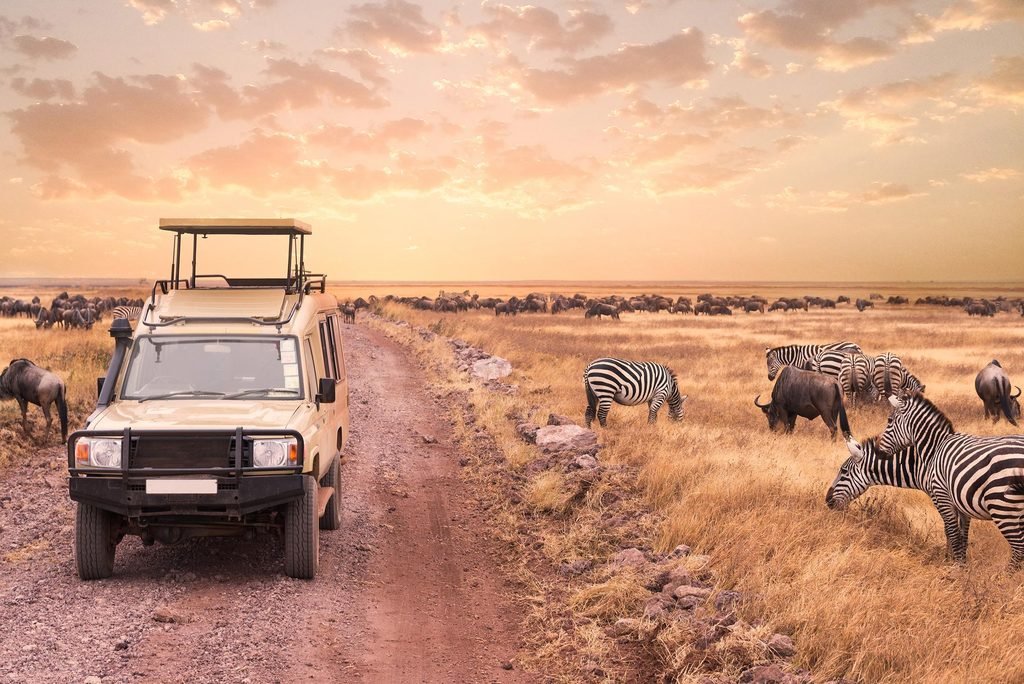
After breakfast, your safari driver-guide collects you from your hotel in Moshi for the journey toward Tarangire National Park. The drive passes through towns, villages and agricultural areas before reaching the park, where your first wildlife safari begins. After several days of walking on Kilimanjaro, exploring the landscape from a safari vehicle offers a very different experience.
Tarangire is particularly well known for its elephants and large baobab trees. During the game drive, you may encounter giraffes, zebras, wildebeest, impalas, buffaloes and other wildlife moving through the woodland and grassland habitats. Lions and other predators also live in the park, although sightings depend on animal movements and the conditions on the day.
Your guide will explore suitable wildlife areas while explaining the animals, vegetation and seasonal changes within the park. After the game drive, you continue toward your accommodation near Karatu or the Lake Manyara area, where dinner and an overnight stay are arranged.
Day 8: Karatu to Serengeti National Park – Afternoon Game Drive
Main destination: Serengeti National Park
Activity: Scenic drive and wildlife viewing
Accommodation: Safari lodge or tented camp in the Serengeti
After an early breakfast, you leave Karatu and travel toward Serengeti National Park through the Ngorongoro Conservation Area. The journey passes through highland landscapes before descending toward the wide plains of the Serengeti. Travel time depends on road conditions, stops and the location of your accommodation, so this is primarily a transfer and afternoon wildlife-viewing day.
As you enter the Serengeti, your guide begins looking for wildlife along the route. The park supports lions, elephants, giraffes, zebras, wildebeest, buffaloes and many other animals. Depending on the season, you may also encounter large groups of migrating wildebeest, although their location changes throughout the year and sightings cannot be guaranteed.
The Serengeti’s open plains provide excellent opportunities for wildlife photography, particularly when animals are active near the roads. Your guide will plan the afternoon according to available time and wildlife movements before taking you to your lodge or tented camp for dinner and an overnight stay.
Day 9: Serengeti National Park – Morning Game Drive and Transfer to Ngorongoro
Main destination: Serengeti and Ngorongoro Conservation Area
Activity: Morning game drive and afternoon transfer
Accommodation: Lodge or tented camp in the Karatu or Ngorongoro area
Your day begins with an early morning game drive in Serengeti National Park. Morning hours can be a good time to observe wildlife activity before temperatures rise. Your guide may explore open plains, riverine habitats and other suitable areas while searching for lions, cheetahs, elephants, giraffes and grazing animals.
The Serengeti is also famous for the Great Wildebeest Migration, when large herds move through different parts of the ecosystem in response to rainfall and grazing conditions. However, migration locations vary by season, and a short stay cannot guarantee seeing large herds or river crossings. Your guide will use local knowledge to make the best use of the time available.
After the morning game drive and lunch arrangements, you begin the return journey toward the Ngorongoro Conservation Area. The drive is long, but the changing landscapes provide another opportunity to appreciate northern Tanzania’s scenery. You arrive at your accommodation in the Karatu or Ngorongoro area for dinner and overnight rest.
Day 10: Ngorongoro Crater Safari – Return to Arusha or Moshi
Main destination: Ngorongoro Crater
Activity: Crater game drive
End of tour: Arusha or Moshi
After an early breakfast, you travel toward Ngorongoro Crater for the final wildlife experience of your holiday. The crater is part of the Ngorongoro Conservation Area and is known for its volcanic landscape and rich wildlife habitats. After reaching the crater rim, your guide descends to the crater floor using the designated access road.
During the game drive, you may see zebras, wildebeest, buffaloes, elephants, hippos, lions and several antelope species. The crater is also an important habitat for black rhinoceroses, although sightings are not guaranteed. Its combination of grasslands, wetlands and forested areas supports different wildlife species within a relatively compact area.
After completing the crater visit, you begin the return journey toward Arusha or Moshi. The drive marks the end of your 10-day Kilimanjaro climbing and Serengeti safari adventure. Depending on your onward travel arrangements, an additional hotel night or airport transfer may be necessary, particularly if you have an international flight.
Kilimanjaro and Safari Itinerary Summary
| Day | Destination | Main activity |
|---|---|---|
| 1 | Machame Gate – Machame Camp | Rainforest trekking |
| 2 | Machame Camp – Shira Camp | Mountain ascent |
| 3 | Shira Camp – Lava Tower – Barranco Camp | Acclimatization trek |
| 4 | Barranco Camp – Barafu Camp | Barranco Wall and high-altitude trekking |
| 5 | Barafu Camp – Uhuru Peak – Mweka Camp | Summit attempt |
| 6 | Mweka Camp – Mweka Gate – Moshi | Descent and hotel transfer |
| 7 | Tarangire National Park | Wildlife safari |
| 8 | Serengeti National Park | Afternoon game drive |
| 9 | Serengeti – Ngorongoro area | Morning game drive and transfer |
| 10 | Ngorongoro Crater – Arusha/Moshi | Crater safari and departure |
Is the 10-Day Kilimanjaro and Serengeti Safari Suitable for Beginners?
This package can be suitable for physically prepared travelers, but the mountain section is demanding and should not be underestimated. The six-day Machame Route involves steep trekking sections, significant altitude gain and a long summit day. Travelers with little hiking experience may find the schedule particularly challenging, especially because there is no overnight stop at Karanga Camp.
The safari portion is less physically demanding because most wildlife viewing takes place from a vehicle. However, the four-day safari includes long road journeys, and the first safari day begins immediately after the mountain expedition. Travelers should consider their fitness and recovery needs before choosing this schedule.
For first-time climbers who have more time available, a seven-day Machame Route combined with a four-day safari is generally a better option. Adding an extra rest day after Kilimanjaro can also make the transition from climbing to safari more comfortable.
Best Time for a Kilimanjaro Climb and Serengeti Safari in 2027–2029
January to March and June to October are commonly popular periods for climbing Kilimanjaro because they often experience relatively drier conditions. However, mountain weather can change quickly, and freezing temperatures, rain and strong winds are possible at higher elevations throughout the year.
The Serengeti offers wildlife viewing throughout the year, although the Great Wildebeest Migration moves between different areas according to rainfall and grazing conditions. Travelers interested in the migration should select their dates carefully and understand that specific events, including river crossings, cannot be guaranteed.
For a combined mountain and safari holiday, June to October is a popular period to consider. January and February can also be attractive, particularly for travelers interested in the southern Serengeti ecosystem. The most suitable dates depend on your priorities, preferred accommodation and the conditions expected during your travel period.

What Is Included in the 10-Day Kilimanjaro and Serengeti Safari Package?
The final inclusions depend on your confirmed quotation. A combined climbing and safari package commonly covers professional Kilimanjaro mountain guides, porters, a mountain cook, camping equipment, meals during the climb, required park fees, and transport between Moshi and the mountain gates.
The safari portion commonly includes a private safari vehicle with a professional driver-guide, applicable park and conservation fees, game drives, accommodation and meals according to the selected package. Transfers between the mountain, hotel and safari destinations can also be arranged as part of the itinerary.
International flights, visa fees, personal hiking equipment, travel insurance, mountain crew tips, optional activities and personal expenses are commonly excluded unless specifically included in writing. Airport transfers and hotel accommodation before or after the ten-day itinerary should also be confirmed.
How Much Does the 10-Day Kilimanjaro and Serengeti Safari Cost?
The cost depends on the number of travelers, travel dates, accommodation standard, safari vehicle arrangements and the services included in the quotation. A private trip for two travelers generally has a different per-person cost from a larger group because certain expenses, including transport and guiding, are shared.
Accommodation is another important factor. Budget camping, mid-range tented camps and luxury lodges can produce significantly different safari prices. Park fees and other government charges may also change before 2027, 2028 or 2029, so travelers should request an updated quotation rather than relying on an estimated price published several years in advance.
Eddy Tours & Safaris can prepare a personalized quotation based on your preferred travel dates, number of participants and accommodation requirements.
Preparing for Your Kilimanjaro Climb and Safari
Physical preparation should begin several months before departure. Regular hiking, hill walking, cardiovascular exercise and leg-strength training can help prepare your body for consecutive trekking days. Practicing with your hiking boots and daypack is also useful because the mountain involves varied terrain and long walking hours.
Appropriate clothing is essential because Kilimanjaro passes through different climatic zones. You will need waterproof hiking boots, thermal clothing, warm layers, an insulated jacket, gloves, a headlamp and a sleeping bag suitable for cold mountain conditions. For the safari, lightweight clothing, comfortable shoes, sunscreen, sunglasses and a camera are useful additions.
Travelers should also consult a qualified healthcare professional about high-altitude trekking before departure. Altitude illness can affect anyone, regardless of physical fitness, and the six-day Machame itinerary provides less time for acclimatization than longer alternatives. Suitable travel insurance should cover high-altitude trekking, emergency medical care and evacuation.
Frequently Asked Questions
1. Can I climb Kilimanjaro and visit Serengeti in 10 days?
Yes. This itinerary combines six days on Kilimanjaro with four days of wildlife safari, although it is a busy schedule.
2. Which Kilimanjaro route is included?
The package uses the six-day Machame Route.
3. Is the Machame Route suitable for beginners?
It can be suitable for well-prepared beginners, but the seven-day itinerary generally offers better acclimatization opportunities.
4. What is the highest point of Kilimanjaro?
Uhuru Peak stands at 5,895 metres above sea level.
5. How many nights are spent on Kilimanjaro?
The six-day Machame climb includes five mountain nights.
6. Does the package include Serengeti National Park?
Yes. The safari includes Serengeti wildlife viewing.
7. Will I see the Great Wildebeest Migration?
Migration sightings depend on the season and the location of the herds. They cannot be guaranteed.
8. Is Ngorongoro Crater included?
Yes. The final day includes a Ngorongoro Crater game drive.
9. Does the package include Tarangire?
Yes. Tarangire National Park is visited on the seventh day.
10. Can I choose luxury safari accommodation?
Yes. Luxury accommodation can be requested, subject to availability and quotation.
11. Is the safari private?
The itinerary can be arranged as a private safari with your own driver-guide and vehicle.
12. Can I book this package for 2027?
Yes. You can request a quotation for your preferred 2027 travel dates.
13. Can I book for 2028 or 2029?
Yes. Future arrangements can be discussed, with prices and availability subject to confirmation.
14. Is the Kilimanjaro summit guaranteed?
No. Summit success depends on health, acclimatization, weather and other conditions.
15. Do I need technical climbing experience?
Technical mountaineering experience is not normally required on the standard Machame Route.
16. Is there a rest day after Kilimanjaro?
No. The standard ten-day itinerary continues with the safari the following morning.
17. Can I add a rest day?
Yes. The itinerary can be extended to include additional recovery time.
18. Can I choose the seven-day Machame Route instead?
Yes, but the combined holiday would need at least one additional day.
19. What wildlife can I see in Serengeti?
Possible sightings include lions, elephants, giraffes, zebras, wildebeest, buffaloes and other wildlife.
20. Can I see black rhinos in Ngorongoro?
Black rhinos live in the Ngorongoro Crater area, but sightings are not guaranteed.
21. What is the best time for this package?
January to March and June to October are popular periods to consider, depending on your priorities.
22. Is travel insurance necessary?
Travel insurance covering high-altitude trekking, medical emergencies and evacuation is strongly recommended.
23. Where does the package start?
The mountain expedition begins in Moshi, Tanzania.
24. Where does the package end?
The tour can finish in Arusha or Moshi, depending on your arrangements.
25. How do I book the package?
Contact Eddy Tours & Safaris with your travel dates, number of travelers and preferred accommodation standard to receive a quotation.

Book Your 10-Day Kilimanjaro Climb and Serengeti Safari for 2027, 2028 or 2029
The 10-Day Kilimanjaro Climb and Serengeti Safari Package offers an opportunity to experience Tanzania’s mountain landscapes and wildlife destinations during one holiday. The journey takes you from the rainforest slopes of Kilimanjaro to the high-altitude summit environment before continuing through Tarangire, Serengeti and Ngorongoro Crater.
This itinerary is best suited to active travelers who are comfortable with a demanding climbing schedule and several days of safari travel. Those who prefer additional acclimatization or recovery time can request a longer itinerary with a seven-day Machame climb or an extra hotel night between the mountain and safari.
Eddy Tours & Safaris is a local tour company in Arusha, Tanzania, arranging guided Kilimanjaro climbing expeditions, wildlife safaris and private holidays. Our team can help you plan your 2027, 2028 or 2029 trip according to your travel dates, budget and accommodation preferences.
Contact Eddy Tours & Safaris
Website: Eddy Tours & Safaris
Email: sales@eddytours-safaris.com
WhatsApp: +255 711 906 664
Request your personalized quotation and start planning your Kilimanjaro climbing and Serengeti safari holiday in Tanzania.
1 Comment
Comments are closed.