
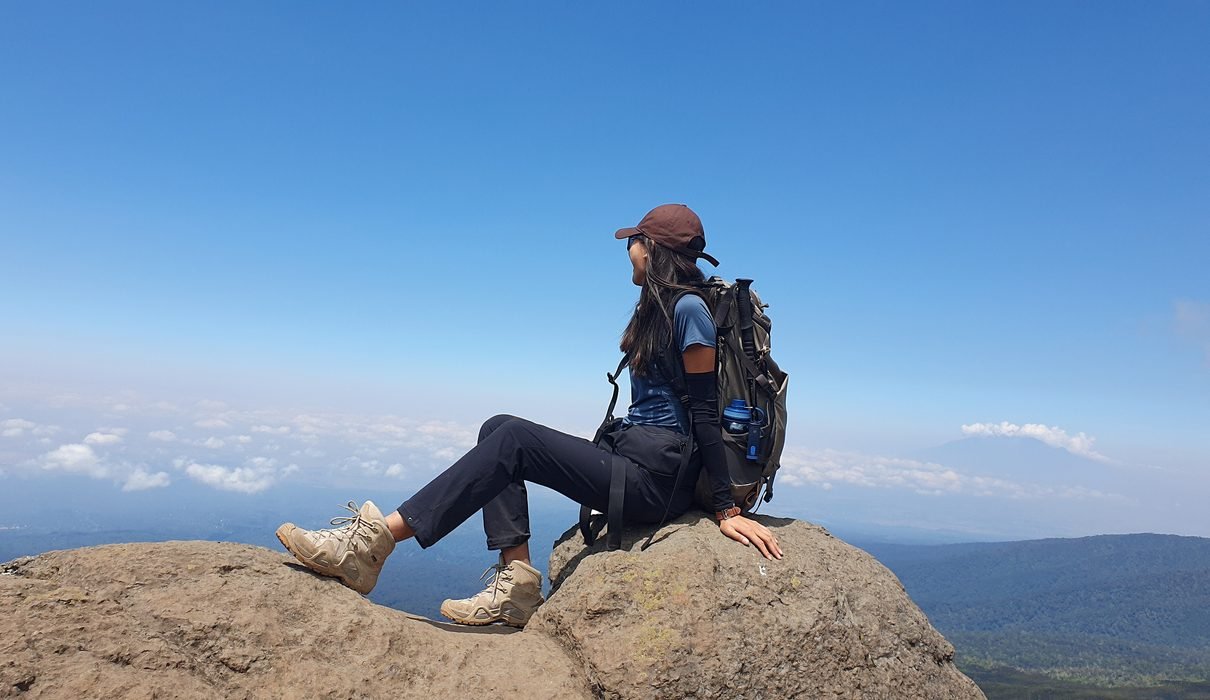
Climbing Mount Kilimanjaro is a serious undertaking, and choosing the right route can make a big difference to your experience. At 5,895 metres above sea level, Kilimanjaro is the highest mountain in Africa, attracting trekkers from around the world who want to reach Uhuru Peak. While several routes lead towards the summit, the Lemosho Route stands out for its beautiful scenery, gradual approach and good opportunities to adjust to the altitude. For travellers planning their climb in 2027, 2028 or 2029, the extended 10-day Lemosho itinerary offers more time on the mountain without the pressure of completing the journey in a shorter period.
At Eddy Tours & Safaris, we believe that climbing Kilimanjaro should be planned around the climber’s ability, health and comfort rather than simply choosing the shortest available itinerary. The 10-day Lemosho Route follows the mountain’s western approach, crosses the Shira Plateau and continues towards the southern slopes before reaching Uhuru Peak. Additional days allow for a more relaxed walking schedule, better rest and valuable acclimatization opportunities. Although no Kilimanjaro route can guarantee a successful summit or eliminate altitude sickness, spending more time ascending gradually can improve the chances of completing the climb safely.
10 Days Lemosho Route Kilimanjaro Climbing Package Overview
The 10-day Lemosho Route is designed for travellers who prefer a longer trekking schedule with additional time to become comfortable at higher elevations. The route begins on the western side of Kilimanjaro, where the landscape is covered by thick mountain forest, before opening onto the wide Shira Plateau. From there, trekkers continue through moorland and alpine desert, passing well-known landmarks such as Lava Tower, Barranco Wall and Barafu Camp before making the final climb to Uhuru Peak.
Unlike shorter Kilimanjaro itineraries that require several demanding walking days close together, this extended programme includes additional acclimatization and recovery time. The purpose is not to make the mountain effortless, because reaching nearly 6,000 metres remains physically demanding, but to give trekkers a more measured approach. Travellers can also explore other Mount Kilimanjaro climbing options when comparing routes, trip lengths and travel arrangements.
Package Details
| Package Information | Details |
|---|---|
| Tour name | 10 Days Lemosho Route Kilimanjaro Climb |
| Destination | Mount Kilimanjaro, Tanzania |
| Duration | 10 days on the mountain |
| Route | Lemosho Route |
| Starting point | Londorossi Gate / Lemosho Trailhead |
| Ending point | Mweka Gate |
| Highest elevation | Uhuru Peak – 5,895 metres |
| Accommodation | Mountain camping |
| Difficulty | Challenging high-altitude trekking |
| Recommended fitness | Good physical fitness and hiking preparation |
| Best travel period | January–March and June–October, depending on conditions |
| Available years | 2027, 2028 and 2029 |
| Tour arrangement | Private climb or arranged group departure |
| Operator | Eddy Tours & Safaris |
10 Powerful Reasons to Choose the 10-Day Lemosho Route
1. More Time to Adjust to High Altitude
One of the strongest reasons to choose a longer Kilimanjaro itinerary is the additional time available for acclimatization. As climbers move higher, the reduced oxygen pressure makes ordinary physical activity more demanding. Even people who regularly exercise or have completed difficult hikes at lower elevations can experience altitude sickness. A longer itinerary provides opportunities for slower progress, additional rest and controlled acclimatization walks.
The Lemosho Route naturally supports a gradual approach through its western starting point and crossing of the Shira Plateau. By extending the usual trekking schedule, climbers can spend more time at intermediate elevations before attempting the summit. However, acclimatization varies between individuals, and guides must remain prepared to change plans or arrange descent when necessary. Travellers interested in understanding the route can also read the Lemosho Route climbing information from Kilimanjaro Climb Specialist.
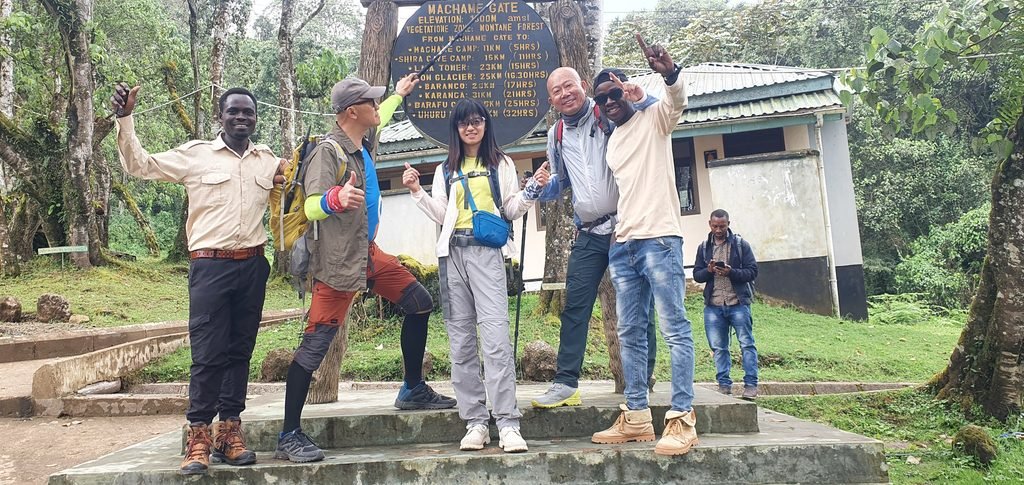
2. A Better-Paced Climb Without Unnecessary Rushing
Climbing Kilimanjaro involves several consecutive days of walking, often across uneven ground and changing weather conditions. On shorter itineraries, trekkers may have to cover substantial distances while still adjusting to the elevation. The 10-day Lemosho programme spreads the journey across more days, making it possible to include shorter walking stages and additional recovery time.
This approach is particularly useful for travellers who want to enjoy the mountain without feeling that every day is a race to reach the next campsite. There is more time to eat properly, rest, organize equipment and recover before the following day’s trek. Although summit night remains difficult regardless of the itinerary, arriving at the final high camp with a more measured climbing schedule can make the overall experience easier to manage.
3. Beautiful Scenery From Rainforest to Alpine Desert
The Lemosho Route passes through several of Kilimanjaro’s major vegetation zones, making it one of the most varied approaches to the summit. The first section follows forest trails surrounded by tall trees, moss-covered branches and dense mountain vegetation. As the route gains elevation, the forest gradually gives way to heathland, open moorland and the broad volcanic landscape of the Shira Plateau.
Higher up, the environment becomes increasingly dry and rocky, with striking views of Kibo, distant ridges and the mountain’s remaining ice formations. These changes are part of what makes the climb memorable, even before reaching the summit. Travellers who enjoy outdoor photography and mountain scenery often appreciate having additional time to observe the landscape rather than spending every available hour walking.
4. A Quieter Beginning on Kilimanjaro’s Western Side
The western approach to Kilimanjaro is generally quieter during the opening stages than some of the mountain’s more frequently used routes. The journey through the Lemosho forest and towards the Shira Plateau provides a pleasant introduction to mountain trekking, with opportunities to appreciate the surrounding environment before joining busier trails.
The route eventually connects with sections used by climbers approaching from Machame, particularly around Lava Tower and the southern circuit. Nevertheless, the earlier stages offer a different experience from routes that begin with larger numbers of trekkers. For travellers comparing the various ways to climb the mountain, Eddy Tours & Safaris can help explain the practical differences between route choices.
5. Additional Acclimatization Opportunities Around Shira and Barranco
The Shira Plateau is one of the most important sections of the Lemosho Route because it provides an opportunity to walk at higher elevations while maintaining a controlled trekking pace. The landscape is relatively open, and the route allows climbers to spend time adjusting before moving towards Lava Tower and the southern slopes of Kilimanjaro.
Lava Tower, at approximately 4,600 metres, is another important acclimatization point. Trekkers normally climb towards this elevation before descending to sleep at a lower campsite, following the well-known principle of climbing high and sleeping low. An extended itinerary also allows time around Barranco for rest and a suitable acclimatization walk, provided the guides consider the conditions appropriate. These opportunities are useful, but they do not replace careful monitoring of altitude-related symptoms.
6. More Time for Rest, Meals and Personal Comfort
Comfort on Kilimanjaro is not about luxury accommodation or avoiding difficult terrain. It is about having suitable camping equipment, warm sleeping arrangements, nutritious meals and enough time to recover between walking stages. On a longer climb, trekkers have more opportunities to rest their legs, dry clothing when conditions allow and prepare for the next day’s activities.
Mountain camping remains basic compared with hotel accommodation, and temperatures can become extremely cold at higher elevations. Nevertheless, good organization and a practical daily routine make a difference. When arranging a Kilimanjaro trekking holiday with Eddy Tours & Safaris, travellers can discuss available camping arrangements, dietary requirements, equipment needs and other matters that may affect their comfort.
7. A More Manageable Preparation for Summit Night
The final climb towards Uhuru Peak is usually the hardest part of a Kilimanjaro expedition. Trekkers often leave Barafu Camp late at night, walking for several hours in freezing conditions before reaching Stella Point and continuing towards the summit. The thin air, steep volcanic terrain and lack of sleep make this section demanding, even for experienced hikers.
A longer itinerary gives climbers more time to reach this stage without compressing the earlier trekking days. The schedule also includes a relatively short approach to Barafu Camp, allowing time for an early meal, equipment checks and rest before the summit attempt. While these arrangements cannot remove the physical challenges of summit night, they help climbers prepare in a more organized manner.
8. Suitable for Prepared First-Time High-Altitude Trekkers
Many people who climb Kilimanjaro have never attempted a mountain of similar height. Previous technical mountaineering experience is not normally required on the standard Lemosho trail, but good fitness, determination and suitable preparation are essential. The 10-day itinerary can appeal to first-time high-altitude trekkers who prefer to avoid a compressed schedule.
Before travelling, climbers should spend time walking regularly, improving cardiovascular fitness and becoming comfortable hiking for several hours while carrying a daypack. Practising on hills and uneven terrain is especially useful. Travellers can also consider a separate Mount Meru trekking experience before Kilimanjaro, although any additional acclimatization benefit depends on timing and the individual’s response to altitude.
9. Opportunities for Guides to Monitor Health and Progress
A well-organized Kilimanjaro climb depends heavily on the experience and judgment of the mountain guiding team. Guides must pay attention to walking speed, fatigue, hydration, appetite and possible symptoms of altitude sickness throughout the journey. Extra time on the mountain can provide more opportunities to assess how trekkers are responding before moving higher.
Common warning signs include persistent headaches, nausea, dizziness and unusual tiredness. More serious symptoms, including confusion, difficulty walking normally or breathlessness at rest, require urgent attention and descent. Travellers should never feel pressured to continue climbing when their health is deteriorating. The Tanzania National Parks Kilimanjaro Visitor Guide provides useful information about park rules, mountain safety and climbing requirements.
10. A Well-Rounded Kilimanjaro Experience for 2027, 2028 and 2029
For many travellers, climbing Kilimanjaro is a major personal goal that requires months of planning, saving and physical preparation. Choosing a longer itinerary allows more time to experience the mountain itself rather than concentrating only on reaching the summit. The Lemosho Route offers changing scenery, established camping areas, challenging walking sections and opportunities to understand the different environments found on Africa’s highest mountain.
The 10-day programme is particularly suitable for travellers who have sufficient holiday time and prefer a carefully paced climbing schedule. After descending, visitors can also extend their stay in Tanzania with a wildlife safari or a relaxing holiday in Zanzibar. Combining Kilimanjaro with other destinations is a practical way to make the most of a visit to northern Tanzania.
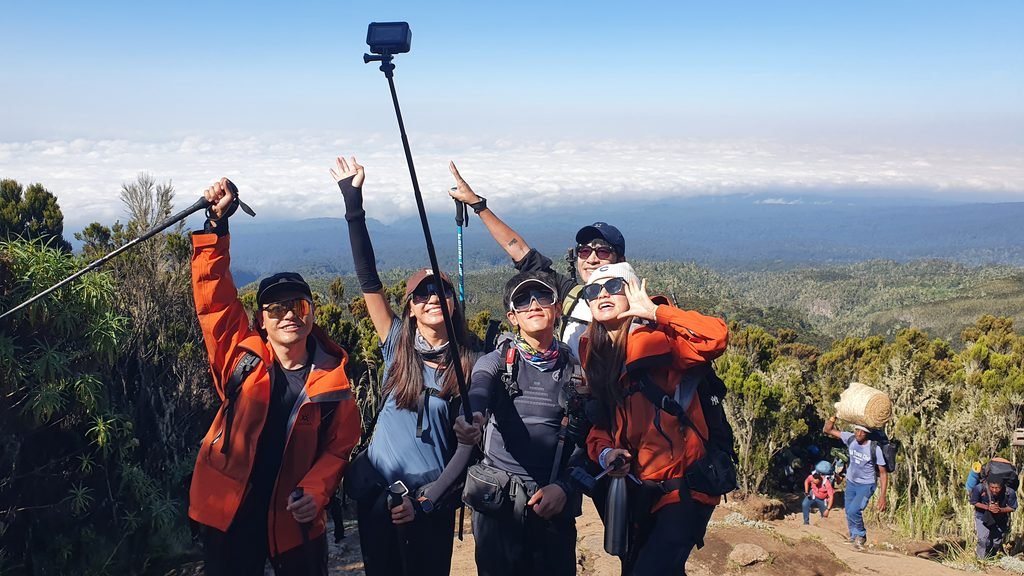
Detailed 10 Days Lemosho Route Kilimanjaro Climbing Itinerary
This itinerary is an extended Lemosho camping programme, with additional time at intermediate elevations. It follows the established western approach and southern summit trail. Exact walking times, distances and camp arrangements may change according to park requirements, trail conditions and the guide’s assessment of the group.
Day 1: Londorossi Gate to Mti Mkubwa Camp
Elevation: Approximately 2,100–2,650 metres
Hiking time: 3–4 hours
Accommodation: Mti Mkubwa Camp
Meals: Lunch and dinner
Your Kilimanjaro climbing journey begins with a transfer from your hotel in Moshi or Arusha towards Londorossi Gate, where the mountain team completes the necessary park registration and entry arrangements. After the formalities, the journey continues to the Lemosho trailhead, where the trek begins through the lower mountain forest. This first section is generally a pleasant introduction to the route, with tall trees, thick vegetation and occasional opportunities to observe monkeys and forest birds.
The walking pace is kept comfortable as the group gradually gains elevation towards Mti Mkubwa Camp, also known as Big Tree Camp. On arrival, the support team prepares the campsite while climbers have time to settle into their tents and rest. Dinner is served in the evening, followed by a briefing about the next day’s walking schedule. This first night is an opportunity to become familiar with mountain camping and begin adjusting to the trekking routine.
Day 2: Mti Mkubwa Camp to Shira One Camp
Elevation: Approximately 2,650–3,500 metres
Hiking time: 5–7 hours
Accommodation: Shira One Camp
Meals: Breakfast, lunch and dinner
After breakfast, the trail continues through the upper forest before gradually entering the heathland zone. The vegetation becomes shorter, and the views begin to open as the route climbs towards Shira Ridge. Some sections are steep, but the walking pace remains controlled, with regular breaks for drinking water, snacks and photographs. The changing landscape provides a clear indication of how quickly Kilimanjaro’s environment changes with elevation.
As the route reaches the Shira Plateau, the scenery becomes more open, with views across the volcanic terrain and towards Kibo on clear days. The group continues to Shira One Camp, where the afternoon is reserved for rest and recovery. This is an important stage because the sleeping elevation is considerably higher than the previous night. Guides will pay attention to how everyone is feeling and advise on suitable activities before dinner.
Day 3: Shira One Camp to Shira Two Camp
Elevation: Approximately 3,500–3,850 metres
Hiking time: 4–5 hours
Accommodation: Shira Two Camp
Meals: Breakfast, lunch and dinner
The third day follows a relatively gentle route across the Shira Plateau, providing an opportunity to walk at a comfortable pace while becoming more familiar with the mountain’s higher elevations. The landscape consists of open moorland, volcanic rock and wide views towards Kibo. Compared with the previous day’s ascent, this stage involves a more moderate increase in sleeping elevation, which is one of the reasons it fits well into an extended acclimatization programme.
The group reaches Shira Two Camp with time available for lunch and an afternoon rest. Depending on the weather and the condition of the climbers, the guides may arrange a short walk in the surrounding area before returning to camp. The evening is spent preparing for the following day’s route towards Moir Hut, while the mountain team checks that everyone is eating, drinking and resting adequately.
Day 4: Shira Two Camp to Moir Hut
Elevation: Approximately 3,850–4,200 metres
Hiking time: 3–5 hours
Accommodation: Moir Hut campsite
Meals: Breakfast, lunch and dinner
Leaving Shira Two Camp, the route moves towards the less frequently visited Moir Hut area near the Lent Hills. The walking day is deliberately kept moderate, allowing climbers to continue gaining elevation without covering an unnecessarily long distance. The terrain becomes increasingly rocky, and the open mountain environment offers broad views across the western slopes of Kilimanjaro.
After reaching the campsite, climbers have time to rest and discuss their progress with the guides. If conditions permit and the group is feeling well, a short acclimatization walk towards the surrounding slopes may be arranged before returning to camp. The additional night at this elevation is one of the features that distinguishes this extended itinerary from shorter Lemosho programmes, although the guides must remain attentive to any signs of altitude sickness.
Day 5: Moir Hut to Lava Tower and Barranco Camp
Elevation: Approximately 4,200 metres, ascending near 4,600 metres and descending to 3,950 metres
Hiking time: 6–8 hours
Accommodation: Barranco Camp
Meals: Breakfast, lunch and dinner
Today is an important acclimatization day as the group leaves Moir Hut and continues towards Lava Tower. The trail crosses exposed alpine terrain, where the air is noticeably thinner and the walking pace may become slower. Reaching the Lava Tower area gives climbers an opportunity to experience a higher elevation before descending to Barranco Camp for the night. This pattern of ascending higher during the day and sleeping lower is commonly used to support acclimatization.
After spending time near Lava Tower, the trail descends towards the Barranco Valley, where the landscape changes again. Giant groundsels and other high-altitude plants appear as the route approaches camp, while the steep Barranco Wall rises above the valley. The group settles into Barranco Camp for dinner and overnight rest. Because this has been a demanding day, the guides will pay particular attention to how climbers are recovering before the next stage.
Day 6: Barranco Camp – Acclimatization and Rest Day
Elevation: Approximately 3,950 metres
Activity: Rest and optional guided acclimatization walk
Accommodation: Barranco Camp
Meals: Breakfast, lunch and dinner
The sixth day is set aside for acclimatization and recovery at Barranco Camp. Rather than continuing immediately towards Karanga, the group spends another night at approximately the same sleeping elevation. This additional time allows climbers to rest after the previous day’s ascent towards Lava Tower and prepare for the remaining stages of the climb. The programme can include a carefully planned acclimatization walk, provided the guides consider it suitable for the group’s health and the weather conditions.
During the day, trekkers can organize clothing, inspect their equipment and spend time resting around camp. The guides will also explain the route ahead, including the Barranco Wall, which is climbed the following morning. Although the extra day provides useful flexibility, remaining at altitude is not appropriate for anyone developing worsening symptoms of altitude illness. Health and safety decisions always take priority over the planned itinerary.
Day 7: Barranco Camp to Karanga Camp via Barranco Wall
Elevation: Approximately 3,950–4,000 metres
Hiking time: 4–5 hours
Accommodation: Karanga Camp
Meals: Breakfast, lunch and dinner
After breakfast, the group begins the ascent of Barranco Wall, one of the best-known sections of the Lemosho Route. The wall looks particularly steep when viewed from the campsite, but the standard trail follows a series of rocky steps and ledges that experienced guides help trekkers negotiate. Some sections require the use of hands for balance, and the route can feel exposed, so careful footing and attention to the guide’s instructions are important.
After completing the wall, the trail continues across a series of ridges and valleys before reaching Karanga Camp. This is a relatively short walking day, allowing the group to arrive with enough time to rest before moving towards Barafu the following morning. The afternoon is spent relaxing, eating and preparing clothing for the colder conditions expected at higher elevations.
Day 8: Karanga Camp to Barafu Camp
Elevation: Approximately 4,000–4,670 metres
Hiking time: 3–4 hours
Accommodation: Barafu Camp
Meals: Breakfast, lunch and early dinner
The eighth day takes the group towards Barafu Camp, the final high camp before the summit attempt. The landscape is dominated by exposed volcanic rock, loose stones and wide views across Kilimanjaro’s upper slopes. The walking distance is relatively short, but the higher elevation means that even moderate movement can feel tiring. The guides maintain a slow pace and encourage regular breaks while everyone makes their way towards camp.
After reaching Barafu, the group has lunch and begins preparing for summit night. Warm clothing, headlamps, gloves, water containers and other essential items are checked carefully. Climbers are encouraged to rest before an early dinner and final briefing. Depending on the group’s condition and the weather, the summit attempt normally begins late in the evening or around midnight. The guides will make the final decision about whether each climber is fit to continue.
Day 9: Barafu Camp to Uhuru Peak and Descend to Mweka Camp
Elevation: Approximately 4,670–5,895 metres, descending to around 3,100 metres
Hiking time: Approximately 10–15 hours in total
Accommodation: Mweka Camp
Meals: Breakfast, lunch and dinner
Summit day begins in darkness, with the group following the steep trail above Barafu Camp towards Stella Point on the crater rim. The pace is slow because the elevation, cold temperatures and loose ground make the ascent physically demanding. Guides monitor climbers closely and provide regular encouragement while assessing whether it remains safe to continue. As dawn approaches, the surrounding mountain landscape gradually becomes visible, offering remarkable views across the crater and the plains below.
From Stella Point, the trail continues along the crater rim towards Uhuru Peak, the highest point in Africa at 5,895 metres. Reaching the summit is a major achievement, but the time spent there is usually limited because of the altitude and cold. After photographs, the group begins the long descent towards Barafu Camp, where there is time for a meal and short rest before continuing down to Mweka Camp. This is normally the longest and most demanding day of the expedition, and climbers should be prepared for a substantial descent after the summit attempt.
Day 10: Mweka Camp to Mweka Gate – Return to Moshi or Arusha
Elevation: Approximately 3,100–1,640 metres
Hiking time: 3–4 hours
Accommodation: Hotel after the climb, if included in the confirmed booking
Meals: Breakfast and lunch
The final morning begins with breakfast at Mweka Camp before the group continues descending through the mountain forest towards Mweka Gate. The air gradually becomes warmer and more comfortable as the elevation decreases, and the trail passes through thick vegetation similar to the forest encountered at the beginning of the expedition. The descent can be slippery in wet weather, so careful walking remains important even though the hardest climbing sections have already been completed.
At Mweka Gate, the mountain team completes the necessary exit arrangements, and eligible climbers receive their summit certificates. After saying goodbye to the guides, cooks and porters, the group is transferred back to Moshi or Arusha. Travellers can spend the remainder of the day resting at their hotel or continue with other travel arrangements. Those planning to extend their holiday can arrange a Tanzania safari with Eddy Tours & Safaris after completing the mountain climb.
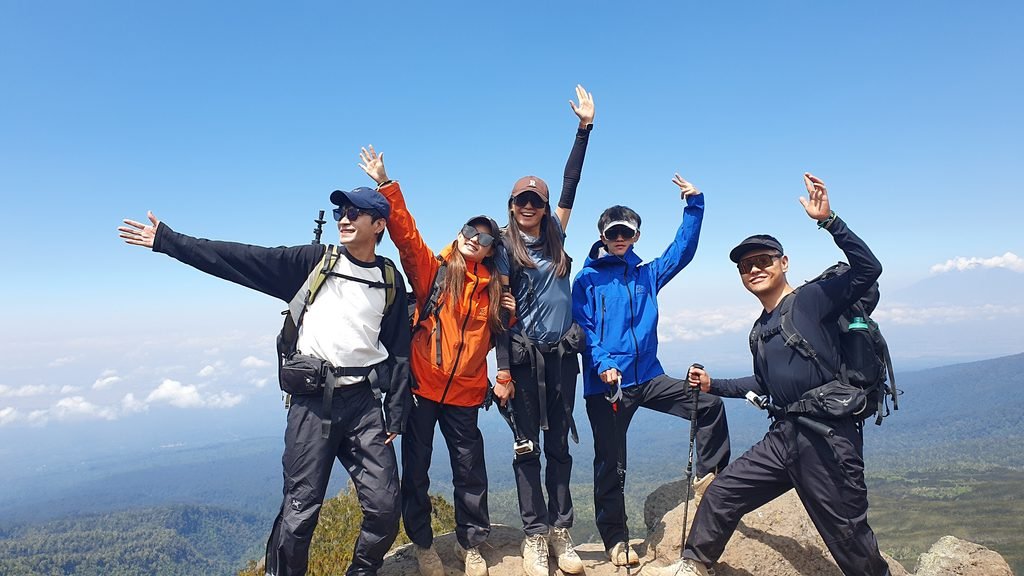
10 Days Lemosho Route Package Inclusions and Exclusions
Package Inclusions
The proposed 10-day Lemosho Route climbing package includes the following services, subject to confirmation in the final quotation:
- Kilimanjaro National Park entrance and applicable camping fees.
- Applicable mountain rescue fees charged by the park.
- Professional mountain guides and assistant guides.
- Mountain porters to carry group camping equipment and the agreed personal luggage allowance.
- Mountain cook and meal preparation throughout the trek.
- Breakfast, lunch and dinner during the mountain climbing programme.
- Treated drinking water during the climb.
- Camping accommodation in designated mountain camps.
- Sleeping tents and shared dining equipment.
- Transport from Moshi or Arusha to the Lemosho starting point.
- Return transport from Mweka Gate to Moshi or Arusha.
- Pre-climb briefing and equipment inspection.
- Routine altitude and health monitoring by the mountain guiding team.
- Emergency communication and standard mountain safety arrangements.
- Assistance with park registration and mountain logistics.
Package Exclusions
The following items are not included unless specifically mentioned in the confirmed quotation:
- International and domestic flight tickets.
- Tanzania tourist visa fees.
- Travel insurance covering high-altitude trekking and emergency evacuation.
- Hotel accommodation before and after the mountain climb.
- Airport transfers unless included in the agreed package.
- Personal trekking equipment, clothing and sleeping bags.
- Optional equipment rental.
- Personal medication and medical consultations.
- Alcoholic drinks, soft drinks and personal snacks.
- Tips for mountain guides, cooks and porters.
- Laundry services and other personal expenses.
- Additional hotel nights caused by flight changes or personal arrangements.
- Optional activities and excursions outside the climbing programme.
- Costs resulting from itinerary changes requested by the traveller, where applicable.
Best Time to Climb the 10 Days Lemosho Route in 2027, 2028 and 2029
Kilimanjaro can be climbed throughout the year, but weather conditions vary considerably between seasons. January to early March and June to October are generally among the more popular periods because they often provide better trekking conditions. The mountain can still experience rain, snow, strong winds and very cold temperatures during these months, particularly at higher elevations. Travellers should therefore prepare for changing conditions rather than assuming that the dry season guarantees clear weather.
The longer rainy season usually falls around March to May, while shorter rains can occur during November and December. Climbing during wetter periods may involve muddy forest trails, reduced visibility and additional challenges when keeping clothing and equipment dry. For travellers planning their 2027, 2028 or 2029 Kilimanjaro holiday, discussing departure dates in advance can help with choosing a suitable season and arranging accommodation, transport and other travel services.
How Difficult Is the 10 Days Lemosho Route?
The Lemosho Route is a non-technical trekking route, meaning that standard summit itineraries do not normally require ropes, ice axes or specialist rock-climbing experience. However, it should not be considered an easy walk. Climbers must be prepared for long hiking days, cold nights, steep sections, uneven trails and the effects of high altitude. The Barranco Wall requires careful movement over rocky terrain, while summit night involves several hours of uphill walking in darkness and freezing temperatures.
The additional days in this itinerary can help reduce the pressure of completing the trek quickly, but they do not remove the risks associated with high-altitude climbing. Anyone with an existing medical condition or concerns about altitude should seek advice from a qualified healthcare professional before booking. For more information about mountain conditions and climbing preparation, travellers can consult Kilimanjaro Climb Specialist alongside the official Kilimanjaro National Park information.
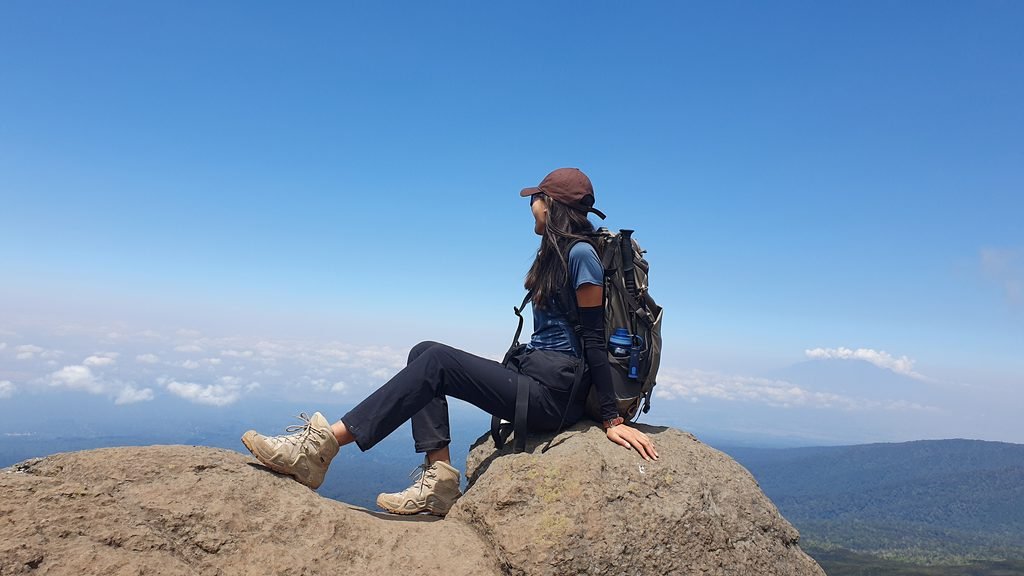
What to Pack for the 10 Days Lemosho Route Kilimanjaro Climb
Packing correctly is an important part of preparing for a successful mountain expedition. Temperatures change significantly as climbers move from the lower rainforest to the upper mountain, and suitable clothing should allow for both warm daytime walking and freezing conditions near the summit. A waterproof outer layer, insulating jacket, thermal clothing, warm gloves and properly fitted hiking boots are among the most important items.
Trekkers should also carry a comfortable daypack, headlamp with spare batteries, reusable water containers, sunglasses, sunscreen and personal medication. Trekking poles can be particularly useful during the long descent from the summit. Before departure, travellers should confirm the equipment list and porter luggage allowance with their tour operator. Eddy Tours & Safaris can assist with planning the equipment requirements for the selected Kilimanjaro itinerary.
Frequently Asked Questions About the 10 Days Lemosho Route
Is the 10-day Lemosho Route better than the 7-day or 8-day option?
A 10-day itinerary provides additional time for acclimatization, rest and a less compressed trekking schedule. This may be beneficial for climbers who prefer a gradual approach, although a longer itinerary does not automatically guarantee better health or summit success. The suitability of each programme depends on the climber’s fitness, previous altitude experience, medical condition and available travel time.
What is the summit success rate for the 10-day Lemosho Route?
There is no universally verified summit success percentage specifically for every 10-day Lemosho itinerary. Longer and well-planned climbs generally provide better acclimatization opportunities than very short itineraries, but individual outcomes vary. Travellers should be cautious about operators advertising guaranteed summit success or unsupported percentages.
Is the 10-day Lemosho Route suitable for beginners?
It can be suitable for well-prepared beginners who have good physical fitness and understand the demands of high-altitude trekking. Previous technical climbing experience is not normally necessary, but regular hiking practice, suitable equipment and realistic expectations are important. Beginners should also understand that altitude sickness can affect anyone, regardless of fitness.
Where do climbers sleep during the Lemosho Route?
Climbers stay in tents at designated mountain camps throughout the standard Lemosho Route. Camping equipment is transported and arranged by the mountain support team according to the package agreement. Unlike the Marangu Route, which uses mountain huts, the Lemosho Route is a camping-based trek.
Can the 10-day Lemosho Route be combined with a Tanzania safari?
Yes. Many travellers choose to combine their Kilimanjaro climb with a wildlife safari in northern Tanzania. Popular destinations include Serengeti National Park, Ngorongoro Crater, Tarangire National Park and Lake Manyara National Park. Travellers can discuss suitable Tanzania safari arrangements after the climb, allowing enough time for rest and recovery.
How far in advance should I book for 2027, 2028 or 2029?
Booking several months ahead is advisable, particularly for travellers planning to climb during popular holiday periods. Early planning provides more time to organize flights, insurance, physical preparation, accommodation and suitable trekking equipment. Private climbs may offer more flexibility with departure dates, subject to guide availability and park arrangements.
Book Your 10 Days Lemosho Route Kilimanjaro Climb With Eddy Tours & Safaris
If you are planning to climb Mount Kilimanjaro in 2027, 2028 or 2029 and would prefer a longer itinerary with additional acclimatization time, the 10-day Lemosho Route is worth considering. It offers a varied journey through Kilimanjaro’s mountain landscapes, a measured trekking schedule and the opportunity to approach the summit with more time for preparation and recovery. The climb remains challenging, but careful planning and responsible decisions on the mountain can make a meaningful difference to the experience.
At Eddy Tours & Safaris, we help travellers plan Kilimanjaro climbing holidays according to their preferred dates, group size, budget and trekking experience. Whether you are travelling alone, as a couple or with a group of friends, you can request a tailored quotation and discuss the arrangements before confirming your trip. We can also help combine your mountain climb with a Tanzania wildlife safari or another holiday experience.
Ready to plan your 10 Days Lemosho Route Kilimanjaro Climb?
Contact Eddy Tours & Safaris to request your 2027, 2028 or 2029 climbing quotation and discuss your preferred departure dates.