

The 11 Days Northern Circuit Kilimanjaro Grand Traverse is one of the best choices for travellers who want to climb Mount Kilimanjaro without rushing through the mountain. This longer itinerary takes you through the western rainforest, across the wide Shira Plateau, around the quiet northern slopes of Kibo and finally towards Uhuru Peak, the highest point in Africa at 5,895 metres. Unlike shorter routes that require climbers to gain altitude quickly, the Northern Circuit allows more time for the body to adjust to thinner air while giving trekkers the chance to experience different sides of the mountain.
For travellers planning a Kilimanjaro climb in 2027, 2028 or 2029, Eddy Tours & Safaris offers the Northern Circuit as a carefully planned trekking experience with local mountain guides, camping support, meals and transport arrangements. This 11-day package includes arrival and departure days, with nine days spent trekking on Mount Kilimanjaro. It is particularly suitable for people who appreciate quieter trails, enjoy long-distance hiking and prefer a more gradual approach to reaching the summit.
Although the Northern Circuit is often regarded as one of Kilimanjaro’s better routes for acclimatization, climbing to nearly 6,000 metres always carries risks. No route can guarantee summit success or prevent altitude sickness. Good preparation, experienced guides, proper equipment and a sensible walking pace remain essential throughout the journey.
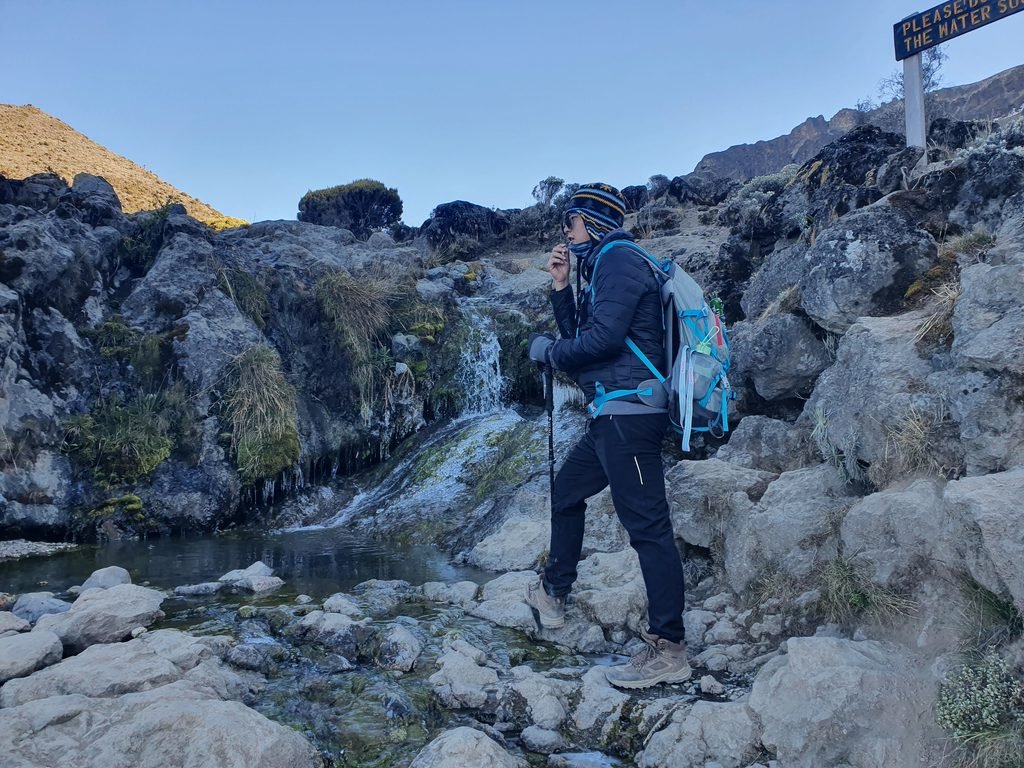
11 Days Northern Circuit Kilimanjaro Package Overview
| Package Details | Information |
|---|---|
| Destination | Mount Kilimanjaro, Tanzania |
| Route | Northern Circuit via Lemosho |
| Total duration | 11 days, including arrival and departure |
| Mountain trekking | 9 days |
| Summit | Uhuru Peak – 5,895 metres |
| Starting point | Londorossi Gate / Lemosho trailhead |
| Finishing point | Mweka Gate |
| Accommodation | Mountain camping and hotel accommodation |
| Difficulty | Moderate to challenging |
| Best climbing periods | January–March and June–October |
| Available travel years | 2027, 2028 and 2029 |
| Tour arrangements | Private climbs and group arrangements on request |
11 Powerful Reasons to Choose the Northern Circuit Kilimanjaro Route
1. More Time to Acclimatize Before Reaching the Summit
One of the biggest reasons travellers choose the Northern Circuit is the opportunity to gain altitude over several days rather than making a rapid ascent. Altitude sickness is a serious concern on Mount Kilimanjaro, especially when climbers move too quickly from lower elevations to the high alpine environment. The Northern Circuit provides a more gradual schedule, with overnight stops at different elevations and opportunities to walk higher during the day before returning to camp. This gives the body more time to respond to the reduced oxygen available at higher elevations, although it does not eliminate the possibility of altitude-related illness.
2. Some of the Quietest Trails on Mount Kilimanjaro
Many people associate Kilimanjaro with busy trekking trails, particularly along the popular Machame and Marangu routes. The Northern Circuit offers a different experience once it branches away from the main western approaches. Around the northern slopes, trekkers can spend long periods walking through open mountain landscapes with relatively few other climbing groups. This quieter setting makes it easier to enjoy the surrounding scenery, listen to your guide’s explanations and experience the mountain without the constant movement of large trekking groups. Those comparing routes can also explore the Kilimanjaro climbing information from Eddy Tours & Safaris.
3. A Wider Variety of Mountain Scenery
The Northern Circuit is especially attractive because the scenery changes considerably as the trek progresses. During the early stages, climbers walk through rainforest, where tall trees, moss-covered branches and thick vegetation create a completely different atmosphere from the exposed upper mountain. The route then crosses the Shira Plateau, where volcanic formations and distant mountain views dominate the landscape. Later, the northern slopes reveal broad valleys, rocky ridges and views towards the plains near the Tanzania–Kenya border. By the time trekkers reach the summit area, the surroundings have changed to bare volcanic rock, ice and the high-altitude landscape surrounding Kibo.
4. A Gradual Walking Schedule for Better Pacing
Climbing Kilimanjaro is not a race, and the Northern Circuit is well suited to travellers who understand the value of walking slowly. The route includes several manageable trekking days that allow climbers to settle into a steady rhythm, take regular breaks and avoid unnecessary exhaustion. This does not mean the entire trek is easy, because some days involve long distances, cold temperatures and significant elevation changes. However, the longer itinerary provides more flexibility than many shorter climbing programmes. Mountain guides can monitor how trekkers are feeling and encourage a sensible pace throughout the journey.
5. A Better Opportunity to Observe Kilimanjaro’s Different Climate Zones
Mount Kilimanjaro contains several distinct ecological zones, and the Northern Circuit gives climbers enough time to notice how the environment changes with altitude. The journey begins in the cultivated foothills and mountain rainforest before moving through heath and moorland, where giant groundsels and other high-altitude plants may be seen. Higher up, vegetation becomes increasingly sparse as the route enters the alpine desert. Near the summit, freezing temperatures and the lack of substantial vegetation create an environment very different from the forest where the trek began. For travellers interested in nature and photography, these changes are among the most rewarding parts of the climb.
6. Excellent Views of Kibo and Mawenzi Peaks
Kilimanjaro is made up of three volcanic centres: Shira, Mawenzi and Kibo. The Northern Circuit provides different views of these formations as climbers travel around the mountain. From the Shira Plateau, the broad slopes of Kibo dominate the horizon, while the northern traverse reveals the mountain from angles that many visitors never experience. As the trail approaches the eastern side, the sharp ridges of Mawenzi become increasingly prominent. These changing viewpoints make the Northern Circuit particularly suitable for photographers who want more than the usual summit photographs.
7. A Route Suitable for Well-Prepared First-Time High-Altitude Trekkers
You do not need technical mountaineering skills to climb Kilimanjaro by the standard Northern Circuit route, but you must be physically prepared for long days of hiking at altitude. The trail generally follows established trekking paths rather than requiring specialist rock-climbing techniques. This makes it an option for fit beginners who have trained properly and understand the challenges involved. Regular walking, hill training, cardiovascular exercise and experience carrying a daypack can all help with preparation. Before booking, travellers should discuss their fitness, previous trekking experience and any relevant medical concerns with their doctor and mountain operator.
8. More Time to Enjoy the Trekking Experience
A Kilimanjaro climb should be about more than reaching the summit. The Northern Circuit allows travellers to appreciate the daily routine of mountain life, including early breakfasts, conversations with local guides, scenic lunch stops and evenings spent resting at camp. The additional days also provide opportunities to learn about the mountain’s geology, vegetation and climbing history. For people travelling to Tanzania for a once-in-a-lifetime mountain holiday, spending more time on the trail can make the overall experience feel less hurried and more meaningful.
9. Opportunities for Memorable Mountain Photography
Photographers often appreciate the Northern Circuit because of its changing landscapes and relatively quiet northern section. The Shira Plateau offers wide views across the mountain, while the northern ridges provide opportunities to photograph Kibo against open skies and distant plains. Morning light can be especially attractive, although weather conditions change quickly and cloud cover may limit visibility. At higher elevations, the rocky terrain, glaciers and views towards Mawenzi provide further opportunities for photographs. Trekkers should protect camera batteries from freezing temperatures and avoid carrying unnecessarily heavy equipment.
10. A Well-Supported Camping Experience
The Northern Circuit uses designated mountain camps rather than permanent sleeping huts. With a properly organized climb, the mountain crew transports shared camping equipment, prepares meals and assists with the daily camp routine. Trekkers normally carry a daypack containing water, snacks, rain protection and other essential personal items, while porters transport the main luggage within permitted weight limits. Camping conditions remain basic because of the remote environment, but suitable tents, warm sleeping equipment and nutritious meals can make the journey considerably more comfortable. Travellers looking for additional route information can read the Northern Circuit climbing guide from Kilimanjaro Climbing Specialist.
11. A Strong Choice for Climbers Who Value Acclimatization and Scenery
The final reason to choose the Northern Circuit is the balance it offers between time, scenery and altitude adjustment. Its longer schedule is one reason it is commonly associated with favourable summit outcomes, although reliable success rates vary between operators and should not be treated as guarantees. The route combines a western approach, quiet northern traverse and summit ascent from the eastern side of Kibo, allowing trekkers to see much more of Kilimanjaro than they would on a shorter climb. For travellers who have enough time and are prepared for nine days of mountain trekking, it remains one of the most appealing ways to attempt Africa’s highest summit.
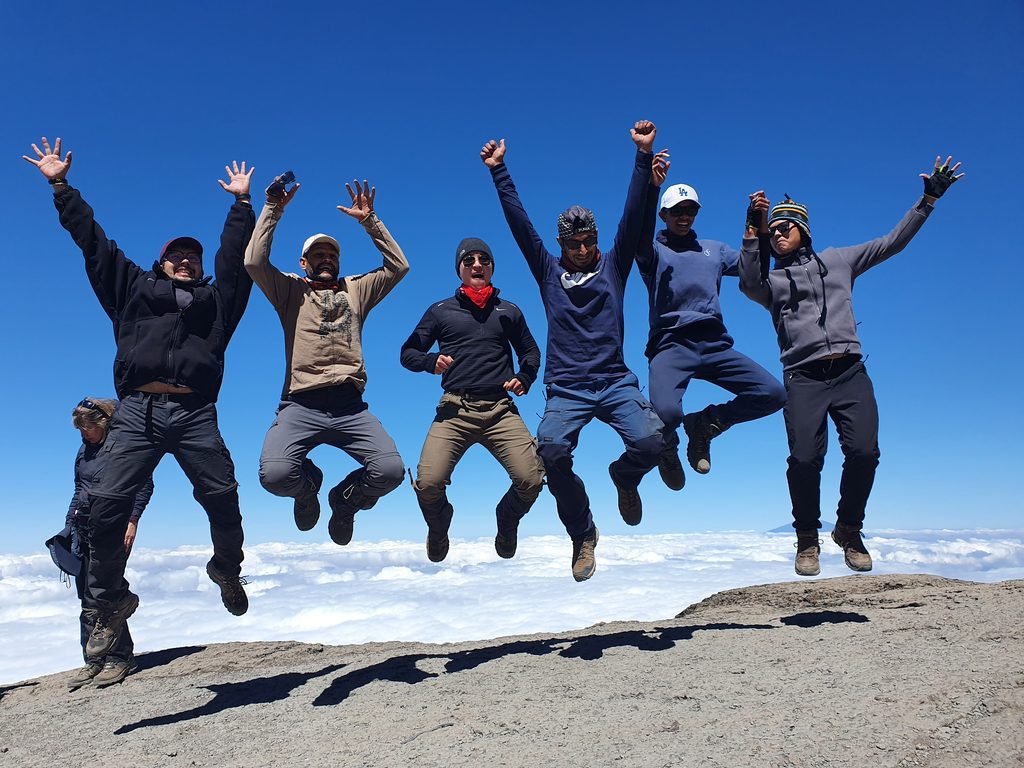
Detailed 11 Days Northern Circuit Kilimanjaro Itinerary for 2027/2028/2029
Day 1: Arrival at Kilimanjaro International Airport – Transfer to Moshi
Your Kilimanjaro adventure begins when you arrive at Kilimanjaro International Airport, where a representative from Eddy Tours & Safaris will meet you and arrange your transfer to your hotel in Moshi. Depending on your arrival time, you may have an opportunity to relax, explore the town or purchase any last-minute personal items needed for the trek. Later, your mountain guide will meet you for a briefing covering the planned route, weather conditions, equipment requirements, altitude awareness and the general schedule for the coming days. Your guide will also check your trekking gear and advise whether anything needs to be rented or replaced before departure.
The first evening is an opportunity to rest after your journey and prepare your belongings for the mountain. Moshi is a convenient starting point for Kilimanjaro climbs, and on clear days the mountain can be seen rising above the surrounding countryside. A good night’s sleep is recommended because the following morning involves a road transfer to the western side of Kilimanjaro and the beginning of the trek.
Accommodation: Hotel in Moshi
Meals: According to the confirmed hotel arrangement
Day 2: Moshi – Londorossi Gate – Mti Mkubwa Camp
After breakfast, you will travel by vehicle towards Londorossi Gate, where the climbing team completes the necessary national park registration and entry procedures. The drive passes through rural communities and agricultural areas before reaching the western side of Kilimanjaro. Depending on the road conditions and the designated starting point, you may continue by vehicle to the Lemosho trailhead before beginning your walk through the rainforest. This lower section of the mountain is known for its thick vegetation, damp forest paths and the possibility of seeing monkeys or forest birds.
The day’s walk leads towards Mti Mkubwa Camp, situated at approximately 2,650–2,800 metres, depending on the campsite reference used. Your mountain crew will prepare the camping area and evening meal while you have time to rest and become familiar with the daily trekking routine. Although the first walking day is relatively manageable, it is important to begin slowly, drink regularly and avoid using unnecessary energy.
Walking time: Approximately 3–4 hours
Accommodation: Mti Mkubwa Camp
Meals: Breakfast, lunch and dinner
Day 3: Mti Mkubwa Camp – Shira 1 Camp
Following breakfast, the trail gradually leaves the rainforest and enters the heath and moorland zone. The trees become shorter, the vegetation changes and the views begin to open across the western slopes of Kilimanjaro. This stage includes several uphill sections as you make your way towards Shira Ridge before continuing onto the Shira Plateau. On a clear day, the broad volcanic slopes of Kibo provide an impressive backdrop to the walk, while the surrounding landscape reveals the scale of the mountain.
You will continue towards Shira 1 Camp, located at approximately 3,500 metres. The increase in altitude becomes more noticeable here, and your guide will encourage a slow pace while checking how everyone is adjusting. After arriving at camp, you can rest, enjoy a warm meal and prepare for a colder evening than the previous night. The Shira Plateau is exposed to wind and changing weather, so warm clothing should be kept close at hand.
Walking time: Approximately 5–7 hours
Accommodation: Shira 1 Camp
Meals: Breakfast, lunch and dinner
Day 4: Shira 1 Camp – Shira 2 Camp
The fourth day takes you across the open Shira Plateau towards Shira 2 Camp, at approximately 3,850 metres. The walking is generally less demanding than some of the steeper sections encountered earlier, although the altitude and exposed terrain can still make the day tiring. Along the way, you will pass volcanic formations and enjoy broad views of Kibo and the surrounding plateau. Your guide may arrange a short acclimatization walk after reaching camp if conditions and the group’s health allow.
Shira 2 is an important stop because it provides another night at altitude before the route continues towards the northern side of the mountain. The afternoon is normally spent resting, eating and preparing for the next stage. Temperatures can fall below freezing overnight, and trekkers should make sure their sleeping bags, warm layers and other equipment are ready before darkness.
Walking time: Approximately 3–5 hours
Accommodation: Shira 2 Camp
Meals: Breakfast, lunch and dinner
Day 5: Shira 2 Camp – Lava Tower Area – Moir Hut Camp
Today’s trek provides an important opportunity for acclimatization as the route climbs towards the Lava Tower area, which reaches approximately 4,600 metres. The landscape becomes increasingly rocky, with little vegetation remaining at the higher elevations. The pace will be deliberately slow, allowing the guide to observe how each climber responds to the thinner air. After spending time at a higher altitude, the trail descends towards Moir Hut Camp, situated at approximately 4,200 metres, where you will spend the night.
This stage follows the principle of gaining altitude during the day before sleeping lower, which can support acclimatization. However, symptoms such as persistent headache, nausea, dizziness or unusual fatigue should always be reported to the guide rather than ignored. At Moir Hut, you will have time to rest and enjoy views across the surrounding mountain landscape before dinner. This is also where the Northern Circuit begins to feel more remote as the route prepares to move around the northern slopes of Kibo.
Walking time: Approximately 6–8 hours
Accommodation: Moir Hut Camp
Meals: Breakfast, lunch and dinner
Day 6: Moir Hut Camp – Buffalo Camp
After breakfast, the trek continues across the northern slopes of Kilimanjaro towards Buffalo Camp, at approximately 4,020 metres. The trail follows a series of ridges and valleys, with several uphill and downhill sections that require steady walking. Unlike the busier western approaches, this part of the Northern Circuit often feels much quieter, and the views towards the plains near the Tanzania–Kenya border can be particularly impressive when visibility is good.
Although the route does not gain much sleeping altitude on this day, the walking distance and repeated changes in elevation still require effort. Your guide will maintain a comfortable pace and arrange suitable rest stops along the way. After reaching Buffalo Camp, you can spend the afternoon relaxing, drinking fluids and enjoying the surrounding mountain scenery. By this stage, trekkers are usually becoming familiar with the routine of early starts, walking throughout the morning and resting after lunch.
Walking time: Approximately 5–7 hours
Accommodation: Buffalo Camp
Meals: Breakfast, lunch and dinner
Day 7: Buffalo Camp – Rongai Third Cave Camp
The seventh day follows the northern traverse towards Rongai Third Cave Camp, situated at approximately 3,800–3,900 metres. The route begins with a gradual climb across the Buffalo Ridge area before continuing through open alpine terrain. Vegetation becomes sparse, and the surrounding landscape is dominated by rock, mountain slopes and wide views across the northern side of Kilimanjaro. The walking includes several gentle descents and climbs, but the overall change in sleeping elevation is relatively small.
You will arrive at Third Cave Camp with time to rest before the following day’s ascent towards School Hut. The guide will continue checking the group’s health and discussing the importance of maintaining energy, eating properly and drinking enough water. Although the lower sleeping elevation can be helpful after previous nights higher on the mountain, it is still essential to remain alert for symptoms of altitude sickness. The evening is generally quiet, with an early dinner and preparations for the next stage.
Walking time: Approximately 5–7 hours
Accommodation: Rongai Third Cave Camp
Meals: Breakfast, lunch and dinner
Day 8: Rongai Third Cave Camp – School Hut
Today you will leave Third Cave and climb towards School Hut, situated at approximately 4,750–4,800 metres. The route crosses the Saddle, a broad high-altitude landscape between Kibo and Mawenzi. This section is particularly striking because of its open volcanic terrain and views towards the rugged ridges of Mawenzi. The walking becomes more demanding as you gain elevation, and even a steady pace may feel slower because of the reduced oxygen available at this altitude.
After reaching School Hut, the remainder of the day is devoted to resting and preparing for the summit attempt. Your guide will explain the expected departure time, check your clothing and equipment, and discuss the conditions likely to be encountered during the climb. Warm layers, gloves, a headlamp, drinking water and snacks should all be prepared before going to sleep. Depending on the agreed summit schedule, the team may begin the ascent late at night or very early the following morning.
Walking time: Approximately 4–6 hours
Accommodation: School Hut
Meals: Breakfast, lunch and dinner
Day 9: School Hut – Uhuru Peak – Mweka Camp
Summit day is the most physically demanding part of the Northern Circuit trek. The climb normally begins in darkness, with guides leading the group slowly up the steep slopes of Kibo towards the crater rim. Temperatures can be extremely cold, and strong winds may make the conditions more difficult. The route generally passes towards Gilman’s Point before continuing along the crater rim in the direction of Uhuru Peak. Every section requires patience, controlled breathing and careful attention to the guide’s instructions.
If weather, health and mountain conditions allow, you will continue to Uhuru Peak at 5,895 metres, the highest point in Africa. Reaching the summit is a major achievement, but the guide will limit the time spent at the top because of the altitude and cold. After photographs and a short rest, the group begins the long descent, eventually continuing towards Mweka Camp at approximately 3,100 metres. This is a demanding day that may involve 12–16 hours of walking, and the descent can be especially tiring on the knees. The evening is spent resting at camp after a substantial loss in altitude.
Walking time: Approximately 12–16 hours
Accommodation: Mweka Camp
Meals: Breakfast, lunch and dinner
Day 10: Mweka Camp – Mweka Gate – Return to Moshi
After breakfast, you will begin the final descent through the rainforest towards Mweka Gate. The lower mountain feels noticeably warmer and greener after the exposed summit environment, although the trail can be slippery when wet. The walk is mostly downhill, passing through dense vegetation and forest paths before reaching the national park exit. At the gate, the team completes the necessary registration procedures, and eligible climbers receive their official summit certificates.
A vehicle will then transfer you back to Moshi, where you can enjoy a shower, a proper rest and a comfortable evening at your hotel. This is also a suitable time to thank the mountain crew and complete the agreed tipping arrangements. Travellers who wish to extend their stay in Tanzania can discuss additional activities with Eddy Tours & Safaris, including a wildlife safari after the climb.
Walking time: Approximately 3–4 hours
Accommodation: Hotel in Moshi
Meals: Breakfast and lunch; dinner according to hotel arrangement
Day 11: Departure from Moshi – Kilimanjaro International Airport
The final day is reserved for breakfast, relaxation and your onward travel arrangements. Depending on your flight schedule, you may have some free time in Moshi before being transferred to Kilimanjaro International Airport. Your 11-day Northern Circuit Kilimanjaro journey comes to an end with memories of the mountain’s changing landscapes, quiet northern trails and the experience of climbing towards Africa’s highest summit.
Travellers who would like to spend more time in Tanzania can arrange a separate safari or beach holiday before returning home. The team at Eddy Tours & Safaris can help plan an extension based on your travel dates, interests and available budget.
Meals: Breakfast
Accommodation: Not included after departure unless arranged separately

11 Days Northern Circuit Kilimanjaro Package Inclusions and Exclusions
Package Inclusions
- Kilimanjaro National Park entrance fees
- Applicable mountain camping and rescue fees
- Professional English-speaking mountain guide or guides
- Mountain porters and an experienced mountain cook
- Mountain crew wages
- Transport from Kilimanjaro International Airport to the hotel
- Transport from Moshi to the Kilimanjaro starting point
- Return transport from Mweka Gate to Moshi
- Departure airport transfer
- Hotel accommodation before and after the climb
- Mountain camping accommodation in designated camps
- Breakfast, lunch and dinner during the mountain trek
- Safe drinking water during the climb
- Shared camping and cooking equipment
- Mountain safety equipment, including a first-aid kit and emergency oxygen
- Pre-climb briefing and equipment inspection
- Assistance with national park registration
- Government taxes applicable to the included services
Package Exclusions
- International and domestic flight tickets
- Tanzania tourist visa fees
- Personal travel and medical insurance, including suitable high-altitude evacuation cover
- Tips for mountain guides, porters and cooks
- Personal trekking clothing, boots and equipment
- Sleeping bags and other personal gear unless specifically included in the quotation
- Personal expenses, souvenirs and laundry services
- Alcoholic drinks and additional hotel beverages
- Extra hotel nights outside the confirmed itinerary
- Optional activities before or after the climb
- Personal medication and medical consultations
- Additional costs caused by itinerary changes outside the operator’s control, subject to the booking terms
The final inclusions and exclusions should be confirmed in your individual booking quotation, particularly hotel arrangements, rental equipment, airport transfers and optional camping facilities.

Best Time to Climb the Northern Circuit in 2027, 2028 and 2029
The Northern Circuit can be climbed at different times of the year, but weather conditions have a considerable influence on comfort, visibility and trail conditions. January to early March is often a favourable period, with generally useful trekking conditions, although rain, snow and cloud cover remain possible. June through October is another popular climbing period, when many travellers choose to visit Kilimanjaro because of the relatively drier conditions. These months can provide clear views, but temperatures at higher elevations remain cold throughout the year.
April and May are generally associated with heavier rainfall, while November often brings shorter seasonal rains. The Northern Circuit’s northern section can sometimes experience different weather conditions from the southern slopes, but it should not be considered a completely dry route. Travellers planning their climb for 2027, 2028 or 2029 should book with enough flexibility to prepare properly and should understand that mountain weather cannot be predicted precisely months or years in advance.
How Difficult Is the 11 Days Northern Circuit Kilimanjaro Climb?
The Northern Circuit is a non-technical trekking route, but its length and altitude make it a serious physical challenge. Trekkers should be comfortable walking for several hours on consecutive days while carrying a personal daypack. The trail includes forest paths, rocky slopes, exposed alpine terrain and a demanding summit ascent. Cold weather, poor sleep, reduced appetite and altitude-related fatigue can make walking more difficult than expected, even for people who are physically fit.
Preparation should begin several months before departure whenever possible. Regular hiking, stair climbing, cycling and other cardiovascular activities can help improve endurance, while longer weekend walks provide an opportunity to test boots, clothing and equipment. Travellers should also prepare mentally for the slow pace of high-altitude trekking and the possibility that their guide may recommend descending if health conditions make continuing unsafe.
For further information about mountain regulations and visitor safety, travellers can consult the official Tanzania National Parks Kilimanjaro visitor guide, which explains park access, camping arrangements and important safety requirements.
Northern Circuit Compared with Other Kilimanjaro Routes
| Route | Typical Mountain Days | Main Characteristic |
|---|---|---|
| Northern Circuit | 8–10 | Long traverse, quieter northern slopes and gradual acclimatization |
| Lemosho | 7–8 | Scenic western approach and good acclimatization opportunities |
| Machame | 6–7 | Popular, varied scenery and several demanding sections |
| Marangu | 5–6 | Hut accommodation and a more direct ascent |
| Rongai | 6–7 | Northern approach with generally quieter early stages |
| Umbwe | 5–7 | Steep approach suited to experienced, well-prepared trekkers |
The Northern Circuit generally requires more time and a larger budget than shorter Kilimanjaro routes because of the additional park days, camping arrangements, meals and mountain crew support. However, the longer itinerary is particularly attractive to travellers who place greater importance on acclimatization and enjoying the journey rather than completing the mountain in the shortest possible time. Those researching alternative climbs can also explore the route descriptions available through Kilimanjaro Climbing Specialist.

Frequently Asked Questions About the 11 Days Northern Circuit Kilimanjaro Trek
Is the Northern Circuit the safest route on Kilimanjaro?
The Northern Circuit is often recommended for its longer acclimatization schedule, which can reduce some of the risks associated with ascending too quickly. However, it is not possible to declare any route completely safe or guarantee that climbers will avoid altitude sickness. Safety also depends on the climber’s health, weather conditions, guide experience, equipment and willingness to descend when necessary.
What is the summit success rate of the Northern Circuit?
The Northern Circuit is commonly associated with high summit success rates because it provides more time for altitude adjustment than shorter routes. However, published percentages vary, and there is no single independently verified success rate that applies to every operator, season or itinerary. Travellers should ask their chosen operator about its own recorded results and safety procedures rather than relying on a general percentage.
Do I need previous mountain climbing experience?
Previous technical climbing experience is not required for the standard Northern Circuit trek, but good physical preparation is important. People who have completed long hikes or multi-day treks may find it easier to adapt to the daily walking routine. First-time high-altitude trekkers should train in advance and seek appropriate medical advice before travelling.
Is the 11-day package suitable for private groups?
Yes, the itinerary can be arranged for couples, families, friends and private trekking groups, subject to availability and individual fitness requirements. Private arrangements allow travellers to climb with their own group and mountain crew, while group departures may provide opportunities to share certain costs. The final programme should be agreed before booking.
Can I combine the Northern Circuit climb with a Tanzania safari?
Yes. Many visitors combine Kilimanjaro with a wildlife safari after the trek, allowing time to explore northern Tanzania before returning home. Popular safari destinations include Tarangire National Park, the Serengeti and Ngorongoro Crater. Eddy Tours & Safaris can help arrange a separate safari extension according to your available time and travel budget.
Book Your 11 Days Northern Circuit Kilimanjaro Grand Traverse for 2027/2028/2029
If you are planning to climb Mount Kilimanjaro in 2027, 2028 or 2029 and would prefer a longer route with quieter trails, varied scenery and more time for acclimatization, the Northern Circuit is worth considering. Its western approach, northern traverse and summit ascent provide a broad experience of the mountain, while the additional trekking days allow for a more measured walking schedule.
At Eddy Tours & Safaris, we can help you plan your Northern Circuit climb, discuss the itinerary, arrange mountain support and provide a quotation based on your preferred dates and group size. Whether you are travelling alone, with friends or as part of a private group, the aim is to prepare a practical trekking programme that matches your experience and expectations.
CONTACT EDDY TOURS & SAFARIS – REQUEST YOUR 11 DAYS NORTHERN CIRCUIT KILIMANJARO QUOTE