

Tanzania is one of the most remarkable safari destinations in Africa. Its national parks and conservation areas protect enormous grasslands, volcanic landscapes, ancient forests, seasonal rivers, and some of the continent’s most recognizable wild animals.
For many travelers, a Tanzania safari begins with the dream of seeing lions in Serengeti National Park, elephants beneath the baobab trees of Tarangire, or wildebeest crossing a river during the Great Migration. However, there are many interesting facts about Tanzania safaris that visitors do not discover until they begin planning their journey.
Did you know that the Great Wildebeest Migration takes place throughout the year rather than during a single month? Or that Ngorongoro Crater is an enormous volcanic caldera where thousands of wild animals live? Tanzania is also home to unusual tree-climbing lions, important archaeological discoveries, and several different wildlife ecosystems that offer completely different safari experiences.
Understanding these facts can help you plan a better safari in 2027. You will know which national parks to visit, when to travel, how long to stay, and what to expect from the country’s wildlife.
In this guide, we explore 10 interesting facts about Tanzania safaris, along with practical advice about the best destinations, travel seasons, accommodation, and planning a successful wildlife holiday.
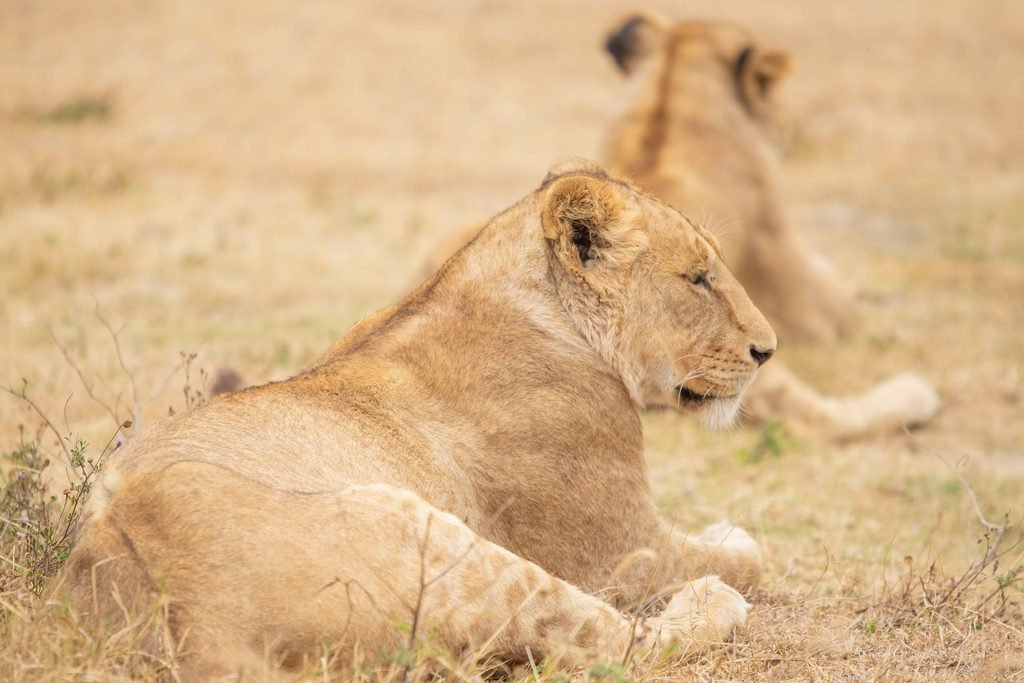
1. Tanzania Is Home to One of the World’s Greatest Wildlife Migrations
The Great Wildebeest Migration is one of the most extraordinary natural events associated with Tanzania.
Every year, vast herds of wildebeest move through the Serengeti-Mara ecosystem in search of fresh grazing and water. Hundreds of thousands of zebras and gazelles also occupy the wider migration landscape.
What makes this movement especially interesting is that it does not follow a fixed calendar.
Rainfall determines where fresh grass grows, and the animals respond by moving toward suitable feeding areas.
The Migration Happens Throughout the Year
Many travelers believe the migration occurs only between July and September because this is when the famous Mara River crossings often attract international attention.
In reality, migration movements continue throughout the year.
During January and February, large numbers of wildebeest commonly gather around the Southern Serengeti and Ndutu plains for the calving season.
As the seasons change, herds generally move through central and western areas before reaching northern parts of the ecosystem.
Later in the year, many begin moving south again as seasonal rainfall changes the grazing conditions.
Why Are River Crossings So Famous?
During the usual northern migration period, some herds attempt to cross the Mara River.
These crossings can involve strong currents, steep riverbanks, and crocodiles.
However, a crossing cannot be predicted with certainty.
Travelers who want to see one should allow several days in Northern Serengeti rather than expecting it to happen during a single game drive.
What This Means for Your 2027 Safari
If you are planning a migration-focused safari in 2027, choose your destination according to the expected seasonal movement.
January and February are generally suitable for the Southern Serengeti calving season, while July through October is commonly associated with Northern Serengeti migration activity.
The exact location of the herds in 2027 will depend on rainfall, so no responsible operator can guarantee a specific crossing or herd location.
2. Serengeti National Park Is a UNESCO World Heritage Site
Serengeti National Park is not simply one of Tanzania’s most famous wildlife destinations. It is also internationally recognized for its exceptional natural importance.
The park was inscribed on the UNESCO World Heritage List in 1981.
Covering approximately 14,763 square kilometers, Serengeti National Park protects an enormous area of savannah, woodland, rivers, and rocky outcrops.
The name Serengeti is commonly associated with the Maasai expression for endless plains, reflecting the vast open landscapes found across much of the ecosystem.
Why Is Serengeti So Important?
The Serengeti supports large populations of grazing animals and predators.
Its habitats provide important feeding, breeding, and movement areas for wildebeest, zebras, gazelles, lions, leopards, cheetahs, elephants, and many other species.
The park also forms part of a much larger ecosystem extending into surrounding protected areas and Kenya’s Maasai Mara.
This connection is important because migratory animals need access to different grazing areas throughout the year.
The Serengeti Is More Than Open Grassland
Although the park is famous for its grasslands, it contains several different habitats.
The central region includes rivers and rocky outcrops, while western areas contain woodland and river systems.
Northern Serengeti has rolling landscapes and the Mara River, and the southern plains provide important seasonal grazing areas.
These differences explain why wildlife viewing changes between regions.
For first-time visitors, Central Serengeti is often a practical destination because it supports resident wildlife throughout the year.
Travelers interested in the Great Migration may need to visit other regions depending on the season.
3. Ngorongoro Crater Is the World’s Largest Unbroken Volcanic Caldera
Ngorongoro Crater is one of Tanzania’s most extraordinary natural landmarks.
It formed after a large volcano collapsed, leaving behind an enormous caldera surrounded by steep highland walls.
The crater is approximately 19 kilometers across in places, and its floor covers roughly 260 square kilometers.
Today, it contains grasslands, wetlands, woodland, and permanent water sources that support many wild animals.
Why Is Ngorongoro Different from Serengeti?
Serengeti is a vast ecosystem where wildlife can move across enormous distances.
Ngorongoro Crater offers a more concentrated wildlife-viewing environment within a distinctive volcanic landscape.
During a crater game drive, visitors may encounter buffaloes, zebras, wildebeest, hippos, lions, elephants, and numerous bird species.
Black rhinos also live in the crater, making Ngorongoro an important destination for travelers interested in this threatened species.
However, rhino sightings are never guaranteed.
Do Animals Live Inside the Crater All Year?
Many animals remain within the crater throughout the year because water and suitable habitats are available.
Other animals move between the crater and surrounding areas.
The crater is not a completely isolated or enclosed wildlife population.
Ngorongoro Also Has Important Human History
The wider Ngorongoro Conservation Area includes Olduvai Gorge and Laetoli, which are internationally important archaeological and paleoanthropological sites.
Discoveries in these areas have contributed significantly to scientific understanding of human evolution.
This combination of natural and cultural importance makes Ngorongoro especially interesting for travelers who want to learn about Tanzania beyond wildlife viewing.
4. Tanzania Offers Opportunities to See Africa’s Big Five
The Big Five are among the most famous animals associated with African safaris.
They include the lion, leopard, African elephant, African buffalo, and rhinoceros.
The term originally came from historical big-game hunting terminology, referring to animals considered particularly difficult and dangerous to hunt on foot.
Today, it is widely used in wildlife tourism.
Where Can You See the Big Five in Tanzania?
Lions are commonly associated with Serengeti National Park and Ngorongoro Crater.
Leopards inhabit several protected areas, including Serengeti, although their solitary behavior and preference for cover can make them difficult to locate.
Elephants are particularly prominent in Tarangire National Park and are also found in Serengeti and other wildlife areas.
African buffaloes occur in many of Tanzania’s major national parks.
Black rhinos are much rarer and are protected in selected conservation areas, including Ngorongoro.
Can You See All Five in One Safari?
It is possible, but never guaranteed.
A safari combining Serengeti and Ngorongoro may provide opportunities to see all five species.
However, wildlife sightings depend on animal movements, habitat conditions, weather, and the amount of time spent searching.
A responsible guide will help you appreciate the animals you encounter rather than promise a particular checklist.
5. Tarangire National Park Is Famous for Elephants and Ancient Baobab Trees
Tarangire National Park is one of northern Tanzania’s most rewarding wildlife destinations.
Located southwest of Arusha, the park is known for its elephant herds, baobab trees, seasonal river systems, and varied birdlife.
The Tarangire River plays an important role in the ecosystem, particularly during the dry season.
As water becomes less available across surrounding landscapes, many animals move toward the river and other remaining water sources.
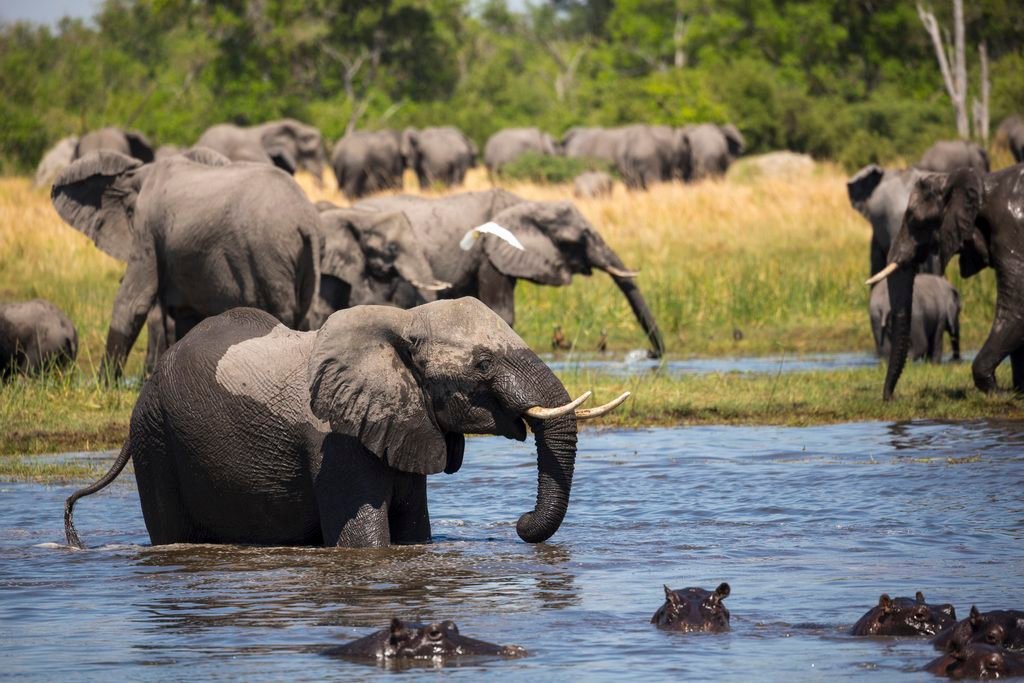
Why Are Elephants So Common in Tarangire?
Tarangire is an important habitat for African elephants.
During the dry season, visitors may encounter family groups feeding, drinking, bathing, or moving through the woodland.
Watching elephants interact can be one of the most rewarding parts of a safari.
Young elephants often remain close to adult family members, while larger groups may gather in areas with suitable food and water.
What Makes Tarangire’s Baobabs Special?
Baobabs are among Africa’s most recognizable trees.
Their thick trunks and distinctive branches make them easy to identify.
Some baobabs can live for many centuries, and their trunks can store substantial amounts of water.
These trees provide habitat and resources for different animals.
Elephants sometimes strip baobab bark, while birds and other species use cavities in the trees.
When Should You Visit Tarangire?
June through October is generally a popular period for wildlife viewing because animals often concentrate near permanent water sources.
However, the park can also be attractive during the wetter months, when vegetation becomes greener and birdwatching opportunities can be excellent.
Tarangire is a practical addition to a safari that also includes Ngorongoro and Serengeti.
6. Some Lions in Tanzania Climb Trees
Lions are generally associated with resting on the ground, but in certain African wildlife areas, they are sometimes observed climbing trees.
Lake Manyara National Park is particularly famous for this behavior.
Visitors may occasionally see lions resting on large branches above the ground.
Why Do Lions Climb Trees?
There is no single confirmed explanation for every instance of tree-climbing behavior.
Possible advantages include avoiding insects, finding a cooler resting position, or gaining a different view of the surroundings.
Individual behavior, tree structure, and local conditions may also influence climbing.
Not all lions climb trees regularly, and even in Lake Manyara, sightings are unpredictable.
What Else Can You See in Lake Manyara?
Lake Manyara National Park contains a variety of habitats within a relatively compact area.
These include groundwater forest, woodland, open floodplains, wetlands, and an alkaline lake.
Visitors may encounter elephants, buffaloes, giraffes, zebras, baboons, blue monkeys, and numerous bird species.
Flamingos can also occur around the lake when environmental conditions are suitable.
Lake Manyara is particularly attractive to travelers who enjoy varied scenery and birdwatching.
7. Tanzania Safaris Can Be Enjoyed Throughout the Year
Another interesting fact about Tanzania is that wildlife safaris are not restricted to a single travel season.
Different months provide different experiences.
The dry season is popular because vegetation is often shorter and animals may gather around remaining water sources.
The wetter months can offer beautiful green landscapes, migratory birds, and seasonal wildlife behavior.
Dry Season: June to October
In much of northern Tanzania, these months generally bring drier conditions.
Tarangire can be particularly rewarding because of the concentration of animals around the river.
Northern Serengeti is also popular during the usual Mara River migration period.
However, this is often a busy time for tourism, and accommodation demand may be high.
Short Rains: November and December
The short rains commonly occur toward the end of the year.
Vegetation becomes greener, and some migratory animals begin moving toward southern grazing areas.
Rainfall patterns vary, so conditions are not identical every year.
January and February
These months are especially interesting for travelers visiting the Southern Serengeti and Ndutu region.
The wildebeest calving season commonly occurs during this period.
January and February are often relatively drier than the main long-rain months in northern Tanzania.
Long Rains: March to May
The long rains can bring heavy showers, green landscapes, and difficult road conditions.
Some seasonal camps close during this period.
However, wildlife remains present, and travelers who are comfortable with flexible itineraries may enjoy quieter destinations.
Best Tanzania Safari Months for 2027
| Travel months | Main attraction | Suggested destination |
|---|---|---|
| January–February | Wildebeest calving | Ndutu and Southern Serengeti |
| March–May | Green landscapes and birdlife | Accessible northern parks |
| June–July | Dry-season wildlife and migration movements | Tarangire, Central and Western Serengeti |
| August–September | Potential Mara River crossings | Northern Serengeti |
| October | Dry-season wildlife viewing | Tarangire and Serengeti |
| November–December | Green scenery and seasonal migration | Central and Southern Serengeti |
These are typical seasonal patterns, not confirmed forecasts for 2027.
8. Tanzania Has Safari Destinations Beyond the Famous Northern Circuit
Many first-time visitors concentrate on Serengeti, Ngorongoro, Tarangire, and Lake Manyara.
These destinations are excellent, but Tanzania has other important wildlife areas that offer different experiences.
Nyerere National Park
Nyerere National Park is one of Tanzania’s major southern wildlife destinations.
Its landscapes include woodland, grassland, rivers, and wetlands.
The Rufiji River system is particularly important for wildlife and supports hippos, crocodiles, birds, and other animals.
Depending on the location and authorized activities, visitors may combine game drives with boat excursions or guided walking safaris.
Ruaha National Park
Ruaha is known for its rugged scenery, baobab woodland, river systems, and predators.
It supports elephants, buffaloes, giraffes, antelopes, lions, leopards, and numerous bird species.
The park can be particularly rewarding for travelers who enjoy remote landscapes and extended wildlife viewing.
Katavi National Park
Katavi is located in western Tanzania and is known for its seasonal floodplains, large mammals, and relatively remote setting.
It is less commonly included in standard northern Tanzania itineraries because reaching the park requires additional travel arrangements.
Mahale Mountains National Park
Mahale Mountains National Park lies beside Lake Tanganyika.
Unlike the open savannah destinations of northern Tanzania, Mahale is known for its forested mountains and chimpanzee populations.
Visitors come here primarily for guided chimpanzee trekking rather than traditional vehicle-based game drives.
Why Consider Southern or Western Tanzania?
These regions may appeal to repeat visitors who want to explore different ecosystems.
However, they often require additional travel time, domestic flights, or specialized arrangements.
For a first safari, the northern circuit remains a practical starting point.
9. Tanzania Is One of Africa’s Most Rewarding Birdwatching Destinations
Tanzania is famous for lions and elephants, but its birdlife is equally impressive.
The country supports more than 1,000 recorded bird species across forests, grasslands, wetlands, mountains, and coastal environments.
Different habitats attract different birds, making it possible to enjoy birdwatching throughout a safari.
Birds You May See on Safari
Commonly sought-after species include African fish eagles, secretary birds, ostriches, hornbills, bee-eaters, rollers, storks, and various vultures.
Wetland areas may support flamingos, pelicans, herons, and other waterbirds.
The exact species encountered depend on the location and season.
Where Is Birdwatching Best?
Tarangire is especially well known for its bird diversity.
Lake Manyara offers wetland and forest birdwatching opportunities.
Serengeti supports grassland birds, raptors, and many migratory species.
Arusha National Park provides a different experience, with forest habitats and lakes around the slopes of Mount Meru.
Why Is the Wet Season Interesting for Birds?
Seasonal rainfall influences vegetation, insects, and breeding conditions.
Migratory birds from other regions may also be present during parts of the wetter season.
For travelers interested in bird photography, carrying binoculars and a suitable camera lens can greatly improve the experience.
A guide with strong bird identification knowledge can also help locate and explain less familiar species.
10. A Tanzania Safari Can Be Combined with Kilimanjaro, Culture, and Zanzibar
One of Tanzania’s greatest advantages is the opportunity to combine wildlife viewing with other travel experiences.
You do not need to spend your entire holiday inside a national park.
Depending on your interests and available time, a safari can be combined with mountain climbing, cultural activities, day trips, or a beach holiday.
Climb Mount Kilimanjaro
Mount Kilimanjaro is Africa’s highest mountain, reaching approximately 5,895 meters above sea level.
The mountain is located in northern Tanzania and attracts trekkers from around the world.
Popular climbing routes include Machame, Marangu, Lemosho, Rongai, and the Northern Circuit.
A Kilimanjaro climb requires appropriate physical preparation, acclimatization, equipment, and a licensed mountain operator.
Travelers who want to combine climbing and wildlife viewing should allow sufficient time for both activities.
Experience Tanzania’s Local Cultures
Tanzania is home to many communities with different languages, histories, and cultural traditions.
Visitors may arrange responsibly organized cultural experiences around Arusha, Lake Eyasi, or the Kilimanjaro region.
These can include learning about local food, crafts, agriculture, and community history.
Visits should be organized with community consent and fair compensation.
Relax on Zanzibar’s Beaches
Zanzibar is a popular destination for travelers who want to relax after several days of game drives.
The islands offer beaches, historic Stone Town, coastal culture, and marine activities.
A safari followed by Zanzibar can be particularly attractive for honeymooners, couples, and families.
Enjoy Day Trips Around Moshi and Arusha
Travelers with additional time can consider excursions to Materuni Waterfalls, local coffee-growing communities, or other suitable attractions.
The best combination depends on your interests, travel dates, and budget.
How Many Days Do You Need for a Tanzania Safari in 2027?
The ideal safari duration depends on the destinations you want to visit.
A short itinerary can provide excellent wildlife viewing, but longer safaris allow more time in the national parks.
| Safari duration | Suitable experience |
|---|---|
| 2–3 days | Short Tarangire and Ngorongoro safari |
| 4–5 days | Introduction to the northern circuit, potentially including Serengeti |
| 6–7 days | Serengeti, Ngorongoro, and Tarangire |
| 8–10 days | More time in Serengeti and additional destinations |
| 11–14 days | Extended safari or safari combined with Zanzibar |
Travel distances should be considered carefully.
Serengeti is a large national park, and transfers between different regions can take several hours.
A well-designed itinerary should prioritize time for wildlife viewing rather than including too many destinations in too few days.
Sample Seven-Day Tanzania Safari Itinerary for 2027
This example combines three of Tanzania’s most popular wildlife destinations.
| Day | Destination | Main activity |
|---|---|---|
| Day 1 | Arusha | Arrival and overnight accommodation |
| Day 2 | Tarangire National Park | Elephant viewing and game drive |
| Day 3 | Ngorongoro Crater | Crater game drive |
| Day 4 | Central Serengeti | Travel and afternoon wildlife viewing |
| Day 5 | Serengeti National Park | Full-day game drive |
| Day 6 | Serengeti National Park | Additional wildlife viewing and photography |
| Day 7 | Arusha | Return transfer or arranged flight |
This is an illustrative itinerary rather than a confirmed tour package.
For a migration-focused safari, the itinerary should be adjusted according to the expected seasonal herd movements.
Travelers visiting in January or February may benefit from including Ndutu, while those traveling during the usual northern migration period may prefer additional nights in Northern Serengeti.
What Does a Tanzania Safari Cost in 2027?
Safari costs vary depending on the number of travelers, accommodation category, travel season, duration, transport arrangements, and national park fees.
A budget camping safari will generally have a different price structure from a private luxury lodge safari.
The total price may include accommodation, meals, safari vehicle, professional guide, fuel, and park fees.
However, not every operator includes the same services.
Important Costs to Check
Before booking, confirm whether your quotation includes national park entry fees, Ngorongoro Crater-related charges where applicable, accommodation, meals, airport transfers, drinking water, and domestic flights.
Optional activities such as hot-air balloon safaris may be charged separately.
Travel insurance, visas, gratuities, and personal expenses are often excluded.
Because government fees and accommodation rates may change, published prices from earlier years should not be treated as guaranteed rates for 2027.
Ask for a written quotation that clearly identifies the total cost and payment terms.
What Should You Pack for a Tanzania Safari?
Packing appropriate clothing and equipment makes long game drives more comfortable.
Recommended items include:
- Lightweight clothing in neutral colors.
- Warm jacket or fleece for early mornings.
- Comfortable walking shoes.
- Sun hat and sunglasses.
- Sunscreen and insect repellent.
- Binoculars.
- Camera or smartphone.
- Spare batteries and charging equipment.
- Refillable water bottle.
- Small daypack.
- Personal medication.
- Travel documents and insurance details.
- Lightweight rain jacket when appropriate.
If you are traveling by domestic aircraft, check the airline’s baggage limits before packing.
Important Safety Tips for Tanzania Safari Travelers
Tanzania’s wildlife parks are natural environments where animals move freely.
Always follow the instructions of your professional safari guide.
Remain inside the vehicle unless stopping or leaving it is permitted.
Do not feed wildlife or attempt to approach animals for photographs.
Avoid disturbing animals with loud noises or sudden movements.
At unfenced camps, follow staff instructions when moving between accommodation and communal areas, particularly after dark.
Travelers should also consult a qualified healthcare professional about recommended vaccinations, malaria prevention, and other health precautions before departure.
Comprehensive travel insurance, including appropriate emergency medical coverage, is strongly recommended.
Frequently Asked Questions About Tanzania Safaris in 2027
Is Tanzania a good safari destination in 2027?
Yes. Tanzania offers excellent wildlife viewing, famous national parks, the Great Wildebeest Migration, and a wide range of safari itineraries.
What is Tanzania most famous for on safari?
Tanzania is especially famous for Serengeti National Park, the Great Wildebeest Migration, Ngorongoro Crater, and its large populations of wild animals.
What is the best month for a Tanzania safari in 2027?
The best month depends on your interests. January and February are popular for the wildebeest calving season, while July through October is often preferred for dry-season wildlife viewing and Northern Serengeti migration activity.
Can I see the Big Five in Tanzania?
Yes. Tanzania supports lions, leopards, elephants, buffaloes, and black rhinos, although seeing all five on one safari is not guaranteed.
How many days are enough for a first Tanzania safari?
Approximately five to seven days is a practical starting point for many first-time visitors exploring the northern safari circuit.
Is Serengeti better than Ngorongoro?
Both destinations offer excellent wildlife viewing. Serengeti is much larger and particularly important for seasonal migration movements, while Ngorongoro offers wildlife viewing within a remarkable volcanic caldera.
Can I visit Tanzania during the rainy season?
Yes. Wildlife viewing is possible during the rainy season, although heavy rain can affect some roads and accommodation arrangements.
Is Tanzania suitable for family safaris?
Yes. Private safaris can be arranged with suitable accommodation, comfortable travel schedules, and activities appropriate for children.
Are private safaris better than shared safaris?
Private safaris offer greater flexibility, while shared safaris can reduce costs. The best choice depends on your budget and preferences.
Can I combine Serengeti and Zanzibar?
Yes. Many travelers combine a wildlife safari with a Zanzibar beach holiday.
Do I need a visa to visit Tanzania in 2027?
Visa requirements depend on nationality. Travelers should check current rules through the official Tanzania Immigration Services website before departure.
How early should I book my 2027 Tanzania safari?
For popular travel periods, planning six to twelve months ahead can provide more accommodation choices, particularly in migration-focused regions.
Plan a Tanzania Safari That Matches Your Interests
Tanzania offers much more than a conventional wildlife holiday.
The country protects one of the world’s greatest animal migrations, an extraordinary volcanic caldera, important elephant habitats, rare wildlife, and landscapes that change dramatically between seasons.
Understanding these ten facts can help you make better decisions when planning a Tanzania safari in 2027.
If your priority is the Great Migration, choose your travel dates according to the expected seasonal movements. If you want to see elephants and beautiful baobab landscapes, Tarangire is an excellent addition. For a combination of wildlife and scenery, Ngorongoro Crater deserves a place on your itinerary.
Travelers who have more time can explore southern Tanzania, climb Mount Kilimanjaro, or finish their holiday on Zanzibar’s beaches.
The most rewarding safari is one that provides enough time to appreciate each destination, with realistic travel arrangements and an experienced local guide.
Book Your Tanzania Safari in 2027 with Eddy Tours and Safaris
Are you planning a Tanzania safari for 2027?
Eddy Tours and Safaris can help you arrange a private wildlife safari to Serengeti National Park, Ngorongoro Crater, Tarangire National Park, Lake Manyara, and other destinations.
Whether you are interested in the Great Wildebeest Migration, wildlife photography, a family holiday, or a safari combined with Mount Kilimanjaro and Zanzibar, our team can discuss an itinerary that matches your travel dates and budget.
Visit the Eddy Tours and Safaris website to learn more about our Tanzania travel services.
For a personalized safari itinerary and quotation, use our official contact page.
Email: sales@eddytours-safaris.com
WhatsApp: +255 711 906 664
Start planning your 2027 Tanzania safari with Eddy Tours and Safaris and discover the wildlife, landscapes, and experiences that make Tanzania such a remarkable destination.