
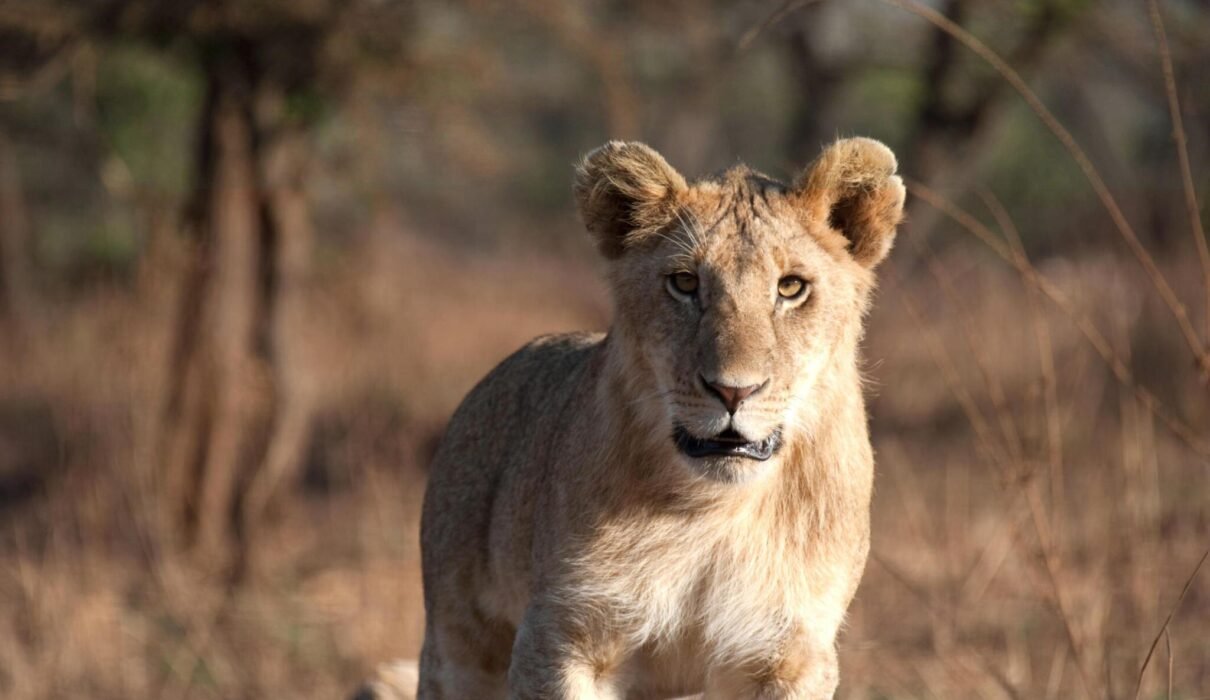
Planning a Serengeti safari in 2027 is an opportunity to explore one of Africa’s most remarkable wildlife destinations. Known for its endless grasslands, large populations of wild animals, and the annual Great Wildebeest Migration, Serengeti National Park remains one of the main reasons travelers choose Tanzania for an African holiday.
However, planning a successful safari involves more than selecting a hotel and booking a flight. You need to understand the best time to visit, where animals are likely to be found, how long to stay, what type of accommodation to choose, and how different seasons affect the experience.
The Serengeti covers approximately 14,763 square kilometers in northern Tanzania. Its landscapes include open plains, woodland, rivers, rocky outcrops, and seasonal grazing areas. These habitats support lions, elephants, giraffes, buffaloes, cheetahs, leopards, zebras, wildebeest, and many other species.
One of the most important things to understand is that the Serengeti changes throughout the year. A safari in February can be very different from one in August. During some months, the southern plains attract enormous wildebeest herds and newborn calves. During others, the northern region becomes an important destination for travelers hoping to witness the famous Mara River crossings.
If you are planning your first Tanzania safari, choosing the right itinerary can make a significant difference.
This guide explains 10 things you need to know about a Serengeti safari in 2027, including wildlife seasons, migration movements, accommodation, travel costs, photography, safety, and practical booking advice.
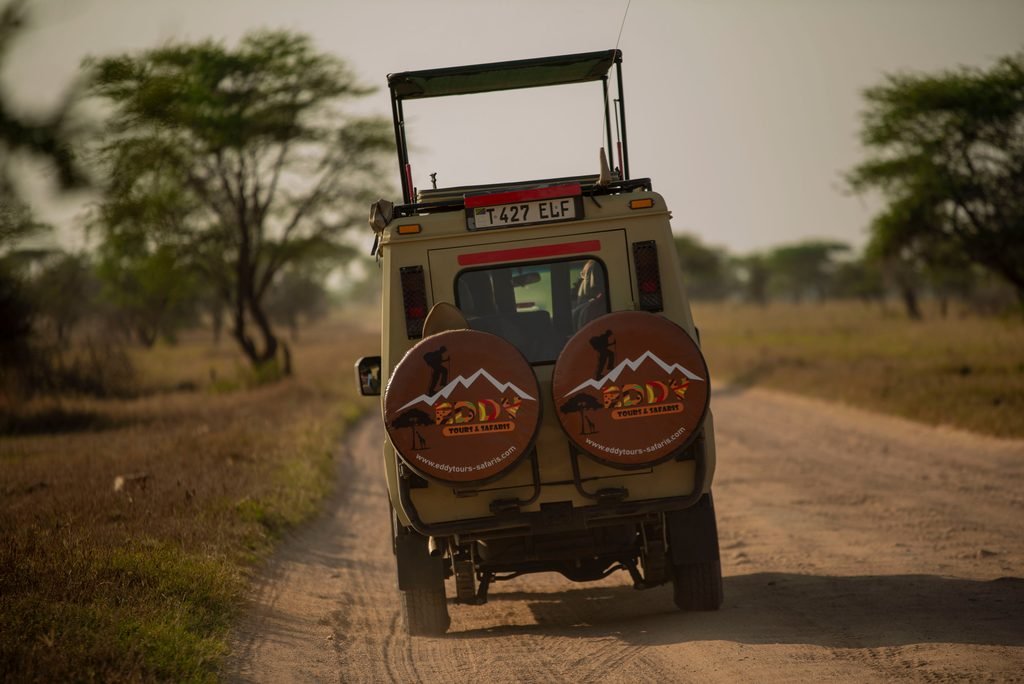
1. The Best Time for a Serengeti Safari Depends on What You Want to See
One of the most common questions travelers ask is when they should visit Serengeti National Park.
The answer depends on your interests.
The Serengeti offers wildlife viewing throughout the year, but rainfall, grazing conditions, and animal movements change between seasons.
Travelers interested in the Great Migration should plan their safari differently from those who want to photograph big cats or enjoy a quieter wildlife holiday.
January to March: Southern Serengeti and Calving Season
During the early months of the year, large numbers of wildebeest generally gather on the southern plains of the Serengeti ecosystem, particularly around Ndutu.
The main calving period usually occurs around January and February.
This is an important time in the migration cycle because large numbers of calves are born within a relatively short period.
The abundance of young animals also creates opportunities for predators such as lions, cheetahs, and hyenas.
Travelers interested in animal behavior and wildlife photography may find this period especially rewarding.
However, the exact location of the herds depends on rainfall and fresh grazing.
April to June: Green Landscapes and Seasonal Migration
As seasonal conditions change, the wildebeest herds generally begin moving away from the southern plains.
Some herds pass through the central Serengeti and toward western areas of the ecosystem.
The long rains can make parts of the park particularly green, although muddy roads and occasional access restrictions may affect travel.
Late May and June can be interesting for travelers who want to observe migration movements away from the southern plains.
July to October: Northern Serengeti and Mara River Crossings
July through October is a popular period for visiting Northern Serengeti.
During these months, migration herds may gather around the Mara River, where some attempt to cross between different grazing areas.
River crossings are dramatic wildlife events, but they are unpredictable.
Some travelers witness several crossings during their safari, while others do not see one despite spending days in the area.
No responsible safari company should guarantee a river crossing.
November to December: Returning Herds and Green-Season Wildlife
As seasonal rains return, many wildebeest begin moving southward through the wider ecosystem.
The landscape becomes greener, and wildlife viewing remains rewarding in different parts of the park.
This period can be attractive to travelers interested in photography, birdwatching, and seasonal changes in the environment.
Serengeti Safari Seasons for 2027
| Travel period | Main attraction | Areas to consider |
|---|---|---|
| January–March | Calving season and predator activity | Southern Serengeti and Ndutu |
| April–June | Green landscapes and migration movements | Central and Western Serengeti |
| July–October | Potential Mara River crossings | Northern Serengeti |
| November–December | Southward migration movements and green scenery | Central and Southern Serengeti |
These periods are based on typical seasonal patterns, not confirmed predictions for 2027. Rainfall can change the timing and location of migration movements.
2. The Great Wildebeest Migration Is Not a Single Event
Many visitors imagine the Great Wildebeest Migration as one enormous herd traveling together across the Serengeti.
In reality, it is a complex, continuous movement involving large numbers of animals spread across different areas.
Wildebeest follow seasonal rainfall and the availability of nutritious grazing.
Zebras and other grazing animals also participate in the broader seasonal movements.
The migration takes place across the Serengeti-Mara ecosystem, which extends from northern Tanzania into southwestern Kenya.
What Makes the Great Migration Special?
The migration is one of the world’s most remarkable large-mammal movements.
Travelers may observe enormous herds grazing, calves following their mothers, predators hunting, and animals moving through rivers and grasslands.
However, not every part of the migration involves dramatic river crossings.
The calving season, herd movements across open plains, and predator-prey interactions are equally important aspects of the experience.
Choosing the Right Migration Safari in 2027
If you want to see newborn wildebeest and predator activity, consider the Southern Serengeti and Ndutu region during the early months of the year.
If your main interest is the Mara River crossings, plan additional time in Northern Serengeti during the usual crossing season.
For general migration viewing, choose accommodation close to the expected herd movements.
Avoid selecting a lodge only because it has Serengeti in its name. The park is enormous, and traveling between regions can take several hours.
The location of your accommodation can be just as important as the time of year.
3. Serengeti National Park Is Much Larger Than Many Travelers Expect
The Serengeti is not a small wildlife park that can be explored completely in one or two days.
It covers a vast area with different habitats and wildlife regions.
Understanding its geography will help you plan a realistic safari.
Central Serengeti
The Central Serengeti, particularly the Seronera area, is one of the most popular regions for year-round wildlife viewing.
Its grasslands, rivers, and rocky outcrops provide habitats for lions, leopards, cheetahs, giraffes, elephants, and other wildlife.
Central Serengeti is often included in first-time safari itineraries because of its resident wildlife and accommodation options.
Southern Serengeti
The southern plains are especially important during the calving season.
The wider Ndutu region is a major destination for travelers visiting during January and February.
Some popular Ndutu safari areas lie within the Ngorongoro Conservation Area rather than inside Serengeti National Park, so applicable entry fees and activity rules differ.
Western Serengeti
The Western Corridor includes river systems and woodland habitats.
Seasonal wildebeest movements may occur in this region during the middle part of the year.
It can also provide rewarding resident wildlife viewing.
Northern Serengeti
Northern Serengeti is known for its landscapes around the Mara River and its seasonal migration activity.
It is particularly popular during the usual river-crossing months.
However, it is a considerable distance from Central Serengeti, and transfer times should be considered when planning your itinerary.
Eastern Serengeti
The eastern plains offer expansive landscapes and important habitats for predators and grazing animals.
Wildlife distribution varies seasonally, and access arrangements depend on the particular area.
A well-planned safari should focus on the regions most suitable for your travel dates rather than attempting to cover every part of the park.
4. The Serengeti Offers Excellent Wildlife Viewing Beyond the Migration
Although the Great Migration receives international attention, the Serengeti is home to remarkable resident wildlife throughout the year.
You do not have to visit during the migration peak to enjoy a rewarding safari.
Lions
The Serengeti is particularly well known for its lion populations.
Lions may be seen resting in grasslands, near rocky outcrops, or in areas where prey animals are abundant.
Their behavior changes throughout the day, and sightings are never guaranteed.
Leopards
Leopards are more difficult to locate because they are generally solitary and often spend time resting in trees or dense vegetation.
Riverine habitats and areas with suitable cover can provide opportunities for sightings.
Cheetahs
Cheetahs are associated with open landscapes where they can use speed to hunt prey.
The Serengeti’s grasslands provide important habitat for these predators.
Elephants and Giraffes
Elephants and giraffes are found in different parts of the Serengeti.
Their distribution depends on vegetation, water availability, and seasonal conditions.
Buffaloes, Zebras, and Antelopes
Buffaloes, zebras, gazelles, topis, hartebeest, and other herbivores contribute to the park’s wildlife diversity.
These species are important to the ecosystem and provide food for large predators.
Can You See the Big Five in Serengeti?
Serengeti supports lions, leopards, elephants, buffaloes, and a very small, closely protected population of black rhinos.
However, rhino sightings in Serengeti are exceptionally uncommon for most visitors.
Travelers hoping to see a black rhino may have better opportunities in Ngorongoro Crater, although sightings there are also not guaranteed.
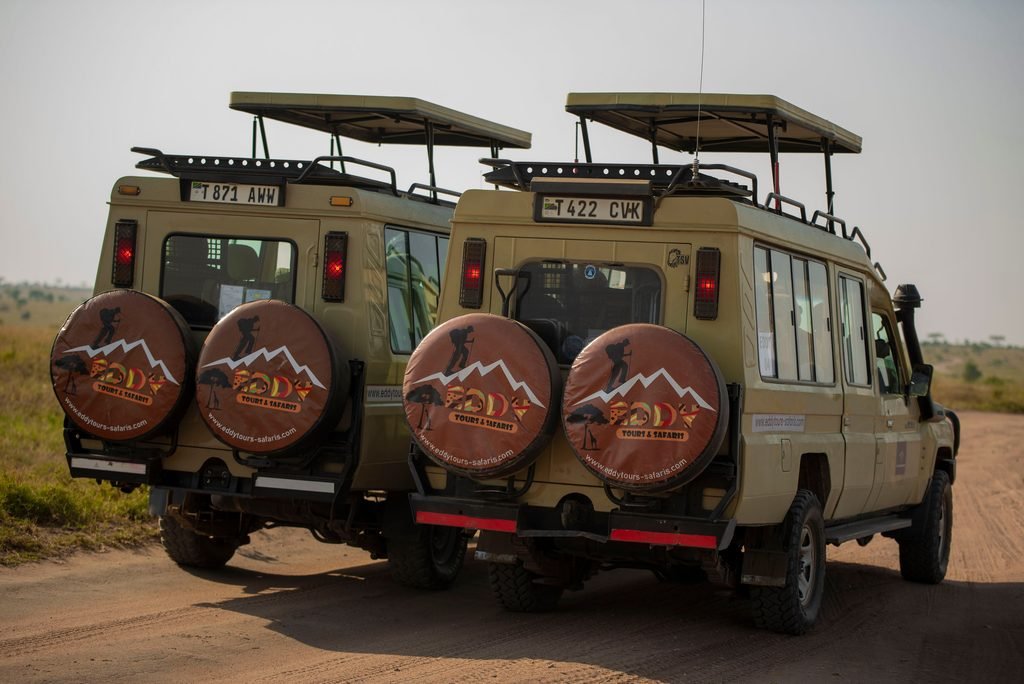
5. You Need Enough Days to Enjoy the Serengeti Properly
One of the biggest mistakes travelers make is trying to visit Serengeti National Park in too little time.
The park is large, and travel between wildlife regions can take several hours.
Road conditions, game-drive stops, weather, and the location of your accommodation all affect the schedule.
Is Two Days Enough for Serengeti?
Two days can provide a short introduction, particularly if you are visiting Central Serengeti.
However, a brief visit limits the time available for wildlife viewing and may involve considerable driving.
For travelers arriving by road from Arusha, the journey itself can occupy a substantial part of the day.
Is Three or Four Days Better?
Three or four days inside or around the Serengeti allows more time for game drives.
You can explore different wildlife habitats, spend longer at interesting sightings, and avoid rushing between destinations.
This is particularly useful for photographers and travelers interested in predators.
How Many Days for the Great Migration?
For a migration-focused safari, spending several nights near the expected herd movements is advisable.
If your priority is a Mara River crossing, additional days improve your opportunity to be present when a crossing occurs, but they do not guarantee one.
Recommended Serengeti Safari Duration
| Time available | Suggested experience |
|---|---|
| 2 days | Brief introduction to Central Serengeti |
| 3–4 days | More relaxed wildlife viewing |
| 5–6 days | Extended exploration or seasonal migration focus |
| 7+ days | Multiple Serengeti regions or specialist photography |
For a broader northern Tanzania holiday, many travelers combine Serengeti with Ngorongoro Crater and Tarangire National Park.
6. Your Choice of Accommodation Can Change the Safari Experience
Accommodation is an important part of planning a Serengeti safari in 2027.
The park and surrounding areas offer different types of properties, including permanent lodges, tented camps, mobile migration camps, and luxury safari accommodation.
Each option provides a different experience.
Permanent Safari Lodges
Permanent lodges generally offer established facilities such as private rooms, dining areas, and comfortable communal spaces.
Some properties also have swimming pools or viewing areas.
These can be suitable for families, couples, and travelers who prefer conventional hotel-style accommodation.
Tented Safari Camps
Tented camps provide accommodation closer in style to traditional safari experiences.
Many have proper beds, private bathrooms, and dining facilities.
The level of comfort varies widely between properties.
Mobile Migration Camps
Some camps relocate seasonally to operate closer to expected migration areas.
These can be useful for travelers whose main goal is following the wildebeest herds.
However, mobile camps do not guarantee wildlife sightings, and their seasonal locations should be confirmed before booking.
Luxury Serengeti Accommodation
Luxury safari properties may offer spacious rooms or tents, personalized service, private dining arrangements, and premium facilities.
Prices vary considerably by season and property.
What Should You Check Before Booking?
Ask about the property’s location, travel time to the areas you want to visit, meal arrangements, electricity, charging facilities, Wi-Fi availability, and any seasonal access limitations.
Also confirm whether the property is inside the national park or in an adjacent area, because this can affect travel arrangements and applicable fees.
7. A Serengeti Safari in 2027 Requires a Realistic Budget
The cost of a Serengeti safari depends on several factors.
These include the number of travelers, safari duration, accommodation category, transport arrangements, travel season, park fees, and optional activities.
A private safari generally costs more per person when only one or two people are traveling because the vehicle and guide costs are shared among fewer passengers.
A larger private group may reduce the per-person cost.
Shared group safaris can also provide more affordable options.
Main Expenses to Consider
National park fees: Visitors pay applicable conservation and entry charges, which vary according to visitor category and current regulations.
Accommodation: Rates depend on the lodge or camp, room category, season, and meal plan.
Safari vehicle and guide: Private safaris include vehicle operation, guiding, fuel, and associated logistics.
Transfers: Road transfers and domestic flights have different costs.
Optional activities: Hot-air balloon flights and other specialized experiences usually require separate arrangements.
Travel insurance and personal expenses: These should be considered when calculating your overall budget.
Will Serengeti Safari Prices Increase in 2027?
It is not possible to guarantee what all safari costs will be in 2027.
Park fees, accommodation rates, fuel prices, and other expenses may change before your travel dates.
For this reason, avoid relying on old online quotations.
Request a written 2027 safari quotation that clearly explains what is included and excluded.
You can contact Eddy Tours and Safaris for an itinerary based on your preferred dates, group size, and accommodation category.
8. Getting to Serengeti Requires Careful Travel Planning
Serengeti National Park can be reached by road or by domestic flight.
The best option depends on your budget, available time, and the other destinations included in your itinerary.
Traveling by Road from Arusha
Arusha is the main starting point for many northern Tanzania safaris.
A road journey to Central Serengeti commonly takes approximately seven to eight hours, although the actual duration varies according to the route, road conditions, and wildlife stops.
Travelers often combine the journey with visits to Ngorongoro Conservation Area or other destinations.
Road travel provides opportunities to observe changing landscapes, but long driving days can be tiring.
Flying into Serengeti
Domestic flights serve airstrips in different parts of the Serengeti.
Seronera Airstrip is an important arrival point for Central Serengeti.
Other airstrips serve different regions, subject to airline schedules and seasonal operations.
Flying can reduce travel time and may be particularly attractive for travelers on shorter holidays.
However, domestic flights generally increase the cost of the safari.
Can You Combine Serengeti with Other Destinations?
Yes. Popular combinations include Serengeti and Ngorongoro Crater, or a longer northern Tanzania safari incorporating Tarangire and Lake Manyara.
Travelers with additional time can combine a wildlife safari with Mount Kilimanjaro or a Zanzibar beach holiday.
The official Serengeti visitor guide confirms that the park is accessible by road and air and recommends advance accommodation planning. <Cite refs={[“turn857652search1″,”turn857652search4”]}/>
9. A Serengeti Safari Is Safe When You Follow Wildlife Regulations
Serengeti is a natural wildlife environment where animals roam freely.
Lions, elephants, buffaloes, hippos, and other large animals can behave unpredictably.
Visitors should understand that a safari is not the same as visiting a zoo.
Professional guiding and compliance with national park regulations are essential.
Important Wildlife Safety Rules
- Remain inside the safari vehicle unless your guide confirms that leaving it is permitted.
- Never feed or attempt to touch wild animals.
- Do not ask your guide to approach animals dangerously closely.
- Avoid loud noises that may disturb wildlife.
- Follow the park’s designated routes and speed limits.
- Do not fly a drone without the required official authorization.
- Follow your lodge’s safety procedures, particularly after dark.
Safety at Tented Camps
Some Serengeti camps are unfenced.
Wild animals may occasionally move through the surrounding areas.
Camp staff may require guests to be escorted between their accommodation and communal facilities after dark.
Always follow these instructions.
What About Malaria?
Malaria is a health consideration for travelers visiting Tanzania.
Before departure, consult a qualified healthcare professional about malaria prevention, vaccinations, and any other recommended precautions.
Travel insurance that covers medical treatment and emergency evacuation is strongly recommended.
The Tanzania National Parks Authority publishes official visitor safety and park regulation information. <Cite ref=”turn857652search1″/>
10. Booking Your Serengeti Safari Early Can Make a Difference
For travelers planning a Serengeti safari in 2027, booking ahead is particularly important if you have fixed travel dates or want accommodation in a specific wildlife region.
Some of the most popular migration camps and lodges have limited room availability.
Demand can be high during the Northern Serengeti river-crossing season and the Southern Serengeti calving period.
When Should You Book Your 2027 Safari?
For popular migration periods, beginning your planning approximately six to twelve months ahead can provide more accommodation choices.
Travelers with flexible dates may have additional options, but waiting until the last minute can limit availability.
What Should You Ask Before Booking?
Before paying a deposit, confirm the exact itinerary, accommodation names and locations, number of safari days, vehicle arrangements, park fees, meals, and transfer arrangements.
Ask whether the safari is private or shared, what the cancellation terms are, and which expenses are excluded.
Make sure the operator provides a written quotation and clear payment instructions.
For 2027 travel, also confirm whether the quoted price is fixed or subject to changes in government fees or other specified costs.
Sample Seven-Day Serengeti and Northern Tanzania Safari for 2027
The following itinerary is an example of how Serengeti can be combined with other major wildlife destinations.
| Day | Destination | Activities |
|---|---|---|
| Day 1 | Arusha | Arrival, transfer and overnight stay |
| Day 2 | Tarangire National Park | Game drive and elephant viewing |
| Day 3 | Ngorongoro Crater | Crater game drive |
| Day 4 | Central Serengeti | Travel and afternoon wildlife viewing |
| Day 5 | Central Serengeti | Full-day game drive |
| Day 6 | Serengeti | Additional wildlife viewing and photography |
| Day 7 | Arusha | Return transfer or arranged domestic flight |
This itinerary is suitable as a general introduction, but it is not specifically designed for Northern Serengeti river crossings.
For a July–October migration-focused holiday, additional time in Northern Serengeti may be advisable.
For January–February travel, an itinerary concentrating on Ndutu and the Southern Serengeti may be more suitable.
What to Pack for Your Serengeti Safari in 2027
Comfortable clothing and practical equipment can make long game drives more enjoyable.
Recommended items include:
- Lightweight, breathable clothing in neutral colors.
- A warm jacket or fleece for early mornings.
- Comfortable closed shoes.
- Sun hat and sunglasses.
- Sunscreen and insect repellent.
- Binoculars.
- Camera or smartphone with charging equipment.
- Spare batteries and memory cards.
- Refillable drinking-water bottle.
- Personal medication.
- Travel documents and insurance details.
- A lightweight rain jacket when appropriate.
Avoid packing excessive luggage, particularly if your itinerary includes small domestic aircraft with baggage restrictions.
Tanzania Visa and Entry Requirements for 2027
International travelers should check entry requirements well before departure.
Visa requirements depend on nationality, passport type, and purpose of travel.
Tanzania Immigration Services currently advises visa applicants to have a passport valid for at least six months and at least one unused visa page. It also provides an official electronic visa application system.
Because immigration rules can change, travelers should verify the requirements applicable to their nationality closer to their 2027 departure date.
Use the official Tanzania Immigration Services visa portal rather than an unofficial application website. <Cite refs={[“turn857652search5″,”turn857652search6”]}/>
Frequently Asked Questions About a Serengeti Safari in 2027
Is Serengeti worth visiting in 2027?
Yes. Serengeti offers exceptional wildlife viewing, beautiful landscapes, and opportunities to observe seasonal migration movements. The best itinerary depends on your interests and travel dates.
What is the best month to visit Serengeti in 2027?
There is no single best month. January and February are popular for calving-season wildlife, while July through October is often preferred for Northern Serengeti migration activity.
How much does a Serengeti safari cost in 2027?
The price depends on accommodation, duration, number of travelers, transport, and applicable fees. Request an up-to-date quotation rather than relying on old advertised prices.
Can I see the Big Five in Serengeti?
Serengeti supports all five species, but black rhinos are rarely seen by most visitors. Seeing all five is not guaranteed.
How many days do I need in Serengeti?
Three or four days is a useful starting point for many travelers. Migration-focused and photography safaris may benefit from longer stays.
Can I see the Great Migration in February 2027?
February is generally a good period for the Southern Serengeti and Ndutu calving season, although herd locations depend on rainfall.
Can I see the Mara River crossings in August 2027?
August falls within the usual Northern Serengeti river-crossing season. However, crossings cannot be guaranteed.
Is Serengeti suitable for families?
Yes. Family-friendly safaris can be arranged with suitable accommodation, private transport, and realistic daily schedules.
Is it better to fly or drive to Serengeti?
Driving is useful for travelers combining multiple northern Tanzania parks. Flying can reduce travel time, particularly on shorter holidays.
Can I combine Serengeti and Zanzibar?
Yes. Many travelers enjoy a wildlife safari followed by several days relaxing on Zanzibar’s beaches.
Is Serengeti open throughout the year?
Yes. Serengeti is a year-round wildlife destination, although seasonal weather and road conditions affect some activities and routes.
Do I need travel insurance?
Comprehensive travel insurance is strongly recommended, including appropriate medical and emergency evacuation coverage.
Start Planning Your Serengeti Safari in 2027
A Serengeti safari in 2027 can be one of the most rewarding ways to experience Tanzania’s wildlife and landscapes.
The key to planning a successful holiday is understanding how the park changes throughout the year.
Choose Southern Serengeti and Ndutu if your main interest is the calving season. Consider Northern Serengeti during the usual Mara River crossing period. For general wildlife viewing, Central Serengeti offers rewarding opportunities across different seasons.
Allow enough time for game drives, select accommodation close to your preferred wildlife areas, and plan your budget around the services you genuinely need.
Most importantly, remember that wildlife is unpredictable. The most rewarding safaris are often those that leave time to observe natural behavior rather than rushing from one expected sighting to another.
Book Your 2027 Serengeti Safari with Eddy Tours and Safaris
Eddy Tours and Safaris can help you plan a private Serengeti safari in 2027, whether you are interested in the Great Wildebeest Migration, wildlife photography, a family holiday, or a longer Tanzania safari visiting several national parks.
We can discuss itineraries combining Serengeti with Ngorongoro Crater, Tarangire National Park, Mount Kilimanjaro, or Zanzibar, depending on your preferred travel dates.
Visit Eddy Tours and Safaris to learn more about our Tanzania safari services.
For a personalized 2027 itinerary and quotation, use our contact page.
Email: sales@eddytours-safaris.com
WhatsApp: +255 711 906 664
Contact Eddy Tours and Safaris to begin planning your Serengeti safari for 2027.