
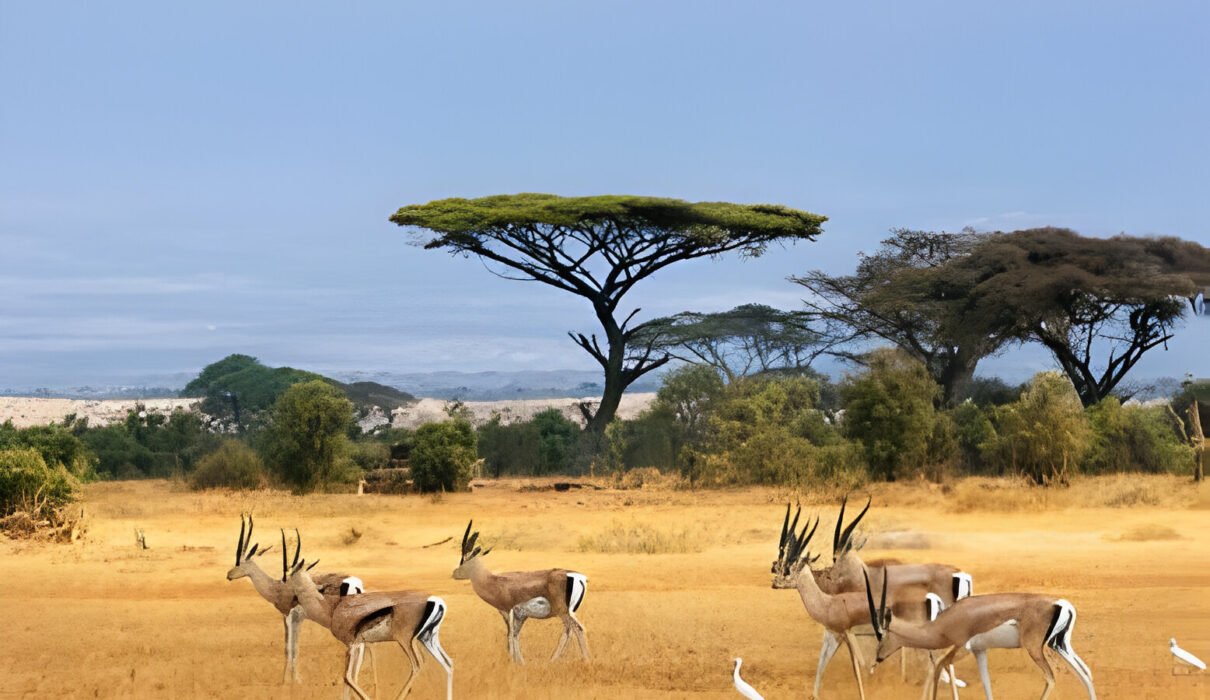
Tanzania is one of those countries where a single holiday can take you from open savannahs filled with wildlife to the slopes of Africa’s highest mountain, and then to white-sand beaches beside the Indian Ocean. Few destinations offer such a wide range of experiences within one country.
You can watch elephants walking beneath ancient baobab trees in Tarangire National Park, search for lions on the Serengeti plains, explore the remarkable Ngorongoro Crater, or spend several days climbing Mount Kilimanjaro. If you prefer a slower holiday, Zanzibar offers beautiful beaches, historical streets, and a rich coastal culture shaped by centuries of trade.
There are many reasons to visit Tanzania, but what makes the country particularly attractive is the opportunity to combine different experiences into one well-planned journey. A wildlife safari can be followed by a beach holiday. A Kilimanjaro climb can be combined with a short safari. Travelers interested in culture can visit local communities, explore historical sites, and learn about Tanzanian traditions.
Whether you are planning your first African safari, a family holiday, a honeymoon, or a more adventurous trip, Tanzania offers plenty to discover.
This guide explores 10 reasons to visit Tanzania, including the country’s most famous attractions, lesser-known experiences, the best times to travel, and practical advice for planning your holiday.
1. Experience the Great Wildebeest Migration in Serengeti National Park
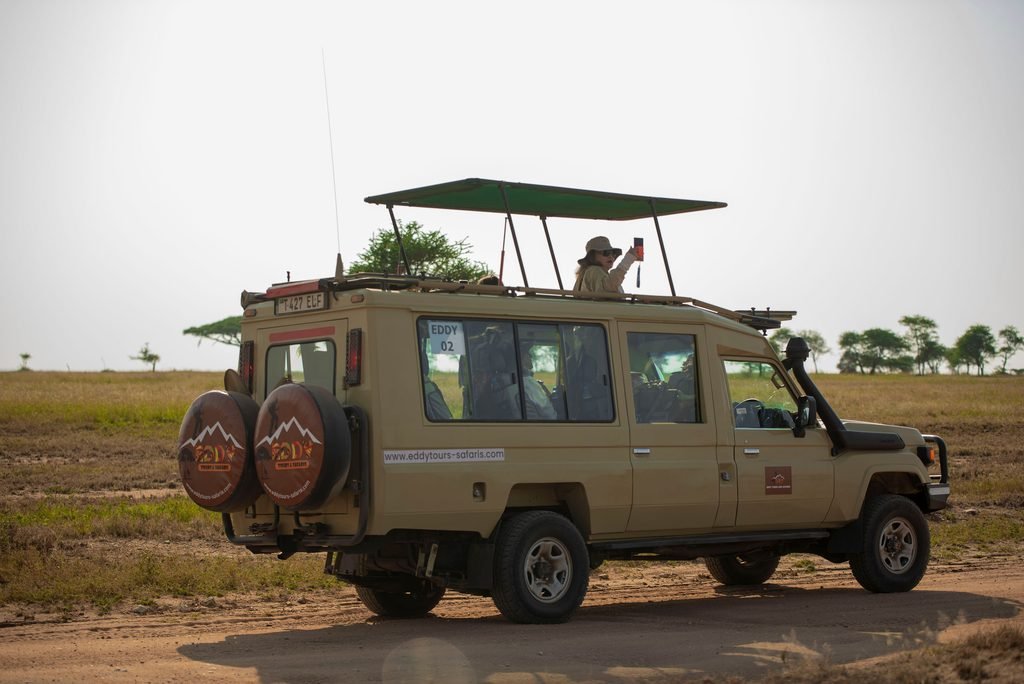
The Great Wildebeest Migration is one of the main reasons travelers choose Tanzania for an African safari. Every year, large herds of wildebeest move across the Serengeti-Mara ecosystem in search of fresh grazing and water, accompanied by zebras and other animals.
The migration is not a single event that happens during one particular month. It is a continuous seasonal movement influenced by rainfall, grass growth, and the availability of water.
Between approximately January and March, large numbers of wildebeest gather on the southern plains around Ndutu, where the calving season takes place. From around May through July, many herds move through the central and western Serengeti. Between approximately July and October, large concentrations may be found in the northern Serengeti, where some herds attempt to cross the Mara River.
The famous river crossings attract wildlife photographers and safari enthusiasts from around the world. However, crossings are unpredictable, and no safari company can guarantee that one will take place during your visit.
Why the Serengeti Is Worth Visiting Even Without the Migration
Serengeti National Park supports remarkable resident wildlife throughout the year. Lions, leopards, cheetahs, elephants, giraffes, buffaloes, hyenas, and numerous antelope species live in the wider ecosystem.
The Central Serengeti, particularly the Seronera region, is known for year-round wildlife viewing. Its mixture of grasslands, rivers, and rocky outcrops provides habitat for many species.
A good Serengeti safari should be planned around the season and the wildlife you most want to see, rather than assuming the migration will always be in the same place.
For more information about the country’s protected areas, visit the official Tanzania National Parks Authority.
2. Climb Mount Kilimanjaro, Africa’s Highest Mountain
Mount Kilimanjaro is one of Tanzania’s most famous landmarks and a major attraction for travelers interested in hiking and mountaineering.
Standing at 5,895 meters (19,341 feet) above sea level, Kilimanjaro is Africa’s highest mountain and the world’s tallest free-standing mountain above its surrounding base.
Its highest point, Uhuru Peak, is located on the Kibo summit.
One of the most fascinating aspects of climbing Kilimanjaro is the changing environment. Climbers begin in relatively warm conditions on the lower slopes, pass through rainforest and moorland, and eventually reach the cold alpine desert and arctic summit zone.
Unlike mountains that require technical rock or ice climbing on standard routes, Kilimanjaro’s main trekking routes are generally nontechnical. However, reaching the summit is physically demanding because of the altitude, cold weather, and long hiking days.
Which Kilimanjaro Route Should You Choose?
Several established routes lead toward the summit.
The Machame Route is popular for its varied scenery and camping experience. Lemosho offers a longer approach with attractive landscapes and opportunities for gradual acclimatization. Marangu is known for its permanent mountain huts, while Rongai approaches from the northern side.
The Northern Circuit provides a longer itinerary around the mountain and is often chosen by travelers who want additional acclimatization time.
For many first-time climbers, a longer itinerary is preferable to a rushed ascent. Seven-day Machame and eight-day Lemosho itineraries are commonly considered because they allow more time to adjust to altitude.
Regardless of the route, altitude sickness is a serious consideration. Climbers should prepare physically, understand the symptoms, and follow the instructions of qualified mountain guides.
When Is the Best Time to Climb Kilimanjaro?
January through early March and June through October are generally popular climbing periods. These months often provide relatively favorable trekking conditions, although rain, snow, strong winds, and freezing summit temperatures remain possible.
Climbers should also prepare for temperatures well below freezing during the final summit attempt.
For travelers who want both mountain trekking and wildlife viewing, a Kilimanjaro climb can be combined with a safari in Serengeti, Tarangire, or Ngorongoro.
3. Explore Ngorongoro Crater and Its Remarkable Wildlife
Ngorongoro Crater is one of Tanzania’s most extraordinary natural attractions. It is a vast volcanic caldera formed after the collapse of an ancient volcano, surrounded by high walls and containing several different habitats.
The crater floor includes grasslands, wetlands, woodland, and permanent water sources. This variety supports an impressive concentration of wildlife within a relatively compact area.
During a game drive, visitors may see buffaloes, zebras, wildebeest, hippos, lions, elephants, and spotted hyenas. Black rhinos also occur in the crater, although sightings are never guaranteed.
Ngorongoro is particularly rewarding for travelers who want to experience several wildlife habitats during one day.
What Makes Ngorongoro Different from Serengeti?
Serengeti is famous for its enormous open landscapes and seasonal migration movements. Ngorongoro offers a different experience because much of the wildlife viewing takes place inside a single volcanic caldera.
The crater walls create a dramatic setting, especially when viewed from the rim.
The surrounding Ngorongoro highlands also offer beautiful scenery, cooler temperatures, and accommodation options ranging from comfortable lodges to luxury properties.
Many Tanzania safari itineraries combine Ngorongoro with Serengeti and Tarangire, allowing travelers to experience three different wildlife environments.
4. See Large Elephant Herds in Tarangire National Park
Tarangire National Park is one of the best places in northern Tanzania to observe elephants.
The park is known for its large baobab trees, seasonal river system, and varied landscapes. During the dry season, wildlife often gathers around the Tarangire River and other available water sources.
Elephants may be seen moving in family groups, feeding among the trees, or gathering near the river.
The park also supports giraffes, zebras, wildebeest, buffaloes, antelopes, lions, leopards, and many bird species.
Why Include Tarangire in Your Safari?
Tarangire offers a different landscape from the Serengeti. Its enormous baobab trees and river valleys create beautiful opportunities for photography.
The park is also relatively accessible from Arusha, making it suitable for a day trip or as the first destination on a longer northern Tanzania safari.
June through October is generally a rewarding period for wildlife viewing because animals become more concentrated around water sources.
For travelers with limited time, combining Tarangire and Ngorongoro can provide a varied two- or three-day safari experience.
5. Relax on the Beautiful Beaches of Zanzibar
After several days of early morning game drives or mountain trekking, Zanzibar provides an opportunity to slow down and enjoy Tanzania’s Indian Ocean coast.
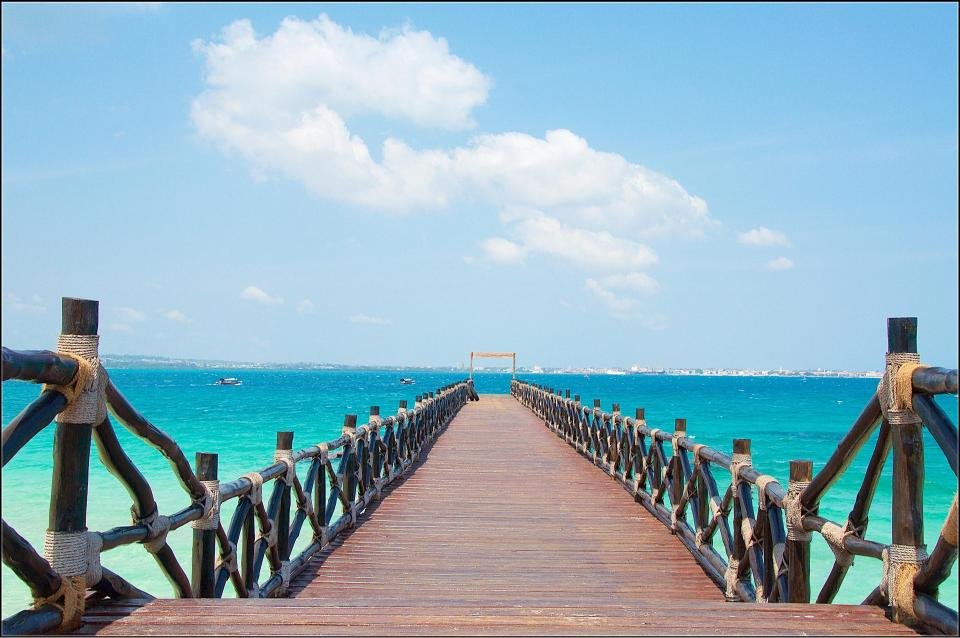
The Zanzibar archipelago is famous for its beaches, turquoise waters, historical attractions, and Swahili coastal culture.
Different parts of the island offer different experiences.
Nungwi and Kendwa, in the north, are known for their beaches, accommodation, and tourism facilities. The east coast includes destinations such as Paje and Jambiani, where visitors can enjoy long beaches and a more relaxed coastal atmosphere.
Tides vary considerably around the island, particularly along parts of the east coast, so beach conditions should be considered when choosing accommodation.
Things to Do in Zanzibar Beyond the Beach
Zanzibar is not only a beach destination.
Stone Town, the historic center of Zanzibar City, is a UNESCO World Heritage Site. Its narrow streets, old buildings, carved wooden doors, and historical landmarks reflect centuries of cultural exchange and trade.
Visitors can explore local markets, learn about the island’s history, and discover traditional Swahili architecture.
Other popular activities include snorkeling, diving, spice farm visits, and boat excursions, subject to weather and responsible tourism practices.
A Tanzania safari and Zanzibar beach holiday is particularly suitable for honeymooners, families, and couples who want to combine adventure with relaxation.
6. Discover Tanzania’s Diverse Cultures and Local Traditions
Tanzania is home to more than 120 ethnic communities, each contributing to the country’s cultural diversity.
Swahili is widely spoken and serves as an important national language, helping connect people from different regions and backgrounds.
English is also used in tourism and many professional settings.
Travelers interested in culture can learn about local food, traditional crafts, farming practices, music, and community history.
Cultural Experiences in Northern Tanzania
Northern Tanzania offers opportunities to visit communities and participate in cultural activities arranged with local hosts.
Around the Lake Eyasi region, some visitors arrange guided cultural visits involving Hadzabe and Datoga communities. These experiences should be organized respectfully, with informed community participation and fair compensation.
Visits involving Maasai communities are also available in parts of northern Tanzania.
The quality of a cultural experience depends on how it is organized. Responsible visits should avoid treating local people as attractions and should allow communities to decide how their traditions and daily lives are presented.
Tanzanian Food Worth Trying
Food is another enjoyable way to experience local culture.
Popular dishes include nyama choma, grilled meat often served with vegetables or other accompaniments; ugali, a staple made from maize flour; pilau, a spiced rice dish; and different preparations of beans, vegetables, fish, and bananas.
Coastal cuisine reflects influences from Swahili, Arab, Indian, and other Indian Ocean trading traditions.
Trying local food can be one of the simplest and most memorable parts of traveling through Tanzania.
7. Explore Tanzania’s Less-Crowded Southern Safari Parks
Tanzania’s northern safari circuit is famous, but the country also has excellent wildlife destinations farther south.
Nyerere National Park and Ruaha National Park offer opportunities to explore extensive wilderness landscapes that differ from those around Serengeti and Ngorongoro.
Nyerere is known for its river systems, lakes, woodland, and wildlife habitats. Depending on the location and operator, visitors can arrange game drives, boat-based excursions, and guided walking activities under applicable park regulations.
Ruaha is particularly attractive for travelers interested in elephants, predators, rocky landscapes, and the Great Ruaha River ecosystem.
These parks can be suitable for repeat safari visitors who want to explore another side of Tanzania.
Northern or Southern Tanzania: Which Is Better?
The northern circuit is generally easier for first-time visitors who want to combine Serengeti, Ngorongoro, Tarangire, and Kilimanjaro.
The southern circuit may appeal to travelers who prefer a more remote safari experience and are comfortable with longer transfers or domestic flights.
Neither circuit guarantees particular wildlife sightings. Your choice should depend on travel time, accommodation preferences, and the animals or landscapes you are most interested in seeing.
8. Discover Tanzania’s Lakes, Mountains, and Beautiful Landscapes
Tanzania offers much more than wildlife safaris and beach holidays.
The country includes parts of Africa’s Great Lakes, volcanic mountains, forested highlands, waterfalls, and extensive savannah landscapes.
Lake Victoria, shared by Tanzania, Uganda, and Kenya, is Africa’s largest lake by surface area. Lake Tanganyika is among the world’s deepest freshwater lakes and is known for its remarkable aquatic biodiversity.
Around Moshi, travelers can explore the foothills of Mount Kilimanjaro, including village landscapes, coffee-growing areas, and waterfalls.
Materuni Waterfalls is a popular excursion for visitors staying near Moshi. The trip can include a guided walk and, where arranged with local hosts, an introduction to coffee cultivation and preparation.
Chemka Hot Springs, also known as Kikuletwa Hot Springs, is another popular day-trip destination. Despite the name, the water is not necessarily hot; the attraction is its clear spring-fed pool and surrounding vegetation.
Is Tanzania Good for Travelers Who Do Not Want a Long Safari?
Yes. Travelers who prefer shorter activities can combine day trips around Moshi or Arusha with a two- or three-day wildlife safari.
Arusha National Park also provides opportunities to see beautiful scenery, Mount Meru, giraffes, buffaloes, and other wildlife. Some guided walking activities are available under park regulations.
These shorter experiences can be useful for visitors with limited time or those recovering after a Kilimanjaro climb.
9. Visit Tanzania’s UNESCO World Heritage Sites and Historical Attractions
Tanzania’s cultural and natural heritage is another strong reason to visit.
The country has seven properties on the UNESCO World Heritage List, including Serengeti National Park, Kilimanjaro National Park, Ngorongoro Conservation Area, Stone Town of Zanzibar, the Kondoa Rock-Art Sites, the Ruins of Kilwa Kisiwani and Songo Mnara, and the Selous Game Reserve.
These sites represent different aspects of Tanzania’s history, biodiversity, geology, and cultural development.
Ngorongoro Conservation Area is especially important because it combines natural heritage with archaeological evidence relating to human evolution. Olduvai Gorge and the Laetoli area are internationally significant for understanding early human history.
Along the coast, the ruins of Kilwa Kisiwani and Songo Mnara provide evidence of the Swahili trading settlements that developed through Indian Ocean commerce.
In Zanzibar, Stone Town’s architecture and street layout reflect a long history of interaction between African, Arab, Indian, and European influences.
Travelers interested in history should consider adding at least one cultural or archaeological destination to their itinerary rather than limiting the holiday entirely to game drives.
For authoritative background, see UNESCO’s Tanzania World Heritage listing.
10. Combine Wildlife, Adventure, Culture, and Beach Holidays in One Trip
Perhaps the strongest reason to visit Tanzania is the variety of experiences you can combine within one country.
You do not have to choose between a wildlife safari and a beach holiday, or between mountain trekking and cultural activities.
A well-planned itinerary can include several different experiences while keeping travel arrangements manageable.
For example, a traveler with ten days could spend six days visiting northern Tanzania’s national parks and finish with four days in Zanzibar.
Someone planning a longer holiday might climb Kilimanjaro first, spend several days on safari, and then travel to the coast.
Families can choose a slower itinerary with shorter drives, comfortable lodges, and time for children to rest between activities.
Couples may prefer a private Serengeti safari followed by a beach resort in Zanzibar.
The key is to plan around realistic driving times, seasonal conditions, and your interests.
Trying to visit every famous destination in one short trip can leave you spending more time in vehicles and airports than enjoying the places you came to see.
Best Time to Visit Tanzania
The best time to visit Tanzania depends on what you want to do.
| Travel period | General conditions | Popular experiences |
|---|---|---|
| January–February | Often relatively dry and warm | Southern Serengeti calving season, Kilimanjaro, Zanzibar |
| March–May | Long-rain period in many areas | Green landscapes; some lower-season travel |
| June–October | Generally drier in northern safari areas | Wildlife safaris, Kilimanjaro, Northern Serengeti migration |
| November–December | Short rains in many areas, with variable conditions | Wildlife viewing, cultural trips, Zanzibar |
These are broad seasonal patterns rather than guarantees. Weather varies between Tanzania’s northern highlands, coastal areas, southern parks, and islands.
If you want to see the Great Migration, select your safari region according to the expected location of the herds.
If climbing Kilimanjaro is your priority, allow enough time for acclimatization and prepare for cold summit conditions regardless of the month.
For Zanzibar, consider rainfall, tides, and the coastal conditions around your chosen beach.
How Many Days Do You Need to Visit Tanzania?
The ideal holiday length depends on the destinations you want to include.
| Trip length | Suggested experience |
|---|---|
| 3–4 days | Short safari visiting Tarangire and Ngorongoro, or local trips around Moshi |
| 5–7 days | Northern Tanzania wildlife safari |
| 8–10 days | Extended safari or Kilimanjaro trekking itinerary |
| 10–14 days | Safari and Zanzibar beach holiday |
| 14–18 days | Kilimanjaro climb, safari, and Zanzibar |
For a first visit focused on wildlife, approximately six to eight days can provide a good introduction to the northern safari circuit.
Travelers combining several different experiences should allow more time rather than compressing long journeys into consecutive days.
Practical Travel Tips Before Visiting Tanzania
Entry Requirements
Check your passport validity and the visa rules applicable to your nationality before departure.
Official information is available from Tanzania Immigration Services.
Visa requirements and entry procedures can change, so rely on current government information rather than outdated travel articles.
Health and Travel Insurance
Consult a qualified healthcare professional about recommended vaccinations, malaria prevention, and any personal medical concerns.
Yellow fever certificate requirements depend on your travel history and applicable entry rules.
Comprehensive travel insurance is strongly recommended, especially if you plan to climb Kilimanjaro or visit remote safari destinations.
Money and Payments
The Tanzanian shilling is the national currency.
Ask your tour operator which payments are included in your package and which expenses you will need to cover locally.
Carry an appropriate payment method for personal purchases, tips, and unexpected expenses.
Safari Clothing
Lightweight, comfortable clothing is practical for most safari activities.
Bring a warm layer for early morning game drives and visits to the Ngorongoro highlands.
A sun hat, sunscreen, binoculars, and comfortable shoes are also useful.
For Kilimanjaro, a separate mountain equipment list is essential.
Respect Wildlife and Local Communities
Always follow your guide’s instructions in national parks.
Do not feed wildlife, leave the vehicle in unauthorized locations, or pressure guides to approach animals too closely.
Ask permission before photographing people, and choose cultural activities that respect local communities.
Frequently Asked Questions About Visiting Tanzania
Is Tanzania worth visiting?
Yes. Tanzania offers internationally recognized wildlife destinations, Mount Kilimanjaro, Zanzibar’s beaches, cultural experiences, and diverse natural landscapes.
What is Tanzania most famous for?
Tanzania is especially famous for Serengeti National Park, the Great Wildebeest Migration, Mount Kilimanjaro, Ngorongoro Crater, and Zanzibar.
Is Tanzania good for a first African safari?
Yes. The northern safari circuit offers several major wildlife destinations that can be combined in one itinerary.
Can I see the Big Five in Tanzania?
Tanzania is home to lions, elephants, buffaloes, leopards, and rhinos. However, seeing all five during one safari is not guaranteed.
Is seven days enough for a Tanzania safari?
Seven days can provide time to visit several northern Tanzania parks, including Serengeti and Ngorongoro, depending on the itinerary.
Can I combine Kilimanjaro and Serengeti?
Yes. Many travelers combine a Kilimanjaro climb with a wildlife safari, although adequate recovery time after the climb is advisable.
When is the best time to see the Great Migration?
The migration takes place throughout the year. The best region depends on the season, with southern calving areas generally popular early in the year and Northern Serengeti often visited between July and October.
Is Zanzibar part of Tanzania?
Yes. Zanzibar is a semi-autonomous part of the United Republic of Tanzania.
Is Tanzania suitable for families?
Yes. Family-friendly safaris can be arranged with suitable accommodation, private transport, and schedules adapted to children’s ages.
How far in advance should I book a Tanzania safari?
Booking several months ahead is advisable for popular travel periods, particularly if you want specific lodges or camps near the migration areas.
Is Tanzania good for honeymooners?
Yes. A private safari combined with Zanzibar offers a balance of wildlife adventure and beach relaxation.
Can I visit Tanzania without climbing Kilimanjaro?
Absolutely. Kilimanjaro is only one of many attractions. You can enjoy safaris, beaches, cultural tours, historical sites, and day trips without climbing the mountain.
Why Tanzania Should Be Your Next Adventure
Tanzania offers an exceptional range of travel experiences, from the wildlife-rich Serengeti plains to the summit of Mount Kilimanjaro and the beautiful beaches of Zanzibar.
Its national parks provide opportunities to observe elephants, lions, giraffes, zebras, and many other animals in their natural habitats. Its landscapes include volcanic highlands, vast lakes, waterfalls, forests, and coastal islands. Its history and cultural diversity add another important dimension to the travel experience.
The best Tanzania holiday is not necessarily the one that visits the most destinations. It is the one that gives you enough time to enjoy the places that matter most to you.
Whether you want to witness the Great Migration, climb Africa’s highest mountain, explore Ngorongoro Crater, or relax beside the Indian Ocean, Tanzania offers a memorable setting for your next adventure.
Plan Your Tanzania Adventure with Eddy Tours and Safaris
Ready to explore Tanzania?
Eddy Tours and Safaris can help you plan a private wildlife safari, Kilimanjaro climbing expedition, day trip, or Zanzibar beach extension according to your preferred travel dates and interests.
Whether you are traveling as a couple, family, group of friends, or solo adventurer, our team can discuss suitable itineraries and accommodation options.
Visit Eddy Tours and Safaris to explore our travel services, or contact us directly for a personalized quotation.
Contact page: Plan Your Tanzania Holiday
Email: sales@eddytours-safaris.com
WhatsApp: +255 711 906 664
Contact Eddy Tours and Safaris to begin planning your next Tanzania adventure.