
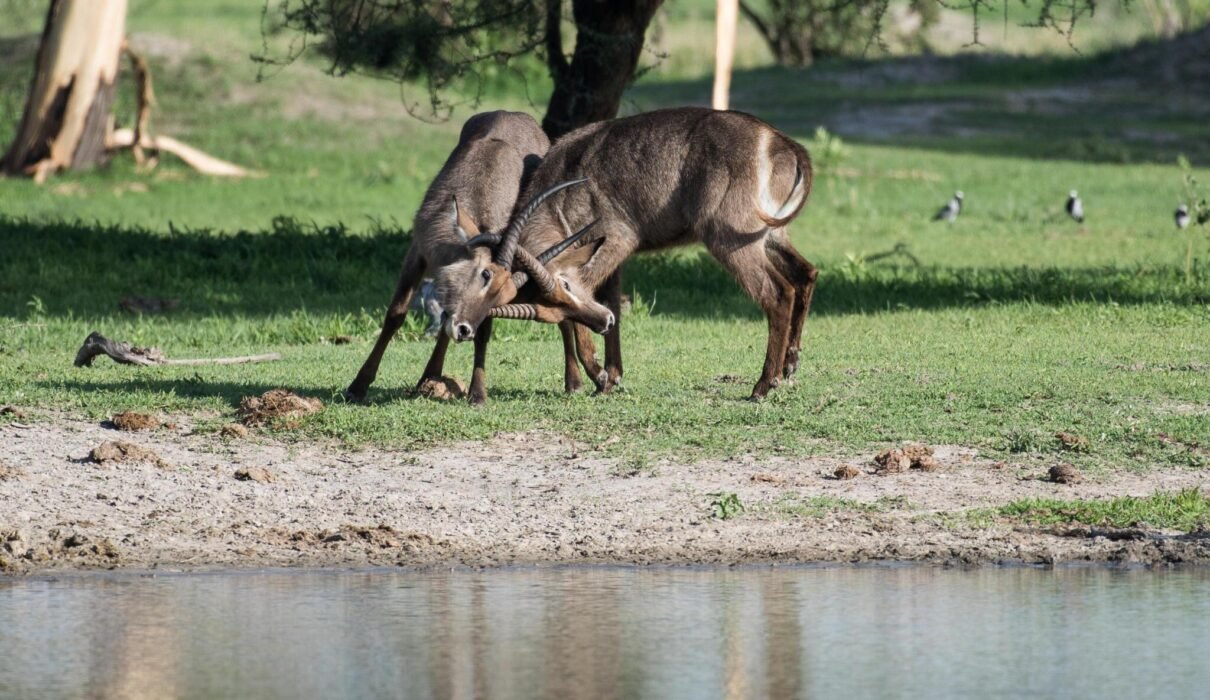
Learning a few Swahili words before visiting Tanzania can make your safari more enjoyable. You do not need to speak the language fluently, but knowing how to greet someone, say thank you, ask a simple question, or respond politely can help you connect with the people you meet throughout your journey.
Imagine arriving in Arusha before your safari begins. Your guide welcomes you with “Jambo!” and you respond with a friendly “Habari!” Later, while traveling through Serengeti National Park, you hear someone say “Twende!” as the group prepares to leave. At your lodge, a staff member says “Karibu!” when welcoming you for dinner.
These are small moments, but they make traveling in Tanzania feel more personal.
Swahili, known locally as Kiswahili, is Tanzania’s national language and is widely spoken across the country. It is used in everyday conversations, schools, businesses, markets, and tourism. English is also widely used in the tourism industry, particularly by professional safari guides and lodge staff.
For travelers visiting Serengeti, Ngorongoro Crater, Tarangire National Park, Mount Kilimanjaro, or Zanzibar, learning basic Swahili phrases is a practical way to show respect for local culture.
This guide introduces useful Swahili greetings, polite expressions, safari vocabulary, common questions, numbers, food-related phrases, and simple sentences you can use during your Tanzania holiday. It also explains pronunciation and common mistakes so that you can communicate more confidently.
Why Learn Basic Swahili Before Your Tanzania Safari?
Most organized Tanzania safaris are conducted in English or another language requested by the traveler. Professional guides generally explain wildlife sightings, travel arrangements, national park regulations, and daily activities in the language agreed upon when booking.
However, Swahili remains an important part of everyday life in Tanzania.
You will hear it at airports, hotels, restaurants, markets, and villages. Your safari guide may also use Swahili when speaking with park staff, other guides, or local residents.
Learning even ten or fifteen phrases can make these interactions easier.
For example, greeting someone with “Habari za asubuhi” rather than immediately speaking English shows that you have made an effort to understand the local language.
Similarly, saying “Asante sana” after receiving assistance is a simple and appreciated gesture.
Swahili is also useful when shopping for souvenirs, ordering food, asking for directions, or learning the names of animals during game drives.
You do not need perfect pronunciation. A friendly attitude and willingness to learn are often more important than speaking without mistakes.
1. Essential Swahili Greetings for Tanzania Travelers
Greetings are an important part of social interaction in Tanzania. People often begin conversations by asking how someone is doing before moving directly to business.
Some greetings are informal, while others are more appropriate when addressing older people or someone you have just met.
| Swahili phrase | English meaning | When to use it |
|---|---|---|
| Jambo | Hello | Simple tourist greeting |
| Hujambo? | How are you? | Greeting one person |
| Sijambo | I am fine | Response to Hujambo? |
| Habari? | How are things? | Common everyday greeting |
| Nzuri | Good / Fine | Response to Habari? |
| Habari za asubuhi? | How is your morning? | Morning greeting |
| Habari za mchana? | How is your afternoon? | Afternoon greeting |
| Habari za jioni? | How is your evening? | Evening greeting |
| Mambo? | What’s up? | Informal greeting |
| Poa | Cool / Fine | Informal response to Mambo? |
| Shikamoo | Respectful greeting | When greeting an elder |
| Marahaba | Response to Shikamoo | Used by the person receiving the greeting |
| Kwa heri | Goodbye | When leaving |
| Tutaonana | See you again | Friendly farewell |
How to Use Swahili Greetings Naturally
If you meet your safari guide in the morning, you can say:
You: Habari za asubuhi?
Guide: Nzuri, asante. Na wewe?
You: Nzuri, asante.
This means:
You: How is your morning?
Guide: Good, thank you. And you?
You: Good, thank you.
The conversation is simple, but it is a natural way to begin the day.
Is “Jambo” the Most Common Swahili Greeting?
Many travelers learn Jambo before visiting East Africa because it appears frequently in guidebooks and tourism advertisements.
Although it is widely understood, Tanzanians often use greetings such as Habari?, Mambo?, or Hujambo? in everyday conversations.
Jambo is useful for visitors, but learning Habari? will help you sound more natural.
2. Polite Swahili Words Every Visitor Should Know
Politeness is important when interacting with guides, hotel staff, drivers, and local communities.
These words are easy to remember and useful throughout your holiday.
| Swahili | English |
|---|---|
| Asante | Thank you |
| Asante sana | Thank you very much |
| Tafadhali | Please |
| Karibu | Welcome / You’re welcome |
| Samahani | Excuse me / Sorry |
| Pole | Sorry / My sympathy |
| Pole sana | Very sorry |
| Ndiyo | Yes |
| Hapana | No |
| Sawa | Okay / Alright |
| Hakuna shida | No problem |
| Hakuna matata | No worries / No problems |
| Hongera | Congratulations |
| Naomba | I request / May I have |
| Karibu tena | Welcome again |
The Difference Between “Asante” and “Karibu”
Asante means thank you.
Karibu can mean welcome or you’re welcome, depending on the context.
For example, if a lodge employee welcomes you to the dining area, they may say:
Karibu!
You can respond:
Asante!
If you thank someone for helping you, they may also respond with Karibu.
What Does “Hakuna Matata” Mean?
Hakuna matata is a genuine Swahili expression meaning there are no problems or worries.
It became internationally famous through popular entertainment, but it is also understood and used in East Africa.
However, hakuna shida is another common expression for saying that something is not a problem.
Both are useful, although neither should be used as a replacement for every polite response.
3. Basic Swahili Phrases for Your Tanzania Safari Guide
During a safari, you will spend considerable time with your professional guide. Learning a few phrases related to driving, stopping, and wildlife viewing can be enjoyable.
Your guide will normally communicate important instructions in English or your agreed language, so these phrases are mainly useful for friendly conversation.
| Swahili phrase | English meaning |
|---|---|
| Twende | Let’s go |
| Twende polepole | Let’s go slowly |
| Simama hapa, tafadhali | Stop here, please |
| Subiri kidogo | Wait a little |
| Angalia! | Look! |
| Tazama pale | Look over there |
| Wanyama wako wapi? | Where are the animals? |
| Kuna simba? | Are there lions? |
| Nimeona tembo | I have seen an elephant |
| Huyo ni mnyama gani? | What animal is that? |
| Tunaenda wapi? | Where are we going? |
| Tunafika saa ngapi? | What time will we arrive? |
| Naweza kupiga picha? | May I take a picture? |
| Safari njema | Have a good journey |
| Asante kwa safari nzuri | Thank you for the wonderful safari |
Useful Conversation During a Game Drive
Suppose you are exploring Tarangire National Park and see an elephant near the road.
You can say:
“Angalia! Tembo!”
This means:
“Look! An elephant!”
If you want to ask your guide what animal you are seeing, you can say:
“Huyo ni mnyama gani?”
Your guide may respond:
“Huyo ni twiga.”
That means:
“That is a giraffe.”
Learning animal names makes game drives more interesting, especially for families traveling with children.
4. Swahili Animal Names You Will Hear on Safari
Tanzania is famous for its wildlife, and many animal names are commonly used during conversations between guides.
You may recognize some of these words from wildlife documentaries, books, or place names.
| Swahili animal name | English name |
|---|---|
| Simba | Lion |
| Tembo / Ndovu | Elephant |
| Twiga | Giraffe |
| Punda milia | Zebra |
| Nyati | African buffalo |
| Chui | Leopard |
| Duma | Cheetah |
| Nyumbu | Wildebeest |
| Kifaru | Rhinoceros |
| Kiboko | Hippopotamus |
| Mamba | Crocodile |
| Fisi | Hyena |
| Tumbili | Monkey |
| Nyani | Baboon |
| Ngiri | Warthog |
| Swala | Antelope / Impala, depending on context |
| Mbuni | Ostrich |
| Tai | Eagle / Vulture, depending on usage |
| Ndege | Bird |
| Nyoka | Snake |
| Kima | Monkey |
What Does “Simba” Mean in Swahili?
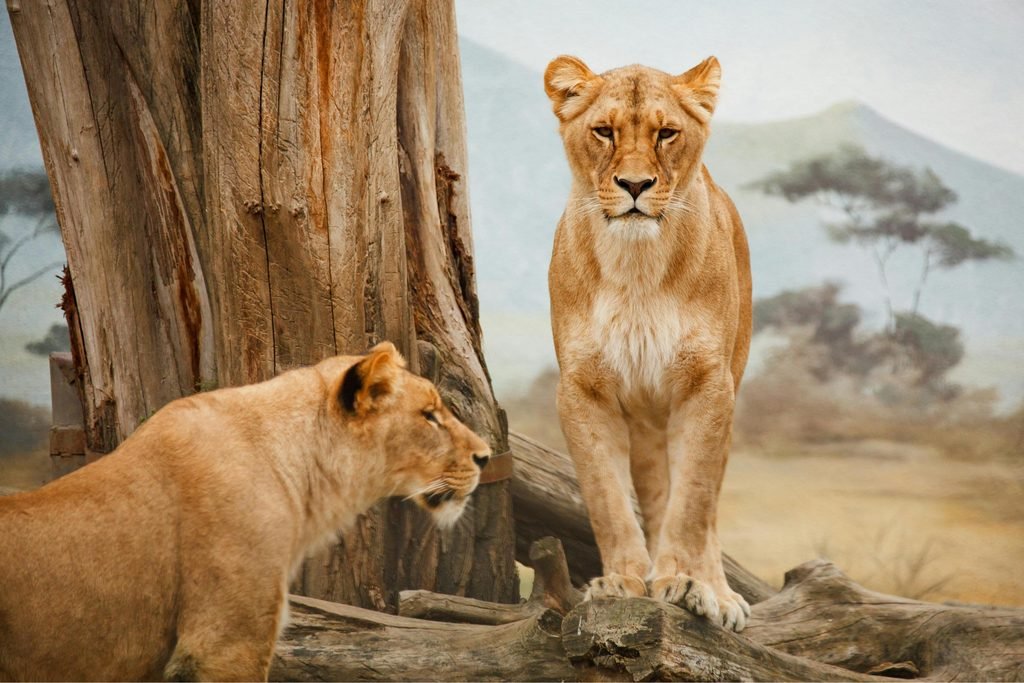
Simba means lion.
It is one of the best-known Swahili animal names and is frequently heard during wildlife safaris.
If your guide says “Kuna simba pale,” it means there is a lion over there.
What Does “Tembo” Mean?
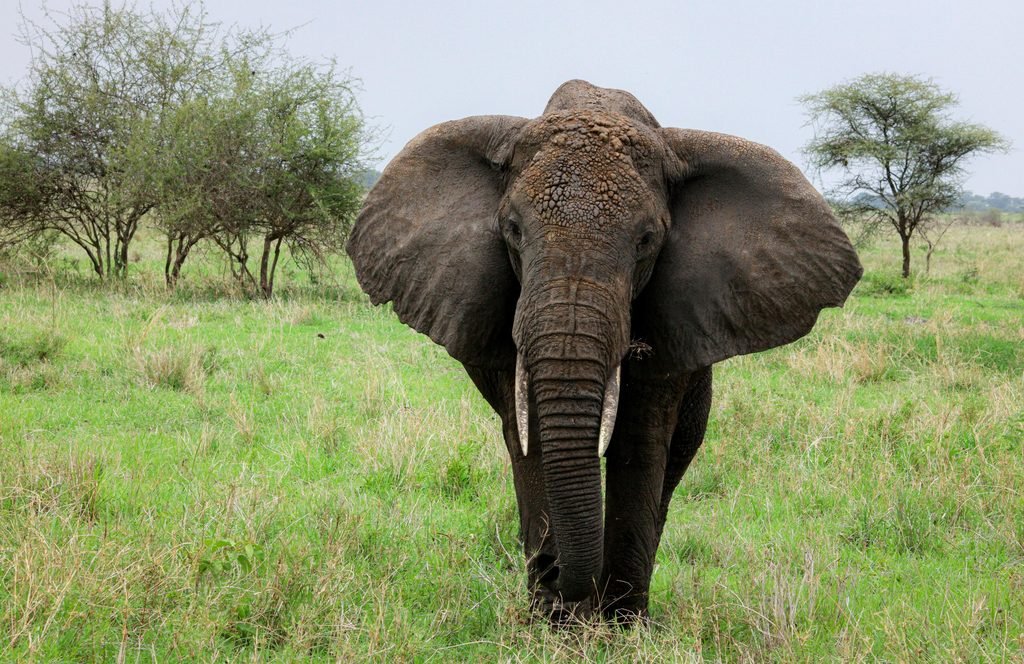
Tembo means elephant.
The word is particularly useful when visiting Tarangire National Park, which is well known for its elephants.
What Is the Swahili Word for Wildebeest?
The Swahili word for wildebeest is nyumbu.
During the Great Migration in Serengeti National Park, you may hear guides discussing nyumbu when referring to migrating herds.
If you are planning a safari to see the Great Wildebeest Migration, understanding this word can be particularly useful.
5. Swahili Numbers for Shopping, Travel, and Everyday Conversations
Learning basic numbers can help you understand prices, quantities, and simple conversations.
| Number | Swahili |
|---|---|
| 1 | Moja |
| 2 | Mbili |
| 3 | Tatu |
| 4 | Nne |
| 5 | Tano |
| 6 | Sita |
| 7 | Saba |
| 8 | Nane |
| 9 | Tisa |
| 10 | Kumi |
| 11 | Kumi na moja |
| 12 | Kumi na mbili |
| 20 | Ishirini |
| 30 | Thelathini |
| 40 | Arobaini |
| 50 | Hamsini |
| 100 | Mia moja |
| 1,000 | Elfu moja |
Asking About Prices in Swahili
One of the most useful shopping questions is:
“Bei gani?” — What price?
A more complete and natural question is:
“Hii ni bei gani?” — How much is this?
You may also hear:
“Shilingi elfu kumi.” — Ten thousand shillings.
Tanzania uses the Tanzanian shilling, so recognizing words such as elfu (thousand) and mia (hundred) can help when shopping.
If you are unsure about a price, ask the seller to write it down or use a calculator. This is especially helpful when discussing larger amounts.
6. Swahili Phrases for Hotels and Safari Lodges
Whether you are staying in Arusha, Moshi, Serengeti, Ngorongoro, or Zanzibar, these phrases can help with everyday requests.
| Swahili phrase | English meaning |
|---|---|
| Chumba changu kiko wapi? | Where is my room? |
| Naomba maji | May I have some water? |
| Naomba taulo | May I have a towel? |
| Choo kiko wapi? | Where is the toilet? |
| Chakula kiko tayari? | Is the food ready? |
| Kifungua kinywa ni saa ngapi? | What time is breakfast? |
| Naomba msaada | Please help me |
| Kuna maji ya moto? | Is there hot water? |
| Nimepoteza ufunguo | I have lost the key |
| Asante kwa huduma nzuri | Thank you for the good service |
You do not need to memorize every phrase. Learning naomba is particularly useful because it allows you to make polite requests.
For example:
Naomba maji means you would like some water.
Naomba chai means you would like some tea.
Naomba kahawa means you would like some coffee.
7. Useful Swahili Food and Restaurant Vocabulary
Food is an important part of Tanzanian culture, and learning a few words can make restaurant visits more enjoyable.
| Swahili | English |
|---|---|
| Chakula | Food |
| Maji | Water |
| Chai | Tea |
| Kahawa | Coffee |
| Maziwa | Milk |
| Sukari | Sugar |
| Chumvi | Salt |
| Wali | Cooked rice |
| Ugali | Stiff maize porridge |
| Nyama | Meat |
| Kuku | Chicken |
| Samaki | Fish |
| Mboga | Vegetables / Greens |
| Matunda | Fruits |
| Ndizi | Bananas |
| Mayai | Eggs |
| Mkate | Bread |
| Pilipili | Chili / Pepper |
| Kitamu | Delicious / Tasty |
Useful Restaurant Phrases
“Naomba chakula.” — I would like some food.
“Naomba maji ya kunywa.” — I would like drinking water.
“Chakula ni kitamu.” — The food is delicious.
“Sili nyama.” — I do not eat meat.
“Nina mzio wa karanga.” — I am allergic to peanuts.
If you have a serious food allergy, explain it clearly to your guide or accommodation provider in advance. Do not rely only on a memorized phrase when communicating an important medical requirement.
8. Swahili Phrases for Asking Directions and Getting Around
Although most safari transfers are organized in advance, you may want to explore Arusha, Moshi, or Zanzibar during your free time.
These phrases can help with simple questions.
| Swahili phrase | English meaning |
|---|---|
| Samahani, naomba kuuliza | Excuse me, may I ask? |
| Hapa ni wapi? | Where is this place? |
| Hoteli iko wapi? | Where is the hotel? |
| Benki iko wapi? | Where is the bank? |
| Hospitali iko wapi? | Where is the hospital? |
| Ni mbali? | Is it far? |
| Ni karibu? | Is it near? |
| Nenda moja kwa moja | Go straight ahead |
| Geuka kushoto | Turn left |
| Geuka kulia | Turn right |
| Nataka kwenda Arusha | I want to go to Arusha |
| Naomba teksi | I would like a taxi |
When traveling in unfamiliar areas, use reliable transport arrangements and confirm the destination with your driver.
Your safari guide or hotel reception can usually help arrange suitable local transport.
9. Important Swahili Words for Time and Weather
Safari activities often begin early in the morning, and weather conditions can influence the day’s schedule.
Knowing a few words related to time and weather can be helpful.
| Swahili | English |
|---|---|
| Leo | Today |
| Kesho | Tomorrow |
| Jana | Yesterday |
| Sasa | Now |
| Baadaye | Later |
| Asubuhi | Morning |
| Mchana | Daytime / Afternoon |
| Jioni | Evening |
| Usiku | Night |
| Mapema | Early |
| Mvua | Rain |
| Jua | Sun |
| Upepo | Wind |
| Baridi | Cold |
| Joto | Heat / Hot weather |
| Mawingu | Clouds |
Understanding Swahili Time
One detail travelers should know is that traditional Swahili timekeeping differs from the international 12-hour clock.
In traditional Swahili time, the daytime count begins around sunrise, approximately 6 a.m.
For example, saa moja asubuhi traditionally refers to around 7 a.m., not 1 a.m.
However, people working in tourism often use international time when communicating with visitors.
To avoid confusion, confirm departure times using the 24-hour clock or ask your guide to write the time down.
This is especially important for early safari departures, airport transfers, and Kilimanjaro climbing schedules.
10. Swahili Phrases for Emergencies and Important Situations
Most travelers will not need these phrases, but knowing them can be useful.
| Swahili phrase | English meaning |
|---|---|
| Msaada! | Help! |
| Naomba msaada | Please help me |
| Ninaumwa | I am sick |
| Nahitaji daktari | I need a doctor |
| Nina maumivu | I am in pain |
| Nimepotea | I am lost |
| Nimepoteza pasipoti yangu | I have lost my passport |
| Piga simu polisi | Call the police |
| Kuna hatari | There is danger |
| Naomba kwenda hospitali | I need to go to the hospital |
During an organized safari, your guide should be your first point of contact for most travel problems.
If you become ill, experience an injury, or need urgent assistance, inform your guide or accommodation staff immediately.
Do not delay seeking professional help while trying to communicate in Swahili.
How to Pronounce Basic Swahili Words
Swahili pronunciation is relatively consistent, which makes many basic words easier to learn than they first appear.
Most written vowels have a fairly stable sound.
| Letter | Approximate sound | Example |
|---|---|---|
| A | Ah | Asante |
| E | Eh | Tembo |
| I | Ee | Simba |
| O | Oh | Pole |
| U | Oo | Hujambo |
Unlike English, Swahili words are often pronounced close to the way they are written.
For example:
Asante sounds approximately like ah-SAHN-teh.
Karibu sounds approximately like kah-REE-boo.
Simba sounds approximately like SEEM-bah.
Twiga sounds approximately like TWEE-gah.
Stress commonly falls on the second-to-last syllable of a word.
These English-style pronunciation guides are only approximations, but they can help beginners.
Common Swahili Expressions You May Hear in Tanzania
Some Swahili expressions are especially common in everyday conversation.
Pole Pole
Pole pole means slowly or gently.
It is particularly familiar to travelers climbing Mount Kilimanjaro, where guides encourage a steady walking pace to help climbers manage the physical demands of high altitude.
The phrase is a reminder not to rush.
Haraka Haraka Haina Baraka
This Swahili proverb means that rushing does not bring blessings, or that excessive haste can lead to poor results.
It reflects the importance of patience and careful action.
Karibu Tanzania
This means welcome to Tanzania.
You may hear it from guides, hotel staff, and people welcoming visitors.
Safari Njema
This means have a good journey.
It is a friendly expression to use when someone is departing.
Twende
Twende means let’s go.
It is commonly used when a group is ready to leave.
Is Swahili Difficult for English-Speaking Travelers to Learn?
Basic Swahili is approachable for many English-speaking travelers.
The pronunciation is relatively regular, and common phrases can be learned through repetition.
However, becoming fluent requires more study because Swahili has a grammatical structure that differs significantly from English.
For a short safari, focus on useful phrases rather than trying to master the entire language.
Start with greetings, polite expressions, numbers, and a few wildlife names.
Practice them before your trip and use them naturally when appropriate.
Your safari guide may also enjoy helping you learn additional words during the journey.
Do You Need to Speak Swahili to Visit Tanzania?
No. You do not need to speak Swahili to enjoy a professionally organized Tanzania safari.
Many safari guides speak English, and some operators can arrange guides who speak other languages.
Hotels and lodges serving international travelers generally have staff who can communicate in English.
However, knowing basic Swahili can improve your interactions outside the main tourism environment.
It is particularly useful when visiting markets, meeting local hosts, or taking part in cultural activities.
Swahili in Zanzibar: Is It Different from Mainland Tanzania?
Swahili is widely spoken in both mainland Tanzania and Zanzibar.
There are regional differences in pronunciation, vocabulary, and expressions, but the standard Swahili taught in beginner travel guides is generally understood in both places.
Zanzibar has a long history of cultural exchange across the Indian Ocean, and its language reflects historical interactions with Arabic and other languages.
Visitors to Stone Town, local markets, and coastal villages will hear Swahili used throughout daily life.
Simple phrases such as asante, karibu, habari, and tafadhali are useful on both the mainland and the islands.
How to Practice Swahili Before Your Tanzania Safari
You do not need months of language study to prepare for your trip.
A practical approach is to learn five useful phrases each day during the week before departure.
Begin with greetings and polite expressions. Then learn animal names, basic numbers, and a few questions.
Say the words aloud rather than only reading them.
You can also listen to Swahili pronunciation through reputable language-learning resources or recordings by native speakers.
Once you arrive in Tanzania, use the phrases naturally. If someone corrects your pronunciation, treat it as an opportunity to learn.
The aim is communication and cultural appreciation, not perfection.
Quick Swahili Cheat Sheet for Tanzania Safari Travelers
These 20 phrases are especially useful to save on your phone before traveling.
| Swahili | English |
|---|---|
| Habari? | How are things? |
| Nzuri | Good / Fine |
| Jambo | Hello |
| Asante | Thank you |
| Asante sana | Thank you very much |
| Tafadhali | Please |
| Karibu | Welcome / You’re welcome |
| Samahani | Excuse me / Sorry |
| Ndiyo | Yes |
| Hapana | No |
| Sawa | Okay |
| Twende | Let’s go |
| Pole pole | Slowly |
| Hakuna shida | No problem |
| Naomba maji | May I have some water? |
| Choo kiko wapi? | Where is the toilet? |
| Hii ni bei gani? | How much is this? |
| Huyo ni mnyama gani? | What animal is that? |
| Naomba msaada | Please help me |
| Kwa heri | Goodbye |
Frequently Asked Questions About Swahili in Tanzania
What language is spoken in Tanzania?
Swahili is Tanzania’s national language and is widely used throughout the country. English is also used in tourism, education, and other professional settings. Tanzania has many additional local languages.
How do you say hello in Swahili?
You can say jambo, habari, or hujambo, depending on the situation. Habari? is a common everyday greeting.
How do you say thank you in Tanzania?
Say asante for thank you or asante sana for thank you very much.
What does “Karibu” mean?
Karibu means welcome. It can also mean you’re welcome when responding to thanks.
What does “Pole Pole” mean?
Pole pole means slowly or gently. It is especially familiar to Kilimanjaro climbers.
What does “Simba” mean?
Simba means lion in Swahili.
What does “Jambo Bwana” mean?
Jambo bwana is a familiar greeting expression, widely recognized through the popular East African song of the same name.
How do you say goodbye in Swahili?
Kwa heri means goodbye. You can also say tutaonana, meaning see you again.
Can I travel around Tanzania speaking only English?
Yes, particularly when using organized safari services. However, English may be less widely spoken in some local settings, so basic Swahili can be helpful.
What is the Swahili word for safari?
Safari means journey or travel. The English word safari was borrowed from Swahili.
How do you say “I love Tanzania” in Swahili?
You can say “Ninaipenda Tanzania.”
How do you say “Thank you for the safari” in Swahili?
You can say “Asante kwa safari.” For a more enthusiastic expression, “Asante kwa safari nzuri” means thank you for the wonderful safari.
Final Thoughts: Learn a Little Swahili and Enjoy Tanzania More
Learning basic Swahili phrases is a simple way to make your Tanzania safari more rewarding.
You do not need to become fluent or memorize hundreds of words. A few greetings, polite expressions, and useful questions can help you communicate with guides, lodge staff, local hosts, and people you meet during your journey.
Words such as asante, karibu, habari, and pole pole are easy to remember and useful in many situations.
Learning animal names such as simba, tembo, twiga, and nyumbu can also make wildlife viewing more enjoyable, particularly when traveling with children.
Most importantly, using Swahili respectfully shows an interest in the people and culture of the country you are visiting.
Whether you are exploring Serengeti National Park, climbing Mount Kilimanjaro, visiting Ngorongoro Crater, or relaxing in Zanzibar, these basic phrases can help you feel more connected to Tanzania.
Explore Tanzania with Eddy Tours and Safaris
Are you planning your first Tanzania safari and want to experience the country’s wildlife, landscapes, and local culture?
Eddy Tours and Safaris organizes Tanzania wildlife safaris, Kilimanjaro climbing expeditions, day trips, and Zanzibar holiday arrangements.
Our team can help you plan an itinerary that suits your travel dates, interests, and budget, whether you want to explore Serengeti National Park, visit Ngorongoro Crater, discover Tarangire, or climb Mount Kilimanjaro.
Visit our official website to learn more about our travel services.
For a personalized itinerary or safari quotation, use our contact page.
Email: sales@eddytours-safaris.com
WhatsApp: +255 711 906 664
Karibu Tanzania! We look forward to helping you plan your next adventure.