
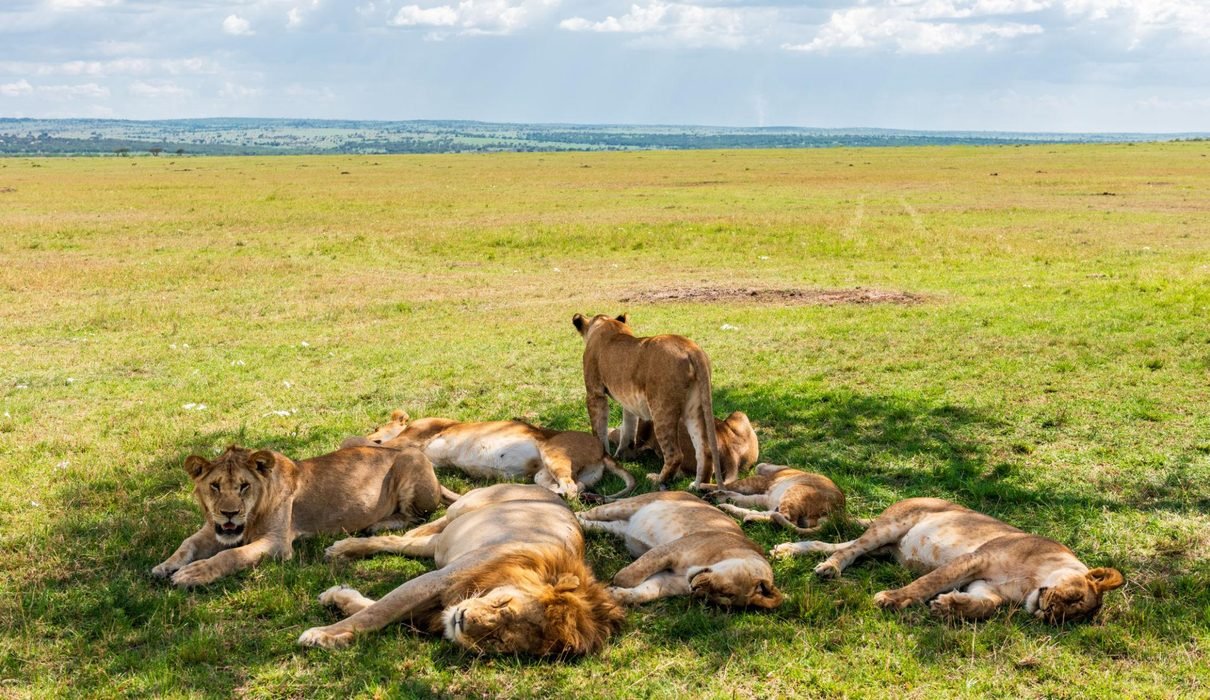
Traveling to Tanzania is about more than seeing wild animals, climbing mountains, or relaxing on beautiful beaches. It is also an opportunity to meet people, learn about different cultures, support local businesses, and understand why protecting nature matters. From the wide plains of the Serengeti to the villages around Mount Kilimanjaro and the coastal communities of Zanzibar, Tanzania offers many ways to enjoy a holiday while making thoughtful choices that benefit the places you visit.
Many travelers today want their holidays to mean something beyond taking photographs and visiting famous attractions. They want to understand the communities they meet, know how their travel spending is used, and leave the destination in good condition for future generations. This approach is often called purposeful or responsible travel. It does not mean giving up comfort or adventure. Instead, it means making better decisions about where you go, who you travel with, and how you behave during your trip.
Tanzania is an excellent destination for this kind of travel because tourism is closely connected to wildlife conservation, cultural heritage, local employment, and small businesses. A safari in the Serengeti can help you appreciate the importance of protecting natural habitats, while a guided village visit can introduce you to local traditions and everyday life. Even simple choices, such as buying handmade products from local artisans or reducing plastic waste, can make your journey more meaningful.
At Eddy Tours & Safaris, we believe that exploring Tanzania should be enjoyable, respectful, and well organized. Whether you are planning a wildlife safari, a Mount Kilimanjaro expedition, or a Zanzibar holiday, these ten practical ideas will help you travel with greater purpose and make the most of your time in Tanzania.
What Does It Mean to Travel With Purpose?
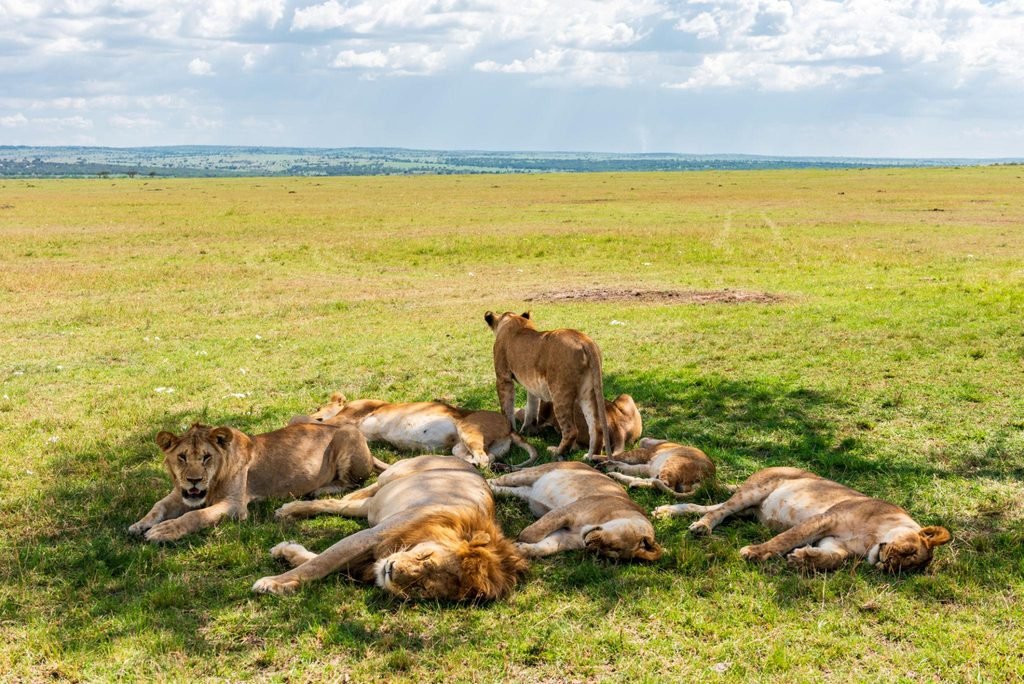
Traveling with purpose means thinking about how your holiday affects the people, wildlife, and environment around you. Instead of focusing only on the attractions you want to see, you also consider how your decisions can support local communities and reduce unnecessary harm. This might involve choosing locally operated services, respecting cultural traditions, following national park regulations, or learning about the conservation challenges facing Tanzania’s wildlife.
Purposeful travel does not require an expensive holiday or a special volunteer program. A family enjoying a Tanzania safari can travel responsibly by following wildlife viewing rules, treating guides and hospitality workers fairly, and choosing activities that respect animals and communities. A couple visiting Zanzibar can support local businesses by eating at locally owned restaurants, purchasing genuine handmade products, and learning about the island’s history.
The most important part is being thoughtful. Not every activity advertised as responsible tourism provides a real benefit, and some experiences may create problems when they are poorly organized. Asking questions, researching operators, and respecting local advice can help you make choices that genuinely improve your travel experience.
1. Choose a Local Tanzanian Tour Operator
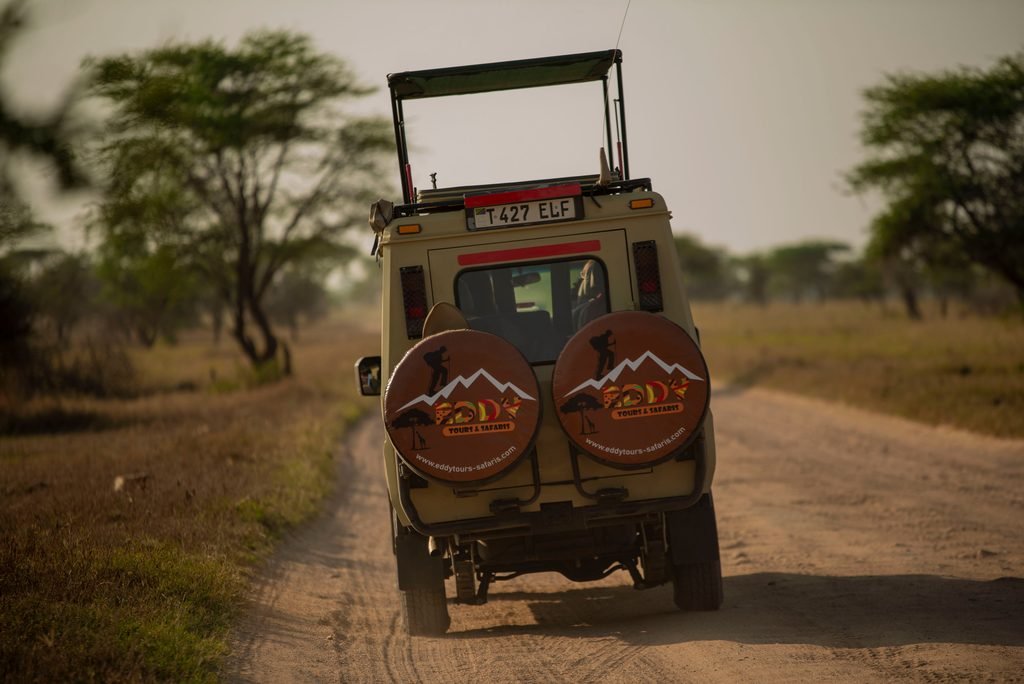
One of the simplest ways to travel with purpose in Tanzania is to book your holiday with a responsible local tour operator. Local companies often work directly with Tanzanian guides, drivers, accommodation providers, cooks, porters, and other tourism professionals. When you choose a company that employs and pays its team fairly, your travel spending can support jobs and services within the country.
A local operator can also provide valuable knowledge about the destinations you visit. Experienced Tanzanian guides understand the landscapes, wildlife behavior, local customs, and practical challenges involved in traveling between national parks. Their knowledge can turn an ordinary game drive into a learning experience, helping you understand animal behavior, conservation issues, and the relationship between wildlife and nearby communities.
However, being locally owned does not automatically mean that every company follows responsible practices. Before booking, ask how the company supports its employees, manages wildlife viewing, works with local suppliers, and handles environmental concerns. Clear answers and transparent arrangements are more meaningful than general claims about sustainable tourism.
At Eddy Tours & Safaris, travelers can enquire about guided Tanzania safaris, Kilimanjaro climbing trips, and customized holiday arrangements. Choosing a suitable local operator is an important first step toward making your journey more personal and responsible.
2. Support Local Communities Through Your Travel Spending
Tourism can create opportunities for communities when travelers purchase goods and services directly from local people. During your holiday, you may have opportunities to visit local markets, buy handmade crafts, eat at independently owned restaurants, or use locally operated accommodation. These everyday decisions can help distribute tourism spending beyond the major attractions.
For example, when visiting towns such as Moshi, Arusha, or communities around northern Tanzania’s safari circuit, you may find local markets selling fresh produce, traditional fabrics, artwork, baskets, and other handmade items. Purchasing products directly from artisans gives you a chance to learn about their work and take home something connected to the place you visited.
It is important to approach these experiences respectfully. Ask permission before photographing people, negotiate prices politely where bargaining is customary, and avoid treating communities as attractions that exist only for visitors. A genuine conversation with a shopkeeper, craftsperson, or local guide can be more rewarding than a rushed visit focused only on photographs.
Supporting local businesses does not mean you must avoid larger hotels or established tourism services. Instead, look for opportunities to include local suppliers and community-based experiences in your overall itinerary.
3. Respect Wildlife and Follow National Park Rules
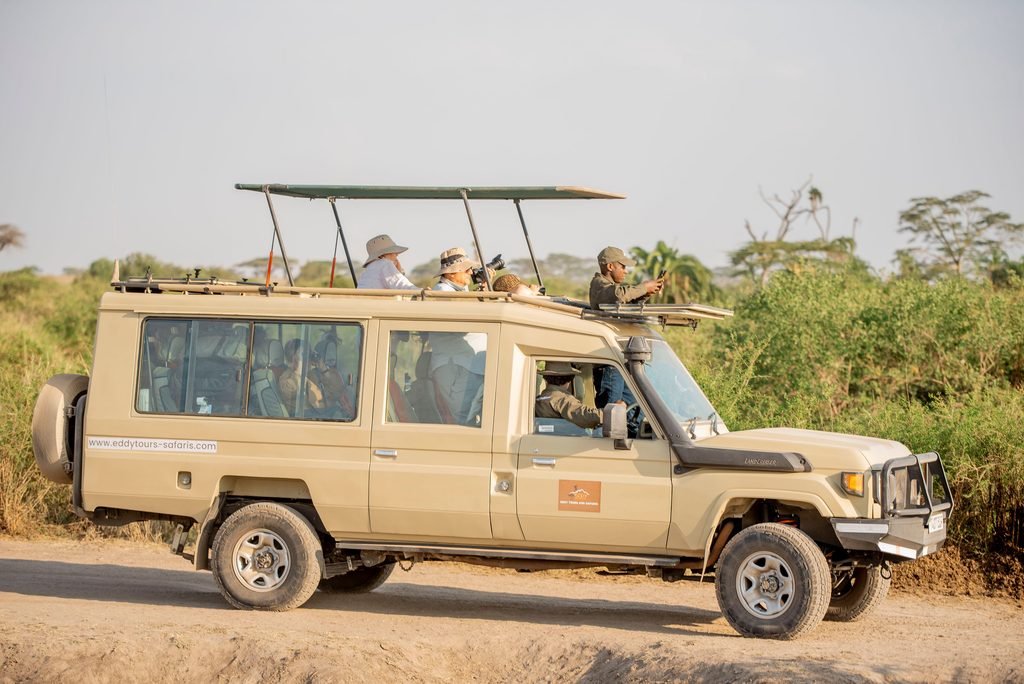
<escape>Tanzania is home to some of Africa’s most famous wildlife destinations, including Serengeti National Park, Tarangire National Park, Lake Manyara National Park, and the Ngorongoro Conservation Area. These protected landscapes support elephants, lions, giraffes, zebras, wildebeest, and many other species. Visiting these areas is a wonderful opportunity to observe animals in their natural habitats, but responsible wildlife viewing is essential.</escape>
During a safari, always follow the instructions of your professional guide and the regulations of the protected area. Wildlife should be observed from an appropriate distance without chasing, feeding, surrounding, or deliberately disturbing animals. Drivers should remain on authorized tracks except where specific park rules permit otherwise, and visitors should never pressure guides to break regulations for a better photograph.
Responsible wildlife viewing also means accepting that nature is unpredictable. You may spend time looking for a particular animal without seeing it, or you may witness unexpected behavior that becomes the highlight of your journey. Animals should be allowed to move and behave naturally rather than being forced into situations that satisfy visitors.
A well-organized Tanzania wildlife safari with Eddy Tours & Safaris can help travelers understand the importance of conservation while enjoying the country’s national parks. The goal should be to appreciate wildlife without interfering with its natural behavior.
4. Learn About Tanzanian Culture Before and During Your Visit
Tanzania has a rich cultural heritage shaped by many communities, languages, traditions, and ways of life. Swahili is widely spoken, and learning a few basic words can make everyday interactions more welcoming. Simple greetings such as Jambo or Habari and expressions such as Asante for thank you can help visitors communicate respectfully.
Cultural experiences can include learning about traditional food, visiting local markets, discovering regional history, or joining a community-led activity. In northern Tanzania, some travelers are interested in learning about Maasai culture, while visitors to Zanzibar may explore the island’s Swahili coastal heritage. These experiences can be valuable when they are organized with the genuine participation and consent of the people involved.
Avoid assuming that every community follows the same traditions or that cultural practices exist only for tourists. Ask questions respectfully, follow local guidance about photography, and dress appropriately when visiting villages, religious sites, or other culturally important places.
A meaningful cultural visit should create an opportunity for exchange rather than simply providing entertainment. When local people have a voice in how an activity is organized and receive fair compensation for their involvement, the experience is more likely to benefit both visitors and hosts.
5. Choose Accommodation That Respects the Environment
Where you stay can influence the environmental and social impact of your holiday. Tanzania offers many accommodation options, from small locally operated guesthouses to safari camps, lodges, and beach resorts. When comparing properties, consider not only comfort and location but also how they manage resources, employ staff, and interact with surrounding communities.
Responsible accommodation providers may take steps to reduce water consumption, manage waste properly, limit unnecessary energy use, and purchase supplies from nearby businesses. In safari areas, it is particularly important that accommodation operations respect wildlife habitats and follow the environmental requirements that apply to their location.
Travelers can contribute through simple habits. Turn off unnecessary lights, use water carefully, avoid requesting fresh towels when they are not needed, and dispose of rubbish responsibly. In areas where water or electricity is limited, these small decisions can be especially useful.
You do not need to choose the most expensive lodge to travel responsibly. A modest guesthouse with good employment practices and sensible environmental management may be a suitable option. Ask accommodation providers about their actual practices rather than relying only on labels such as eco-friendly or green.
6. Climb Mount Kilimanjaro With Respect for the Mountain and Its Crew
Climbing Mount Kilimanjaro is a major goal for many travelers visiting Tanzania. The mountain rises 5,895 metres above sea level and attracts hikers from around the world. Beyond the physical challenge, a Kilimanjaro expedition provides an opportunity to appreciate Tanzania’s mountain environment and recognize the work of the guides, porters, cooks, and other crew members who support each climb.
Responsible mountain travel begins with selecting an itinerary that allows appropriate acclimatization. Routes such as Lemosho, Machame, Rongai, Marangu, and Northern Circuit offer different schedules and trekking conditions. Longer itineraries can provide additional time for altitude adjustment, although reaching the summit is never guaranteed. Choosing a suitable schedule helps place health and safety ahead of the desire to finish quickly.
Porter welfare is another important consideration. Mountain crews carry equipment, prepare meals, organize camps, and provide essential support throughout the expedition. Before booking, ask your operator about crew working conditions, appropriate equipment, load management, payment practices, and tipping arrangements. These details matter because the quality of a mountain expedition should include the welfare of everyone involved, not only the experience of the paying climber.
Climbers should also protect the mountain environment by using designated trails and campsites, avoiding littering, and following park regulations. Whether you choose a guided Kilimanjaro climbing expedition or combine the mountain with a safari, respecting both the landscape and the people who work there is an important part of traveling with purpose.
7. Reduce Plastic Waste and Keep Natural Areas Clean
Plastic waste is a concern in many travel destinations, including areas where tourism creates additional demand for packaged food, drinks, and disposable products. During a Tanzania holiday, travelers can help reduce unnecessary waste by making practical choices before and during their trip.
Carry a reusable water bottle or hydration container and follow your tour operator’s advice about obtaining safe drinking water. Avoid unnecessary single-use packaging when suitable alternatives are available, and keep your rubbish with you until it can be disposed of properly. On safari, never throw food wrappers, tissues, bottles, or other waste from a vehicle.
The same principles apply during Kilimanjaro climbs, walking tours, and beach holidays. Mountain environments can be particularly sensitive because rubbish is difficult to collect and transport from remote areas. On Zanzibar’s beaches, discarded plastic can affect the coastal environment and marine life.
Reducing waste does not mean taking risks with drinking water or hygiene. Safe water and personal health remain essential. The goal is to avoid unnecessary waste while using reliable, practical alternatives wherever possible.
8. Explore Tanzania Beyond the Most Famous Attractions
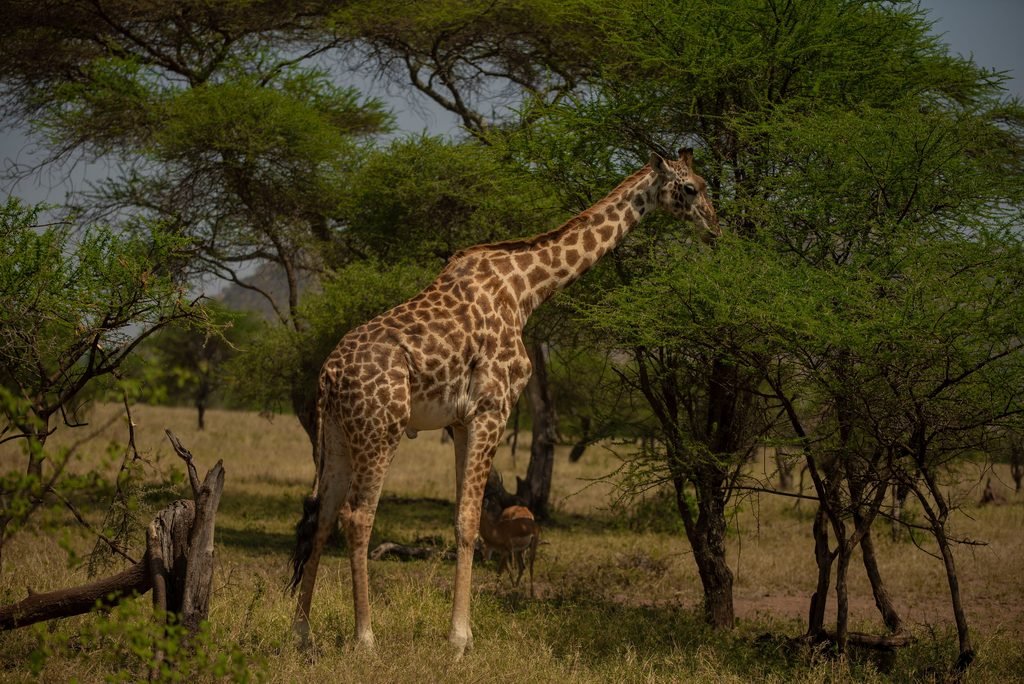
The Serengeti, Ngorongoro Crater, and Mount Kilimanjaro are internationally recognized attractions, but Tanzania offers many other places worth exploring. Including less-visited destinations in your itinerary can introduce you to different landscapes, local businesses, and cultural experiences while reducing the pressure to visit only the busiest locations.
For example, travelers interested in northern Tanzania can consider Lake Manyara National Park, the landscapes surrounding Lake Eyasi, or cultural activities near Mto wa Mbu. Depending on the itinerary and local arrangements, these areas can provide opportunities to learn about farming, local food, village life, and the relationship between communities and the surrounding environment.
Travelers with more time may explore destinations in other parts of Tanzania, such as Nyerere National Park, Ruaha National Park, or the country’s coastal regions. These destinations offer different environments and travel experiences, although they may require additional transport and careful planning.
The purpose is not to visit as many places as possible. Spending enough time in each destination can create a more relaxed and meaningful journey. A carefully planned itinerary with fewer rushed transfers often gives travelers more opportunities to learn about the places they visit.
9. Learn About Wildlife Conservation and Local Environmental Challenges
A safari becomes more meaningful when you understand why Tanzania’s protected areas matter. National parks and conservation landscapes support wildlife populations, natural habitats, and important ecological processes. The Serengeti ecosystem, for example, is known for the seasonal movement of wildebeest and other grazing animals, while Tarangire is an important habitat for elephants and many other species.
Conservation is not always simple. Wildlife may move beyond protected boundaries, and nearby communities can face challenges involving crop damage, livestock losses, or competition for natural resources. Understanding these issues helps travelers appreciate that conservation involves people as well as animals.
During your safari, ask your guide about migration patterns, habitat protection, wildlife behavior, and the role of nearby communities. You can also learn more through information provided by official organizations such as Tanzania National Parks and the Ngorongoro Conservation Area Authority.
If you wish to support a conservation organization financially, research it before donating. Look for clear information about its activities, governance, community involvement, and how donations are used. Avoid assuming that every project using wildlife photographs or conservation language is effective.
10. Travel Slowly, Be Respectful and Share Your Experience Responsibly
One of the most meaningful ways to experience Tanzania is to allow enough time to appreciate each destination. Travelers sometimes try to fit too many national parks, cultural visits, and activities into a short holiday. Although it is possible to organize busy itineraries, rushing from one location to another can reduce opportunities for genuine learning and relaxation.
A slower approach may involve spending an extra night in the Serengeti, allowing more time to explore a local community, or including a rest day after climbing Kilimanjaro. These choices can make the holiday more comfortable and provide opportunities to notice details that are easily missed during a tightly scheduled trip.
Respect should also guide how you share your experiences. Ask permission before photographing people, avoid posting images that could embarrass or misrepresent local communities, and describe cultural experiences accurately. When sharing wildlife photographs, avoid encouraging unsafe behavior or suggesting that animals should be approached too closely.
Traveling with purpose continues after you return home. You can recommend responsible businesses, share what you learned about conservation, and encourage friends or family to make thoughtful travel choices. The most valuable memories are often the ones that change how you understand the world rather than simply adding another destination to your travel history.
How to Plan a Responsible Tanzania Safari
Planning a responsible safari begins with choosing destinations that match your interests and available time. If wildlife viewing is your main priority, you may consider a northern Tanzania itinerary covering Tarangire, Serengeti, and Ngorongoro Crater. Travelers interested in cultural experiences can include suitable community-led activities, while those who enjoy hiking may add Mount Kilimanjaro or Mount Meru to their holiday.
When preparing your itinerary, discuss your preferences with your tour operator. Explain whether you would like locally operated accommodation, cultural activities, additional time for wildlife photography, or a more relaxed travel schedule. Ask how the proposed activities are organized and whether the people involved receive appropriate compensation.
It is also useful to plan your travel budget carefully. A responsible holiday does not need to be a luxury safari, and a budget-friendly itinerary can still include respectful wildlife viewing, suitable accommodation, and professional guiding. The most important considerations are transparent arrangements, realistic expectations, and avoiding activities that exploit people or animals.
For personalized assistance, visit the Eddy Tours & Safaris contact page to discuss your travel dates, preferred destinations, group size, and the type of experience you would like to enjoy.
Best Time to Travel Responsibly in Tanzania
Tanzania can be visited throughout the year, but the most suitable travel period depends on your preferred activities. The dry season, generally from June to October, is popular for wildlife safaris in northern Tanzania because vegetation is often thinner and animals may gather around reliable water sources. However, wildlife movements vary, and sightings are never guaranteed.
January to March is another attractive period for travelers interested in northern Tanzania, including the southern Serengeti ecosystem during the wildebeest calving season. The exact timing and location of wildlife movements depend on rainfall and grazing conditions, so migration itineraries should remain flexible.
For Kilimanjaro climbing, January to March and June to October are commonly popular periods, although weather can change quickly at high altitude. Zanzibar can also be enjoyed during different parts of the year, depending on your preferences for weather, beach activities, and travel conditions.
Traveling outside the busiest months may offer a different experience, but seasonal rainfall can affect road conditions, wildlife viewing, and outdoor activities. A good travel plan should consider these factors rather than assuming that every destination offers identical conditions throughout the year.
Frequently Asked Questions About Traveling With Purpose in Tanzania
1. What does traveling with purpose mean?
It means making thoughtful travel decisions that respect local communities, wildlife, cultural traditions, and the environment while enjoying your holiday.
2. Is Tanzania a good destination for responsible tourism?
Yes. Tanzania offers wildlife conservation areas, cultural experiences, locally operated tourism services, and opportunities to support communities through travel spending.
3. How can I support local people during a Tanzania safari?
Choose responsible local businesses, buy genuine handmade products, use community-led services, and treat tourism workers fairly.
4. Does booking a local tour operator help the community?
It can help support local employment and suppliers, particularly when the operator follows fair employment and purchasing practices.
5. Can I travel responsibly on a limited budget?
Yes. Responsible travel is about making thoughtful choices rather than spending large amounts of money.
6. What are the main wildlife viewing rules in Tanzania?
Follow park regulations and your guide’s instructions, maintain appropriate distances, and never feed, chase, or deliberately disturb wildlife.
7. Can I take photographs of local people?
Ask permission first and respect anyone who does not wish to be photographed.
8. How can I reduce plastic waste while traveling?
Carry reusable items where practical, avoid unnecessary packaging, and dispose of rubbish responsibly.
9. Is climbing Kilimanjaro considered responsible tourism?
It can be, when the expedition respects park regulations, protects the environment, and supports fair treatment of mountain crews.
10. Why is porter welfare important on Kilimanjaro?
Porters play an essential role in mountain expeditions and should have appropriate working conditions, equipment, and compensation.
11. Can I visit local villages during my safari?
Yes, where suitable community-led visits are available and organized with the consent of residents.
12. Is it appropriate to give money or gifts to children?
Unplanned giving can create unintended problems. Consider supporting reputable community-led programs or organizations instead.
13. How can I choose responsible accommodation?
Ask about waste management, water use, employment practices, and support for local suppliers.
14. Does responsible tourism mean avoiding luxury accommodation?
No. Luxury accommodation can follow responsible practices, just as budget accommodation can. The actual operations matter more than the price category.
15. Can I combine wildlife viewing with cultural activities?
Yes. A well-planned itinerary can include national parks, local markets, community-led activities, and cultural experiences.
16. Is the Serengeti suitable for responsible wildlife photography?
Yes, provided you follow park regulations and avoid disturbing animals to obtain photographs.
17. How can I learn about conservation in Tanzania?
Speak with knowledgeable guides and consult official park authorities and reputable conservation organizations.
18. Should I volunteer during a short Tanzania holiday?
Only consider properly managed programs with clear local needs, appropriate supervision, and safeguards. Short visits do not always provide meaningful benefits.
19. Can I visit Tanzania throughout the year?
Yes. Different seasons offer different travel conditions, and the best time depends on your preferred activities.
20. How many days should I spend in Tanzania?
A week can provide a useful introduction, while ten to fourteen days or longer allows more time for a relaxed safari, cultural activities, or a beach extension.
21. Can I combine Kilimanjaro with a safari?
Yes. Many travelers climb Kilimanjaro before visiting Tarangire, Serengeti, or Ngorongoro Crater.
22. Can I include Zanzibar in a purposeful Tanzania holiday?
Yes. Zanzibar offers opportunities to learn about coastal culture, support local businesses, and enjoy the marine environment responsibly.
23. What should I avoid during cultural visits?
Avoid intrusive photography, disrespectful behavior, and activities that do not have the genuine participation or consent of the people involved.
24. Is purposeful travel suitable for families?
Yes. Families can learn about wildlife, conservation, culture, and responsible travel through age-appropriate activities.
25. How do I organize a meaningful Tanzania holiday?
Contact a responsible tour operator, explain your interests, and request an itinerary that combines enjoyable activities with respectful travel practices.
Plan a Meaningful Tanzania Adventure With Eddy Tours & Safaris
Traveling with purpose does not mean changing every part of your holiday. It means making practical choices that show respect for the country you are visiting. Choosing responsible tourism services, supporting local businesses, following wildlife regulations, reducing waste, and learning about Tanzanian culture can make your journey more rewarding while helping you understand the destination beyond its famous attractions.
Whether you are watching elephants in Tarangire, exploring the Serengeti, climbing Mount Kilimanjaro, or enjoying the beaches of Zanzibar, every destination offers opportunities to travel more thoughtfully. The most meaningful experiences often come from listening to local people, learning something new, and appreciating the natural environment without causing unnecessary harm.
At Eddy Tours & Safaris, we help travelers plan Tanzania wildlife safaris, Kilimanjaro climbing expeditions, and customized holidays. Our team can discuss your preferred destinations, travel dates, accommodation options, and opportunities to include cultural experiences in your itinerary.
Plan Your Tanzania Safari With Eddy Tours & Safaris
Chat With Eddy Tours & Safaris on WhatsApp
Email: sales@eddytours-safaris.com
Travel to Tanzania for its wildlife, landscapes, and culture, and return home with a better understanding of the people and places that make the country special.