
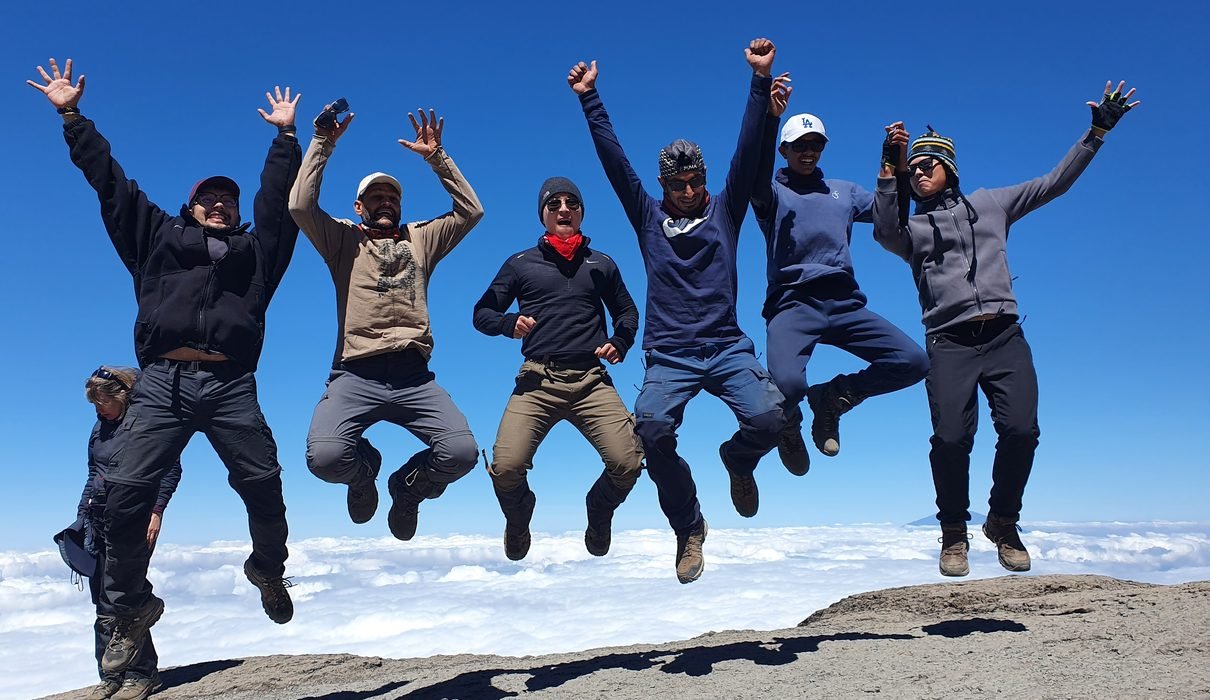
Climbing Mount Kilimanjaro is more than reaching the top of Africa’s highest mountain. It is a journey that challenges your body, tests your patience, and gives you a chance to experience Tanzania in a completely different way. Standing at 5,895 metres (19,341 feet) above sea level, Kilimanjaro attracts people from around the world who want to challenge themselves, explore nature, and achieve something they have dreamed about for years.
The benefits of climbing Mount Kilimanjaro go beyond the photographs taken at Uhuru Peak. Many climbers return home with greater confidence, new friendships, memorable experiences, and a different understanding of what they can achieve through preparation and determination. The journey also offers time away from busy routines, opportunities to enjoy the outdoors, and the satisfaction of working toward a meaningful personal goal.
However, Kilimanjaro is not an ordinary hiking holiday. The mountain involves long walking days, cold temperatures, changing weather, and serious altitude-related risks. Proper preparation, a suitable climbing route, and experienced mountain guides are important for anyone considering the expedition.
At Eddy Tours & Safaris, we help travelers plan Kilimanjaro climbing adventures that match their experience, available time, and travel interests. Whether you are considering the scenic Machame Route, the longer Northern Circuit, or the quieter Rongai Route, understanding the benefits and challenges of climbing Kilimanjaro can help you decide whether this experience is right for you.
1. Climbing Kilimanjaro Builds Confidence and Self-Belief
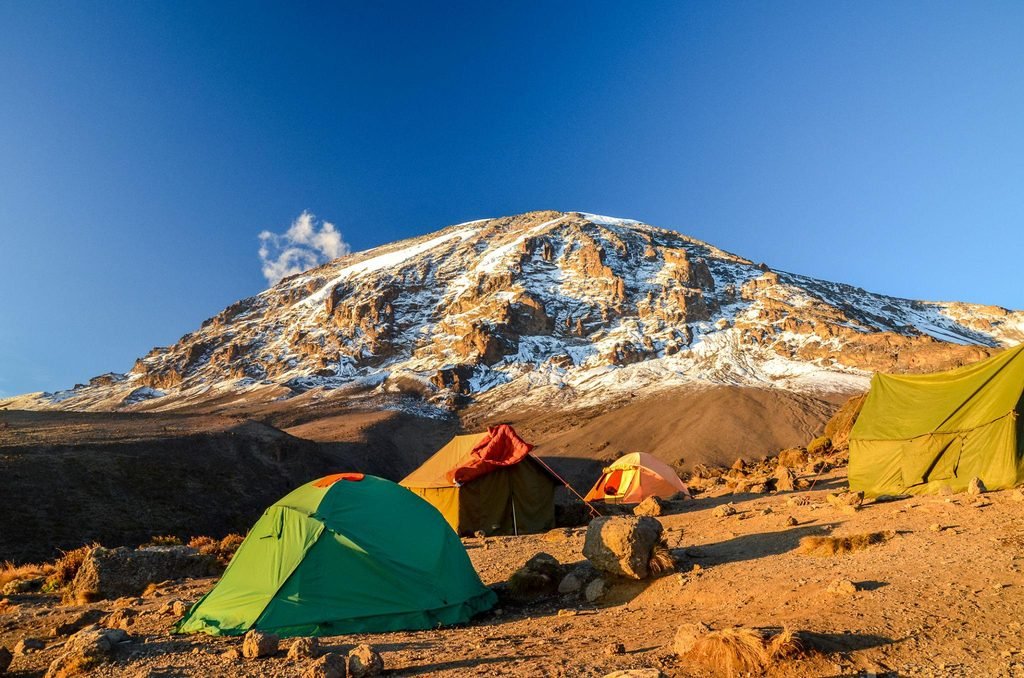
One of the most meaningful benefits of climbing Mount Kilimanjaro is the confidence that can come from completing a difficult personal challenge. Many people begin planning their climb with doubts about their fitness, endurance, or ability to manage several days of mountain trekking. As they train, prepare their equipment, and gradually progress through the different mountain camps, they begin to see how much they can accomplish through consistent effort.
Confidence often develops during the journey rather than only at the summit. Walking through the rainforest on the first day, completing a steep ascent, reaching a high-altitude campsite, or managing a particularly difficult trekking section can each become a personal achievement. These experiences may help climbers develop greater trust in their ability to prepare for and respond to challenging situations.
For some travelers, reaching Uhuru Peak becomes an important milestone in their lives. Others may find that the most valuable achievement is completing several demanding days of trekking, learning about their limits, or making a responsible decision to descend when necessary. Success on Kilimanjaro should not be measured only by reaching the summit, because good judgment and personal safety are equally important.
If you are considering your first expedition, our Machame Route climbing guide provides an introduction to one of Kilimanjaro’s best-known routes and the experiences climbers can expect along the way.
2. The Climb Encourages Better Physical Fitness
Preparing for Kilimanjaro often encourages people to become more physically active in the months before their trip. Since the expedition involves walking for several consecutive days, many travelers begin regular hiking, cardiovascular exercise, and strength training. These activities can help improve walking endurance, muscular strength, and overall physical conditioning when followed consistently and at a suitable intensity.
Training for the mountain usually involves more than going to the gym. Long walks, hill climbing, stair exercises, and hiking with a daypack can help prepare the body for the terrain encountered on Kilimanjaro. Strengthening the legs and core can also make it easier to manage uphill sections, uneven paths, and long descents. Travelers who develop these habits before their expedition may choose to continue hiking and exercising after returning home.
The climb itself provides sustained physical activity, but it should not be treated as a fitness program or a way to improve health through extreme exertion. Kilimanjaro reaches a very high elevation, and even physically fit people can develop altitude sickness. Fitness can help you cope with the walking demands, but it does not protect you from the effects of reduced oxygen availability.
For travelers who want a longer itinerary with additional acclimatization opportunities, routes such as eight-day Lemosho or nine-day Northern Circuit are worth comparing with shorter climbs. Choosing the right duration is an important part of preparing for the physical challenge.
3. Spending Time in Nature Can Help You Disconnect from Daily Stress
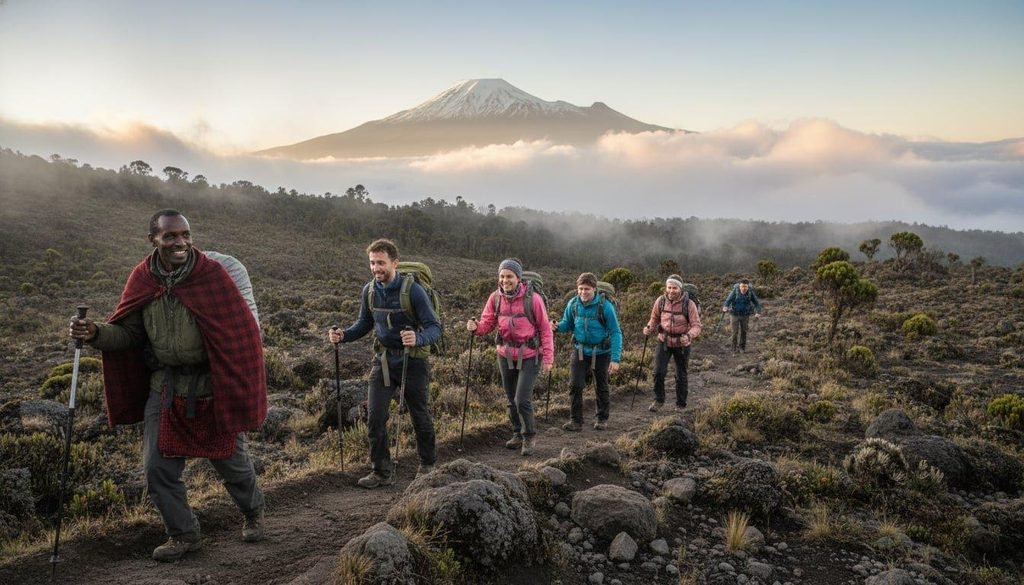
Modern life can be demanding, especially when work, family responsibilities, and constant communication leave little time for outdoor activities. Climbing Kilimanjaro offers several days away from familiar routines, allowing travelers to focus on walking, resting, eating, and experiencing the surrounding mountain environment. Many people appreciate the opportunity to spend less time using electronic devices and more time enjoying the outdoors.
The mountain provides a changing natural environment throughout the expedition. The lower trails pass through dense rainforest, while the higher sections reveal open moorland, rocky valleys, volcanic landscapes, and views of Kibo and Mawenzi. Watching the landscape change as you gain elevation can make the journey particularly interesting for travelers who enjoy nature and photography.
Outdoor experiences and physical activity may support mood and general well-being, although the effects vary between individuals. Kilimanjaro is not a treatment for stress, anxiety, or other health conditions, and the expedition can itself be physically and mentally stressful. Nevertheless, some climbers find that spending several days in nature gives them valuable time to reflect on their priorities and enjoy a different pace of life.
The Kilimanjaro National Park information provided by Tanzania National Parks offers more details about the mountain’s natural environment and visitor activities.
4. Kilimanjaro Teaches Patience and Determination
Climbing Kilimanjaro requires patience because progress is often slow, particularly at higher elevations. Mountain guides commonly encourage climbers to maintain a steady pace rather than trying to walk quickly. This approach helps travelers manage their energy and allows guides to monitor how the group responds to the increasing altitude.
The journey can be a valuable reminder that large goals often require many smaller steps. Climbers must wake up early, prepare for each trekking stage, adjust to changing weather, and continue walking even when the trail becomes tiring. Learning to manage these daily challenges can create a strong sense of achievement.
However, determination must be balanced with good judgment. Continuing toward the summit despite worsening altitude illness is dangerous, and turning back should never be considered a personal failure. One of the most important lessons Kilimanjaro can teach is knowing when to continue and when to listen to professional advice.
The longer itineraries, including the Northern Circuit and Lemosho, allow travelers to experience this gradual progression over more days. They also provide additional time for acclimatization, which is particularly important for climbers who have limited previous high-altitude experience.
5. You Experience Some of Tanzania’s Most Beautiful Mountain Landscapes
One of the strongest reasons to climb Kilimanjaro is the opportunity to experience its remarkable variety of landscapes. Few trekking destinations offer such noticeable environmental changes within a single journey. Depending on the route, climbers may begin among tall rainforest trees before passing through heath, moorland, alpine desert, and the exposed summit environment.
The Machame Route is especially popular with travelers interested in changing scenery. It passes through the Shira Plateau, Lava Tower, Barranco Valley, and the famous Barranco Wall before approaching the summit from Barafu Camp. Each stage has its own character, giving climbers different views of the mountain and surrounding landscapes.
The Rongai Route approaches Kilimanjaro from the north and offers a different perspective of the mountain, including views toward Mawenzi. The Northern Circuit travels around quieter northern slopes, while Marangu provides an established route with mountain hut accommodation. These differences make route selection an important part of planning the overall experience.
For travelers who want to learn more about the available climbing options, Kilimanjaro Climb Specialist is another resource to explore when researching mountain expeditions in Tanzania.
6. Climbing Kilimanjaro Can Create Strong Friendships
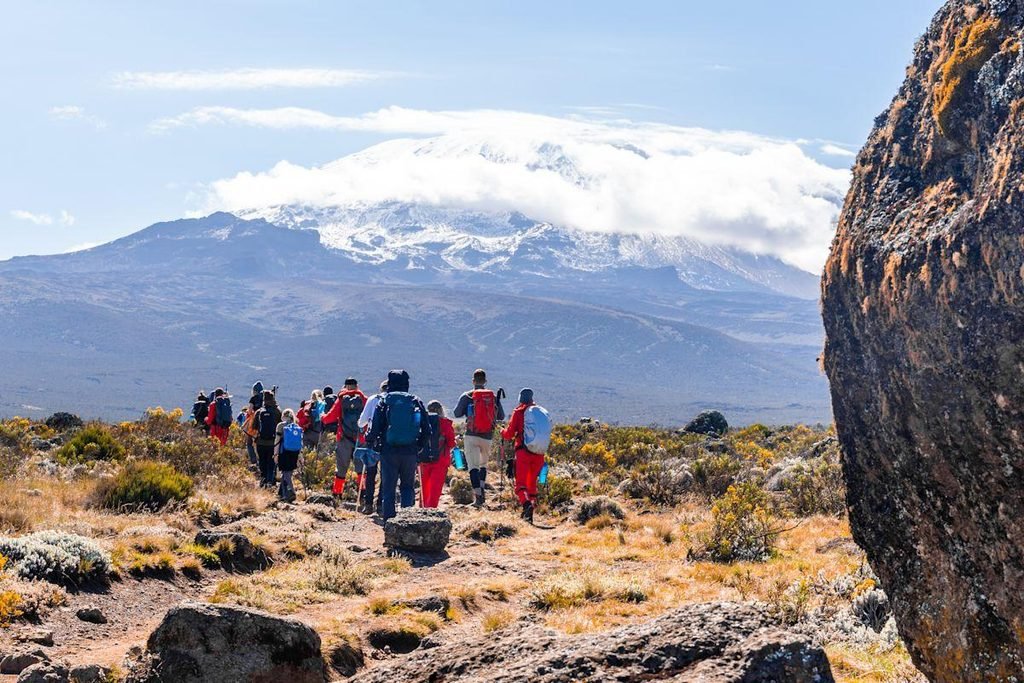
Kilimanjaro is often a shared experience. Whether you travel with friends, family members, or a group of people you have never met before, spending several days on the mountain creates opportunities to communicate, support one another, and work toward a common goal.
Climbers share meals, walk together, discuss the day’s challenges, and encourage one another during difficult sections. The shared experience of reaching a mountain camp after a long day can create a sense of connection that is different from an ordinary holiday. Many travelers also appreciate the encouragement provided by their guides and mountain crew.
The support team plays an essential role in every expedition. Guides help manage the route and monitor safety, while porters and cooks support the practical arrangements that make multi-day trekking possible. Learning about the work of the mountain crew can give travelers a greater appreciation of the teamwork involved in climbing Kilimanjaro.
Choosing a responsible operator that treats its mountain staff fairly is therefore an important part of planning the expedition. Travelers should ask about porter welfare, appropriate equipment, working conditions, and the arrangements made for the entire mountain team.
7. The Journey Offers an Opportunity for Personal Reflection
Spending several days on Kilimanjaro can provide time to think about personal goals, future plans, and experiences that matter most. Away from the usual routine, climbers may find themselves reflecting on why they decided to attempt the mountain and what they hope to gain from the journey.
Some people climb Kilimanjaro to celebrate a birthday, mark a personal milestone, or spend meaningful time with loved ones. Others choose the mountain because they enjoy hiking or want to visit one of Africa’s most famous natural landmarks. There is no single reason that makes the climb worthwhile, and every traveler may take something different from the experience.
The physical challenge can also change how people view their own expectations. A climber who initially worries about walking for several days may discover that careful preparation makes difficult tasks more manageable. Another may learn the importance of asking for support or accepting that plans sometimes need to change.
These personal lessons are not guaranteed, but they help explain why many travelers remember Kilimanjaro long after their expedition has ended.
8. You Learn About Tanzania’s People and Mountain Culture
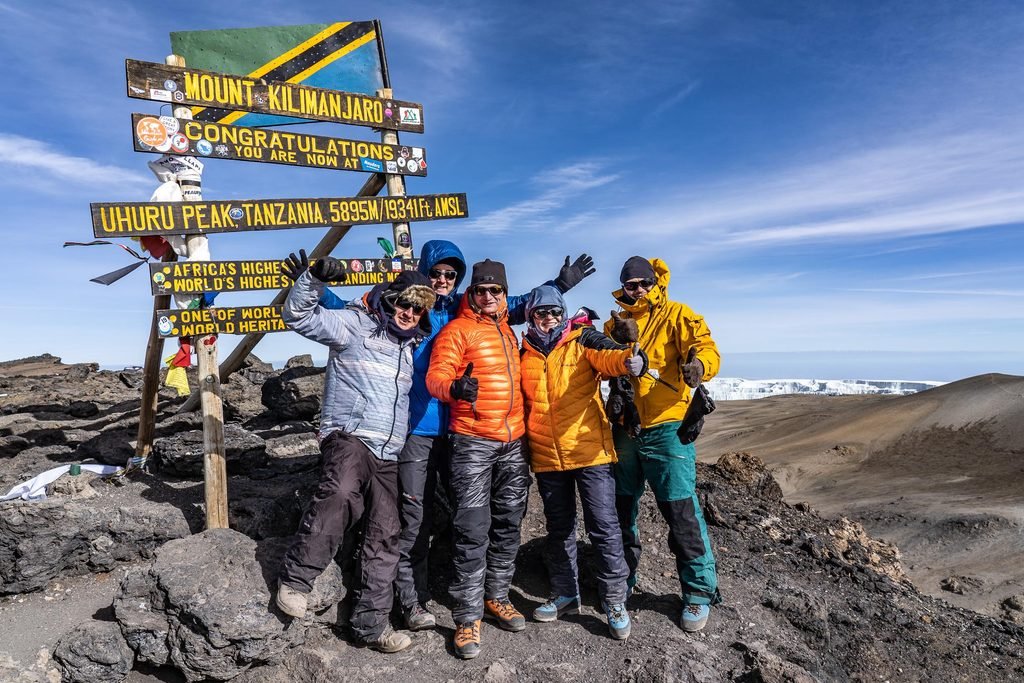
A Kilimanjaro expedition also provides an opportunity to meet Tanzanian mountain professionals and learn about the communities surrounding the mountain. Moshi and the wider Kilimanjaro Region are closely connected to tourism, agriculture, and local cultural traditions. Many mountain guides and support crew members come from communities that have worked with visitors for generations.
During the expedition, climbers often hear Swahili expressions such as pole pole, meaning slowly, which is commonly used to encourage a steady walking pace. Another familiar phrase is hakuna matata, meaning no worries or no problems, although mountain safety should always be taken seriously. These everyday interactions can make the expedition more personal and help visitors appreciate the people supporting their journey.
Travelers who have additional time before or after the climb can explore cultural experiences around Moshi and the Kilimanjaro Region. Local tours may include village visits, coffee-related activities, or opportunities to learn about the area’s history and traditions, depending on availability and community arrangements.
Working with local guides and responsible tourism businesses can also help direct tourism spending toward people and services in Tanzania.
9. Kilimanjaro Can Inspire You to Explore More of Africa
For some travelers, climbing Kilimanjaro is their first major trip to Tanzania. After experiencing the mountain, they may become interested in exploring the country’s wildlife areas, cultural attractions, and coastal destinations. Northern Tanzania offers several well-known safari destinations within reach of Moshi and Arusha, making it possible to combine a climbing expedition with a wildlife holiday.
After the mountain, travelers can visit Tarangire National Park, known for elephants and baobab landscapes, or continue to Ngorongoro Crater for wildlife viewing in a distinctive volcanic setting. Serengeti National Park is another major attraction, offering extensive grasslands, large wildlife populations, and the seasonal movements associated with the Great Wildebeest Migration.
A Tanzania safari can provide a different pace after several demanding days on Kilimanjaro. Rather than walking for hours each day, travelers usually explore the parks in safari vehicles accompanied by professional guides. However, it is sensible to allow enough recovery time after the climb before beginning a long travel schedule.
At Eddy Tours & Safaris, travelers can enquire about combining a Kilimanjaro expedition with a private wildlife safari or a Zanzibar beach holiday. These arrangements can be customized according to available time, travel interests, and budget.
10. Reaching Uhuru Peak Can Become a Meaningful Personal Achievement
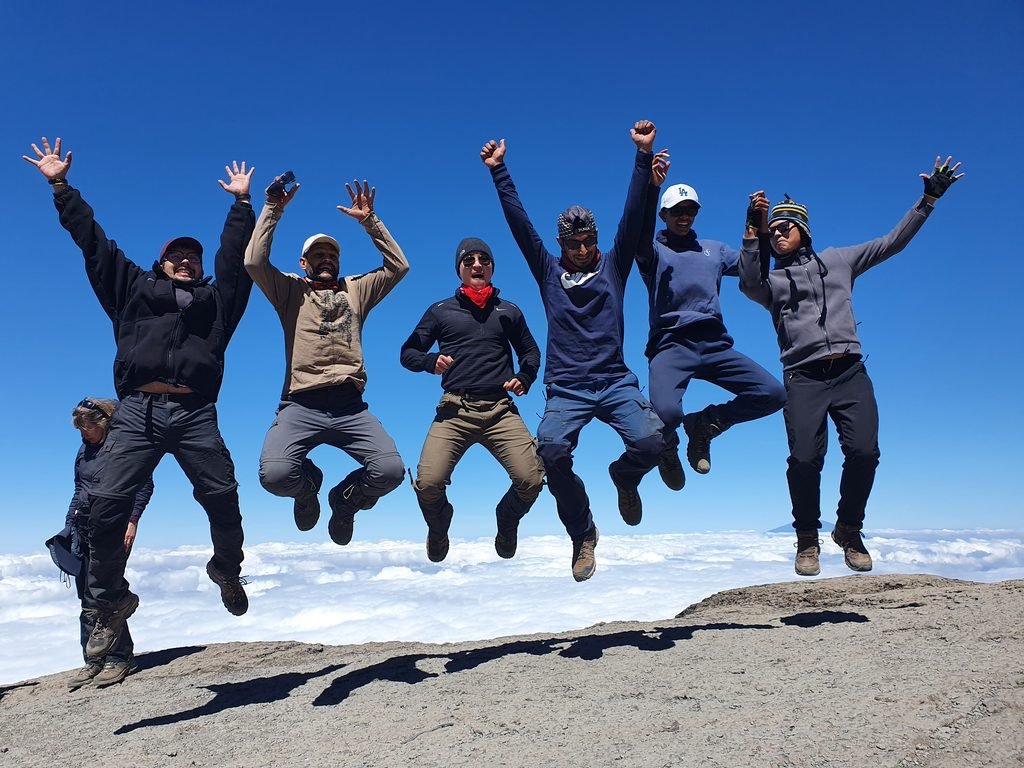
Uhuru Peak is the highest point on Mount Kilimanjaro and the African continent, standing at 5,895 metres above sea level. For many climbers, reaching the summit is the main objective of the expedition and the result of months of planning, training, and preparation.
The final ascent is usually the most demanding part of the journey. Climbers often leave their high camp during the night and continue slowly toward the crater rim before making the final approach to Uhuru Peak. The combination of darkness, cold temperatures, steep terrain, and reduced oxygen availability can make this stage particularly difficult.
For those who reach the summit safely, standing at Uhuru Peak may bring feelings of pride, relief, excitement, or gratitude. The achievement can represent much more than reaching a geographical landmark, especially for travelers who have worked toward the goal for a long time.
Nevertheless, reaching the summit is not guaranteed, and the most important outcome is returning safely. Climbers who need to descend because of altitude illness, weather, or other concerns can still take pride in their preparation and the effort they made.
Which Kilimanjaro Route Offers the Best Overall Experience?
The best route depends on your available time, physical preparation, previous hiking experience, and the kind of scenery you want to enjoy. Some travelers prefer longer routes with additional acclimatization opportunities, while others are interested in a particular mountain approach or accommodation arrangement.
| Kilimanjaro route | Recommended duration to consider | Main attraction |
|---|---|---|
| Lemosho | 8 days | Scenic western approach and varied landscapes |
| Northern Circuit | 9 days | Longer itinerary and quieter northern slopes |
| Machame | 7 days | Shira Plateau, Lava Tower and Barranco Wall |
| Rongai | 7–8 days | Northern approach and Mawenzi scenery |
| Marangu | 6 days | Mountain hut accommodation |
| Umbwe | Longer, carefully planned itinerary | Steep approach for experienced trekkers |
For many first-time climbers, eight-day Lemosho, nine-day Northern Circuit, and seven-day Machame are strong options to compare. A longer itinerary can provide additional time for acclimatization, although the number of days alone does not guarantee safety or summit success.
Travelers who want to compare route descriptions and discuss suitable climbing arrangements can contact Eddy Tours & Safaris before choosing their expedition.
How to Prepare for a Kilimanjaro Climbing Experience
Preparation should begin several months before departure, particularly for travelers who are not accustomed to regular hiking. Physical training should focus on walking endurance, leg strength, and the ability to manage several consecutive days of activity. Hill walking, stair climbing, cardiovascular exercise, and practice hikes with a daypack can help prepare the body for the demands of the expedition.
Equipment preparation is equally important. Kilimanjaro passes through different climatic zones, so climbers need clothing suitable for warm rainforest conditions, rain, cold mountain camps, and freezing summit temperatures. Waterproof hiking boots, insulated clothing, a suitable sleeping bag, gloves, trekking poles, and a reliable headlamp are among the important items to prepare.
Travelers should also understand altitude-related risks before departure. According to the CDC’s guidance on African climbing expeditions, altitude illness is a major concern on Kilimanjaro, and adding acclimatization days can be beneficial. Physical fitness does not eliminate this risk, so climbers should consult a qualified healthcare professional and choose an itinerary that allows appropriate adjustment to altitude.
Finally, review your travel arrangements carefully. Confirm your climbing dates, accommodation, airport transfers, park arrangements, travel insurance, and the services included in your quotation. A well-organized expedition allows you to concentrate on the experience rather than dealing with avoidable problems after arriving in Tanzania.
Frequently Asked Questions About the Benefits of Climbing Kilimanjaro
1. Why do people climb Mount Kilimanjaro?
People climb Kilimanjaro for many reasons, including personal achievement, adventure, outdoor recreation, mountain scenery, and the opportunity to visit Africa’s highest peak.
2. Can climbing Kilimanjaro change your life?
Some travelers describe the experience as life-changing because of the personal challenge, friendships, and sense of achievement. However, every person’s experience is different.
3. What are the physical benefits of preparing for Kilimanjaro?
Training can improve walking endurance, strength, and general fitness when performed consistently and at a suitable intensity.
4. Does climbing Kilimanjaro improve mental health?
Spending time outdoors and exercising may support general well-being, but Kilimanjaro is not a treatment for mental health conditions.
5. Does Kilimanjaro build confidence?
Completing difficult trekking stages and working toward a personal goal may help some climbers develop greater confidence.
6. Is Kilimanjaro suitable for beginners?
Yes, some routes can be suitable for physically prepared beginners, particularly when the itinerary provides sufficient acclimatization time.
7. What is the highest point of Kilimanjaro?
Uhuru Peak, at 5,895 metres above sea level.
8. Do I need technical climbing experience?
Technical mountaineering skills are not normally required on standard Kilimanjaro trekking routes under suitable conditions.
9. How difficult is climbing Kilimanjaro?
It is a challenging high-altitude trek involving several walking days, steep sections, cold temperatures, and altitude-related risks.
10. What is the best Kilimanjaro route for beginners?
Eight-day Lemosho, nine-day Northern Circuit, and seven-day Machame are useful options to compare.
11. Is Machame a good route?
Yes. Machame is known for its varied landscapes and mountain landmarks, although it remains physically demanding.
12. Why is the Northern Circuit popular?
It offers a longer itinerary, quieter sections, and additional acclimatization opportunities.
13. Is Rongai suitable for climbers who prefer quieter trails?
Rongai can appeal to travelers interested in the northern approach and different mountain scenery.
14. How long does it take to climb Kilimanjaro?
Common itineraries range from five to nine trekking days, depending on the route and schedule.
15. Does a longer route improve summit chances?
Additional acclimatization time may help, but no itinerary guarantees reaching the summit.
16. What is the hardest part of Kilimanjaro?
For many climbers, summit night is the most demanding because of altitude, cold, darkness, and fatigue.
17. Can I climb Kilimanjaro alone?
Kilimanjaro climbs require appropriate authorized guiding arrangements.
18. Can I make friends during a group climb?
Yes. Group expeditions provide opportunities to meet other travelers and share the mountain experience.
19. What is the best time to climb Kilimanjaro?
January to March and June to October are generally popular climbing periods, although conditions vary.
20. Can I climb Kilimanjaro during the rainy season?
Yes, but wet conditions can make trails slippery and the expedition less comfortable.
21. How early should I start training?
Many beginners benefit from three to six months of consistent preparation, depending on their current fitness.
22. Can physical fitness prevent altitude sickness?
No. Even physically strong climbers can develop altitude-related illness.
23. Can I combine Kilimanjaro with a Tanzania safari?
Yes. Many travelers add a safari to Serengeti, Tarangire, Ngorongoro Crater, or other northern Tanzania destinations.
24. Is reaching Uhuru Peak guaranteed?
No. Summit success depends on several factors, including acclimatization, health, weather, and safety decisions.
25. How can I book a Kilimanjaro climb with Eddy Tours & Safaris?
You can contact the company with your preferred dates, group size, route, and hiking experience to request a suitable quotation.
Plan Your Kilimanjaro Climb with Eddy Tours & Safaris
The benefits of climbing Mount Kilimanjaro extend beyond reaching Uhuru Peak. The journey offers opportunities to improve physical preparation, develop confidence, spend time in nature, meet new people, and experience some of Tanzania’s most impressive mountain landscapes. For many travelers, the memories come from the entire expedition, including the training, mountain camps, friendships, and challenges encountered along the way.
Choosing the right climbing route is an important part of making the experience worthwhile. Longer itineraries such as eight-day Lemosho and nine-day Northern Circuit can provide additional acclimatization opportunities, while seven-day Machame and longer Rongai itineraries offer other attractive options. Whatever route you choose, your health, preparation, and mountain safety should remain the priority.
At Eddy Tours & Safaris, we help travelers organize guided Kilimanjaro climbing expeditions with suitable routes, mountain support arrangements, and practical advice before departure. Our team can help you compare itineraries, understand the requirements, and plan a climbing experience that matches your available time and travel interests.
Request Your Kilimanjaro Climbing Quotation
Chat with Eddy Tours & Safaris on WhatsApp
Email: sales@eddytours-safaris.com
Website: www.eddytours-safaris.com
Contact Eddy Tours & Safaris to discuss your Kilimanjaro climbing plans and explore suitable routes, preparation requirements, and travel arrangements.