
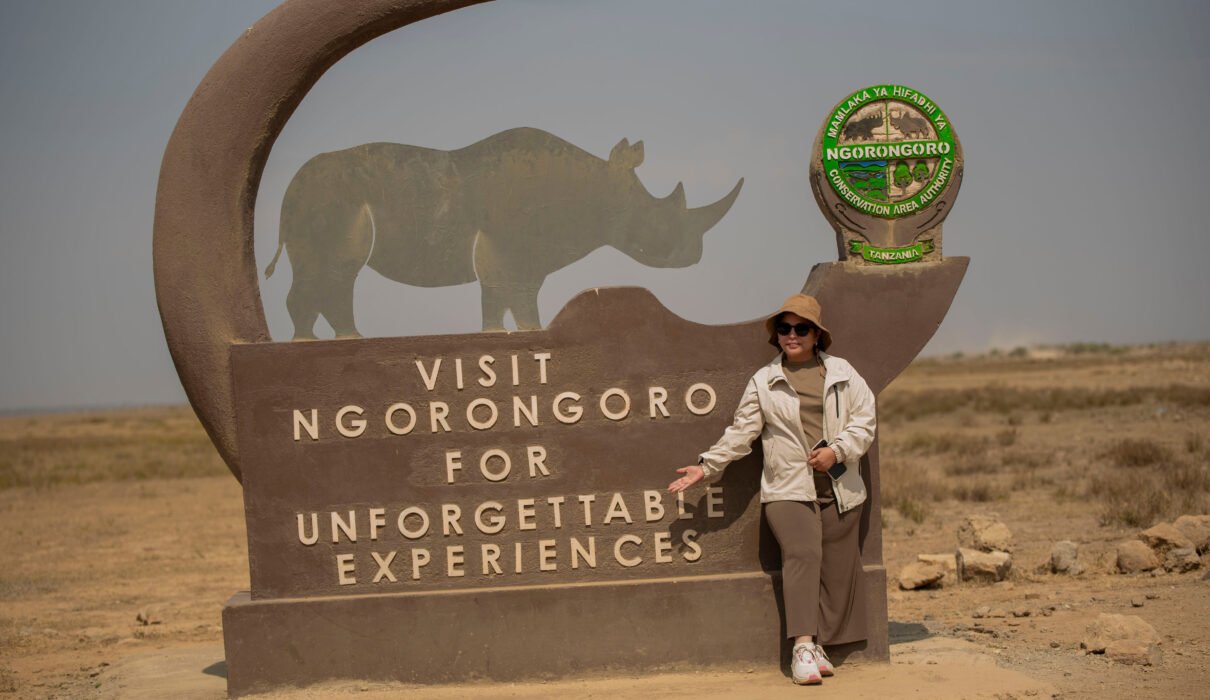
12 Fascinating Facts About the Ngorongoro Crater opens a window into one of the most breathtaking natural places on Earth, where wildlife, ancient landscapes and living culture come together inside a giant volcanic bowl that continues to surprise scientists, conservationists and visitors from all over the world.
This unique ecosystem is not only famous for its beauty, but also for how carefully it is protected, studied and managed so that animals, people and nature can continue to exist together in balance, making the crater one of the strongest examples of responsible conservation tourism in Africa.
12 Fascinating Facts About the Ngorongoro Crater and its extraordinary natural formation
One of the most impressive facts is that the crater was formed after a massive volcanic mountain collapsed inward, creating a huge natural enclosure that now supports a complete and self-sustaining ecosystem. Geological and landscape research used by conservation planners is supported globally by the International Union for Conservation of Nature and environmental science coordination led by the United Nations Environment Programme, both of which recognise volcanic landscapes as critical biodiversity refuges when properly protected.
Within this enclosed area, rivers, wetlands, grasslands and forest patches exist side by side, creating an unusually rich ecological mosaic that allows different species to share space in a stable and naturally regulated environment.
12 Fascinating Facts About the Ngorongoro Crater and one of Africa’s highest wildlife densities
Another remarkable fact is the exceptionally high concentration of wildlife living permanently inside the crater, including elephants, lions, buffalo, hippos and large numbers of grazing animals. Long-term wildlife monitoring carried out with support from the Wildlife Conservation Society, conservation landscape planning by the African Wildlife Foundation and global species protection programmes led by Conservation International help maintain this delicate balance between predators, herbivores and their habitats.
Accurate biodiversity data is also shared through the Global Biodiversity Information Facility, which supports scientific research and evidence-based decision making for protected areas such as Ngorongoro.
12 Fascinating Facts About the Ngorongoro Crater and its global conservation importance
The crater is internationally recognised as one of the most important conservation landscapes in the world, not only because of its wildlife but also because of its careful management model that combines protection and human use. This approach follows guidance promoted by UNESCO for world heritage landscapes and sustainable cultural sites, ensuring that both natural and cultural values remain protected.
Large-scale ecosystem assessments coordinated by the Intergovernmental Science-Policy Platform on Biodiversity and Ecosystem Services further highlight that landscapes like Ngorongoro are vital for regional biodiversity stability and long-term ecological resilience.
12 Fascinating Facts About the Ngorongoro Crater and the rare black rhinoceros population
One of the most emotional and inspiring facts is that the crater remains one of the safest places in Tanzania to see the critically endangered black rhinoceros. International species protection programmes supported by Panthera for large predators and conservation initiatives coordinated by World Wide Fund for Nature strengthen anti-poaching systems and habitat protection across the wider ecosystem.
These efforts are supported by scientific habitat restoration strategies promoted by The Nature Conservancy, ensuring that endangered species continue to recover inside protected landscapes.
12 Fascinating Facts About the Ngorongoro Crater and its permanent water sources
Despite being located in a highland environment, the crater contains permanent lakes, springs and wetlands that provide reliable water for wildlife throughout the year. Water security and ecosystem management strategies developed by the Food and Agriculture Organization and environmental monitoring programmes coordinated by the UN Environment Programme World Conservation Monitoring Centre help protect these fragile freshwater systems and surrounding wetlands.
Healthy wetlands inside the crater also reduce erosion and improve natural filtration, supporting both wildlife and downstream communities.
12 Fascinating Facts About the Ngorongoro Crater and climate research importance
Because of its altitude and enclosed geography, the crater is also used as a valuable site for observing climate impacts on wildlife and vegetation. Climate assessments produced by the Intergovernmental Panel on Climate Change confirm that highland ecosystems respond quickly to climate variation, making areas such as Ngorongoro extremely important for long-term environmental monitoring.
Forest and land-use research supported by the Center for International Forestry Research further contributes to understanding how land management influences water and biodiversity inside volcanic landscapes.
12 Fascinating Facts About the Ngorongoro Crater and human history inside a protected landscape
One of the most unique facts is that the Ngorongoro Conservation Area allows traditional pastoral communities to continue living alongside wildlife. Cultural heritage protection frameworks promoted by UNESCO and social development research coordinated by the UN Department of Economic and Social Affairs demonstrate that cultural identity and conservation can succeed together when governance is fair and inclusive.
This living cultural landscape is one of the strongest examples of coexistence between people and nature in East Africa.
12 Fascinating Facts About the Ngorongoro Crater and community-based conservation benefits
Tourism and conservation inside the area directly support education, healthcare and employment for local communities. Development studies published by the World Bank and labour protection frameworks promoted by the International Labour Organization show how responsible tourism strengthens long-term social stability in conservation regions.
Many travellers who choose carefully designed programmes through Eddy Tours and Safaris directly contribute to community projects and conservation education linked to the crater.
12 Fascinating Facts About the Ngorongoro Crater and strict protected area governance
The conservation area operates under strong legal and environmental governance systems. International biodiversity policy guidance provided by the Convention on Biological Diversity supports protected-area planning, visitor regulation and long-term habitat restoration.
Public health and environmental safety recommendations from the World Health Organization further guide visitor safety and disease prevention in wildlife destinations.
12 Fascinating Facts About the Ngorongoro Crater and world-class bird diversity
The crater supports an exceptional variety of resident and migratory bird species, especially around its wetlands and grasslands. Global bird monitoring programmes coordinated by BirdLife International contribute to protecting key breeding and feeding habitats within the conservation area.
This diversity makes Ngorongoro one of the most rewarding birdwatching destinations in Tanzania.
12 Fascinating Facts About the Ngorongoro Crater and its role in scientific education
The area continues to serve as a natural outdoor classroom for researchers and students from around the world. Scientific publications available through ScienceDirect regularly support ecological and wildlife studies carried out within protected African landscapes.
These studies help improve future conservation planning and wildlife management strategies.
12 Fascinating Facts About the Ngorongoro Crater and responsible travel experiences
Visitors who explore the crater responsibly support ranger services, conservation research and community development. Guests planning their journeys often start by reviewing safari options through local safari experts in Tanzania, where itineraries are designed to respect wildlife behaviour and environmental limits.
For travellers who want to combine the crater with other protected landscapes, personalised programmes are available through tailor-made safari journeys, allowing visitors to experience Tanzania responsibly and comfortably.
12 Fascinating Facts About the Ngorongoro Crater and why you should experience it yourself
Seeing the crater from its rim and then descending into its wildlife-rich floor creates a powerful emotional connection to nature that photographs can never fully capture. For many guests, arranging their visit through trusted local safari operators ensures that their experience supports conservation goals while delivering a safe, meaningful and unforgettable journey.
In simple words, the magic of this landscape lies not only in its animals or scenery, but in how carefully it is protected for future generations. When you choose to explore it responsibly, you become part of its story of protection, respect and shared heritage.