
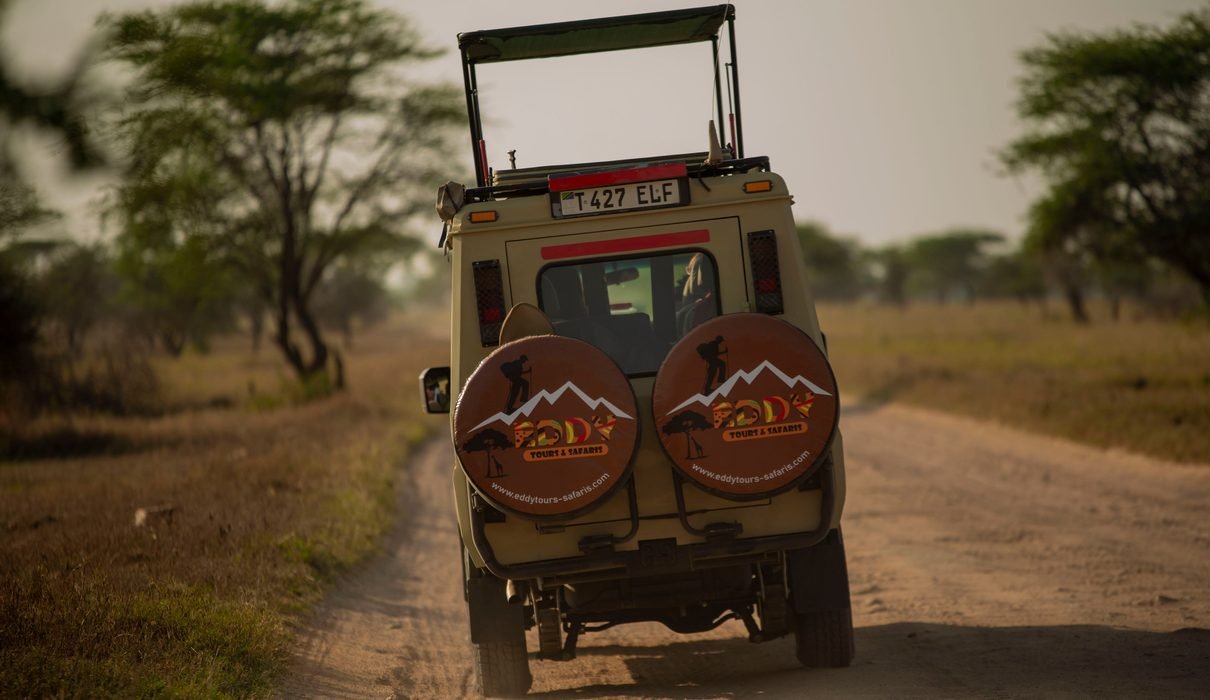
A Tanzania safari does not have to involve a long holiday or an expensive luxury lodge. If you have three days available and want to see some of Tanzania’s best wildlife destinations without spending more than necessary, this 3-Day Affordable Tanzania Safari Package from Airport, Moshi or Arusha for 2027, 2028 and 2029 is a practical option. The itinerary takes you through Tarangire National Park, Ngorongoro Crater, and Lake Manyara National Park, three different wildlife areas along Tanzania’s northern safari circuit.
This safari is designed for travellers who want to make good use of a limited budget while still enjoying proper game drives, comfortable transport, and accommodation suited to their needs. Instead of spending most of your holiday travelling long distances to the Serengeti, the itinerary focuses on parks that can be visited within three days from Arusha. You can begin your trip from Arusha town, Moshi, or Kilimanjaro International Airport, provided the pickup time allows the planned activities to take place.
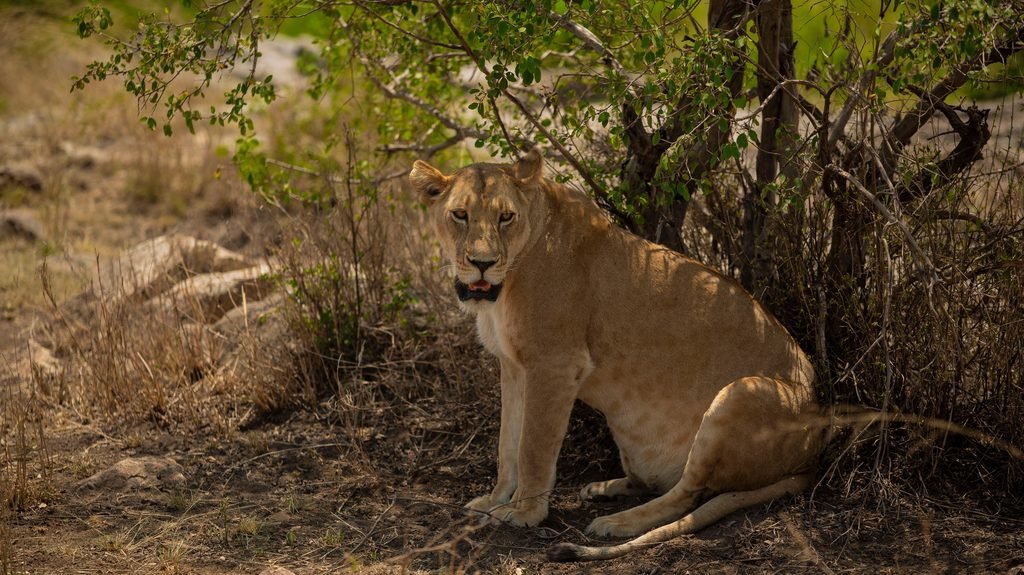
During the safari, you will have opportunities to observe elephants, giraffes, zebras, buffaloes, wildebeest, hippos, monkeys, and various bird species. Lions may also be encountered, while Ngorongoro Crater offers a possibility of seeing the endangered black rhinoceros. Wildlife sightings are never guaranteed, but visiting three different habitats increases the variety of animals and landscapes you may experience.
At Eddy Tours & Safaris, we arrange Tanzania wildlife safaris for solo travellers, couples, families, and small groups. Our team can help you choose between joining-group and private safari arrangements, compare accommodation options, and organise a suitable pickup location. You can also explore our existing 3-Day Tanzania Safari covering Tarangire, Ngorongoro and Lake Manyara to learn more about this route.
3-Day Affordable Tanzania Safari Package Overview
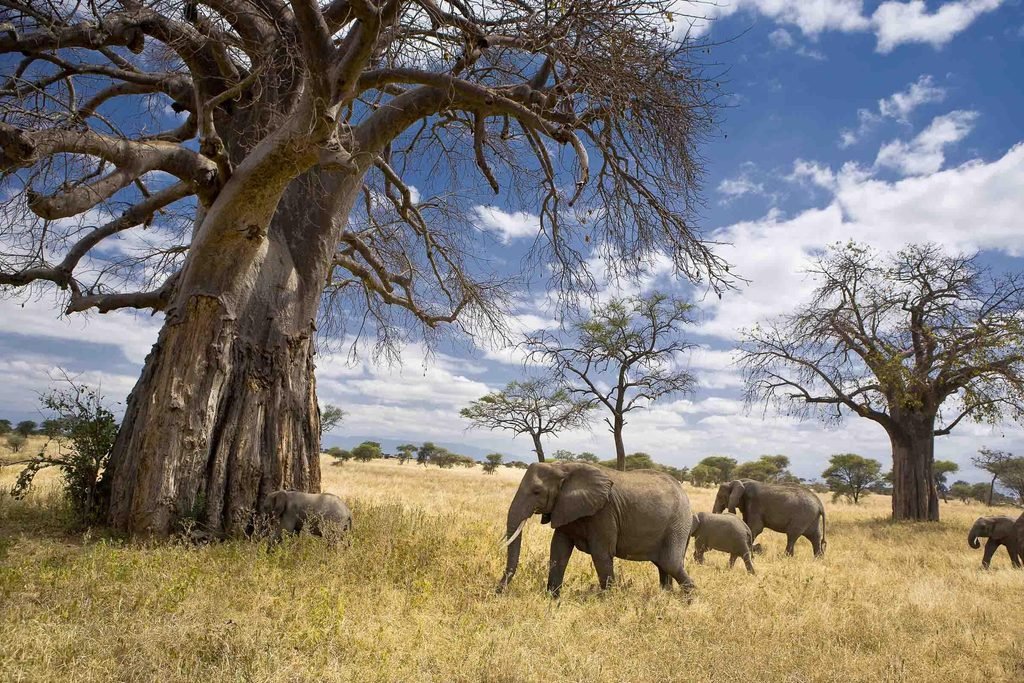
This three-day safari concentrates on Tanzania’s northern wildlife destinations, where visitors can experience different environments without travelling to distant parks. Tarangire is particularly famous for elephants and baobab trees, Ngorongoro Crater supports a wide range of wildlife within a volcanic landscape, and Lake Manyara provides forest habitats, birdlife, and views of the Great Rift Valley escarpment.
The route can be arranged using budget camping accommodation or selected affordable lodges near Mto wa Mbu and Karatu. Travellers who prefer more comfort can request mid-range accommodation while keeping the same national park itinerary. A professional driver-guide will accompany the safari, helping visitors locate wildlife, understand animal behaviour, and travel between destinations.
| Package Information | Details |
|---|---|
| Safari name | 3-Day Affordable Tanzania Safari |
| Travel years | 2027, 2028 and 2029 |
| Duration | 3 days and 2 nights |
| Starting locations | Arusha, Moshi or Kilimanjaro International Airport |
| Main destinations | Tarangire, Ngorongoro Crater and Lake Manyara |
| Safari type | Budget joining-group or private safari, subject to availability |
| Accommodation | Budget camping or affordable lodge |
| Transport | Safari vehicle suitable for the confirmed itinerary |
| Main activities | Wildlife game drives, photography and sightseeing |
| Suitable for | Solo travellers, couples, friends and families |
| Ending location | Arusha, Moshi or an agreed airport |
| Tour operator | Eddy Tours & Safaris, Arusha, Tanzania |
The exact itinerary, pickup arrangements, accommodation, vehicle type, and services included will be confirmed in your quotation. Travellers arriving at Kilimanjaro International Airport should share their flight details before booking because a late arrival may require an additional overnight stay.
Why Choose This Affordable Three-Day Tanzania Safari?
The main advantage of this itinerary is that it combines three well-known wildlife destinations without requiring the long journey to Serengeti National Park. Travelling to the Serengeti is worthwhile when you have enough time, but including it in a short three-day road safari can leave little time for game drives. Tarangire, Ngorongoro, and Lake Manyara provide a more manageable route for travellers starting from Arusha or Moshi.
Another advantage is the variety of landscapes. Tarangire contains open grasslands, woodland, seasonal wetlands, and large baobab trees. Ngorongoro Crater has grasslands, swamps, forests, and permanent water sources within a volcanic caldera. Lake Manyara is known for its groundwater forest, lake environment, and position below the Great Rift Valley escarpment. Visiting these areas gives travellers opportunities to observe different wildlife habitats within a relatively short period.
The itinerary is also suitable for visitors who have recently completed a Kilimanjaro climb. After several days on the mountain, a short wildlife safari can provide a change of scenery before returning home. Travellers staying in Moshi can arrange a pickup rather than travelling independently to Arusha, although the additional distance must be considered when planning the departure time.
For visitors comparing short safari options, our Affordable 3-Day Tanzania Safari Tours page provides another useful starting point for planning accommodation and transport arrangements.
Detailed 3-Day Affordable Tanzania Safari Itinerary
Day 1: Pickup from Airport, Moshi or Arusha – Tarangire National Park
Your three-day Tanzania safari begins with pickup from your agreed location. Travellers staying in Arusha will usually have the shortest transfer to Tarangire, while those starting from Moshi will need an earlier departure because of the additional driving distance. Airport pickups can also be arranged, but visitors arriving on an international flight should allow enough time for immigration, baggage collection, and the journey to the park.
After meeting your driver-guide, you will receive a short briefing about the safari programme, safety arrangements, and the destinations included in the itinerary. You will then begin travelling towards Tarangire National Park, passing through local towns, rural settlements, and areas used for farming and livestock keeping. The journey from Arusha to Tarangire generally takes around two and a half to three hours, depending on traffic, road conditions, and the park entrance used.
Afternoon Game Drive in Tarangire National Park
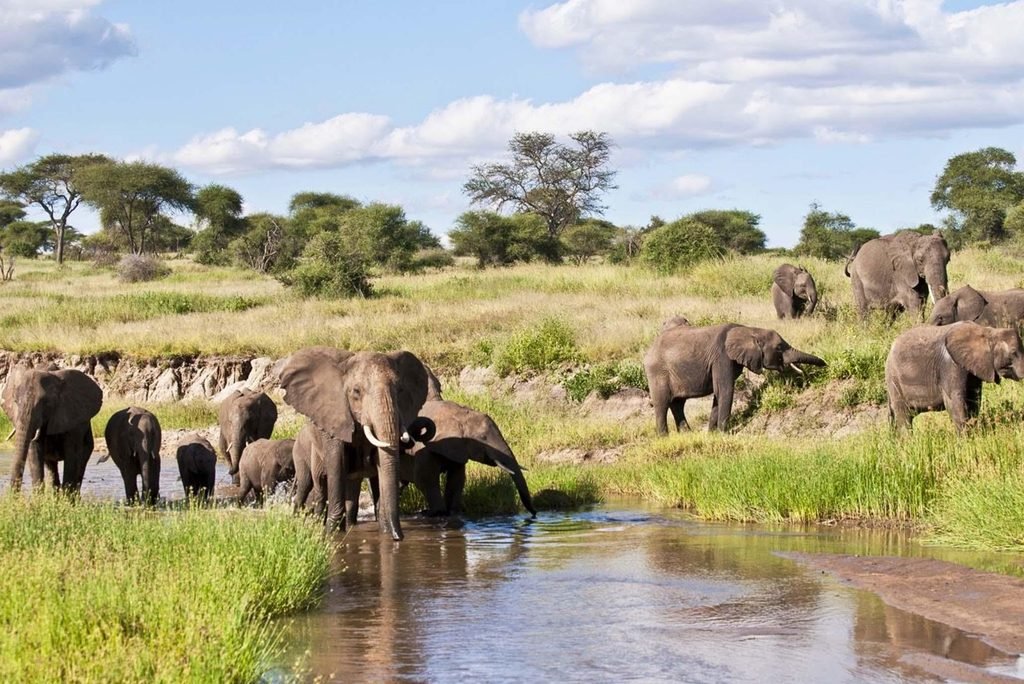
After entering Tarangire National Park, your first game drive begins. Tarangire is one of Tanzania’s best-known destinations for elephant viewing, particularly during the dry season when animals often gather near the Tarangire River. The park is also recognised for its large baobab trees, which give parts of the landscape a distinctive appearance.
As you travel through the park, your guide will search for elephants, giraffes, zebras, buffaloes, wildebeest, impalas, and other animals. Lions may be encountered resting beneath trees or moving through suitable hunting areas, although their location cannot be predicted. Tarangire also supports numerous bird species, making it an interesting destination for visitors who enjoy birdwatching alongside larger wildlife.
The game drive will include time for photography and observation, with stops made where permitted. Lunch arrangements will depend on your departure time and the confirmed package. After exploring the park, you will travel towards your accommodation near Mto wa Mbu or Karatu, where you will have dinner and spend the night.
Day 1 highlights: Elephant viewing, baobab landscapes, Tarangire River habitats, wildlife photography, and your first Tanzania game drive.
Accommodation: Budget campsite or affordable lodge near Mto wa Mbu or Karatu.
Meals: According to the confirmed package, normally lunch and dinner when the safari begins in the morning.
For more information about the park’s wildlife and visitor activities, see Tarangire National Park – Tanzania National Parks Authority.
Day 2: Ngorongoro Crater – Full-Day Wildlife Experience
After an early breakfast, you will leave your accommodation and travel towards Ngorongoro Conservation Area. The road passes through the highlands, where temperatures are often cooler than in the lower safari areas. Depending on the weather, you may enjoy views of the surrounding hills, agricultural landscapes, and parts of the Ngorongoro highlands before reaching the crater area.
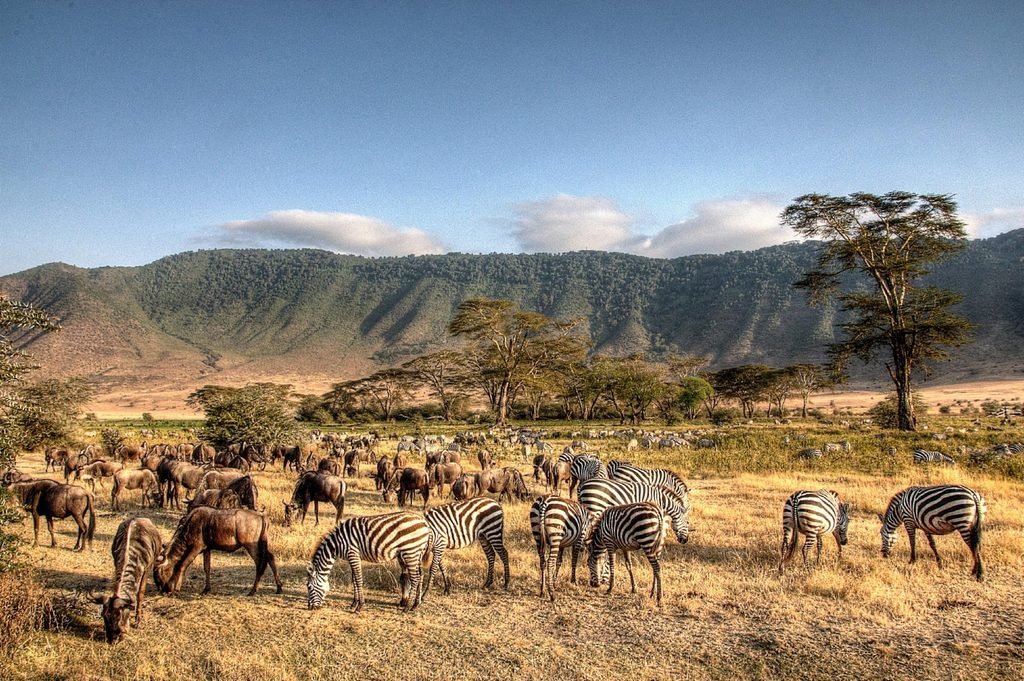
Ngorongoro Crater is one of Tanzania’s most important wildlife destinations. It was formed following the collapse of a large volcano and now contains different habitats that support a wide range of animals. Its grasslands, wetlands, forested sections, and water sources provide suitable conditions for many species, making it a popular destination for visitors who have limited safari time.
Game Drive Inside Ngorongoro Crater
After completing the required entry procedures, your guide will descend into the crater using an authorised route. The game drive will take you through different habitats, where you may encounter zebras, wildebeest, buffaloes, gazelles, elephants, lions, and hippos. The crater is also one of the locations in Tanzania where visitors may have an opportunity to observe the endangered black rhinoceros, although sightings are uncommon and cannot be guaranteed.
The crater’s relatively compact wildlife area allows visitors to explore several habitats within one game drive. Your guide will look for animals while following designated routes and respecting conservation regulations. Depending on wildlife movements and the time available, you may stop at an authorised picnic area for lunch before continuing your visit.
Ngorongoro is also an excellent destination for landscape photography. The crater walls rise above the valley floor, creating an impressive setting for wildlife observation. During suitable weather, visitors can enjoy extensive views of the surrounding environment, while the combination of grasslands, water, and forest provides different photographic opportunities.
After completing the crater game drive, you will ascend from the crater and return to your accommodation near Karatu or Mto wa Mbu. Dinner will be served according to your accommodation arrangements, and you will have the evening to rest before the final safari day.
Day 2 highlights: Ngorongoro Crater scenery, lions, buffaloes, elephants, hippos, zebras, and a possible black rhinoceros sighting.
Accommodation: Budget campsite or affordable lodge near Karatu or Mto wa Mbu.
Meals: Normally breakfast, lunch, and dinner, subject to the confirmed quotation.
Travellers can review official conservation information through the Ngorongoro Conservation Area Authority.
Day 3: Lake Manyara National Park – Return to Arusha, Moshi or Airport
After breakfast, you will depart your accommodation and travel towards Lake Manyara National Park. The park is located near Mto wa Mbu at the base of the Great Rift Valley escarpment, making it a convenient final destination before returning to Arusha. Its location allows visitors to explore a different wildlife environment without travelling far away from the main northern safari route.
Lake Manyara is particularly known for its groundwater forest, where tall trees provide shade and habitat for monkeys, birds, and other animals. As you continue through the park, the landscape changes towards more open areas associated with the lake and surrounding wetlands. Depending on seasonal conditions, visitors may encounter elephants, giraffes, buffaloes, zebras, baboons, blue monkeys, and various bird species.
Morning Game Drive in Lake Manyara
Your guide will explore accessible areas of the park, searching for wildlife and stopping at suitable observation points. Lake Manyara is often associated with tree-climbing lions, although seeing this behaviour is uncommon and should not be expected on every visit. The park is also known for its birdlife, including waterbirds and forest species, making it particularly interesting for visitors who enjoy observing smaller animals as well as large mammals.
Flamingos may be present around the lake when environmental conditions are suitable, but their numbers vary according to water levels and food availability. The forest habitats also provide opportunities to observe monkeys and birds that may be less commonly encountered in the open grasslands of Tarangire or Ngorongoro.
After completing your game drive, you will leave the park and begin the return journey. Travellers ending in Arusha will generally have a shorter transfer than those continuing to Moshi or Kilimanjaro International Airport. If you have a flight on the final day, your guide will follow the agreed schedule, but the departure time must allow enough time for the road journey, airport check-in, and possible delays.
Day 3 highlights: Lake Manyara’s forest, Great Rift Valley scenery, monkeys, elephants, giraffes, and birdlife.
Meals: Normally breakfast and lunch, depending on the confirmed package.
Drop-off: Arusha, Moshi, or an agreed airport transfer point.
Learn more about the park through Lake Manyara National Park – TANAPA.
How Much Does a 3-Day Affordable Tanzania Safari Cost in 2027, 2028 and 2029?
The cost of a three-day Tanzania safari depends on the number of travellers, accommodation category, transport arrangements, season, and pickup location. A joining-group safari can reduce the cost per person because travellers share the vehicle and guiding expenses, while a private safari provides more flexibility but may cost more for individuals or couples.
Accommodation also affects the total price. Budget camping packages usually cost less than lodge-based safaris, although the exact difference depends on the campsite, lodge, meals, and park-related charges. Travellers starting from Moshi or requiring airport transfers may have additional transport costs compared with those joining a departure from Arusha.
Eddy Tours & Safaris has published different three-day safari options, including a 3-Day Tanzania Budget Camping Safari and a 3-Day Private Big Five Safari. These packages can help you compare different arrangements, but prices and availability for 2027, 2028, and 2029 must be confirmed before booking.
What Determines Your Safari Price?
| Cost Factor | How It Affects the Price |
|---|---|
| Number of travellers | More people can share vehicle and guiding costs |
| Joining-group or private safari | Shared trips may reduce the per-person cost |
| Accommodation | Camping is often cheaper than lodge accommodation |
| Travel dates | Popular seasons can increase accommodation demand |
| Pickup location | Moshi and airport transfers may require additional travel |
| National park fees | Applicable fees vary by visitor category and regulations |
| Meals and services | Package inclusions affect the total quotation |
| Optional activities | Additional excursions increase the total cost |
Rather than relying on a fixed advertised price, travellers should request a quotation showing the exact accommodation, park fees, vehicle arrangements, and services included. This is particularly important for travel in 2028 and 2029 because some future operating costs and park tariffs may not yet be confirmed.
Budget Camping Safari vs Affordable Lodge Safari
Travellers booking a short Tanzania safari often have to choose between camping accommodation and a budget lodge. Both options can provide access to the same national parks and wildlife areas, but the accommodation experience is different.
A camping safari usually involves sleeping in tents at an organised campsite, where bathroom and dining facilities may be shared. This option is particularly suitable for travellers who want to spend less on accommodation and do not mind basic facilities. The quality of camping equipment, availability of showers, and campsite arrangements should be confirmed before booking.
An affordable lodge safari provides rooms with proper beds and, in many cases, private bathrooms. Meals are generally served at the accommodation, and travellers may find this option more comfortable after spending several hours on game drives. However, the price depends on the property selected, and some lodges may be located farther from the national park entrances.
For a three-day safari, choosing accommodation near Karatu or Mto wa Mbu can help reduce unnecessary travel between Tarangire, Ngorongoro, and Lake Manyara. The best choice depends on your budget, preferred comfort level, and the availability of suitable accommodation.
Starting Your Tanzania Safari from Kilimanjaro International Airport
Kilimanjaro International Airport is one of the main arrival points for international travellers visiting northern Tanzania. The airport serves both Arusha and Moshi, making it a useful gateway for visitors planning a wildlife safari, Kilimanjaro climb, or a combination of the two.
If you want to begin your three-day safari directly from the airport, your arrival time is important. Travellers landing early enough may be able to continue towards Tarangire after completing immigration and baggage collection, but this depends on the time of arrival and the remaining daylight. Visitors arriving late in the afternoon or evening will normally need to spend the night in Arusha or Moshi before starting the safari the following morning.
Airport transfers should be arranged in advance so that your driver has the correct flight number, arrival time, and passenger details. It is also important to confirm whether the airport pickup is included in the safari price or charged separately. For travellers with limited time, beginning the safari after a suitable overnight rest may provide a better experience than attempting a long transfer immediately after an international flight.
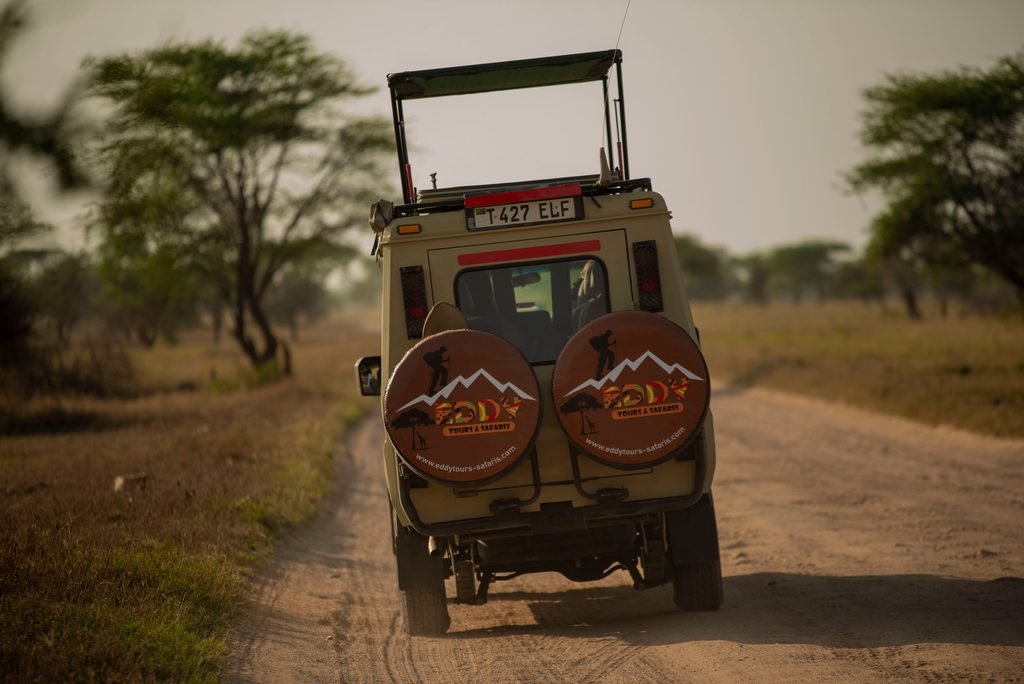
Starting Your 3-Day Tanzania Safari from Moshi
Moshi is a popular starting point for travellers visiting Mount Kilimanjaro or staying in the Kilimanjaro Region. Many visitors complete their mountain climbing programme before arranging a short safari, while others prefer to explore Tanzania’s national parks before beginning their trek.
A three-day safari from Moshi is possible, but the first day’s journey to Tarangire is longer than a departure from Arusha. Travellers should therefore expect an early pickup, especially when the itinerary includes a game drive on the same day. The exact departure time will depend on your accommodation location, traffic conditions, and the confirmed safari arrangements.
For visitors who have recently completed a Kilimanjaro climb, this safari offers an opportunity to experience Tanzania’s wildlife without committing to a longer journey. Tarangire, Ngorongoro, and Lake Manyara provide different landscapes and animal habitats, making the three-day programme suitable for travellers who want to see more of Tanzania before returning home.
You can also explore Eddy Tours & Safaris’ Tanzania Family Safari Options if you are travelling with children or want to extend your holiday.
Starting Your 3-Day Tanzania Safari from Arusha
Arusha is the main starting point for many northern Tanzania safaris because of its location along the routes to Tarangire, Lake Manyara, Ngorongoro, and Serengeti National Park. Travellers staying in Arusha can generally reach Tarangire more quickly than those departing from Moshi, allowing more time for the first day’s game drive.
Starting from Arusha can also make joining-group safaris easier because many shared departures are organised around the town. However, departure dates, available seats, accommodation arrangements, and pickup points must be confirmed before booking.
Visitors arriving at Arusha Airport can request a transfer to their accommodation or discuss whether a same-day safari departure is practical. Those already staying in town should provide their hotel name and preferred pickup arrangements when requesting a quotation.
For travellers comparing private and group arrangements, the 3-Day Tanzania Group Safari provides information about shared departures, while the 3-Day Tanzania Private Big Five Safari describes a private safari option.
What Is Included in the 3-Day Tanzania Safari Package?
A typical organised three-day Tanzania safari may include transport in a safari vehicle, professional driver-guide services, accommodation for two nights, meals during the safari, and applicable national park fees. However, the exact services depend on whether you choose a joining-group or private package and whether your accommodation is camping-based or lodge-based.
Your quotation should identify the accommodation properties or campsites, the number of nights, the meals included, and the vehicle arrangements. It should also state whether drinking water, airport transfers, and pickup from Moshi are included. These details are important because two packages with similar itineraries may have different prices and services.
Typical Safari Inclusions
- Professional safari driver-guide.
- Safari transport according to the confirmed booking.
- Two nights of accommodation.
- Meals specified in the itinerary.
- National park and conservation fees stated in the quotation.
- Scheduled game drives in Tarangire, Ngorongoro Crater, and Lake Manyara.
- Pickup and drop-off at the locations agreed during booking.
Expenses Commonly Excluded
- International and domestic flights.
- Tanzania visa fees.
- Travel and medical insurance.
- Tips for the safari guide and accommodation staff.
- Alcoholic beverages and personal purchases.
- Optional activities not included in the itinerary.
- Additional accommodation before or after the safari.
- Airport or Moshi transfers unless specifically included.
Travellers should request written confirmation of all inclusions and exclusions before paying a deposit. For official information about national park charges, consult the Tanzania National Parks Authority tariff information and the Ngorongoro Conservation Area Authority tariff portal. Applicable fees for your actual travel dates should be reconfirmed before departure.
Best Time to Book This 3-Day Tanzania Safari in 2027, 2028 or 2029
This safari can be arranged throughout the year, although wildlife viewing conditions and weather vary between seasons. The dry season, generally from June to October, is popular because animals often gather near available water sources and vegetation may be less dense. Tarangire is particularly rewarding during this period, when elephants and other wildlife may concentrate around the Tarangire River.
January and February can also provide suitable conditions for visiting northern Tanzania, although the exact weather varies. During the wetter months, the landscapes become greener, and birdwatching can be rewarding. Rainfall may affect some roads and wildlife-viewing conditions, particularly during the main rainy season.
| Travel Period | General Safari Conditions |
|---|---|
| January–February | Often warm, with wildlife viewing and green landscapes |
| March–May | Wetter conditions, greener vegetation and possible road delays |
| June–October | Popular dry-season wildlife viewing |
| November–December | Short rains may occur, with changing vegetation and birdlife |
For visitors working with a limited budget, travelling during quieter periods may provide opportunities to find more affordable accommodation. However, lower prices are not guaranteed, and travellers should compare actual quotations rather than assuming that a particular month will always be cheaper.
What Wildlife Can You See During This Three-Day Safari?
One of the main attractions of this itinerary is the opportunity to observe different wildlife species in three contrasting environments. Tarangire is particularly suitable for elephant viewing and also supports giraffes, zebras, buffaloes, wildebeest, antelopes, and various predators. Ngorongoro Crater provides opportunities to observe large mammals within a relatively compact area, while Lake Manyara adds forest wildlife, monkeys, and numerous bird species.
Lions may be encountered in both Tarangire and Ngorongoro, but sightings depend on their movements and behaviour. Leopards are more difficult to observe because they are generally solitary and well camouflaged. The endangered black rhinoceros may be seen in Ngorongoro Crater, although visitors should not expect a guaranteed sighting during a single game drive.
Birdwatchers can also enjoy the itinerary because the three parks contain different habitats. Tarangire’s woodland and wetlands support numerous species, Ngorongoro provides grassland and wetland birds, and Lake Manyara is known for forest and water-associated birdlife. Bringing binoculars can make it easier to observe animals and birds without disturbing them.
Is This 3-Day Tanzania Safari Suitable for Families?
Yes, this itinerary can be suitable for families with children, provided the accommodation, transport, and daily schedule are arranged according to the children’s ages and needs. The safari includes several hours of driving and wildlife viewing, so families with younger children should discuss suitable breaks, meals, and accommodation arrangements before booking.
A private safari may provide greater flexibility for families because the guide can adjust departure times and stops according to the group’s needs. Joining-group safaris may also be possible, but families should confirm the departure schedule, vehicle seating arrangements, and accommodation policies.
Parents should explain basic wildlife safety rules to children before the safari. Visitors must remain inside the vehicle except at authorised stopping points and should never attempt to feed or approach wild animals.
Can You Combine This Safari with Kilimanjaro Climbing?
Yes. Many travellers visiting Moshi and Arusha are interested in combining a Kilimanjaro climbing trip with a short Tanzania wildlife safari. A three-day safari can be arranged before or after a mountain trek, depending on your available time and flight arrangements.
Travellers who have completed a Kilimanjaro climb may prefer to rest for a day before beginning their safari, especially after a physically demanding trekking programme. Others may choose to complete the safari first and then continue towards Moshi for their mountain adventure.
The best arrangement depends on your climbing route, travel dates,
Book Your 3-Day Serengeti and Ngorongoro Safari for 2027, 2028 or 2029
A three-day Tanzania Northern Circuit safari offers travellers with limited time an opportunity to explore two of the country’s most important wildlife destinations. The Serengeti provides extensive grasslands, resident predators, and large herbivore populations, while Ngorongoro Crater offers a different wildlife environment within an ancient volcanic landscape. Visiting both destinations in three days requires an early start, careful route planning, and a willingness to spend considerable time travelling, but it remains a practical option for visitors who cannot extend their holiday.
Eddy Tours & Safaris is a local tour company in Arusha, Tanzania, arranging guided wildlife safaris, Kilimanjaro climbing trips, and private holidays. We help travellers select suitable itineraries according to their available time, preferred accommodation, group size, and budget. Whether you are travelling alone, as a couple, or with friends and family, our team can explain the available private and joining-group arrangements.
For travellers planning a short wildlife holiday in 2027, 2028, or 2029, we recommend reviewing the route and travel time before confirming your booking. If you prefer more time in the Serengeti, we can also discuss longer safari options that provide additional opportunities for game drives and wildlife photography.
Plan your safari with Eddy Tours & Safaris:
3-day joining safari: View the Serengeti and Ngorongoro safari package
Other safari options: Explore Tanzania safari packages
Safari enquiries: Contact Eddy Tours & Safaris
Email: sales@eddytours-safaris.com
Phone/WhatsApp: +255 711 906 664
Location: Arusha, Tanzania