
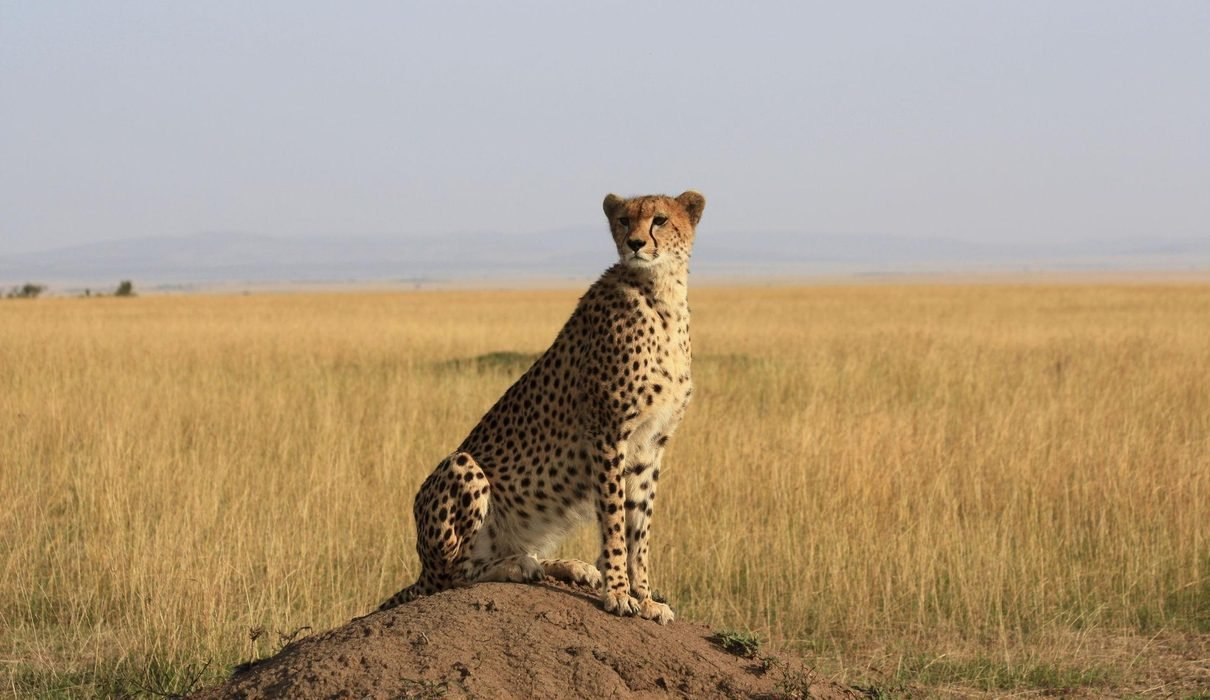
A Tanzania safari in 2027, 2028, or 2029 is an opportunity to visit some of Africa’s most famous wildlife destinations, see wild animals in their natural surroundings, and experience landscapes that are very different from those found in most parts of the world. From the open plains of Serengeti National Park to the wildlife-rich Ngorongoro Crater and the elephant habitats of Tarangire National Park, Tanzania offers excellent opportunities for wildlife viewing throughout the year. Whether you are visiting Africa for the first time or returning for another safari, choosing the right destinations, travel dates, and itinerary will make a considerable difference to your holiday.
One of the main reasons travellers choose Tanzania is the variety of wildlife experiences available within a single country. You can spend a morning watching lions in the Serengeti, observe large elephant families moving through Tarangire, or descend into Ngorongoro Crater to search for buffaloes, zebras, hippos, and the endangered black rhinoceros. Tanzania is also home to the Great Wildebeest Migration, during which enormous herds move through the Serengeti ecosystem in search of fresh grazing and water. These wildlife movements attract visitors from around the world, particularly during the calving season and the months when river crossings may occur.
Planning a Tanzania safari for 2027, 2028, or 2029 requires more than choosing a national park and booking accommodation. The best safari depends on how many days you have, the animals you want to see, your preferred level of comfort, and the amount you are prepared to spend. Travellers interested in the Great Migration may need to visit a particular Serengeti region, while those with only three or four days available may benefit from concentrating on Tarangire and Ngorongoro instead of spending too much time travelling.
This guide explains the best Tanzania safari destinations, suitable travel seasons, recommended itineraries, accommodation options, expected expenses, and important booking considerations. It will help you understand what to expect and how to organise a safari that provides enough time for wildlife viewing without unnecessary travel.
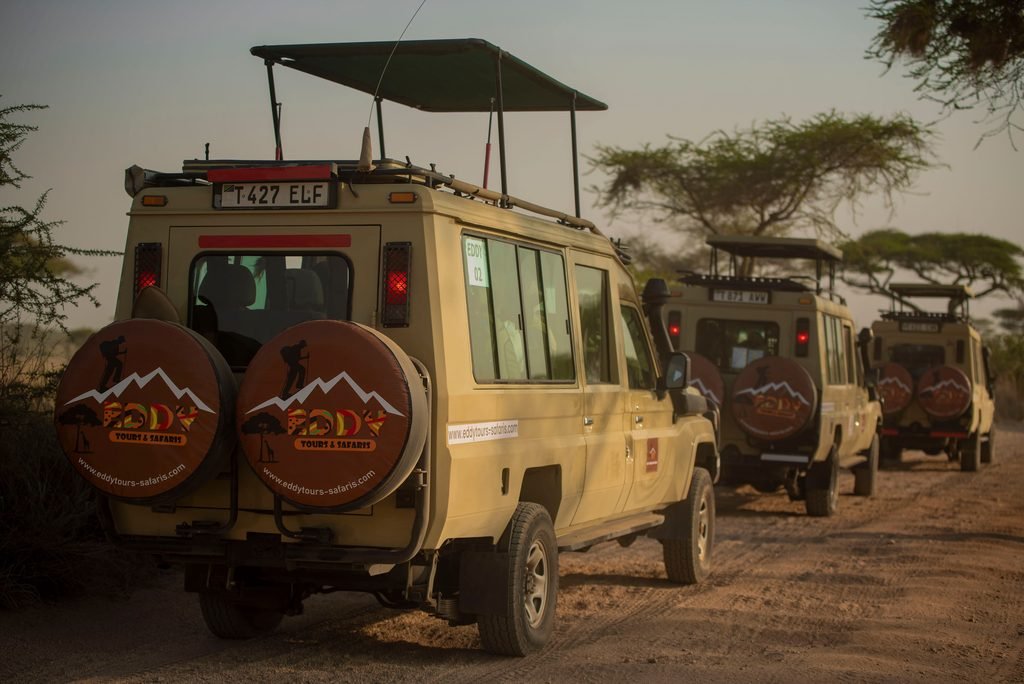
Why Tanzania Is One of Africa’s Best Safari Destinations
Tanzania has a large network of protected wildlife areas, including national parks, conservation areas, and game reserves. These landscapes support a wide variety of animals, from elephants and giraffes to lions, leopards, cheetahs, buffaloes, and antelopes. Unlike destinations where wildlife viewing is concentrated in relatively small areas, Tanzania offers extensive natural habitats where animals move according to seasonal conditions, available water, and grazing opportunities.
The northern safari circuit is particularly popular because it connects several important destinations within a practical travel route. Visitors can begin their journey in Arusha, continue to Tarangire National Park, travel through the Ngorongoro highlands, and explore the Serengeti before returning to Arusha. This route provides opportunities to experience different habitats, including woodland, grassland, wetlands, and volcanic landscapes, without needing to travel across the entire country.
Tanzania also offers safari experiences beyond the northern circuit. Nyerere National Park and Ruaha National Park are important destinations in southern Tanzania, while Katavi National Park is known for its more remote wildlife areas. These parks can be suitable for travellers seeking longer holidays or destinations that receive fewer visitors than the most popular northern parks. The official Tanzania National Parks Authority provides information about the country’s national parks and their different attractions.
For travellers who want to compare different routes before making a booking, Eddy Tours & Safaris’ Tanzania safari collection includes several itineraries covering the Serengeti, Ngorongoro, Tarangire, and other northern Tanzania destinations.
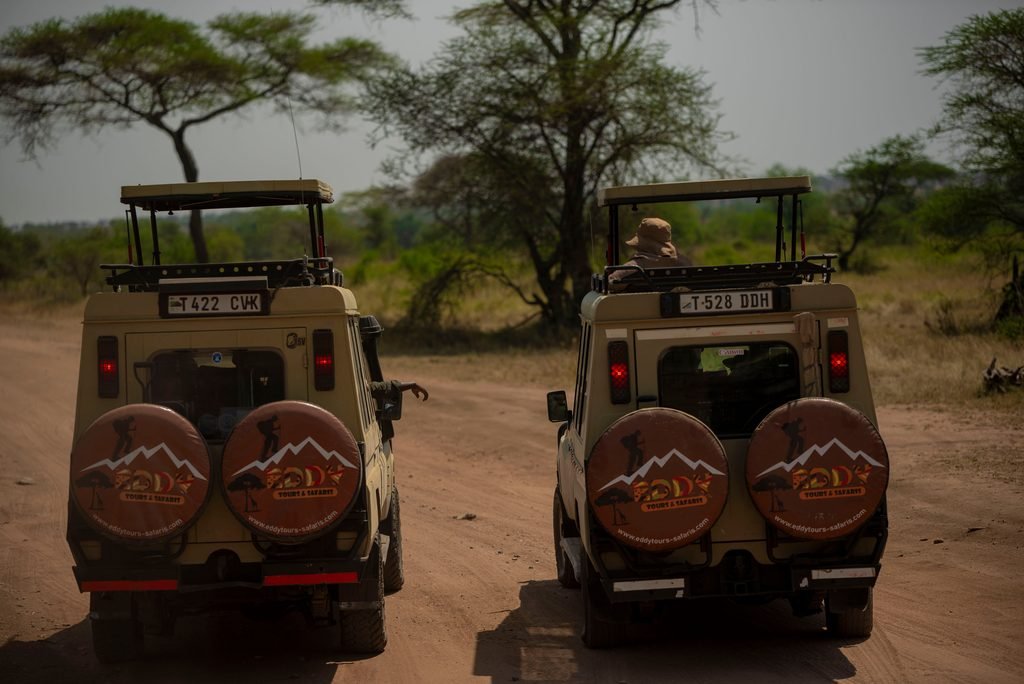
1. Serengeti National Park: Tanzania’s Most Famous Wildlife Destination
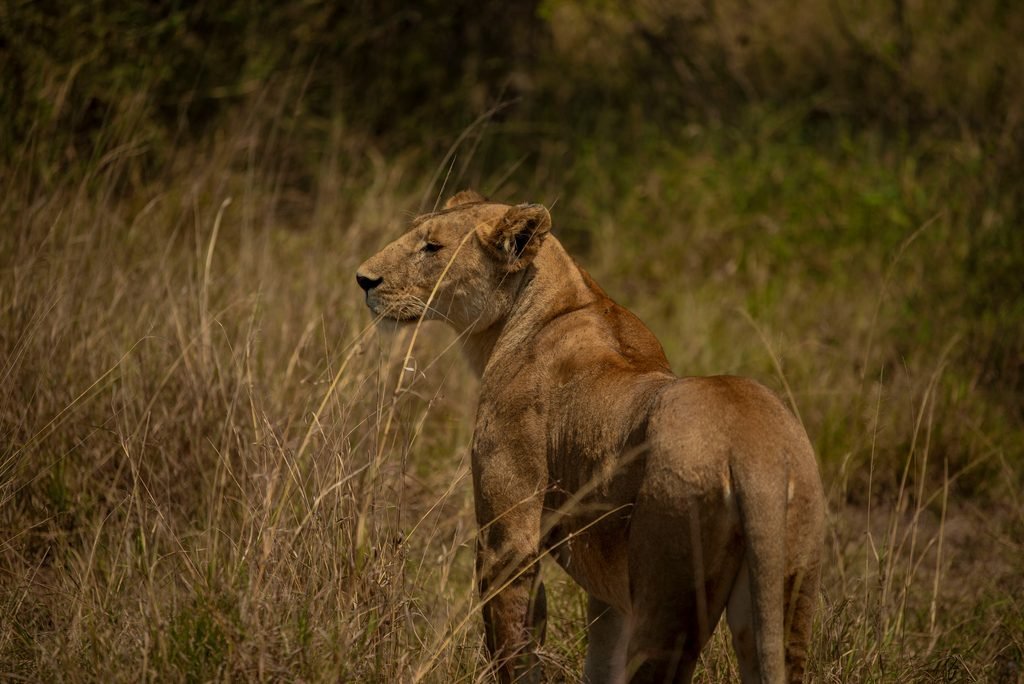
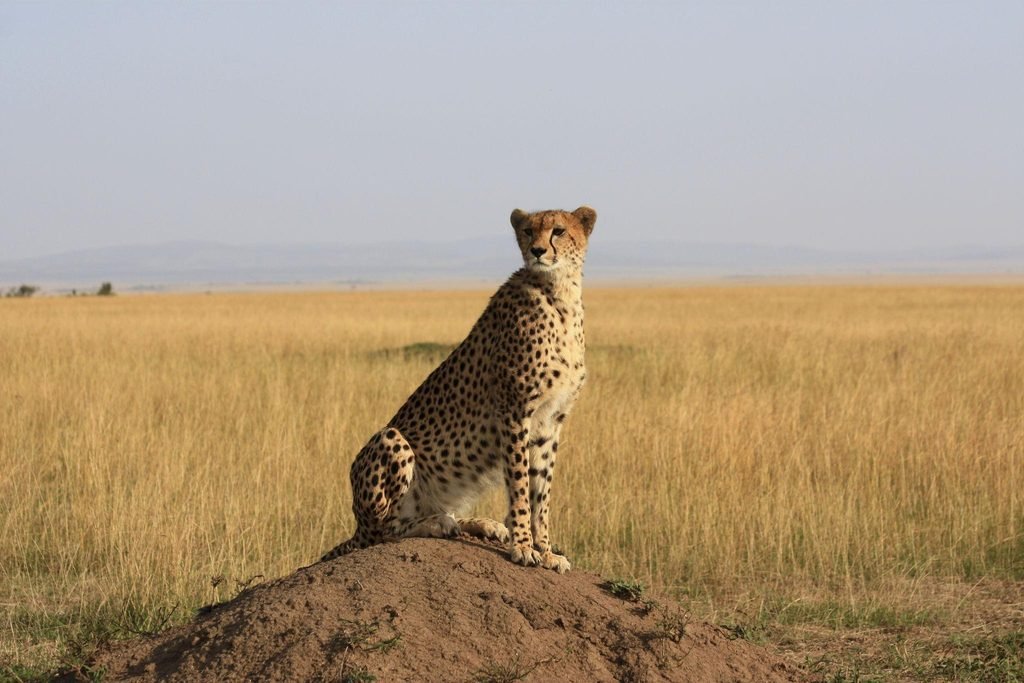
Serengeti National Park is one of the main reasons international travellers visit Tanzania. The park is known for its extensive plains, large predator populations, and the annual Great Wildebeest Migration. Its different habitats support lions, leopards, cheetahs, elephants, buffaloes, giraffes, zebras, and numerous other animals. The Serengeti is also an important birdwatching destination, with hundreds of bird species recorded across its grasslands, woodland, rivers, and wetlands.
The park is divided into several important wildlife regions, and choosing the correct area can make a substantial difference to your safari. Central Serengeti, particularly the Seronera Valley, is known for resident wildlife and predator sightings throughout the year. The southern Serengeti and Ndutu region become especially important during the wildebeest calving season, while the western corridor is associated with seasonal herd movements. Northern Serengeti, including the Kogatende area, attracts travellers interested in the possibility of observing wildebeest crossing the Mara River.
Because the Serengeti is so large, travellers should avoid assuming that every wildlife attraction can be reached during a single game drive. A safari focused on central Serengeti is different from a journey designed around the northern river crossings. Accommodation location, driving distances, and travel dates should therefore be considered before confirming the itinerary. The UNESCO Serengeti National Park listing explains the ecological importance of the park and the seasonal movements of large grazing animals across the wider ecosystem.
Visitors planning a longer safari can explore the 6-Day Tanzania Safari: Landscapes and Wildlife Adventure, which provides an example of how the Serengeti can be combined with other northern Tanzania destinations.
2. Ngorongoro Crater: Excellent Wildlife Viewing in One Location
Ngorongoro Crater is another important destination for travellers planning a Tanzania safari in 2027, 2028, or 2029. Located within the Ngorongoro Conservation Area, the crater is a large volcanic caldera containing grasslands, woodland, wetlands, and permanent water sources. These habitats support numerous wildlife species, making the crater a popular destination for visitors who want to observe different animals during a single game drive.
During a crater safari, visitors may encounter lions, elephants, buffaloes, zebras, wildebeest, hippos, and various antelope species. The crater is also one of the locations in Tanzania where travellers may have an opportunity to see the endangered black rhinoceros, although sightings depend on the animal’s location and cannot be guaranteed. Birdwatchers can observe different species around the wetlands and other habitats, while the surrounding crater walls provide impressive views of the landscape.
Ngorongoro is particularly useful for itineraries that include Serengeti National Park because the two destinations are connected through the northern Tanzania safari circuit. Travellers can visit the crater before travelling to the Serengeti or include it towards the end of their safari. The conservation area also has important archaeological and cultural significance, including Olduvai Gorge and evidence of early human history. More information is available through the UNESCO Ngorongoro Conservation Area listing.
Although Ngorongoro is one of Tanzania’s most popular safari attractions, visitors should understand that crater access is regulated and additional conservation charges apply. These expenses should be clearly included in the safari quotation.
3. Tarangire National Park: Elephants, Baobab Trees and Seasonal Wildlife
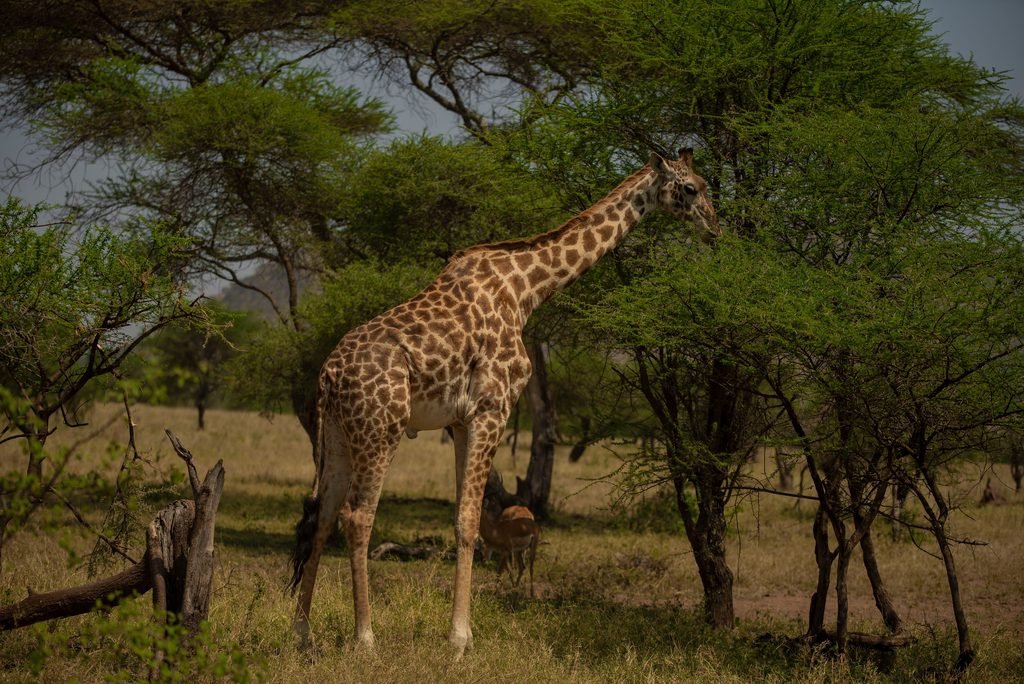
Tarangire National Park is particularly famous for its elephant populations and large baobab trees. Located within driving distance of Arusha, the park is suitable for short safaris and longer northern Tanzania itineraries. Its landscapes include woodland, grasslands, wetlands, and river habitats that support elephants, giraffes, zebras, buffaloes, lions, antelopes, and numerous bird species.
The dry season, generally between June and October, is a popular time to visit Tarangire because wildlife often gathers near the Tarangire River and other available water sources. Large elephant families may be observed moving between feeding areas, while zebras, wildebeest, and other grazing animals use the surrounding habitats. The park also offers rewarding wildlife viewing during other periods, although the distribution of animals changes according to rainfall and vegetation.
Tarangire is often included at the beginning of a Tanzania safari because it can be reached from Arusha without the long drive required to reach the Serengeti. Visitors may spend a full day exploring the park before continuing to accommodation near Karatu or the Ngorongoro highlands. The official Tarangire National Park visitor guide provides information about access, accommodation, and visitor arrangements.
Travellers with limited time may prefer a short itinerary such as the 3-Day Tanzania Safari covering Tarangire, Ngorongoro and Lake Manyara rather than attempting to include the Serengeti within only a few days.
4. The Great Wildebeest Migration: A Major Reason to Visit Tanzania
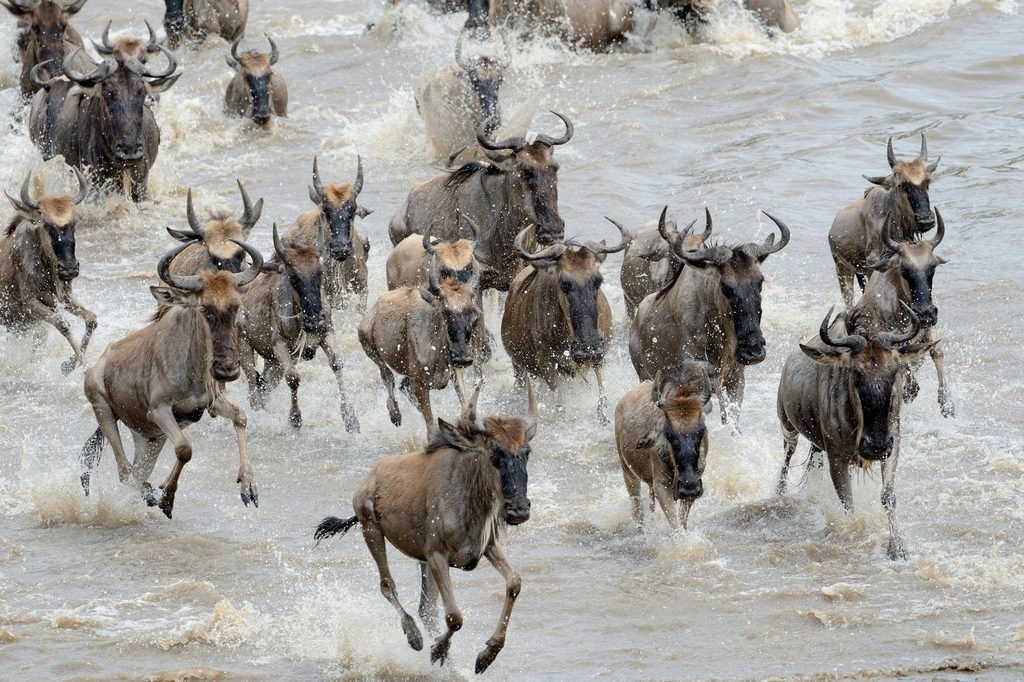
The Great Wildebeest Migration is one of the most important wildlife events associated with Tanzania. Large numbers of wildebeest, accompanied by zebras and other grazing animals, move through the Serengeti-Mara ecosystem according to rainfall and the availability of fresh grass. The migration is a continuous natural process rather than an event that takes place on fixed dates, which means the location of the herds can change from one year to another.
During the early months of the year, large herds often gather in the southern Serengeti and Ndutu region for the calving season. As grazing conditions change, many animals move towards the central and western Serengeti before reaching northern areas during suitable periods. Some herds may cross the Mara River, where strong currents, steep riverbanks, and crocodiles create natural challenges. However, river crossings are unpredictable, and no safari company can guarantee that visitors will witness one.
For travellers planning a migration safari in 2027, 2028, or 2029, the most important decision is choosing accommodation in the region where the herds are expected during the intended travel period. Staying in central Serengeti during the northern river-crossing season may involve long journeys to reach the Mara River, while accommodation near Ndutu is generally more suitable for travellers interested in the calving season.
Tanzania Great Migration Calendar for 2027, 2028 and 2029
| Travel Period | Expected Migration Area | Main Wildlife Experience |
|---|---|---|
| January–March | Southern Serengeti and Ndutu | Calving season, large herds and predator activity |
| April–May | Southern, central and western Serengeti | Seasonal herd movements and green landscapes |
| June–July | Western corridor and northern areas | Moving herds and possible river crossings |
| August–September | Northern Serengeti and Mara River | Large herds and possible Mara River crossings |
| October | Northern and eastern Serengeti | Changing herd movements and late-season crossings |
| November–December | Central and southern regions | Herds moving towards southern grazing areas |
These periods describe the usual seasonal pattern rather than confirmed predictions for future years. Rainfall can influence the timing and direction of the herds, so travellers should use the calendar as a planning guide rather than a guarantee.
For more detailed information, read Tanzania Great Migration Safari Packages and Prices for 2027, 2028 and 2029, which explains migration regions, safari options, and seasonal wildlife viewing.
5. Best Time to Visit Tanzania for a Safari in 2027, 2028 or 2029
Tanzania offers wildlife viewing throughout the year, but the best travel period depends on the destinations you want to visit and the type of experience you prefer. The dry season, generally from June to October in northern Tanzania, is popular because animals often gather near water sources and vegetation may be less dense. This can make wildlife easier to locate in some areas, particularly around Tarangire and other seasonal water sources.
January and February are also attractive months for travellers interested in the southern Serengeti calving season. During suitable conditions, the plains around Ndutu support large numbers of wildebeest and newborn calves, while predators take advantage of the concentration of grazing animals. These months can provide excellent wildlife photography opportunities, although the calving season also attracts considerable demand for accommodation in the southern Serengeti.
The wetter months, particularly April and May, can provide greener landscapes and fewer visitors in some destinations. However, rainfall may affect road conditions, and some accommodation properties close temporarily. Travellers considering these months should discuss suitable routes with their safari operator before booking. November and December can also offer rewarding wildlife viewing, although the distribution of animals and local weather conditions vary.
There is no single month that guarantees the best wildlife sightings in every Tanzanian national park. A traveller interested in elephants may prefer Tarangire during the dry season, while someone interested in newborn wildebeest may choose February. The right travel period should therefore be selected according to the experience you want rather than relying only on general recommendations about the best month to visit Africa.
6. How Many Days Do You Need for a Tanzania Safari?
The number of days available will influence which national parks you can visit and how much time you spend watching wildlife. Travellers with three days can enjoy a short safari around Tarangire, Ngorongoro, and selected nearby destinations, while visitors with five or six days can include Serengeti National Park. Longer itineraries provide opportunities to spend more time in particular wildlife areas and reduce the need to move accommodation every day.
A short safari is not necessarily a poor choice, but the itinerary must be realistic. Travelling from Arusha to the Serengeti involves several hours on the road, and attempting to visit too many parks can result in more time driving than watching animals. For this reason, travellers with limited time should consider concentrating on destinations that can be reached comfortably within their available schedule.
Recommended Tanzania Safari Durations
| Safari Duration | Suggested Destinations | Suitable Travellers |
|---|---|---|
| 2 days | Tarangire and Ngorongoro | Travellers with limited time |
| 3 days | Tarangire, Ngorongoro and Lake Manyara | Short wildlife holidays |
| 4 days | Serengeti and Ngorongoro | Visitors prioritising the Serengeti |
| 5 days | Tarangire, Serengeti and Ngorongoro | First-time safari visitors |
| 6 days | Tarangire, Serengeti, Ngorongoro and Lake Manyara | Travellers wanting more park variety |
| 7 days | Extended northern Tanzania safari | Families, couples and wildlife enthusiasts |
| 8–10 days | Longer Serengeti stay and additional destinations | Photographers and travellers seeking a slower itinerary |
These combinations are suggestions rather than fixed departure schedules. Accommodation location, road conditions, flight arrangements, and travel season should all be considered when preparing the final itinerary.
For travellers comparing several options, Eddy Tours & Safaris’ all-inclusive Tanzania safari packages explain how different safari durations can be arranged according to available time and accommodation preferences.
7. Suggested 7-Day Tanzania Safari Itinerary for 2027, 2028 and 2029
A seven-day Tanzania safari is a practical option for travellers who want to visit the Serengeti, Ngorongoro Crater, and Tarangire without trying to fit every destination into a short holiday. The following itinerary begins and ends in Arusha and can be adjusted according to accommodation preferences, wildlife interests, and travel dates.
Day 1: Arrival in Arusha
Upon arrival at Kilimanjaro International Airport or Arusha Airport, your driver will meet you and transfer you to your accommodation in Arusha. Depending on your arrival time, you may relax after your flight or explore selected parts of the town. Your safari guide will explain the itinerary, discuss the national parks you will visit, and provide information about travelling through northern Tanzania. Spending the first night in Arusha is particularly useful for visitors arriving on long international flights because it allows time to rest before beginning the safari.
Day 2: Arusha to Tarangire National Park
After breakfast, you will travel from Arusha to Tarangire National Park, passing through local towns and rural landscapes along the way. Once inside the park, your guide will explore suitable wildlife areas where elephants, giraffes, zebras, buffaloes, antelopes, and other animals may be found. The park’s baobab trees and river habitats provide attractive scenery, while the distribution of wildlife depends on seasonal conditions. After the game drive, you will continue to your accommodation near Tarangire or Karatu for dinner and an overnight stay.
Day 3: Tarangire or Karatu to Serengeti National Park
Following breakfast, you will travel through the Ngorongoro highlands towards Serengeti National Park. The journey passes through changing landscapes, including agricultural areas, highland vegetation, and open grasslands. After entering the Serengeti, your guide will begin looking for wildlife while travelling towards your lodge or tented camp. Depending on the time available, you may encounter lions, giraffes, elephants, zebras, wildebeest, or other species before reaching your accommodation.
Day 4: Full-Day Serengeti Wildlife Safari
Today is dedicated to exploring the Serengeti with your professional safari guide. An early departure can provide opportunities to observe animals during the cooler part of the day, when some species are more active. Your guide will select suitable routes according to wildlife movements and the region you are visiting. You may encounter lions resting near rocky outcrops, elephants moving through woodland, or large groups of zebras and wildebeest grazing across the plains. The day can include a picnic lunch at an authorised location before continuing the game drive in the afternoon.
Day 5: Another Full Day in Serengeti National Park
A second full day in the Serengeti allows more time to explore wildlife habitats without rushing to another destination. Depending on your interests, the day may focus on predator sightings, birdwatching, photography, or seasonal migration movements. Travellers visiting during the calving season may spend time in suitable southern areas, while those travelling during the northern migration period may need accommodation farther north. The itinerary should be planned around the intended region because driving between central and northern Serengeti can take several hours.
Day 6: Serengeti to Ngorongoro Conservation Area
After breakfast, you will enjoy a final game drive while leaving Serengeti National Park and travelling towards Ngorongoro. The journey passes through open grasslands before climbing into the cooler highlands surrounding the conservation area. Depending on your accommodation arrangements, you may spend the night near the crater rim or in Karatu. This provides a suitable starting point for the following day’s crater game drive while allowing time to rest after the journey from the Serengeti.
Day 7: Ngorongoro Crater Safari and Return to Arusha
Your final safari day begins with an early journey to Ngorongoro Crater, where you will descend to the crater floor for wildlife viewing. The crater supports lions, elephants, buffaloes, zebras, wildebeest, hippos, and numerous bird species, while black rhinoceroses may occasionally be observed. After exploring the crater and enjoying lunch at an authorised location, you will ascend and begin the journey back to Arusha. Travellers departing on international flights should ensure their flight schedules allow sufficient time for the return journey, or arrange an additional overnight stay if necessary.
This seven-day itinerary is suitable for a general northern Tanzania safari. Travellers whose main objective is to witness Mara River crossings in the northern Serengeti may require additional days or domestic flights to avoid spending too much time on long transfers.
8. Tanzania Safari Costs for 2027, 2028 and 2029
The cost of a Tanzania safari depends on several factors, including the number of travel days, accommodation category, group size, season, and destinations included. A short joining-group safari can be more affordable because participants share transport and guiding expenses, while a private safari provides greater flexibility over accommodation, travel dates, and daily activities. Luxury safaris may include premium lodges, domestic flights, private vehicles, and additional services that increase the overall price.
National park fees and conservation charges are another important part of safari pricing. A journey that includes Serengeti National Park and Ngorongoro Crater will have a different cost structure from a short safari visiting Tarangire alone. Accommodation inside national parks may also involve charges that differ from those applicable to properties outside protected areas. Travellers should therefore compare complete quotations rather than focusing only on the advertised price.
For 2027, 2028, and 2029, it is important to request updated prices because accommodation rates, national park fees, fuel expenses, and other operating costs may change. Quotations should clearly identify what is included, such as park entry fees, accommodation, meals, transport, guiding services, and airport transfers. International flights, visas, insurance, tips, and optional activities are commonly excluded unless specifically stated.
A good safari does not need to be the most expensive option available. Choosing suitable accommodation, travelling with friends or family, and avoiding unnecessary transfers can help reduce costs while maintaining a rewarding wildlife experience. Travellers should also consider the number of hours spent on game drives because a cheaper package with excessive driving may provide less value than a slightly longer itinerary.
9. Budget, Mid-Range and Luxury Tanzania Safaris
Tanzania offers different accommodation and transport arrangements suitable for travellers with varying budgets. Budget safaris generally use public campsites, simpler accommodation, or shared vehicles, while mid-range packages often include comfortable lodges and tented camps with private bathrooms and organised meals. Luxury safaris provide premium accommodation and additional services, sometimes including domestic flights or exclusive camps located near important wildlife areas.
The main difference between these categories is usually comfort and convenience rather than access to different animals. A traveller staying at a budget campsite may observe the same lions, elephants, and wildebeest as someone staying at a luxury lodge in the same wildlife region. However, accommodation location can influence the amount of time spent travelling to wildlife areas, which is why the cheapest property is not always the most practical choice.
Private safaris are particularly suitable for families, couples, photographers, and travellers who prefer flexible schedules. Joining-group safaris can be attractive to solo travellers and visitors who want to share transport expenses. Before booking a group safari, it is advisable to confirm the number of participants, vehicle seating arrangements, accommodation category, and whether the departure is guaranteed.
Visitors interested in shared travel arrangements can review the 6-Day Tanzania Joining Group Safari for 2027–2029, which explains the differences between shared and private safari options.
10. How to Choose the Right Tanzania Safari Company
Choosing a suitable tour operator is an important part of planning your holiday because the company will be responsible for accommodation arrangements, transport, guiding services, and communication throughout the safari. A reliable operator should provide a clear itinerary explaining which parks you will visit, how long transfers are expected to take, and where you will stay each night. The quotation should also identify included services, excluded expenses, payment conditions, and cancellation terms.
Travellers should be cautious about comparing safari companies based only on price. A lower quotation may involve different accommodation, fewer game drives, shared transport, or additional charges that are not immediately obvious. It is advisable to ask for the names of accommodation properties, confirm whether the vehicle is private or shared, and understand how the itinerary will operate if weather conditions or wildlife movements require minor adjustments.
Customer reviews can also provide useful information about guiding standards, communication, vehicle conditions, and how operators handle unexpected situations. However, reviews should be considered alongside the actual services being offered rather than treated as a substitute for reviewing the itinerary and booking conditions.
For travellers who want practical advice before choosing an operator, How to Find the Best Tanzania Safari Tours on Tripadvisor discusses reviews, prices, and important booking considerations.
11. Can You Combine a Tanzania Safari with Zanzibar?
Many travellers choose to combine a Tanzania wildlife safari with a Zanzibar beach holiday, particularly when they have ten days or more available. After spending several days exploring the Serengeti, Ngorongoro, or Tarangire, Zanzibar provides an opportunity to relax beside the Indian Ocean, explore Stone Town, and enjoy coastal activities. This combination is popular among couples, honeymooners, families, and visitors who want to experience different parts of Tanzania during one holiday.
The most suitable travel arrangement depends on where your safari finishes. Visitors completing their safari in Arusha may arrange a flight to Zanzibar from Arusha Airport or Kilimanjaro International Airport, depending on available schedules. Some itineraries may also use flights from selected Serengeti airstrips, although these arrangements should be confirmed before booking. Travellers should consider baggage restrictions on smaller aircraft and allow enough time for connections.
Zanzibar accommodation ranges from affordable guesthouses to high-end beach resorts, making it possible to arrange a holiday according to different budgets. However, adding Zanzibar increases the total cost because of flights, transfers, accommodation, and additional activities. The beach extension should therefore be considered when calculating the overall holiday budget rather than added after the safari has already been booked.
12. Important Travel Requirements for Tanzania in 2027–2029
Travellers planning a Tanzania safari should check passport validity, visa requirements, travel insurance, and any applicable health regulations before departure. Entry requirements vary according to nationality, and some visitors may need to obtain a visa before travelling. Others may qualify for a visa on arrival or exemption, depending on current immigration rules. Because these requirements can change before 2027, 2028, or 2029, travellers should rely on official government information rather than outdated travel articles.
Travel insurance is strongly recommended because safari holidays may involve remote destinations where medical facilities are not immediately available. Suitable insurance should cover medical emergencies, evacuation where necessary, travel interruptions, and other relevant risks. Travellers should also consult a qualified healthcare professional about vaccinations, malaria prevention, and other health precautions appropriate to their itinerary.
Packing should focus on comfortable clothing suitable for changing temperatures. Early mornings can be cool, particularly in Ngorongoro and other highland areas, while daytime temperatures may be considerably warmer. Lightweight clothing, a warm jacket, sunscreen, sunglasses, a hat, binoculars, and a camera are useful items for most safari itineraries. Visitors travelling on domestic flights should also confirm baggage restrictions before packing.
For official information about park regulations and visitor arrangements, consult the Tanzania National Parks visitor information page.
13. Why a Local Tanzania Safari Company Can Be a Practical Choice
Booking with a local tour company can make it easier to discuss travel arrangements directly with people who regularly organise safaris within Tanzania. Local operators are familiar with the main northern safari routes, travel distances, accommodation locations, and the practical requirements involved in visiting different national parks. They can help travellers decide whether a particular itinerary is realistic and suggest adjustments according to the season and available time.
For example, travellers interested in the Great Migration may initially request accommodation in central Serengeti without realising that the main herds are expected farther north during their travel period. A knowledgeable safari planner can explain the differences between Serengeti regions and help select accommodation in a more suitable location. Similarly, travellers with only three days available may benefit from visiting Tarangire and Ngorongoro rather than spending most of their holiday travelling to and from the Serengeti.
Eddy Tours & Safaris is a local tour company based in Arusha, Tanzania, arranging wildlife safaris, Kilimanjaro climbing trips, and private holidays. Travellers can explore the company’s Tanzania safari tours and discuss suitable itineraries according to their travel dates, preferred destinations, accommodation category, and budget.
Frequently Asked Questions About Tanzania Safaris in 2027, 2028 and 2029
Is Tanzania a Good Safari Destination for 2027, 2028 and 2029?
Yes. Tanzania offers wildlife viewing throughout the year, with national parks such as Serengeti, Ngorongoro, and Tarangire providing opportunities to observe numerous animal species. The best itinerary depends on your travel dates, preferred wildlife experiences, and available budget. Travellers planning several years ahead should confirm accommodation availability, park fees, and other arrangements closer to their intended travel dates.
What Is the Best Month for a Tanzania Safari?
June to October is popular for generally dry conditions and wildlife viewing in many northern Tanzania parks. January and February are particularly attractive for travellers interested in the southern Serengeti calving season. However, Tanzania offers wildlife experiences throughout the year, and the best month depends on the animals and destinations you want to prioritise.
How Much Does a Tanzania Safari Cost?
Safari costs vary according to duration, accommodation category, group size, travel season, and transport arrangements. Joining-group camping safaris are generally more affordable than private luxury safaris, but prices should be compared using complete quotations. For travel in 2027, 2028, or 2029, request updated prices rather than relying on older estimates.
How Many Days Are Enough for a Tanzania Safari?
Three days can provide a rewarding introduction to Tanzania’s wildlife when visiting nearby destinations such as Tarangire and Ngorongoro. Five to seven days is generally more suitable for travellers who want to include Serengeti National Park, while longer itineraries allow additional time for photography, migration viewing, and other destinations.
Can I See the Big Five in Tanzania?
Tanzania is home to lions, leopards, elephants, buffaloes, and rhinoceroses, commonly known as the Big Five. However, sightings depend on animal movements and the areas visited, and no safari operator can guarantee that all five species will be observed during one holiday.
Is the Serengeti Great Migration Guaranteed?
The Great Migration is an ongoing natural process, but the location of the herds changes according to rainfall and grazing conditions. River crossings are particularly unpredictable, and travellers should not expect them to occur on specific dates. Choosing accommodation in the appropriate Serengeti region can improve the chances of observing seasonal migration activity.
Is a Private Tanzania Safari Better Than a Group Safari?
A private safari provides greater flexibility over accommodation, travel dates, and daily activities, while a joining-group safari allows travellers to share transport and guiding expenses. Both options can provide rewarding wildlife experiences, and the most suitable choice depends on budget, group size, and personal preferences.
Can I Book a Tanzania Safari for 2029?
You can begin planning and requesting quotations for 2029, but accommodation rates, national park fees, flight schedules, and availability may not yet be confirmed. Travellers should discuss provisional arrangements with their operator and confirm the final booking conditions before making payment.
Book Your Tanzania Safari for 2027, 2028 or 2029
A Tanzania safari offers the opportunity to explore some of Africa’s most important wildlife destinations while experiencing the country’s different landscapes, wildlife habitats, and natural attractions. From watching elephants move through Tarangire to searching for lions in the Serengeti and exploring the wildlife-rich Ngorongoro Crater, each destination provides a different part of the overall safari experience. The Great Wildebeest Migration adds another reason to visit, particularly for travellers interested in seasonal wildlife movements and natural animal behaviour.
The best Tanzania safari is not necessarily the longest or most expensive package. It is the one that gives you enough time to enjoy the destinations that matter most to you, with accommodation and transport arrangements that suit your budget. Careful planning is especially important when visiting the Serengeti because distances between wildlife regions can be considerable, and the expected location of migrating herds changes throughout the year.
Eddy Tours & Safaris is a local tour company in Arusha, Tanzania, highly recommended by travellers who have toured with us. We arrange professionally guided wildlife safaris, Kilimanjaro climbing trips, and private holidays, helping visitors plan suitable itineraries according to their travel dates, interests, and accommodation preferences.
Whether you are planning your first Tanzania safari in 2027, organising a family wildlife holiday in 2028, or considering a longer Serengeti adventure in 2029, our team can help you compare suitable options and prepare a personalised quotation.
Visit Eddy Tours & Safaris to explore our services, or contact our safari planning team to discuss your preferred travel dates and destinations.
Eddy Tours & Safaris – Arusha, Tanzania
Email: sales@eddytours-safaris.com
Phone/WhatsApp: +255 711 906 664