
3-Day Serengeti Safari is designed for travellers who want to spend real time in Tanzania’s most famous national park, even when their holiday schedule is limited. Departing from Arusha or Moshi, the package includes two nights in or near the central Serengeti wildlife area, game drives across the plains and a professional private driver-guide who plans each day around current wildlife conditions.
Three days is short for a park as large as Serengeti, so the itinerary is structured carefully. The focus is Serengeti itself rather than trying to add several parks and spend every hour on the road. You travel in, enjoy a full day of game viewing, then make the return journey on Day 3 with wildlife viewing along the route. This gives you the best balance of travel and time in the park.
Arusha is the most convenient road departure point. A Moshi departure can also be arranged, but it requires an earlier start and a longer first and last day. For guests who have limited time or prefer less road travel, a fly-in variation can be discussed. Your confirmed itinerary should always reflect your actual pick-up point, accommodation location and flight schedule.
Why choose a 3-day Serengeti safari?
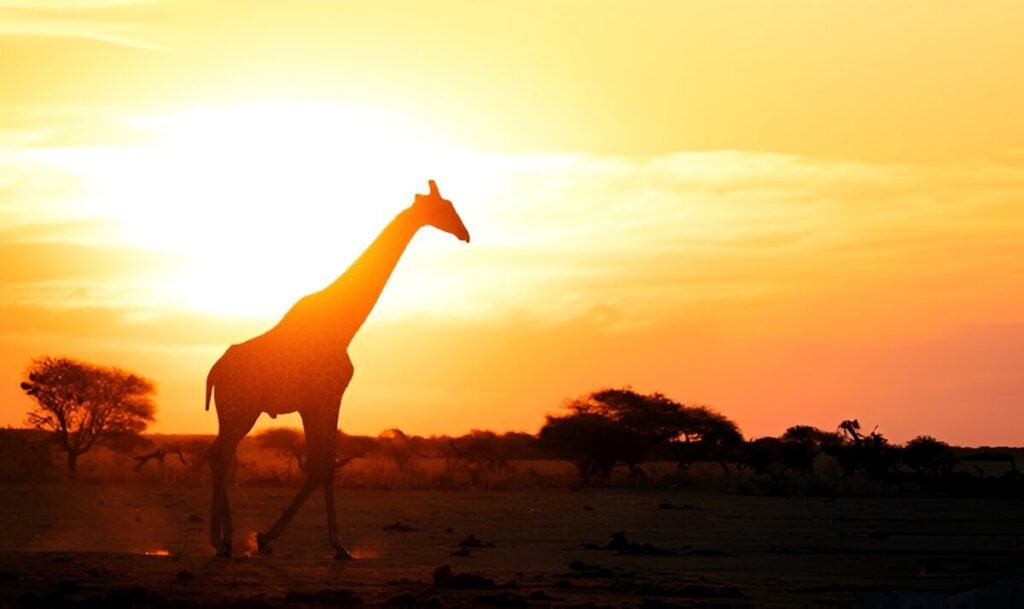
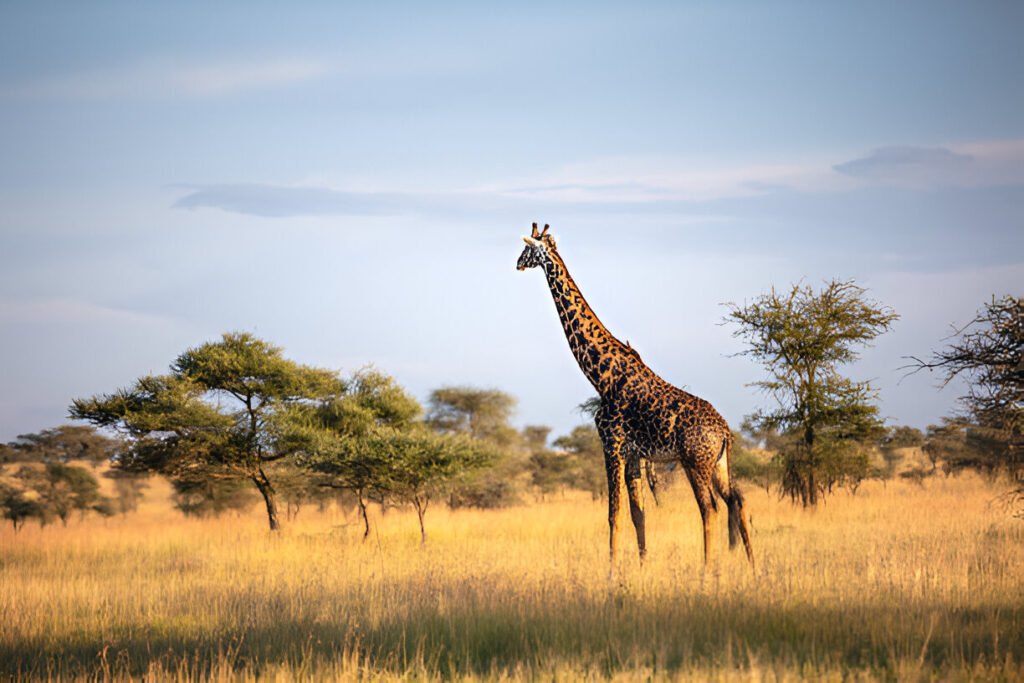
Serengeti is not only about the Great Migration. Its central region holds resident wildlife throughout the year, making it a strong choice for a short safari. Lions, hyenas, elephants, giraffes, zebras, wildebeest, hippos, crocodiles, antelope and many birds may be seen in different habitats. Cheetahs are often searched for in open plains, while leopards are more elusive and may be found around riverine trees or kopjes.
Two nights make a meaningful difference. You can enjoy an afternoon drive on arrival, a full day for early-morning and afternoon wildlife activity, and a final drive before leaving. One-night Serengeti trips usually feel too rushed because the distances are long. This package is for guests who want a short but proper Serengeti experience rather than a quick stop for a photograph.
It is also a flexible package. You can choose budget camping, a comfortable mid-range tented camp or lodge, or a higher-end camp. The route remains the same, but the accommodation style, private vehicle arrangement, meal preferences and airport connections can be adjusted before confirmation.
3-Day Serengeti Safari itinerary
Day 1: Arusha or Moshi to Central Serengeti National Park
Your driver-guide collects you early from your hotel in Arusha or Moshi. From Arusha, the journey follows the northern safari route through the Ngorongoro Conservation Area toward Serengeti. From Moshi, pick-up is earlier because the first transfer to Arusha adds time. The route is long, but the changing scenery helps make it part of the experience: town, cultivated highlands, forest, grassland and finally the open plains of Serengeti.
Stop for a picnic lunch at an appropriate place on the route. Your guide will explain the day’s timing and adjust game-viewing stops according to traffic, weather and wildlife reports. As you enter Serengeti, the game drive begins. Look for giraffes, zebras, wildebeest, elephants, hyenas and the first possible predator sightings as you travel toward the central area.
Arrive at your camp or lodge in the late afternoon. Settle in, enjoy dinner and rest after the journey. Overnight in central Serengeti or another confirmed Serengeti area suited to the season. The final accommodation name and meal plan will appear in your quotation.
Day 2: Full-day game drive in Serengeti
Rise early for a full day exploring the Serengeti. Morning is one of the best times to be out because temperatures are lower and many animals are active. Your guide will choose the route based on where wildlife has been seen recently, the time of year and what you are most interested in. The plan is not to rush from one crowded sighting to another. It is to spend enough time in productive habitat and let the day develop naturally.
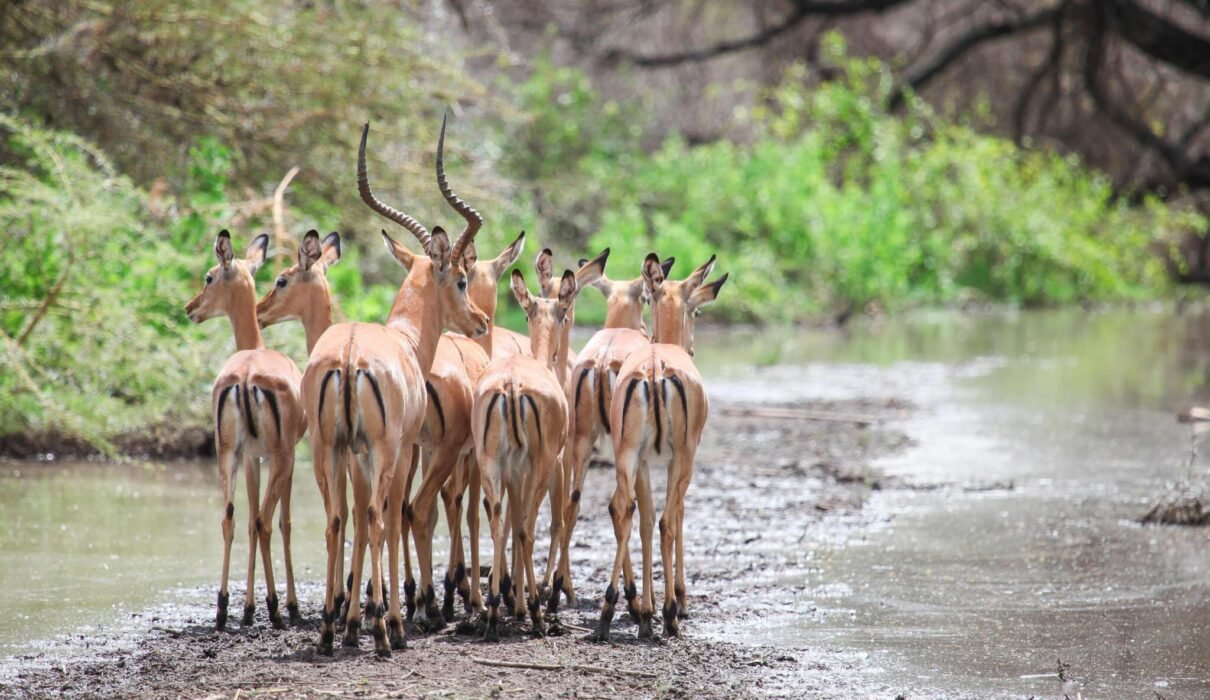
Central Serengeti includes open grassland, kopjes, river valleys and woodland. Lions may be seen resting in shade or on rocks, while cheetahs use open country to scan for prey. Leopards can be difficult to find, but the guide will know suitable riverine areas to search. Elephant herds, buffalo, giraffes, zebras, topi, impala, warthogs and hyenas add constant activity throughout the drive.
Enjoy a packed lunch at a designated picnic area or return to camp if your chosen accommodation plan allows it. Continue in the afternoon, when changing light can be good for photography and animals start moving again. Birdlife is also part of the day: eagles, vultures, ostriches, hornbills, rollers, storks and many smaller species are often seen. Return to camp before dark for dinner and your second Serengeti night.
Day 3: Morning Serengeti game drive, then return to Arusha or Moshi
After an early breakfast, enjoy a final game drive while leaving Serengeti. This morning can bring excellent sightings because you are still inside the park rather than leaving immediately at sunrise. The route out may pass through different habitat from the arrival day, and fresh tracks or guide reports can shape the drive.
Continue through the Ngorongoro Conservation Area with a picnic lunch on the way. You may pause at a suitable viewpoint or cultural stop if time allows and it fits the confirmed route. Arrival in Arusha is generally late afternoon or early evening. Moshi arrival will be later because of the extra distance. Do not book an international flight immediately after the road safari unless the timing has been checked carefully; a hotel night after the trip is often more comfortable.
Wildlife you may see in Serengeti
Serengeti is famous for large mammals, but it is a complete ecosystem rather than a single attraction. The Big Five are lion, leopard, elephant, buffalo and rhino. Lion, elephant and buffalo opportunities can be good in central Serengeti, while leopard sightings depend on patience and luck. Black rhino is not normally the main focus of a short central Serengeti itinerary, so do not book with a promise that you will see all five.
There is plenty beyond the Big Five. Cheetahs, spotted hyenas, jackals, hippos, crocodiles, giraffes, zebras, wildebeest, hartebeest, topi, gazelles, impala, dik-dik and warthogs all contribute to the experience. A good guide may point out smaller details too: animal tracks, alarm calls, vultures circling above a distant carcass, or the different ways species use the same water source.
Bring binoculars if possible. They help with birds, animals in the distance and behaviour that is happening beyond the reach of a camera lens. A safari is often better when you watch a scene unfold rather than only trying to collect close-up photos.
Great Migration planning for 2027
The Great Migration moves through the Serengeti-Mara ecosystem in response to rain, grass and water. It is not a fixed show that takes place in one location every year on identical dates. In the early months, large herds may be in southern Serengeti and Ndutu for the calving season. As conditions change, they move through central and western regions and later may reach northern Serengeti. Exact timing varies.
This three-day package is based around central Serengeti because it offers resident wildlife year-round. If migration viewing is your main objective, tell Eddy Tours & Safaris your exact travel dates. The team can recommend whether the central area is right, whether an alternative camp location is needed or whether extra nights would make the trip more worthwhile. Honest seasonal advice is better than a fixed promise that ignores nature.
Arusha departure versus Moshi departure
Arusha is closer to the northern safari circuit and is usually the simplest road starting point for Serengeti. A three-day road safari from Arusha is busy but workable with two nights in Serengeti. Moshi is farther east, close to Kilimanjaro, so departure and return days are longer. It can still be arranged for travellers staying in Moshi after a mountain climb or before a flight, but you should be ready for early starts and a late final arrival.
If you are beginning in Moshi and do not want long road days, consider an extra overnight in Arusha before the safari, a four-day itinerary, or a fly-in safari. These choices can make the trip much more relaxed. The best option depends on your budget, dates and how much driving you enjoy.
Accommodation options for the two Serengeti nights
Budget camping uses tents, sleeping mats, a safari cook and shared facilities where applicable. It is a good choice for travellers who enjoy a simple outdoors experience and want to keep costs lower. Mid-range tented camps and lodges usually provide private rooms or tents with ensuite bathrooms, comfortable beds and full-board meals. Luxury camps offer more privacy, upgraded service and often very strong locations for wildlife viewing.
We recommend accommodation according to your dates and the region where wildlife is likely to be. A good camp location can save valuable time on game drives. In peak months, popular camps may sell out, so early booking is important. Your quote will name the proposed properties and state whether the package is camping, mid-range or luxury.
Package inclusions
- Private 4×4 safari vehicle with pop-up roof for wildlife viewing.
- Professional English-speaking driver-guide.
- Two nights’ accommodation in the selected Serengeti camp or lodge category.
- Park fees, concession fees and government charges as stated in the final quotation.
- Meals during the safari as shown in the confirmed itinerary.
- Drinking water in the safari vehicle.
- Game drives and road transfers described in the package.
- Pick-up and drop-off from Arusha or Moshi as agreed in the booking confirmation.
Package exclusions
- International and domestic flights unless specifically included.
- Visa costs, travel insurance and medical insurance.
- Hotel nights before or after the safari unless shown in your quote.
- Alcoholic drinks, premium beverages and personal snacks.
- Tips for the driver-guide and accommodation staff.
- Laundry, souvenirs, personal expenses and optional activities.
- Any transfer, accommodation or activity not listed in the final confirmed itinerary.
What to pack
Serengeti days can start cool and become warm by midday. Bring a fleece or light jacket for early drives, then wear breathable shirts and comfortable trousers or shorts for the daytime. Closed shoes, a sun hat, sunglasses, sunscreen and a light scarf for dust are practical. A small daypack is useful for your jacket, water, camera and personal items.
Bring a camera, spare batteries, charging cable and memory card, but do not forget binoculars. Keep your passport, regular medication, travel-insurance documents and electronics in your hand luggage. If you continue to Zanzibar by bush flight, ask about soft-bag and weight restrictions before packing.
Responsible safari travel
Good wildlife viewing is calm, patient and respectful. Your driver-guide will keep an appropriate distance from animals and follow park rules. Please do not ask to drive too close, block an animal’s movement or pressure wildlife for a photo. Stay in the vehicle unless your guide says it is safe and permitted to leave, and keep your voices low near sightings.
Use refillable bottles where possible, do not leave rubbish in the parks and respect camp staff and local communities. Serengeti remains special because it is a living ecosystem, not a staged attraction. Responsible choices protect it for future travellers.
Road safari or fly-in Serengeti safari?
A road safari gives you a changing view of northern Tanzania and is normally the more economical way to reach Serengeti. You see the highlands, conservation area and gradual change from settled land to wild plains. It also gives you the freedom to stop for wildlife on the way in and out, as park rules and timing allow.
A fly-in safari reduces transfer time and is useful for travellers with only a few days, guests departing from Moshi, or people who would rather spend more hours in Serengeti than on the road. Small aircraft connect the northern Tanzania safari circuit with several Serengeti airstrips. Luggage is usually limited to a soft-sided bag and a specified weight allowance. Flights add cost and are subject to schedules and weather, but they can turn a busy short itinerary into a more relaxed one.
The right option depends on your budget and priorities. We will explain both clearly when preparing the quote, including what time you gain or lose on the travel days. There is no single answer that is right for every visitor.
How to get the best from a short Serengeti safari
Keep expectations focused. A 3-day trip can provide excellent wildlife viewing, but it cannot show every part of Serengeti or guarantee every species. Tell the guide what interests you most at the start: lions, big cats, elephants, birds, migration herds, photography or simply quiet landscapes. The guide can then balance those interests with current conditions.
Be ready for early mornings. The light is softer, the temperature is comfortable and many animals are active. Have camera batteries charged, warm layers near the door and your day bag prepared the night before. During the day, drink water regularly, protect your skin from the sun and take time away from the screen to look around the vehicle. Some of the best safari moments happen between the famous sightings.
Ask questions. An experienced guide can explain why a cheetah is sitting on a termite mound, how zebras and wildebeest benefit from moving together, or why a vulture circling above does not always mean a kill. These details turn a drive into a better understanding of the ecosystem.
Frequently asked questions
Is three days enough for Serengeti?
Three days is the minimum for a meaningful road safari focused only on Serengeti. Two Serengeti nights give you one full day of game viewing. If you want to add Ngorongoro, Tarangire or Zanzibar, a longer itinerary will be more comfortable.
What time should I leave Arusha or Moshi?
Arusha departures are normally early in the morning. Moshi departures need to be earlier because the road distance is longer. Your exact collection time is confirmed before travel, based on your hotel location, season and the day’s route.
Can this be a group safari?
Yes, a shared departure may be available on selected dates. This page describes a private safari, which gives you your own guide and vehicle. Group pricing, departure dates and vehicle sharing must be confirmed separately.
Can I combine this with a Kilimanjaro climb?
Yes. Many climbers add a safari after resting for at least one night in Moshi or Arusha. For mountain route information, see Kilimanjaro Climb Specialist.
Book your 3-Day Serengeti Safari from Arusha or Moshi
To plan your 2027 Serengeti safari, contact Eddy Tours & Safaris. Share your dates, departure town, group size, accommodation preference and whether you want a private road safari, group departure or fly-in option. The team will recommend the most practical itinerary rather than forcing a route that does not fit your time.
Use the contact page, email eddytoursandsafaris@gmail.com or sales@eddytours-safaris.com, or call and WhatsApp +255 711 906 664.
Early planning gives you the best camp options.