
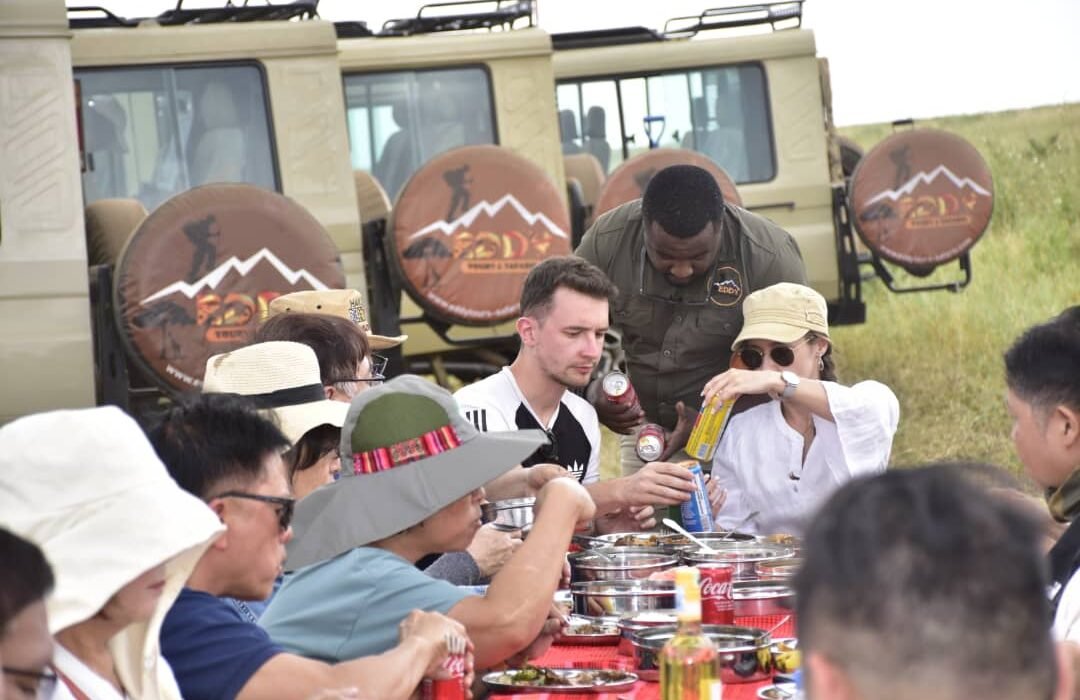
4-Day Serengeti & Ngorongoro Safari is a well-paced private wildlife journey for travellers who want to experience Tanzania’s two most famous safari areas in a short but meaningful trip. You will spend two nights close to the Serengeti plains, enjoy a full game-drive day in the park, then travel through the Ngorongoro Conservation Area for a final wildlife drive inside the Ngorongoro Crater.
With three nights, the itinerary gives you more than a quick drive through the parks. It provides time to look for big cats and plains wildlife in central Serengeti, watch the changing landscapes of the highlands, and explore the crater floor at a sensible pace. It is ideal for couples, families, friends and solo travellers who choose a private vehicle, and it can be tailored as a camping, mid-range or lodge safari.
Wildlife is free-ranging, and sightings are never guaranteed. Your guide uses current reports, season, weather and experience to make the most of every day. The goal is not to chase a fixed checklist; it is to give you a real view of the Serengeti ecosystem and the remarkable Ngorongoro Crater in four well-organised days.
Safari highlights
- Two nights in or near the Serengeti wildlife area for unhurried game viewing.
- Full-day game drive across central Serengeti’s plains, kopjes and river valleys.
- Opportunity to see lions, elephants, giraffes, zebras, wildebeest, hyenas, hippos and many bird species.
- Seasonal chance to follow Great Migration movement in the relevant Serengeti area.
- Scenic drive through the Ngorongoro Conservation Area.
- Game drive on the Ngorongoro Crater floor, home to a remarkable range of wildlife.
- Private 4×4 safari vehicle and professional English-speaking driver-guide.
Why choose this 4-day Serengeti and Ngorongoro safari?
Serengeti and Ngorongoro are often placed together in a Tanzania itinerary because they offer completely different safari experiences. Serengeti is broad, open and seemingly endless. Its wildlife is spread across grassland, woodland, rocky kopjes and rivers, with seasonal migration movements adding another layer to the experience. Ngorongoro Crater is more compact and enclosed, a vast caldera where grassland, forest, lake and wetland create a rich wildlife habitat within a dramatic volcanic landscape.
Four days is a good option when you want both destinations but do not have a week available. The itinerary avoids wasting the whole trip on transfers by giving you two nights around Serengeti. That means you have a dedicated full day in the park rather than arriving late, sleeping once and leaving before you have really explored.
The package is also flexible. Travellers who prefer simple adventure can choose a camping option. Those who want comfortable ensuite rooms can select a mid-range tented camp or lodge. A higher-end version can use premium camps in stronger wildlife locations. What does not change is the core route: a thoughtfully guided Serengeti and Ngorongoro safari built around the best time of day for wildlife viewing.
Day-by-day itinerary
Day 1: Arusha to Central Serengeti National Park
Your driver-guide collects you from your Arusha hotel, Kilimanjaro Airport area hotel or another agreed location after an early breakfast. Begin the drive toward the Ngorongoro highlands and continue through the conservation area toward Serengeti. This is a full travel day, but it is not simply a transfer. The scenery changes from towns and cultivated land to highland forest, open plains and the vast Serengeti landscape.
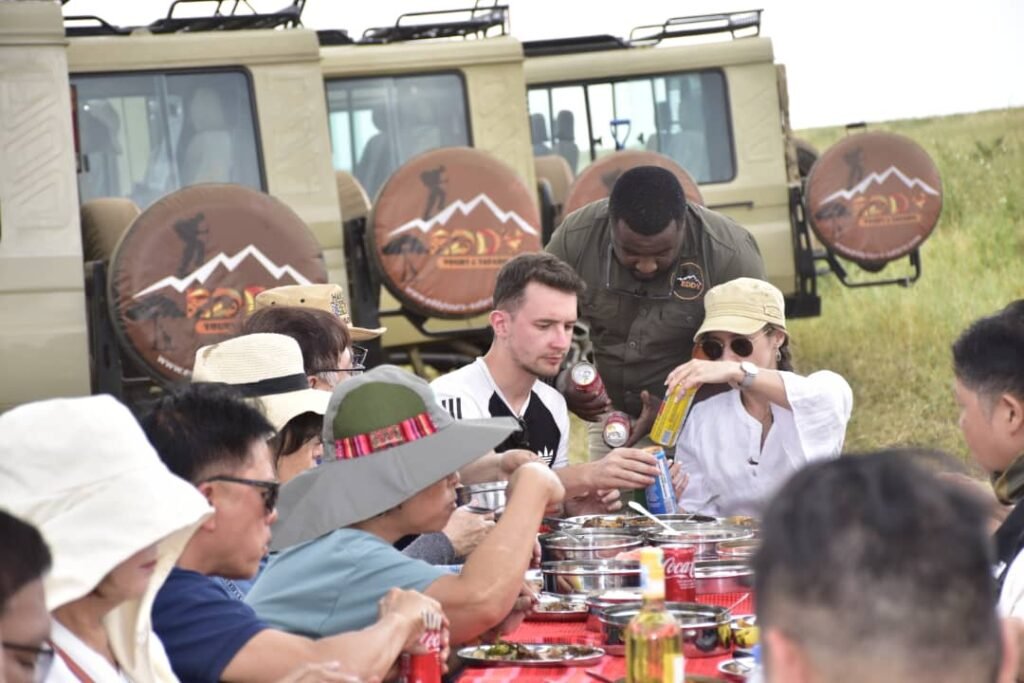
Stop for a picnic lunch at a suitable place on the route, then continue with game viewing as you approach the central Serengeti. Depending on the season and current wildlife reports, your guide may take a scenic route through areas known for resident animals. Look for giraffes, zebras, wildebeest, elephants, hyenas and the first big-cat opportunities of the trip.
Arrive at your camp or lodge in the late afternoon. Settle in, enjoy dinner and listen to the sounds of the bush after dark. Overnight in central Serengeti or the closest confirmed accommodation area. The exact property will be shown in your quotation.
Day 2: Full-day Serengeti game drive
Wake early for a full day of wildlife viewing in Serengeti National Park. Morning is a productive time because many animals are active before the heat increases. Your guide will select routes according to the season, recent sightings and your interests. Central Serengeti is particularly well known for resident predators, kopjes and river systems, but wildlife can appear anywhere, so the day remains flexible.
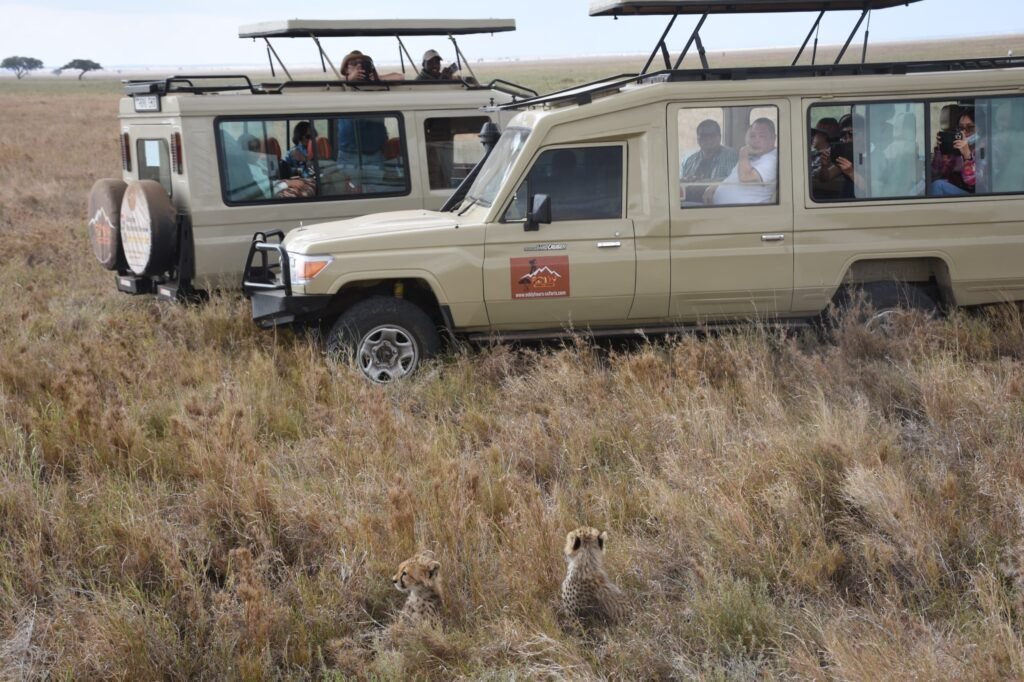
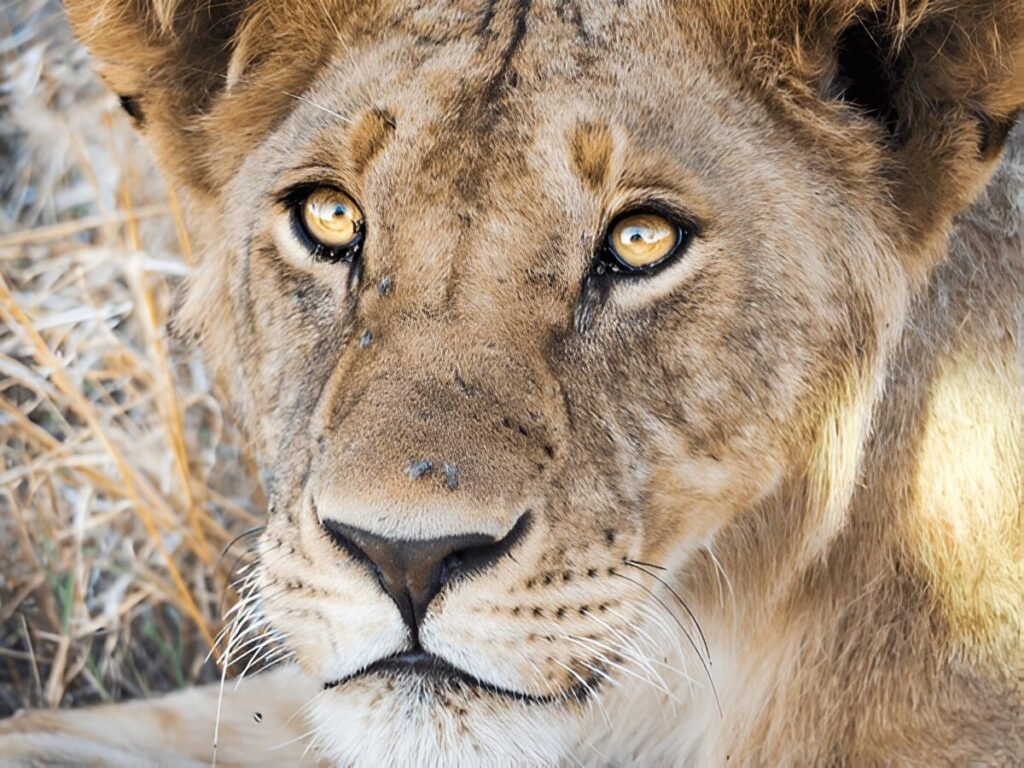
You may see lion prides resting on rocks or in shade, cheetahs scanning open grassland, leopards near riverine trees, hyenas moving between territories, elephants feeding, giraffes browsing and large herds of plains animals. Hippos and crocodiles may be visible near suitable water, while birdlife can include eagles, vultures, ostriches, hornbills, rollers and many smaller species.
Enjoy a picnic lunch in a designated safe area or return to camp for lunch depending on the programme. Continue with an afternoon drive when light changes and wildlife begins to stir again. Your guide may remain near a promising area rather than constantly racing between distant reports. Good safaris often come from patience. Return to your camp or lodge for dinner and a second night in the Serengeti.
Day 3: Serengeti to Ngorongoro Highlands
After breakfast, enjoy a final morning game drive in Serengeti before heading southeast toward Ngorongoro. This is a useful chance to look again for animals that may have been missed the previous day or to revisit a location where the guide received a fresh report. The road climbs gradually toward the highlands, and the air often becomes cooler as you gain elevation.
Stop for lunch along the route and continue through the Ngorongoro Conservation Area. If time and conditions allow, you may pause at a viewpoint where the crater can be seen from above. The view into the caldera is one of the classic sights of northern Tanzania: a huge natural bowl with grasslands, woodland and lake far below.
Arrive at your lodge, tented camp or campsite in the Karatu area or on the crater rim, depending on the accommodation level selected. The rim is colder at night, while Karatu is generally lower and warmer. Have dinner, prepare your camera and layers for the following morning, and rest before the final safari day.
Day 4: Ngorongoro Crater game drive, then return to Arusha
Set out early and descend approximately 600 metres into the Ngorongoro Crater for a morning game drive. The crater floor holds permanent water, grassland and Lake Magadi, creating good habitat for zebra, wildebeest, buffalo, hippos, elephants, lions, hyenas, jackals and many birds. Flamingos may be present on the lake when conditions are right.
Ngorongoro is one of the better places in Tanzania for a chance to see black rhino, but no guide should promise it. Rhinos are wild and may be distant or hidden. Keep binoculars ready and enjoy the full range of wildlife rather than focusing only on one animal. Have a picnic lunch at the designated area near the hippo pool, then begin the ascent from the crater.
Drive back to Arusha, with arrival usually in the late afternoon or early evening depending on road conditions, wildlife stops and your drop-off location. Airport drop-off can be arranged if your flight timing is suitable; please share your flight details before confirmation.
Wildlife and seasonal highlights
Central Serengeti has resident wildlife throughout the year, making it a good choice for a four-day safari. Lions, hyenas, giraffes, elephants, buffalo, zebras, various antelope and a wide range of birds may be encountered in different areas. Cheetahs are often seen in open country, while leopards are more elusive and commonly searched for around riverine woodland and large trees.
The Great Migration moves according to rain and grazing. From around late December through March, many herds may be concentrated in southern Serengeti and Ndutu, particularly during the calving season. Later in the year, animals move through central, western or northern areas depending on conditions. A four-day itinerary based in central Serengeti gives good resident wildlife viewing, but if migration is your main priority, tell us your exact dates so the accommodation area and route can be adjusted.
Ngorongoro has a different wildlife character. The crater floor is not part of a migration chase; it is a permanent habitat with a high density of animals within a contained landscape. The contrast between Serengeti’s horizons and the crater’s enclosed ecology is one reason this package works so well for first-time visitors.
Accommodation choices
This package can be arranged at different comfort levels. A camping safari uses quality tents, sleeping mats, a cook and a support team, giving you a close-to-nature experience at a lower price. Mid-range packages commonly use comfortable tented camps or lodges with private bathrooms and full-board meals. Luxury options use carefully selected camps and lodges in strong locations, with greater privacy, upgraded rooms and more inclusive service.
Accommodation availability changes by season, so the final property names are confirmed in your quotation. We will not substitute a distant or lower-standard property without discussing it with you. Location matters on safari: a camp close to the wildlife area gives you more time on game drives and less time on public roads.
What is included in the package?
- Private 4×4 safari vehicle with a pop-up roof for game viewing and photography.
- Professional English-speaking driver-guide for the full safari.
- Park entry fees and Ngorongoro Crater conservation fees as shown in the confirmed quotation.
- Three nights of accommodation at the selected camping, mid-range or lodge level.
- Meals as stated in the itinerary: breakfast, lunches and dinners during the safari.
- Drinking water in the safari vehicle.
- Game drives and road transfers described in the confirmed itinerary.
- Government taxes and levies included in your final written quote.
What is excluded?
- International flights, visas and travel insurance.
- Airport transfers or hotel nights before and after the safari unless included in your quotation.
- Alcoholic drinks, premium beverages and personal snacks not listed in the package.
- Tips for the driver-guide, camp staff and other service teams.
- Personal expenses, laundry, souvenirs and optional activities.
- Any extra accommodation, park activity or transfer not listed in the confirmed itinerary.
What to pack for a 4-day Tanzania safari
Pack light, practical layers. Serengeti mornings can be cool in an open vehicle, while afternoons may be warm and dusty. Ngorongoro highlands are often colder, especially before sunrise, so bring a fleece or light insulated jacket. Comfortable closed shoes, breathable trousers, T-shirts or long-sleeve shirts, a sun hat, sunglasses and sunscreen are usually enough for the day.
Bring binoculars if you have them, along with camera batteries, memory cards and a charging cable. Keep medication, passport, travel insurance information and electronics in your hand luggage. A small daypack is useful for water, sunscreen, a jacket and camera gear during game drives. If you add domestic flights or Zanzibar after the safari, ask about luggage limits because small aircraft commonly require soft-sided bags.
When is the best time to book?
Serengeti and Ngorongoro can be visited year-round. June to October is popular for drier conditions and easy road travel, while January to March can be excellent for green scenery and migration activity in the south. April and May may be wetter, but they can suit flexible travellers looking for quieter parks and sometimes better accommodation value. November and December bring changing conditions, greener landscapes and the possibility of migration movement southward.
For 2027, 2028 or 2029 dates, book early if your trip falls in the peak dry season, around Christmas and New Year, or during a period when you specifically want migration-focused accommodation. Early planning gives you better camp choices and lets the route be shaped around your interests rather than remaining a generic last-minute itinerary.
Responsible game viewing
Wildlife belongs first to the ecosystem, not to a safari schedule. Your guide will keep appropriate distance, avoid blocking animal movement and follow park regulations. Guests should keep voices low around wildlife, remain in the vehicle unless the guide says it is permitted to leave, and never ask for an animal to be chased or disturbed for a photograph.
Bring a refillable bottle where practical, keep litter out of the parks and respect the people who work in and around these landscapes. Responsible travel protects the experience for future visitors and supports the wildlife that makes Serengeti and Ngorongoro worth visiting.
How this safari can be tailored to you
Every private group travels differently. Couples may prefer a smaller tented camp with a quieter dinner setting. Families may need rooms that suit children, a slightly slower daily rhythm and meal preferences communicated in advance. Photographers may want longer early-morning drives, space for camera bags and a guide who understands that waiting at one sighting can be more useful than covering many kilometres.
The safari can also be adjusted around a flight schedule. If you arrive in Arusha the day before, we can arrange a hotel night and early departure. If you are leaving from Kilimanjaro Airport after the crater, the final-day timing should be checked carefully against your flight. It is better to plan a sensible connection than promise an unrealistic same-day transfer.
For special diets, tell us before confirmation. Vegetarian, vegan, halal and many allergy-related meal requirements can often be accommodated with advance notice. Be clear about the nature of any severe allergy so the accommodation team and guide can prepare responsibly.
Extend the journey before or after the safari
If four days is not enough, add a night in Serengeti for more time following seasonal wildlife movement, or include Tarangire National Park before the main route for elephants and baobab scenery. Zanzibar is a good beach extension after safari, especially when you want a few relaxed days after early starts and long drives. Flights from northern Tanzania can make the connection straightforward when booked as part of the full itinerary.
Travellers interested in mountain trekking can also combine this safari with Kilimanjaro. A climb should be planned as its own major activity, with enough acclimatisation days and recovery time. Do not place a hard safari transfer immediately after summit day; a rest night in Moshi or Arusha is the more comfortable option.
Frequently asked questions
Is this a private or group safari?
This package is written as a private safari with your own vehicle and driver-guide. A group version may be possible on selected departure dates, but the itinerary, price and vehicle-sharing arrangement should be confirmed separately.
Can I see the Big Five in four days?
You have good chances for several Big Five species, particularly lion, elephant and buffalo. Leopard and rhino are naturally more difficult to see, and no wildlife sighting is guaranteed. Ngorongoro offers one of Tanzania’s better chances for black rhino, often at a distance.
Can this safari start or finish at Kilimanjaro Airport?
Yes, this can often be arranged when flight times are suitable. Share your arrival or departure details before booking so the route can be planned without rushing or risking a missed flight.
Book your 4-Day Serengeti and Ngorongoro Safari
To customise the accommodation level, safari dates, group size or airport transfers for 2027, 2028 or 2029, contact Eddy Tours & Safaris. The team can recommend the best Serengeti area for your travel month and prepare a clear quote for camping, mid-range or lodge safari options.
Use the contact page, email eddytoursandsafaris@gmail.com or sales@eddytours-safaris.com, or call and WhatsApp +255 711 906 664. If you would like to add a Kilimanjaro climb before or after the safari, see Kilimanjaro Climb Specialist for mountain route information.