
A safari in Tanzania does not have to cost thousands of dollars to be a great experience. With the right itinerary, you can visit some of the country’s most popular national parks, see a wide variety of wildlife, and enjoy three days in the African bush without spending too much money. Our 3-Day Budget Camping Safari in Tanzania for 2027 and 2028 is designed for travelers who want to explore Tanzania’s wildlife while keeping their accommodation and travel costs affordable.
This three-day safari takes you to Tarangire National Park, Ngorongoro Crater, and Lake Manyara National Park. Each destination offers something different. Tarangire is known for its elephants and large baobab trees, Ngorongoro Crater is one of the best places in Tanzania to see different animals within a relatively small area, and Lake Manyara offers beautiful scenery, forest habitats, and a variety of birds and wildlife.
Instead of staying in expensive luxury lodges, you will spend your nights at budget campsites, where you can enjoy the outdoor atmosphere and meet other travelers. You will explore the parks in a safari vehicle with a professional guide who knows the wildlife areas and can help you understand the animals and their surroundings. The trip is suitable for couples, solo travelers, friends, students, and small groups who want a short and affordable Tanzania safari.
At Eddy Tours & Safaris, we organize Tanzania safaris for travelers looking for good wildlife experiences at different budget levels. Whether you are visiting Tanzania for the first time or adding a short safari after climbing Mount Kilimanjaro, this three-day camping trip is a practical way to discover northern Tanzania.
3-Day Tanzania Budget Camping Safari Overview
| Safari details | Information |
|---|---|
| Safari package | 3-Day Budget Camping Safari in Tanzania |
| Travel years | 2027 and 2028 |
| Duration | 3 days / 2 nights |
| Destinations | Tarangire, Ngorongoro Crater and Lake Manyara |
| Starting point | Arusha |
| Ending point | Arusha |
| Accommodation | Budget camping |
| Safari type | Joining group or private safari |
| Transport | Safari vehicle with a professional driver-guide |
| Main activities | Wildlife game drives, sightseeing and photography |
| Suitable for | Solo travelers, couples, friends and budget-conscious travelers |
| Price | Available on request |
This itinerary is based on a three-day safari starting and ending in Arusha. Travelers arriving through Kilimanjaro International Airport or staying in Moshi can request additional transfers.
Why Choose a 3-Day Budget Camping Safari in Tanzania?
One of the biggest advantages of a budget camping safari is that you can spend more of your travel budget on visiting the national parks instead of paying for expensive accommodation. Tanzania has many excellent wildlife destinations, and camping allows travelers to experience them without booking luxury lodges. You still have the opportunity to enjoy game drives, take photographs, and learn about wildlife from your guide.
A three-day safari is also a good choice for travelers with limited time. If you are visiting Tanzania for a short holiday, attending an event in Arusha, or finishing a Kilimanjaro climb, you may not have enough days for a long Serengeti safari. This itinerary allows you to visit three well-known wildlife areas in a relatively short period, although the schedule involves several hours of driving.
Another reason to choose this package is the variety of landscapes. Tarangire has open woodland, grassland, and baobab trees, while Ngorongoro Crater contains grassland, wetlands, and forest within its volcanic walls. Lake Manyara is known for its groundwater forest, lake views, and birdlife. Visiting these destinations gives you a broader picture of northern Tanzania than spending all three days in one park.
For travelers who have more time and want to visit Serengeti National Park, we recommend considering a longer itinerary. You can contact Eddy Tours & Safaris to compare three-day, four-day, and longer Tanzania safari options.
Complete 3-Day Budget Camping Safari Itinerary
Day 1: Arusha to Tarangire National Park – Full-Day Game Drive
Destination: Tarangire National Park
Main activity: Wildlife game drive
Accommodation: Budget campsite near Mto wa Mbu or Karatu
Meals: Lunch and dinner, subject to the confirmed package
Your Tanzania safari begins in Arusha, where your driver-guide meets you at your hotel or another agreed pickup location. After a short introduction and a briefing about the trip, you leave the city and travel toward Tarangire National Park. The drive takes you through rural communities and landscapes where you can see everyday life outside Tanzania’s larger towns. Depending on traffic and the starting point, the journey usually takes around two to three hours.
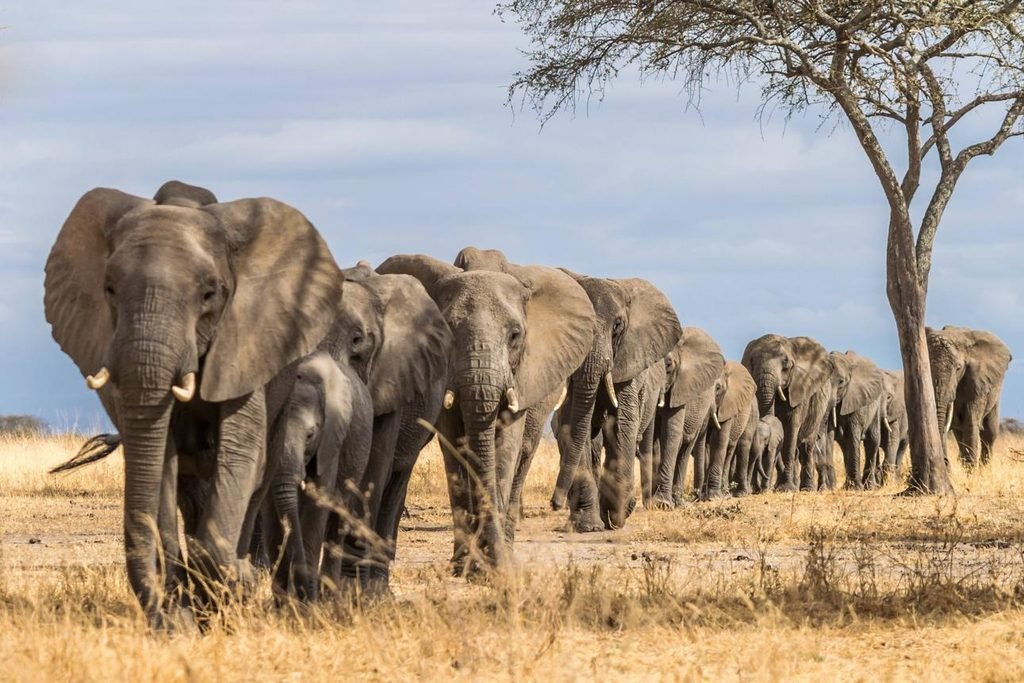
Once you arrive at Tarangire, your guide completes the park entry procedures before beginning the game drive. Tarangire is especially well known for its elephant population and large baobab trees, which are among the most recognizable features of the park. During your drive, you may see elephants moving through the woodland, giraffes feeding from tall trees, zebras grazing in open areas, and antelopes such as impalas and wildebeest. Lions and other predators also live in the park, although sightings depend on animal movements and the conditions on the day.
The Tarangire River is an important source of water for wildlife, particularly during the dry season. Animals often move toward the river and nearby areas in search of water and food, creating good opportunities for wildlife viewing. Your guide will explore suitable routes based on the time available, road conditions, and recent wildlife activity. You will also have opportunities to stop for photographs and enjoy a packed lunch at an appropriate picnic area.
In the late afternoon, you leave Tarangire and drive toward your budget campsite in the Mto wa Mbu or Karatu area. After arriving, you can relax while dinner is prepared and discuss the day’s wildlife sightings with your guide or fellow travelers. The campsite provides a simple and affordable place to rest before the following day’s visit to Ngorongoro Crater.
Day 2: Ngorongoro Crater – Wildlife Game Drive
Destination: Ngorongoro Crater
Main activity: Crater game drive
Accommodation: Budget campsite near Karatu or Mto wa Mbu
Meals: Breakfast, lunch and dinner
After an early breakfast, you leave the campsite and travel toward the Ngorongoro Conservation Area. The journey takes you through the highlands surrounding Karatu, where farms, green hills, and local communities form part of the landscape. As you approach the conservation area, the scenery changes, and you begin climbing toward the rim of Ngorongoro Crater, one of Tanzania’s most famous natural attractions.
Ngorongoro Crater is a large volcanic caldera that supports a remarkable variety of wildlife. The crater floor contains grassland, woodland, wetlands, and a soda lake, creating different habitats within a relatively small area. After completing the required entry procedures, your guide drives down the crater road toward the floor, where you begin exploring the wildlife areas.
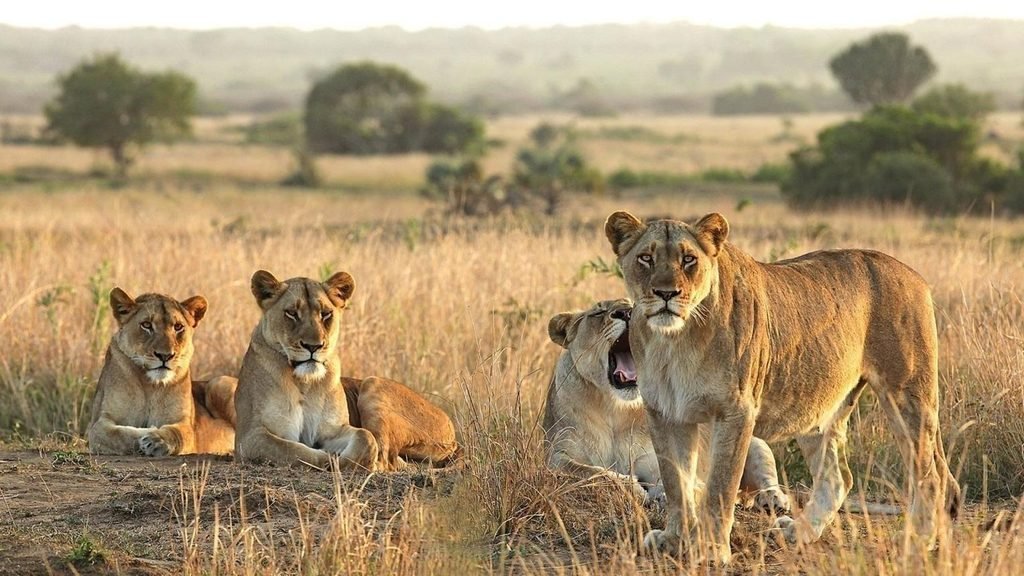
During the game drive, you may encounter zebras, wildebeest, buffaloes, elephants, hippos, and different antelope species. Lions and spotted hyenas are also found in the crater, while the endangered black rhinoceros is one of its most sought-after animals. However, rhino sightings are never guaranteed, and the animals may be difficult to locate depending on their movements and distance from the roads.
You will have time to enjoy a picnic lunch at a designated area while taking in the scenery. The crater is an excellent place for wildlife photography because many animals can be seen against the backdrop of the surrounding volcanic walls. Your guide will explain the wildlife, habitats, and conservation importance of the area while following the designated driving routes.
After completing the crater game drive, you ascend the crater road and return to your budget campsite. The evening is a good opportunity to rest after a full day of wildlife viewing and prepare for the final stage of your safari at Lake Manyara National Park.
Day 3: Lake Manyara National Park – Return to Arusha
Destination: Lake Manyara National Park
Main activity: Morning and early-afternoon game drive
Ending point: Arusha
Meals: Breakfast and lunch
After breakfast at the campsite, you prepare for the final day of your three-day Tanzania safari. Your guide drives you to Lake Manyara National Park, located at the base of the Great Rift Valley escarpment. Although Lake Manyara is smaller than some of Tanzania’s other northern safari destinations, it offers an interesting combination of forest, open areas, wetlands, and lake scenery.
The park is known for its groundwater forest, where tall trees create a green environment that feels different from the open landscapes of Tarangire and Ngorongoro Crater. As you drive through the park, you may encounter baboons, blue monkeys, elephants, giraffes, buffaloes, and several species of antelope. Lake Manyara is also associated with tree-climbing lions, but these animals are not always easy to find, and sightings cannot be promised.
Birdwatchers may particularly enjoy Lake Manyara because the park supports a wide variety of bird species. Depending on water levels, season, and local conditions, you may see flamingos, pelicans, storks, herons, and other waterbirds around suitable parts of the lake. The views of the Rift Valley escarpment also provide opportunities for landscape photography during the game drive.
After exploring the park and enjoying lunch, you begin the return journey to Arusha. The drive takes you through Mto wa Mbu and the surrounding countryside before arriving in the city later in the afternoon or early evening, depending on traffic and the time spent in the park. Your guide drops you at your hotel or another agreed location, marking the end of your three-day budget camping safari with Eddy Tours & Safaris.
If you are continuing to another destination, such as Moshi, Kilimanjaro International Airport, or Zanzibar, additional transport arrangements can be discussed before your safari begins.
Wildlife You May See During This Safari
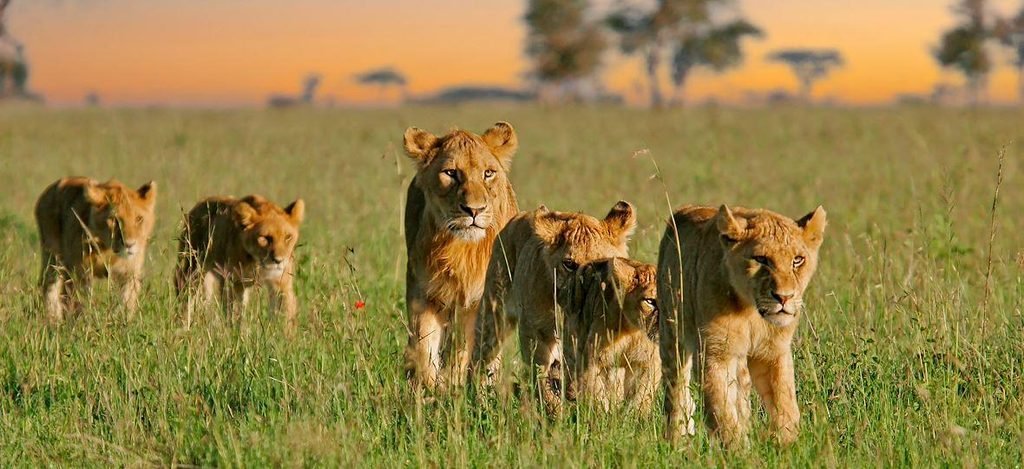
One of the main reasons travelers choose northern Tanzania is the opportunity to see many different animal species within a relatively short distance. Each park on this itinerary offers a different wildlife environment, which increases the variety of animals and landscapes you may encounter. Tarangire is particularly famous for elephants, giraffes, zebras, and its large baobab trees. Ngorongoro Crater supports a variety of grazing animals and predators, including lions, hyenas, and the endangered black rhinoceros. Lake Manyara offers forest wildlife, birdlife, and scenic lake habitats.
Wildlife sightings depend on the season, weather, animal movements, and time spent in each park. No tour operator can guarantee that you will see a particular species, but visiting three different wildlife areas gives you opportunities to observe a wide range of animals.
What Is Budget Camping Like on a Tanzania Safari?
Budget camping is a popular choice for travelers who want to experience Tanzania’s national parks without paying for luxury accommodation. Instead of staying in expensive safari lodges, you sleep in tents at designated campsites. The facilities vary between campsites, but commonly include shared toilets, washing areas, and places where meals can be prepared.
Depending on the package, camping equipment may include a tent, sleeping mattress, and other basic items. Some travelers bring their own sleeping bags, while others arrange rental equipment through their safari operator. It is important to confirm these details before booking because not every budget camping package includes exactly the same equipment.
Camping also gives travelers a different kind of safari experience. After spending the day exploring wildlife areas, you return to a simple campsite where you can relax, enjoy dinner, and prepare for the next day’s activities. The accommodation may be basic, but it can be a good option for travelers who are comfortable with shared facilities and prefer spending their money on wildlife experiences.
How Much Does a 3-Day Budget Camping Safari Cost in 2027 and 2028?
The cost of a three-day Tanzania budget camping safari depends on several factors, including the number of travelers, whether you choose a joining group or private safari, the accommodation arrangements, park fees, transport, and the services included in your package.
A joining group safari is often more affordable because travelers share some of the vehicle and guiding costs. A private safari normally costs more per person, particularly for solo travelers or couples, but offers greater flexibility with departure times and the pace of the game drives.
Prices for 2027 and 2028 should be confirmed through a written quotation because park fees, campsite charges, and other operating costs may change. Rather than advertising a fixed price that may not reflect your travel dates, Eddy Tours & Safaris can prepare a quotation based on your group size and preferred arrangements.
Request Your 3-Day Budget Safari Price
What Is Included in the 3-Day Budget Camping Safari?
A typical budget camping safari package may include transport in a safari vehicle, the services of a professional driver-guide, national park entry fees, Ngorongoro Crater service fees where applicable, camping accommodation, meals during the safari, and drinking water as specified in the quotation.
The exact inclusions should always be confirmed before payment. In particular, ask whether the price covers all park and crater charges, camping equipment, sleeping bags, and transfers from your pickup location.
Services commonly excluded unless specifically stated include international flights, Tanzania visa fees, travel insurance, personal expenses, alcoholic drinks, tips for the guide and camping crew, and accommodation before or after the safari.
Best Time for a 3-Day Budget Camping Safari in Tanzania
Tanzania offers wildlife viewing throughout the year, but the experience can vary depending on the season. From approximately June to October, the weather is generally drier in much of northern Tanzania, and animals may gather around reliable water sources. This can be particularly interesting in Tarangire, where the river and surrounding areas attract wildlife during the dry season.
From November to May, the landscape is often greener, although rainfall varies between months. The wetter periods can bring lush scenery and good birdwatching opportunities, but some roads may become muddy and wildlife can be more widely dispersed. The main long-rain period generally occurs around March to May, while shorter rains often occur toward the end of the year.
Ngorongoro Crater can provide wildlife viewing opportunities in different seasons because many animals remain within the wider crater ecosystem. Lake Manyara’s scenery and birdlife also change with rainfall and lake conditions.
For travelers planning a safari in 2027 or 2028, the best travel period depends on your interests, budget, and preferred weather conditions. Discussing your dates with a safari operator can help you choose suitable arrangements.
What to Pack for Your Tanzania Budget Camping Safari
Packing for a short camping safari is relatively straightforward, but a few essential items can make the trip more comfortable. Lightweight clothing in neutral colors is practical for game drives, while a warm jacket or fleece is useful for cooler mornings and evenings, particularly around the Ngorongoro highlands.
Comfortable walking shoes, sunscreen, sunglasses, a hat, insect repellent, and a reusable water bottle are also useful. Travelers interested in wildlife photography should bring a camera with suitable lenses, spare batteries, and enough memory storage. Binoculars can help you observe birds and animals that are some distance from the vehicle.
For camping, confirm whether your package includes a sleeping bag, mattress, and other equipment. A small flashlight or headlamp, personal toiletries, and any required medication are useful additions to your luggage.
Joining Group Safari vs Private Budget Safari
A joining group safari is usually the most affordable option for solo travelers and couples because the vehicle and guiding costs are shared among several guests. It can also be a good opportunity to meet other travelers who have similar interests. However, group safaris normally follow a fixed schedule, and travelers may have less flexibility over departure times and the duration of stops.
A private budget safari offers more flexibility because the vehicle and guide are arranged for your own group. This may be particularly useful for families, friends, and travelers who want more control over the itinerary. Private safaris can still use budget camping accommodation, allowing you to keep accommodation costs lower while enjoying a more personalized trip.
At Eddy Tours & Safaris, you can enquire about both joining and private arrangements for 2027 and 2028, subject to availability.
Frequently Asked Questions About the 3-Day Tanzania Budget Camping Safari
1. Is three days enough for a Tanzania safari?
Yes. Three days is enough to visit several northern Tanzania wildlife destinations, although longer safaris allow more time in each park.
2. Which parks are included in this itinerary?
Tarangire National Park, Ngorongoro Crater, and Lake Manyara National Park.
3. Does this safari include Serengeti National Park?
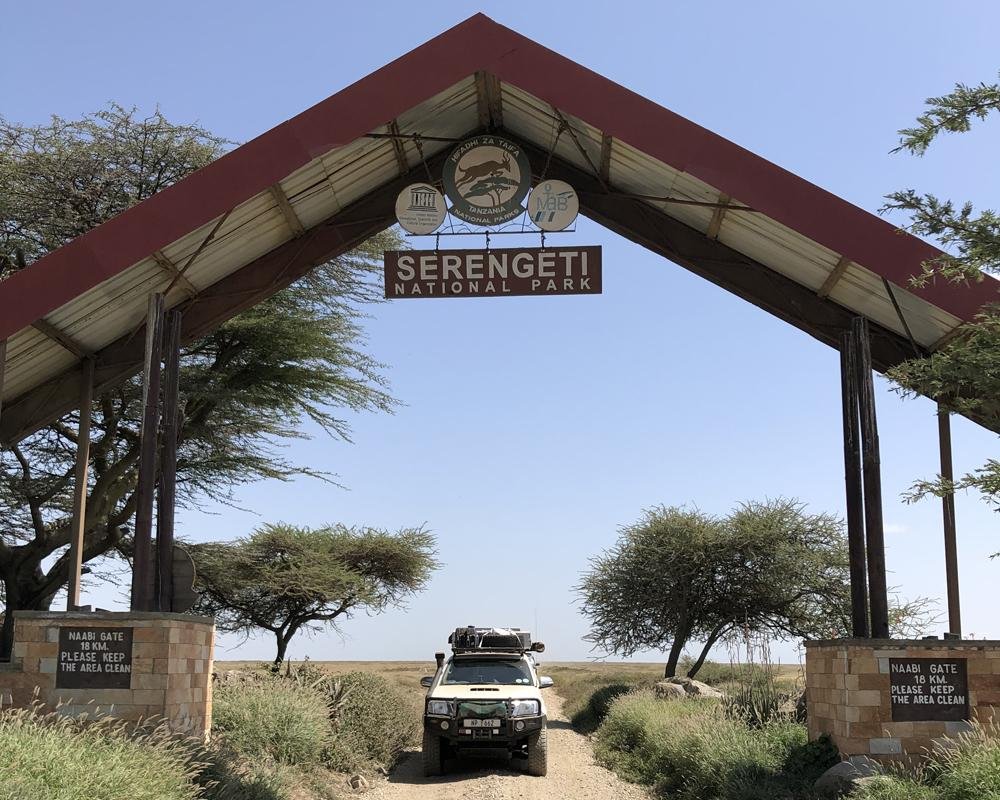
No. This particular three-day itinerary focuses on Tarangire, Ngorongoro, and Lake Manyara. Serengeti is better suited to a longer itinerary from Arusha.
4. Is budget camping safe?
Budget camping can be a suitable option when organized through established campsites and a responsible safari operator. Travelers should follow campsite rules and their guide’s instructions.
5. Will I sleep in a tent?
Yes. This itinerary uses budget camping accommodation.
6. Are meals included?
Meals during the safari are commonly included, but the exact arrangements should be confirmed in your quotation.
7. Can I see the Big Five?
Some Big Five species live in the parks visited, but sightings are not guaranteed. Leopards and black rhinos can be particularly difficult to find.
8. Can I see lions in Ngorongoro Crater?
Yes. Lions live in the crater, although sightings depend on their movements and location.
9. Are there elephants in Tarangire?
Yes. Tarangire is especially well known for its elephant population.
10. Can I see tree-climbing lions in Lake Manyara?
Tree-climbing lions are associated with Lake Manyara, but sightings are uncommon and cannot be guaranteed.
11. Is the safari suitable for solo travelers?
Yes. Solo travelers can enquire about joining group departures or private safari arrangements.
12. Can couples book this safari?
Yes. The package is suitable for couples who prefer budget camping accommodation.
13. Can families join the safari?
Yes, subject to suitable arrangements, campsite conditions, and the ages of the children.
14. What is the best time to visit Tarangire?
The dry season, particularly June to October, is often popular for wildlife viewing.
15. Can I travel during the rainy season?
Yes. Safaris operate during different seasons, although weather and road conditions may affect the experience.
16. How much does the safari cost?
The price depends on group size, travel dates, accommodation, and whether you choose a joining or private safari.
17. Are park fees included?
They may be included in the package, but you should confirm all applicable charges in the written quotation.
18. Do I need a Tanzania visa?
Visa requirements depend on your nationality. Check the official Tanzania Immigration Department guidance before traveling.
19. Do I need travel insurance?
Travel insurance covering medical care and travel disruptions is strongly recommended.
20. What should I wear on safari?
Comfortable lightweight clothing, a warm layer for cooler mornings, and practical shoes are suitable.
21. Can I take wildlife photographs?
Yes. Game drives provide opportunities for wildlife photography, subject to animal movements and park rules.
22. Where does the safari start?
The standard itinerary begins in Arusha.
23. Can I start the safari from Moshi?
A Moshi pickup may be arranged, but additional driving time and transfer costs should be confirmed.
24. Can I book this safari for 2027 or 2028?
Yes. You can request a quotation for your preferred dates, subject to availability and confirmation.
25. Can I combine this safari with Kilimanjaro or Zanzibar?
Yes. The safari can be included in a longer Tanzania holiday with a Kilimanjaro climb or Zanzibar beach stay.
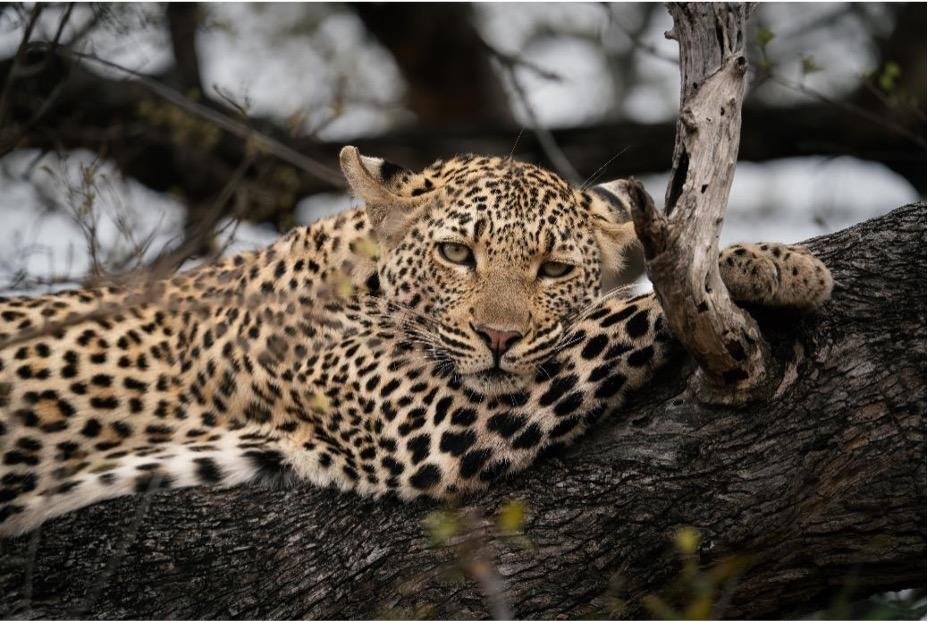
Book Your 3-Day Budget Camping Safari in Tanzania for 2027 and 2028
A three-day budget camping safari is a practical way to experience Tanzania’s wildlife without spending a large amount on luxury accommodation. With visits to Tarangire National Park, Ngorongoro Crater, and Lake Manyara National Park, this itinerary combines different landscapes, wildlife habitats, and game-viewing opportunities within a short holiday.
The trip is especially suitable for travelers who want to explore northern Tanzania while keeping their costs manageable. Whether you are traveling alone, as a couple, or with friends, you can choose between joining group and private safari arrangements depending on your budget and preferred travel style.
At Eddy Tours & Safaris, we help travelers plan Tanzania wildlife safaris for 2027 and 2028. Our team can discuss your travel dates, accommodation preferences, group size, and suitable safari arrangements before providing a detailed quotation.
Request Your 3-Day Budget Camping Safari Quotation
Chat with Eddy Tours & Safaris on WhatsApp
Email: sales@eddytours-safaris.com
Contact us to plan an affordable Tanzania safari with comfortable arrangements, knowledgeable guiding, and enough time to enjoy the wildlife and landscapes along the way.