
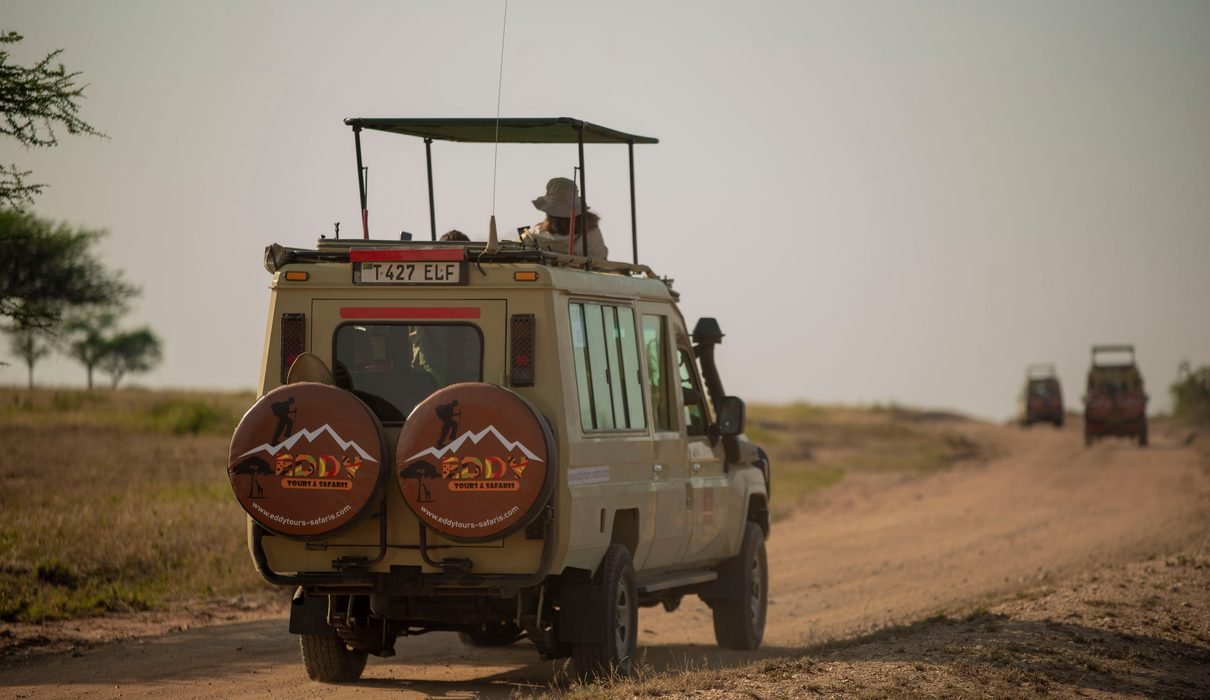
A 3-day Tanzania safari in 2027 or 2028 is an excellent choice for travellers who want to experience African wildlife, beautiful landscapes, and exciting game drives without spending a full week on safari. In just three days, you can explore some of northern Tanzania’s best-known national parks, see animals in their natural habitats, and discover why Tanzania remains one of Africa’s leading wildlife destinations.
This three-day safari combines Tarangire National Park, the Ngorongoro Crater, and Lake Manyara National Park. Each destination offers a different experience, from the large elephant herds and ancient baobab trees of Tarangire to the open grasslands of Ngorongoro and the forests surrounding Lake Manyara. The itinerary is particularly suitable for first-time safari travellers, couples, families, photographers, and visitors who have limited time in Tanzania.
At Eddy Tours & Safaris, a local tour company based in Arusha, Tanzania, we help travellers arrange private and group safari experiences according to their travel dates, accommodation preferences, and budgets. Whether you are visiting Tanzania for the first time or adding a short wildlife adventure after climbing Mount Kilimanjaro, this three-day itinerary offers a practical way to explore several famous safari destinations.
Why Choose a 3-Day Tanzania Safari in 2027/2028?
Not every traveller has enough time for a seven-day or ten-day safari. Some visitors come to Tanzania for business, a Kilimanjaro climbing expedition, or a short holiday and want to experience the country’s wildlife before returning home. A three-day safari makes this possible by concentrating on destinations within reasonable travelling distance of Arusha.
Northern Tanzania is particularly suitable for short safaris because several major wildlife areas are connected by established roads. Tarangire, Lake Manyara, and Ngorongoro are all accessible from Arusha, allowing visitors to spend more time exploring the parks rather than travelling across the country. Although the schedule involves early mornings and several hours of driving, the variety of landscapes and wildlife makes the journey worthwhile.
A three-day safari also gives travellers flexibility when choosing accommodation. You can arrange a budget camping safari, stay in comfortable mid-range lodges, or select luxury properties with views of the surrounding countryside. Private safaris provide greater control over your daily schedule, while shared group departures may help reduce individual costs.
3-Day Tanzania Safari Overview
| Safari information | Details |
|---|---|
| Safari destination | Northern Tanzania |
| Duration | 3 days, 2 nights |
| Starting location | Arusha |
| Ending location | Arusha |
| Main destinations | Tarangire, Ngorongoro Crater and Lake Manyara |
| Safari activities | Wildlife game drives and sightseeing |
| Transportation | 4×4 safari vehicle |
| Accommodation | Budget, mid-range or luxury |
| Suitable for | Couples, families, solo travellers and small groups |
| Travel period | 2027 and 2028 |
| Best-known travel seasons | June–October and January–February |
The itinerary below follows a popular northern Tanzania safari circuit. The order of the destinations may be adjusted depending on accommodation availability, weather, park arrangements, and your preferred departure date.
Complete 3-Day Tanzania Safari Itinerary 2027/2028
Day 1: Arusha to Tarangire National Park – Elephant Herds and Baobab Trees
Your three-day Tanzania safari begins in Arusha, where your professional safari guide collects you from your hotel in the morning. After a short briefing about the journey, you depart for Tarangire National Park, travelling through rural landscapes, local villages, and agricultural areas. The drive normally takes approximately two to three hours, depending on traffic, road conditions, and your starting location.
Tarangire National Park is particularly famous for its large elephant population and ancient baobab trees, which create one of the most recognizable landscapes in northern Tanzania. During the dry season, the Tarangire River becomes an important water source, attracting elephants, zebras, wildebeest, buffaloes, giraffes, and other animals from surrounding areas. This concentration of wildlife can make game viewing especially rewarding between June and October.
Once you enter the park, your guide begins the game drive along established safari tracks. You may encounter elephants crossing the road, giraffes feeding among acacia trees, or groups of zebras moving across the grasslands. Lions are also present in Tarangire, although sightings depend on animal movements and conditions during your visit. The park supports a wide variety of birdlife, making it attractive to visitors interested in birdwatching and photography.
Around midday, you stop for a picnic lunch at a designated area before continuing your afternoon game drive. Your guide will help identify animals, explain their behaviour, and select suitable viewing areas based on recent wildlife activity. Later in the afternoon, you leave the park and travel to your accommodation in the Karatu area or near Lake Manyara, where dinner and an overnight stay are arranged.
Meals: Lunch and dinner
Accommodation: Budget campsite, mid-range lodge or luxury lodge, depending on your package
Day 2: Ngorongoro Crater – Wildlife Safari in a Natural Caldera
After an early breakfast, you depart for the Ngorongoro Conservation Area, one of Tanzania’s most remarkable wildlife destinations. The journey takes you through the highlands, where the landscape becomes greener and the air noticeably cooler. As you approach the crater rim, you may have an opportunity to stop at a viewpoint overlooking the enormous volcanic caldera.
The Ngorongoro Crater was formed millions of years ago following the collapse of a large volcano. Today, its floor contains open grasslands, wetlands, woodland, and seasonal water sources that support a remarkable concentration of wildlife. The crater is approximately 20 kilometres across and covers an area of around 260 square kilometres, making it one of the world’s best-known intact volcanic calderas.
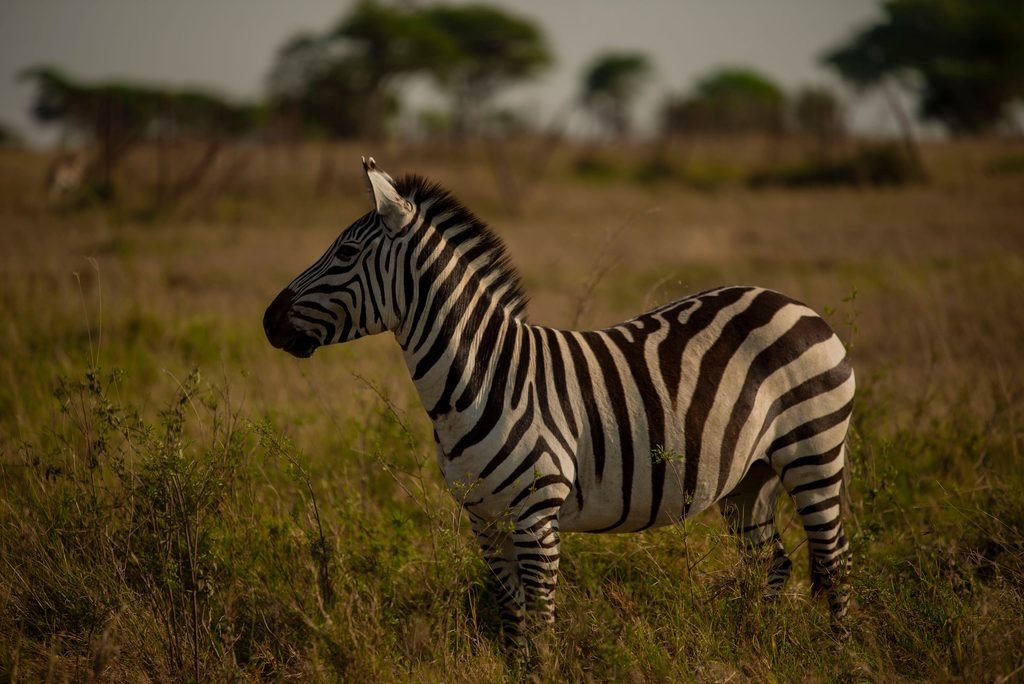
Your guide drives down the crater access road to begin the day’s wildlife safari. The crater floor is home to buffaloes, zebras, wildebeest, gazelles, hippos, hyenas, and lions. It is also one of the places in Tanzania where visitors may have an opportunity to see the endangered black rhinoceros, although sightings are never guaranteed. Elephants are occasionally encountered, particularly older bulls, while leopards can be difficult to spot.
The varied habitats make Ngorongoro particularly interesting for photographers. You may see flamingos and other waterbirds around suitable wetland areas, predators resting on the grasslands, and large herbivores feeding against the dramatic backdrop of the crater walls. Your guide will follow the permitted routes and help you make the most of the available game-drive time.
You enjoy a picnic lunch at a designated area before continuing the game drive. In the afternoon, you ascend the crater wall and return to your accommodation around Karatu for dinner and overnight rest. The crater visit is one of the highlights of the three-day safari because it offers an opportunity to observe many different animal species within a relatively compact area.
Meals: Breakfast, lunch and dinner
Accommodation: Budget campsite, mid-range lodge or luxury lodge
Day 3: Lake Manyara National Park – Forest Wildlife and Return to Arusha
On the final morning of your safari, you have breakfast before travelling to Lake Manyara National Park. Located beneath the dramatic Great Rift Valley escarpment, this park is known for its contrasting landscapes, including groundwater forests, open grasslands, wetlands, and the shallow alkaline lake that gives the park its name.
Lake Manyara offers a different wildlife experience from Tarangire and Ngorongoro. As you enter the park, you may encounter troops of baboons moving along the road, blue monkeys in the forest, or elephants feeding among the trees. The park is also home to giraffes, buffaloes, zebras, hippos, and various antelope species. Lions are present, and Lake Manyara is well known for reports of tree-climbing lions, although visitors should not expect to see this behaviour on every safari.
Birdwatching is another major attraction. The park supports numerous bird species, including pelicans, storks, kingfishers, and other waterbirds. Flamingos may be present when lake conditions are suitable, but their numbers and locations vary with seasonal water levels and food availability.
Your guide continues the game drive through different sections of the park, stopping whenever suitable wildlife viewing opportunities arise. After lunch and the final game-drive activities, you begin the journey back to Arusha. Arrival is normally in the late afternoon or early evening, depending on the day’s schedule and road conditions.
Your guide drops you at your hotel or another agreed location in Arusha, bringing your three-day Tanzania safari to an end. Airport transfers can also be arranged separately when flight schedules allow.
Meals: Breakfast and lunch
Accommodation: Not included after the safari unless arranged separately
Wildlife You Can See During a 3-Day Tanzania Safari
One of the main reasons travellers choose northern Tanzania is the diversity of animals found within its national parks and conservation areas. Even on a short safari, you may encounter numerous species, although wildlife sightings are always influenced by season, weather, animal movement, and the experience of your guide.
Tarangire is especially attractive for elephant viewing. Large family groups often move between feeding areas and water sources, providing opportunities to observe how elephants communicate and care for their young. The park also supports giraffes, buffaloes, zebras, wildebeest, antelopes, and predators such as lions and leopards.
Ngorongoro Crater offers opportunities to see a wide range of wildlife in a comparatively small area. Lions, spotted hyenas, buffaloes, wildebeest, zebras, and hippos are frequently associated with the crater. The endangered black rhinoceros is among its most sought-after animals, but sightings require patience and luck.
Lake Manyara provides opportunities to observe forest wildlife, monkeys, elephants, and a variety of bird species. Its changing scenery makes the final day particularly enjoyable for visitors who appreciate both wildlife and landscapes.
Can You See the Big Five on a 3-Day Tanzania Safari?
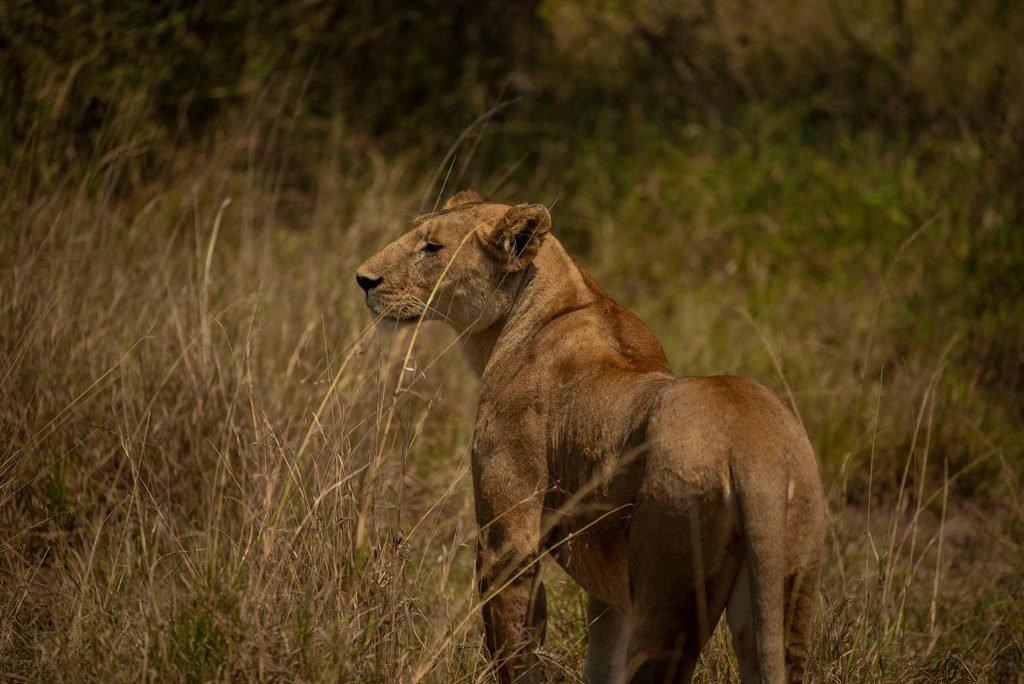
The African Big Five consist of the lion, leopard, elephant, buffalo, and rhinoceros. These animals are among the most famous wildlife species associated with African safaris, and northern Tanzania provides opportunities to see all five.
However, seeing every member of the Big Five during a three-day safari is not guaranteed. Elephants and buffaloes may be encountered in several destinations, while lions are present in Tarangire and Ngorongoro. Leopards are generally more difficult to find because of their elusive behaviour, and black rhinoceros sightings in Ngorongoro depend on where the animals are located during your visit.
A good safari should not be judged only by the number of famous animals you see. Watching elephants interact, observing giraffes feeding, or spending time near a herd of zebras can be equally rewarding. Your guide will help you appreciate the wider ecosystem rather than concentrating exclusively on the Big Five.
Best Time for a 3-Day Tanzania Safari in 2027 and 2028
Tanzania offers wildlife safaris throughout the year, but the experience changes according to rainfall, vegetation, and animal movements. Understanding the different seasons can help you choose the most suitable travel dates.
June to October: The Dry Season
June through October is one of the most popular periods for wildlife safaris in northern Tanzania. Rainfall is generally lower, vegetation becomes thinner in many areas, and animals often gather around reliable water sources. Tarangire can be particularly rewarding during this period because elephants and other wildlife concentrate near the Tarangire River.
The dry season is also popular because roads are often easier to navigate and conditions can be favourable for photography. However, July, August, and September are busy travel months, so accommodation should be reserved well in advance.
November to December: The Short Rains
November and December often bring short seasonal rains, although their timing and intensity vary. The landscape becomes greener, and fresh vegetation attracts grazing animals to different areas.
This period can be attractive for travellers who enjoy green scenery and birdwatching. Rain showers may occasionally affect game-drive conditions, but wildlife viewing remains possible.
January to March: Green Landscapes and Warm Weather
January and February are often good months for safaris, with warm temperatures and varied wildlife activity. Conditions differ between parks, and some areas may remain green following the short rains.
March can become wetter as the long rainy season approaches. Travellers should prepare for changing weather and occasional muddy roads.
April to May: The Long Rainy Season
April and May are usually associated with Tanzania’s main rainy season. The parks become greener, and some accommodation providers may offer lower seasonal rates.
However, heavy rainfall can make certain roads difficult to navigate, and game viewing may require more patience because animals can spread across larger areas with abundant vegetation and water.
How Much Does a 3-Day Tanzania Safari Cost in 2027/2028?
The cost of a three-day Tanzania safari depends on the type of accommodation, number of travellers, park fees, vehicle arrangements, and the services included in the package. A private safari for two people generally has a higher cost per person than a shared group safari because the vehicle and guide expenses are divided among fewer participants.
Budget safaris usually involve basic accommodation or camping, while mid-range packages include comfortable lodges or tented camps with private facilities. Luxury safaris may feature higher-end lodges, additional services, and more exclusive accommodation locations.
For 2027 and 2028, park fees, accommodation rates, and government taxes may change. It is therefore better to request a current quotation rather than rely on outdated prices.
When comparing safari quotations, check whether the price includes national park entrance fees, Ngorongoro Crater service fees, accommodation, meals, drinking water, vehicle transportation, guide services, and applicable taxes. You should also confirm whether airport transfers, alcoholic drinks, personal expenses, and gratuities are excluded.
To receive a quotation based on your preferred dates and number of travellers, contact Eddy Tours & Safaris.
What Is Included in a 3-Day Tanzania Safari Package?
A standard three-day safari package commonly includes transportation in a suitable 4×4 safari vehicle, services of a professional driver-guide, park entry fees, accommodation for two nights, and meals as specified in the itinerary. Bottled or otherwise safely prepared drinking water during game drives is also commonly included.
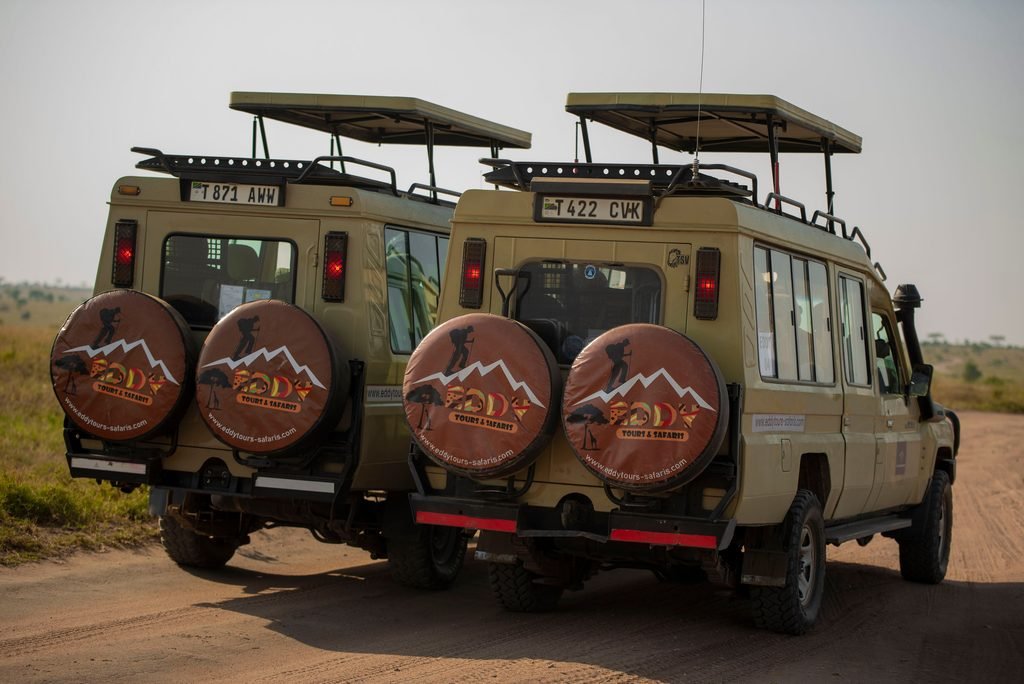
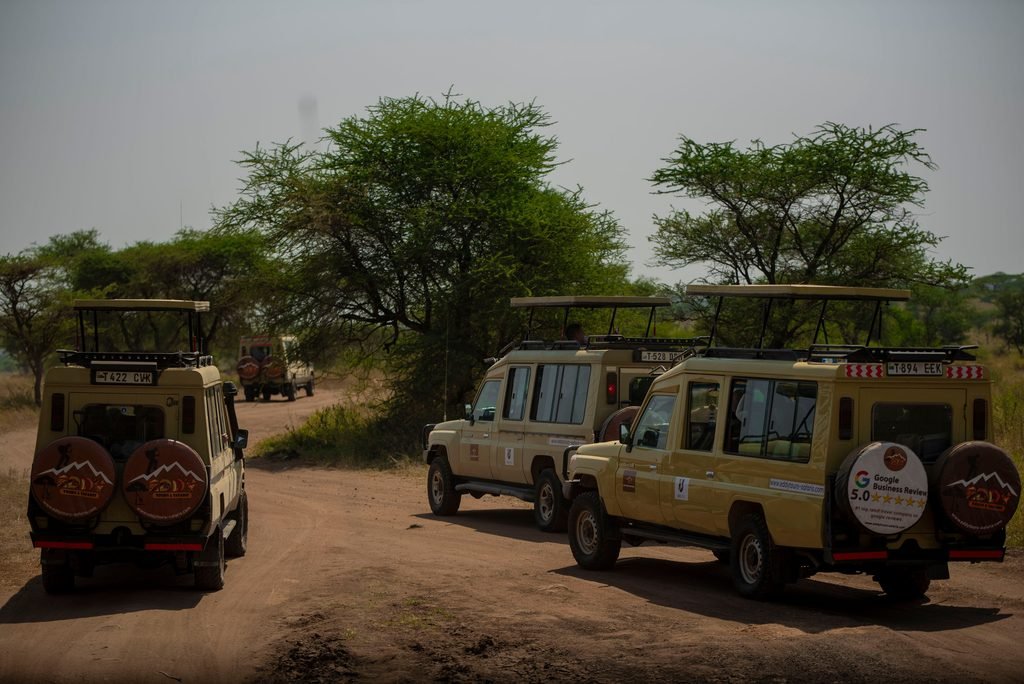
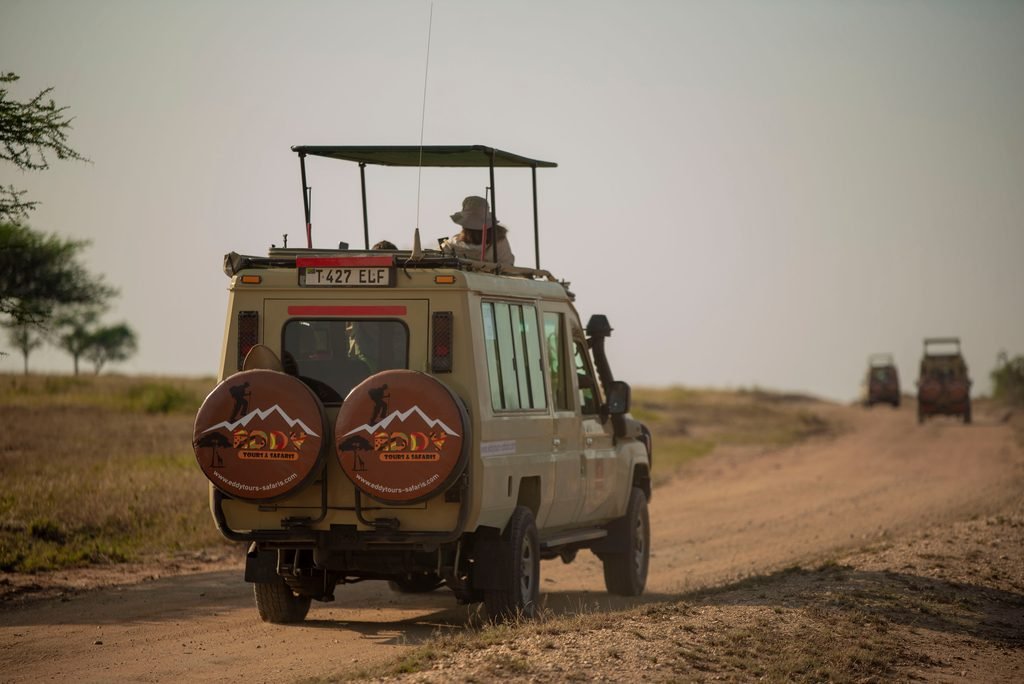
The vehicle is an important part of the safari experience. Many operators use four-wheel-drive safari Land Cruisers with pop-up roofs that allow passengers to observe and photograph wildlife while remaining inside the vehicle. The seating arrangement and number of passengers should be confirmed before booking, particularly for shared group departures.
Some packages also include transfers from hotels in Arusha, while airport transfers and accommodation before or after the safari may be offered separately. Always ask for a complete list of inclusions and exclusions before making a payment.
Private vs Group Safari: Which Is Better?
A private three-day Tanzania safari gives you exclusive use of the safari vehicle for your travelling party. This arrangement is suitable for couples, families, photographers, and visitors who prefer more flexibility during game drives. You can discuss your interests with the guide and spend more time observing particular animals when park rules and the day’s schedule allow.
A group safari allows travellers to share the vehicle with other participants. It is often more affordable for solo travellers and people travelling on a limited budget. Group departures can also be enjoyable for visitors who like meeting other travellers and sharing their safari experiences.
The main difference is flexibility. Private safaris can be adjusted more easily, while group safaris normally follow a fixed schedule that considers the interests and requirements of all participants.
Both options can provide rewarding wildlife experiences when they are properly organized and led by knowledgeable guides.
What to Pack for a 3-Day Tanzania Safari
Packing for a short safari is relatively simple, but choosing suitable clothing and equipment can make the journey more comfortable. Northern Tanzania can be warm during the day and cool in the early morning, particularly around the Ngorongoro Highlands.
Lightweight clothing in neutral colours is practical for game drives. A warm jacket or fleece is useful for early mornings, while comfortable shoes are suitable for travelling and walking around accommodation areas. Sunglasses, sunscreen, a hat, and insect repellent are also recommended.
Bring a camera or smartphone with enough storage space for photographs. Binoculars are useful for observing birds and distant wildlife, especially in open grasslands. Travellers who use prescription medication should carry sufficient supplies for the entire trip.
A small daypack can hold your camera, water bottle, personal documents, and other essentials during the journey. Avoid bringing unnecessary luggage into the safari vehicle, particularly when travelling with a group.
Is a 3-Day Tanzania Safari Suitable for Families?
A three-day safari can be a good option for families travelling with children because it provides an introduction to African wildlife without requiring a long holiday. Children may enjoy seeing elephants, giraffes, zebras, monkeys, and other animals they have previously encountered only in books or documentaries.
However, parents should consider the amount of driving involved. Some days require several hours in the vehicle, and wildlife viewing depends on patience and remaining relatively quiet around animals. Younger children may become tired during extended game drives.
A private safari can be particularly suitable for families because it allows greater flexibility with meal breaks, departure times, and the overall pace. Families should also confirm accommodation policies, child age restrictions, and applicable park fees before booking.
Can You Visit Serengeti National Park in Three Days?
Yes, it is possible to arrange a three-day safari that includes Serengeti National Park, but the itinerary is different from the Tarangire, Ngorongoro, and Lake Manyara circuit described above.
The Serengeti is farther from Arusha, so a road-based three-day safari generally involves long driving days and less time for game viewing. A common alternative is a three-day Serengeti and Ngorongoro safari, although the travel schedule can be demanding.
Travellers who particularly want to experience the Serengeti may prefer a four- or five-day safari, which provides more time to explore the park and enjoy wildlife sightings without rushing between destinations.
For visitors interested in the Great Wildebeest Migration, the best location within the Serengeti changes throughout the year according to rainfall and animal movements. Migration viewing cannot be guaranteed for a particular date.
Combine Your Tanzania Safari with Kilimanjaro or Zanzibar
A short safari is easy to combine with other travel experiences in Tanzania. Many international visitors arrive in the country to climb Mount Kilimanjaro and then spend a few days exploring the national parks before returning home.
After completing a six-day or seven-day Kilimanjaro climb, a three-day safari offers a different experience that requires much less physical effort. Instead of walking for several hours each day, you can enjoy wildlife viewing from a safari vehicle while travelling through northern Tanzania.
Another popular option is to continue to Zanzibar after the safari. The island offers beaches, historical attractions, spice farm visits, and opportunities to relax beside the Indian Ocean. Combining a safari with Zanzibar allows travellers to experience both Tanzania’s wildlife and its coastal environment during one holiday.
Eddy Tours & Safaris can assist with planning combined Tanzania safari and travel arrangements based on your available time and preferred activities.
Why Book Your 2027/2028 Tanzania Safari with Eddy Tours & Safaris?
Choosing a local tour operator can make planning your safari easier, especially when you are visiting Tanzania for the first time. A local company can help you understand travel distances, accommodation locations, park arrangements, and the differences between available safari itineraries.
Eddy Tours & Safaris is based in Arusha, the main starting point for many northern Tanzania safaris. We assist travellers with wildlife safari planning, Kilimanjaro climbing arrangements, and other travel experiences across Tanzania.
Our aim is to help visitors choose practical itineraries that match their interests, travel dates, and budgets. Whether you prefer a budget group safari or a private trip with comfortable lodge accommodation, you can discuss the available arrangements before confirming your booking.
For official information about Tanzania’s national parks, visit the Tanzania National Parks Authority. Information about the Ngorongoro Conservation Area is also available from the Ngorongoro Conservation Area Authority.
Frequently Asked Questions About a 3-Day Tanzania Safari
Is three days enough for a Tanzania safari?
Three days is enough to enjoy a rewarding introduction to Tanzania’s wildlife, particularly when visiting parks close to Arusha. However, travellers who want to explore the Serengeti extensively or spend more time photographing wildlife should consider a longer itinerary.
Which parks are best for a three-day safari?
Tarangire National Park, Ngorongoro Crater, and Lake Manyara National Park form a practical three-day circuit. Other combinations are possible depending on your interests and available time.
Can I see lions and elephants during a three-day safari?
Yes, these animals are present in the destinations included in this itinerary. However, sightings are never guaranteed because wildlife moves freely within the protected areas.
Is a three-day safari suitable for solo travellers?
Yes. Solo travellers can join a group safari or arrange a private tour. Shared departures are often more affordable because vehicle and guide costs are divided among participants.
What accommodation is available?
Accommodation options range from budget campsites and simple lodges to comfortable mid-range properties and luxury safari lodges. Availability depends on the travel dates and package selected.
Are meals included in the safari?
Most organized safari packages include meals during the trip, but the exact meal plan should be confirmed before booking. The first day’s breakfast and final day’s dinner are not always included.
Can I start the safari from Kilimanjaro International Airport?
Airport pickup can be arranged, but the itinerary may need adjustment depending on your flight arrival time. An overnight stay in Arusha before the safari is often more practical for late arrivals.
How early should I book my 2027 or 2028 safari?
Booking several months in advance is advisable, particularly for July, August, September, and major holiday periods. Early planning gives you more accommodation choices and time to arrange flights and other travel services.
Book Your Updated 3-Day Tanzania Safari for 2027/2028
A three-day Tanzania safari offers an opportunity to experience several of the country’s famous wildlife destinations within a short period. From Tarangire’s elephant herds and baobab trees to the wildlife-rich Ngorongoro Crater and the forests of Lake Manyara, this itinerary combines different landscapes and animal habitats into one well-organized journey.
Whether you are visiting Tanzania for the first time, travelling after a Kilimanjaro climb, or planning a short wildlife holiday with family and friends, Eddy Tours & Safaris can help you arrange a suitable itinerary for 2027 or 2028.
Contact Eddy Tours & Safaris
Website: Eddy Tours and Safaris
Email: sales@eddytours-safaris.com
WhatsApp: +255 711 906 664
Contact page: Eddy Tours and Safaris Contact
Send us your preferred travel dates, number of travellers, and accommodation category. We will help you plan a three-day Tanzania safari that suits your schedule and travel budget.