
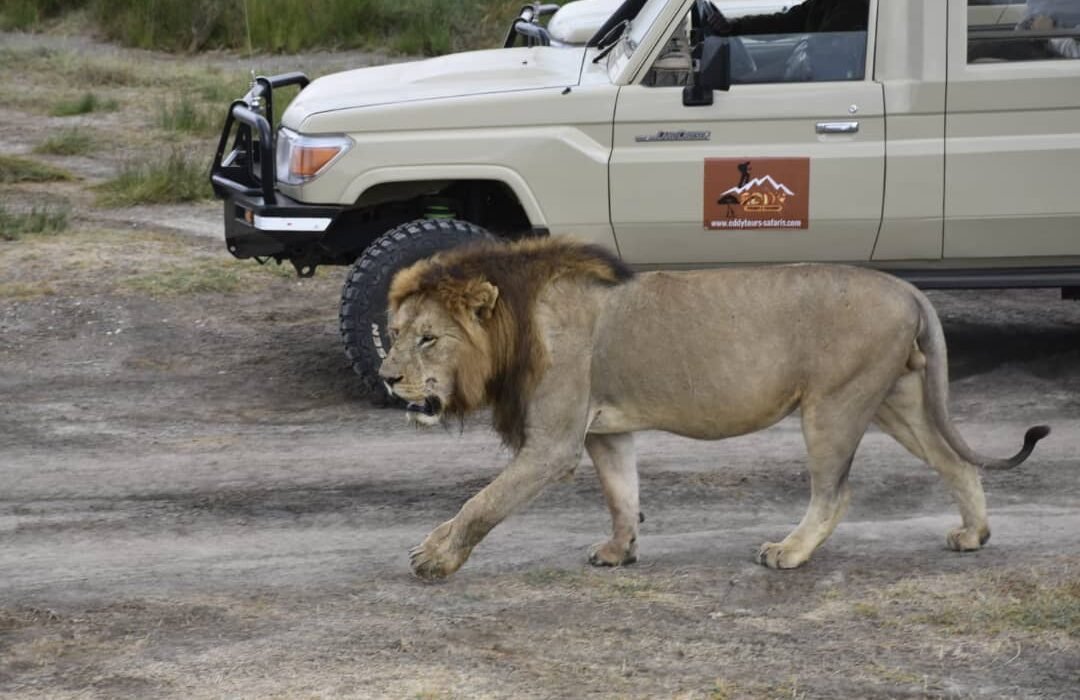
4 Days Safari in Tanzania : is a focused private safari for travellers who want Tanzania’s two headline wildlife areas in a short, well-organised journey. It gives you two nights in or near Serengeti, a full game-drive day on the plains and an early descent into Ngorongoro Crater before returning to Arusha. It is short, but it is designed to use the available time sensibly rather than pretending that four days can cover every northern Tanzania park.
With Eddy Tours & Safaris, you travel in a private 4×4 with a professional English-speaking driver-guide. Your itinerary can be arranged as budget camping, a mid-range tented safari or a luxury lodge experience. Wildlife is free and seasonal: lions, elephants, leopards, rhino and migration herds are possible, but no honest safari company can guarantee an individual sighting. What we can guarantee is a clear plan, suitable accommodation and a guide who knows how to use each day well.
4-day safari overview
- Duration: 4 days / 3 nights
- Route: Arusha – Serengeti National Park – Ngorongoro Crater – Arusha
- Style: private Tanzania safari with flexible game drives
- Accommodation: camping, mid-range tented camps or luxury lodges/camps
- Ideal for: first-time safari travellers, couples, families and short Tanzania holidays
- Best addition: an Arusha night before or after the safari, especially after international flights
Why this 4-day Serengeti and Ngorongoro safari works
Serengeti and Ngorongoro deliver two very different safari experiences. Serengeti is broad, open and spacious. It rewards patience: a leopard in a tree, lions on a kopje, cheetahs on a grassland scan or a line of wildebeest moving beyond the horizon. Ngorongoro Crater is compact and dramatic, with grassland, woodland, wetland, Lake Magadi and a high concentration of wildlife inside an ancient volcanic caldera.
The route is busy, so good timing matters. Instead of adding Tarangire or Lake Manyara merely to make the itinerary look longer, this package gives priority to the places named in the title. You spend the first two nights around Serengeti and use the third night in the Ngorongoro/Karatu area, making the crater descent on the final morning practical. This cuts unnecessary backtracking and gives the last day a clear purpose.
It is a strong choice for 2027 and 2028 because it can be adapted to the season. If migration movement is relevant to your travel dates, your guide will focus the Serengeti game drives in the most useful available area. If the migration is elsewhere, central Serengeti remains excellent for resident predators, giraffes, elephants, hippos, hyenas and many antelope species. A safari should be planned around nature, not copied from a calendar.
Detailed itinerary
Day 1: Arusha to Serengeti National Park
After an early breakfast in Arusha, meet your driver-guide for a short briefing and leave toward the Ngorongoro Conservation Area. The drive passes through the highlands and gives a first impression of northern Tanzania beyond the city. You will stop as needed for comfort, lunch and the required park procedures. From the conservation area, continue toward Serengeti National Park, where the landscape opens into grassland, kopjes and long views.
The journey itself becomes a game drive once wildlife starts appearing. Zebra, gazelles, giraffes, wildebeest and large birds may be seen on the approach to camp. Depending on your final accommodation location and arrival time, enjoy an en-route game drive through central Serengeti before check-in. Dinner and overnight at your selected camp or lodge.
It is a long travel day, so arrive prepared: keep sunglasses, hat, camera, medication and a light jacket within reach. Your guide will explain the next day’s timing and the best way to use a full day in the park. A good camp location matters more than a rushed evening drive, so the final route will be matched to the confirmed accommodation.
Day 2: Full-day Serengeti wildlife safari
Wake early for a full Serengeti game drive. Morning is a good time to look for predators before the heat builds. Central Serengeti, often called the Seronera area, includes grassland, river valleys and rocky kopjes. This variety supports lions, leopards, cheetahs, hyenas, elephants, giraffes, hippos, warthogs and a large number of grazers.
There is no fixed checklist. Your guide reads the morning: fresh tracks, alarm calls from antelopes, vultures circling, tracks beside a river or reports from other guides may shape the route. If a leopard has been seen in a tree, you may spend time watching it. If a lion pride is moving toward a herd, the guide may choose a respectful position and wait. These are the moments that make a private safari feel personal rather than mechanical.
Enjoy a picnic lunch at an approved spot or return to camp in the middle of the day, depending on your comfort level and camp location. In the afternoon, continue your game drive as the light softens. For photography, speak with your guide about whether you prefer close wildlife portraits, wide landscapes or more time with birds and smaller animals. Return to camp for dinner and a second Serengeti night.
Day 3: Serengeti to Ngorongoro Highlands
Take one more early Serengeti drive after breakfast, then travel east toward the Ngorongoro highlands. The departure route is selected around the best wildlife activity and your planned overnight location. This final Serengeti morning can be especially good for cats, elephants, gazelles and the small details that were missed during the previous day.
If your dates coincide with seasonal migration movement, the guide will follow current reports where practical. Herd location depends on rainfall, grazing and water, so it is never sensible to promise one exact migration scene. What remains constant is the park’s wildlife richness and open space. You may see large herds, or you may see a quieter plain with topi on termite mounds, ostriches, jackals and birds of prey.
Continue through the conservation area to your lodge or camp on the crater rim or in the Karatu area. The highlands are cooler than Serengeti, particularly after sunset. Dinner and overnight. Pack your main camera, binoculars and a warmer layer ready for the crater descent the next morning.
Day 4: Ngorongoro Crater game drive to Arusha
After an early breakfast, descend into Ngorongoro Crater for a half-day game drive. The crater floor contains open plains, Lerai Forest, wetland areas, Lake Magadi and the hippo pool. This diversity supports buffalo, zebra, wildebeest, hippos, hyenas, lions, waterbuck, gazelles and many birds. Black rhino is possible, though it remains a special and naturally uncertain sighting.
Your guide will move at a measured pace, looking beyond the obvious animals. Watch the grassland for hyenas, scan the lake edge for flamingos when conditions suit them and look toward woodland for elephants. The crater is well managed, with designated roads and rules that protect its fragile environment. Follow the guide’s safety instructions and remain in approved areas.
Enjoy a picnic lunch near the designated hippo-pool area, then ascend the crater and begin the drive back to Arusha. Arrive in the late afternoon or early evening, depending on road conditions and stops. Airport transfers or an additional Arusha overnight can be arranged. Do not book a tight international flight connection for the same evening without confirming the schedule with us first.
Wildlife you may see
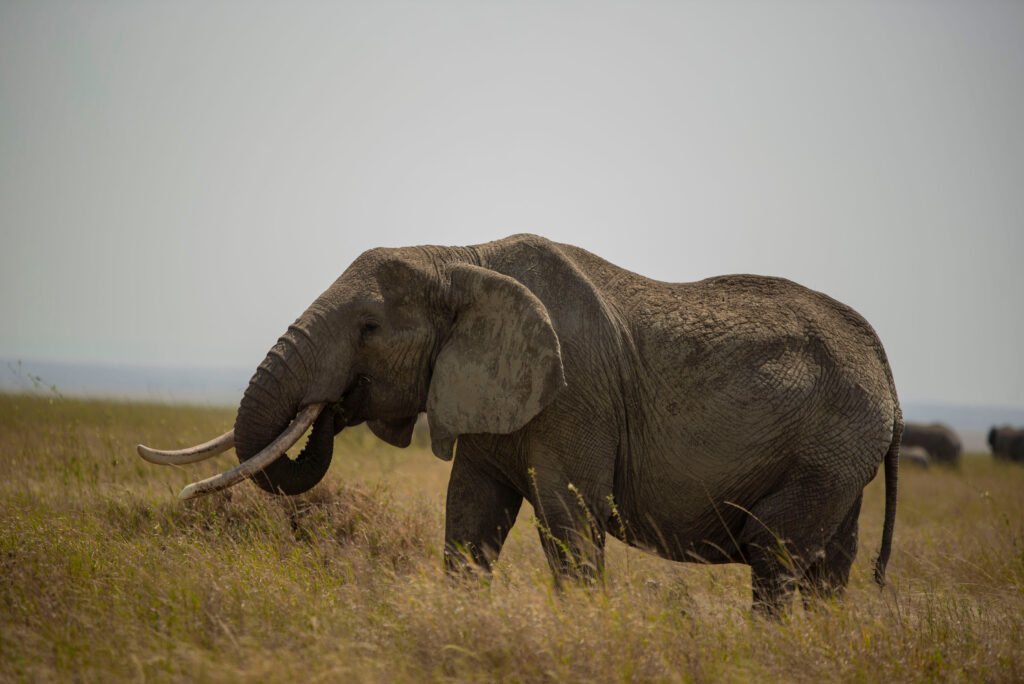
Serengeti and Ngorongoro complement each other well. In Serengeti, the main focus is often predators, open plains and the wider migration ecosystem. Lions, leopards, cheetahs, hyenas, giraffes, elephants, hippos, wildebeest, zebras and antelopes are all possible. In Ngorongoro, the compact floor can produce a busy wildlife day with buffalo, zebra, wildebeest, lions, hippos and birds seen within a shorter area.
The Big Five are lion, leopard, elephant, buffalo and black rhino. This route offers chances to see all five, but leopard and rhino cannot be promised. Sightings depend on where animals are, vegetation, time of day and luck. The goal should be a genuine wildlife experience, not a rushed attempt to tick every animal off a list.
Accommodation styles
Budget camping is suitable for travellers who enjoy simple camp facilities and want to keep costs controlled. Safari staff prepare meals and provide the equipment, while you sleep close to the sounds of the bush. Mid-range camps and lodges provide en-suite rooms or tents, proper beds and comfortable dining without a luxury price. Luxury camps and lodges add larger rooms, personal service, refined meals and, often, exceptional locations.
Before you confirm, we will show the actual properties available for your dates. Availability changes, especially in peak seasons, so no camp should be treated as confirmed until it appears in your written quotation. The right choice is one that matches your budget and keeps the itinerary practical.
Why travel in a private 4×4?
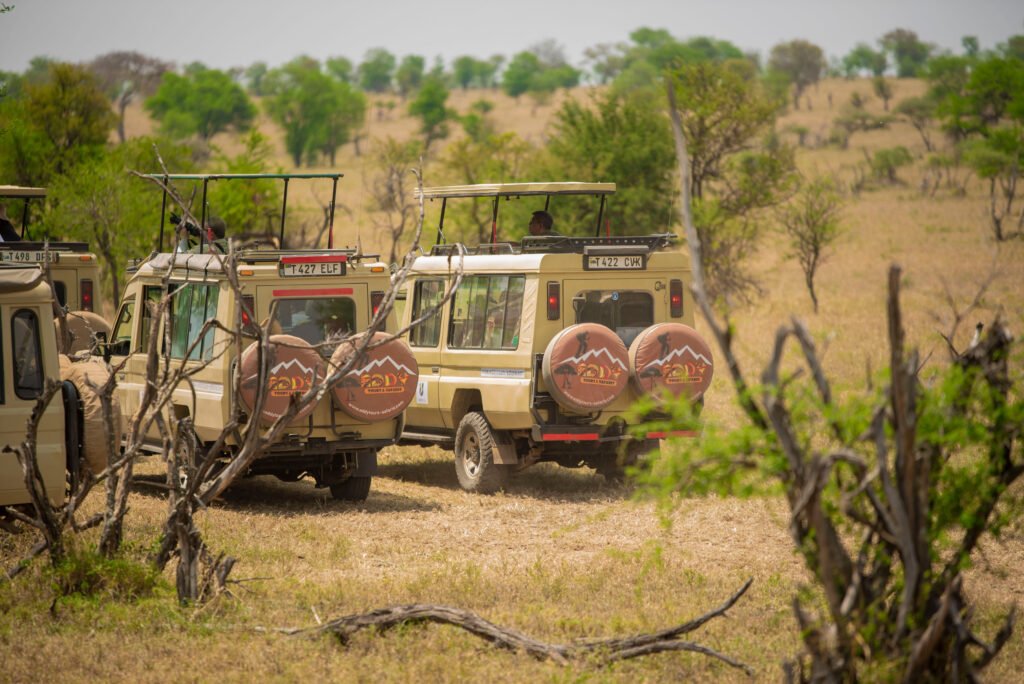
A private vehicle gives you control over the day without pretending that wildlife can be controlled. You may stop when a child needs a break, stay longer with a leopard, move on quickly from a sighting that does not interest you or use a different route based on your guide’s local knowledge. The guide has a radio for current information, but the safari should still be about your own eyes and the animals in front of you, not about chasing every vehicle in the park.
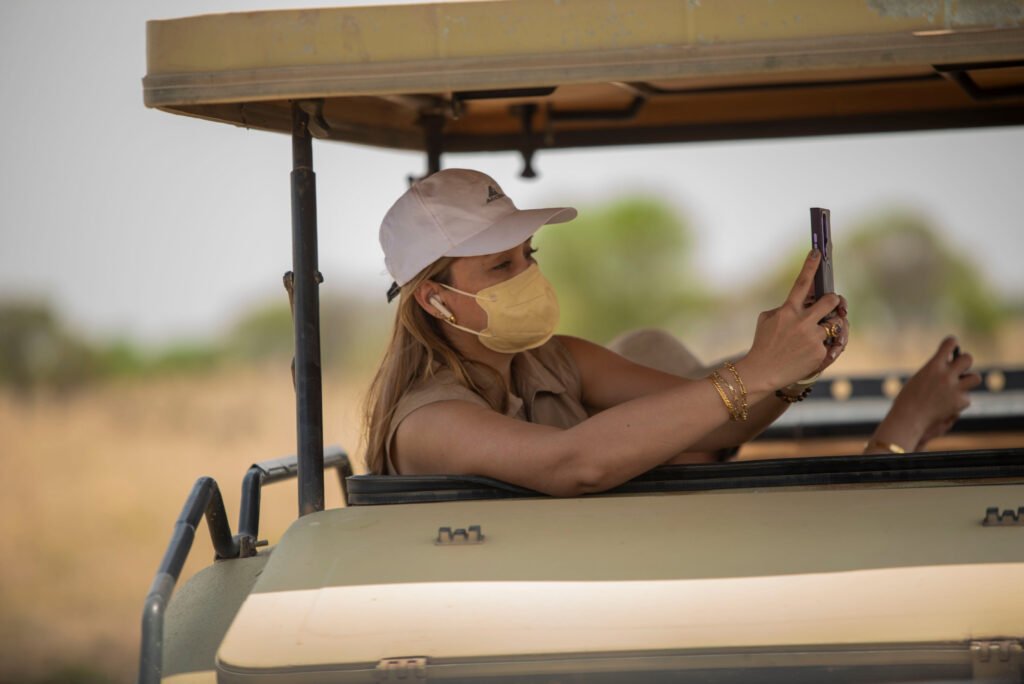
The vehicle has a pop-up roof for standing game viewing when it is safe and permitted, plus bottled drinking water and space for camera equipment. Your guide checks the vehicle and route before departure, carries the necessary park documentation and explains each day’s practical arrangements. Short safaris need this level of organisation because there is less spare time to correct poor planning.
When should you travel?
Serengeti and Ngorongoro can be visited throughout the year. The dry months are often preferred for easier road conditions, shorter grass in many areas and cool morning game drives. The greener months can offer beautiful scenery, birdlife and a different pace, while rainfall may affect travel times and the movement of migration herds. There is no single month that is perfect for every visitor.
If you want calving activity, ask about southern Serengeti and Ndutu dates early in the year. If you are interested in broad herd movement, we will discuss the likely central, western or northern Serengeti areas for your dates. If your priority is general Big Five-style wildlife rather than migration, this four-day route can work well in many months. The final suggestion will be based on your real travel window, not a generic “best time” claim.
Responsible safari travel
Serengeti and Ngorongoro are protected landscapes, not amusement parks. Vehicles must use approved tracks, avoid blocking animals and follow ranger instructions. Keep voices low at sightings, never feed wildlife and take all litter back with you. Giving animals room is not only respectful; it produces more natural behaviour and a better safari for everyone.
At your camp, listen carefully to staff safety briefings. Do not walk alone after dark unless camp staff say it is safe, and keep tent doors closed. These are ordinary bush-camp routines, not reasons for concern. They help people and wildlife share the area safely.
Bring an open mind as well as a camera. A quiet hour beside a river, a distant elephant family or the changing light over the plains can be as rewarding as a headline wildlife sighting and deeply personal.
What is included
- Private 4×4 safari vehicle with pop-up roof
- Professional English-speaking driver-guide
- Three nights’ accommodation in the confirmed category
- Meals as stated in the itinerary and picnic lunches
- Park entry and conservation fees for the confirmed route
- Ngorongoro Crater vehicle/service fees where applicable
- Drinking water in the safari vehicle
- Government taxes listed in the final quotation
What is not included
- International flights, visas and travel insurance
- Arusha accommodation before or after the safari unless listed
- Alcoholic drinks, laundry, tips, souvenirs and personal purchases
- Optional hot-air balloon flights or cultural visits unless added to the quotation
- Domestic flights and services not explicitly written in the confirmed itinerary
Useful planning advice for 2027 and 2028
Book early if your dates are fixed, especially for July to October and the Christmas/New Year period. Send the number of travellers, children’s ages, room preference, budget range and any dietary needs when you enquire. This lets us prepare a real quote rather than a vague starting price.
Pack neutral clothes in layers: a fleece for Ngorongoro mornings, light shirts for warm afternoons, closed shoes, a hat, sunscreen, sunglasses, binoculars and personal medication. Keep valuables and documents in a small day bag. For health and entry guidance, use current official sources and a qualified travel-health professional. Google can help you locate a recognised clinic near you, but it should not replace personal medical advice.
This safari can be extended with Zanzibar or a Kilimanjaro climb. If you are considering the mountain, browse route ideas at Kilimanjaro Climb Specialist, then ask us to plan the airport and hotel connections around your chosen dates.
Frequently asked questions
Is four days enough for Serengeti and Ngorongoro?
Yes, if you accept a busy but sensible route. You receive one full Serengeti day, two Serengeti nights and a half-day crater descent. Add days if you want Tarangire, Lake Manyara, more photography time or a slower pace.
Can I see the Great Migration on this tour?
It is possible when your Serengeti nights are placed in the relevant seasonal area, but the migration follows rain and grazing. Exact herd locations and river crossings cannot be guaranteed.
Is this a private safari?
Yes. The vehicle and guide are reserved for your group, allowing more flexibility for game drives, rest stops, children and photography.
Can a family with children join?
Yes. We can recommend family-friendly accommodation and adapt the driving pace. Share children’s ages and room needs when you enquire.
What time do game drives start?
Most days begin early, often shortly after breakfast, because mornings are cool and wildlife can be active. The exact timing depends on your camp, park gate procedures and planned route. Your guide will explain the next day’s schedule each evening.
Do I need to bring cash?
Bring some small notes for personal expenses, tips and souvenirs, but the main safari inclusions are arranged in advance. We will make clear which services are paid before travel and which are personal costs.
Can I add a balloon flight?
Yes, when balloon operations are available near your Serengeti camp. It is an optional activity and is always subject to operator availability, weather and the pilot’s safety decision.
Book your 4-day Tanzania safari
The best four-day safari is the one that gives you meaningful time in Serengeti and Ngorongoro without unrealistic promises. Tell us your travel dates and comfort level, and we will check the practical route, parks and accommodation before giving you a clear proposal.
Start through the Eddy Tours & Safaris contact page, email eddytoursandsafaris@gmail.com or sales@eddytours-safaris.com, or call and WhatsApp +255 711 906 664. We will send a well-arranged itinerary with accommodation choices, inclusions and the full cost clearly shown.
17 Comments
Comments are closed.