
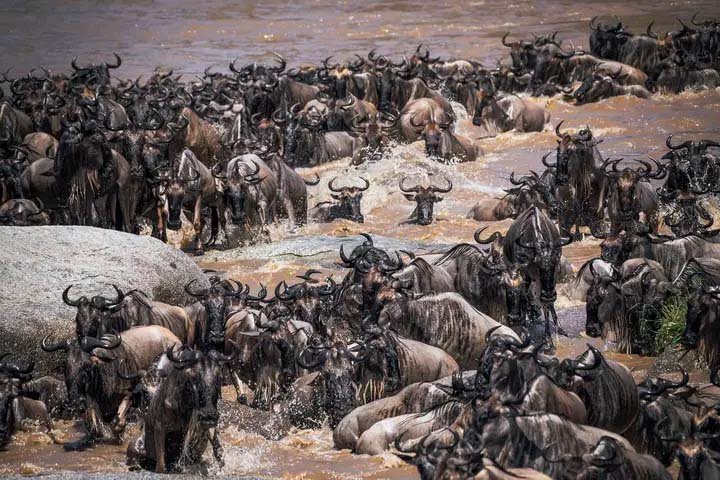
5-Day Serengeti Migration Safari : Spend five days exploring the Serengeti’s changing landscapes on a Serengeti migration safari with Eddy Tours & Safaris. This package focuses on time in the ecosystem, with accommodation selected around the likely migration location for your travel dates.
Watch wildebeest spread across grasslands, zebra move between feeding areas, and predators follow the opportunities created by the herds. Your guide will help you understand the behaviour behind the spectacle, from grazing and movement to the decisions animals make near water.
The Great Migration happens throughout the year. River crossings are one part of it; calving, feeding, and long movements between seasonal grazing areas are equally important.
For a five-day trip, the route must match the season. Southern plains, western areas, and northern Serengeti require different accommodation and transport arrangements.
The itinerary below uses a fly-in, fly-out format to protect wildlife-viewing time. The arrival and departure airstrips are chosen according to the confirmed seasonal route. A road-based alternative can be requested, with more time allocated to transfers.
5-Day Serengeti Migration Safari : Safari Overview
| Detail | Proposed arrangement |
|---|---|
| Duration | 5 days / 4 nights |
| Main destination | Serengeti ecosystem |
| Main focus | Seasonal migration viewing and general wildlife |
| Starting point | Arusha, with alternative flight connections on request |
| Transport | Scheduled flights and safari vehicle |
| Arrival airstrip | Selected for the seasonal viewing area |
| Accommodation | Lodge or tented camp suited to the route |
| Main activity | Guided game drives |
| Safari format | Private proposal; shared arrangements where available |
| Price | Personalised quotation |
| Wildlife sightings | Depend on natural movements and conditions |
Ndutu trips may include areas within the Ngorongoro Conservation Area. The quotation should identify the protected areas visited and their applicable charges.
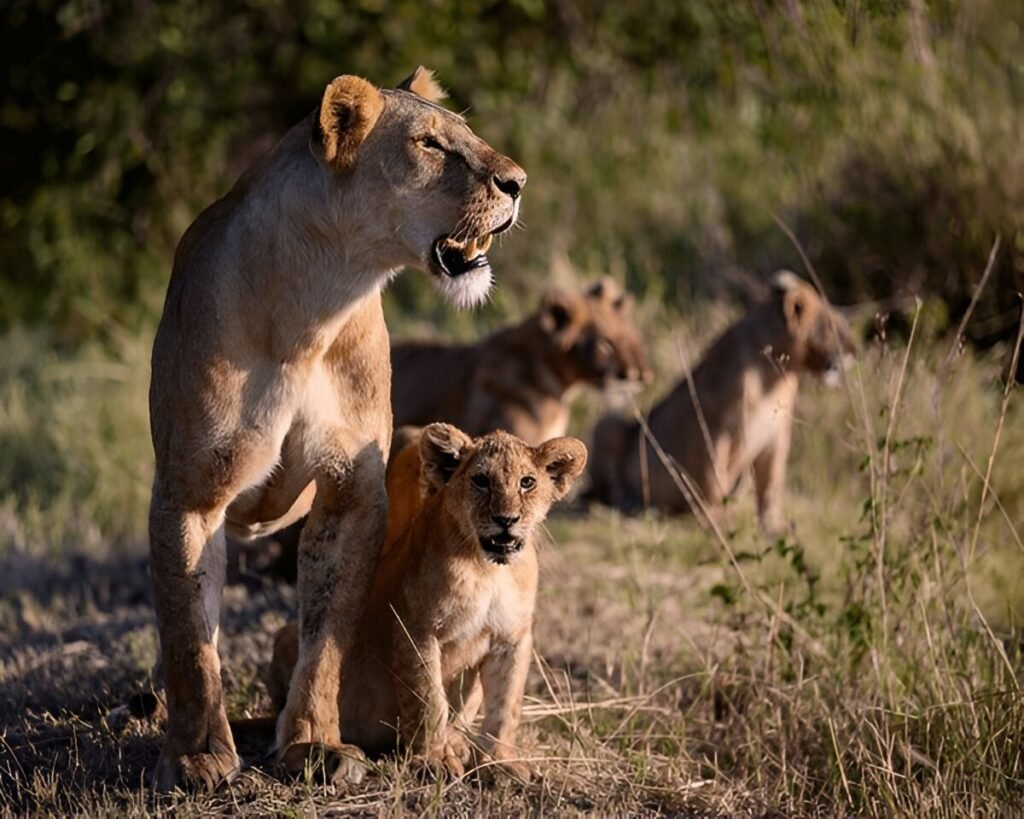
Choosing the Right Migration Area
The herds follow changing grazing and water conditions rather than a fixed timetable.
The following periods are broad planning guides, not promises about where animals will be on a particular date.
| Approximate period | Area commonly considered | Main interest |
|---|---|---|
| January–March | Southern plains and Ndutu | Herd concentrations, young animals, and calving activity |
| April–May | Southern and central transition areas | Herd movements influenced by rainfall |
| May–June | Western Corridor and adjoining areas | Westward movement and river-associated activity |
| July–October | Northern Serengeti | Herd movements around the Mara River and possible crossings |
| November–December | Northern, eastern, and central transition areas towards the south | Returning herds and changing grazing conditions |
The timing overlaps, and different groups of animals can occupy different areas simultaneously. TANAPA identifies both migration and calving as major Serengeti experiences and notes that habitats and animal movements vary seasonally.
Your proposal should connect your dates with a specific camp location and realistic daily viewing plan.
Why Choose a Five-Day Migration Safari?
Five days provide room for repeated game drives and patient observation when you stay near the area you want to explore.
More time around the herds
Remaining in a suitable area for several nights allows your guide to adjust the day’s route using current observations.
You can revisit productive locations, explore nearby habitats, and spend time watching behaviour rather than rushing through a list of destinations.
A focused itinerary
This package prioritises the Serengeti migration.
Tarangire and Ngorongoro Crater are valuable additions, but including them within the same five days would reduce the time available for the migration area. Extensions can be arranged separately.
Flights reduce long access journeys
Flying to an appropriate airstrip can preserve time for game drives, particularly when targeting northern Serengeti.
Flight availability, routing, baggage conditions, and cost must be checked for the selected dates. Flights are included only when expressly listed in the quotation.
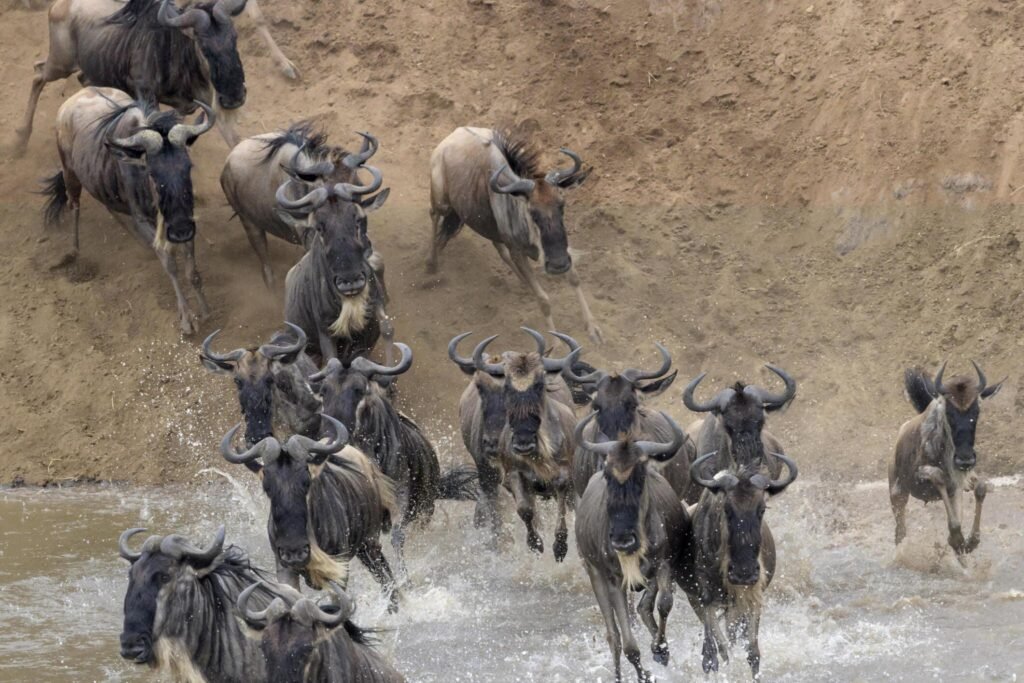
Day 1: Fly to the Serengeti and Begin Your Safari
After breakfast, transfer to the agreed departure airport.
Board the scheduled flight to the airstrip selected for your itinerary. Some services stop at other airstrips, so the flight schedule should be checked before booking.
Your safari guide meets you on arrival and explains the day’s plan.
First Wildlife Viewing
Begin exploring the surrounding area, with the route adjusted to your arrival time and camp location.
You may encounter wildebeest, zebra, gazelles, and other wildlife on the way to camp or during the afternoon game drive.
Use the first outing to become familiar with the landscape. Your guide can explain the main habitats, recent herd observations, and the plan for the following days.
Lunch may be served at camp or arranged as a picnic, depending on the flight timing.
Continue wildlife viewing during the afternoon, then return to your accommodation for dinner.
Overnight: Seasonal migration-area camp or lodge
Meals: Lunch and dinner
Main activity: Arrival transfer and afternoon game drive
Day 2: Full-Day Migration Game Drive
Spend the day exploring the migration area.
An early departure can provide useful light and time to observe wildlife before the day becomes warmer. Your breakfast arrangements will be planned around the schedule.
Carry a picnic lunch if the day’s route takes you away from camp.
Watch the Herds Closely
Migration viewing includes more than seeing large numbers of animals.
Notice how wildebeest organise themselves while moving, how zebra use the grassland, and how smaller groups join or separate from larger concentrations.
Your guide will help you understand the signs of movement and the relationship between grazing, water, and predators.
Adapt the Day to the Season
On a southern-plains itinerary, the focus may include young animals and calving-season activity.
In western areas, viewing may involve moving herds, woodland edges, and river habitats.
On a northern itinerary, the day may include time near permitted Mara River viewing areas. A crossing may happen, but the safari should not depend on one occurring.
Return to camp for dinner and a discussion of the next day’s plan.
Overnight: Same camp or lodge
Meals: Breakfast, lunch, and dinner
Main activity: Full-day migration and wildlife viewing
Day 3: Explore Herd Movements and Surrounding Wildlife
Another full day gives you time to follow developments within the viewing area.
Your guide may revisit a location that was productive the previous day or explore somewhere different based on current information.
This flexibility is useful because animals can move, spread out, or remain in one area longer than expected.
Look Beyond the Main Herd
The Serengeti ecosystem supports wildlife that is worth observing whether the migration is nearby or not.
Look for lions, elephants, giraffes, buffalo, antelope, and birds in appropriate habitats. Leopard and cheetah sightings may also be possible.
No particular predator encounter or hunt is guaranteed. Quiet observation often reveals interesting behaviour without a dramatic event.
Photography at a Comfortable Pace
Share your interests with the guide. If photography matters to you, discuss light, viewing angles, and how long you would like to spend at suitable sightings.
Carry spare batteries, sufficient storage, and protection from dust. A longer lens or binoculars helps you enjoy animals without requesting a closer approach.
Overnight: Migration-area camp or lodge
Meals: Breakfast, lunch, and dinner
Main activity: Full-day game drive
Day 4: Final Full Day in the Migration Area
Use your final full day to deepen the experience.
You may choose another extended game drive with a picnic or a morning and afternoon arrangement with time at camp between outings. The available choice depends on the location and safari format.
Your guide will recommend a practical plan.
Patient Viewing Near the Mara River
For northern departures, a productive day may involve waiting near a permitted viewing point while herds gather.
Wildebeest may approach the water, hesitate, move away, or cross at another location. Their behaviour cannot be scheduled.
TANAPA publishes Mara River crossing guidelines to help protect both the river and migration. Follow the guide’s directions and avoid pressuring the driver to block wildlife movement.
Southern and Western Departures
In other seasons, spend the day observing herd concentrations, movements between feeding areas, and wildlife in the surrounding landscape.
The guide may adjust the viewing route while keeping the agreed accommodation as the base.
A change of camp is possible only when planned or agreed and subject to availability; it should not be assumed that accommodation can move instantly with the herds.
Overnight: Migration-area camp or lodge
Meals: Breakfast, lunch, and dinner
Main activity: Full-day or split-session game drives
Day 5: Final Viewing and Departure Flight
Enjoy breakfast and, if the flight schedule allows, a final short game drive or wildlife viewing during the transfer to the airstrip.
The available time depends on camp location and departure arrangements. An early flight may leave little opportunity for a separate morning outing.
Say goodbye to your guide and board the scheduled flight to the agreed destination.
Connections to Zanzibar or another part of Tanzania can be requested when available. They should be quoted and checked alongside the safari flights.
Overnight: None within the five-day package
Meals: Breakfast; lunch according to departure timing and quotation
Main activity: Airstrip transfer and departure
Accommodation for a Migration Safari
Location is one of the most important accommodation decisions.
A comfortable property far from your target viewing area can create long daily drives. A well-positioned camp may provide better access, even with simpler facilities.
Seasonal Tented Camps
Some camps operate in seasonal locations. These can offer access to migration areas while providing beds, dining facilities, and bathrooms according to their category.
“Seasonal” does not mean the camp moves every day. Confirm its location for your dates.
Permanent Camps and Lodges
Permanent properties can also suit the itinerary when they are well positioned.
Compare room categories, bathroom facilities, meal plans, and vehicle arrangements. Ask whether game drives use a dedicated vehicle or one shared with other guests.
Named accommodation should be included in the final proposal, together with any substitution conditions.
What the Package Should Include
Request a complete quotation identifying:
- Four nights at the specified accommodation.
- Safari vehicle and passenger arrangements.
- Driver-guide services.
- Scheduled game drives.
- Required charges for the protected areas visited.
- Meals listed in the itinerary.
- Drinking-water arrangements.
- Airstrip transfers.
- Domestic flights, where included.
- The agreed transfer to the departure airport.
Check flight baggage limits before packing. Light-aircraft conditions can differ from international airline allowances.
Exclusions to Check
Unless included in writing, allow separately for international flights, visas, travel insurance, tips, additional drinks, laundry, personal purchases, and accommodation before or after the safari.
Balloon flights and other optional activities require separate arrangements. Their availability depends on the location and dates.
Price and Booking
The price depends on your travel dates, group size, accommodation, flight routing, and safari format.
For a useful proposal, share your preferred dates and main interest: calving, large herd concentrations, or northern migration viewing.
If budget is the priority, request a road-based alternative and compare the additional transfer time with the flight cost.
Book around a clear itinerary and accommodation location. Avoid choosing a migration package solely because the title promises river crossings.
Frequently Asked Questions
Are river crossings guaranteed?
No. Herds may gather without crossing, cross elsewhere, or remain away from the river during your visit.
Is calving part of the Great Migration?
Yes. The migration includes the annual cycle of movement, feeding, breeding, and calving.
Does this package include Ngorongoro Crater?
No. It focuses on the migration area. A crater visit can be added through a revised or extended itinerary.
Can the safari start from Zanzibar?
Request available flight arrangements. The routing, timing, and cost need to be confirmed for your dates.
Is a private safari better for photography?
It can provide more control over stops and pace. Compare the vehicle arrangements and any specialist requirements before booking.
Plan Your Serengeti Migration Safari
Contact Eddy Tours & Safaris with your dates, group size, budget, and preferred accommodation.
Request a seasonal proposal showing the viewing area, camp location, flights, daily programme, and complete price.
Website: eddytours-safaris.com
Email: eddytoursandsafaris@gmail.com
Sales enquiries: sales@eddytours-safaris.com
Phone and WhatsApp: +255 711 906 664