
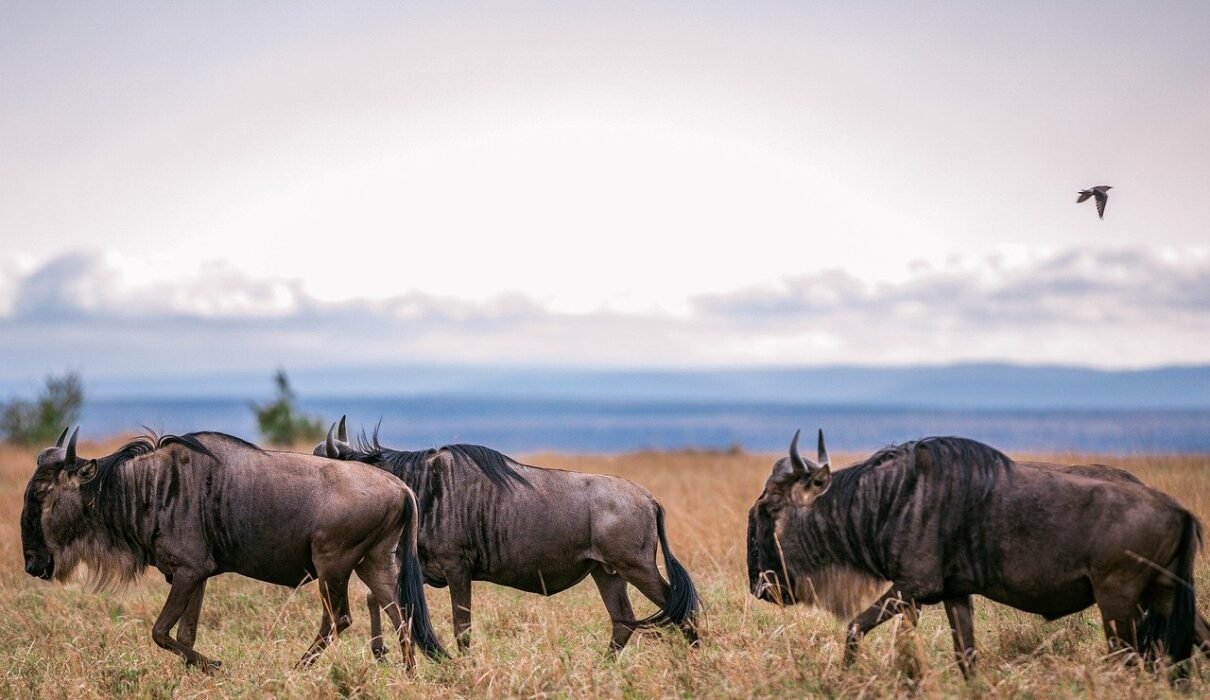
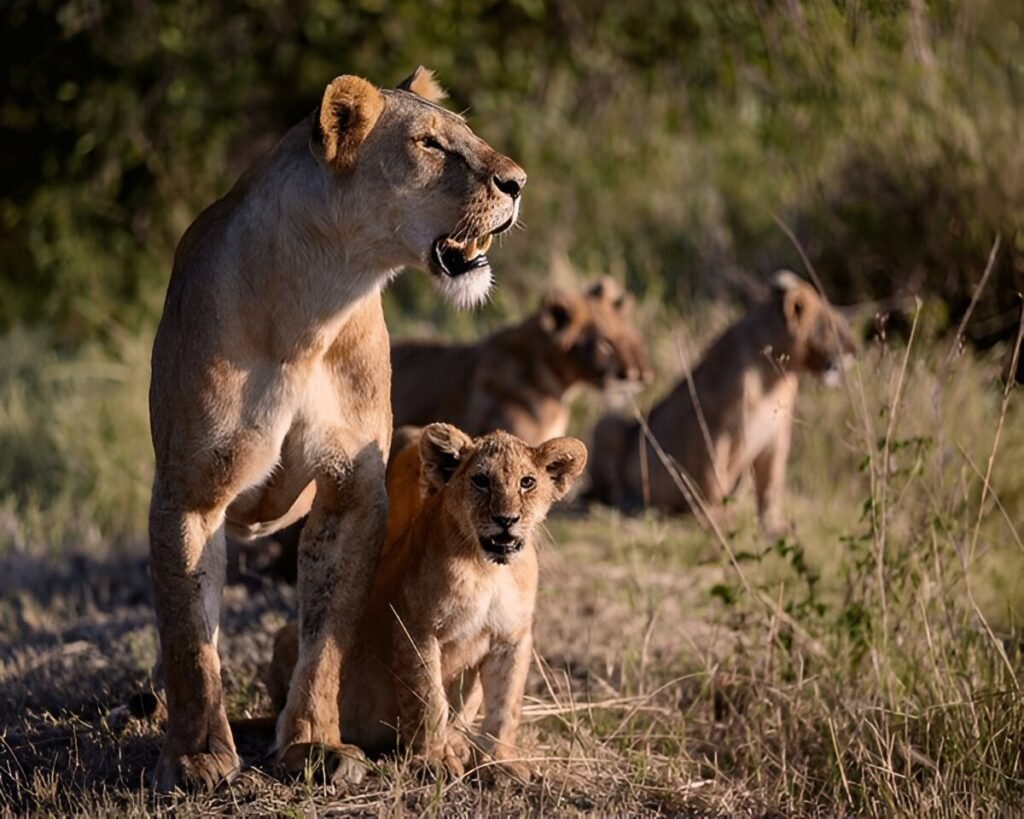
A 5-day Tanzania migration safari brings together the moving herds of the Serengeti and the wildlife-rich landscapes of Ngorongoro Crater. From open grasslands scattered with wildebeest and zebras to early mornings listening for lions near camp, this journey offers a close look at northern Tanzania’s remarkable wildlife.
This itinerary starts and ends in Arusha. It includes one night in central Serengeti, two nights in the western Serengeti migration area, and one night near Ngorongoro Crater.
The western route is generally most suitable around May and June, sometimes extending into July, depending on rainfall and herd movements. The final camp locations should follow conditions for your travel dates. Travelers seeking northern Serengeti’s Mara River crossings will need a different route, ideally with flights or additional days.
Explore this itinerary with Eddy Tours & Safaris and plan a safari around the season, your accommodation preferences, and the wildlife experiences that matter most to you.
Safari Overview
| Detail | Itinerary |
|---|---|
| Duration | 5 days / 4 nights |
| Starting point | Arusha, Tanzania |
| Ending point | Arusha, Tanzania |
| Main destinations | Central Serengeti, western Serengeti, Ngorongoro Crater |
| Travel style | Road safari with game drives |
| Accommodation | Safari lodges or tented camps, selected when booking |
| Suggested season for this western route | Approximately May–June, subject to migration movements |
| Main interests | Migration herds, predators, photography, landscapes, and crater wildlife |
Arrive in Arusha at least one day before departure so you can rest and receive your safari briefing. Your arrival night and airport transfers can be added to the quotation.
What Makes This Tanzania Migration Safari Special?
The Great Migration is a continuous movement of wildebeest, zebras, and other grazing animals across the Serengeti–Mara ecosystem. The animals follow changing grazing conditions and water availability rather than a fixed calendar.
Watching the migration means more than waiting beside a river. You may encounter long columns of wildebeest stretching across the plains, zebras grazing among the herds, or predators watching from the edge of a woodland.
This itinerary gives you two nights in the western migration area. Staying nearby allows more time for observation and reduces the need to return to central Serengeti after every game drive.
Ngorongoro Crater adds a different setting to the journey. Its grasslands, wetlands, and woodland provide varied wildlife-viewing opportunities within a compact landscape.
Day 1: Arusha to Central Serengeti
Across the Ngorongoro Highlands to the Serengeti Plains
Leave Arusha early after breakfast and travel toward the Ngorongoro Conservation Area. The route passes through northern Tanzania’s agricultural landscapes before climbing into the cooler highlands.
Continue through the conservation area toward Serengeti National Park. As the road descends from the highlands, the scenery opens into broad plains, offering your first sense of the scale of the Serengeti ecosystem.
Carry a packed lunch for the journey. After completing the entrance formalities, continue toward your central Serengeti accommodation, watching for wildlife along the way.
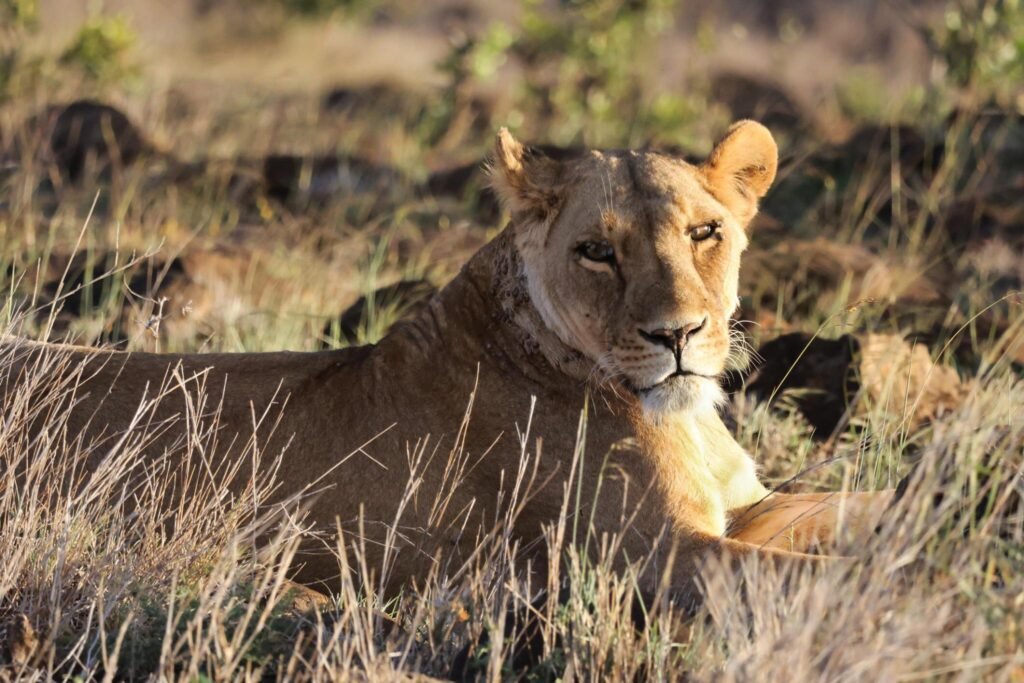
Depending on arrival time, there may be an opportunity for a short afternoon game drive. Look for giraffes browsing near acacia trees, elephants moving through woodland, and antelope grazing beside the road. Your guide will choose the route according to the time available and recent sightings.
This is a long travel day. Road conditions, gate procedures, and wildlife stops affect the journey, so the itinerary allows for an early departure and a flexible arrival time.
Overnight: Lodge or tented camp in central Serengeti
Meals: Lunch and dinner; breakfast according to your Arusha hotel arrangement
Main experience: Scenic road journey and introductory Serengeti wildlife viewing
Day 2: Central Serengeti to the Western Migration Area
Follow the Herds Toward the Western Corridor
After breakfast, set out on a game drive through central Serengeti before continuing toward the western migration area.
Central Serengeti offers wildlife viewing throughout the year. Your guide may explore grasslands, woodland edges, and rocky outcrops where animals shelter or scan their surroundings.
As you travel west, the day’s focus shifts toward locating migration herds. Their position can change with rainfall, grazing conditions, and the movement of neighboring groups.
When large concentrations are present, take time to watch how the animals move. Some graze quietly, while others form lines and travel steadily across the landscape. The sound of thousands of wildebeest calling can become one of the most memorable parts of the experience.
Enjoy a picnic lunch at a designated location, then continue wildlife viewing before heading to your camp.
Your accommodation should be chosen for practical access to the expected herd locations during your travel period. A well-positioned camp can make a considerable difference to the amount of time spent observing wildlife.
Overnight: Lodge or tented camp in western Serengeti
Meals: Breakfast, lunch, and dinner
Main experience: Game viewing while traveling toward the migration area
Day 3: Full-Day Migration Safari in Western Serengeti
A Full Day to Observe the Migration
Today is dedicated to the western Serengeti.
An early start gives you time to enjoy the softer morning light and watch animals before the heat builds. Your guide will plan the day using current sightings, accessible tracks, and the herds’ movements.
Spend time among wildebeest and zebras where conditions allow. Watch for interactions within the herds, animals gathering near water, and predators moving through the surrounding habitat.
The western Serengeti includes the Grumeti River landscape. If the herds are nearby, your guide may explore permitted viewing areas around the river. However, a river crossing cannot be scheduled or guaranteed. Animals may gather for hours without crossing, move elsewhere, or cross outside your viewing period.
The value of this day is the time available to observe. You can pause for a promising sighting, wait for better photographic light, or explore another area without having to make a long onward transfer.
Carry a picnic lunch if spending the full day out. Alternatively, the schedule may include a return to camp when its location makes that practical.
Return to camp before evening closes in, with time to relax and discuss the day’s sightings.
Overnight: Same lodge or tented camp in western Serengeti
Meals: Breakfast, lunch, and dinner
Main experience: Full-day migration and wildlife viewing
Day 4: Western Serengeti to the Ngorongoro Highlands
Morning Wildlife Viewing and the Journey to Ngorongoro
Begin with breakfast and, where the transfer schedule permits, a short morning game drive.
This is your final opportunity to observe the western Serengeti on this itinerary. Your guide will balance wildlife stops with the distance still to cover.
Continue through the park toward the Ngorongoro Conservation Area, carrying a packed lunch. Along the route, watch the landscape change from Serengeti plains to the rising highlands.
This day includes a substantial road transfer. It should not be described as a full-day migration game drive followed by an effortless trip to Ngorongoro. Departure time, road conditions, and the location of your western camp all matter.
Arrive at your accommodation near the crater later in the day. A crater-rim property can provide convenient access for the following morning, while accommodation farther away may require an earlier departure.
Enjoy dinner and prepare for your crater safari. The highlands can feel much cooler than the Serengeti, particularly in the evening.
Overnight: Lodge or camp near Ngorongoro Crater
Meals: Breakfast, lunch, and dinner
Main experience: Final Serengeti sightings and scenic transfer to the highlands
Day 5: Ngorongoro Crater Safari and Return to Arusha
Explore the Crater Floor
After an early breakfast, travel to the crater entrance and descend for your final game drive.
Ngorongoro offers a striking change of scenery. The surrounding walls frame grasslands, wetlands, and woodland, creating a varied setting for wildlife photography and observation.
Look for buffalo, zebras, wildebeest, hippos, and lions. Black rhinos may also be seen, although sightings depend on their location, visibility, and the conditions on the day.
Your guide will explore permitted routes and help you interpret the animals’ behavior and the habitats around them. Stop for a picnic lunch at a designated site before ascending from the crater.
Continue to Arusha, where the safari ends at your hotel or another agreed drop-off point.
If you plan to fly out that evening, share your flight details before booking. Allow sufficient time for the road journey and airport check-in; an additional night in Arusha offers a more relaxed finish.
Overnight: Not included in the five-day itinerary unless added
Meals: Breakfast and lunch
Main experience: Ngorongoro Crater game drive and return to Arusha
When Should You Book This Migration Safari?
Choose your travel dates and safari route together.
This western Serengeti itinerary is generally suited to the period when herds move toward the Western Corridor, often around May and June. Rainfall can shift the timing, and different groups may occupy several areas simultaneously.
For a broader seasonal reference, Tanzania National Parks’ Serengeti information identifies June–October for migration-focused visits and January–February for calving. The most suitable camp location still depends on the part of the migration you want to experience.
If your priorities are:
- Calving-season wildlife: Consider a southern Serengeti and Ndutu itinerary.
- Western migration herds: This road itinerary may suit your dates.
- Mara River crossings: Choose a northern Serengeti itinerary with suitable travel time.
- General wildlife viewing: Central Serengeti and Ngorongoro can provide a rewarding combination beyond the western migration window.
Accommodation Options
Accommodation can range from comfortable tented camps to higher-end safari lodges.
A tented camp usually offers proper beds and bathroom facilities, but facilities vary between properties. Confirm the bathroom arrangement, electricity availability, charging facilities, and room configuration before booking.
For this trip, camp location deserves as much attention as room style. Staying close to the relevant wildlife area helps reduce daily driving.
The quotation should name each property and identify any proposed alternatives.
Safari Price and Package Inclusions
The price depends on your dates, group size, accommodation, room arrangements, and any additional transfers or activities.
For a clear comparison, request a quotation covering:
- Safari vehicle and driver-guide.
- Four nights of accommodation.
- Meals listed in the itinerary.
- Serengeti park fees.
- Applicable Ngorongoro conservation and crater access fees.
- Scheduled game drives and road transfers.
- Drinking water arrangements.
- Applicable taxes and charges.
International flights, visa costs, travel insurance, gratuities, personal purchases, and optional activities should be itemized separately unless expressly included.
A balloon safari may be possible if an operating location fits the route and availability. It requires separate booking and should not be assumed to be included.
What to Pack
Bring lightweight clothing in neutral colors, a warm layer for the Ngorongoro highlands, comfortable shoes, a sun hat, sunscreen, sunglasses, and personal medication.
Binoculars improve wildlife viewing, especially when animals remain at a distance. Photographers should carry spare batteries, memory cards, and protection against dust.
Use manageable luggage and check the vehicle’s baggage arrangements before departure. Keep important documents and essential medication in your day bag.
Frequently Asked Questions
Will we definitely see the migration?
Migration sightings depend on where the animals are during your visit. Choosing suitable dates and accommodation improves your opportunities, but wildlife sightings cannot be guaranteed.
Does this itinerary include Mara River crossings?
No. This itinerary focuses on central and western Serengeti. Northern Serengeti’s Mara River area requires a revised route.
Is five days enough?
Five days can work for this Serengeti and Ngorongoro combination, but several days involve significant driving. Additional days provide more time in the wildlife areas and a gentler pace.
Can families book this safari?
The route can be adapted for families, taking children’s ages, tolerance for long drives, room arrangements, and individual camp policies into account.
Can we add Zanzibar afterward?
Yes. A Zanzibar extension can be planned around the safari’s return time and available flights. Allow a sensible connection buffer or an overnight stay before continuing.
Plan Your 5-Day Tanzania Migration Safari
Travel with a route that matches the season and gives you time to enjoy the wildlife you came to see.
Contact Eddy Tours & Safaris with your travel dates, number of travelers, preferred accommodation level, and whether your main interest is large herds, photography, calving, or river crossings.
Email: sales@eddytours-safaris.com
Alternative email: eddytoursandsafaris@gmail.com
WhatsApp: +255 711 906 664
For official destination information, visit Tanzania National Parks and the Ngorongoro Conservation Area Authority.