
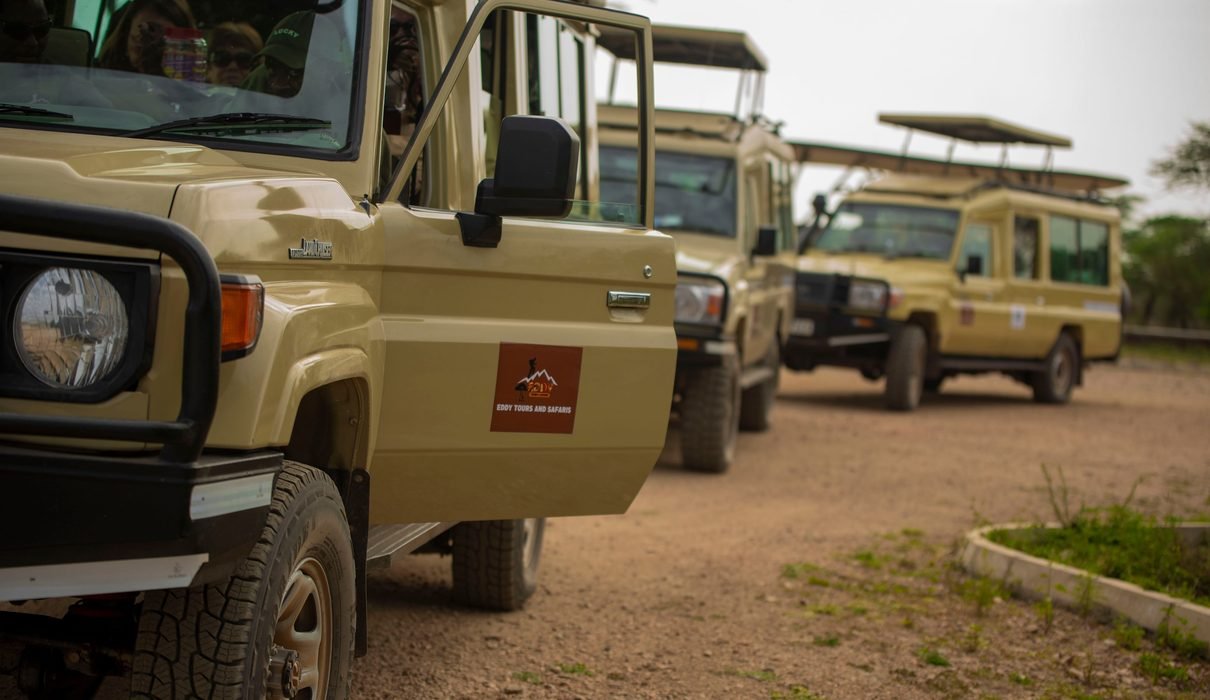
A Tanzania safari does not have to involve expensive lodges or luxury accommodation to provide excellent wildlife experiences. For travellers planning to visit Tanzania in 2027, 2028, or 2029, an upgraded five-day camping safari offers an affordable way to explore three of the country’s most famous wildlife destinations while enjoying organised transport, prepared meals, professional guiding, and comfortable camping arrangements. The journey takes you through Tarangire National Park, Serengeti National Park, and Ngorongoro Crater, providing opportunities to observe elephants, lions, giraffes, zebras, wildebeest, buffaloes, and many other animals in their natural habitats.
Our 5-Day Tanzania Camping Safari from Arusha, Moshi, Kilimanjaro Airport, Arusha Airport, or Dodoma is designed for travellers who want to spend their money on wildlife experiences rather than expensive hotel accommodation. The safari follows Tanzania’s northern wildlife circuit, beginning with Tarangire’s elephant country, continuing to the famous Serengeti plains, and finishing with a game drive inside Ngorongoro Crater. Accommodation is arranged at designated campsites, with camping equipment and meals organised according to the confirmed package. Guests can choose between a shared joining-group safari and a private camping safari, depending on their preferred travel dates, group size, and available budget.
The upgraded camping option focuses on practical improvements that make a traditional budget safari more comfortable. Depending on the confirmed package, these may include well-maintained camping tents, sleeping mattresses, suitable bedding, organised meals, and assistance with setting up camp. The safari still uses camping facilities rather than luxury lodges, allowing travellers to enjoy the outdoor atmosphere while keeping accommodation costs manageable.
At Eddy Tours & Safaris, we arrange Tanzania wildlife safaris for solo travellers, couples, families, friends, and small groups. Whether you arrive at Kilimanjaro International Airport, stay in Moshi before your safari, or begin your journey from Arusha, our team can help you organise suitable transfers and a five-day itinerary. Travellers starting from Dodoma can also request a customised transfer arrangement, although additional travel time and transport costs must be considered.
5-Day Tanzania Camping Safari Overview
This five-day camping safari combines three major wildlife destinations in northern Tanzania. The standard route begins in Arusha and includes one night near Tarangire or Karatu, two nights in Serengeti National Park, and one night near Ngorongoro before returning to Arusha on the final day. Travellers beginning from other locations should confirm their transfer arrangements before booking, particularly when arriving on an international flight.
| Safari Information | Package Details |
|---|---|
| Safari package | Upgraded 5-Day Tanzania Camping Safari |
| Travel years | 2027, 2028 and 2029 |
| Duration | 5 days and 4 nights |
| Main destinations | Tarangire, Serengeti and Ngorongoro Crater |
| Standard starting point | Arusha, Tanzania |
| Additional pickup locations | Moshi, Kilimanjaro Airport, Arusha Airport and Dodoma by arrangement |
| Accommodation | Designated campsites with confirmed camping equipment |
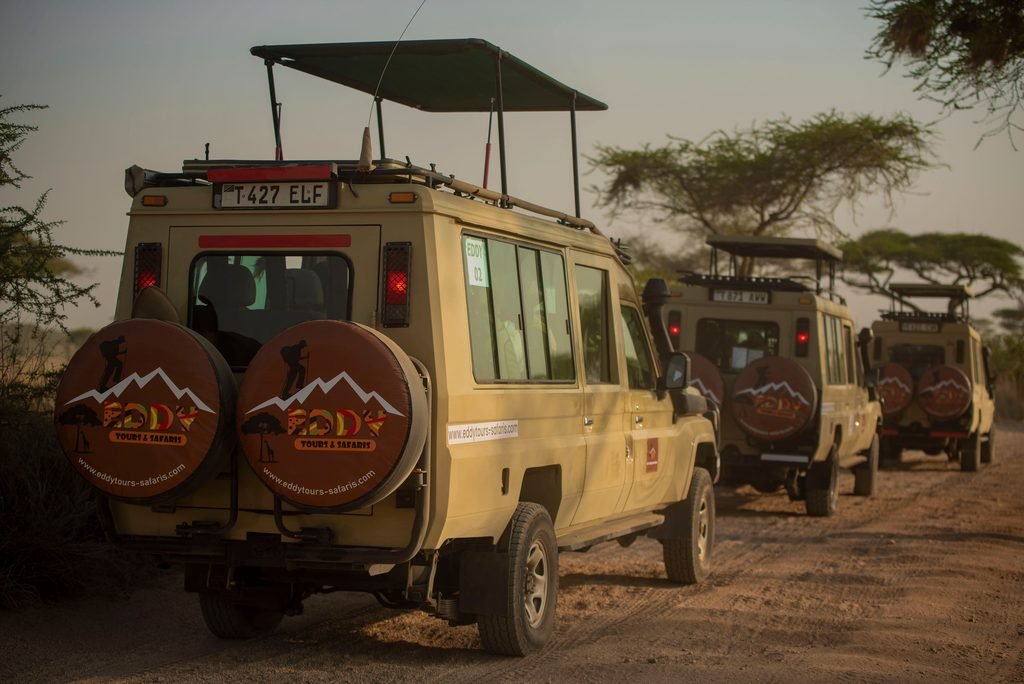
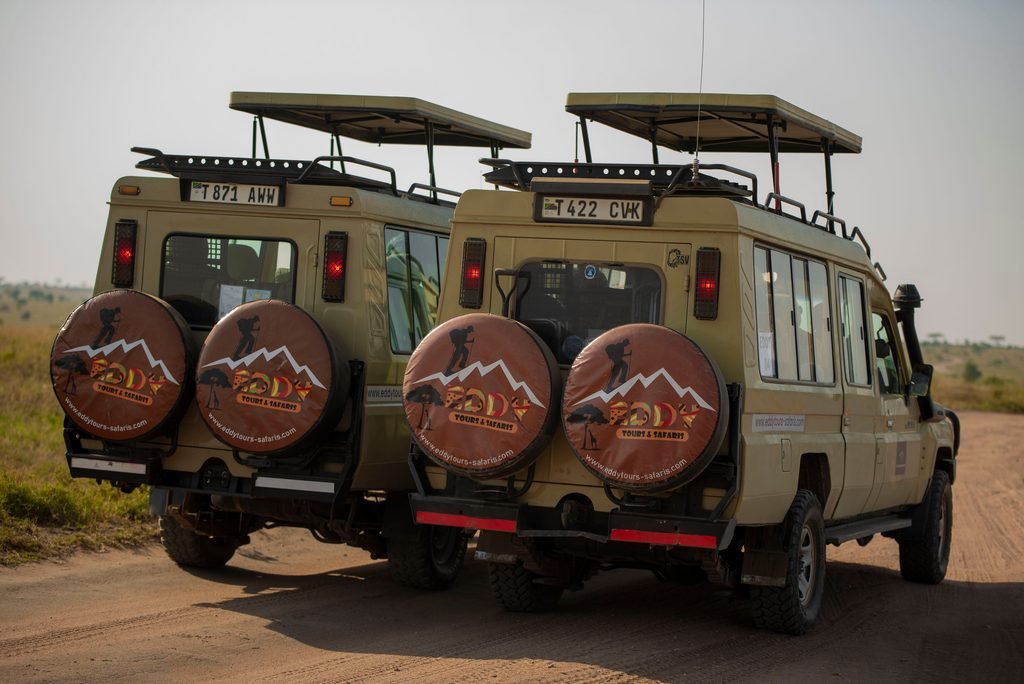
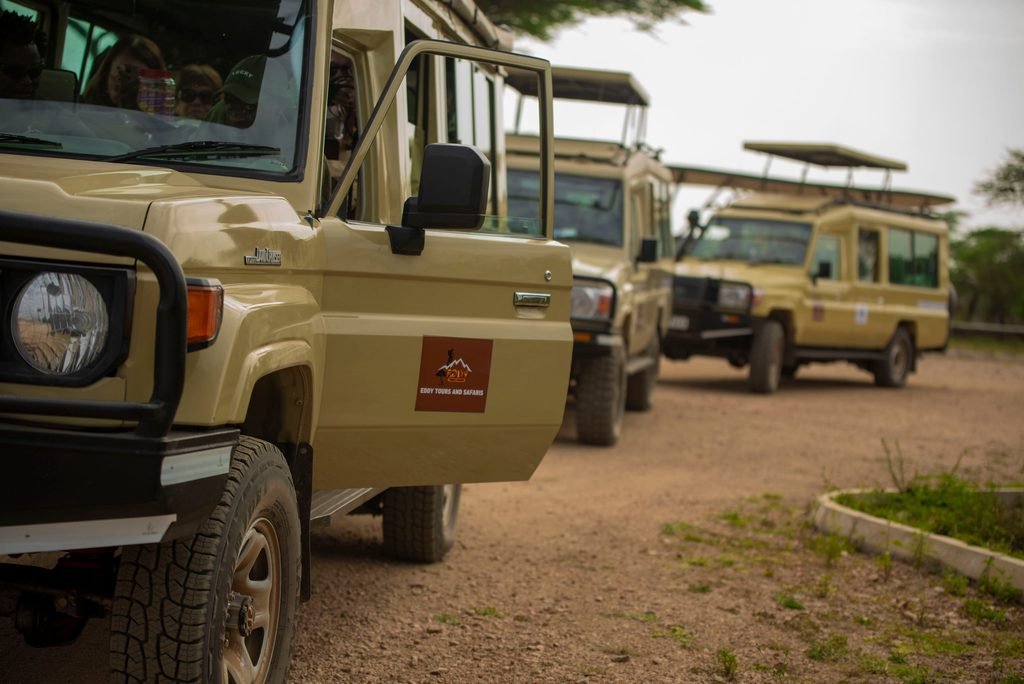
| Safari vehicle | 4×4 safari vehicle with a viewing roof |
| Safari guide | Professional English-speaking driver-guide |
| Meals | Breakfast, lunch and dinner according to the itinerary |
| Safari options | Private camping or confirmed joining-group departure |
| Main activities | Game drives, wildlife photography and nature observation |
| Suitable travellers | Couples, friends, solo travellers and small groups |
| Booking | Advance reservation recommended |
The itinerary is designed around a five-day safari departing from Arusha. Airport pickups, overnight accommodation before departure, and transfers from Moshi or Dodoma must be coordinated with the starting time. For travellers who prefer a lodge-based holiday, our 5-Day Tanzania Safari Package provides information about alternative accommodation categories.
Why Choose an Upgraded Tanzania Camping Safari?
Camping is one of the more affordable ways to experience Tanzania’s national parks because it reduces the amount spent on accommodation while allowing travellers to visit the same wildlife areas as guests staying in expensive lodges. A camping safari does not mean receiving a different wildlife experience. Visitors still travel through national parks with professional guides, follow designated game-drive routes, and observe animals in their natural environment. The main differences involve accommodation facilities, additional services, and the level of comfort available at the end of each day.
An upgraded camping arrangement aims to make the experience more convenient without turning it into an expensive luxury safari. Guests can enjoy prepared meals, suitable sleeping equipment, and assistance from the safari team while staying at authorised campsites. Camping also allows travellers to spend evenings surrounded by the natural sounds of the African bush, although all activities must follow campsite regulations and wildlife safety instructions.
For travellers working with a limited budget, the choice between camping and lodge accommodation can make a significant difference to the total safari price. Money saved on accommodation may allow you to include the Serengeti, spend an additional day exploring wildlife, or travel with a smaller group. Our Tanzania Safari Cost Guide explains how accommodation, transport, park fees, and group size influence safari prices.
Complete 5-Day Tanzania Camping Safari Itinerary
The following itinerary is suitable for travellers interested in visiting Tarangire, Serengeti, and Ngorongoro within five days. It includes four nights of camping and allows a full day for wildlife viewing in the Serengeti. The exact campsite locations, meals, and travel times will be confirmed before departure.
Day 1: Arusha to Tarangire National Park – Elephants, Baobab Trees and Wildlife
Your five-day Tanzania camping safari begins with a morning pickup from your hotel or an agreed meeting point in Arusha. After meeting your professional safari guide and checking your luggage, you will travel towards Tarangire National Park, one of the most attractive wildlife destinations in northern Tanzania. The journey generally takes around two to three hours from Arusha, depending on traffic, road conditions, and stops along the way. Travellers coming from Moshi or Kilimanjaro International Airport may need an earlier transfer or an additional night in Arusha to join the safari comfortably.
Tarangire National Park is particularly famous for its large elephant populations and impressive baobab trees. The park contains woodland, grasslands, seasonal wetlands, and riverine habitats that support giraffes, zebras, buffaloes, wildebeest, impalas, lions, and numerous bird species. During the dry season, animals often gather near the Tarangire River, making the park particularly rewarding for wildlife viewing. Your guide will explore suitable areas while explaining the animals’ behaviour, the local environment, and the conservation importance of the park.
After enjoying a picnic lunch, you will continue with the afternoon game drive before leaving the park and travelling towards your campsite near Tarangire, Mto wa Mbu, or Karatu, depending on the confirmed itinerary. The safari team will assist with the camping arrangements while dinner is prepared. You can spend the evening relaxing, discussing the day’s wildlife sightings, and preparing for the journey to the Serengeti the following morning.
Accommodation: Designated campsite in the Tarangire, Mto wa Mbu, or Karatu area.
Meals: Lunch and dinner; breakfast if specifically included in your departure arrangements.
Day 2: Tarangire Area to Serengeti National Park – Entering the Famous Plains
After an early breakfast, your safari continues towards Serengeti National Park. The journey takes you through the scenic Ngorongoro highlands, where the landscape changes from cultivated countryside and forested slopes to the open grasslands associated with the Serengeti ecosystem. This is one of the longer driving days of the safari, so an early departure is important. Your guide will arrange suitable stops along the way, including viewpoints and rest areas where permitted.
As you approach the Serengeti, the landscape opens into extensive plains dotted with acacia trees and rocky formations. The park is famous for its large populations of wildebeest, zebras, gazelles, lions, cheetahs, leopards, elephants, and other wildlife. Depending on the time of arrival, your guide will begin searching for animals while travelling towards the campsite. The central Serengeti is particularly suitable for a five-day itinerary because it supports resident wildlife throughout the year and is more practical to reach by road than the northernmost areas of the park.
You will spend the night at a designated campsite in the Serengeti. After arriving, the safari team will organise the camping equipment and evening meal. The campsite provides an opportunity to experience the atmosphere of the Serengeti after the day’s game drive. Guests must remain within authorised areas and follow their guide’s instructions because wildlife may move near campsites, particularly after dark.
Accommodation: Designated Serengeti campsite.
Meals: Breakfast, lunch and dinner.
Day 3: Full-Day Serengeti Safari – Lions, Leopards, Cheetahs and the Great Migration
Your third day is dedicated to exploring Serengeti National Park. After breakfast, you will leave the campsite with your guide and begin searching for wildlife across the park’s grasslands, woodland, and riverine habitats. The Serengeti is one of Africa’s most important wildlife conservation areas and is internationally recognised for its large herbivore populations and predator-prey relationships. Its extensive landscapes provide opportunities to observe animals moving naturally through different habitats.
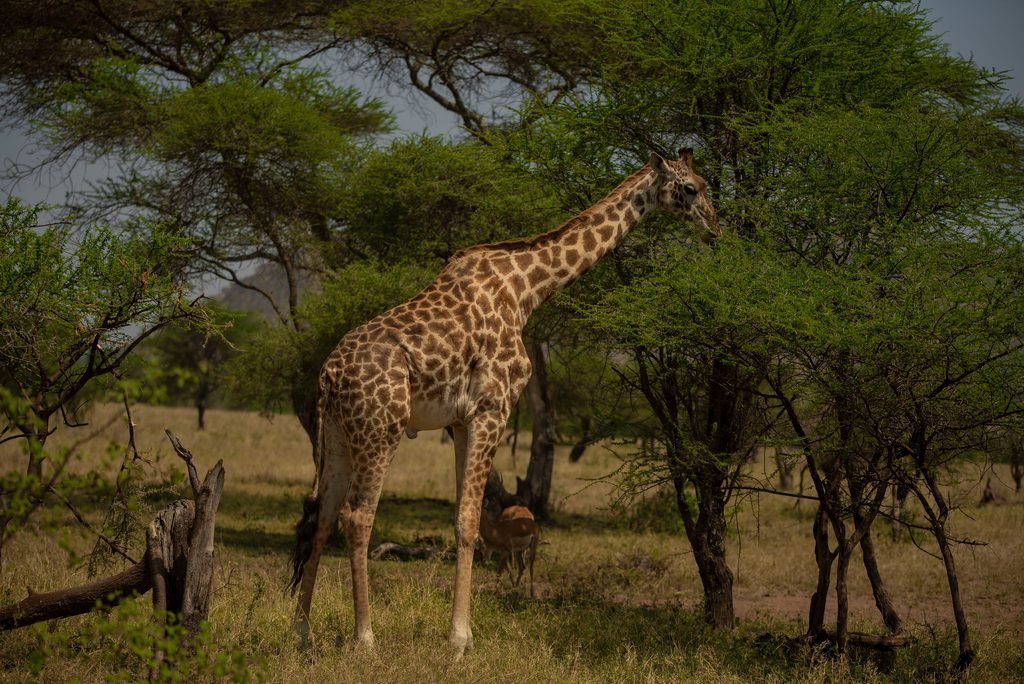
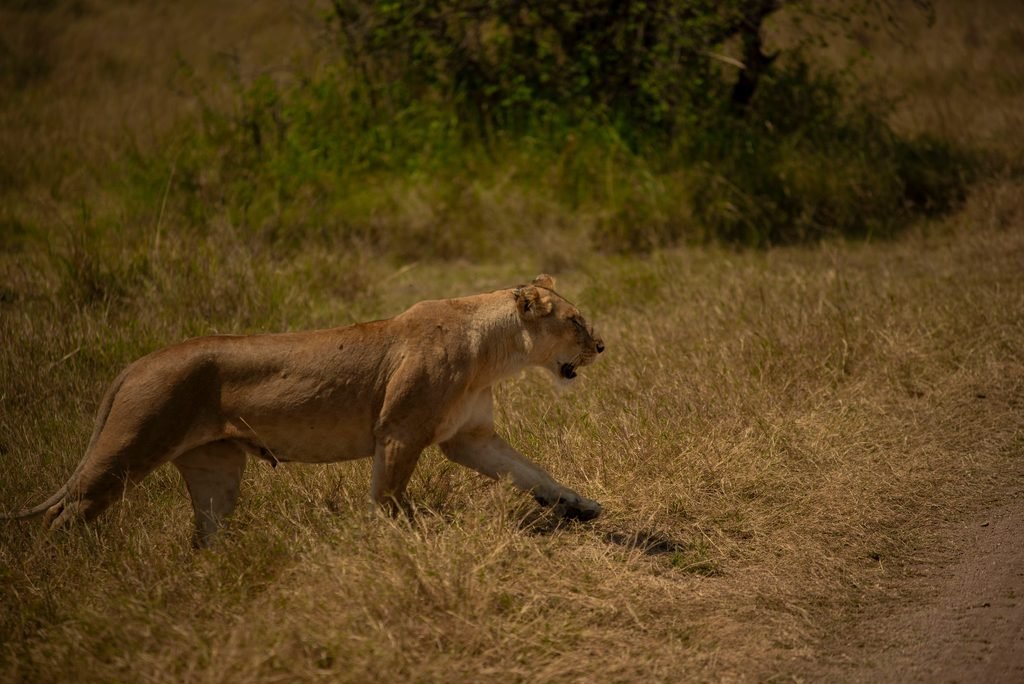
During the game drive, you may encounter lions resting beneath acacia trees, cheetahs scanning the plains, elephants moving through woodland, and giraffes feeding on trees. Leopards may occasionally be found resting in branches, although they are more difficult to locate because of their solitary behaviour and camouflage. Large groups of zebras, wildebeest, and antelopes may also be present, depending on the season. Your guide will select routes according to recent wildlife activity and the time available, but no particular sighting can be guaranteed.
The Serengeti is also famous for the Great Wildebeest Migration, which moves through different parts of the wider ecosystem throughout the year. The central Serengeti provides good resident wildlife viewing, but travellers specifically interested in the southern calving season or northern Mara River crossings may require a different itinerary and campsite location. The migration does not follow fixed dates, and a five-day road safari cannot guarantee access to every migration region.
You will enjoy a picnic lunch during the day before continuing with wildlife viewing in the afternoon. The pace of the game drive allows time for photography, observing animal behaviour, and appreciating the landscape. In the evening, you will return to the campsite for dinner and your second night in the Serengeti.
For more information about the park’s international conservation importance, visit the UNESCO Serengeti National Park World Heritage page.
Accommodation: Designated Serengeti campsite.
Meals: Breakfast, lunch and dinner.
Day 4: Serengeti to Ngorongoro Highlands – Morning Game Drive and Scenic Transfer
Your fourth day begins with breakfast and a morning game drive in the Serengeti. Early morning can be a productive period for wildlife observation because temperatures are generally cooler and some animals are more active. Your guide may explore suitable areas around the campsite before beginning the journey towards Ngorongoro. Depending on the location and wildlife activity, you may encounter lions, giraffes, zebras, wildebeest, elephants, and other species during the drive.
After leaving the Serengeti, you will travel through the Ngorongoro Conservation Area towards the highlands. The route passes through changing landscapes, including open plains, volcanic hills, and areas used by local communities. Ngorongoro is an important conservation landscape where wildlife protection and human activities are managed under a multiple-use conservation system. The journey provides an opportunity to learn about the relationship between wildlife, local communities, and conservation management in northern Tanzania.
You will continue to your designated campsite near Ngorongoro or Karatu, depending on the confirmed arrangements. Camping in the highlands can be considerably cooler than camping in lower areas, particularly during the evening and early morning. A warm jacket, suitable sleeping equipment, and comfortable clothing are therefore important. After dinner, your guide will explain the following morning’s crater visit and the expected return journey to Arusha.
Accommodation: Designated campsite near Ngorongoro or Karatu.
Meals: Breakfast, lunch and dinner.
Day 5: Ngorongoro Crater Game Drive – Return to Arusha, Moshi or the Airport
The final day begins with an early breakfast before travelling to Ngorongoro Crater. The crater is one of Tanzania’s most famous wildlife destinations and contains grasslands, woodland, wetlands, and water sources that support a wide variety of animals. After completing the necessary entry procedures, your guide will descend into the crater for a game drive. The descent provides impressive views of the crater floor and surrounding highlands before reaching the wildlife-viewing areas.
Inside the crater, visitors may observe lions, elephants, buffaloes, zebras, wildebeest, hippos, hyenas, and numerous bird species. Ngorongoro is also one of the places in Tanzania where travellers may have an opportunity to see the endangered black rhinoceros, although sightings are not guaranteed. Your guide will explore suitable areas while following the crater’s designated roads and visitor regulations. A picnic lunch will be arranged at an authorised location during the visit.
After the game drive, you will ascend from the crater and begin the return journey towards Arusha. Arrival is normally later in the afternoon or evening, depending on road conditions, park formalities, and the day’s activities. Travellers continuing to Moshi or an airport should confirm the additional transfer arrangements before booking. An international flight on the same evening may be impractical, so an overnight stay is often advisable.
For more information about the conservation area, visit the Ngorongoro Conservation Area Authority.
Meals: Breakfast and lunch.
End of safari: Arusha or another agreed drop-off location, with additional transfers confirmed in advance.
Tanzania Camping Safari Pickup from Airport, Moshi, Arusha or Dodoma
One of the advantages of arranging a safari through a local operator is the possibility of coordinating your arrival with the safari departure. However, pickup arrangements depend on the distance from the starting location, flight arrival time, road conditions, and whether you are joining a group or booking privately. The standard five-day route begins in Arusha because the town provides convenient access to Tarangire, Ngorongoro, and Serengeti.
Pickup from Kilimanjaro International Airport
Kilimanjaro International Airport is one of the main arrival points for international visitors travelling to northern Tanzania. It is located between Arusha and Moshi and provides access to both safari destinations and Mount Kilimanjaro climbing routes. Travellers arriving at this airport can request a transfer to Arusha before beginning the camping safari. If your flight arrives late in the afternoon or evening, spending the night in Arusha is usually more practical than attempting to begin the safari immediately.
For guests arriving early in the morning, same-day safari departure may be possible on a private itinerary, depending on immigration procedures, luggage collection, and transfer time. Joining-group departures generally follow fixed meeting times, so arrival-day participation must be confirmed before purchasing flights.
Pickup from Arusha Airport
Arusha Airport is commonly used for domestic flights connecting different destinations within Tanzania. Travellers arriving here can arrange a transfer to their hotel or the agreed safari meeting point. Because the airport is close to Arusha town, it is a convenient option for visitors arriving from Zanzibar, Dar es Salaam, or other domestic destinations.
However, domestic flight schedules may change, and passengers should allow sufficient time between arrival and safari departure. A late arrival may require an overnight stay before beginning the five-day itinerary.
Pickup from Arusha Town
Arusha is the most convenient starting point for this safari. Travellers staying at hotels, guesthouses, or other accommodation within the town can arrange pickup from an agreed location. The safari normally begins in the morning, allowing enough time to travel to Tarangire and enjoy the first game drive.
Starting from Arusha generally avoids the additional transfer time associated with Moshi or Dodoma. It can also make joining-group safaris easier because most shared departures are organised around central meeting points in Arusha.
Pickup from Moshi
Moshi is a popular destination for travellers planning to climb Mount Kilimanjaro or visit attractions around the mountain. Visitors staying in Moshi can combine their mountain holiday with a Tanzania wildlife safari, although the transfer to Arusha or Tarangire adds travel time.
For a private camping safari, pickup from Moshi can be arranged according to the agreed itinerary. Travellers joining a shared safari may need to transfer to Arusha the evening before departure or leave Moshi very early in the morning. The most suitable option depends on the departure time and the group’s arrangements.
Pickup from Dodoma
Dodoma is Tanzania’s capital and is located considerably farther from the northern safari circuit than Arusha or Moshi. Travellers beginning from Dodoma should therefore plan their transfer separately rather than assuming it can be included in the same schedule as a standard Arusha departure.
Depending on available transport connections, visitors may travel from Dodoma to Arusha before starting the safari or request a customised private arrangement. A separate transfer day or overnight stay is often the more practical option. Additional transport costs may apply, and the exact arrangements should be confirmed before booking.
| Pickup Location | Recommended Arrangement | Important Consideration |
|---|---|---|
| Arusha town | Morning safari pickup | Standard departure point |
| Arusha Airport | Transfer to safari meeting point | Flight arrival time must fit departure |
| Kilimanjaro International Airport | Airport transfer to Arusha | Late arrivals may require an overnight stay |
| Moshi | Private pickup or transfer to Arusha | Additional travel time |
| Dodoma | Separate transfer to Arusha or customised arrangement | Significant distance and possible extra day |
What Makes This an Upgraded Camping Safari?
An upgraded camping safari is intended for travellers who want an affordable wildlife holiday without overlooking basic comfort and organisation. Unlike a lodge safari, guests sleep in camping tents rather than permanent hotel rooms. However, the package can be arranged with suitable equipment, organised meals, and assistance from the safari team. The exact equipment and facilities should be listed in the final quotation so travellers understand what they will receive.
Camping equipment may include weather-appropriate tents, mattresses, sleeping bags or bedding, and other necessary items according to the selected package. Guests should confirm whether pillows, towels, blankets, and personal sleeping equipment are provided or must be brought separately. Facilities at public campsites vary, and bathrooms are generally shared rather than private. Hot water, charging points, and internet access should not be assumed to be available at every location.
Meals are normally prepared as part of the organised safari arrangements. Breakfast may include tea, coffee, bread, eggs, fruit, or other available items, while lunch is often provided as a packed meal during game drives. Dinner is usually served after returning to camp. Travellers with vegetarian diets, allergies, or other dietary requirements should inform the operator before departure so suitable arrangements can be discussed.
Tanzania National Parks Authority recognises several types of accommodation within national parks, including public campsites, special campsites, and seasonal campsites. Travellers can review these categories through the official TANAPA accommodation information.
Wildlife You May See During the Five-Day Camping Safari
One of the main attractions of this itinerary is the variety of wildlife habitats visited within five days. Tarangire is particularly known for elephants and baobab trees, while Serengeti offers extensive grasslands and opportunities to observe predators and large herds of grazing animals. Ngorongoro Crater provides another distinctive environment, with wildlife concentrated within a volcanic landscape containing grasslands, wetlands, and woodland.
Travellers may encounter elephants, lions, giraffes, zebras, wildebeest, buffaloes, hippos, hyenas, antelopes, and numerous bird species. Leopards and cheetahs may also be seen, particularly in suitable Serengeti habitats, but they are less predictable. Black rhinoceroses occur in Ngorongoro Crater, although sightings are uncommon and cannot be promised. Wildlife movements depend on rainfall, temperature, vegetation, and other natural conditions, so no safari operator can guarantee that every species will be observed.
The Great Wildebeest Migration is another important attraction in the Serengeti ecosystem. However, this five-day itinerary normally focuses on the central Serengeti, which is suitable for resident wildlife viewing throughout the year. Travellers who specifically want to observe calving in Ndutu or possible river crossings in the northern Serengeti should request an itinerary designed for the appropriate season and location. You can read more about suitable travel periods through our Tanzania Great Migration Safari Packages Guide.
Best Time to Book a 5-Day Tanzania Camping Safari in 2027, 2028 or 2029
Tanzania’s northern national parks can be visited throughout the year, but weather conditions influence the experience. The dry season, generally from June to October, is popular because wildlife often gathers around water sources and vegetation may be less dense. Tarangire can be particularly rewarding during this period, while the Serengeti continues to support resident wildlife and seasonal migration movements.
January and February are also attractive months for travellers interested in the southern Serengeti calving season, although reaching the most suitable migration areas may require adjustments to the standard route. March, April, and May can bring wetter conditions, greener landscapes, and changes in road accessibility. November and December are associated with seasonal rainfall in many northern areas, although actual conditions vary from year to year.
| Travel Period | General Safari Conditions | Main Considerations |
|---|---|---|
| January–February | Green landscapes and southern Serengeti calving activity | Migration-focused routes may need adjustment |
| March–May | Wetter conditions in many areas | Road conditions and campsite accessibility |
| June–July | Generally drier conditions | Popular period for wildlife viewing |
| August–October | Dry-season wildlife viewing | Higher demand for some safari services |
| November–December | Seasonal rainfall and changing vegetation | Wildlife distribution varies with rainfall |
Travellers booking for 2027, 2028, or 2029 should consider both wildlife interests and accommodation availability. The best month is not necessarily the same for everyone. Visitors who want to see large elephant herds in Tarangire may prefer a different period from travellers interested in southern Serengeti calving or northern migration activity.
How Much Does an Upgraded 5-Day Tanzania Camping Safari Cost?
The price of a five-day camping safari depends on whether you travel privately or join a group, the number of participants, campsite arrangements, park fees, travel season, and pickup location. A shared safari is often more affordable for solo travellers and couples because vehicle and guiding costs are divided among several participants. A private safari provides more flexibility but can cost more per person when only one or two people are travelling.
For general planning, a five-day shared budget safari is often estimated at approximately US$900–US$1,500 per person, although this is not a confirmed price for the upgraded camping package. Private camping arrangements, additional transfers, seasonal fees, and equipment upgrades may result in a higher quotation. Actual costs for 2027, 2028, and 2029 must be confirmed for the requested travel dates.
National park entry charges, camping fees, and Ngorongoro conservation and crater-related charges are important components of the total price. Because these fees may change before future travel dates, travellers should request a quotation showing which charges are included. The official Tanzania National Parks tariff information provides a reference for park charges, although the published information must be checked against the tariffs applicable when you travel.
Private Camping Safari vs Joining-Group Camping Safari
A private camping safari provides exclusive use of the safari vehicle and a dedicated guide for your group. This arrangement is particularly suitable for families, couples, photographers, and friends who want to follow a personalised schedule. A joining-group safari allows travellers to share a vehicle and follow a fixed itinerary, making it attractive for visitors who want to reduce costs and meet other travellers.
The main difference is flexibility rather than access to wildlife. Both options can visit Tarangire, Serengeti, and Ngorongoro, provided the package includes the necessary park entries and accommodation arrangements. Before booking a shared departure, confirm the group size, departure status, luggage allowance, and whether camping equipment and meals are included.
Travellers considering a shared departure can compare the arrangements in our 5-Day Tanzania Joining Safari Packages. For a shorter alternative, see the 4-Day Tanzania Budget Camping Safari.
What Is Included in the Upgraded 5-Day Tanzania Camping Safari?
The proposed camping package is designed to cover the main services needed for a five-day wildlife safari. These normally include a professional driver-guide, suitable safari vehicle, scheduled game drives, campsite accommodation, camping equipment, and meals according to the itinerary. Park entry and conservation fees should be included in the final package quotation unless clearly stated otherwise. Travellers should request written confirmation of every service before making payment.
Proposed Package Inclusions
- Five days of safari transport in a suitable 4×4 vehicle.
- Professional English-speaking driver-guide.
- Game drives in Tarangire, Serengeti, and Ngorongoro Crater.
- Four nights of accommodation at designated campsites.
- Camping tents and agreed sleeping equipment.
- Meals according to the confirmed itinerary.
- Drinking water during game drives as specified in the quotation.
- Applicable national park, camping, and conservation fees.
- Ngorongoro Crater vehicle descent fee.
- Arusha pickup and drop-off at agreed locations.
- Assistance with campsite arrangements.
Expenses Normally Excluded
International and domestic flights, visa fees, travel insurance, tips, alcoholic drinks, personal purchases, and optional activities are generally excluded unless specifically included in the quotation. Transfers from Moshi, Dodoma, or airports may also involve additional charges depending on the travel schedule. Extra hotel nights before or after the safari should be confirmed separately, particularly when arriving late or departing on an international flight.
What to Pack for a Five-Day Tanzania Camping Safari
Packing for a camping safari requires more preparation than staying in lodges because travellers spend their evenings and nights in outdoor accommodation. Comfortable clothing is important for long game drives, while warm layers are useful during early mornings and evenings, especially around Ngorongoro. A waterproof jacket may be necessary during wetter periods, and closed shoes are recommended for moving around campsites.
A small day bag should contain your passport, personal medication, sunscreen, sunglasses, camera, binoculars, and other essentials needed during game drives. Travellers should also bring suitable personal hygiene items and a torch or headlamp for moving around designated campsite areas after dark. Charging facilities may be limited, so a power bank can be useful, provided it meets any airline requirements for your journey.
Guests should confirm which sleeping items are supplied before departure. An upgraded camping package may provide bedding, but arrangements differ between operators and campsites. Bringing unnecessary equipment can make luggage handling more difficult, especially when several guests share one safari vehicle.
Important Safety Information for Camping in Tanzania’s National Parks
Camping in Tanzania’s wildlife areas can be an enjoyable experience when guests follow campsite regulations and their guide’s instructions. National park campsites are located within natural environments, and wild animals may occasionally move nearby. Visitors should therefore avoid walking away from authorised camping areas, especially after dark, and should never attempt to approach or feed wildlife.
Food and waste must be handled carefully to avoid attracting animals. Guests should follow the safari team’s instructions about storing personal belongings, using toilet facilities, and moving around the campsite. If an animal is observed near the tents, visitors should remain calm and contact the guide or campsite staff rather than approaching it.
During game drives, passengers should remain inside the vehicle except at authorised stopping points. Standing through the viewing roof may be permitted in suitable circumstances, but guests should always follow the guide’s instructions and avoid behaviour that could disturb animals. Responsible wildlife viewing helps protect both visitors and the animals they have travelled to see.
Frequently Asked Questions About the 5-Day Tanzania Camping Safari
Can I Start the Safari Directly from Kilimanjaro International Airport?
Yes, airport pickup can be requested, but the arrangements depend on your arrival time and whether you are booking privately or joining a group. Travellers arriving late in the day will generally need an overnight stay before beginning the standard five-day safari.
Is Pickup Available from Moshi?
Yes, a transfer from Moshi can be arranged. Because Moshi is farther from Tarangire than Arusha, the pickup time and any additional transport costs must be confirmed in advance. Shared-group participants may need to travel to Arusha before the departure.
Can I Start the Safari from Dodoma?
Travellers in Dodoma can request a customised transfer to the northern safari circuit. However, Dodoma is considerably farther from the standard starting point, so a separate travel day or overnight stay may be necessary. The five-day wildlife itinerary is normally calculated from Arusha.
What Does Upgraded Camping Mean?
Upgraded camping refers to an organised budget camping experience with suitable equipment and additional comfort arrangements agreed before departure. It does not mean that guests will stay in luxury lodges or permanent hotel-style tents.
Are Sleeping Bags and Mattresses Provided?
Camping equipment can be included in the package, but the exact items must be confirmed in writing. Travellers should check whether sleeping bags, mattresses, pillows, blankets, and towels are provided before packing.
Will I Have a Private Bathroom?
Public campsites generally have shared bathroom facilities. Private bathrooms should not be expected unless the package specifically includes accommodation offering them.
Can I See the Big Five During This Safari?
The itinerary provides opportunities to observe lions, elephants, buffaloes, leopards, and potentially black rhinoceroses. However, seeing all five species cannot be guaranteed because wildlife sightings depend on natural animal movements and environmental conditions.
Is This Safari Suitable for Solo Travellers?
Yes. Solo travellers can request a private safari or ask about confirmed joining-group departures. Shared safaris may provide a more affordable option because transport costs are divided among participants.
Is the Great Migration Included?
The itinerary visits Serengeti National Park, which forms part of the Great Migration ecosystem. However, the standard route does not guarantee that the main migrating herds will be present in the areas visited. Travellers interested in specific migration events should request a suitable seasonal itinerary.
Can I Book This Safari for 2027, 2028 or 2029?
Yes, travellers can request quotations and proposed travel arrangements for these years. Final prices, campsite availability, departure status, and applicable fees must be confirmed before booking.
Can I Extend the Safari to Zanzibar?
Yes. A Zanzibar beach holiday can be arranged after the camping safari. Travellers should allow enough time for transfers and domestic flights. Additional accommodation, transport, and activities will affect the total holiday cost.
Book Your Upgraded 5-Day Tanzania Camping Safari for 2027, 2028 or 2029
A five-day camping safari is a practical choice for travellers who want to visit Tanzania’s famous wildlife destinations while keeping accommodation costs manageable. The combination of Tarangire, Serengeti, and Ngorongoro provides opportunities to explore different landscapes and observe a wide variety of animals within one journey. Camping keeps the experience simple, while suitable equipment, prepared meals, and professional guiding help make the trip organised and comfortable.
At Eddy Tours & Safaris, we help travellers plan Tanzania safaris according to their preferred dates, group size, pickup location, and budget. Whether you are arriving at Kilimanjaro International Airport, staying in Moshi, departing from Arusha, or travelling from Dodoma, our team can discuss the most practical arrangements for your five-day camping safari.
To receive a quotation, provide your preferred travel dates, number of travellers, pickup location, and whether you would like a private or joining-group safari. We will help you review the available arrangements and confirm the services included before booking.
Eddy Tours & Safaris – Local Tour Company in Arusha, Tanzania
Email: sales@eddytours-safaris.com
WhatsApp: +255 711 906 664
Website: Eddy Tours & Safaris
Booking enquiries: Request Your Tanzania Camping Safari Quote