

A 6-day Tanzania camping safari in 2027, 2028 or 2029 is an excellent way to explore some of Africa’s most famous wildlife destinations without spending a large amount of money on luxury accommodation. This six-day journey takes you through Tarangire National Park, Serengeti National Park, Ngorongoro Crater and Lake Manyara National Park, giving you the opportunity to see elephants, lions, giraffes, zebras, wildebeest, buffaloes and many other animals in their natural habitats. Instead of staying in expensive safari lodges, you will spend your nights at designated campsites, where you can enjoy freshly prepared meals, relax after your game drives and experience the sounds of the African bush.
Tanzania is one of the best countries in Africa for a camping safari because its northern national parks are connected by established safari routes. Travellers can begin their journey in Arusha, visit several wildlife destinations and return after six days with a better understanding of Tanzania’s landscapes and wildlife. The Serengeti is particularly famous for its large predator populations and the Great Wildebeest Migration, while Ngorongoro Crater is known for its concentration of animals within an ancient volcanic caldera. Tarangire offers impressive elephant sightings and large baobab trees, and Lake Manyara provides a completely different environment with groundwater forests, birdlife and views of the Great Rift Valley.
This camping safari is suitable for solo travellers, couples, friends and small groups who want to spend more time exploring national parks while keeping accommodation expenses manageable. You do not need previous camping experience to join an organised safari, as the camping equipment, meals and campsite arrangements can be handled by the safari team. Your main responsibility is to enjoy the journey, follow your guide’s instructions and respect the wildlife and natural environment around you.
At Eddy Tours & Safaris, we arrange Tanzania wildlife safaris for travellers visiting in 2027, 2028 and 2029. Our camping itineraries can be organised as private tours or suitable joining-group departures, depending on availability, travel dates and group size.
6-Day Tanzania Camping Safari Overview
| Safari Details | Information |
|---|---|
| Safari name | 6-Day Tanzania Camping Safari – Beautifully Wild Adventure |
| Travel years | 2027, 2028 and 2029 |
| Duration | 6 days and 5 nights |
| Starting point | Arusha, Tanzania |
| Ending point | Arusha, Tanzania |
| Main destinations | Tarangire, Serengeti, Ngorongoro Crater and Lake Manyara |
| Accommodation | Budget camping at designated campsites |
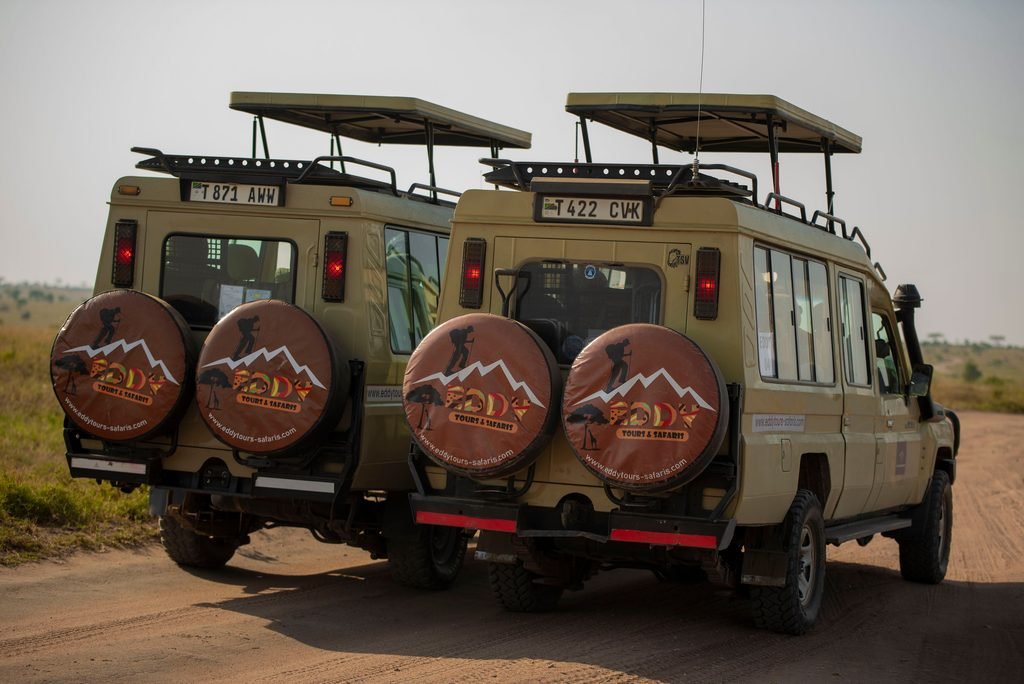
| Transport | 4×4 safari vehicle with a pop-up roof |
| Main activities | Wildlife game drives, photography and camping |
| Safari guide | Professional English-speaking driver-guide |
| Meals | As specified in the confirmed safari quotation |
| Suitable for | Solo travellers, couples, friends and small groups |
| Safari category | Budget camping safari |
| Price | Based on travel dates, group size and final arrangements |
This itinerary includes five nights of camping and six days of travel and wildlife activities. The exact campsites may change depending on availability, weather conditions and park regulations. The proposed route is suitable for travellers who want to visit four important destinations within six days, although it involves several long driving days. Visitors who prefer a slower journey may choose to remove Lake Manyara and spend additional time in the Serengeti.

Why Choose a 6-Day Tanzania Camping Safari?
One of the main advantages of choosing a camping safari is that you can visit Tanzania’s famous wildlife destinations without paying for expensive accommodation every night. Camping reduces some accommodation expenses while allowing you to enjoy the same national parks visited by travellers staying in luxury lodges. The animals do not behave differently because of the accommodation category you choose, and a well-planned camping safari can provide excellent opportunities to observe wildlife throughout the journey. What matters most is having a knowledgeable guide, a reliable safari vehicle, suitable travel arrangements and enough time to explore the parks.
Camping also gives you a different experience after the day’s game drives. Instead of returning to a hotel, you arrive at a designated campsite where your tents are prepared and dinner is arranged. Some campsites are located in or near wildlife areas, allowing visitors to hear natural sounds after sunset. The experience is peaceful at times, but it is important to remember that camping in wildlife areas requires care and discipline. Visitors must follow campsite regulations, avoid leaving tents unnecessarily at night and never approach wild animals.
Six days also provide enough time to explore different habitats. You will experience the elephant-rich landscapes of Tarangire, the open grasslands of the Serengeti, the highlands surrounding Ngorongoro and the forests of Lake Manyara. Travellers who want to compare this camping itinerary with a lodge-based holiday can read our 6-Day Tanzania Safari: Landscapes & Wildlife Adventure, which provides another way to plan a six-day wildlife holiday.

Complete 6-Day Tanzania Camping Safari Itinerary for 2027, 2028 and 2029
Day 1: Arusha to Tarangire National Park – Elephants, Baobab Trees and Your First Night Camping
Your six-day Tanzania camping safari begins in Arusha, where you meet your professional safari driver-guide after breakfast. Before leaving, your guide will explain the planned route, national park regulations, camping arrangements and what to expect during the journey. You will then travel towards Tarangire National Park, passing through local communities, farmland and open countryside. The drive generally takes approximately two to three hours, depending on your departure location, traffic and road conditions. Along the way, you will begin to see the changing landscapes of northern Tanzania as you leave the busy streets of Arusha behind and approach the wildlife areas.
After completing the park entry procedures, you will begin your first game drive inside Tarangire National Park. Tarangire is famous for its large elephant populations and distinctive baobab trees, which can be seen across different parts of the park. During the game drive, you may encounter elephants feeding among the trees, giraffes browsing on vegetation, zebras moving across open grasslands and buffaloes resting near water sources. The park also supports lions, leopards, wildebeest, antelopes and numerous bird species. During the dry season, wildlife often gathers around the Tarangire River, although animal movements depend on seasonal conditions.
You will stop for a picnic lunch at an authorised location before continuing your afternoon game drive. Your guide will select suitable routes according to wildlife movements and the time available. Later in the afternoon, you will leave the park and travel to your designated campsite in the Tarangire, Mto wa Mbu or Karatu area. After arriving, you will have time to settle into your tent, freshen up and enjoy dinner prepared by the safari team. Your first evening provides an opportunity to become familiar with the camping arrangements before continuing towards the Serengeti the following morning.
Accommodation: Designated budget campsite near Tarangire, Mto wa Mbu or Karatu.
Meals: Lunch and dinner, with breakfast included if specified in your departure arrangements.
Main activities: Tarangire game drive, wildlife photography and camping.
For more information about the park, visit the official Tarangire National Park Visitor Guide.
Day 2: Tarangire Area to Serengeti National Park – Journey Through the Ngorongoro Highlands
After an early breakfast, you will leave your campsite and begin the journey towards Serengeti National Park. This is one of the longer travel days of the safari, so an early departure is important. The road takes you through the highlands of the Ngorongoro Conservation Area, where the landscape changes from dry woodland and farmland to cooler highland environments. Depending on the weather, you may enjoy views across the surrounding hills and valleys before continuing towards the Serengeti plains.
The journey through Ngorongoro provides an opportunity to appreciate the variety of landscapes found in northern Tanzania. The conservation area is recognised for its wildlife habitats, volcanic highlands and cultural history. Maasai communities also live in designated parts of the area, maintaining livestock-keeping traditions alongside conservation activities. Your guide will explain the region’s natural and cultural importance while ensuring that the journey follows the authorised safari route.
As you approach the Serengeti, the landscape gradually opens into extensive grasslands. The Serengeti is one of Africa’s most famous national parks and is internationally recognised for its biodiversity and the annual movement of large herbivore populations. According to UNESCO’s Serengeti National Park World Heritage listing, the ecosystem supports one of the world’s most important large-mammal migrations. The park is also home to lions, leopards, cheetahs, elephants, buffaloes, giraffes and numerous other species.
After entering the Serengeti, you will enjoy a game drive while travelling towards your campsite. Depending on the time of arrival, you may encounter zebras, wildebeest, giraffes, gazelles or predators resting near rocky outcrops. Your guide will take advantage of suitable wildlife sightings while ensuring that you reach the campsite within the permitted travel hours. Dinner will be prepared at the campsite, where you will spend your first night in the Serengeti.
Accommodation: Designated public campsite in central Serengeti, subject to availability.
Meals: Breakfast, lunch and dinner.
Main activities: Scenic drive through Ngorongoro, Serengeti game drive and camping.
Day 3: Full-Day Serengeti National Park Safari – Lions, Leopards, Cheetahs and the Great Migration
Your third day is dedicated to exploring Serengeti National Park. After breakfast, you will leave the campsite with your safari guide for a full-day game drive through suitable wildlife areas. The central Serengeti, particularly the Seronera region, is known for its resident wildlife populations and provides opportunities to observe animals throughout the year. The area contains grasslands, river systems, woodland and rocky formations that support different species. Your guide will search for wildlife while explaining animal behaviour, habitats and the relationships between predators and grazing animals.
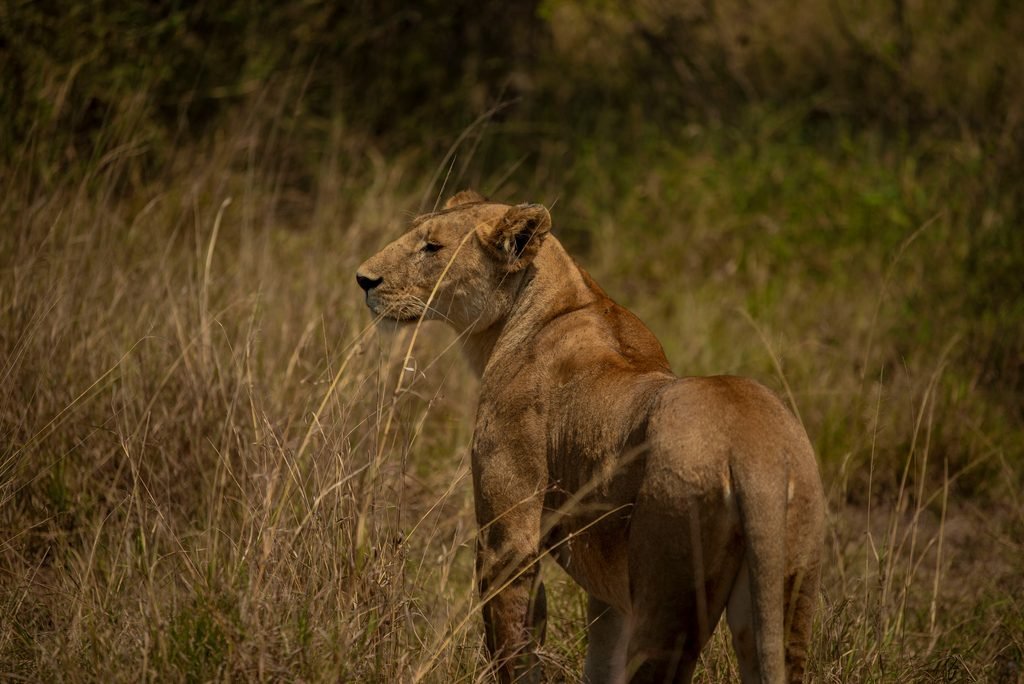
Lions are among the animals many visitors hope to see during a Serengeti safari. They may be found resting beneath trees, moving across the plains or interacting with other members of their pride. Leopards are more difficult to locate because they are solitary and often remain hidden in vegetation or trees. Cheetahs are commonly associated with open grasslands, where they can use their speed to pursue prey. The Serengeti also supports elephants, buffaloes, giraffes, hyenas, jackals, zebras and several antelope species, providing a wide variety of wildlife-viewing opportunities.
The Serengeti is particularly famous for the Great Wildebeest Migration, during which large herds move through different parts of the ecosystem following rainfall and fresh grazing. However, the location of the migrating animals changes throughout the year, and travellers should not expect to see the main herds in central Serengeti during every month. Between January and March, large herds are often associated with the southern Serengeti and Ndutu region, while the northern Serengeti becomes important during certain months between July and October. This six-day itinerary focuses on central Serengeti, so travellers specifically interested in Mara River crossings should request a different route or additional days.
During the day, you will stop for a picnic lunch at an authorised location before continuing your wildlife exploration. Your guide will choose suitable areas according to wildlife movements and park regulations, allowing time for photography and observation without disturbing the animals. In the late afternoon, you will return to your campsite for dinner and your second night in the Serengeti. Spending two nights in the park gives you more time for game drives than an itinerary that simply passes through the Serengeti on the way to another destination.
Accommodation: Designated public campsite in central Serengeti.
Meals: Breakfast, lunch and dinner.
Main activities: Full-day Serengeti game drive, wildlife photography and camping.
For official visitor information, see the Serengeti National Park Visitor Guide.

Day 4: Serengeti National Park to Ngorongoro Conservation Area – Morning Wildlife Viewing and Highland Camping
After an early breakfast, you will pack your camping equipment and leave the campsite for a final game drive in the Serengeti. The morning provides another opportunity to observe animals before beginning the journey towards Ngorongoro. Your guide will explore suitable routes while travelling towards the park exit, looking for wildlife that may be active during the cooler hours. Depending on animal movements, you may encounter lions, giraffes, zebras, wildebeest, elephants or different bird species along the way.
After leaving the Serengeti, you will continue towards the Ngorongoro Conservation Area. The journey takes you through open plains and gradually into the cooler highlands. This part of the safari provides a noticeable change in scenery, with grasslands giving way to hills, forests and elevated viewpoints. The Ngorongoro Conservation Area is internationally recognised for its natural and cultural importance, including the famous crater and evidence of early human history. Travellers interested in learning more about the region can explore the UNESCO Ngorongoro Conservation Area World Heritage listing.
You will arrive at your designated campsite in the Ngorongoro highlands later in the afternoon. The weather here can be considerably cooler than in the Serengeti, particularly after sunset and during the early morning. A warm jacket, long trousers and suitable sleeping equipment are therefore important. Depending on the confirmed campsite, you may enjoy views of the surrounding highlands or crater area. After dinner, you will rest and prepare for an early departure the following morning, when you will descend into Ngorongoro Crater for one of the most important game drives of the safari.
Accommodation: Designated campsite in the Ngorongoro highlands, subject to availability.
Meals: Breakfast, lunch and dinner.
Main activities: Morning Serengeti game drive, scenic transfer and camping.
Day 5: Ngorongoro Crater Safari – Search for the Big Five and Travel to Mto wa Mbu
Your fifth day begins early with breakfast before travelling towards the Ngorongoro Crater descent road. After completing the required entry procedures, you will descend into the crater for a game drive. Ngorongoro Crater is one of Tanzania’s most distinctive wildlife destinations because its volcanic landscape contains several habitats within a relatively compact area. Grasslands, wetlands, woodland and permanent water sources support numerous animals, making the crater particularly attractive for wildlife viewing.
During your game drive, you may encounter lions resting on the grasslands, elephants moving through woodland, buffaloes grazing in open areas and hippos gathering in water pools. Zebras, wildebeest, gazelles and different bird species are also commonly observed. Ngorongoro is one of the places in Tanzania where visitors may have an opportunity to see the endangered black rhinoceros, although sightings are never guaranteed. The crater’s wildlife populations and varied habitats make it an important destination for travellers who want to observe several species during a single game drive.
Your guide will explore authorised routes and stop for a picnic lunch at a designated location. The crater visit is subject to the applicable access and time regulations, so your guide will manage the schedule accordingly. After completing the game drive, you will ascend from the crater and continue towards Mto wa Mbu or a nearby camping area. The journey takes you through the Ngorongoro highlands and down towards the Great Rift Valley, where the landscape becomes warmer and lower in elevation. You will spend your final camping night in this region, preparing for the Lake Manyara visit the following day.
Accommodation: Designated budget campsite near Mto wa Mbu or Lake Manyara.
Meals: Breakfast, lunch and dinner.
Main activities: Ngorongoro Crater game drive, wildlife photography and transfer.
Day 6: Lake Manyara National Park to Arusha – Forest Wildlife, Birdwatching and Safari Departure
After breakfast, you will leave your campsite and travel to Lake Manyara National Park for the final game drive of your six-day Tanzania camping safari. Located at the base of the Great Rift Valley escarpment, Lake Manyara offers a different environment from the open grasslands of the Serengeti and the volcanic landscapes of Ngorongoro. The park contains groundwater forests, woodland, grassland and lake habitats that support elephants, buffaloes, giraffes, monkeys, baboons and numerous bird species.
One of the most interesting features of Lake Manyara is the contrast between its forested areas and the open landscapes near the lake. Visitors may encounter monkeys moving through the trees, elephants feeding in the forest or giraffes browsing in more open habitats. The park is also associated with tree-climbing lions, although seeing them resting in trees is not guaranteed. Birdwatchers may observe waterbirds, forest birds and other species depending on the season and environmental conditions.
After enjoying your final game drive, you will leave Lake Manyara and begin the journey back to Arusha. Depending on your schedule, you may stop for lunch along the way before continuing towards your hotel or another agreed drop-off location. The drive from the Lake Manyara area to Arusha generally takes approximately two to three hours, although traffic and road conditions can affect the journey. Your safari ends upon arrival in Arusha, where you can continue with your onward travel arrangements or spend an additional night before departure.
Accommodation: Not included after the safari unless arranged separately.
Meals: Breakfast and lunch.
Main activities: Lake Manyara game drive, birdwatching and return to Arusha.
Additional park information is available from the official Lake Manyara National Park Visitor Guide.
What Is Included in the 6-Day Tanzania Camping Safari?
A properly organised Tanzania camping safari should include the essential services required for transport, accommodation, meals and wildlife viewing. However, inclusions can vary between private and joining-group departures, so travellers should review their confirmed quotation before making payment.
For this proposed itinerary, the standard camping arrangements can include a professional English-speaking driver-guide, transport in a suitable 4×4 safari vehicle with a pop-up roof, applicable national park and conservation fees, five nights at designated campsites, camping tents, sleeping mattresses, meals during the safari and drinking water as specified in the booking agreement. Depending on the group arrangement, the safari may also include a cook responsible for preparing meals and assisting with campsite activities.
Travellers should confirm whether sleeping bags, airport transfers, hotel accommodation before the safari and any special dietary arrangements are included. These details are important because some camping packages provide sleeping bags while others require travellers to bring their own or arrange rental equipment.
What Is Not Included in the Camping Safari Price?
Certain expenses are normally excluded from Tanzania camping safari packages unless they are specifically included in the quotation. These may include international flights, Tanzania visas, travel insurance, personal purchases, alcoholic beverages, tips for the safari guide and cook, additional accommodation before or after the safari, and optional activities that are not part of the confirmed itinerary.
Travellers should also understand that a camping safari is different from a luxury lodge safari. Public campsites generally provide simpler facilities, and the availability of hot showers, electricity and other amenities varies by location. Camping equipment and meals should be confirmed before departure so that everyone understands the level of comfort provided.
How Much Does a 6-Day Tanzania Camping Safari Cost in 2027, 2028 and 2029?
The cost of a six-day Tanzania camping safari depends on the number of travellers, departure dates, accommodation arrangements, park fees and whether the tour is private or shared. Joining-group camping safaris are often more affordable because participants share the cost of the safari vehicle, guide, fuel and camping services. Private camping safaris provide greater flexibility but can cost more per person, particularly when only one or two people are travelling.
National park and conservation fees are an important part of the total safari cost. Visiting Tarangire, Serengeti, Ngorongoro and Lake Manyara involves separate entry arrangements, while camping and crater access may involve additional charges. These fees can change before 2027, 2028 or 2029, so travellers should request a quotation based on the applicable rates for their travel dates rather than relying on old advertised prices.
The price may also change according to the season. Accommodation and operating costs can be higher during popular travel periods, particularly when demand increases in the Serengeti. Travellers interested in an affordable safari should compare joining-group departures and private camping options before deciding which arrangement provides better value.
For official information about park charges, consult the Tanzania National Parks tariff information. These published tariffs should be checked again when booking because the rates applicable to your future travel dates may differ.
To receive an accurate price, contact Eddy Tours & Safaris with your preferred month, number of travellers and whether you would like a private or joining-group camping safari.
Best Time for a 6-Day Tanzania Camping Safari in 2027–2029
Tanzania’s northern national parks can be visited throughout the year, but weather conditions affect camping comfort, road conditions and wildlife movements. The dry season, generally between June and October, is particularly popular because vegetation is often less dense and animals may gather around remaining water sources. Tarangire can be especially interesting during the dry months, while the Serengeti continues to offer wildlife viewing across different seasons.
January and February are also attractive months for travellers interested in the southern Serengeti and Ndutu calving season. However, the proposed six-day itinerary spends its Serengeti nights in the central region, so visitors who specifically want to observe calving activity should request a modified route. Similarly, travellers hoping to see Mara River crossings in the northern Serengeti should consider additional days or domestic flights because the northern region is too far away to include comfortably within this particular road-based itinerary.
April and May are generally wetter months in northern Tanzania. The landscape can become green and attractive for photography, but heavy rainfall may affect some roads and camping conditions. Travellers visiting during these months should be prepared for wet weather and check campsite availability before departure.
Tanzania Camping Safari Seasonal Guide
| Travel Period | General Conditions | Main Safari Experience |
|---|---|---|
| January–February | Warm conditions with seasonal rainfall | Wildlife viewing and southern Serengeti calving season |
| March–May | Generally wetter conditions | Green landscapes, birdwatching and fewer visitors in some areas |
| June–July | Increasingly dry conditions | Wildlife viewing in Tarangire and Serengeti |
| August–October | Popular dry-season period | Wildlife concentrations and generally favourable camping conditions |
| November–December | Short rains may occur | Green landscapes and resident wildlife |
These seasonal patterns are general guidelines rather than guaranteed weather conditions. Travellers should check the expected conditions for their specific dates and prepare suitable clothing and camping equipment.
What to Expect When Camping in Tanzania’s National Parks
Camping inside or near Tanzania’s national parks provides a different experience from staying in hotels or lodges. At public campsites, travellers normally sleep in tents placed within designated camping areas. Depending on the location, facilities may include shared toilets, showers and dining areas. The level of comfort varies, and visitors should not expect every campsite to provide the same facilities.
Meals are usually prepared by the safari cook or organised according to the arrangements included in the package. Breakfast may be served before the morning game drive, while lunch is often packed for eating at an authorised picnic site. Dinner is normally prepared after returning to the campsite. Travellers with dietary requirements should inform the tour operator before departure so that suitable arrangements can be made.
Camping in wildlife areas also requires attention to safety. Animals may move near designated campsites, particularly after dark, and visitors should never leave food outside their tents or attempt to approach wildlife. Your guide and campsite staff will explain the relevant safety procedures. Travellers should remain within permitted areas, use a torch when necessary and follow instructions about moving around the campsite at night.
What Should You Pack for a 6-Day Tanzania Camping Safari?
Packing suitable clothing and personal equipment will make your camping safari more comfortable. Northern Tanzania can experience considerable temperature differences between daytime game drives and evenings in the Ngorongoro highlands. Lightweight clothing is useful during warm afternoons, while a warm jacket, fleece and long trousers are important for cooler mornings and nights.
Comfortable walking shoes, a hat, sunglasses, sunscreen, insect repellent and personal medication should also be included in your luggage. A torch or headlamp is particularly useful at campsites, where lighting may be limited after sunset. Travellers who enjoy photography should bring a camera, suitable memory cards and a reliable way to charge batteries when electricity is available.
A sleeping bag suitable for cool highland temperatures is recommended if it is not provided by your tour operator. Before departure, confirm whether the package includes tents, mattresses, pillows and sleeping bags. Soft-sided luggage is often easier to store inside safari vehicles than large hard-shell suitcases, especially when camping equipment is also being transported.
Is a Tanzania Camping Safari Safe?
An organised Tanzania camping safari can be a safe and enjoyable way to visit national parks when travellers follow park regulations and the instructions of experienced guides. Safari vehicles are designed for wildlife viewing, and game drives take place on authorised routes. Visitors should remain inside the vehicle except at designated locations and avoid attempting to approach animals for photographs.
At campsites, safety depends on following the rules established by the park authorities and campsite staff. Wild animals should never be fed, and food should be stored according to the guide’s instructions. Travellers should avoid walking around wildlife campsites alone after dark and should inform their guide if they need assistance.
It is also important to carry appropriate travel insurance, including medical coverage and emergency assistance. Travellers should discuss any relevant health concerns with a qualified medical professional before departure and check the latest entry and vaccination requirements for Tanzania.
Private Camping Safari vs Joining-Group Camping Safari
A private Tanzania camping safari is suitable for couples, families and groups of friends who prefer a dedicated vehicle and guide. The itinerary can be adjusted according to travel dates, accommodation preferences and the interests of the group. Private arrangements may also provide more flexibility during game drives because travellers do not need to follow the preferences of unrelated participants.
Joining-group camping safaris are particularly popular among solo travellers and couples who want to share operating expenses. Participants normally travel together in one safari vehicle and follow a fixed itinerary, which can reduce the cost per person. However, group departures depend on availability, and travellers should confirm the number of participants, vehicle seating arrangements and campsite facilities before booking.
Both options can provide excellent wildlife experiences. The most suitable choice depends on your budget, preferred travel style and the amount of flexibility you want during the journey.
Can You Combine This Camping Safari with Zanzibar?
Yes. Many travellers choose to continue to Zanzibar after completing their Tanzania camping safari. After six days of wildlife viewing and travelling between national parks, Zanzibar provides an opportunity to relax beside the Indian Ocean, visit Stone Town and enjoy activities such as snorkelling, boat excursions and beach walks.
Travellers can arrange flights from Arusha or Kilimanjaro International Airport to Zanzibar, depending on available schedules. Additional accommodation and transfers should be booked separately unless included in the safari package. A Zanzibar extension can be particularly attractive for couples and travellers who want to combine wildlife viewing with several days of relaxation.
If you are interested in a longer holiday, Eddy Tours & Safaris can help you discuss suitable Tanzania safari and Zanzibar travel arrangements.
Frequently Asked Questions About the 6-Day Tanzania Camping Safari
Is Six Days Enough for a Tanzania Camping Safari?
Yes. Six days provide enough time to visit several important destinations on Tanzania’s northern safari circuit, including Tarangire, Serengeti, Ngorongoro Crater and Lake Manyara. However, the itinerary involves long driving days, particularly when travelling to and from the Serengeti. Travellers who prefer a slower safari may choose fewer destinations and spend additional time in each park.
Can Beginners Join a Tanzania Camping Safari?
Yes. Previous camping experience is not normally required for an organised safari because the tour operator arranges the essential camping equipment and campsite arrangements. Travellers should still be comfortable using shared facilities, sleeping in tents and following campsite safety rules.
Are Tents and Sleeping Bags Included?
Tents and mattresses are normally part of an organised camping safari, but sleeping bags and other equipment may vary between operators and packages. Always confirm the complete equipment list before booking.
Will I See the Big Five During This Safari?
The itinerary provides opportunities to observe lions, leopards, elephants, buffaloes and rhinoceroses, but seeing all five animals is not guaranteed. Black rhinoceroses are particularly difficult to observe, and wildlife sightings depend on animal movements and environmental conditions.
Can I See the Great Migration During This Six-Day Safari?
You may encounter migrating wildebeest herds if they are present in the areas visited during your travel dates. However, the main migration moves through different parts of the Serengeti ecosystem throughout the year. Travellers specifically interested in river crossings or the calving season should request an itinerary focused on the relevant region.
Are There Toilets and Showers at the Campsites?
Many designated public campsites provide shared toilet and shower facilities, but the availability and condition of these facilities vary. Hot water and electricity should not be assumed at every location.
Is the Safari Suitable for Families with Children?
Yes, depending on the children’s ages and the family’s comfort with camping and long road journeys. Families with young children should discuss suitable accommodation, travel times and safety arrangements with the operator before booking.
What Is the Difference Between Camping and Lodge Safaris?
The main difference is accommodation. Camping safaris generally use tents and shared campsite facilities, while lodge safaris provide rooms or permanent tented accommodation with additional amenities. Both types of safari can visit the same national parks and offer opportunities to observe wildlife.
Can I Book This Safari for 2027, 2028 or 2029?
Yes. Travellers can enquire about departures for 2027, 2028 and 2029. Final availability and pricing depend on the selected dates, campsite arrangements, park fees and whether the safari is private or shared.
How Do I Book the 6-Day Tanzania Camping Safari?
To begin the booking process, contact Eddy Tours & Safaris with your preferred travel dates, number of travellers and whether you would like a private or joining-group camping safari. The team can then provide information about suitable arrangements, availability and the total cost.
Book Your 6-Day Tanzania Camping Safari for 2027, 2028 or 2029
A six-day Tanzania camping safari provides an opportunity to explore some of the country’s most famous national parks while keeping accommodation arrangements simple and affordable. From the elephant herds and baobab trees of Tarangire to the extensive grasslands of the Serengeti, the wildlife-rich Ngorongoro Crater and the forests of Lake Manyara, this itinerary introduces travellers to different landscapes and animal habitats within one journey.
Camping also allows visitors to experience a different side of safari travel. After spending the day searching for wildlife, you return to a designated campsite where meals are prepared and the evening is spent surrounded by the natural environment. It is a practical option for travellers who value wildlife experiences more than luxury accommodation and want to explore Tanzania with a professional guide.
Eddy Tours & Safaris is a local tour company in Arusha, Tanzania, highly recommended by travellers who have explored Tanzania with our team. We arrange wildlife safaris, Kilimanjaro climbing trips and private holidays for visitors from different countries. Our team can help you plan a six-day camping safari according to your preferred travel dates, group size and budget.
Whether you are travelling alone, with your partner, with friends or as a family, we can discuss suitable camping arrangements and help you choose an itinerary that matches your expectations.
Request Your 6-Day Tanzania Camping Safari Quotation
Tour Operator: Eddy Tours & Safaris
Location: Arusha, Tanzania
Phone/WhatsApp: +255 711 906 664
Email: sales@eddytours-safaris.com
Website: Eddy Tours & Safaris
Booking Enquiries: Contact Our Safari Team
Send us your preferred travel dates, number of travellers and camping preferences, and we will help you arrange your Tanzania safari for 2027, 2028 or 2029.
1 Comment
Comments are closed.