
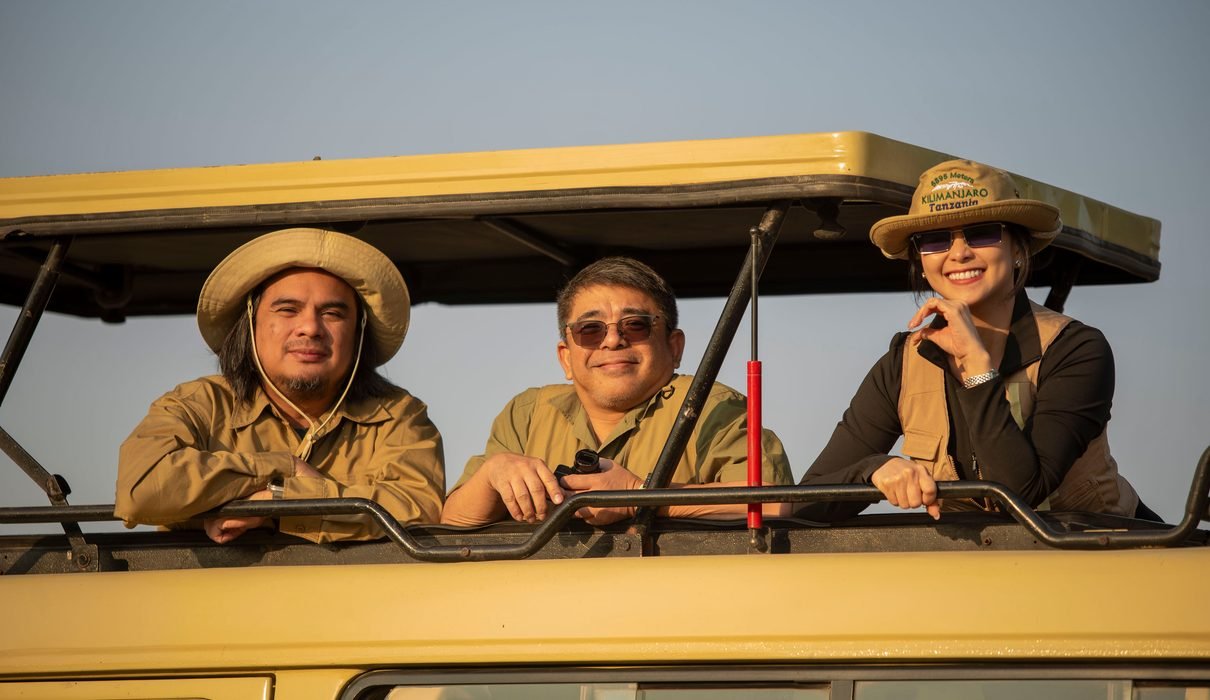
Exploring Tanzania’s national parks does not always require booking an expensive private safari. A small group sharing safari allows travelers to visit some of Africa’s most important wildlife destinations while sharing transport and guide costs with other visitors. It is a practical choice for solo travelers, couples, friends, and budget-conscious holidaymakers who want a well-organized wildlife experience without paying for an entire safari vehicle.
Our 5 Days Tanzania Small Group Sharing Safari 2027/2028 takes you through three famous destinations in northern Tanzania: Tarangire National Park, Serengeti National Park, and Ngorongoro Crater. Over five days, you will travel through different landscapes, enjoy wildlife game drives, and have opportunities to observe elephants, lions, giraffes, zebras, buffaloes, wildebeest, and many other animals living in their natural habitats. The itinerary includes two nights in the Serengeti, allowing more time for wildlife viewing than shorter safari packages that only pass through the park.
A group joining safari means you travel with other guests who have booked the same departure. Instead of hiring a private vehicle, participants share a safari vehicle and professional driver-guide, helping reduce the cost per person. The group follows an agreed itinerary, with accommodation and meals arranged according to the selected package. This makes the experience particularly attractive for travelers who want to explore Tanzania while meeting people from different countries.
The safari begins and ends in Arusha, the main gateway to Tanzania’s northern wildlife circuit. From Arusha, the journey continues to Tarangire, famous for its elephants and enormous baobab trees, before traveling through the Ngorongoro highlands toward the Serengeti plains. After spending time exploring the Serengeti, the tour concludes with a game drive inside Ngorongoro Crater, one of Tanzania’s most important wildlife conservation areas.
At Eddy Tours & Safaris, we arrange Tanzania safari holidays for travelers with different budgets and interests. Our small group sharing safaris are designed around organized departures, suitable accommodation, professional guiding, and clear travel arrangements. Whether you are visiting Tanzania for the first time or returning to explore more of its wildlife destinations, this five-day itinerary provides an opportunity to experience the northern safari circuit at a more accessible cost.
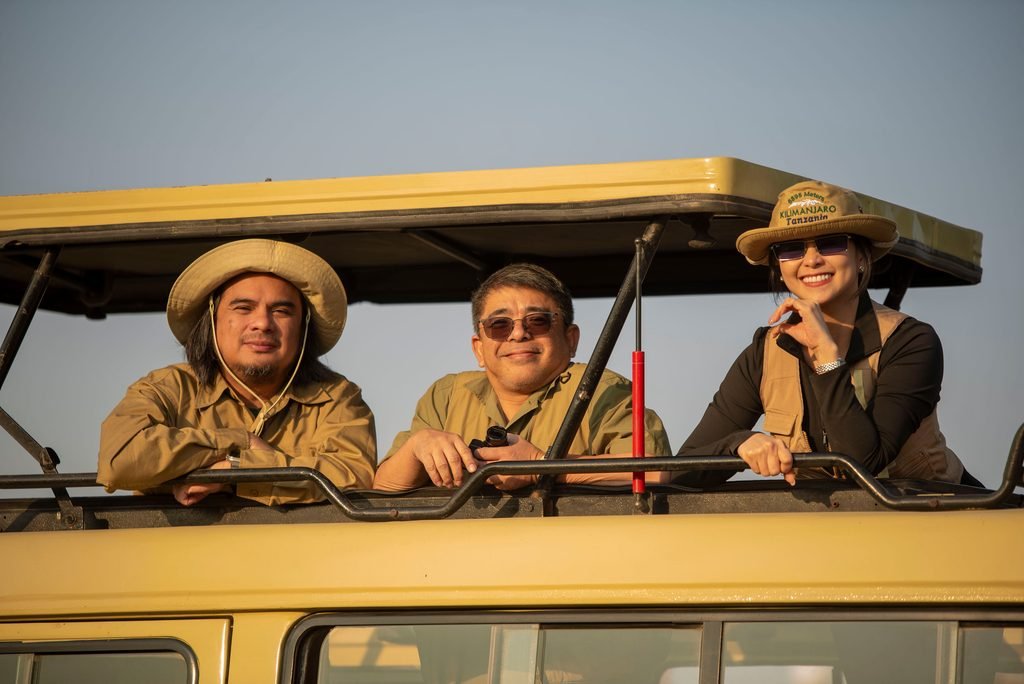
5 Days Tanzania Small Group Sharing Safari 2027/2028 – Tour Overview
| Safari information | Details |
|---|---|
| Safari name | 5 Days Tanzania Small Group Sharing Safari |
| Travel years | 2027 and 2028 |
| Duration | 5 days and 4 nights |
| Starting location | Arusha, Tanzania |
| Ending location | Arusha, Tanzania |
| Safari destinations | Tarangire, Serengeti and Ngorongoro Crater |
| Safari type | Small group joining safari |
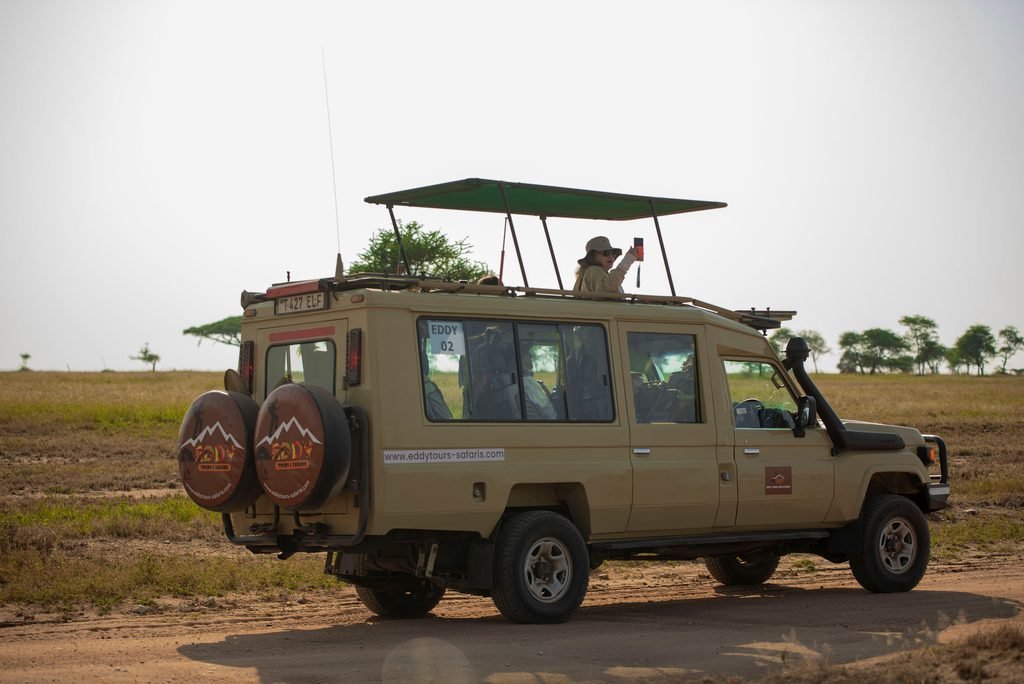
| Transport | Shared 4×4 safari vehicle with pop-up roof |
| Guide | Professional English-speaking safari driver-guide |
| Accommodation | Budget camping or lodge-based sharing package |
| Main activities | Wildlife game drives and photography |
| Group size | Small group; maximum confirmed before booking |
| Departure dates | Scheduled departures subject to confirmation |
| Best travel period | Throughout the year |
| Suitable for | Solo travelers, couples, friends and budget travelers |
Why Choose a Small Group Sharing Safari in Tanzania?
A small group sharing safari is one of the most practical ways to explore Tanzania’s national parks without paying the full cost of a private vehicle and driver-guide. Safari transport, fuel, guiding, and other shared operating expenses can represent a significant part of the total package price. When several travelers join the same departure, these costs are distributed among the participants, making the journey more affordable while still providing access to the same wildlife destinations.
Another advantage is the opportunity to meet fellow travelers. Group safaris bring together people who share an interest in wildlife, photography, nature, and travel. During the journey, participants spend time together on game drives, at picnic areas, and around their accommodation. For solo travelers, this can make the holiday more social and reduce the cost of arranging a safari independently.
The main difference between a group joining safari and a private safari is flexibility. On a private safari, the itinerary can be adjusted around the interests of one booking party, while a shared safari follows a common schedule agreed upon before departure. Game-drive routes, meal stops, departure times, and accommodation arrangements must work for the group as a whole. Travelers who enjoy meeting others and are comfortable following a planned itinerary often find this arrangement suitable.
At Eddy Tours & Safaris, we recommend confirming the maximum number of travelers, accommodation arrangements, and departure status before booking. A small group should provide enough space for passengers to enjoy wildlife viewing and photography, but the exact vehicle capacity and seating arrangements must be specified in the confirmed package.
Complete 5 Days Tanzania Small Group Sharing Safari Itinerary
Day 1: Arusha to Tarangire National Park – Elephants, Baobab Trees and Wildlife Game Drive
Starting location: Arusha
Destination: Tarangire National Park
Driving time: Approximately 2–3 hours
Main activity: Wildlife game drive
Accommodation: Campsite or lodge near Karatu
Meals: Lunch and dinner, as confirmed
Your five-day Tanzania group safari begins in Arusha, where you will meet your professional driver-guide and fellow travelers at the agreed departure location. After a short introduction and safari briefing, the group will board a specially prepared 4×4 safari vehicle and begin the journey toward Tarangire National Park. The drive passes through local settlements, farmland, and open countryside, providing an introduction to northern Tanzania before reaching the national park.
Tarangire is particularly famous for its large elephant herds and impressive baobab trees, which dominate many parts of the landscape. During the dry season, the Tarangire River becomes an important source of water for wildlife, attracting elephants, zebras, buffaloes, wildebeest, and different antelope species. The park also contains woodland, seasonal wetlands, and open grasslands, creating suitable habitats for a wide variety of animals throughout the year.
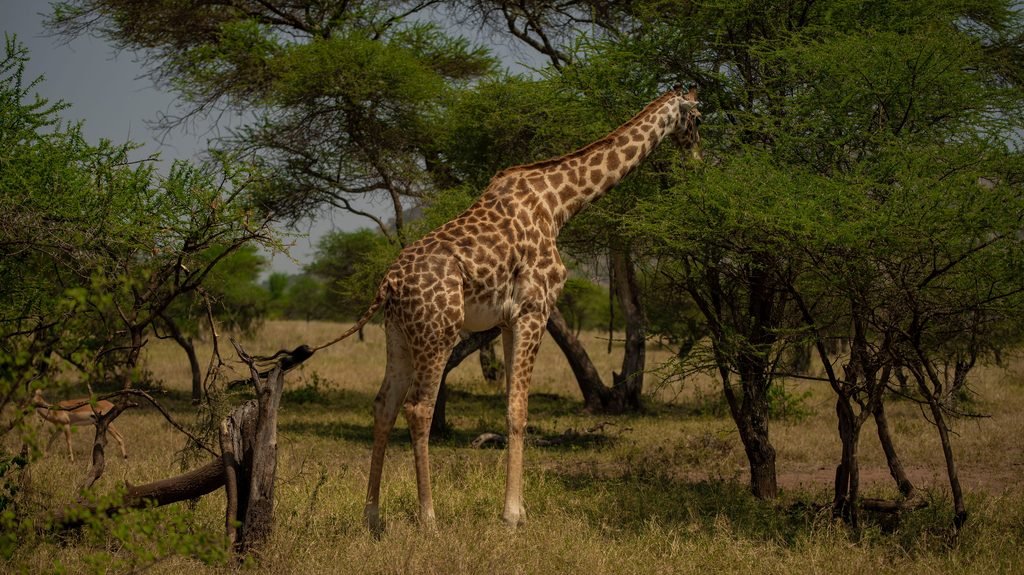
After completing the entrance procedures, your guide will begin the wildlife game drive along designated tracks. As you explore the park, you may encounter elephants moving in family groups, giraffes feeding on trees, zebras grazing across the plains, and buffaloes resting or traveling between feeding areas. Lions and leopards also inhabit Tarangire, although sightings depend on their movements and the available conditions. Your guide will help identify the animals and explain interesting aspects of their behavior.
Tarangire is also an important destination for birdwatching, with many species occupying the savannah, woodland, and wetland habitats. Hornbills, ostriches, starlings, eagles, and other birds may be encountered during the game drive. The enormous baobab trees provide attractive scenery for photography, particularly when elephants or other wildlife are moving nearby.
Around lunchtime, the group will stop at an approved picnic location to enjoy a packed lunch and take a short break. Afterward, the game drive will continue through suitable wildlife-viewing areas before leaving the park later in the afternoon. The day’s route will depend on wildlife activity, road conditions, and the time available within park operating hours.
After completing the game drive, you will travel toward your accommodation in the Karatu area, where dinner and overnight arrangements will be provided. Depending on the selected package, accommodation may be in a budget campsite or a lodge. Your guide will explain the following day’s schedule before the group settles in for the evening.
Day 1 highlights: Tarangire elephants, ancient baobab trees, giraffes, zebras, buffaloes, birdlife, and your first Tanzania wildlife game drive.
Day 2: Karatu to Serengeti National Park – Journey Through the Ngorongoro Highlands
Starting location: Karatu
Destination: Central Serengeti National Park
Driving time: Approximately 5–7 hours or longer, depending on stops and conditions
Main activity: Scenic transfer and wildlife viewing
Accommodation: Campsite or lodge in Serengeti
Meals: Breakfast, lunch and dinner
After breakfast, the group will leave Karatu and begin the journey toward Serengeti National Park. The route passes through the Ngorongoro Conservation Area, where the road climbs into the highlands and provides views of forested slopes, rolling hills, and the surrounding countryside. Depending on weather conditions and the permitted stopping locations, your guide may stop at a viewpoint overlooking Ngorongoro Crater before continuing toward the Serengeti.
As the journey progresses, the scenery gradually changes from the cooler highlands to the open plains associated with the Serengeti ecosystem. The landscape becomes increasingly expansive, with broad grasslands, scattered trees, rocky outcrops, and distant horizons. These habitats support different wildlife species, and animals may be encountered along the route as you approach the national park.
Serengeti National Park is one of Tanzania’s most important wildlife destinations and is internationally recognized for its rich biodiversity and the annual Great Wildebeest Migration. The park supports large populations of grazing animals, including wildebeest, zebras, gazelles, buffaloes, and other herbivores, as well as predators such as lions, leopards, cheetahs, and spotted hyenas. The movement of the migration herds changes throughout the year according to rainfall and grazing conditions, so their location during your visit cannot be guaranteed.
After entering the park, your guide will continue toward the central Serengeti, with opportunities for wildlife viewing along the way. Depending on the time of arrival, you may see giraffes moving through woodland areas, elephants feeding near suitable vegetation, or lions resting around rocky outcrops. The Seronera region is particularly well known for its resident wildlife and provides rewarding game-viewing opportunities during different seasons.
Lunch will be arranged at an approved location along the journey, and the group will continue toward the selected accommodation later in the afternoon. Because this is a long travel day, the amount of game-drive time available will depend on road conditions, park entry procedures, and the location of the overnight camp or lodge.
Upon arrival, you will check in at your accommodation, enjoy dinner, and prepare for the following day’s full Serengeti wildlife experience. Spending the night in the Serengeti provides an opportunity to begin the next morning’s game drive without first traveling from outside the park.
Day 2 highlights: Ngorongoro highland scenery, arrival in Serengeti National Park, open savannah landscapes, and wildlife viewing along the route.
Day 3: Full-Day Serengeti National Park Safari – Lions, Leopards, Cheetahs and the Great Migration
Destination: Central Serengeti National Park
Main activity: Full-day wildlife game drive
Accommodation: Campsite or lodge in Serengeti
Meals: Breakfast, lunch and dinner
Your third day is dedicated to exploring Serengeti National Park, allowing the group to spend more time searching for wildlife without the pressure of a long transfer to another destination. After breakfast, your guide will begin the game drive through suitable areas of the central Serengeti, where open grasslands, rocky kopjes, woodland, and riverine habitats support a wide range of animals. The day’s route will be planned according to recent wildlife activity, weather conditions, and the interests of the group.
The Serengeti is particularly famous for its predators, and visitors may have opportunities to observe lions, cheetahs, leopards, and spotted hyenas. Lions are often associated with open grasslands and rocky outcrops, where they may rest during the warmer parts of the day. Cheetahs are more commonly found in suitable open habitats, while leopards may use trees and riverine woodland for shelter. Predator sightings are never guaranteed, but the park provides important habitats for these species.
Large herbivores are another major attraction. Depending on the season and the areas visited, you may see wildebeest, zebras, gazelles, buffaloes, giraffes, elephants, and other animals feeding or moving through the landscape. During certain months, migrating wildebeest herds may be present in accessible parts of the Serengeti, although the main migration can also be located far from the central region. Your guide will explain the seasonal movement of animals and help the group understand the relationship between rainfall, grazing, and wildlife distribution.
The Serengeti’s landscape is also an important part of the safari experience. Rocky kopjes provide shelter and vantage points for some animals, while seasonal rivers and woodland areas support different wildlife communities. The combination of open plains and more sheltered habitats creates opportunities to observe animals in different surroundings, making the day interesting even when the larger predators are not visible.
Around midday, the group will stop at an approved picnic location for lunch. After a short rest, the game drive will continue through other suitable areas of the park, allowing more time for wildlife observation and photography. Because this is a shared safari, the guide will manage the day’s schedule to provide a balanced experience for all participants while respecting park regulations and the available daylight.
Later in the afternoon, you will return to your campsite or lodge for dinner and overnight accommodation. This second night in the Serengeti is one of the main advantages of the five-day itinerary, as it allows travelers to experience a full day of wildlife viewing in addition to the game drives available during arrival and departure.
Day 3 highlights: Full-day Serengeti game drive, lions, cheetahs, leopards where encountered, grazing herds, wildlife photography, and the Serengeti plains.
Day 4: Serengeti Morning Game Drive – Return to the Ngorongoro Highlands
Starting location: Serengeti National Park
Destination: Karatu or Ngorongoro highlands
Main activity: Morning game drive and afternoon transfer
Accommodation: Campsite or lodge near Karatu
Meals: Breakfast, lunch and dinner
After an early breakfast, the group will begin the day with another wildlife game drive in Serengeti National Park. Morning hours can be rewarding for wildlife observation because temperatures are often cooler and some animals are more active before the heat increases. Your guide will explore suitable habitats near the accommodation and along the planned departure route, looking for animals that may not have been encountered during the previous day’s game drive.
The morning provides another opportunity to observe lions, giraffes, elephants, zebras, buffaloes, and other wildlife living in the central Serengeti. Depending on the location and season, you may also encounter wildebeest herds or other grazing animals moving across the plains. Wildlife sightings depend on natural conditions, and your guide will follow designated tracks while allowing time for observation and photography.
After completing the game drive, the group will begin the journey back toward the Ngorongoro Conservation Area. The road passes through the Serengeti’s open landscapes before gradually climbing into the highlands, where vegetation and temperatures change noticeably. A packed lunch will be enjoyed at an approved location during the journey, and additional stops may be made where permitted and practical.
The drive back toward Karatu takes several hours, so the afternoon is primarily dedicated to traveling rather than visiting another national park. This arrangement allows the group to stay closer to Ngorongoro Crater and begin the final day’s wildlife activities early in the morning.
Upon arrival at the selected campsite or lodge, you will have time to relax, enjoy dinner, and prepare for the following day’s Ngorongoro Crater game drive. Your guide will explain the early departure arrangements and the procedures required before descending into the crater.
Day 4 highlights: Morning Serengeti wildlife viewing, scenic journey through the conservation area, and overnight accommodation near Ngorongoro.
Day 5: Ngorongoro Crater Safari – Wildlife Game Drive and Return to Arusha
Starting location: Karatu or Ngorongoro highlands
Destination: Ngorongoro Crater
Ending location: Arusha
Main activity: Crater wildlife game drive
Meals: Breakfast and lunch
Your final safari day begins with an early breakfast before departing for Ngorongoro Crater, one of the most remarkable natural wildlife areas in Tanzania. The journey passes through the Ngorongoro highlands, where the cooler climate and forested surroundings provide a contrast to the open Serengeti plains. After completing the necessary entrance and descent procedures, the group will travel down the crater wall and begin the final wildlife game drive.
Ngorongoro Crater is a large volcanic caldera formed by the collapse of an ancient volcano. Its floor contains grasslands, woodland, freshwater pools, wetlands, and a seasonal soda lake, creating habitats for a wide variety of animals. Because different wildlife species occupy the crater throughout the year, it provides opportunities to observe several large mammals within a relatively compact area.
During the game drive, you may encounter buffaloes, zebras, wildebeest, gazelles, elephants, lions, spotted hyenas, and other animals. The crater is also an important protected habitat for the endangered black rhinoceros, although rhinos may be difficult to see because of distance, vegetation, and their movements. Your guide will look for wildlife in suitable areas while following conservation regulations and maintaining appropriate distances from animals.
The crater’s wetlands and freshwater habitats support hippos and different bird species, while open grasslands provide feeding areas for grazing animals. Lions may sometimes be seen resting or moving through the grasslands, and spotted hyenas are also part of the local predator community. The surrounding crater walls create an impressive natural setting, making the visit rewarding for both wildlife observation and landscape photography.
Around midday, the group will stop at an approved picnic location to enjoy lunch before continuing the game drive. The time spent inside the crater will follow the applicable operating rules and the schedule agreed for the group. After completing the wildlife-viewing activities, your guide will drive up the crater wall and begin the journey back to Arusha.
The return drive passes through Karatu and the surrounding countryside before reaching Arusha later in the afternoon or evening, depending on road conditions and the day’s schedule. Upon arrival, travelers will be dropped at the agreed location, marking the end of the five-day Tanzania small group sharing safari.
Day 5 highlights: Ngorongoro Crater, lions, buffaloes, zebras, hippos, possible black rhino sightings, and return to Arusha.
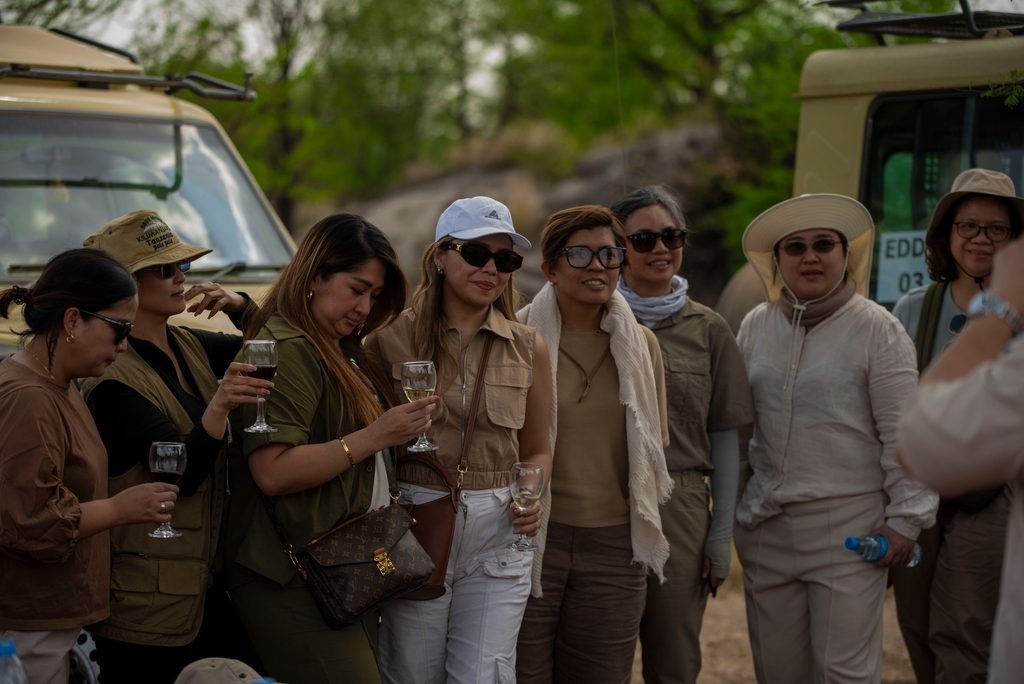
What Is a Tanzania Small Group Joining Safari?
A Tanzania small group joining safari is a shared wildlife tour in which travelers who have booked separately join the same vehicle and follow an agreed itinerary. Unlike a private safari, where one booking party has exclusive use of the vehicle and guide, a joining safari brings several participants together for the same departure. This arrangement reduces individual transport costs and makes visiting destinations such as the Serengeti and Ngorongoro more affordable.
The group normally travels in a 4×4 safari vehicle with a pop-up roof, allowing passengers to observe wildlife during game drives. The exact number of participants depends on the confirmed departure and vehicle arrangement. Before booking, travelers should ask how many guests will share the vehicle, whether each passenger will have suitable viewing space, and whether the departure is confirmed.
Accommodation arrangements also vary between packages. Some joining safaris use public campsites, while others include budget lodges or permanent tented camps. Sharing a safari vehicle does not automatically mean sharing a bedroom or tent with a stranger, and solo travelers should confirm whether a single supplement or room-sharing arrangement applies.
Wildlife You Can See During the Five-Day Tanzania Group Safari
The northern Tanzania safari circuit supports a wide variety of wildlife, and this itinerary provides opportunities to observe animals in three different protected areas. Tarangire is particularly well known for elephants, giraffes, buffaloes, zebras, and other savannah animals, while the Serengeti is internationally recognized for its predators and the seasonal movement of wildebeest herds. Ngorongoro Crater provides opportunities to see lions, buffaloes, zebras, wildebeest, hippos, elephants, and sometimes black rhinos.
Lions, leopards, cheetahs, and spotted hyenas are among the predators that visitors may encounter in suitable Serengeti habitats. Large grazing animals also attract attention, particularly when wildebeest and zebras gather in groups. Birdwatching is another rewarding part of the safari, with many species occupying grasslands, woodland, wetlands, and riverine environments.
Although the itinerary visits important wildlife destinations, no operator can guarantee sightings of particular animals. Wildlife moves freely through natural habitats, and the experience depends on the season, weather, vegetation, and the time available for game drives.
Can You See the Great Wildebeest Migration on This Safari?
The Great Wildebeest Migration is one of the Serengeti’s most famous natural events, involving the seasonal movement of large herds through the wider Serengeti–Mara ecosystem. The herds move in response to rainfall, fresh grass, and water availability, so their location changes throughout the year. During certain months, large concentrations of wildebeest may be found in the southern Serengeti and Ndutu area, while at other times the animals move toward western and northern regions.
This five-day joining safari normally concentrates on the central Serengeti, which provides rewarding resident wildlife viewing throughout the year. However, the main migration herds may be located outside the areas included in the standard itinerary. Travelers specifically interested in the southern calving season or northern Mara River crossings should choose a safari designed for those regions rather than assuming every Serengeti tour will visit the migration.
For travelers whose main priority is the Great Migration, Eddy Tours & Safaris can discuss suitable seasonal safari options according to the expected location of the herds and the available travel dates.
Best Time for a Tanzania Small Group Sharing Safari in 2027 and 2028
A five-day Tanzania joining safari can be arranged throughout the year, although seasonal conditions influence wildlife movements, scenery, accommodation demand, and road accessibility. The dry season is often popular for wildlife viewing, while the wetter months can provide green landscapes and interesting birdlife. The best travel period depends on your preferences and the destinations you most want to experience.
January to March – Green Landscapes and Wildlife Activity
The beginning of the year often brings fresh vegetation to parts of northern Tanzania, particularly where seasonal rains have encouraged grass growth. The southern Serengeti and Ndutu area may be important for wildebeest calving during suitable conditions, while central Serengeti, Tarangire, and Ngorongoro continue to support resident wildlife. Travelers should remember that a standard central Serengeti joining safari does not necessarily reach the main calving grounds.
April to May – Rainy Season Safari
April and May are commonly associated with the main rainy season in northern Tanzania. The landscapes may become greener, and some areas receive fewer visitors, but muddy roads and heavy rainfall can affect travel times and wildlife visibility. Certain accommodation options may also have seasonal operating arrangements, making advance confirmation important.
June to October – Dry Season Wildlife Viewing
June to October is generally considered a favorable period for wildlife viewing in northern Tanzania. As water becomes less widely available, animals may gather near permanent water sources, particularly in Tarangire National Park. The Serengeti remains an important destination for predators and grazing animals, while Ngorongoro Crater continues to provide wildlife-viewing opportunities throughout the year.
November to December – Short Rains and Changing Conditions
The short rains may bring greener scenery and changes in wildlife movements across the northern safari circuit. Animals may become more dispersed as fresh water and grass become available, while birdwatching can be rewarding in suitable habitats. Travelers should remain flexible because rainfall patterns and road conditions can vary.
Budget Camping and Lodge Accommodation Options
Accommodation is one of the main factors affecting the price and comfort level of a Tanzania joining safari. Many budget group safaris use public campsites, where travelers sleep in tents and share certain facilities. These arrangements can help reduce costs while allowing guests to stay close to the wildlife destinations included in the itinerary. Depending on the package, camping equipment, meals, and assistance from a safari cook may be provided.
Travelers who prefer additional comfort can ask about lodge-based joining safaris. These packages may include budget lodges, permanent tented camps, or midrange accommodation, depending on the confirmed departure. Facilities vary between properties, so it is important to check whether rooms have private bathrooms, what meals are included, and whether the accommodation is inside or outside the national parks.
For this five-day itinerary, the proposed overnight arrangements include two nights near Karatu and two nights in the Serengeti. The exact accommodation names and room arrangements must be confirmed before booking, particularly for solo travelers who may be subject to single-room supplements.
How Much Does a 5 Days Tanzania Group Sharing Safari Cost in 2027/2028?
The cost of a five-day Tanzania small group sharing safari depends on the accommodation standard, travel dates, number of participants, park fees, and services included in the package. Because the safari vehicle and driver-guide are shared, joining safaris are generally less expensive per person than private safaris offering similar destinations and accommodation. However, the final price can vary considerably between camping packages and lodge-based arrangements.
National park fees, Ngorongoro Conservation Area charges, accommodation, meals, transport, and guide services are important components of the safari cost. Travelers should also consider whether the quoted price includes drinking water, camping equipment, airport transfers, and accommodation before or after the safari. A lower advertised price may not represent better value if important services are excluded.
At Eddy Tours & Safaris, we recommend requesting a complete quotation that clearly states the inclusions, exclusions, group size, accommodation, and departure status. Travelers should also confirm whether a single supplement applies and whether the price depends on a minimum number of participants.
For more information about safari expenses, read our Tanzania Safari Cost Guide.
What Is Included in the Five-Day Tanzania Joining Safari?
The proposed group sharing safari can include transport in a shared 4×4 safari vehicle with a pop-up roof, a professional English-speaking driver-guide, applicable national park and conservation fees, four nights of accommodation, and meals according to the confirmed itinerary. Game drives in Tarangire, Serengeti, and Ngorongoro Crater can also be included, together with drinking water during safari activities and agreed pickup and drop-off arrangements in Arusha.
For budget camping departures, the package may additionally include tents, sleeping equipment, and the services of a safari cook. The exact inclusions depend on the selected package and should be stated clearly in the written quotation before booking.
What Is Not Included?
Unless specifically stated in the confirmed package, international flights, domestic flights, Tanzania visa fees, travel insurance, tips, alcoholic beverages, personal purchases, and optional activities are generally excluded. Additional accommodation before or after the safari, airport transfers outside the agreed arrangements, and single-room supplements may also involve extra charges.
What Should You Pack for a Tanzania Group Joining Safari?
Packing for a five-day Tanzania safari requires practical clothing and a few essential items for wildlife viewing and overnight accommodation. Lightweight clothing in neutral colors is suitable for most daytime activities, while a warm jacket or fleece is important for early mornings and the cooler Ngorongoro highlands. Comfortable shoes, sunglasses, sunscreen, and a sun hat are also useful during the journey.
A camera and binoculars are particularly valuable because some wildlife may be observed at a distance from the vehicle. Travelers should also bring insect repellent, personal medication, travel documents, a phone charger, and a small daypack for items needed during game drives. Soft-sided luggage is generally easier to arrange in a shared safari vehicle than large rigid suitcases.
For camping departures, confirm whether sleeping bags, pillows, and other personal camping items are provided. Accommodation facilities vary, so understanding what is included before departure will help you prepare appropriately.
Is a Tanzania Small Group Sharing Safari Suitable for Solo Travelers?
Yes. Small group joining safaris are particularly suitable for solo travelers because they provide an opportunity to share transport costs and travel with other visitors. Instead of paying for an entire private safari vehicle, a solo traveler can join a scheduled departure and participate in the same game drives as the rest of the group.
However, solo travelers should confirm the accommodation arrangements before booking. Some packages may require a single-room supplement, while others may offer shared accommodation under agreed conditions. Travelers should also ask whether the departure is already confirmed and how many participants are expected.
Small Group Sharing Safari vs. Private Tanzania Safari
Both group joining and private safaris visit the same national parks, but the travel arrangements are different. A group joining safari follows a fixed itinerary with shared transport, making it suitable for travelers who want to reduce costs and enjoy a social experience. A private safari provides exclusive use of the vehicle and guide, allowing greater flexibility in the daily schedule and accommodation choices.
For budget-conscious travelers, a small group sharing safari can provide good value when the package includes the necessary park fees, transport, accommodation, and meals. For families, photographers, or travelers who prefer a more flexible schedule, a private safari may be more suitable. The best option depends on your budget, preferred travel style, and the experience you want from your holiday.
Frequently Asked Questions About the 5 Days Tanzania Small Group Sharing Safari 2027/2028
1. What is a Tanzania small group sharing safari?
It is a safari where travelers who book separately join the same vehicle and follow an agreed itinerary, sharing transport and guide costs.
2. Is five days enough for a Tanzania safari?
Yes. Five days allows travelers to visit Tarangire, Serengeti, and Ngorongoro Crater, including two nights in the Serengeti.
3. Where does the safari start?
The safari normally begins in Arusha, with the exact meeting point confirmed before departure.
4. Where does the safari end?
The safari ends in Arusha after the Ngorongoro Crater visit on the final day.
5. How many people will share the safari vehicle?
The number depends on the confirmed departure and vehicle arrangement. The maximum group size should be provided before booking.
6. Is the safari suitable for solo travelers?
Yes. Joining safaris are suitable for solo travelers who want to share transport costs and meet fellow travelers.
7. Does the safari include Serengeti National Park?
Yes. The itinerary includes two nights in the Serengeti and a full day of wildlife viewing.
8. Does the safari include Ngorongoro Crater?
Yes. The final day includes a game drive inside Ngorongoro Crater before returning to Arusha.
9. Can I see the Big Five?
All five species occur across the wider safari destinations, but seeing every species cannot be guaranteed.
10. Can I see the Great Wildebeest Migration?
You may encounter migration herds when they are present in accessible areas, but the standard itinerary does not guarantee migration sightings or river crossings.
11. What is the best month for a Tanzania joining safari?
The safari can operate throughout the year. June to October is often favorable for dry-season wildlife viewing, while other months offer different landscapes and wildlife conditions.
12. Is accommodation included?
Yes, accommodation can be included according to the selected camping or lodge-based package.
13. Will I share a room with other travelers?
Not necessarily. Room-sharing arrangements depend on the package and should be confirmed before booking.
14. Are meals included?
Meals are provided according to the confirmed itinerary and accommodation arrangements.
15. Are national park fees included?
The proposed package is designed to include applicable park and conservation fees, with exact inclusions confirmed before booking.
16. Is camping equipment provided?
Camping equipment may be included in budget camping packages. Travelers should confirm the exact equipment provided before departure.
17. Can couples join the safari?
Yes. Couples can join a scheduled group departure and request suitable accommodation arrangements.
18. Can I join the safari after climbing Kilimanjaro?
Yes. Many travelers combine Mount Kilimanjaro climbing with a wildlife safari, although transfer and departure arrangements must be coordinated.
19. Can I start from Moshi?
A transfer from Moshi to the group meeting point in Arusha can be arranged, subject to the confirmed departure schedule.
20. How much does the five-day joining safari cost?
The price depends on accommodation, travel dates, park fees, and group arrangements. Contact Eddy Tours & Safaris for a personalized quotation.
21. Are there departures in 2027 and 2028?
You can request departure dates for 2027 and 2028. Actual availability and confirmed group schedules must be checked before booking.
22. Can I book a private safari instead?
Yes. A similar itinerary can be arranged privately for couples, families, friends, or other groups.
23. What happens if the group departure is not confirmed?
The available options depend on the booking conditions. Travelers should ask about minimum participant requirements, alternative departures, and refund terms before paying.
24. How do I book the safari?
Contact Eddy Tours & Safaris with your preferred travel dates, number of travelers, accommodation preference, and any special requirements. Our team can then explain the available joining options and prepare a quotation.
Book Your 5 Days Tanzania Small Group Sharing Safari 2027/2028
A five-day Tanzania small group sharing safari is a practical way to explore some of northern Tanzania’s most important wildlife destinations while keeping travel costs manageable. Tarangire provides opportunities to observe elephants among enormous baobab trees, the Serengeti offers extensive plains and habitats for predators and grazing animals, and Ngorongoro Crater supports a wide variety of wildlife within an impressive volcanic landscape. Together, these destinations provide a varied safari experience suitable for travelers visiting Tanzania for the first time.
At Eddy Tours & Safaris, we can help you find a suitable group joining departure for 2027 or 2028, explain the accommodation options, and provide a detailed quotation showing the services included in your booking. Whether you are traveling alone, as a couple, or with friends, our team can discuss the available packages and help you choose an itinerary that suits your budget and travel dates.
Request your 2027 or 2028 Tanzania group sharing safari today.
View Our 5-Day Tanzania Joining Safari Package
Chat with Eddy Tours & Safaris on WhatsApp
Email: sales@eddytours-safaris.com
You can also explore our 6-Day Tanzania Joining Group Safari, Tanzania Safari Packages, and Tanzania Safari Cost Guide to compare different travel options.
Explore Tanzania’s national parks with Eddy Tours & Safaris and share the experience with fellow travelers.