

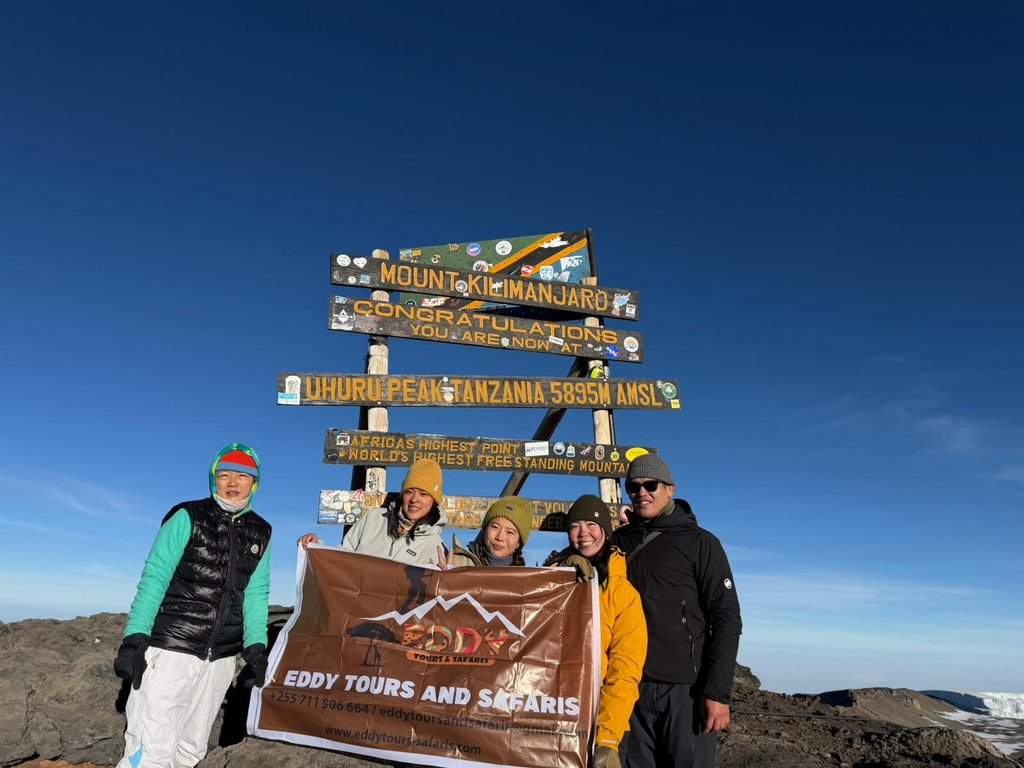
Climbing Mount Kilimanjaro is one of the most popular mountain adventures in Tanzania, and the 6-day Machame Route remains a common choice for travellers who want to reach Africa’s highest peak within a limited holiday schedule. The route offers rainforest walks, open mountain landscapes, views across the Shira Plateau, the famous Barranco Wall and a final climb towards Uhuru Peak at 5,895 metres above sea level.
However, choosing the right Kilimanjaro tour involves more than finding the lowest price. Two companies may advertise the same 6-day Machame itinerary but provide very different services, including guide experience, camping equipment, meals, safety arrangements and support for mountain crews. These differences can affect your comfort, safety and overall experience.
This guide explains how to compare 36 different 6-day Machame tour options for 2027, 2028 and 2029, what affects their prices, what should be included in a climbing package and how to choose a reliable local operator in Tanzania.
The 36 options below are comparison categories based on group size, service level and travel arrangements, rather than 36 independently verified tour-company listings. This makes it easier to understand the different packages available without relying on unconfirmed prices or invented operator offers.
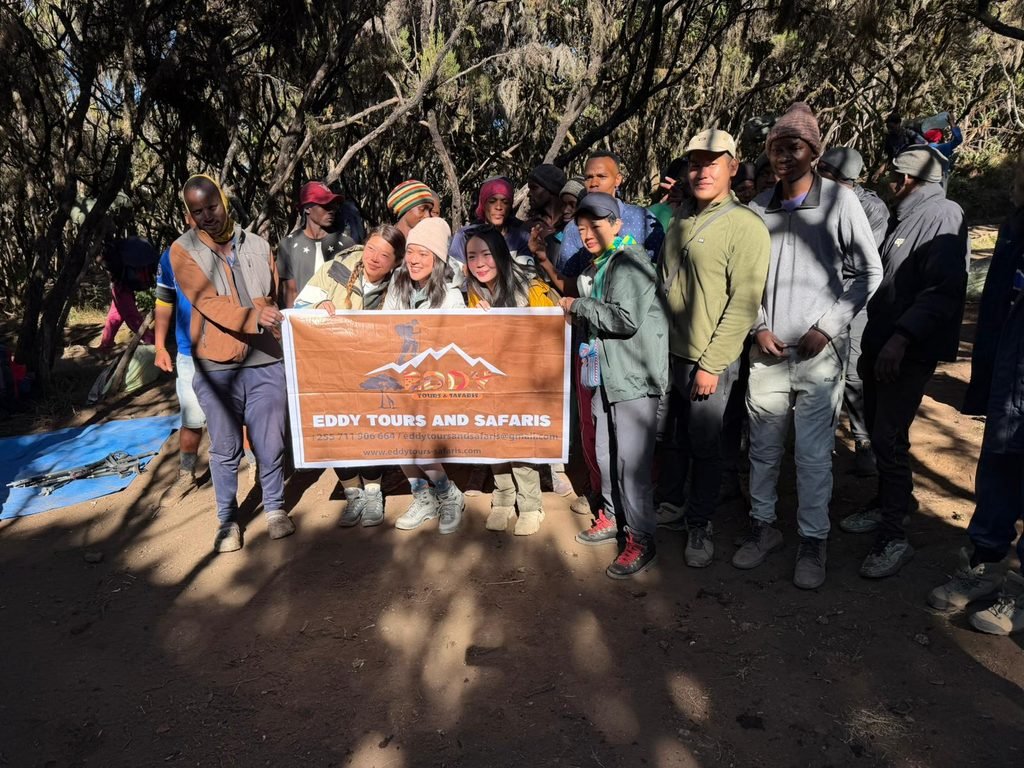
Why Choose the 6-Day Machame Route for Kilimanjaro?
The Machame Route, commonly called the Whiskey Route, approaches Kilimanjaro from the southern side of the mountain. It is popular because of its changing scenery and its route through several distinct vegetation zones. Climbers begin in tropical rainforest, continue through heath and moorland, cross alpine desert landscapes and eventually reach the cold summit zone.
The six-day itinerary is attractive to travellers who cannot spend an entire week or more on the mountain. It follows the same general trail as the seven-day version but combines the Barranco-to-Karanga and Karanga-to-Barafu sections into one longer trekking day.
This shorter schedule has an important disadvantage: less time to adjust to altitude. Although the Machame Route includes an acclimatization hike near Lava Tower, the seven-day version provides an additional night on the mountain and is generally a better choice for climbers who can afford the extra time.
Quick Facts About the 6-Day Machame Route
| Feature | Details |
|---|---|
| Mountain | Mount Kilimanjaro, Tanzania |
| Summit | Uhuru Peak, 5,895 metres |
| Route | Machame (Whiskey Route) |
| Duration | 6 days, 5 mountain nights |
| Accommodation | Tented camping |
| Starting point | Machame Gate |
| Finishing point | Mweka Gate |
| Difficulty | Challenging high-altitude trekking |
| Best-known feature | Barranco Wall |
| Recommended experience | Good fitness and preparation |
| Suitable travel years | 2027, 2028 and 2029 |
Compare 36 Kilimanjaro Machame Tour Options for 2027–2029
When comparing Machame climbing packages, travellers should consider the number of people sharing the tour, accommodation arrangements, equipment standards and additional services. A lower-priced package may be suitable for an experienced traveller who already owns equipment, while another climber may prefer a more comprehensive package that includes airport transfers, hotel accommodation and rental gear.
The following 36 options represent different ways a six-day Machame climb can be organized.
| No. | Tour option | Best suited for |
|---|---|---|
| 1 | Budget group joining climb | Solo travellers seeking lower costs |
| 2 | Standard group joining climb | Travellers wanting shared services |
| 3 | Small-group climbing tour | Climbers preferring fewer participants |
| 4 | Private climb for one person | Solo travellers wanting flexibility |
| 5 | Private climb for two people | Couples or two friends |
| 6 | Private climb for three people | Small friendship groups |
| 7 | Private climb for four people | Families or friends |
| 8 | Private climb for five people | Small organized groups |
| 9 | Private climb for six people | Larger friendship groups |
| 10 | Private climb for eight people | Group travellers |
| 11 | Private climb for ten people | Clubs or organized groups |
| 12 | Private climb for twelve people | Larger climbing parties |
| 13 | Standard camping package | Travellers seeking essential services |
| 14 | Upgraded camping package | Climbers wanting additional comfort |
| 15 | Premium camping package | Travellers prioritizing camp facilities |
| 16 | Climb with equipment rental | Travellers without complete trekking gear |
| 17 | Climb with hotel accommodation | Travellers wanting pre- and post-climb stays |
| 18 | Climb with airport transfers | International visitors |
| 19 | Climb with private transport | Travellers wanting flexible transfers |
| 20 | Climb with extra hotel nights | Visitors needing additional rest |
| 21 | Climb with a dedicated private guide | Travellers seeking personalized attention |
| 22 | Climb with additional guide support | Groups wanting extra assistance |
| 23 | Climb with upgraded sleeping equipment | Climbers prioritizing warmth and comfort |
| 24 | Climb with upgraded mountain meals | Travellers with specific meal preferences |
| 25 | Climb with dietary arrangements | Vegetarian, vegan or other dietary needs |
| 26 | Climb with extra porter allowance | Travellers carrying additional permitted gear |
| 27 | Climb with photography assistance | Travellers wanting documented memories |
| 28 | Climb with cultural activities | Visitors interested in local experiences |
| 29 | Climb with a Moshi hotel stay | Travellers staying near Kilimanjaro |
| 30 | Climb with an Arusha hotel stay | Travellers beginning in Arusha |
| 31 | Climb followed by a Tarangire safari | Wildlife enthusiasts |
| 32 | Climb followed by a Ngorongoro safari | Travellers combining trekking and wildlife |
| 33 | Climb followed by a Serengeti safari | Visitors planning a longer Tanzania holiday |
| 34 | Climb followed by Zanzibar | Travellers wanting a beach holiday |
| 35 | Climb with a flexible arrival schedule | Travellers needing customized logistics |
| 36 | Fully customized Machame package | Travellers with specific requirements |
These categories are not guaranteed products offered by every operator. Before booking, ask the company to confirm exactly which arrangements are available, their costs and whether any additional services affect the climbing itinerary.
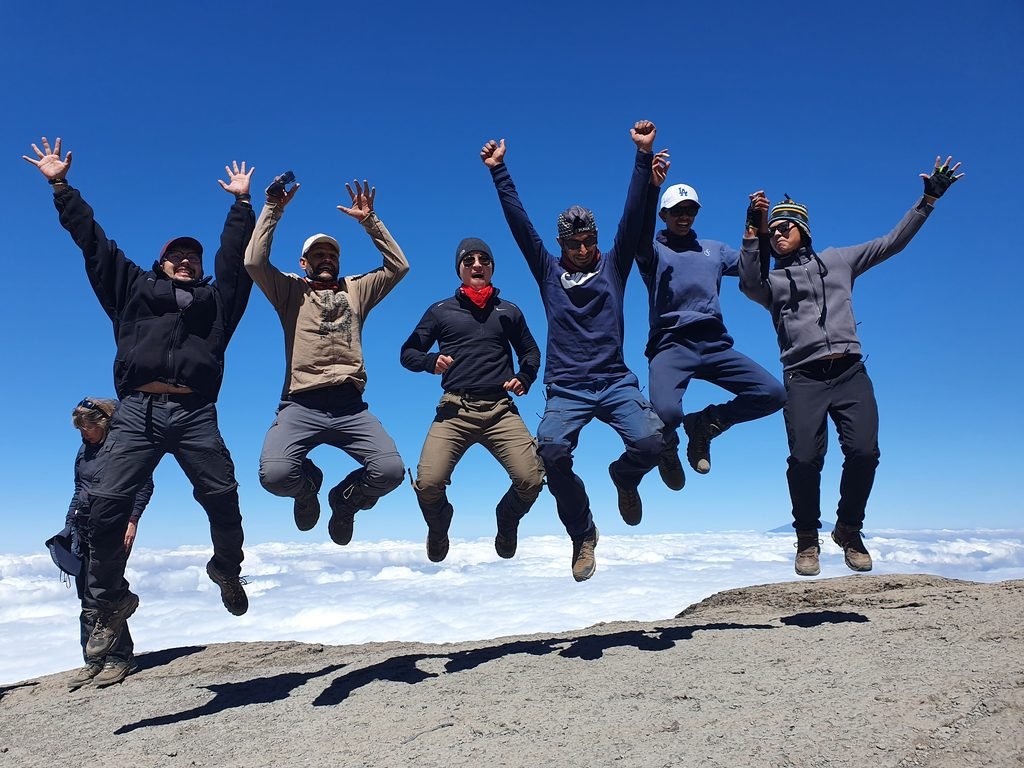
How Much Does a 6-Day Machame Route Cost in 2027, 2028 and 2029?
The price of a Kilimanjaro climb depends on park fees, group size, guide and porter wages, transport, camping equipment, food, hotel accommodation and the level of service provided by the operator. Prices also vary depending on whether travellers book a private climb or join an existing group.
For general budgeting, the following figures can help travellers understand the difference between service categories. They are illustrative planning ranges, not confirmed quotations or published 2027–2029 prices.
| Package category | Illustrative price per person |
|---|---|
| Budget group joining | USD 1,500–1,900 |
| Standard group joining | USD 1,900–2,300 |
| Small-group climbing | USD 2,100–2,600 |
| Private climb for two | USD 2,200–3,000 |
| Private solo climb | USD 2,700–3,600 |
| Premium private climb | USD 3,000–4,000+ |
A package costing USD 1,600 may look attractive, but travellers should establish whether it includes all compulsory park fees, adequate guide and porter arrangements, meals, safe equipment and required mountain support. A higher quotation may offer better overall value when these services are included.
For 2028 and 2029, travellers should request updated written quotations because park tariffs, labour costs, transport expenses and other operating costs may change.
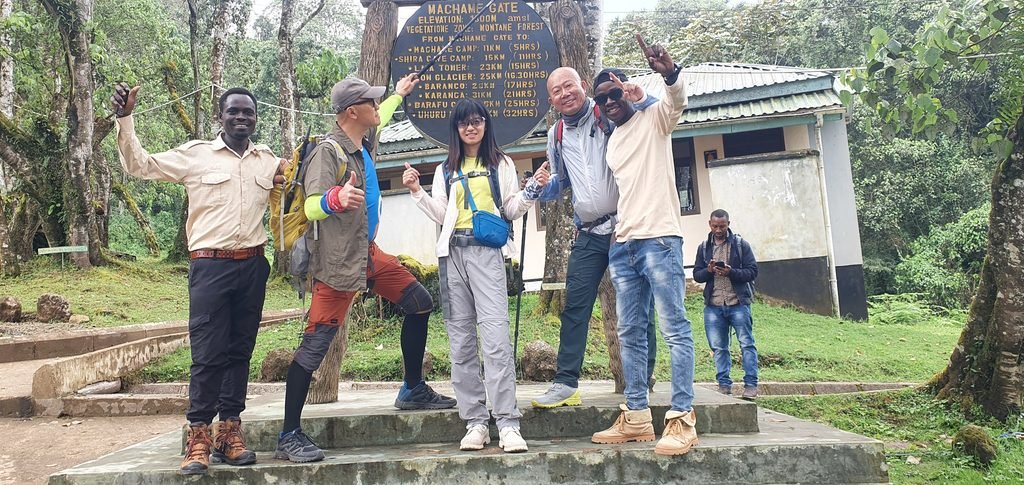
Understanding Kilimanjaro Park Fees
Kilimanjaro National Park is managed by Tanzania National Parks (TANAPA), and climbing operators must account for the relevant park charges when preparing quotations.
For international non-resident visitors, the cost of a six-day camping climb includes conservation fees, camping fees and applicable rescue charges. Operators must also account for relevant crew costs and park requirements.
As an example, using widely published rates of USD 70 per day for conservation, USD 50 per camping night and USD 20 for rescue, the calculation for one adult climber is:
| Fee | Calculation | Amount |
|---|---|---|
| Conservation | 6 × USD 70 | USD 420 |
| Camping | 5 × USD 50 | USD 250 |
| Rescue | Once | USD 20 |
| Subtotal | USD 690 | |
| VAT at 18% | USD 690 × 18% | USD 124.20 |
| Illustrative total | USD 814.20 |
This calculation excludes crew-related park charges and all other tour operating expenses. It should not be treated as a confirmed official tariff for 2027, 2028 or 2029.
Before making a payment, check the latest fees directly through the Tanzania National Parks website.
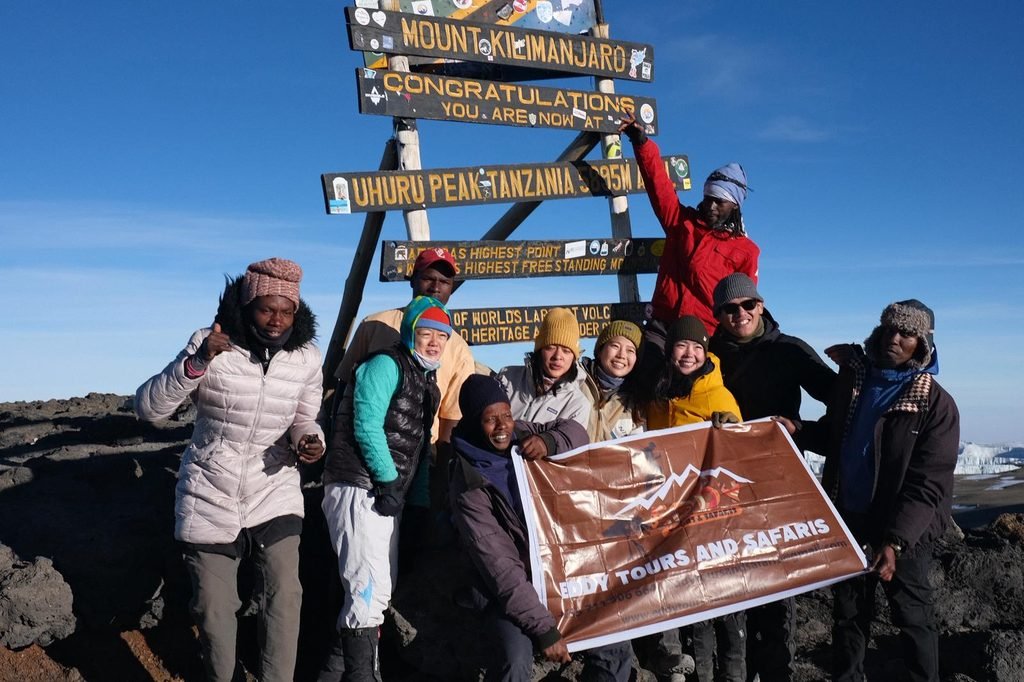
Complete 6-Day Machame Route Kilimanjaro Itinerary
Day 1: Machame Gate to Machame Camp
Your Kilimanjaro climb begins with a transfer from Moshi or Arusha to Machame Gate, where guides complete registration and the climbing team prepares for the trek. After the necessary arrangements, you enter the rainforest and begin walking uphill through dense vegetation. The forest is often damp, and rain is possible even during relatively dry months.
The trail gradually gains altitude until you reach Machame Camp at approximately 3,000 metres. Your mountain crew prepares the campsite and dinner while you rest and discuss the next day’s route with your guide.
Approximate trekking time: 5–7 hours.
Day 2: Machame Camp to Shira Camp
After breakfast, you leave the rainforest and climb into the heath and moorland zone. The landscape becomes more open, providing views of the surrounding valleys and, when conditions are clear, the upper slopes of Kilimanjaro.
The path includes steeper sections and rocky ground before reaching the Shira Plateau. You continue towards Shira Camp at approximately 3,840 metres, where you spend the second night. At this elevation, it is particularly important to maintain a comfortable walking pace and report any symptoms of altitude illness to your guide.
Approximate trekking time: 4–6 hours.
Day 3: Shira Camp to Barranco Camp via Lava Tower
The third day is an important part of the Machame acclimatization schedule. After leaving Shira Camp, you walk towards Lava Tower, situated at approximately 4,600 metres. The climb takes you into the alpine desert, where vegetation becomes limited and the temperature may drop considerably.
After reaching the Lava Tower area, you descend towards Barranco Camp at approximately 3,960 metres. This higher daytime ascent followed by a lower sleeping elevation provides an opportunity for altitude adaptation, although it does not eliminate the risk of altitude sickness.
Barranco Camp is known for its impressive position beneath the Barranco Wall and its views of Kilimanjaro’s upper slopes.
Approximate trekking time: 6–8 hours.
Day 4: Barranco Camp to Barafu Camp via Karanga
Day four is one of the main challenges of the six-day Machame itinerary. After breakfast, you begin climbing the Barranco Wall, a steep rocky section that requires careful movement and occasional use of your hands for balance. Although it is not normally considered technical rock climbing, some sections are exposed and require attention.
After crossing the wall, you continue through the Karanga Valley and pass Karanga Camp before climbing towards Barafu Camp at approximately 4,670 metres. Unlike the seven-day itinerary, the six-day route does not normally include an overnight stop at Karanga.
You arrive at Barafu, prepare your equipment, eat and rest before the summit attempt. Because the summit departure is usually around midnight, there is limited recovery time after this long trekking day.
Approximate trekking time: 7–10 hours.
Day 5: Barafu Camp to Uhuru Peak, Then Descend to Mweka Camp
The summit attempt usually begins around midnight. Wearing warm clothing and carrying a headlamp, you follow your guide up steep volcanic slopes towards Stella Point on the crater rim. The combination of altitude, cold temperatures and physical fatigue makes this section especially demanding.
From Stella Point, climbers who are able to continue follow the crater rim towards Uhuru Peak, the highest point in Africa at 5,895 metres. Reaching the summit is a major achievement, but safety must remain the priority, and guides may require a climber to descend if symptoms or conditions become dangerous.
After the summit attempt, you return towards Barafu Camp and continue descending to Mweka Camp, where you spend your final night on the mountain.
Approximate trekking time: 12–16 hours or longer, depending on conditions.
Day 6: Mweka Camp to Mweka Gate
After breakfast, you descend through the rainforest towards Mweka Gate. The trail can be muddy and slippery, especially after rain, so careful walking remains important even though you are losing altitude.
At the gate, the team completes the necessary exit arrangements before transferring you back to your hotel in Moshi or Arusha. Climbers who reach the relevant summit points receive the appropriate certificates according to park procedures.
Approximate trekking time: 3–5 hours.
6-Day Machame vs 7-Day Machame: Which Offers Better Value?
The biggest difference between the six-day and seven-day Machame itineraries is the additional acclimatization time. Both routes cover similar terrain and normally use the same approach and descent trails, but the seven-day version separates the Barranco-to-Barafu section into two days.
| Feature | 6-Day Machame | 7-Day Machame |
|---|---|---|
| Mountain nights | 5 | 6 |
| Karanga Camp overnight | No | Yes |
| Acclimatization time | Shorter | Longer |
| Day before summit | More demanding | Less compressed |
| Overall cost | Usually lower | Usually higher |
| Recommended for | Time-limited, well-prepared climbers | Most climbers who can allow an extra day |
For travellers focused entirely on saving time, the six-day route can be appealing. However, for most first-time high-altitude climbers, the seven-day Machame route is generally the better investment because the extra night provides more time to adapt before the summit attempt.
No responsible operator should guarantee that a particular itinerary will result in a successful summit. Individual health, acclimatization, weather, preparation and guide decisions all influence the outcome.
What Should Be Included in a Good Machame Climbing Package?
Before booking any of the 36 tour categories, request a detailed written list of inclusions and exclusions. This allows you to compare different companies fairly instead of relying on the advertised headline price.
A well-organized climbing package commonly includes:
- Kilimanjaro National Park fees and applicable camping charges.
- Licensed mountain guides and an appropriate support crew.
- Tents, sleeping mats and necessary shared camping equipment.
- Meals and drinking-water arrangements during the climb.
- Transport between the hotel and the mountain gates.
- Emergency communication and first-aid arrangements.
- Crew wages and agreed operating expenses.
- A clear itinerary showing each camp and trekking day.
Additional services such as hotel accommodation, airport transfers, personal trekking equipment, travel insurance, crew tips and extra activities may be included or charged separately.
Travellers should also ask how the company monitors altitude-related symptoms, what emergency equipment is available and how evacuation arrangements work.
Best Time to Climb the Machame Route in 2027, 2028 and 2029
Mount Kilimanjaro can be climbed throughout the year, but weather conditions differ considerably by season. Some periods generally offer more stable weather, while others experience heavier rainfall, muddy trails and reduced visibility.
January to March
These months often provide suitable climbing conditions, particularly during January and February. Conditions can still change rapidly, and summit temperatures remain cold throughout the year.
April to May
This period commonly experiences heavier rainfall. The rainforest sections may become particularly wet, and higher sections can experience cloud, snow and difficult visibility. Climbers choosing these months should be prepared for challenging conditions.
June to October
These months are among the most popular for Kilimanjaro climbing because they often bring comparatively dry conditions. July, August and September can be busy, so travellers planning a group climb should make arrangements early.
November to December
November is commonly associated with short rains, while conditions may improve at different points in December. Actual weather varies from year to year, and climbers should prepare for rain and cold regardless of their travel dates.
How to Choose a Reliable Kilimanjaro Tour Operator
When comparing climbing companies, the quality of their mountain operations matters more than promotional language or claims of exceptionally high summit success rates.
Begin by checking that the company is properly licensed and can explain how it organizes guides, porters, meals, camping equipment and park payments. Ask whether the climb will be operated directly by the company or subcontracted to another provider.
You should also request information about the lead guide’s experience, group size, emergency procedures and porter welfare. A reliable operator should be willing to explain these arrangements clearly before you make a deposit.
Reviews from previous climbers can provide useful information about communication, food, equipment, guide support and the overall experience. However, reviews should be considered alongside the actual services included in the written quotation.
Can Beginners Climb Kilimanjaro Using the 6-Day Machame Route?
It is possible for people without technical mountaineering experience to climb the Machame Route, but that does not mean the climb is easy. The route includes steep uphill walking, rocky terrain, long trekking days and exposure to very high altitude.
Beginners should prepare through regular walking, hiking, stair climbing and other appropriate endurance activities. Where possible, training should include consecutive hiking days to become familiar with sustained physical effort.
Altitude presents a separate challenge from physical fitness. Even a very fit person can develop altitude sickness, so climbers must follow their guide’s advice and avoid treating summit completion as more important than their health.
For travellers who have never trekked at high altitude, choosing seven days instead of six is often the more sensible option.
What to Pack for a 6-Day Machame Kilimanjaro Climb
Kilimanjaro has significant temperature changes between the rainforest and summit zones. Packing should therefore focus on warm layers, weather protection and equipment suitable for several days of trekking.
Important items include waterproof hiking boots, thermal base layers, an insulated jacket, a waterproof outer jacket, gloves, warm headwear, hiking trousers, a headlamp, trekking poles, a sleeping bag suitable for cold mountain conditions and a comfortable daypack.
You should also carry sun protection, personal medication, reusable water containers and suitable snacks. Before departure, request an equipment checklist from your operator so that you can confirm which items are provided and which must be purchased or rented.
Combine Your Machame Climb With a Tanzania Safari or Zanzibar Holiday
Many international travellers visit Tanzania for more than one activity. After completing Kilimanjaro, it is possible to continue with a wildlife safari or spend several days relaxing on Zanzibar’s beaches.
A short safari to Tarangire National Park or Ngorongoro Crater can be arranged for travellers with limited additional time. Visitors planning a longer holiday may prefer the Serengeti, where wildlife viewing opportunities vary by location and season.
Zanzibar is another popular option after Kilimanjaro. Travellers can spend time on the beaches of Nungwi, Kendwa, Paje or Jambiani, or explore the history and architecture of Stone Town.
These extensions require additional time and cost, but arranging them together with your mountain climb may simplify transport and overall holiday planning.
Frequently Asked Questions About the 6-Day Machame Route
Is the 6-day Machame Route difficult?
Yes. The route involves steep trekking sections, high altitude and a demanding summit attempt. Good preparation is important, but even experienced hikers can be affected by altitude.
Is six days enough to climb Kilimanjaro?
Six days is an established Machame itinerary, but it provides less acclimatization time than the seven-day option. Climbers who have flexibility should strongly consider the longer itinerary.
How much does a six-day Machame climb cost?
The price depends on the operator, group size, service standards and inclusions. Ask for a complete quotation showing all park fees, crew arrangements, accommodation, transport and additional expenses.
Can I join a group climb as a solo traveller?
Yes. Some operators organize scheduled group departures where individual travellers can share the climbing experience and certain operating costs.
Do climbers sleep in hotels on the Machame Route?
No. The Machame Route uses designated mountain camps with tents. Hotel accommodation is generally arranged before and after the climb.
Can I climb Kilimanjaro without a guide?
No. Kilimanjaro National Park requires climbs to be organized with authorized guiding arrangements through licensed operators.
When should I book for 2027, 2028 or 2029?
Booking early can be helpful, particularly for popular travel periods and private groups. However, travellers should verify the operator’s terms, availability, cancellation conditions and current park charges before paying.
Is the 6-day Machame Route cheaper than the 7-day route?
Usually, yes, because it involves one fewer mountain day. However, the saving should be weighed against the benefits of an additional acclimatization night.
Book Your 6-Day Machame Route With Eddy Tours & Safaris
Planning a Kilimanjaro climb for 2027, 2028 or 2029? Eddy Tours & Safaris is a local tour company based in Arusha, Tanzania, offering assistance with Kilimanjaro trekking arrangements and customized Tanzania holidays.
Whether you are travelling alone, as a couple or with a group of friends, you can request a quotation based on your preferred travel dates, number of climbers and accommodation requirements. Our team can also help you compare the six-day and seven-day Machame itineraries so that you understand the differences before making your decision.
For travellers interested in combining Kilimanjaro with a wildlife safari or Zanzibar holiday, we can discuss a suitable itinerary based on the number of days available.
Contact Eddy Tours & Safaris
Website: https://eddytours-safaris.com/
Email: sales@eddytours-safaris.com
WhatsApp: +255 711 906 664
Request your Kilimanjaro climbing quotation: https://eddytours-safaris.com/contact/
Tell us your preferred year, travel month, number of climbers and whether you want a private or group departure. We will help you plan a suitable Kilimanjaro climbing experience in Tanzania.