
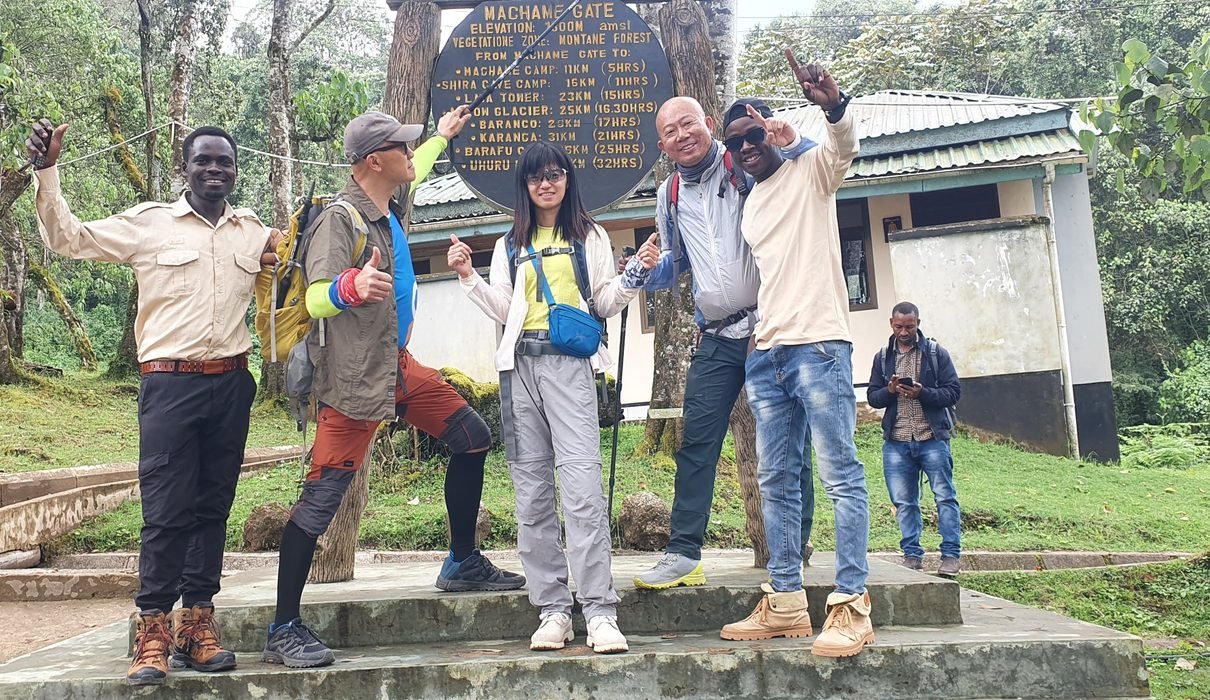
Climbing Mount Kilimanjaro along the Machame Route is one of the most rewarding mountain experiences in Tanzania. From the thick rainforest surrounding Machame Gate to the rocky slopes, open valleys and snow-covered sections near Uhuru Peak, every day introduces a different side of Africa’s highest mountain. The 6-day Machame Route takes climbers through five ecological zones, offering excellent opportunities for mountain photography while experiencing the natural beauty of Kilimanjaro at different elevations.
At Eddy Tours & Safaris, we organize guided Kilimanjaro climbing expeditions for solo travellers, couples, friends and organized groups planning to visit Tanzania in 2027, 2028 and 2029. This photographic journey explains what you can expect throughout the six days, including the mountain scenery, camping experience, difficult sections, preparation requirements and the journey towards Uhuru Peak at 5,895 metres above sea level.
Overview of the 6-Day Kilimanjaro Machame Route
Commonly known as the Whiskey Route, Machame is particularly popular among climbers who enjoy varied landscapes and challenging mountain trails. The route approaches Kilimanjaro from the southern side, crosses the Shira Plateau and continues through Lava Tower, Barranco Valley and the southern slopes of Kibo before reaching Barafu Camp. The descent follows the Mweka Route, allowing climbers to experience different scenery on their return.
| Package Information | Details |
|---|---|
| Destination | Mount Kilimanjaro, Tanzania |
| Climbing route | Machame Route |
| Duration | 6 days and 5 nights |
| Travel years | 2027, 2028 & 2029 |
| Highest elevation | 5,895 metres |
| Starting point | Machame Gate |
| Finishing point | Mweka Gate |
| Accommodation | Mountain camping tents |
| Difficulty | Challenging |
| Tour type | Private or group climbing |
| Best climbing months | January–early March and June–October |
| Package price | Available upon request |
Travellers interested in understanding the complete climbing arrangements can also explore our 6-Day Kilimanjaro Machame Route Summit Itinerary, which provides further information about the route, climbing costs and mountain services.
Day-by-Day Kilimanjaro Machame Route Journey in Pictures
Day 1: Machame Gate to Machame Camp – Into the Tropical Rainforest
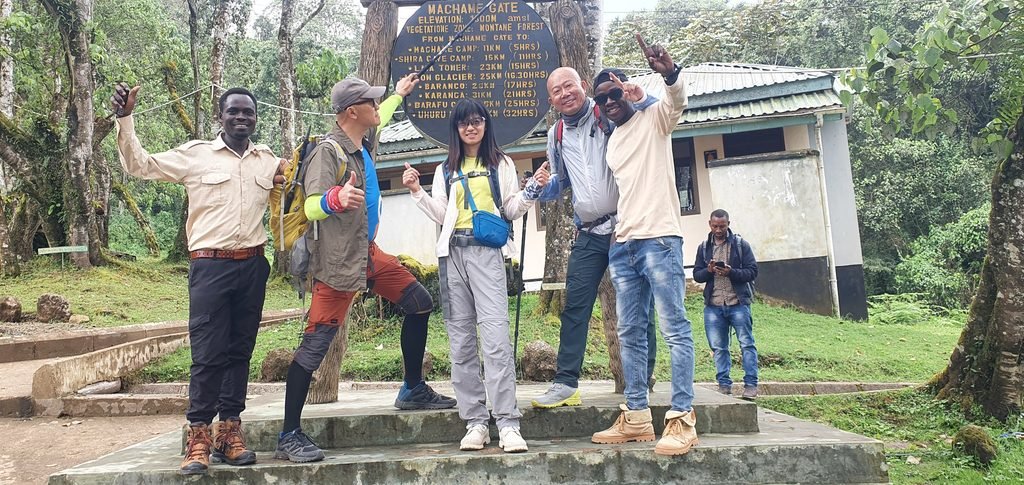
Your Kilimanjaro climbing experience begins with a drive to Machame Gate, where the mountain team completes registration before starting the trek. The first section passes through a beautiful tropical rainforest filled with tall trees, moss-covered branches, ferns and thick vegetation. Depending on the conditions, climbers may encounter blue monkeys, forest birds and other small wildlife along the trail. The gradual ascent introduces you to the mountain environment while allowing your body to begin adjusting to the increasing elevation. After several hours of walking, you reach Machame Camp, where your mountain crew prepares dinner and accommodation for your first night on Kilimanjaro.
Day 1 climbing details
- Starting elevation: Approximately 1,800 metres
- Ending elevation: Approximately 3,000 metres
- Hiking distance: 11 kilometres
- Walking time: 5–7 hours
- Vegetation zone: Montane rainforest
- Accommodation: Machame Camp
Suggested picture: Climbers walking through the green rainforest along the Machame trail.
Image alt text: Kilimanjaro climbers trekking through Machame Route rainforest on day one.
Day 2: Machame Camp to Shira Camp – Above the Clouds
After breakfast, the journey continues towards Shira Camp, leaving the dense rainforest behind and entering an open landscape covered with heather, shrubs and rocky formations. As the forest disappears, the surrounding views become wider, and on clear days you may see Mount Meru rising above the clouds in the distance. The trail becomes steeper in several places, requiring a steady walking pace and regular rest breaks. Shira Camp offers excellent opportunities for evening photography, particularly when the clouds settle below the plateau and the setting sun lights up the mountain slopes.
Day 2 climbing details
- Starting elevation: Approximately 3,000 metres
- Ending elevation: Approximately 3,850 metres
- Hiking distance: 5 kilometres
- Walking time: 4–6 hours
- Vegetation zone: Heath and moorland
- Accommodation: Shira Camp
Suggested picture: Mountain camping tents overlooking the clouds on the Shira Plateau.
Image alt text: Shira Camp above the clouds during a six-day Machame Route Kilimanjaro climb.
Day 3: Shira Camp to Lava Tower and Barranco Camp – Acclimatization Day
The third day is particularly important because climbers ascend towards Lava Tower at approximately 4,600 metres before descending to Barranco Camp. This approach, commonly described as climbing high and sleeping low, helps the body adjust to reduced oxygen levels at higher elevations. The scenery changes considerably as vegetation becomes thinner and volcanic rocks dominate the landscape. During the descent towards Barranco Valley, climbers encounter giant groundsels and other unusual high-altitude plants that are among the most recognizable natural features of Mount Kilimanjaro. The views of Kibo and the surrounding cliffs make this one of the best days for landscape photography.
Day 3 climbing details
- Starting elevation: Approximately 3,850 metres
- Highest elevation: Approximately 4,600 metres
- Ending elevation: Approximately 3,950 metres
- Hiking distance: 10 kilometres
- Walking time: 6–8 hours
- Vegetation zone: Moorland and alpine desert
- Accommodation: Barranco Camp
Suggested picture: Lava Tower surrounded by volcanic rocks and giant groundsels in Barranco Valley.
Image alt text: Lava Tower and Barranco Valley during Kilimanjaro Machame Route acclimatization.
For additional information about mountain acclimatization and route preparation, visit Kilimanjaro Climbing Specialist.
Day 4: Barranco Camp to Barafu Camp – Conquering the Barranco Wall
The fourth day begins with the famous Barranco Wall, a steep rocky section that requires careful foot placement and occasionally using your hands for balance. Although it appears difficult from below, technical mountaineering equipment is not normally required. Your mountain guide leads you along the established trail before continuing through the Karanga Valley towards Barafu Camp. This is a long and demanding day on the six-day itinerary because climbers do not spend an additional night at Karanga Camp. Upon reaching Barafu, you will have an early dinner, prepare your summit equipment and rest ahead of the overnight ascent.
Day 4 climbing details
- Starting elevation: Approximately 3,950 metres
- Ending elevation: Approximately 4,670 metres
- Hiking distance: Approximately 9 kilometres
- Walking time: 7–9 hours
- Vegetation zone: Alpine desert
- Accommodation: Barafu Camp
Suggested picture: Climbers ascending the Barranco Wall with mountain guides.
Image alt text: Climbers ascending the famous Barranco Wall on Mount Kilimanjaro Machame Route.
Day 5: Barafu Camp to Uhuru Peak and Mweka Camp – Standing on the Roof of Africa
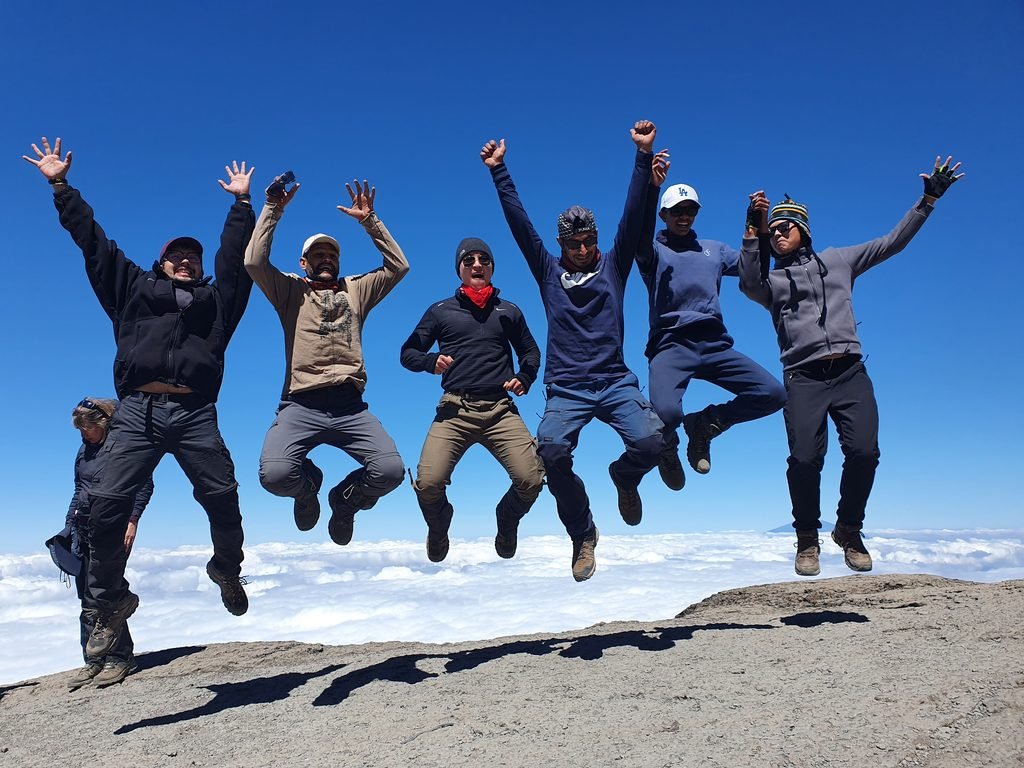
Summit day is the most physically demanding section of the entire journey. Climbers usually leave Barafu Camp around midnight, walking slowly through the darkness with headlamps while following their mountain guides towards the crater rim. The combination of steep volcanic terrain, cold temperatures and reduced oxygen makes this section particularly challenging. After reaching Stella Point, climbers who are medically fit to continue follow the crater rim towards Uhuru Peak, the highest point in Africa at 5,895 metres. Weather permitting, the sunrise above the clouds and the remaining glaciers provide remarkable photographic opportunities. After taking summit photographs, climbers descend to Barafu Camp for a short rest before continuing to Mweka Camp.
Day 5 climbing details
- Starting elevation: Approximately 4,670 metres
- Summit elevation: 5,895 metres
- Ending elevation: Approximately 3,100 metres
- Hiking distance: Approximately 18 kilometres
- Walking time: 10–14 hours
- Vegetation zone: Arctic, alpine desert and moorland
- Accommodation: Mweka Camp
Suggested picture: Climbers standing beside the Uhuru Peak summit sign during sunrise.
Image alt text: Successful Kilimanjaro climbers at Uhuru Peak 5,895 metres via Machame Route.
Day 6: Mweka Camp to Mweka Gate – Returning from the Mountain
The final morning begins with breakfast and preparations for the descent through the lower mountain slopes. As you lose elevation, the air becomes warmer, breathing generally becomes easier and thick forest vegetation gradually returns. The trail may be muddy or slippery, particularly after rainfall, so trekking poles remain useful during the descent. Upon reaching Mweka Gate, climbers complete the necessary park procedures and eligible climbers receive their achievement certificates. Your vehicle will then transfer you back to your hotel, bringing the six-day Kilimanjaro climbing journey to an end.
Day 6 climbing details
- Starting elevation: Approximately 3,100 metres
- Ending elevation: Approximately 1,640 metres
- Hiking distance: 10 kilometres
- Walking time: 3–4 hours
- Vegetation zone: Montane rainforest
- Accommodation: Hotel, if included in your booking
Suggested picture: Climbers celebrating with their mountain guides and certificates at Mweka Gate.
Image alt text: Kilimanjaro climbers receiving summit certificates after completing the Machame Route.
The Five Ecological Zones of Kilimanjaro in Pictures
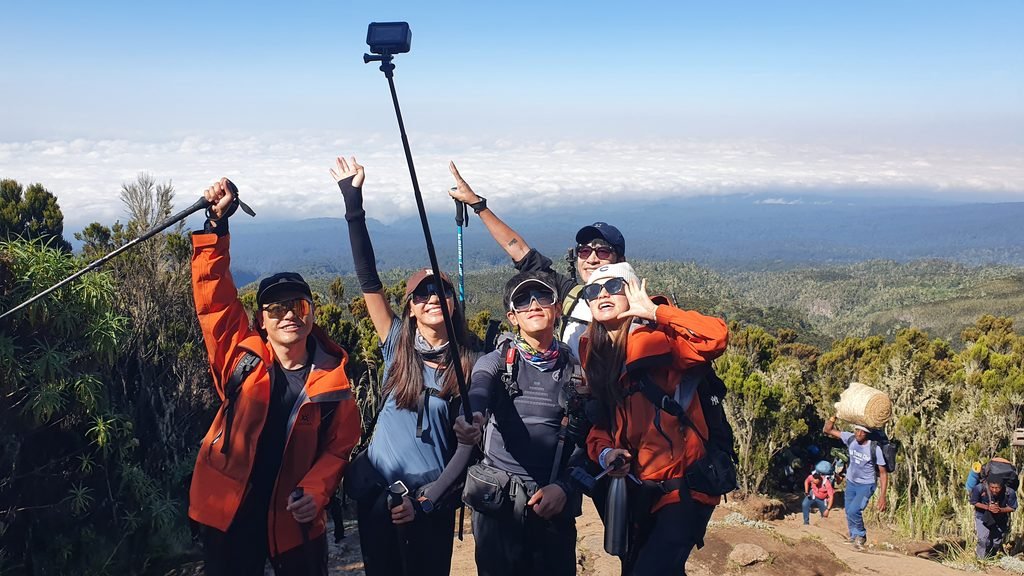
One of the most interesting aspects of climbing Mount Kilimanjaro is experiencing how the environment changes with altitude. Unlike many mountain destinations, Kilimanjaro allows visitors to travel from relatively warm tropical conditions to freezing summit temperatures within a few days. These changes make the Machame Route an excellent choice for travellers interested in nature, landscape photography and mountain environments.
| Ecological zone | Approximate elevation | Main photographic features |
|---|---|---|
| Cultivation zone | 800–1,800 m | Coffee farms, villages and banana plantations |
| Rainforest zone | 1,800–2,800 m | Dense forest, monkeys and moss-covered trees |
| Heath and moorland | 2,800–4,000 m | Giant groundsels, shrubs and cloud formations |
| Alpine desert | 4,000–5,000 m | Volcanic rocks and open mountain landscapes |
| Arctic summit zone | Above 5,000 m | Glaciers, crater slopes, ice and snow |
Best Time to Climb Kilimanjaro via Machame Route in 2027, 2028 and 2029
Mount Kilimanjaro can be climbed throughout the year, although certain months generally provide better trekking and photography conditions. Travellers planning to climb in 2027, 2028 or 2029 should consider seasonal rainfall, visibility, trail conditions and the number of other climbers on the mountain before selecting their departure dates. Mountain weather can change quickly regardless of the season, making suitable clothing and equipment necessary throughout the year.
January to Early March
January, February and early March are generally favourable months for climbing Kilimanjaro, with relatively dry conditions and opportunities for clear mountain views. These months are particularly attractive to photographers who wish to capture the summit, glaciers and surrounding landscapes when visibility is good.
June to October
June through October is another popular climbing period because rainfall is generally lower than during the main wet season. July, August and September tend to attract more climbers, creating a lively atmosphere at the mountain camps. Travellers interested in joining group departures during these months should arrange their bookings well in advance.
April, May and November
These months are generally associated with wetter conditions, particularly in the rainforest and lower mountain zones. Although climbing remains possible, visitors should expect muddy trails, cloud cover and potentially reduced visibility. The quieter trails may appeal to experienced hikers who are comfortable trekking in wet conditions.
How Difficult Is the 6-Day Machame Route?
The six-day Machame Route is considered challenging because of its steep sections, extended walking hours and relatively short acclimatization period. While technical climbing experience is not normally necessary, good physical preparation is important. Climbers should be comfortable walking for several hours each day while carrying a small backpack and dealing with changing temperatures. Altitude sickness can affect anyone regardless of age or fitness, and reaching the summit should never take priority over personal safety.
Travellers who prefer additional acclimatization time should consider a seven-day climbing programme. The additional night at Karanga Camp provides more time for the body to adjust and separates the long journey between Barranco and Barafu. Our Kilimanjaro Machame Route packages comparison can help you understand different climbing arrangements before making your decision.
Tips for Taking Beautiful Pictures on Mount Kilimanjaro
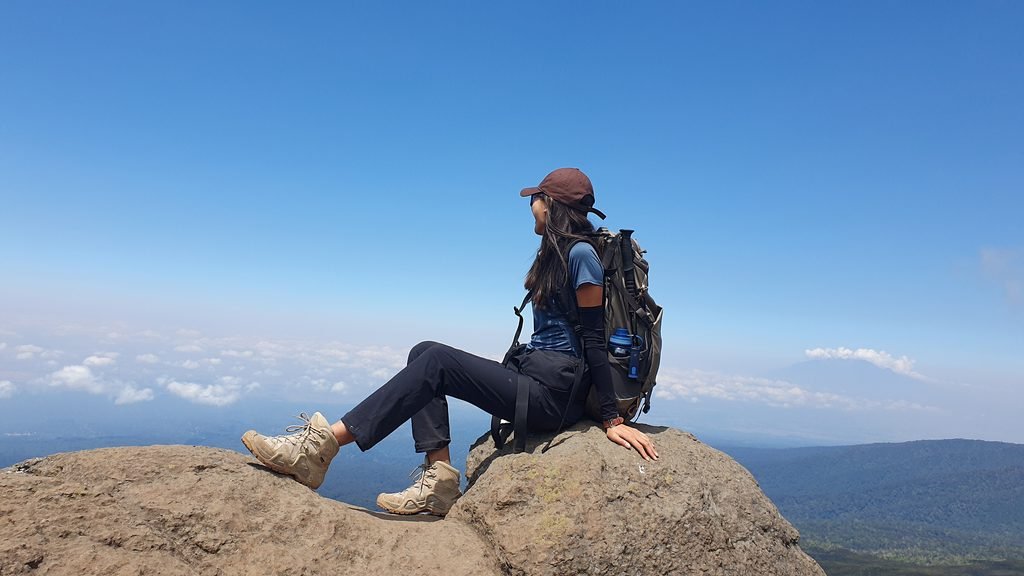
Photography on Mount Kilimanjaro does not require expensive professional equipment. A good smartphone or compact camera can capture excellent photographs throughout the journey. However, cold temperatures, moisture and limited charging facilities require careful preparation. Carry spare batteries or a reliable power bank, protect your camera from rain and keep electronic equipment inside warm clothing during summit night when possible.
Some of the best photographic opportunities include the early morning rainforest, clouds beneath Shira Camp, the giant groundsels of Barranco Valley, climbers ascending Barranco Wall and the sunrise near Kilimanjaro’s crater rim. Always follow your guide’s instructions and avoid stopping for photographs in exposed or unsafe sections of the trail.
What to Pack for the 6-Day Machame Route
Proper equipment makes a considerable difference to your comfort and safety throughout the climb. Since Kilimanjaro passes through several ecological zones, climbers need clothing for warm, wet, windy and freezing conditions. Packing lightweight layers allows you to adjust your clothing as temperatures change during the day.
- Comfortable waterproof hiking boots
- Thermal base layers
- Waterproof jacket and trousers
- Insulated summit jacket
- Warm trekking trousers
- Thermal gloves and waterproof outer gloves
- Warm hat and sun hat
- Headlamp with spare batteries
- Trekking poles
- High-altitude sleeping bag
- Daypack with rain cover
- Water bottles or hydration system
- Sunglasses and sunscreen
- Personal medication
- Camera or smartphone
- Power bank and spare batteries
- Personal toiletries and hygiene supplies
For further advice, explore the Kilimanjaro climbing preparation and Machame Route itinerary before travelling to Tanzania.
How Much Does the 6-Day Machame Route Cost in 2027, 2028 and 2029?
The cost of climbing Kilimanjaro through the Machame Route depends on the number of climbers, departure dates, mountain equipment, accommodation arrangements and the level of service selected. Private expeditions generally cost more per person than larger group departures because transportation, mountain crew and equipment expenses are shared among fewer participants. Park conservation charges, camping fees, rescue fees and crew expenses also form a significant part of the total climbing cost.
At Eddy Tours & Safaris, travellers can request a personalized quotation based on their preferred climbing dates and group size. Explore our complete six-day Machame Kilimanjaro climbing package for further information about available climbing arrangements.
6-Day Kilimanjaro Machame Route Package Inclusions
- Professional mountain guides
- Mountain porters and cook
- Kilimanjaro National Park entry fees
- Conservation and camping fees
- Mountain rescue fees
- Mountain crew wages
- Transportation to Machame Gate and from Mweka Gate
- Mountain sleeping tents
- Sleeping mattresses
- Dining tent and camping equipment
- Breakfast, lunch and dinner during the climb, as specified
- Purified drinking water
- Emergency oxygen equipment
- Daily health monitoring by mountain guides
- Applicable government taxes
- Climbing certificate for eligible climbers
Package Exclusions
- International and domestic flights
- Tanzania visa fees
- Personal travel and high-altitude trekking insurance
- Tips for mountain guides, porters and cooks
- Personal trekking clothing and equipment
- Personal sleeping bag unless included in the quotation
- Alcoholic and bottled beverages
- Personal expenses
- Airport transfers unless specified
- Hotel accommodation before and after climbing unless specified
- Additional activities outside the confirmed itinerary
Frequently Asked Questions About the 6-Day Machame Route
Can a beginner climb Kilimanjaro using the six-day Machame Route?
A physically prepared beginner can attempt the Machame Route without previous technical climbing experience. However, the six-day itinerary leaves less time for acclimatization, making the seven-day option generally more suitable for first-time high-altitude climbers.
How long is the six-day Machame Route?
The route covers approximately 60–65 kilometres, depending on the trail measurements used. Daily hiking distances vary considerably, with summit day being the longest and most demanding section of the expedition.
Do I need technical climbing equipment?
Technical mountaineering equipment such as climbing ropes and ice axes is not normally required under standard trail conditions. Climbers should instead concentrate on suitable hiking boots, warm clothing, trekking poles and appropriate high-altitude equipment.
Will I see snow on Mount Kilimanjaro?
Snow and ice may be encountered near the summit, depending on seasonal weather conditions. The amount of snow varies throughout the year, and snowfall cannot be guaranteed on specific climbing dates.
Can I charge my camera on Kilimanjaro?
There are generally no reliable electrical charging facilities at Machame Route campsites. Climbers should carry fully charged power banks and spare camera batteries to avoid running out of power during the expedition.
Is reaching Uhuru Peak guaranteed?
No tour operator can guarantee that every climber will reach Uhuru Peak. Weather conditions, altitude sickness, physical preparation and individual health can affect summit attempts. Following the advice of your mountain guide is essential throughout the journey.
Can I combine Kilimanjaro climbing with a Tanzania safari?
Yes. Many travellers combine their mountain expedition with a wildlife safari to Serengeti, Ngorongoro Crater or Tarangire National Park. You can also extend your holiday with several days on Zanzibar Island. Eddy Tours & Safaris can arrange a combined itinerary according to your travel schedule and budget.
Book Your 6-Day Kilimanjaro Machame Route Climb for 2027, 2028 or 2029
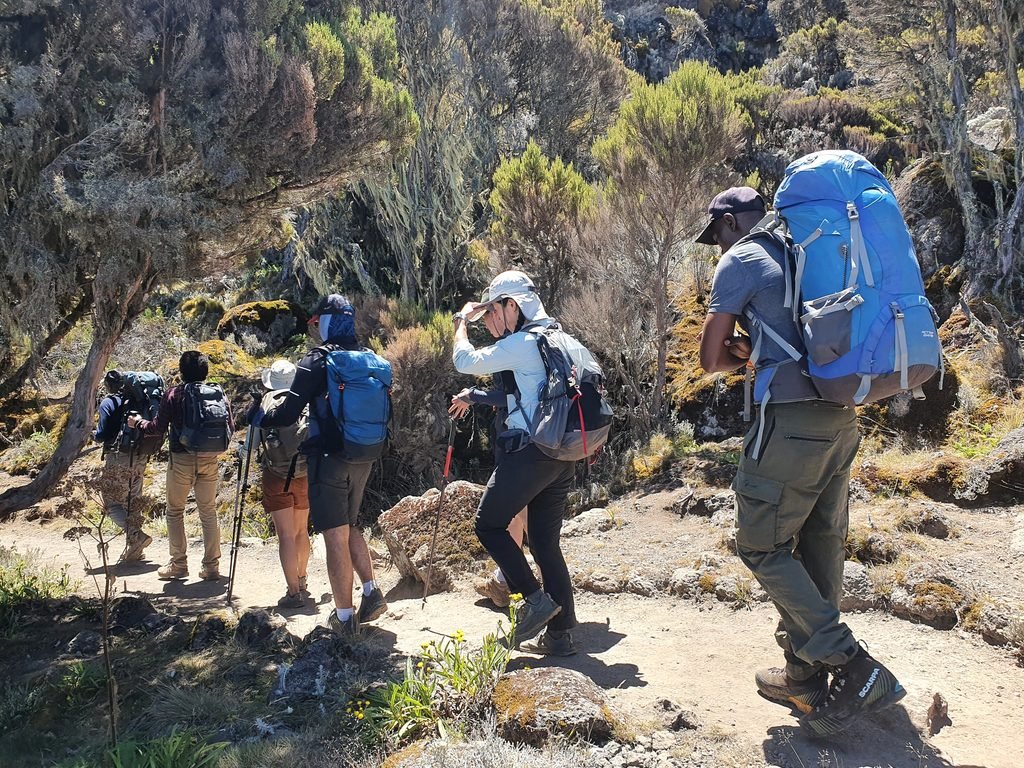
From your first steps through the tropical rainforest to the moment you approach the highest point in Africa, climbing Kilimanjaro via the Machame Route is a journey filled with changing landscapes, physical challenges and personal achievements. Whether you are travelling alone, with friends or as part of an organized group, preparing early allows you to select suitable departure dates, improve your physical fitness and arrange the necessary mountain equipment.
Contact Eddy Tours & Safaris today to request your detailed six-day Machame Route itinerary, climbing quotation and available departure dates for 2027, 2028 and 2029.
Email: sales@eddytours-safaris.com
Website: Eddy Tours and Safaris