
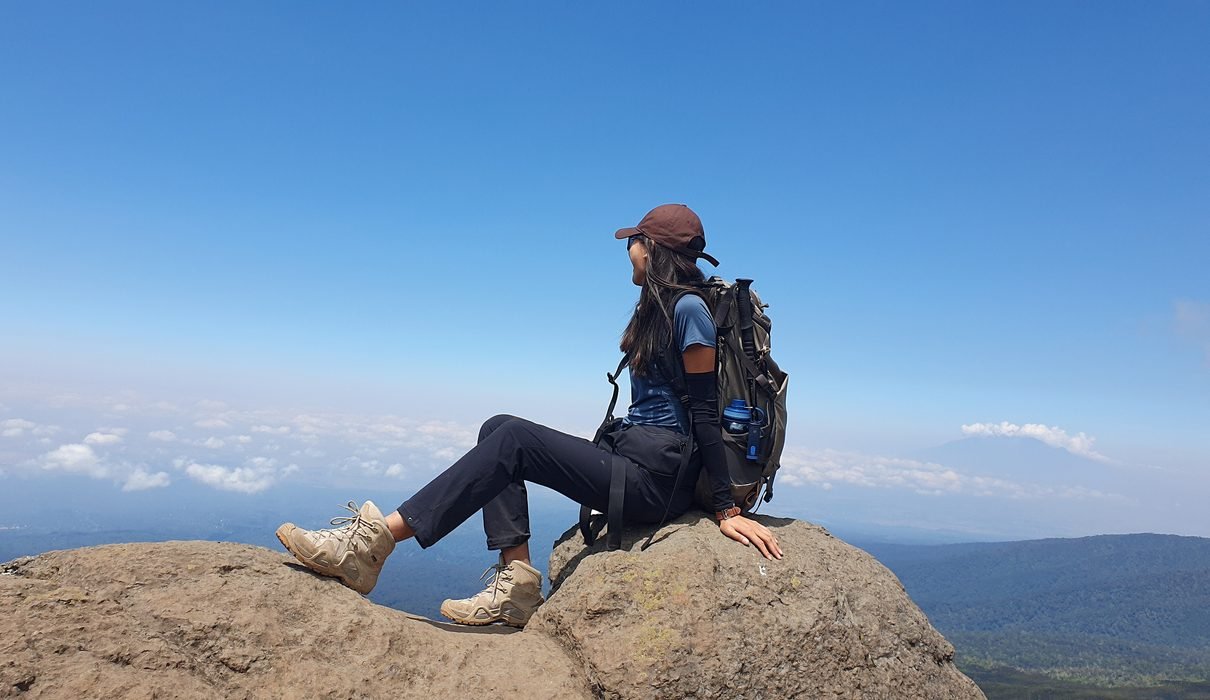
The 6 Days Kilimanjaro Machame Route is a challenging mountain trekking adventure that takes climbers through some of the most beautiful landscapes on Mount Kilimanjaro before reaching Uhuru Peak at 5,895 metres above sea level. Known for its scenic trails, changing vegetation zones and rewarding mountain views, the Machame Route is one of the most popular ways to climb Africa’s highest mountain. This six-day itinerary is designed for physically fit travellers who want to experience the mountain within a shorter climbing schedule while receiving support from professional mountain guides and an experienced trekking crew.
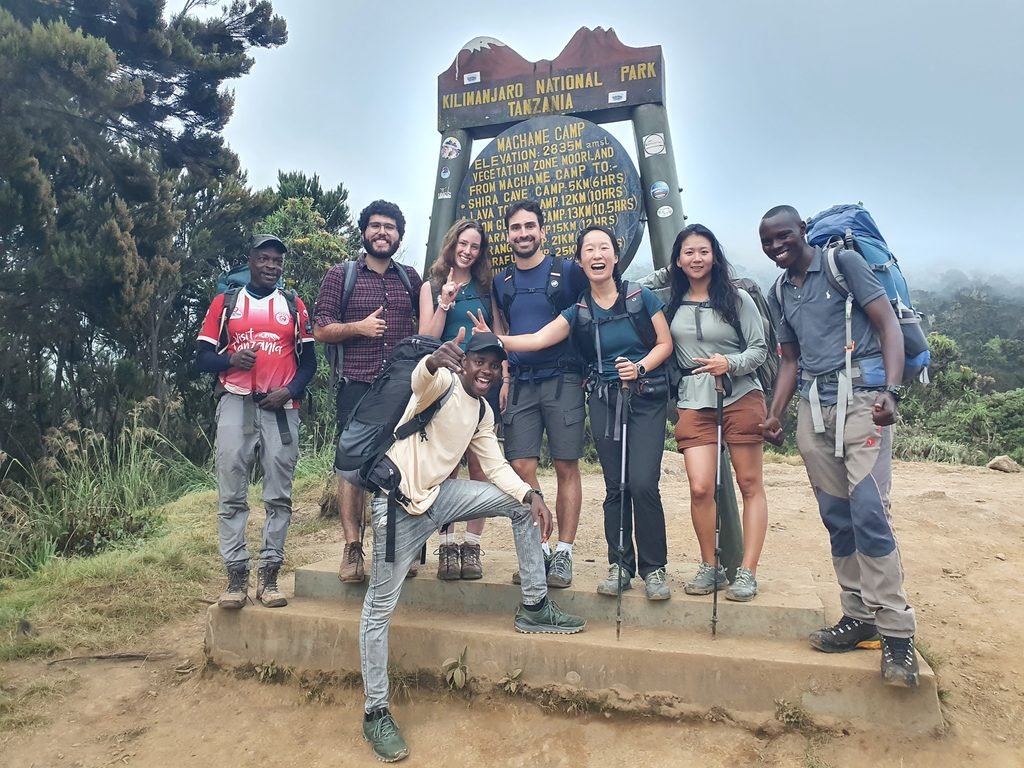
Starting from Machame Gate on the southwestern side of Kilimanjaro, the trail passes through tropical rainforest, open moorland, the Shira Plateau and the rocky alpine desert before reaching the summit. Along the way, climbers encounter notable landmarks such as Lava Tower, Barranco Wall, Karanga Valley and Barafu Camp. The journey combines demanding hiking days with remarkable scenery, giving travellers the opportunity to experience several distinct mountain environments within a single expedition.
At Eddy Tours & Safaris, we arrange guided Kilimanjaro climbing experiences for individuals, couples, friends and private groups travelling to Tanzania. Our mountain trekking arrangements focus on careful preparation, experienced local guides, suitable camping equipment and practical support throughout the climb. Travellers can also explore additional mountain trekking information through Kilimanjaro Climb Specialist, which provides useful resources for planning a Kilimanjaro expedition.
6 Days Machame Route Kilimanjaro Climb Overview
The Machame Route is commonly called the Whiskey Route because of its more demanding terrain compared with the Marangu Route, which is sometimes called the Coca-Cola Route. Although the trail does not require technical mountaineering skills under normal conditions, climbers should be prepared for steep uphill sections, rocky paths, changing weather and long hours of walking at high altitude. The six-day schedule is particularly demanding because it combines the Barranco-to-Barafu section into one day and provides less time for acclimatization than the seven-day itinerary.
Package Details
- Destination: Mount Kilimanjaro, Tanzania
- Climbing Route: Machame Route
- Duration: 6 Days / 5 Nights
- Starting Point: Machame Gate
- Finishing Point: Mweka Gate
- Maximum Altitude: 5,895 metres (Uhuru Peak)
- Accommodation: Mountain camping tents
- Difficulty Level: Challenging
- Tour Type: Private or group Kilimanjaro trekking
- Main Activities: Hiking, mountain climbing, camping and photography
- Recommended For: Fit hikers, experienced trekkers and adventurous travellers
- Departure Location: Moshi or Arusha, Tanzania
Why Choose the 6 Days Machame Route?
The Machame Route offers a varied climbing experience because the trail crosses several ecological zones while approaching Kilimanjaro from the southwest. Unlike routes that follow the same trail for both ascent and descent, Machame uses the Mweka Route for the return journey, allowing climbers to see different parts of the mountain. The landscape changes noticeably each day, beginning with thick rainforest and gradually opening into moorland, rocky ridges and exposed alpine terrain.
Another important feature of the route is the opportunity to climb to Lava Tower before descending to Barranco Camp. This follows the principle of climbing higher during the day and sleeping at a lower altitude, which can support acclimatization. However, the six-day Machame itinerary remains a demanding option because the body has limited time to adjust to the altitude. Travellers with less hiking experience or no previous exposure to high elevations should seriously consider a seven-day or longer itinerary, which allows more time for adaptation.
For travellers planning a longer holiday, the Kilimanjaro climb can be combined with a Tanzania wildlife safari to destinations such as Serengeti National Park, Tarangire National Park and Ngorongoro Crater. This provides an opportunity to experience both the mountain landscapes and wildlife attractions of northern Tanzania during one trip.
Detailed 6 Days Kilimanjaro Machame Route Itinerary
Day 1: Machame Gate to Machame Camp – Entering the Kilimanjaro Rainforest
Starting Altitude: Approximately 1,800 metres
Finishing Altitude: Approximately 3,000 metres
Hiking Distance: 11 km
Hiking Duration: 5–7 hours
Vegetation Zone: Montane rainforest
Accommodation: Machame Camp
Meals: Lunch and dinner
Your six-day Kilimanjaro climbing adventure begins with a morning pickup from your hotel in Moshi or Arusha, followed by a drive to Machame Gate, located on the southwestern slopes of Mount Kilimanjaro. On arrival, your mountain guide will assist with park registration, permit arrangements and the final organization of climbing equipment. The trekking crew will prepare the camping supplies and luggage while you receive a briefing covering the day’s route, walking pace, safety precautions and general mountain conditions.
After completing the registration process, the climb begins along a well-established trail through the dense rainforest. This section of Kilimanjaro receives considerable rainfall throughout the year, creating a green environment filled with tall trees, moss-covered branches, ferns and other mountain vegetation. Depending on the conditions, climbers may encounter blue monkeys, black-and-white colobus monkeys and several bird species living within the forest. The path climbs steadily, and some sections can become muddy or slippery following rainfall, making waterproof hiking boots and trekking poles particularly useful.
As the group continues uphill, the forest gradually begins to thin, and the surrounding vegetation changes with increasing altitude. Your guide will encourage a slow and comfortable walking pace, commonly described in Swahili as pole pole, meaning slowly. This approach is important throughout the climb because rushing at altitude can increase fatigue and make acclimatization more difficult. Regular drinking breaks and short rests will be arranged according to the group’s condition.
By late afternoon, you will reach Machame Camp, situated near the upper edge of the rainforest. Your trekking crew will have prepared the tents and cooking area, allowing you to rest after the first day’s hike. Dinner will be served at the campsite, followed by a briefing about the next day’s route towards the Shira Plateau. The evening can be noticeably colder than the lower mountain slopes, so warm clothing will be needed before settling into your sleeping tent.
Day 2: Machame Camp to Shira Camp – Crossing the Moorland and Shira Plateau
Starting Altitude: Approximately 3,000 metres
Finishing Altitude: Approximately 3,840 metres
Hiking Distance: 5 km
Hiking Duration: 4–6 hours
Vegetation Zone: Heath and moorland
Accommodation: Shira Camp
Meals: Breakfast, lunch and dinner
The second day begins with breakfast at Machame Camp before the group continues uphill towards the Shira Plateau. Although today’s walking distance is shorter than the previous day, the route involves a considerable increase in altitude and several steep sections. The trail leaves the upper rainforest behind and enters a more open landscape dominated by heather, shrubs, rocky ground and scattered mountain plants. As the vegetation becomes shorter, climbers begin to enjoy wider views of the surrounding mountain slopes.
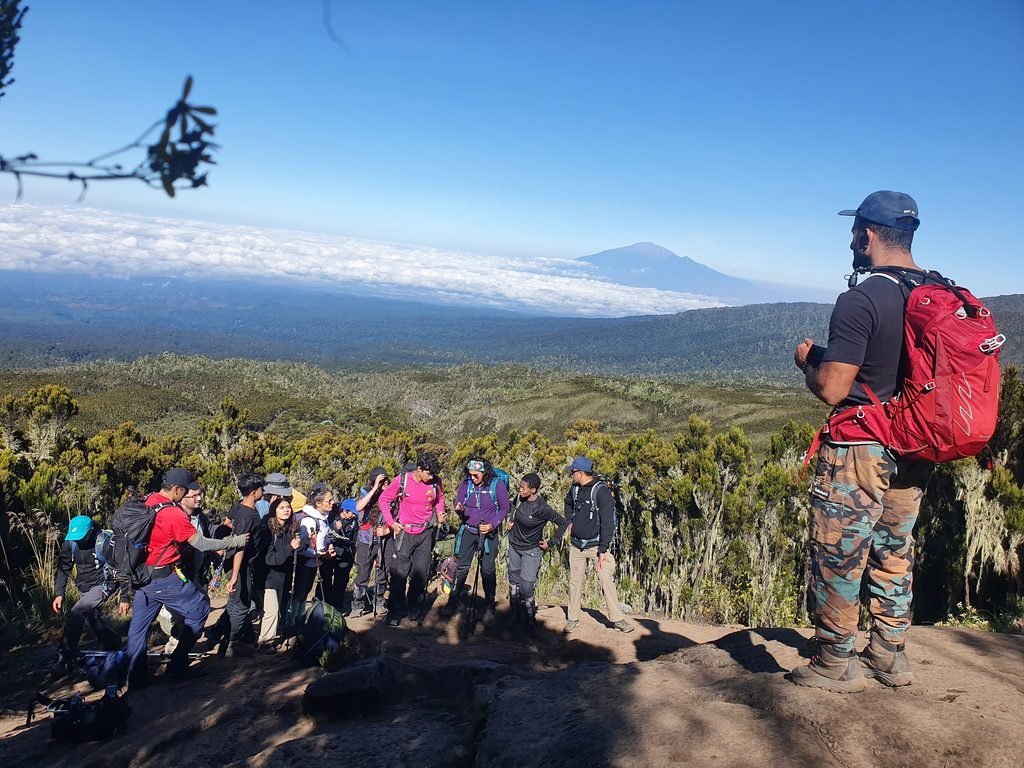
The route follows a rocky ridge, with sections that require careful footing and a steady climbing rhythm. Depending on the weather, you may see Mount Meru in the distance and the broad volcanic slopes of Kilimanjaro rising above the surrounding landscape. Your guide will continue monitoring the group’s pace and general condition while allowing regular breaks for drinking water, snacks and photography. The increasing altitude can make physical activity feel more demanding, even when the walking distance is relatively short.
As you approach the Shira Plateau, the terrain becomes more open, revealing an extensive high-altitude landscape formed by Kilimanjaro’s volcanic history. The plateau is one of the mountain’s most recognizable features, with broad views towards Kibo and the surrounding ridges. On clear days, the contrast between the open plateau and the summit rising above it provides excellent opportunities for mountain photography.
The afternoon is spent at Shira Camp, where the trekking crew will prepare dinner and provide time for rest. Temperatures can drop considerably after sunset, and the wind may become stronger because of the exposed location. Your guide will discuss the following day’s hike towards Lava Tower and Barranco Camp, explaining the importance of the higher-altitude exposure and subsequent descent. Getting adequate rest, eating properly and maintaining hydration will help you prepare for the next stage.
Day 3: Shira Camp to Lava Tower and Barranco Camp – Important Acclimatization Day
Starting Altitude: Approximately 3,840 metres
Highest Point: Lava Tower, approximately 4,630 metres
Finishing Altitude: Approximately 3,960 metres
Hiking Distance: 10 km
Hiking Duration: 6–8 hours
Vegetation Zone: Alpine desert
Accommodation: Barranco Camp
Meals: Breakfast, lunch and dinner
Day three is one of the most important stages of the six-day Machame Route because it involves climbing to a higher altitude before descending to sleep at Barranco Camp. After breakfast, the trail leaves Shira Camp and gradually ascends across a more exposed landscape where vegetation becomes increasingly sparse. The surrounding environment changes from moorland to alpine desert, with rocky ground, volcanic formations and wide views across the mountain.
The morning hike follows a gradual ascent towards Lava Tower, a prominent volcanic rock formation located at approximately 4,630 metres above sea level. As the group gains altitude, walking may become noticeably slower because of the reduced oxygen availability. Your guide will monitor the climbers for symptoms of altitude sickness, including headaches, nausea, dizziness and unusual fatigue. Although the route offers an opportunity for acclimatization, reaching Lava Tower does not guarantee that every climber will adjust successfully to the altitude.
Depending on the weather and the group’s progress, lunch may be taken near Lava Tower before beginning the descent towards Barranco Valley. The descent brings climbers back to a lower sleeping altitude, which can help the body adapt to the mountain environment. The landscape along this section is particularly interesting because of the giant groundsels and other unusual plants adapted to Kilimanjaro’s high-altitude conditions.
The trail continues into Barranco Valley, where the impressive Barranco Wall becomes visible above the campsite. Although the wall appears steep and intimidating from below, the normal climbing route follows a series of rocky steps and ledges that can be crossed without technical climbing equipment in suitable conditions. Your guide will explain how the group will approach this section the following morning.
Upon reaching Barranco Camp, the trekking crew will provide dinner and prepare the sleeping arrangements. The campsite offers striking views of the surrounding cliffs, valleys and the upper slopes of Kibo when the weather is clear. This is also an important opportunity to rest before the demanding fourth day, which combines the Barranco Wall, Karanga Valley and the ascent to Barafu Camp.
Day 4: Barranco Camp to Barafu Camp via Barranco Wall and Karanga Valley
Starting Altitude: Approximately 3,960 metres
Finishing Altitude: Approximately 4,670 metres
Hiking Distance: 9 km
Hiking Duration: 7–10 hours
Vegetation Zone: Alpine desert
Accommodation: Barafu Camp
Meals: Breakfast, lunch and dinner
The fourth day is one of the most physically demanding sections of the six-day Machame Route because it combines several important stages into a single hiking day. After an early breakfast, the group leaves Barranco Camp and begins the ascent of Barranco Wall, a steep rocky section that requires careful movement and occasional use of the hands for balance. Although the wall looks difficult from the campsite, experienced mountain guides help climbers identify secure footholds and move safely through the more exposed sections.
The ascent of Barranco Wall provides excellent views of the surrounding valleys and the southern slopes of Kilimanjaro. After reaching the upper section, the trail continues across a series of ridges and valleys towards Karanga Valley. This part of the route involves both uphill and downhill walking, which can be tiring because of the increasing altitude and uneven terrain. The group may stop around Karanga for lunch and a short rest before continuing towards Barafu Camp.
Unlike the seven-day Machame itinerary, which normally includes an overnight stay at Karanga Camp, the six-day route continues directly to Barafu on the same day. This makes the afternoon particularly demanding, as climbers must gain additional altitude while conserving enough energy for the summit attempt later that night. The trail gradually becomes more exposed and rocky, with little vegetation and increasingly cold conditions.
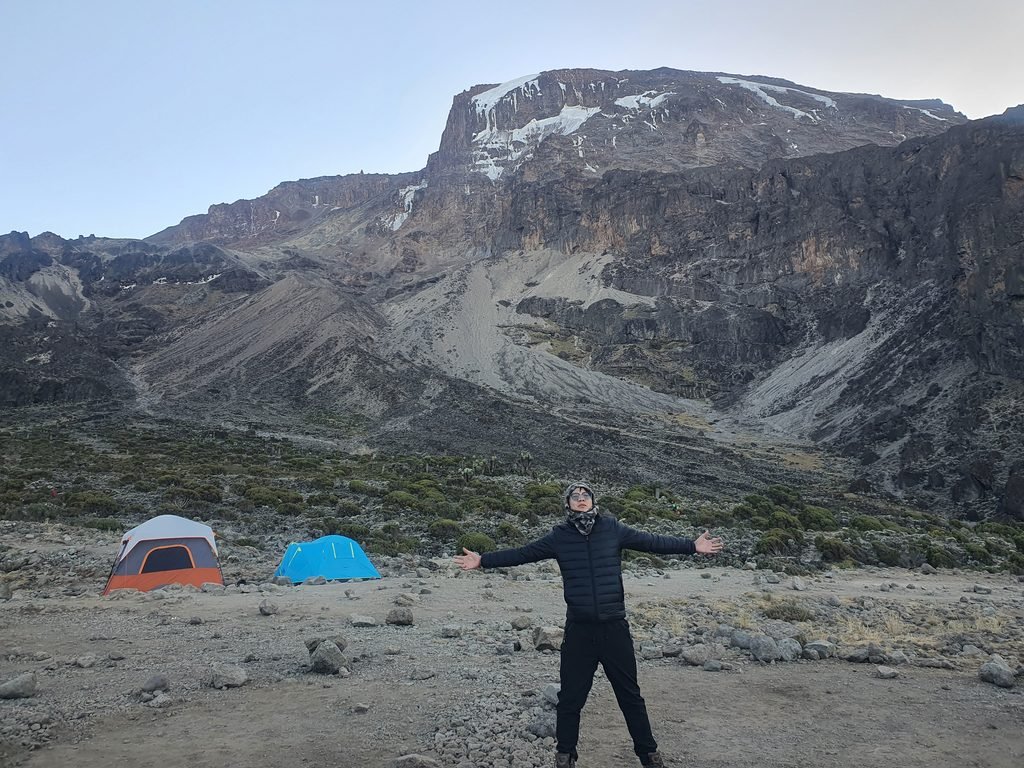
Barafu Camp is situated at approximately 4,670 metres and serves as the main base for the final summit ascent. The word Barafu means ice in Swahili, reflecting the cold environment experienced at this altitude. On arrival, the trekking crew will prepare an early meal while the guide explains the summit schedule, clothing requirements, expected weather and the importance of maintaining a steady pace.
Climbers should use the remaining afternoon and evening to rest, organize their equipment and prepare warm clothing for the summit attempt. Essential items include a headlamp, insulated jacket, warm gloves, thermal layers, suitable boots and drinking water protected from freezing. The summit climb normally begins around midnight, leaving only a limited period for sleep. Your guide will assess your condition before departure and determine whether continuing towards the summit is appropriate.
Day 5: Barafu Camp to Uhuru Peak and Descent to Mweka Camp – Kilimanjaro Summit Day
Starting Altitude: Approximately 4,670 metres
Summit Altitude: 5,895 metres
Finishing Altitude: Approximately 3,100 metres
Hiking Distance: Approximately 17 km
Hiking Duration: 12–16 hours
Vegetation Zone: Arctic summit zone and alpine desert
Accommodation: Mweka Camp
Meals: Breakfast, lunch and dinner
Summit day is the most demanding and significant stage of the entire Kilimanjaro climbing expedition. The journey usually begins around midnight, when climbers leave Barafu Camp wearing warm clothing and headlamps. The trail ascends through loose volcanic scree and rocky terrain towards the crater rim. Temperatures can fall well below freezing, particularly when strong winds are present, and the combination of darkness, altitude and physical exhaustion makes this section especially challenging.
Your mountain guide will establish a slow walking rhythm, allowing the group to make gradual progress while taking necessary breaks. The ascent towards Stella Point is steep and physically demanding, requiring patience and careful energy management. Climbers may experience shortness of breath and fatigue because of the altitude, making it essential to follow the guide’s instructions and report any unusual symptoms immediately. Severe or worsening altitude illness requires prompt descent rather than continuing towards the summit.
After several hours of climbing, the group reaches Stella Point at approximately 5,756 metres on the crater rim. Depending on the departure time and walking pace, climbers may arrive around sunrise, when the surrounding mountain landscape becomes visible in the early morning light. From Stella Point, the route continues along the crater rim towards Uhuru Peak, passing sections where glaciers and snowfields may be visible depending on seasonal conditions.
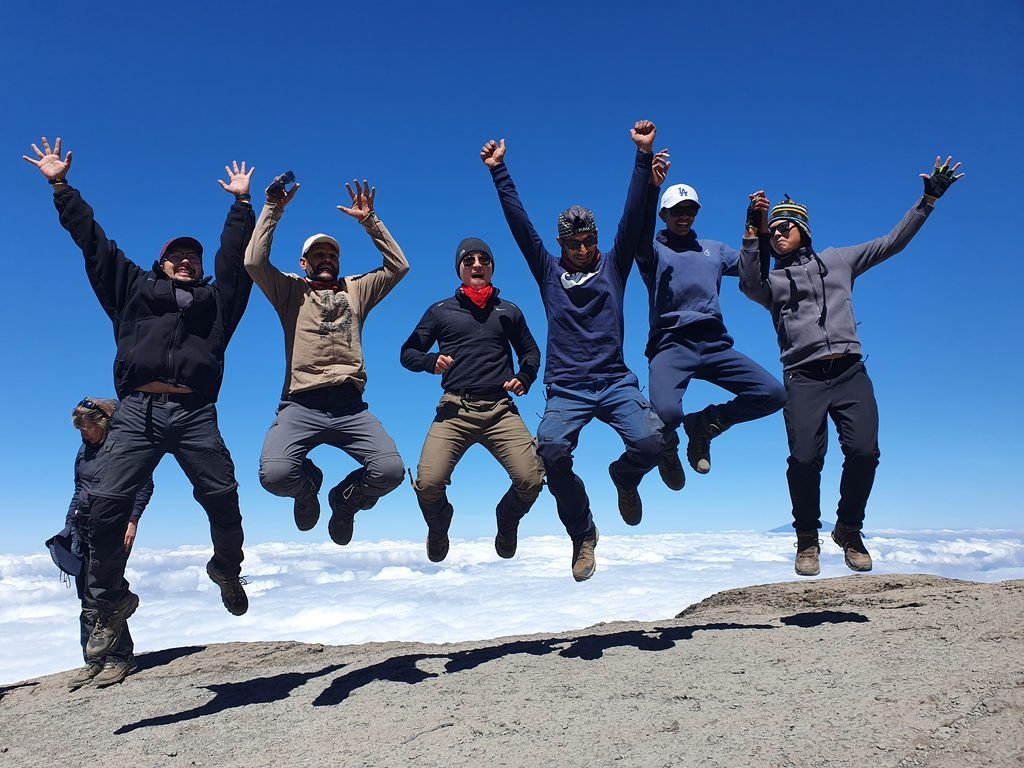
Reaching Uhuru Peak at 5,895 metres marks the highest point in Africa and the main objective of the six-day Machame Route expedition. Climbers who reach the summit in suitable conditions will have an opportunity to take photographs near the summit sign and appreciate the surrounding views. Time spent at the top is normally limited because of the altitude, cold temperatures and the need to begin the descent safely.
After the summit visit, the group descends towards Barafu Camp, where a short rest and meal may be arranged before continuing down the Mweka Route. The descent is long and can place considerable strain on the knees and legs, particularly after the demanding overnight climb. Trekking poles can be useful for maintaining balance on loose gravel and rocky sections.
The day finishes at Mweka Camp, located at approximately 3,100 metres above sea level. The lower altitude generally provides more comfortable sleeping conditions compared with Barafu, although climbers may still feel tired after the long summit day. Dinner will be served at the campsite, followed by a well-earned overnight rest before the final descent.
Day 6: Mweka Camp to Mweka Gate – Completing the Kilimanjaro Climb
Starting Altitude: Approximately 3,100 metres
Finishing Altitude: Approximately 1,640 metres
Hiking Distance: 10 km
Hiking Duration: 3–4 hours
Vegetation Zone: Montane rainforest
Accommodation: Not included on the mountain
Meals: Breakfast and lunch
The final day of the six-day Kilimanjaro Machame Route begins with breakfast at Mweka Camp before the group starts descending towards Mweka Gate. After several days of walking through exposed mountain environments, the trail gradually returns to the green rainforest zone, where the air becomes warmer and the vegetation grows thicker. The descent follows a well-used mountain path, although sections can become muddy and slippery after rainfall.
As the group continues downhill, climbers pass through areas of dense forest with tall trees, moss-covered vegetation and occasional wildlife sightings. The lower altitude makes breathing easier, but the continued downhill walking can still be tiring after the previous day’s summit attempt. Your guide will maintain a comfortable pace while ensuring that everyone completes the final section safely.
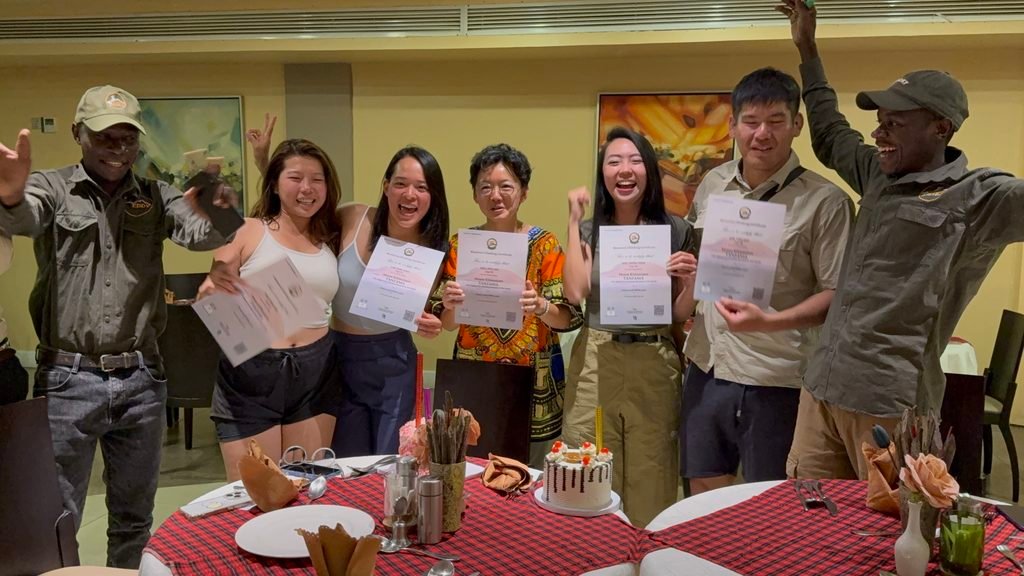
Upon arrival at Mweka Gate, the climbing team will complete the necessary park exit procedures. Eligible climbers will receive their official Kilimanjaro climbing certificates according to the highest recognized point reached during the expedition. This is also an opportunity to thank the mountain guides, porters and cooking crew who supported the journey from Machame Gate to the summit and back.
After completing the formalities, transport will be arranged back to Moshi or Arusha according to the agreed itinerary. Travellers can spend the remainder of the day resting at their accommodation or continue with other activities in northern Tanzania. Those wishing to extend their holiday may arrange a Tanzania safari with Eddy Tours & Safaris or plan additional travel to Zanzibar.
What Is Included in the 6 Days Machame Route Package?
The standard climbing package is designed to cover the main services required for a guided Kilimanjaro expedition. The following inclusions should be confirmed in the final booking quotation, particularly where hotel accommodation or airport transfers are requested.
Package Inclusions
- Professional, licensed Kilimanjaro mountain guides.
- Experienced mountain porters and cooking crew.
- Kilimanjaro National Park entrance fees.
- Applicable mountain camping and rescue fees.
- Five nights of mountain camping accommodation.
- Quality mountain sleeping tents.
- Camping equipment, including dining arrangements.
- Breakfast, lunch and dinner during the mountain trek as specified in the itinerary.
- Drinking water prepared for use during the climb.
- Transportation from Moshi or Arusha to Machame Gate.
- Return transportation from Mweka Gate to Moshi or Arusha.
- Mountain safety briefing before the climb.
- Daily health and altitude monitoring by the mountain guides.
- Basic mountain first-aid support and emergency arrangements.
- Assistance with park registration and climbing permits.
- Government taxes applicable to the included climbing services.
Package Exclusions
- International and domestic flight tickets.
- Tanzania tourist visa fees.
- Travel insurance and suitable high-altitude evacuation coverage.
- Personal climbing equipment and hiking clothing.
- Sleeping bags and personal trekking gear unless specifically included in the quotation.
- Personal expenses, laundry and telephone charges.
- Alcoholic beverages, soft drinks and personal snacks.
- Tips for mountain guides, porters and cooks.
- Additional hotel nights before or after the climb unless specified.
- Airport transfers unless included in the confirmed booking.
- Optional sightseeing tours and safari extensions.
- Costs arising from itinerary changes requested by the traveller.
- Additional accommodation, transportation or medical expenses resulting from illness, delays or early descent.
- Any service not specifically mentioned under package inclusions.
Accommodation During the 6 Days Machame Route
The Machame Route is a camping route, meaning climbers spend their nights in tents at designated mountain campsites rather than sleeping in permanent mountain huts. During the six-day expedition, overnight accommodation is provided at Machame Camp, Shira Camp, Barranco Camp, Barafu Camp and Mweka Camp. Each campsite offers a different mountain environment, ranging from the upper rainforest to exposed high-altitude locations with cold temperatures and strong winds.
The mountain crew is responsible for transporting and setting up the main camping equipment, allowing climbers to concentrate on the daily hikes. Sleeping arrangements typically involve shared mountain tents, with private arrangements possible depending on the booking. Climbers should bring a suitable sleeping bag rated for freezing mountain temperatures and comfortable sleeping clothing. Toilets and other campsite facilities are basic, and conditions vary between locations, so travellers should be prepared for a genuine mountain camping experience rather than hotel-style accommodation.
Best Time to Climb Kilimanjaro via the Machame Route
Mount Kilimanjaro can be climbed throughout the year, although weather conditions vary considerably between seasons. The generally drier periods from January to early March and from late June to October are often preferred by climbers because trails are more likely to be manageable and clear weather may provide better mountain views. However, temperatures at higher elevations remain cold throughout the year, and rain, snow, clouds and strong winds can occur even during the traditionally drier months.
The wetter periods, particularly around March to May and parts of November, may bring muddy trails, reduced visibility and more challenging camping conditions. Some travellers choose these periods because the mountain can be less crowded, but suitable waterproof clothing and careful preparation become especially important. Weather conditions cannot be guaranteed, and summit attempts may need to be adjusted or abandoned when conditions are unsafe.
Travellers considering different climbing seasons can contact Eddy Tours & Safaris for help planning suitable travel dates. Additional practical advice about Kilimanjaro routes, climbing preparation and mountain conditions can also be found through Kilimanjaro Climb Specialist.
How Difficult Is the 6 Days Machame Route?
The six-day Machame Route is considered challenging because it involves steep ascents, uneven terrain, high-altitude exposure and a demanding summit schedule. Although technical climbing experience is not normally required, climbers need reasonable physical fitness, mental preparation and the ability to walk for several hours on consecutive days. The most difficult stages are generally the fourth day from Barranco to Barafu and the fifth day involving the overnight summit attempt followed by a long descent to Mweka Camp.
Altitude is one of the main concerns when climbing Kilimanjaro. Even physically fit travellers can develop altitude sickness, and previous hiking experience does not eliminate this risk. The six-day itinerary offers less time for acclimatization than the seven-day Machame Route, which makes it a less suitable choice for many first-time high-altitude trekkers. Travellers should discuss their medical history, altitude-related concerns and fitness with an appropriate healthcare professional before booking.
Preparing for the climb should include regular walking, hill training, cardiovascular exercise and practice hikes while carrying a small daypack. Training on uneven terrain can help strengthen the legs and improve endurance. However, physical training cannot replace adequate acclimatization, and the decision to continue climbing must always take account of the traveller’s health and the mountain guide’s safety assessment.

Essential Packing List for the Machame Route
Packing appropriate equipment is important because the Machame Route crosses several different climate zones within a relatively short period. Climbers may experience warm and humid conditions in the rainforest, strong sunshine across the Shira Plateau and freezing temperatures during the summit ascent. Clothing should therefore be arranged in layers that can be added or removed according to changing conditions.
Recommended Climbing Equipment
- Waterproof hiking boots with good ankle support.
- Warm sleeping bag suitable for freezing temperatures.
- Waterproof jacket and rain trousers.
- Insulated down or synthetic jacket.
- Thermal base layers and warm fleece clothing.
- Comfortable hiking trousers and trekking shirts.
- Warm gloves, waterproof outer gloves and a thermal hat.
- Sun hat, sunglasses and high-protection sunscreen.
- Headlamp with spare batteries.
- Trekking poles for steep and uneven trails.
- Daypack for water, snacks and essential personal items.
- Reusable water bottles or a suitable hydration system.
- Personal medication and basic hygiene supplies.
- Energy snacks and personal toiletries.
- Duffel bag for equipment carried by the porters.
Travellers should confirm the permitted luggage weight and available rental equipment before departure. Carrying unnecessary items can make the expedition more complicated, while missing essential cold-weather clothing may affect comfort and safety during the summit attempt.
Can Beginners Climb Kilimanjaro in 6 Days?
A beginner with good physical fitness may be able to complete the six-day Machame Route, but the shorter itinerary is not generally the most suitable choice for someone with no previous experience of high-altitude trekking. The route requires climbers to gain altitude relatively quickly, and the demanding fourth and fifth days leave limited time for recovery. Beginners should understand that reaching the summit depends on more than physical strength, particularly because altitude sickness can affect people regardless of age or fitness.
For travellers who have sufficient time, a seven-day or longer Kilimanjaro itinerary is generally preferable because it provides additional acclimatization opportunities. The seven-day Machame Route includes an overnight stay at Karanga Camp, separating the Barranco-to-Barafu section into two stages and allowing a more gradual approach to the summit. Our team at Eddy Tours & Safaris can help travellers compare the available climbing options and choose a schedule suited to their experience and travel plans.
Combine Your Kilimanjaro Climb with a Tanzania Safari
Many visitors travelling to Tanzania choose to combine their Kilimanjaro climb with a wildlife safari or a relaxing beach holiday. After several demanding days on the mountain, a safari provides an opportunity to explore northern Tanzania’s national parks and observe wildlife in its natural environment. Popular destinations include Serengeti National Park, Ngorongoro Crater, Tarangire National Park and Lake Manyara National Park.
A short safari can be arranged after the climb for travellers with limited time, while longer itineraries allow more opportunities for wildlife viewing and visits to different destinations. Travellers who prefer to rest after their mountain expedition may also consider spending several days on Zanzibar’s beaches before returning home. These extensions can be organized separately according to individual preferences, available time and travel budget.
Explore more Tanzania travel options through Eddy Tours & Safaris and learn more about climbing preparation through Kilimanjaro Climb Specialist.
Frequently Asked Questions About the 6 Days Machame Route
Is the Machame Route suitable for first-time Kilimanjaro climbers?
The Machame Route can be completed by first-time climbers who are physically prepared, but the six-day itinerary is more demanding than longer alternatives because of its shorter acclimatization period. Beginners are generally encouraged to consider the seven-day Machame Route, which provides an additional night on the mountain and allows a more gradual approach to the summit.
How high is Uhuru Peak on Mount Kilimanjaro?
Uhuru Peak stands at 5,895 metres, or approximately 19,341 feet, above sea level. It is the highest point on Mount Kilimanjaro and the highest mountain summit in Africa. Climbers following the Machame Route normally approach Uhuru Peak through Stella Point on the crater rim.
Do I need technical climbing equipment for the Machame Route?
The standard Machame Route is a trekking route and does not normally require ropes, harnesses or technical rock-climbing equipment. However, the trail includes steep and rocky sections, particularly around Barranco Wall, and conditions near the summit can be extremely cold. Suitable hiking boots, warm clothing, trekking poles and appropriate camping equipment are essential.
Where do climbers sleep during the six-day Machame Route?
Climbers sleep in mountain tents at designated campsites throughout the expedition. The standard six-day itinerary includes overnight stays at Machame Camp, Shira Camp, Barranco Camp, Barafu Camp and Mweka Camp. Camping arrangements and equipment should be confirmed with the tour operator before departure.
How long does it take to reach the summit from Barafu Camp?
The ascent from Barafu Camp to Uhuru Peak commonly takes around six to eight hours or longer, depending on weather conditions, altitude response and the group’s walking pace. Climbers usually begin around midnight and continue towards Stella Point before following the crater rim to Uhuru Peak. The descent to Mweka Camp adds several more hours of walking.
What happens if I experience altitude sickness?
Mountain guides monitor climbers for symptoms of altitude sickness throughout the expedition. Mild symptoms require careful assessment, and worsening or severe symptoms may require immediate descent and medical assistance. Climbers should never ignore persistent headaches, vomiting, confusion, poor coordination or breathing difficulties. Summit plans must be adjusted when safety requires it.
Can I book a private six-day Machame Route climb?
Yes, private Kilimanjaro climbing arrangements can be organized for individuals, couples, families and groups, subject to availability and suitability. Private climbs allow travellers to arrange departure dates and group arrangements according to their preferences, although all climbing activities remain subject to park regulations, weather conditions and mountain safety requirements.
How can I book the 6 Days Kilimanjaro Machame Route?
Travellers interested in booking the six-day Machame Route can contact Eddy Tours & Safaris to request information about departure dates, group arrangements, available services and package pricing. It is advisable to book early enough to allow time for physical preparation, equipment arrangements, travel insurance and other requirements.
Book Your 6 Days Kilimanjaro Machame Route with Eddy Tours & Safaris
Climbing Mount Kilimanjaro through the Machame Route offers an opportunity to experience the mountain’s changing landscapes, demanding trekking trails and remarkable views from high above the surrounding plains. From the rainforest near Machame Gate to the open Shira Plateau, Barranco Wall and the final ascent towards Uhuru Peak, each stage introduces different conditions that make careful preparation and experienced mountain support essential.
At Eddy Tours & Safaris, we help travellers plan Kilimanjaro climbing adventures with professional local guides, organized trekking arrangements and practical information before departure. Whether you are planning a private mountain expedition or travelling with a group, our team can assist with route selection, climbing schedules and optional Tanzania safari extensions.
Contact Eddy Tours & Safaris
Website: Eddy Tours and Safaris
Email: sales@eddytours-safaris.com
Alternative Email: eddytoursandsafaris@gmail.com
Location: Arusha, Tanzania
Contact our team to request a quotation for the 6 Days Kilimanjaro Climb via Machame Route and begin planning your Mount Kilimanjaro trekking adventure.