
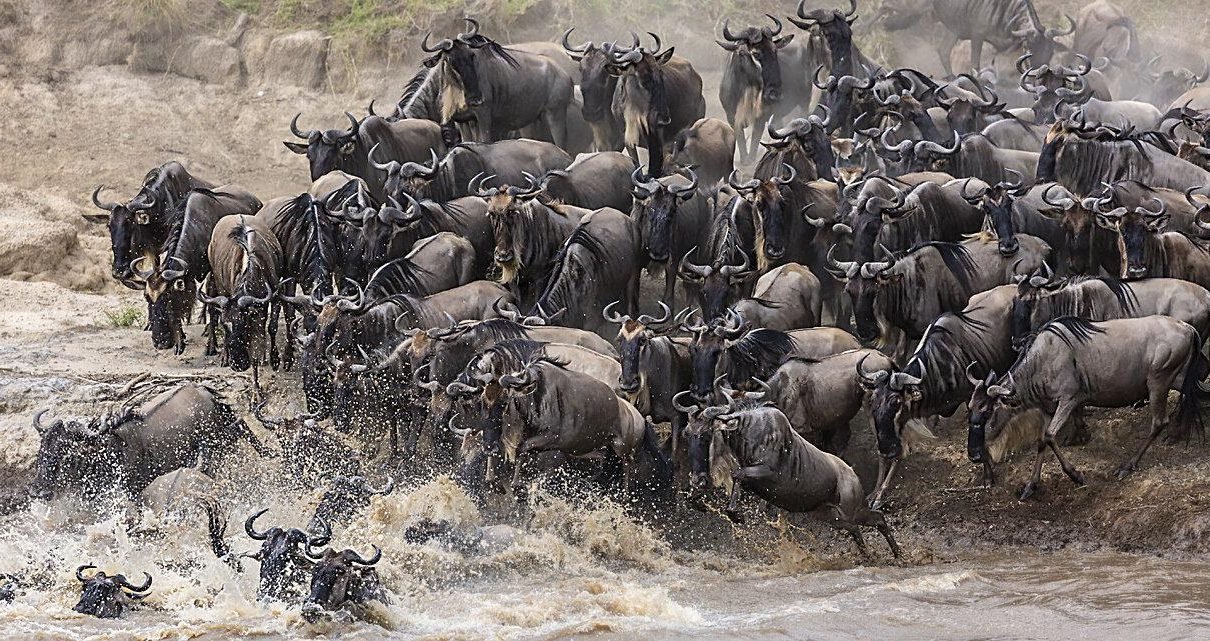
The Great Wildebeest Migration is one of the main reasons travellers visit Tanzania, especially those hoping to see thousands of animals moving across the Serengeti plains. Every year, enormous herds of wildebeest travel through the Serengeti ecosystem in search of fresh grass and water, accompanied by zebras and gazelles. Along the way, they face hungry predators, difficult river crossings, changing weather conditions and the challenge of finding enough food to survive. For visitors planning a Tanzania safari in 2027, choosing the right location and travel dates can make a considerable difference to the experience.
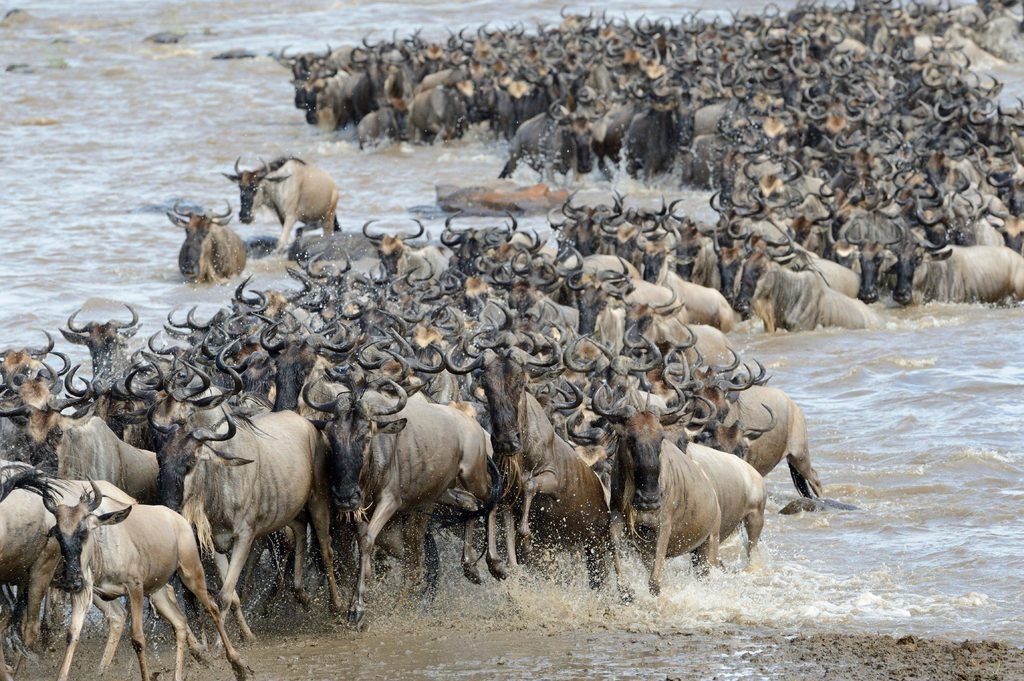
The migration does not take place in one location throughout the year. Different parts of the Serengeti become important as the animals follow seasonal rainfall and grazing conditions. The southern plains are particularly famous for the calving season, while the Western Corridor attracts visitors interested in the Grumeti River. The northern Serengeti is best known for the Mara River crossings, where wildebeest gather along the riverbanks before attempting to reach the opposite side. Travellers planning their trip with Eddy Tours & Safaris can choose a safari itinerary based on the migration activity they would most like to experience.
Understanding the Great Wildebeest Migration in Tanzania
The Great Migration involves more than a million wildebeest, together with hundreds of thousands of zebras and other grazing animals, moving through the Serengeti–Mara ecosystem. Their journey is closely connected to seasonal rainfall, which determines where fresh grass grows and where water remains available. Although the migration is often described as a circular journey, the animals do not travel together in one continuous group. Different herds may spread across large distances, and their movements can change depending on local conditions.
The Serengeti National Park provides the setting for much of this journey, with its extensive grasslands, woodland areas, rivers and seasonal grazing grounds. The migration also extends into the surrounding conservation areas and Kenya’s Maasai Mara ecosystem. Tanzania offers opportunities to observe several important stages, including calving, northward movement, river crossings and the return toward the southern plains. Visitors can learn more about the protected landscape through the official Tanzania National Parks Authority and the UNESCO World Heritage Centre, which recognises the Serengeti for its outstanding natural importance.
1. Northern Serengeti – Best for Mara River Crossings
Best time to visit: July to October 2027
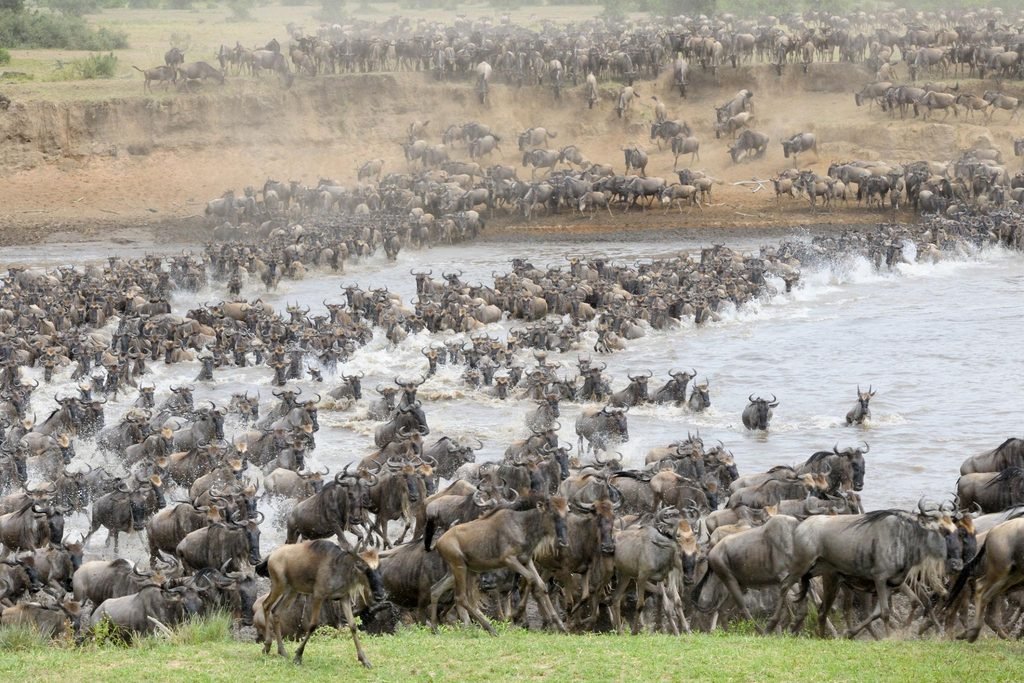
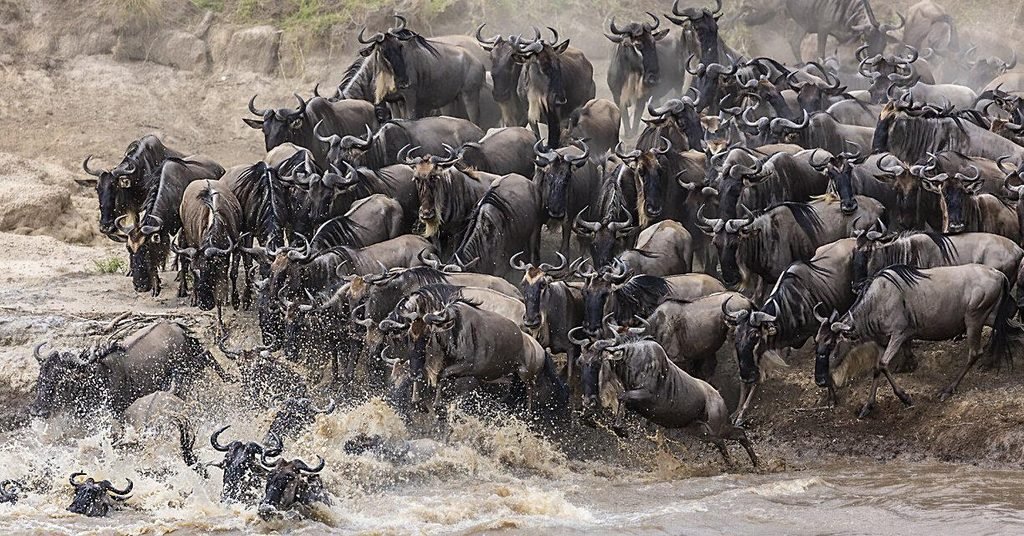
The northern Serengeti is among the most popular destinations for travellers hoping to witness the famous Mara River crossings. This region includes the Kogatende and Lamai areas, where migrating wildebeest frequently gather during the dry season. As the animals approach the Mara River, large groups may remain along the banks for hours or even days before attempting to cross. Crocodiles occupy sections of the river, while steep banks, strong currents and crowded crossing points create additional challenges for the herds.
August and September are generally considered particularly promising months for visitors interested in river crossings, although the exact timing depends on rainfall and herd movements. Some animals cross into Kenya, while others move back into Tanzania, creating opportunities for crossings in different directions. A river crossing cannot be guaranteed on a particular day, which is why spending several nights in the northern Serengeti is usually preferable to making a brief visit.
The northern Serengeti also supports excellent wildlife viewing away from the river. Lions, leopards, elephants, buffaloes, giraffes and many antelope species can be encountered throughout the region. Travellers can combine a northern migration safari with game drives in the central Serengeti, allowing them to experience different landscapes and a wider range of wildlife. Eddy Tours & Safaris can help visitors plan routes that allocate enough time to the northern section rather than spending most of the holiday travelling between destinations.
2. Ndutu Area – Best for Wildebeest Calving Season
Best time to visit: January to March 2027
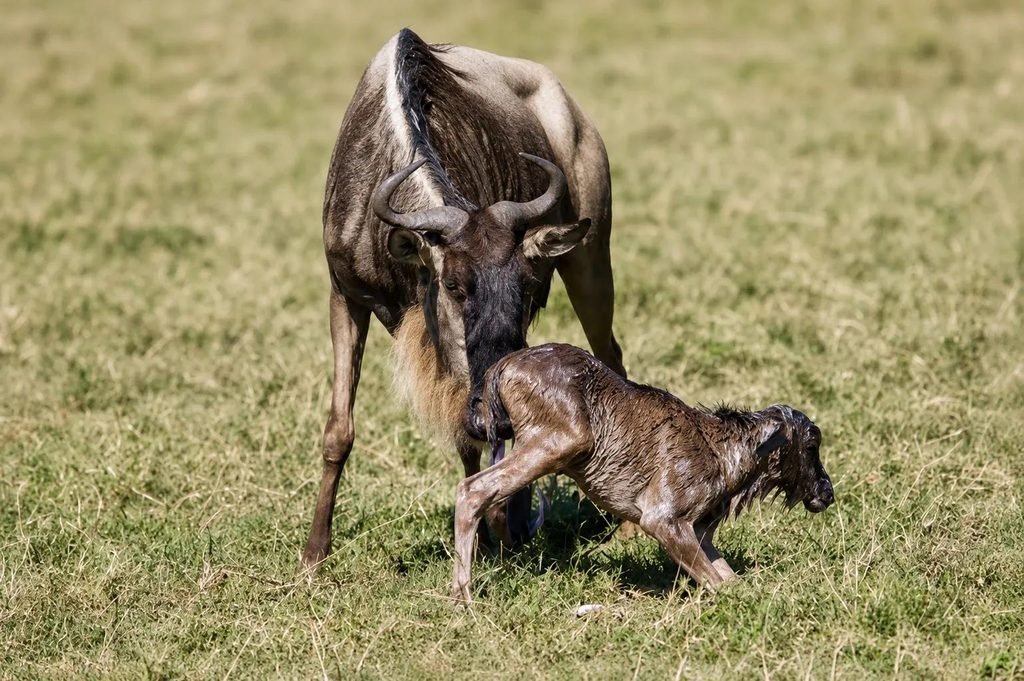
Ndutu is one of the best places in Tanzania to experience the wildebeest calving season. Located near the southern Serengeti and the Ngorongoro Conservation Area, Ndutu becomes an important gathering place when seasonal rainfall produces fresh grass across the short-grass plains. During this period, large numbers of pregnant wildebeest arrive to give birth, and the surrounding landscape becomes filled with grazing animals, newborn calves and predators.
February is usually the most active month for calving, although births can begin earlier and continue into March. Hundreds of thousands of calves may be born across the wider southern plains during the season. The newborn animals must quickly learn to stand and follow their mothers, as predators take advantage of the large concentration of vulnerable young wildebeest. Lions, cheetahs, spotted hyenas and jackals are frequently active in the area, making Ndutu particularly appealing to wildlife photographers and travellers interested in animal behaviour.
The open grasslands around Ndutu provide good opportunities to observe wildlife over long distances, while seasonal lakes and woodland areas support additional birdlife and mammals. Unlike a safari focused entirely on river crossings, a calving-season safari offers opportunities to observe the daily activities of the herds, including feeding, nursing, resting and interactions between predators and prey. Visitors interested in this experience should consider spending at least two or three nights in the Ndutu area.
3. Southern Serengeti Plains – Best for Large Wildebeest Herds
Best time to visit: December 2027 to March 2028, with January to March 2027 also suitable
The southern Serengeti plains are among the most important grazing areas in the migration cycle. During the rainy season, fresh vegetation attracts large numbers of wildebeest, zebras and gazelles to the short-grass plains. The landscape is generally open, allowing visitors to see herds stretching across considerable distances. These conditions are especially appealing to photographers who want to capture the scale of the migration against the wide Serengeti horizon.
The southern plains are also closely associated with the wildebeest breeding cycle. Pregnant females depend on nutritious grazing, and the seasonal availability of fresh grass helps support the large number of calves born during the early months of the year. Areas around Naabi Hill, Kusini and the wider southern grasslands can become particularly active when rainfall is favourable. However, the distribution of animals can vary, and the largest herds may be spread across several locations rather than concentrated in one place.
Travellers visiting southern Serengeti during the green season can also enjoy a different atmosphere from the dry-season safari experience. The landscape becomes greener, seasonal flowers appear, and migratory birds may be present. Rain showers are possible, and some routes can become muddy, so travelling with an experienced guide and a suitable safari vehicle is important. Visitors considering a longer holiday can combine this region with Tanzania safari experiences offered by Eddy Tours & Safaris, including visits to Ngorongoro and other northern Tanzania wildlife destinations.
4. Western Serengeti and Grumeti River – Best for Migration Movement
Best time to visit: May to July 2027
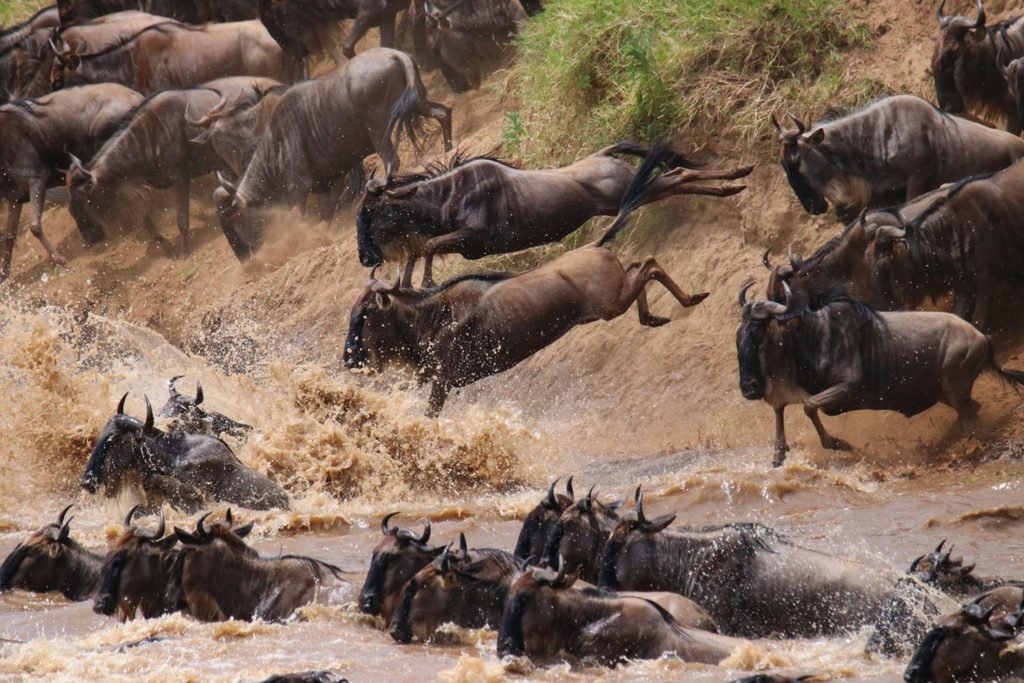
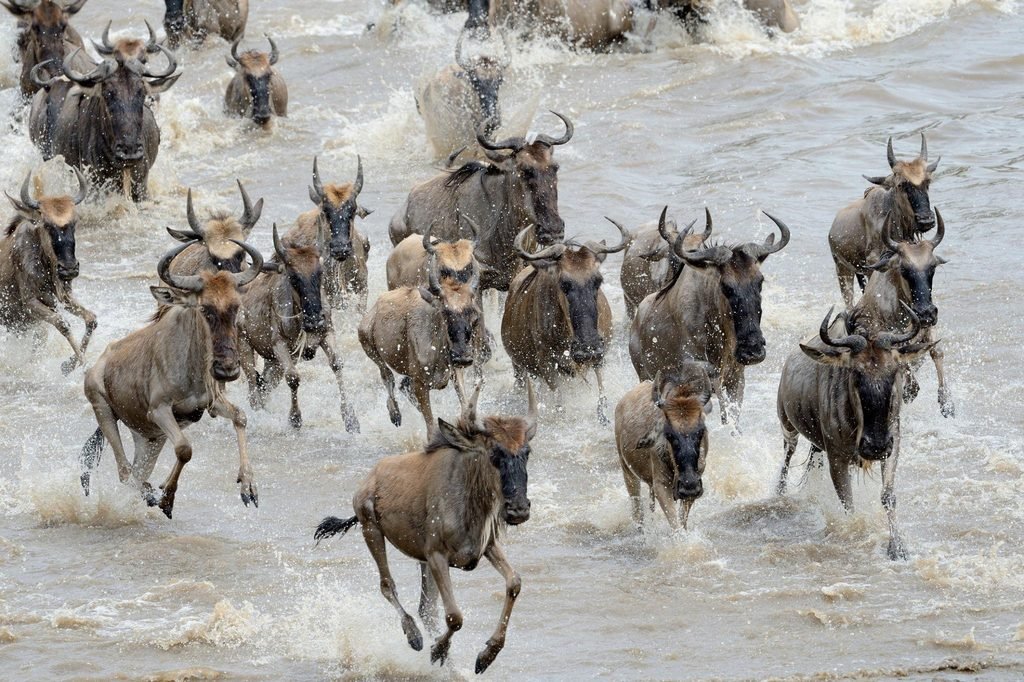
The Western Corridor of the Serengeti becomes particularly important as the wildebeest begin moving away from the southern plains toward the northern regions. This part of the park contains woodland, open grassland, riverine vegetation and the Grumeti River, which is known for its large crocodiles. During suitable migration conditions, herds may gather near the river and attempt crossings as they continue their journey.
The Grumeti River crossings are different from those commonly associated with the Mara River. The river’s water levels and the animals’ movements vary considerably, and crossings may be smaller or less frequent. Nevertheless, the western Serengeti provides excellent opportunities to observe migrating animals, especially when large herds move through the grasslands and woodland areas. Visitors may also encounter elephants, giraffes, lions, hippos and numerous bird species.
The Western Corridor can be a worthwhile option for travellers who want to experience the migration without focusing exclusively on the busiest northern crossing areas. Accommodation choices include permanent lodges and seasonal safari camps, although availability and access should be checked carefully for the intended travel dates. A safari combining the central and western Serengeti can provide a good balance between migration viewing and general wildlife experiences.
5. Central Serengeti and Seronera – Best for Year-Round Wildlife Viewing
Best time for migration movement: April to June and November to December 2027
The central Serengeti, particularly the Seronera Valley, is one of the most reliable areas for general wildlife viewing throughout the year. Although it is not always the location of the largest migrating herds, it lies along important movement routes and provides access to several sections of the national park. During the transition between the southern and northern migration stages, wildebeest may pass through or near the central plains in large numbers.
Seronera is especially well known for its resident predators. Lions are regularly encountered, while leopards can sometimes be seen resting in trees or moving through riverine woodland. Cheetahs favour open areas where they can search for prey, and other animals such as elephants, buffaloes, giraffes and antelopes are present across the region. These resident wildlife populations make the central Serengeti a useful destination even when the main migration herds are elsewhere.
For first-time visitors, the central Serengeti is often a practical starting point for a longer safari. It has established accommodation options, airstrip access and routes connecting to other areas of the park. Travellers with limited time may find a central Serengeti safari more manageable than travelling to the far north, particularly when combining the park with Ngorongoro Crater and Tarangire National Park.
6. Lamai Wedge – A Quieter Northern Migration Area
Best time to visit: July to October 2027
The Lamai Wedge is located in the northern Serengeti, close to the Mara River and the Kenyan border. It is an important area for migration viewing during the dry season, when herds move through the northern grasslands and between different sections of the river. Its rolling hills, open valleys and riverine habitats create a different landscape from the flat plains of the southern Serengeti.
Lamai is particularly appealing to travellers who want to spend several days exploring the northern migration area rather than concentrating on a single crossing point. Depending on the location of the herds, visitors may observe wildebeest grazing, moving in long lines or gathering near the river. Predator sightings are also possible, with lions and other carnivores following the availability of prey.
Accommodation in this region is often more expensive than in some central Serengeti locations, partly because of its remoteness and the seasonal demand for migration safaris. Travellers planning a visit in August or September 2027 should arrange accommodation well in advance, especially if they have particular camps or travel dates in mind.
7. Lobo and Northeastern Serengeti – Best for Northern Migration Routes
Best time to visit: June to November 2027, depending on herd movements
Lobo and the northeastern Serengeti offer another opportunity to explore the migration landscape. This region contains hills, rocky outcrops, grassland and woodland, creating varied habitats for both resident and migrating wildlife. During certain periods, wildebeest may move through the area as they travel toward northern grazing grounds or return south when rainfall conditions change.
The Lobo region is often less crowded than the main Seronera game-drive areas or popular Mara River crossing locations. It can therefore appeal to travellers looking for a quieter safari experience with opportunities to explore different landscapes. Lions, elephants, giraffes, buffaloes and other animals may be encountered even when the largest migration herds are not nearby.
However, Lobo should not be treated as a guaranteed migration location for a particular month. Its suitability depends on the actual distribution of the herds, so it is best included in an itinerary that allows flexibility. Experienced local guides can help visitors decide whether travelling through this region is worthwhile during their selected safari dates.
Best Time to See the Wildebeest Migration in Tanzania in 2027
The best time to visit depends on the particular migration experience a traveller wants to see. The following calendar provides a general guide based on the usual seasonal movement of the herds. These are expected patterns rather than confirmed locations for 2027.
| Month | Recommended Location | Expected Migration Activity |
|---|---|---|
| January | Ndutu and Southern Serengeti | Calving season begins or continues |
| February | Ndutu Plains | Peak calving and predator activity |
| March | Southern Serengeti | Calving continues and herds begin dispersing |
| April | Southern and Central Serengeti | Movement toward central grazing areas |
| May | Central and Western Serengeti | Large herds moving north and west |
| June | Western Corridor and Grumeti | Migration movement and possible river crossings |
| July | Western and Northern Serengeti | Herds moving north and possible Mara crossings |
| August | Kogatende and Mara River | Strong opportunities for river crossings |
| September | Northern Serengeti and Lamai | River crossings and northern grazing |
| October | Northern Serengeti | Continued northern activity and possible return movement |
| November | Central and Eastern Serengeti | Herds beginning to move south |
| December | Southern Serengeti and Ndutu | Return to the southern grazing plains |
Travellers should remember that the migration is controlled by nature rather than a fixed timetable. Heavy or delayed rainfall can affect the direction and speed of the herds, and animals may remain in one region longer than expected. It is therefore advisable to select accommodation based on the normal seasonal pattern while allowing enough safari days to adjust the game-drive routes when necessary.
Which Wildebeest Migration Location Is Best for Your Safari?
Choosing between the different migration areas depends on personal interests, available travel time and budget. Travellers who want to see newborn wildebeest and predator activity should prioritise Ndutu and the southern Serengeti during January, February or March. Those interested in river crossings should consider the northern Serengeti between July and October, particularly around Kogatende and Lamai.
The Western Corridor is suitable for travellers who enjoy following migrating herds through changing landscapes and would like a chance to see activity near the Grumeti River. Central Serengeti is a practical choice for visitors who want a broader wildlife safari with the possibility of migration sightings during the transitional months. Families and first-time safari visitors may also prefer combining the central Serengeti with other national parks rather than concentrating the entire holiday on one migration event.
For visitors planning a longer holiday, it is possible to combine the migration with a Mount Kilimanjaro climb or a relaxing stay in Zanzibar. Travellers interested in trekking can explore climbing information through Kilimanjaro Climb Specialist, while Eddy Tours & Safaris can assist with planning a Tanzania safari around the preferred travel period.
How Many Days Do You Need for a Wildebeest Migration Safari?
A wildebeest migration safari can range from a few days to more than a week, depending on the location and the number of destinations included. A three- or four-day safari may be suitable for travellers concentrating on the central Serengeti or visiting a nearby migration area during the appropriate season. However, reaching the northern Serengeti by road from Arusha takes considerable time, so a short itinerary may leave limited opportunities for actual game viewing.
A five- to seven-day safari generally provides more flexibility, particularly when combining the central Serengeti with Ndutu or the northern migration areas. Travellers hoping to see Mara River crossings should consider spending at least three nights in the north, as wildebeest can gather at a crossing point without entering the water during the hours visitors are present. A longer stay increases opportunities but does not guarantee a crossing.
For visitors with eight to ten days available, a more comprehensive itinerary can include Tarangire National Park, Ngorongoro Crater and multiple Serengeti regions. Such an itinerary allows travellers to experience the migration while also exploring different wildlife habitats. Safari arrangements can be discussed with Eddy Tours & Safaris to match the itinerary with the available time and expected seasonal conditions.
Tips for Planning a Wildebeest Migration Safari in 2027
Book Accommodation Early for Popular Migration Months
Accommodation in the northern Serengeti can become highly sought after during August and September, when many visitors travel specifically to see Mara River crossings. Ndutu camps can also experience strong demand during February because of the calving season. Booking early provides a better choice of accommodation and helps avoid having to stay far from the intended game-viewing area. Travellers should confirm the actual location of their camp, as some seasonal properties move between different parts of the Serengeti during the year.
Choose the Right Safari Vehicle and Guide
A suitable four-wheel-drive safari vehicle is important when travelling through the Serengeti, particularly during the rainy season when some roads become muddy. An experienced guide who understands seasonal animal movements can make a significant difference to the safari experience. Guides can also communicate with other safari professionals about recent wildlife activity, although sightings remain unpredictable. Visitors should allow time for patient wildlife observation rather than expecting every game drive to produce a major migration event.
Prepare for Changing Weather Conditions
The Serengeti experiences different weather conditions throughout the year. The dry season generally brings dusty roads, warm afternoons and cooler mornings, while the rainy months can produce green landscapes and occasional difficult driving conditions. Travellers should pack comfortable clothing, a light jacket, sun protection, binoculars and suitable camera equipment. Neutral-coloured clothing is practical for game drives, and a waterproof layer may be useful during the green season.
Respect Wildlife and National Park Regulations
Migration safaris provide opportunities to observe animals at close range, but visitors must follow park regulations and their guide’s instructions. Safari vehicles should maintain appropriate distances from wildlife and avoid blocking animal movement, especially near river crossing points. Noise, crowding and attempts to force animals into crossing can disturb natural behaviour. Responsible wildlife viewing helps protect the animals while allowing visitors to enjoy a more natural experience.
Can You See the Wildebeest Migration Without a River Crossing?
Yes. River crossings are only one part of the Great Migration, and some of the most rewarding wildlife experiences take place far from the rivers. In the southern Serengeti, visitors can observe enormous grazing herds, newborn calves and interactions between predators and prey. In the central and western regions, long lines of wildebeest moving across the plains can provide impressive sightings, especially when the animals gather in large numbers.
River crossings are unpredictable, and some visitors spend several days waiting without witnessing one. This does not necessarily mean the safari has been unsuccessful. Watching the movement of thousands of animals, observing predator behaviour and exploring the Serengeti landscape can be equally rewarding. Choosing the right destination for the season is generally more important than concentrating on one specific event.
Why Choose Tanzania for the Great Wildebeest Migration in 2027?
Tanzania provides opportunities to experience a substantial part of the migration cycle, from the calving grounds in the south to the river crossing areas in the north. The Serengeti’s size and variety of habitats allow visitors to observe the animals under different seasonal conditions, while nearby destinations such as Ngorongoro Crater and Tarangire National Park make it possible to create a more varied safari itinerary.
Another advantage is the opportunity to choose between different safari styles. Budget camping safaris, mid-range lodge safaris, private guided tours and luxury tented camps are available across the northern Tanzania safari circuit. The most suitable option depends on the visitor’s budget, comfort preferences, travel dates and intended migration region. Travellers should compare itineraries carefully, paying particular attention to the number of nights spent in the area where the herds are expected to be.
For visitors planning their first safari, working with a locally based company can make arrangements easier. Eddy Tours & Safaris is based in Arusha, Tanzania, and can assist travellers interested in exploring the Serengeti and other northern Tanzania destinations. A well-planned itinerary should consider travel distances, accommodation locations, seasonal migration patterns and the amount of time available for wildlife viewing.
Frequently Asked Questions About the Wildebeest Migration in Tanzania 2027
Where is the best place to see the wildebeest migration in Tanzania in 2027?
The best location depends on the month of travel. Ndutu and the southern Serengeti are generally recommended for the calving season between January and March, while Kogatende and Lamai in the northern Serengeti are popular for Mara River crossings between July and October. The Western Corridor is worth considering around May to July, when herds often move through the Grumeti region. Because rainfall influences the migration, the exact location of the animals cannot be guaranteed in advance.
What is the best month to see the Great Migration in Tanzania?
February and August are two particularly popular months, but they offer very different experiences. February is generally associated with wildebeest calving in Ndutu and the southern Serengeti, while August often provides good opportunities for Mara River crossings in the north. September can also be suitable for northern migration viewing, and June may offer interesting activity in the Western Corridor. The best choice depends on whether a traveller prefers calving, river crossings or general herd movement.
Is the Great Wildebeest Migration visible throughout the year?
The migration is a year-round natural process, although the largest herds move between different areas as seasonal conditions change. Visitors can experience migration-related activity in Tanzania during many months of the year, but they need to choose the appropriate region. Some areas may have very few migrating wildebeest during particular seasons, even though resident wildlife remains present. This is why travel dates and accommodation location should be considered together when planning a migration safari.
Can I see the Mara River crossings from Tanzania?
Yes. The Mara River passes through the northern Serengeti, and visitors can observe crossings from the Tanzanian side when the herds are active in the region. Kogatende and Lamai are among the main areas used for northern migration safaris. Crossings can take place in either direction, and there is no fixed daily schedule. Spending several days in the area generally provides more opportunities than a single game drive.
Is the wildebeest migration suitable for families with children?
A migration safari can be suitable for families, provided the itinerary considers the ages of the children, travel distances and accommodation requirements. The central and southern Serengeti may be convenient options for families who prefer shorter driving distances between destinations. Families planning to visit the northern Serengeti should allow enough time to avoid spending too many consecutive hours on the road. Private safaris can provide additional flexibility for rest stops and game-drive schedules.
How far in advance should I book a migration safari for 2027?
Booking several months in advance is advisable, particularly for travellers visiting during the February calving season or the August and September river crossing period. Popular safari camps may have limited availability, and early planning can provide more accommodation choices. Travellers should also consider international flights, domestic transfers and the overall safari budget before confirming their itinerary. Booking early does not guarantee migration sightings, but it helps secure accommodation in the region most suitable for the expected season.
Plan Your 2027 Wildebeest Migration Safari with Eddy Tours & Safaris
The best places to see the Great Wildebeest Migration in Tanzania in 2027 include Ndutu, the southern Serengeti plains, the Western Corridor, the central Serengeti, Kogatende, Lamai and the Lobo region. Each destination offers a different opportunity to observe the migration, and choosing the correct location for the travel month is one of the most important parts of safari planning. Visitors interested in newborn wildebeest should focus on the southern plains early in the year, while those hoping to see river crossings should consider the northern Serengeti during the dry season.
A successful migration safari requires realistic expectations, suitable accommodation and enough time to explore the selected region. Since the herds follow rainfall and grazing conditions, their movements can never be predicted with complete accuracy. Travellers who remain flexible and appreciate the wider wildlife experience often gain more from their time in the Serengeti.
For assistance planning a Tanzania safari in 2027, visit Eddy Tours & Safaris to explore travel options and discuss an itinerary based on your preferred dates, budget and wildlife interests.
Contact Eddy Tours & Safaris
Website: Eddy Tours and Safaris
Email: sales@eddytours-safaris.com
Location: Arusha, Tanzania