
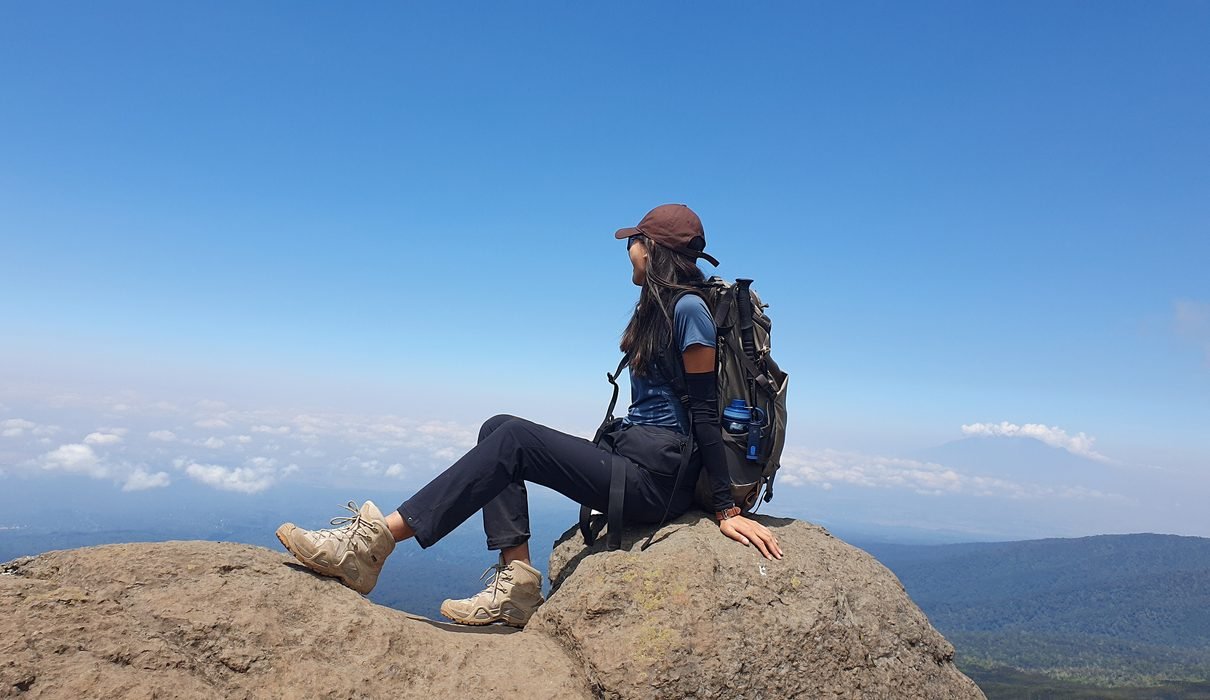
Climbing Mount Kilimanjaro through the Machame Route is one of the best ways to experience Tanzania’s highest mountain, particularly for travellers who enjoy mountain scenery, varied walking trails, and camping in the open highlands. This 6 Days Kilimanjaro Climbing Machame Route package for 2027, 2028, and 2029 takes you through tropical rainforest, rocky ridges, the beautiful Shira Plateau, and the southern slopes of Kilimanjaro before reaching Uhuru Peak at 5,895 metres above sea level.
The Machame Route, commonly known as the Whiskey Route, is especially popular because of its changing landscapes and wide mountain views. Unlike routes that follow the same path for much of the ascent and descent, Machame provides a different experience almost every day. You begin among tall rainforest trees, continue across open moorland, walk beneath volcanic formations, and eventually reach the cold, exposed slopes leading towards the summit. One of the most memorable sections is the Shira Plateau, where the open landscape offers excellent views of Kibo, Mount Meru in the distance, and the surrounding highlands.
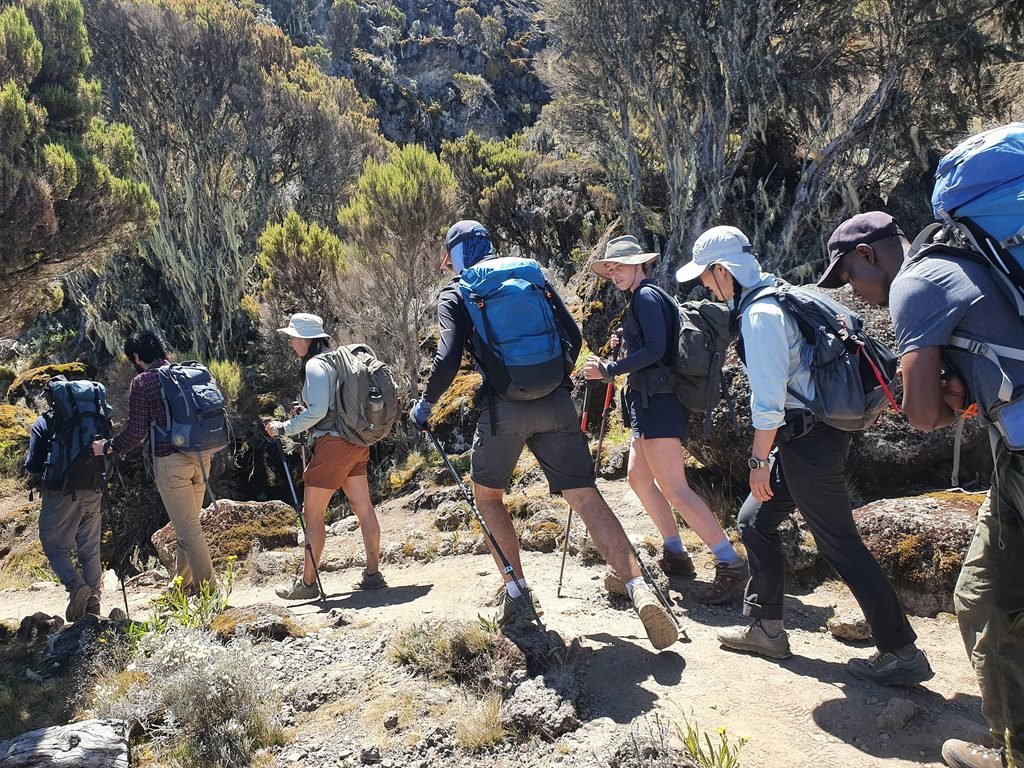
This six-day itinerary is designed for reasonably fit travellers who have limited time but still want to experience the main highlights of the Machame Route. The climb is physically demanding, particularly on the fourth and fifth days, and proper preparation is important. With Eddy Tours & Safaris, climbers can arrange a guided mountain expedition supported by local mountain guides, porters, and cooks who understand the conditions and challenges of trekking on Kilimanjaro.
6 Days Machame Route Kilimanjaro Climbing Package Overview
- Destination: Mount Kilimanjaro National Park, Tanzania
- Climbing route: Machame Route
- Duration: 6 days and 5 nights
- Travel years: 2027, 2028 and 2029
- Highest point: Uhuru Peak, 5,895 metres
- Starting point: Machame Gate
- Finishing point: Mweka Gate
- Accommodation: Mountain camping tents
- Difficulty: Challenging
- Main attractions: Shira Plateau, Lava Tower, Barranco Wall, Southern Circuit and Uhuru Peak
- Suitable for: Fit hikers with appropriate preparation, preferably with previous trekking experience
- Departure options: Private departures and group arrangements subject to availability
The six-day Machame itinerary covers approximately 60–65 kilometres, depending on the exact trails followed and the campsite arrangements. Although the walking distances may appear manageable, the combination of altitude, steep terrain, cold weather, and long trekking hours makes this a serious mountain expedition. Climbers should understand that reaching the summit depends on several factors, including acclimatization, weather, physical condition, and the guidance of the mountain team.
Travellers interested in comparing climbing options can also explore the 6 Days Machame Route Kilimanjaro package offered by Eddy Tours & Safaris or read additional route information from Kilimanjaro Climb Specialist.
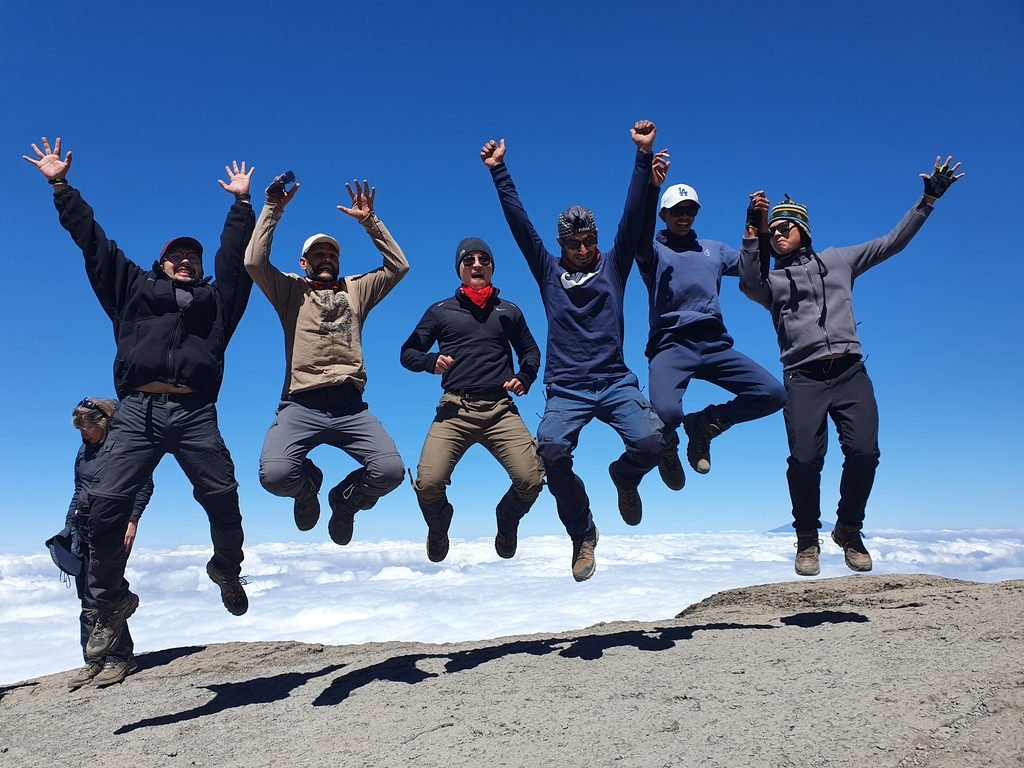
Why Choose the Machame Route for Kilimanjaro Climbing in 2027, 2028 or 2029?
The Machame Route is well suited to travellers who want more than simply reaching the summit. Its biggest attraction is the opportunity to see several sides of Kilimanjaro during one expedition. The trail approaches the mountain from the southwest, crosses the Shira Plateau, and follows the Southern Circuit beneath the mountain’s upper slopes before reaching Barafu Camp. The final summit attempt begins from Barafu, while the descent follows the Mweka Route through the forest.
One of the advantages of Machame is its varied elevation profile. On the third day, climbers ascend towards Lava Tower at approximately 4,600 metres before descending to Barranco Camp at around 3,960 metres. This provides an opportunity to experience a higher altitude during the day before sleeping lower, which can support acclimatization. However, the six-day itinerary remains relatively fast, and spending more time on the mountain generally provides a better opportunity to adjust to altitude.
For travellers planning their Kilimanjaro climb during 2027, 2028, or 2029, Machame also offers excellent photography opportunities. The changing vegetation, volcanic rock formations, mountain clouds, and distant views of the Tanzanian landscape make the journey interesting from beginning to end. Those with an extra day available should consider a seven-day itinerary, which includes an additional overnight stop at Karanga Camp and reduces the pressure of the approach to summit night.
Detailed 6 Days Kilimanjaro Machame Route Itinerary 2027–2029
Day 1: Machame Gate to Machame Camp – Walking Through Kilimanjaro’s Rainforest
Elevation: Approximately 1,800 m to 3,000 m
Distance: Approximately 11 km
Walking time: 5–7 hours
Habitat: Montane rainforest
Accommodation: Machame Camp
Meals: Lunch and dinner
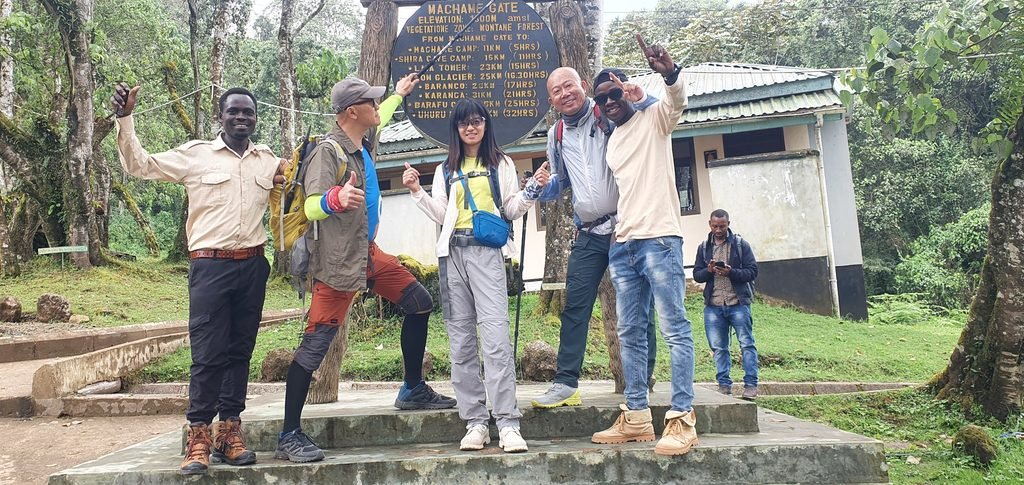
Your Kilimanjaro climbing experience begins with a morning transfer from your hotel in Moshi or another agreed pickup location to Machame Gate, situated on the southwestern side of Mount Kilimanjaro. Upon arrival, the mountain team completes the necessary registration procedures, checks climbing equipment, and organizes the supplies that will be carried throughout the expedition. Your guide will also explain the day’s walking schedule, the importance of maintaining a comfortable pace, and the basic safety procedures to follow while climbing.
After completing the park formalities, you begin walking through the dense rainforest that covers Kilimanjaro’s lower slopes. This section of the Machame Route is known for its tall trees, thick vegetation, moss-covered branches, and occasional wildlife sightings. Depending on the weather, the trail may be muddy and slippery, especially after rainfall. The gradual climb through the forest provides an opportunity to settle into a comfortable walking rhythm while enjoying the natural surroundings.
As you continue uphill, the forest begins to thin and the landscape slowly changes. After several hours of walking, you reach Machame Camp, where the mountain crew will have prepared the camping area. Dinner is served at the campsite, followed by a briefing about the following day’s trek towards the Shira Plateau. Your first night on Kilimanjaro is spent in a mountain tent, surrounded by the cool air and quiet atmosphere of the upper forest zone.
Day 2: Machame Camp to Shira Camp – Beautiful Views Across the Shira Plateau
Elevation: Approximately 3,000 m to 3,840 m
Distance: Approximately 5 km
Walking time: 4–6 hours
Habitat: Heath and moorland
Accommodation: Shira Camp
Meals: Breakfast, lunch and dinner
The second day is one of the most scenic parts of the entire Machame Route and introduces climbers to the famous Shira Plateau. After breakfast at Machame Camp, the trail continues uphill through increasingly open vegetation, leaving the dense rainforest behind. The walking path becomes steeper in places, with rocky sections that require careful footing. Although the distance is shorter than on the previous day, the altitude gain makes the climb physically demanding.
As you approach the Shira Plateau, the scenery opens into a broad mountain landscape with scattered shrubs, volcanic rocks, and distant ridgelines. On clear days, the summit area of Kibo becomes visible above the surrounding terrain, while Mount Meru can sometimes be seen rising above the plains to the west. The Shira Plateau is part of Kilimanjaro’s ancient volcanic landscape, and its wide, open surroundings provide a very different experience from the rainforest encountered on the first day.
After reaching Shira Camp, you will have time to rest, enjoy the surrounding views, and take photographs of the mountain scenery. The campsite is located at a higher elevation, where temperatures are noticeably cooler, particularly after sunset. Your guide will monitor how you are adjusting to the altitude and explain the importance of drinking sufficient water, eating properly, and reporting any unusual symptoms. The evening is spent at Shira Camp, where the open plateau offers impressive views when the weather is clear.
Exploring the Shira Plateau on Mount Kilimanjaro
The Shira Plateau is one of the main reasons many travellers choose the Machame Route. Located on the western side of Kilimanjaro, this extensive high-altitude landscape was formed through the mountain’s volcanic history. Shira is one of Kilimanjaro’s three principal volcanic centres, alongside Mawenzi and Kibo, and the plateau represents part of the older volcanic structure that developed before the mountain reached its present form.
The plateau is particularly attractive because of its open views and unusual terrain. Unlike the lower forest slopes, where trees limit visibility, the Shira area allows climbers to see across broad stretches of mountain scenery. Depending on cloud cover, visitors may enjoy views of Kibo’s upper slopes, surrounding volcanic ridges, and the distant plains below. Early morning and late afternoon are often rewarding times for photography, as changing light creates interesting contrasts across the rocks and vegetation.
For travellers who enjoy landscape photography, the Shira Plateau provides opportunities to capture the quieter side of Kilimanjaro before the more demanding stages of the climb begin. However, it is important to remember that the plateau is already at a considerable altitude. Walking slowly and allowing sufficient time for rest are more important than covering the trail quickly.
Day 3: Shira Camp to Lava Tower and Barranco Camp – Acclimatization Along the Southern Circuit
Elevation: Approximately 3,840 m to 4,600 m, descending to 3,960 m
Distance: Approximately 10–11 km
Walking time: 6–8 hours
Habitat: Moorland and alpine desert
Accommodation: Barranco Camp
Meals: Breakfast, lunch and dinner
After breakfast at Shira Camp, the trail continues eastward towards the upper slopes of Kilimanjaro. The landscape becomes increasingly rocky, with less vegetation and wider views across the mountain. As you gain altitude, the walking pace becomes slower and the air feels thinner. Your guide will encourage a steady rhythm, with regular opportunities to rest and drink water while continuing towards Lava Tower.
Lava Tower is a prominent volcanic rock formation standing at approximately 4,600 metres above sea level. The surrounding terrain is exposed and often windy, with temperatures that can change quickly depending on the weather. This section is an important part of the Machame itinerary because climbers reach a relatively high elevation before descending to sleep at Barranco Camp. The ascent and subsequent descent provide an opportunity for the body to respond to changing altitude, although this does not eliminate the risk of altitude sickness.
After spending time near Lava Tower, the trail descends towards the Barranco Valley. During this section, the landscape changes again, and climbers may encounter giant groundsels and other unusual plants adapted to Kilimanjaro’s high-altitude environment. The descent eventually leads to Barranco Camp, which is located beneath the impressive Barranco Wall. From the campsite, you can see the steep rocky formation that will form the first major challenge of the following morning. Dinner and overnight accommodation are provided at Barranco Camp.
Day 4: Barranco Camp to Barafu Camp via Barranco Wall and Karanga Valley
Elevation: Approximately 3,960 m to 4,670 m
Distance: Approximately 8–9 km
Walking time: 7–9 hours
Habitat: Alpine desert
Accommodation: Barafu Camp
Meals: Breakfast, lunch and dinner
Day four begins with one of the best-known sections of the Machame Route: the Barranco Wall. After breakfast, climbers leave Barranco Camp and begin ascending the steep rocky trail. Although the wall may appear intimidating when viewed from the campsite, it is generally climbed without technical mountaineering equipment under normal conditions. Some sections require the use of hands for balance, and your guide will assist you through the more exposed parts of the ascent.
After reaching the top of Barranco Wall, the trail continues across a series of ridges and valleys towards Karanga. The surrounding landscape is increasingly dry and rocky, with limited vegetation and impressive views of Kilimanjaro’s southern slopes. The Karanga Valley provides a suitable place for a rest and meal before continuing towards Barafu Camp. This section is particularly demanding on the six-day itinerary because climbers do not spend an additional night at Karanga, as they would on the seven-day version.
The final approach to Barafu Camp involves a steady climb through exposed alpine terrain. By the time you reach the campsite, you will be at approximately 4,670 metres above sea level, where temperatures can be very cold and strong winds are possible. After arriving, your guide will explain the summit schedule, check your equipment, and encourage you to rest before the overnight ascent. Dinner is normally served early, allowing climbers to prepare for the most demanding part of the expedition.
Day 5: Barafu Camp to Uhuru Peak and Descent to Mweka Camp – Kilimanjaro Summit Day
Elevation: 4,670 m to 5,895 m, descending to approximately 3,100 m
Distance: Approximately 16–17 km
Walking time: 12–16 hours
Habitat: Arctic summit zone and alpine terrain
Accommodation: Mweka Camp
Meals: Breakfast, lunch and dinner
Summit day begins late at night, usually around midnight, although the exact departure time depends on weather conditions, group fitness, and your guide’s assessment. After a light meal and final equipment checks, you begin climbing from Barafu Camp towards Stella Point. The trail is steep, and much of the ascent takes place over loose volcanic scree and rocky ground. Temperatures can fall well below freezing, making warm clothing, suitable gloves, and a reliable headlamp essential.
The climb towards Stella Point is physically and mentally demanding because of the altitude, darkness, cold weather, and continuous uphill walking. Your mountain guide will maintain a slow pace and monitor the group’s condition throughout the ascent. Reaching Stella Point, located on the crater rim at approximately 5,756 metres, is a major achievement. If weather and timing permit, climbers may witness sunrise over the eastern side of Kilimanjaro, with views extending across the surrounding mountain landscape.
From Stella Point, the trail continues along the crater rim towards Uhuru Peak, the highest point on Mount Kilimanjaro and the African continent at 5,895 metres. Reaching the summit provides an opportunity to appreciate the scale of the mountain and, when conditions allow, see the remaining ice formations around the upper crater area. After photographs and a short rest, you begin descending towards Barafu Camp, where the mountain team will provide a meal and an opportunity to recover before continuing downhill to Mweka Camp. The long descent requires concentration, particularly when legs are tired after the summit attempt.
Day 6: Mweka Camp to Mweka Gate – Completing the Kilimanjaro Machame Route Climb
Elevation: Approximately 3,100 m to 1,640 m
Distance: Approximately 10 km
Walking time: 3–4 hours
Habitat: Montane rainforest
Accommodation: Not included unless arranged separately
Meals: Breakfast and lunch
The final day begins with breakfast at Mweka Camp before descending through the forest towards Mweka Gate. Compared with the previous day’s summit climb, the walking is less demanding, although the downhill trail can be slippery and may place additional pressure on tired knees. As you descend, the vegetation becomes thicker and the temperature gradually increases, marking your return to Kilimanjaro’s lower rainforest environment.
The walk through the forest provides a peaceful ending to the expedition, with opportunities to appreciate the trees, vegetation, and natural surroundings that make Kilimanjaro National Park such an important protected area. After reaching Mweka Gate, the mountain team completes the necessary exit procedures, and eligible climbers receive their summit certificates according to the highest point reached. You will then meet your arranged transfer vehicle for the journey back to Moshi or your agreed destination.
Your six-day Machame Route expedition comes to an end after returning from the mountain. Many travellers choose to spend an additional night in Moshi or Arusha before travelling home, while others continue their holiday with a Tanzania wildlife safari or a visit to Zanzibar. Travellers wishing to combine mountain climbing with wildlife experiences can explore additional holiday arrangements through Eddy Tours & Safaris.
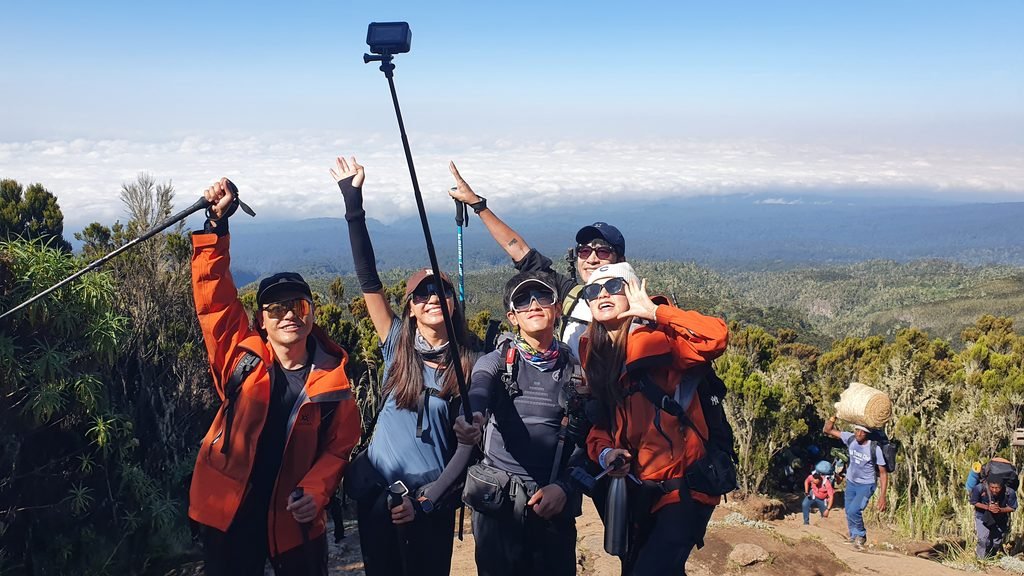
6 Days Machame Route Kilimanjaro Climbing Package Inclusions
The following services are included in the standard proposed mountain package, subject to confirmation in your final booking quotation:
- Kilimanjaro National Park entry and applicable conservation fees.
- Camping fees for the five nights spent on the mountain.
- Professional, licensed Kilimanjaro mountain guide.
- Assistant guides according to group size and operational requirements.
- Mountain porters to transport camping equipment and permitted luggage.
- Mountain cook and preparation of meals throughout the climb.
- Breakfast, lunch and dinner as specified in the itinerary.
- Drinking water treated or prepared for consumption during the trek.
- Mountain camping tents on a shared basis.
- Sleeping mattresses.
- Dining tent with tables and chairs where provided.
- Transfers from the agreed hotel to Machame Gate and from Mweka Gate after the climb.
- Mountain crew wages.
- Applicable park rescue fees.
- Emergency oxygen and basic emergency equipment carried by the mountain team.
- Daily guidance and altitude monitoring by the climbing guides.
- Government taxes applicable to the confirmed package.
- Kilimanjaro climbing certificate for eligible climbers.
6 Days Machame Route Kilimanjaro Climbing Package Exclusions
The following services and personal expenses are not included unless specifically stated in the confirmed quotation:
- International and domestic flights.
- Tanzania entry visa fees.
- Travel and medical insurance, including suitable high-altitude trekking and evacuation coverage.
- Accommodation before and after the mountain climb.
- Airport transfers unless arranged as part of the booking.
- Personal hiking equipment, including boots, jackets, sleeping bags, and trekking poles.
- Personal expenses such as telephone calls, laundry, and souvenirs.
- Tips for mountain guides, porters, and cooks.
- Alcoholic drinks, soft drinks, and additional bottled beverages.
- Meals outside the scheduled mountain itinerary.
- Optional sightseeing activities before or after the climb.
- Additional hotel nights resulting from personal travel arrangements.
- Costs arising from itinerary changes outside the agreed services.
- Optional equipment rental and other personal purchases.
Best Time to Climb Kilimanjaro via Machame Route in 2027, 2028 and 2029
Mount Kilimanjaro can be climbed throughout the year, but weather conditions vary considerably between seasons. The months of January to early March and June to October are generally popular because they often provide relatively favourable trekking conditions. During these periods, climbers may experience clearer mornings, better mountain visibility, and less persistent rainfall than during the main rainy seasons. However, Kilimanjaro’s weather is unpredictable, and rain, snow, strong winds, and freezing temperatures can occur at any time.
Travellers planning a Machame Route climb during January or February may enjoy relatively clear views across the Shira Plateau and the upper mountain, although conditions can still change quickly. June, July, August, September, and October are also popular months, particularly for international travellers arranging holidays during their summer or autumn seasons. These months can attract more climbers, making early booking advisable for travellers who prefer specific departure dates.
April and May are commonly associated with heavier rainfall, while November often experiences shorter rainy periods. Climbing during these months is possible, but trails can be wet and muddy, and mountain visibility may be limited by cloud cover. For the 2027, 2028, and 2029 seasons, travellers should select their preferred climbing dates based on their holiday schedule, expected weather conditions, and personal trekking experience rather than assuming that any particular month guarantees clear skies.
How Difficult Is the 6 Days Machame Route?
The six-day Machame Route is considered challenging because it involves substantial altitude gain over a relatively short period. Although technical climbing skills are not normally required, trekkers must be prepared for steep trails, uneven volcanic terrain, cold temperatures, and long walking days. The Barranco Wall requires careful movement over rocky sections, while the summit attempt involves several hours of uphill walking in darkness at high altitude.
The main difference between the six-day and seven-day Machame itineraries is the amount of time available for acclimatization and recovery. On the six-day itinerary, climbers continue from Barranco Camp to Barafu Camp in one day, passing through Karanga without spending the night. This creates a demanding fourth day followed by the summit attempt only a few hours later. The seven-day itinerary includes an additional overnight stop at Karanga Camp, allowing a more gradual approach to the final ascent.
Climbers should prepare by walking regularly, practising on hills, improving cardiovascular fitness, and becoming comfortable carrying a daypack over uneven ground. Previous hiking experience is helpful, particularly for understanding personal walking pace and managing fatigue. However, even physically fit travellers can develop altitude sickness, and fitness alone does not guarantee a successful summit. Anyone experiencing concerning altitude symptoms should inform their guide immediately and follow the appropriate safety procedures.
What to Pack for the 6 Days Kilimanjaro Machame Route
Packing correctly is important because climbers encounter several different climate zones during the expedition. Conditions at Machame Gate may be warm and humid, while temperatures near the summit can fall well below freezing. Travellers should therefore bring clothing that can be worn in layers, allowing them to adjust to changing temperatures throughout the day.
Essential items include waterproof hiking boots that have already been worn during training, warm thermal clothing, a fleece or insulated jacket, a waterproof outer jacket, trekking trousers, gloves, a warm hat, sunglasses, and suitable hiking socks. A comfortable daypack is needed for drinking water, snacks, rain protection, and other personal items required during the day’s walk. A headlamp with spare batteries is especially important for the overnight summit attempt.
Other useful equipment includes trekking poles, a warm sleeping bag suitable for mountain conditions, a reusable water bottle or hydration system, sunscreen, lip balm, and personal medication. Travellers should also carry basic hygiene supplies and any items recommended by their medical professional. For more route information and preparation advice, visitors can explore Kilimanjaro Climb Specialist before finalizing their equipment arrangements.
Why Climb Kilimanjaro with Eddy Tours & Safaris?
Choosing a local mountain operator is an important part of planning a Kilimanjaro expedition. Based in Arusha, Tanzania, Eddy Tours & Safaris arranges Kilimanjaro climbing experiences and Tanzania safari holidays for travellers who want to explore the country’s mountain and wildlife destinations. Working with a local company allows visitors to discuss their travel dates, climbing experience, preferred itinerary, and additional holiday arrangements before confirming their trip.
For the Machame Route, proper organization is particularly important because the six-day itinerary has limited time for rest and acclimatization. Climbers should understand the daily walking schedule, the services included in their package, and the equipment required for the expedition. A clear itinerary also helps travellers prepare for the different mountain conditions, from the humid rainforest to the exposed summit slopes.
Visitors can learn more about available climbing arrangements through the Eddy Tours & Safaris official website or compare this itinerary with the company’s 6 Days Kilimanjaro Hiking via Machame Route. Travellers who wish to continue exploring Tanzania after their mountain expedition can also enquire about safari packages that include destinations such as Serengeti National Park, Ngorongoro Crater, Tarangire National Park, and Lake Manyara.
Frequently Asked Questions About the 6 Days Machame Route Kilimanjaro Climb
Is the 6 Days Machame Route Suitable for Beginners?
The six-day Machame Route can be completed by some first-time mountain climbers who are physically fit and well prepared, but it is not the easiest option for beginners. The itinerary includes steep walking sections, substantial altitude gain, and a demanding summit attempt. Travellers without previous high-altitude trekking experience should seriously consider a seven-day or longer itinerary to allow more time for acclimatization and recovery.
What Makes the Shira Plateau Special on the Machame Route?
The Shira Plateau is known for its open volcanic landscape, wide mountain views, and distinctive high-altitude vegetation. After walking through the rainforest on the first day, climbers reach a completely different environment on the second day, where the scenery opens towards Kibo and the surrounding highlands. It is one of the most rewarding sections for travellers interested in mountain photography and natural landscapes.
Can I Climb Kilimanjaro in 2027, 2028 or 2029?
Yes. Travellers can plan Kilimanjaro climbing expeditions for 2027, 2028, and 2029, subject to park regulations, operating conditions, and confirmed departure arrangements. Booking in advance is advisable, particularly during popular trekking months. Prices, available dates, and specific services should always be confirmed with the tour operator before making travel arrangements.
How Many Nights Will I Spend Camping on the Machame Route?
The six-day Machame Route normally includes five nights of mountain camping at Machame Camp, Shira Camp, Barranco Camp, Barafu Camp, and Mweka Camp. Tents are used throughout the expedition, and mountain crew members assist with transporting and preparing camping equipment. Hotel accommodation before and after the climb can be arranged separately depending on the package selected.
Is the Machame Route Better Than the Marangu Route?
Both routes lead towards Uhuru Peak, but they offer different climbing experiences. Machame is known for its varied scenery, camping accommodation, and route across the Shira Plateau and Southern Circuit. Marangu follows a different trail and uses mountain huts instead of tents. The most suitable option depends on a traveller’s preferences, physical preparation, available time, and need for acclimatization.
What Happens If I Experience Altitude Sickness During the Climb?
Altitude sickness can affect anyone climbing Kilimanjaro, regardless of age or physical fitness. Symptoms may include headache, nausea, dizziness, fatigue, and difficulty sleeping. Climbers should report symptoms to their guide immediately rather than attempting to hide them. Severe or worsening symptoms may require stopping the ascent and descending promptly, with evacuation arranged when necessary. Your safety should always take priority over reaching the summit.
Can I Combine the Machame Route Climb with a Tanzania Safari?
Yes. Many visitors combine a Kilimanjaro climbing expedition with a wildlife safari before returning home. After completing the six-day Machame Route, travellers can arrange visits to destinations such as Tarangire National Park, Serengeti National Park, or Ngorongoro Crater. Eddy Tours & Safaris can be contacted to discuss a combined climbing and safari itinerary based on your preferred travel dates and available holiday time.
Book Your 6 Days Kilimanjaro Machame Route Climb for 2027, 2028 or 2029
The 6 Days Kilimanjaro Climbing Machame Route offers an opportunity to explore some of the mountain’s most impressive landscapes within a relatively short itinerary. From the rainforest surrounding Machame Gate to the open scenery of the Shira Plateau, the volcanic formations near Lava Tower, and the demanding final ascent towards Uhuru Peak, each stage provides a different view of Mount Kilimanjaro.
For travellers planning a climbing holiday in 2027, 2028, or 2029, careful preparation and the right itinerary are essential. The six-day Machame Route is best suited to fit trekkers who understand the demands of high-altitude walking, while those with additional time may benefit from a longer climbing schedule.
Plan your Kilimanjaro climb with Eddy Tours & Safaris. Contact our team to request a quotation, discuss available departure dates, or arrange a private Machame Route expedition with additional safari activities.
Company: Eddy Tours & Safaris
Location: Arusha, Tanzania
Website: Eddy Tours and Safaris
Email: sales@eddytours-safaris.com
Request your 2027, 2028 or 2029 Kilimanjaro Machame Route climbing quotation today.