
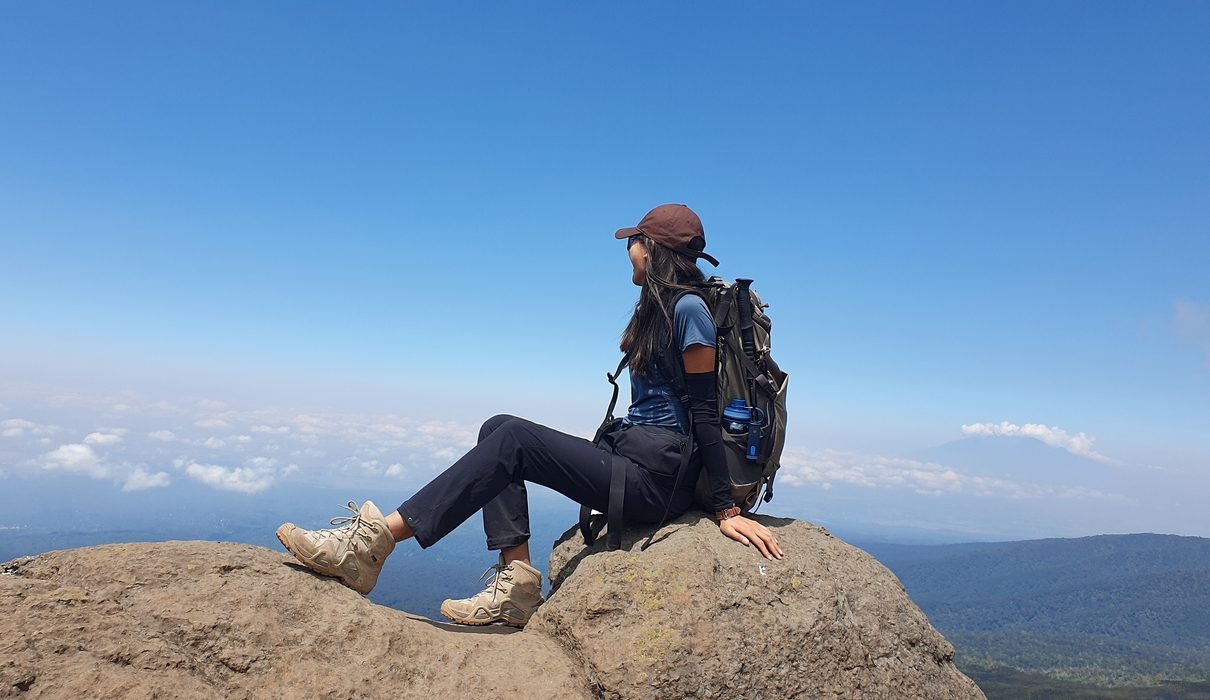
Climbing Mount Kilimanjaro is one of the most popular mountain adventures in Africa, but understanding the actual cost of a six-day climb can be confusing. Some tour operators advertise surprisingly low prices, while others charge considerably more for what appears to be the same mountain experience. The difference often comes down to the services included, the climbing route, the size of the group, the experience of the mountain crew, and the arrangements made for your safety and comfort.
For travellers planning to climb Kilimanjaro in 2027 or 2028, knowing where your money goes is an important part of preparing for the trip. A six-day Kilimanjaro climb generally costs between USD 1,800 and USD 3,200 per person with many local operators, although cheaper and more expensive options exist. These are planning estimates rather than fixed prices, and the final amount depends on your travel dates, route, group size, and selected services.
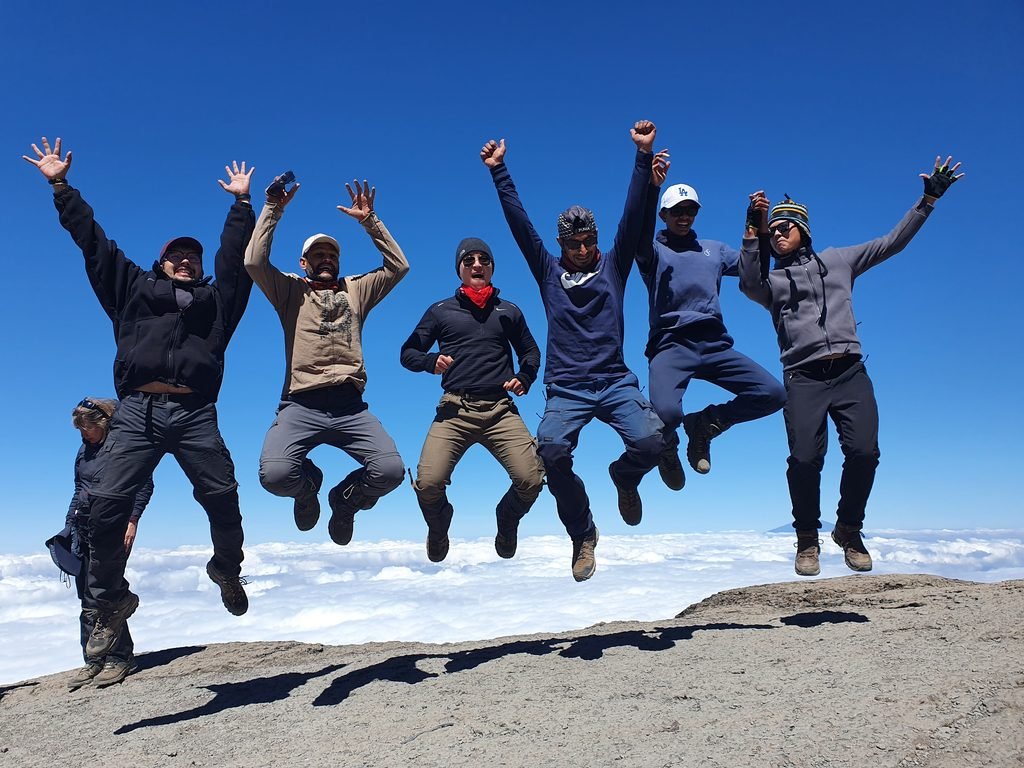
At Eddy Tours & Safaris, we believe travellers should understand what they are paying for before confirming a mountain climbing package. This guide explains the seven main factors affecting Kilimanjaro climbing prices, compares the popular six-day routes, and provides a practical breakdown of expenses that are sometimes overlooked when booking a trek.
How Much Does a 6-Day Kilimanjaro Climb Cost in 2027–2028?
The price of a six-day Kilimanjaro climb varies between tour operators because each company arranges its mountain services differently. Some companies specialize in budget group departures, while others provide private climbs with additional mountain crew members, upgraded equipment, and more personalized services.
For international travellers, the following figures provide a reasonable starting point when planning a six-day Kilimanjaro climbing budget.
| Climbing Category | Estimated Price Per Person |
|---|---|
| Budget group climbing | USD 1,800–2,100 |
| Standard group climbing | USD 2,100–2,500 |
| Private climbing package | USD 2,300–2,900 |
| Premium mountain climbing | USD 2,900–3,800+ |
These estimated prices generally refer to the organized mountain climbing package rather than the complete international holiday. Flights, personal equipment, travel insurance, visas, and gratuities may increase the total amount. Prices for 2027 and 2028 will also depend on the applicable national park tariffs and the operator’s quotation.
Travellers looking for additional route information can explore the Kilimanjaro climbing services offered by Eddy Tours & Safaris or consult Kilimanjaro Climb Specialist when comparing climbing arrangements and mountain preparation information.
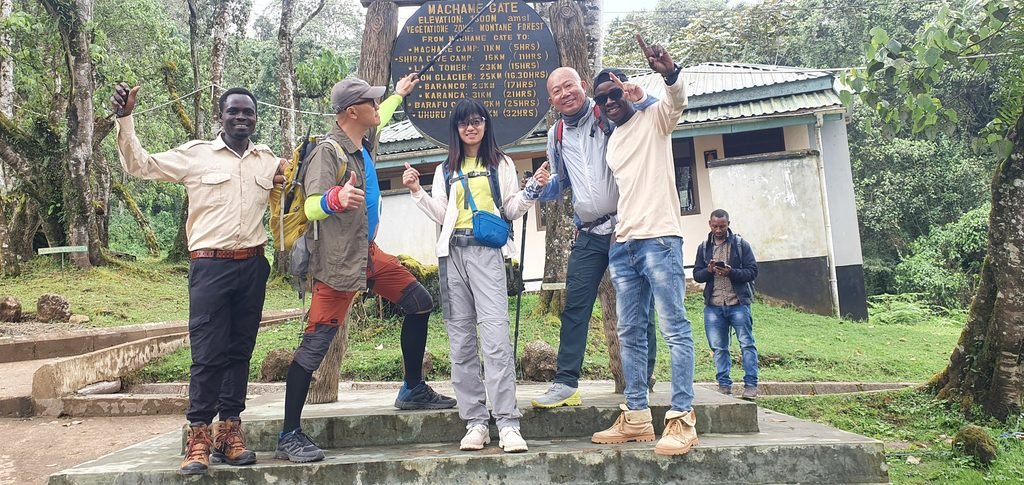
1. Kilimanjaro National Park Fees Are a Major Part of the Price
One of the largest expenses in a six-day Kilimanjaro climbing package is the payment made to Tanzania National Parks Authority (TANAPA). These charges are compulsory and apply to visitors entering Kilimanjaro National Park. They contribute to conservation, park management, mountain infrastructure, and rescue arrangements.
For international non-resident climbers, the commonly published fee structure includes a daily conservation fee, overnight camping or hut accommodation charges, and a rescue fee. The exact amount payable depends on the applicable tariff, the number of days inside the park, and the accommodation arrangements used during the climb.
Estimated National Park Fees for Six Days
| Fee Category | Indicative USD Rate |
|---|---|
| Conservation fee | USD 70 per day |
| Camping fee | USD 50 per night |
| Marangu hut fee | USD 60 per night |
| Rescue fee | USD 20 per climb |
Using these indicative rates, six days of conservation fees amount to USD 420, while five nights of camping cost USD 250. Adding the USD 20 rescue fee produces a base total of USD 690. If 18% VAT is applied separately to these rates, the total becomes approximately USD 814 per person. A six-day Marangu climb using five hut nights would cost approximately USD 873 on the same calculation basis.
These figures are illustrative, not a guaranteed park-fee quotation. TANAPA publishes tariffs in Tanzanian shillings, and the treatment of VAT, exchange rates, visitor categories, and future tariff changes must be checked when booking. Crew-related park charges can also form part of an operator’s expenses.
Before confirming your climb, review the latest information from the Tanzania National Parks Authority and ask your operator whether all compulsory park charges are already included in the quoted package price.
A significantly cheaper climbing quotation should always be examined carefully. National park fees cannot simply be removed from the cost of a legitimate mountain climb, so a low advertised price may mean that important expenses have been excluded from the initial offer.
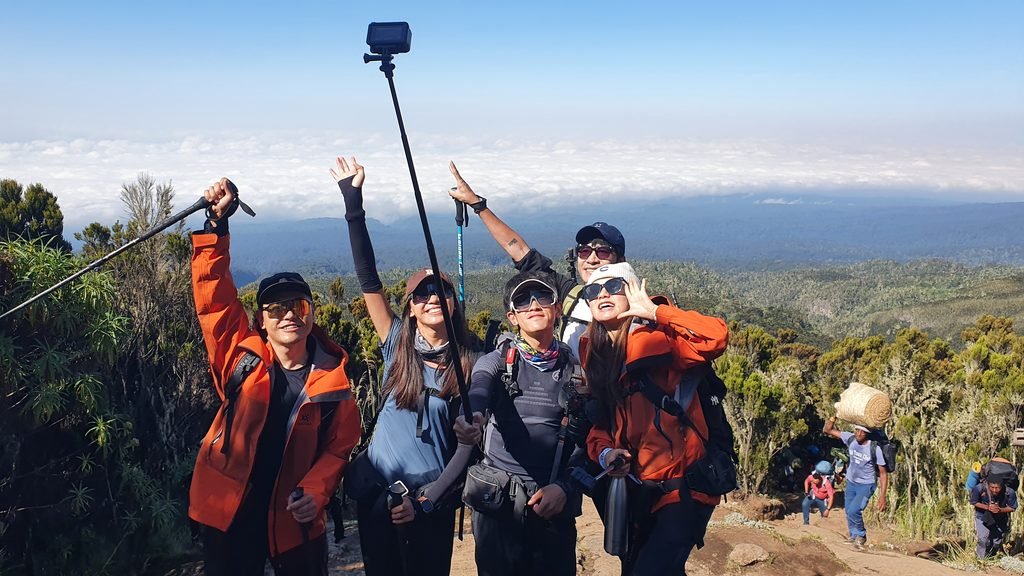
2. Your Kilimanjaro Climbing Route Affects the Total Cost
Although several routes lead towards the summit of Mount Kilimanjaro, they do not all provide the same experience. The route you choose affects accommodation arrangements, walking distances, transport requirements, mountain crew logistics, and the time available for acclimatization.
Three routes commonly considered for a six-day climb are Machame, Marangu, and Rongai. Each has different characteristics, and understanding these differences can help travellers choose a route that matches both their budget and their hiking experience.
Six-Day Machame Route
The Machame Route is a popular camping route that approaches Kilimanjaro from the southern side. It passes through rainforest, heathland, moorland, and alpine desert before reaching the higher mountain camps. Climbers usually sleep in tents, and the mountain crew carries the shared camping equipment, cooking supplies, and other necessary materials.
A typical six-day Machame itinerary includes Machame Camp, Shira Camp, Barranco Camp, Barafu Camp, and the final descent through Mweka Camp. The route provides varied scenery and includes important altitude adjustment opportunities, although the six-day version is physically demanding because the schedule is relatively compressed.
For budgeting purposes, travellers can expect many standard six-day Machame packages to fall within approximately USD 1,900–2,900 per person, depending on group size and services. Travellers who prefer additional acclimatization time should also compare the seven-day Machame option before choosing the shorter itinerary.
Six-Day Marangu Route
The Marangu Route is different from the other main Kilimanjaro routes because climbers stay in mountain huts rather than sleeping in tents. The route approaches the mountain from the southeast and uses established accommodation at Mandara, Horombo, and Kibo huts.
The six-day Marangu itinerary generally includes an additional acclimatization day at Horombo Hut, which makes it preferable to the shorter five-day version for many climbers. Although the trail is often described as relatively straightforward, reaching the summit remains physically challenging, especially during the final ascent from Kibo Hut.
Estimated six-day Marangu climbing packages commonly range from USD 1,800–2,800 per person. The actual cost depends on the operator, hut charges, group arrangements, and additional services provided before and after the trek.
Six-Day Rongai Route
The Rongai Route approaches Kilimanjaro from the northern side, near the Kenyan border. It is often considered by travellers who prefer a quieter approach to the mountain or who are climbing during periods when the northern slopes may experience comparatively drier conditions.
The six-day Rongai itinerary normally involves camping and includes a gradual approach through different vegetation zones before joining the higher mountain trails. Because the starting point is farther from Moshi than some other routes, transport arrangements can influence the overall package cost.
A standard six-day Rongai climbing package may cost approximately USD 1,900–3,000 per person, depending on the group size, equipment, and operator.
When choosing between these routes, travellers should consider more than the advertised price. The difficulty of the itinerary, accommodation arrangements, acclimatization opportunities, and personal fitness level are equally important. Additional route guidance can be found through Kilimanjaro Climb Specialist.
3. Mountain Guides, Porters, and Cooks Account for a Significant Share of Your Payment
A Kilimanjaro climb involves considerably more than paying for access to the national park. Behind every organized expedition is a mountain crew responsible for guiding climbers, transporting equipment, preparing meals, setting up camps, and supporting the group throughout the journey.
A typical climbing team may include a lead mountain guide, assistant guides, cooks, and several porters. The number of crew members depends on the route, the size of the climbing group, the equipment carried, and the operator’s working arrangements.
Mountain guides are responsible for monitoring the group’s progress, explaining trail conditions, assessing signs of altitude-related illness, and making important decisions when weather or health conditions change. Porters carry the approved loads of camping equipment, food, and other expedition supplies, while cooks prepare meals that help climbers maintain their energy during the trek.
The cost of employing this team includes wages, food, park-related charges, transport, equipment, and other operational expenses. Responsible operators must also consider suitable working conditions, load limits, and the welfare of their mountain employees.
This explains why the cheapest available Kilimanjaro package is not always the best choice. When comparing quotations, travellers should ask how many crew members will accompany the group, whether their wages are included, and what arrangements are in place for their safety and welfare.
Choosing a company that provides fair working conditions is an important part of responsible tourism. At Eddy Tours & Safaris, travellers can request information about the mountain climbing arrangements before deciding which package best suits their needs.
4. Camping Equipment, Meals, and Accommodation Influence the Package Price
Accommodation and food are essential parts of a Kilimanjaro climbing expedition. During a six-day trek, climbers spend several nights at high altitude, where temperatures can drop considerably, especially during the evening and early morning hours.
On camping routes such as Machame and Rongai, tour operators normally provide mountain tents, sleeping mats, cooking equipment, dining arrangements, and food supplies. Some companies provide basic camping facilities, while others use larger tents, more comfortable mattresses, and additional equipment to improve the experience.
Food arrangements can also vary between operators. A properly organized climb should provide sufficient meals, drinking water arrangements, and appropriate nutrition throughout the journey. Breakfast, packed lunches or hot lunches, and evening meals are normally part of the mountain service.
Accommodation before and after the climb is another cost that travellers should examine. Some Kilimanjaro packages include hotel nights in Moshi or Arusha, while others charge separately for accommodation, airport transfers, or additional meals.
A quotation that includes two hotel nights, airport collection, mountain transfers, and all camping equipment may initially appear more expensive than another offer. However, once the missing services are added, the difference may become much smaller.
Travellers planning a longer Tanzania holiday can also combine their mountain climb with a wildlife safari through Eddy Tours & Safaris. This can make it easier to coordinate accommodation, transport, and other arrangements within one itinerary.
5. Group Climbing Is Usually Cheaper Than a Private Kilimanjaro Expedition
The number of climbers sharing an expedition can make a noticeable difference to the price paid by each person. Group climbing packages allow several travellers to share certain operating expenses, including transport, guide arrangements, cooking equipment, and some camping supplies.
For example, a group of six climbers may have a lower cost per person than a private expedition organized for one or two people. Although each climber still requires park entry, accommodation, food, and suitable crew support, some shared expenses become more economical when distributed across a larger group.
Private climbs generally cost more because the itinerary and mountain services are arranged specifically for the participants. They can offer greater flexibility in choosing departure dates, managing the walking pace, and organizing additional support when required.
Group climbs are particularly suitable for solo travellers and small groups who want to manage their budgets while sharing the mountain experience with other hikers. Private expeditions may be preferable for couples, families, friends travelling together, or climbers who want more control over their schedule.
Neither arrangement automatically guarantees better acclimatization or a successful summit attempt. The quality of guiding, the itinerary, the climber’s health, and the response to altitude symptoms remain important regardless of the group size.
Before booking, ask whether your quotation is based on a confirmed group departure, a minimum number of participants, or a private expedition. This will help you understand whether the advertised price could change if fewer travellers join the climb.
6. Personal Expenses Can Add Hundreds of Dollars to Your Kilimanjaro Budget
One of the most common budgeting mistakes is assuming that the advertised climbing package covers every expense associated with travelling to Tanzania. In reality, several personal costs are usually paid separately, and these can increase the overall holiday budget.
International flights are often the largest additional expense. Ticket prices depend on your departure country, travel dates, airline, and how far in advance you book. Travellers arriving through Kilimanjaro International Airport should also consider whether airport transfers are included in their climbing package.
Personal mountain equipment is another important expense. Kilimanjaro requires suitable hiking boots, warm clothing, waterproof layers, gloves, a headlamp, a sleeping bag, and other essential items. Travellers who already own quality hiking equipment may spend considerably less than those purchasing everything for the first time.
Estimated Additional Kilimanjaro Expenses
| Additional Expense | Planning Estimate |
|---|---|
| International return flights | USD 600–1,500+ |
| Tanzania tourist visa | USD 50–100 for many nationalities |
| Travel and trekking insurance | USD 80–250+ |
| Equipment rental | USD 80–200 |
| Mountain crew tips | USD 200–350 per climber |
| Personal spending and extra meals | USD 50–150 |
These figures are broad planning allowances and not official charges or guaranteed quotations. Visa costs depend on nationality, insurance prices depend on the policy and traveller, and tipping budgets vary with group size, crew composition, and operator guidance.
Insurance deserves particular attention because not every travel insurance policy covers trekking at the altitude reached on Kilimanjaro. Travellers should confirm that their policy covers trekking up to approximately 5,895 metres, emergency medical treatment, and appropriate evacuation arrangements.
The park rescue fee should not be mistaken for comprehensive medical or helicopter evacuation insurance. Before travelling, check the policy’s altitude limit, exclusions, emergency contact procedures, and any requirements relating to guided trekking.
Travellers can also review mountain preparation information through Kilimanjaro Climb Specialist before deciding which equipment to purchase or rent.
7. Paying More Does Not Automatically Guarantee a Successful Summit
Many travellers assume that booking the most expensive Kilimanjaro climbing package will significantly improve their chances of reaching Uhuru Peak. Although better equipment, experienced guides, and good logistical arrangements can improve comfort and support safety, no operator can guarantee that every climber will reach the summit.
Mount Kilimanjaro rises to 5,895 metres above sea level, and altitude is one of the main challenges faced by climbers. Even physically fit travellers may experience headaches, nausea, fatigue, or other symptoms associated with altitude exposure.
The length of the climbing itinerary is particularly important. A six-day route gives climbers less time to adjust to altitude than a comparable seven- or eight-day itinerary. This does not mean a six-day climb is unsuitable for everyone, but travellers should understand the additional demands before choosing it solely because it is cheaper.
The Tanzania National Parks Authority advises climbers to allow suitable acclimatization time, ascend gradually, remain hydrated, and report symptoms to their guides. If a guide suspects a serious altitude-related illness, continuing towards the summit may be unsafe.
A responsible operator should be prepared to explain the itinerary, emergency arrangements, communication procedures, and equipment available to support climbers. Travellers should also ask about the guide’s experience and the procedures followed when someone cannot continue safely.
When comparing a six-day climb with a seven-day option, consider whether the additional time on the mountain offers a more suitable acclimatization schedule. Saving a small amount on the initial booking should not be the only factor guiding the decision.
Sample Six-Day Kilimanjaro Machame Route Itinerary
The following itinerary provides an example of how a standard six-day Machame climbing package is organized. Actual walking times and overnight arrangements can vary depending on the operator, weather, trail conditions, and the group’s progress.
Day 1: Machame Gate to Machame Camp
The climb begins with a transfer from Moshi or Arusha to Machame Gate, where registration and the final preparations take place. After meeting the mountain crew, climbers enter the rainforest and follow a trail through dense vegetation towards Machame Camp. The first day introduces the group to the mountain environment and provides an opportunity to settle into the walking pace recommended by the guides.
Day 2: Machame Camp to Shira Camp
After breakfast, the route continues through changing vegetation as the trail climbs towards the Shira Plateau. The rainforest gradually gives way to heathland and moorland, with increasingly open views across the surrounding landscape. Climbers spend the afternoon resting and adjusting to the higher altitude before settling into Shira Camp for the night.
Day 3: Shira Camp to Barranco Camp via Lava Tower
This day includes an important acclimatization section as climbers ascend towards Lava Tower before descending to Barranco Camp. The route reaches a higher altitude during the day, allowing climbers to experience thinner air before sleeping at a lower elevation. The walking can be demanding, but the ascent and descent form an important part of the itinerary’s altitude adjustment strategy.
Day 4: Barranco Camp to Barafu Camp
The day begins with the ascent of the Barranco Wall, a steep section requiring careful movement over rocky terrain. After reaching the top, climbers continue through the alpine landscape towards Karanga and eventually Barafu Camp. This is a long day on the six-day itinerary, and the group normally rests early in preparation for the summit attempt.
Day 5: Barafu Camp to Uhuru Peak and Descent to Mweka Camp
The summit attempt generally begins late at night or shortly after midnight. Climbers ascend slowly through cold, high-altitude conditions towards Stella Point and then continue to Uhuru Peak, the highest point on Mount Kilimanjaro, if conditions and their health permit. After the summit attempt, the group descends towards Barafu Camp before continuing down to Mweka Camp for the final night on the mountain.
Day 6: Mweka Camp to Mweka Gate
The final day involves descending through the rainforest towards Mweka Gate, where climbers complete the park exit procedures and meet their transport. Those who successfully reached the summit may receive the relevant climbing certificate. The journey then continues to Moshi or Arusha, where travellers can rest before departing Tanzania or continuing with another part of their holiday.
What Is Included in a Standard 6-Day Kilimanjaro Climbing Package?
A standard six-day Kilimanjaro package commonly includes the essential services required for an organized mountain expedition. However, the final inclusions must always be confirmed in the written quotation because operators offer different arrangements.
Package Inclusions
- Kilimanjaro National Park conservation fees
- Applicable camping or mountain hut fees
- National park rescue fee
- Professional mountain guide and required assistant guides
- Mountain porters and cook
- Mountain crew wages and operational support
- Breakfast, lunch, and dinner during the climb
- Drinking water arrangements during the trek
- Camping tents and shared camping equipment on camping routes
- Sleeping mats where provided by the operator
- Transport between the hotel and mountain entry or exit gates
- Mountain registration and climbing arrangements
- Basic first-aid support and operator-provided emergency equipment
- Applicable government taxes as specified in the quotation
Package Exclusions
- International and domestic flights
- Tanzania entry visa
- Personal travel and trekking insurance
- Personal hiking clothing and equipment
- Sleeping bag unless specifically included
- Mountain crew tips and gratuities
- Personal purchases and additional beverages
- Laundry and other personal hotel expenses
- Accommodation before and after the climb unless specified
- Airport transfers unless specified
- Additional accommodation caused by flight delays or itinerary changes
- Optional Tanzania safari or Zanzibar extensions
- Expenses arising from personal itinerary changes or services outside the agreed package
Travellers should request a complete list of inclusions and exclusions before making a deposit. This avoids misunderstandings about accommodation, transfers, equipment rental, and other services that can influence the final amount paid.
Example of a Complete Six-Day Kilimanjaro Travel Budget
To understand the overall cost of climbing Kilimanjaro, it helps to look beyond the mountain package itself. The following example illustrates a possible budget for an international traveller booking a standard six-day group climb.
| Expense | Example Budget |
|---|---|
| Six-day Kilimanjaro climbing package | USD 2,200 |
| International return flights | USD 900 |
| Tanzania visa | USD 50 |
| Trekking insurance | USD 150 |
| Equipment rental | USD 120 |
| Mountain crew tips | USD 250 |
| Additional personal expenses | USD 100 |
| Estimated Total | USD 3,770 |
This is a sample calculation rather than an official package price. It assumes that the USD 2,200 climbing quotation already includes the necessary park fees, mountain crew, meals, and standard climbing arrangements. Travellers whose visas cost more, who require additional hotel nights, or who purchase new equipment should allow for a higher total.
The example also shows why comparing climbing packages based only on the advertised mountain price can be misleading. A traveller paying USD 2,000 for a basic climbing package may ultimately spend more than someone booking a USD 2,300 package if the cheaper option excludes important services.
How to Find an Affordable Kilimanjaro Climb Without Sacrificing Safety
Finding a reasonably priced Kilimanjaro climb requires careful comparison rather than simply choosing the lowest quotation. Travellers should begin by selecting a suitable route and itinerary, then compare operators offering similar services.
Booking with a locally based Tanzanian tour operator can make communication and planning more straightforward, particularly when arranging airport transfers, hotel accommodation, and additional travel services. However, the location of a company alone does not establish the quality of its mountain operations, so checking credentials, experience, and recent traveller feedback remains important.
Joining an existing group departure may help reduce costs, especially for solo travellers. Booking well ahead of busy travel periods can also provide more time to compare available dates and accommodation arrangements, although early booking does not guarantee a lower price.
Travellers should ask for a written quotation showing the route, number of days, group size, park fees, crew arrangements, accommodation, transfers, equipment, and payment conditions. It is also sensible to confirm cancellation terms and understand which payments may be non-refundable.
At Eddy Tours & Safaris, travellers can enquire about Kilimanjaro climbing options and discuss the arrangements that best suit their travel plans. Whether you are considering Machame, Marangu, or Rongai, understanding the itinerary and services is the best starting point for making an informed decision.
Frequently Asked Questions About Six-Day Kilimanjaro Climbing Prices
Is USD 2,000 enough for a six-day Kilimanjaro climb?
USD 2,000 may be enough for some budget or group-joining Kilimanjaro climbing packages, particularly when several climbers share the operating expenses. However, travellers should confirm whether the quoted price includes all national park fees, mountain crew services, meals, accommodation, and transfers. International flights, visas, insurance, equipment, and tips usually require an additional budget.
Which six-day Kilimanjaro route is the cheapest?
Marangu and Machame are often among the competitively priced six-day climbing options, although the cheapest route depends on the operator and group arrangements. Marangu uses mountain huts, while Machame requires camping equipment and associated crew logistics. Comparing complete package quotations is more reliable than assuming one route will always cost less.
Is a six-day Kilimanjaro climb suitable for beginners?
Some first-time high-altitude trekkers choose six-day Kilimanjaro routes, but the itinerary can be demanding because of the limited time available for acclimatization. Beginners should assess their fitness, previous hiking experience, and ability to cope with consecutive walking days. A seven- or eight-day itinerary may provide a more gradual ascent and additional time for altitude adjustment.
Do Kilimanjaro climbing prices include tips?
Most Kilimanjaro climbing packages do not include mountain crew tips unless this is clearly stated in the quotation. Travellers should ask their operator for written tipping guidance based on the number of climbers and crew members. Tips should be budgeted separately rather than assumed to be included in the advertised package price.
Can I climb Kilimanjaro without hiring a guide?
No. Kilimanjaro National Park requires climbers to use authorized guiding arrangements. Independent unguided trekking is not permitted on the standard summit routes. Travellers should book through a properly licensed operator and confirm the mountain crew arrangements before travelling.
Is it cheaper to book Kilimanjaro from Tanzania?
Booking directly with a Tanzanian operator can sometimes reduce intermediary costs, but this is not guaranteed. The final price depends on the services provided, company operating expenses, group size, and itinerary. Travellers should compare complete quotations and verify the operator’s credentials rather than selecting a company based only on its location.
How much should I budget for Kilimanjaro including flights?
For a standard six-day climb, an international traveller might plan approximately USD 3,000–5,000 or more for the complete trip, depending on airfare, climbing package, equipment needs, insurance, and personal expenses. Travellers choosing premium packages or travelling from destinations with expensive flights may need a higher budget.
Plan Your Six-Day Kilimanjaro Climb with Eddy Tours & Safaris
A six-day Kilimanjaro climb is a significant personal and financial commitment, and choosing the right package requires a clear understanding of what is included in the price. National park charges, mountain crew expenses, accommodation, equipment, and transport all contribute to the final quotation. Personal expenses such as flights, insurance, equipment rental, and gratuities should also be considered when preparing your overall travel budget.
For travellers planning to climb Kilimanjaro in 2027 or 2028, the best approach is to compare complete packages, choose a route suited to your experience, and allow enough time for preparation. The lowest price is not necessarily the best value, especially when important mountain services or safety arrangements are missing.
Eddy Tours & Safaris is a local tour company based in Arusha, Tanzania, helping travellers plan Kilimanjaro climbing trips and wildlife safaris across the country. Our team can assist with route selection, travel arrangements, and quotations based on your preferred climbing dates and group size.
Visit Eddy Tours & Safaris to enquire about a six-day Kilimanjaro climbing package, or contact our team at sales@eddytours-safaris.com to discuss your planned adventure.
Useful travel resources: Tanzania National Parks Authority for official park information, and Kilimanjaro Climb Specialist for additional mountain climbing guidance.