
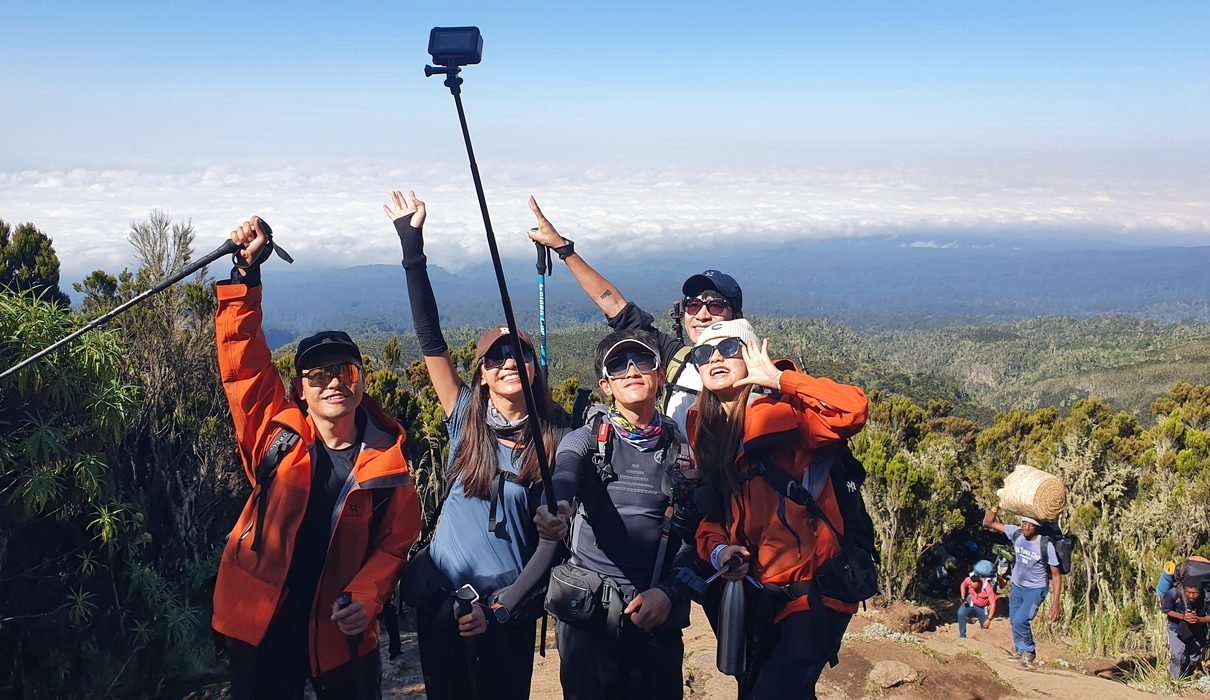
Climbing Mount Kilimanjaro is one of the most rewarding travel experiences in Tanzania, but understanding the actual cost of a seven-day climb is important before making a booking. Many travelers begin planning their trip by searching for the cheapest Kilimanjaro package, only to discover additional expenses for national park fees, mountain guides, equipment, accommodation, transport, and tips. Knowing what these services cost and which expenses are included in a climbing package helps you prepare a realistic budget without facing unexpected charges during your holiday.
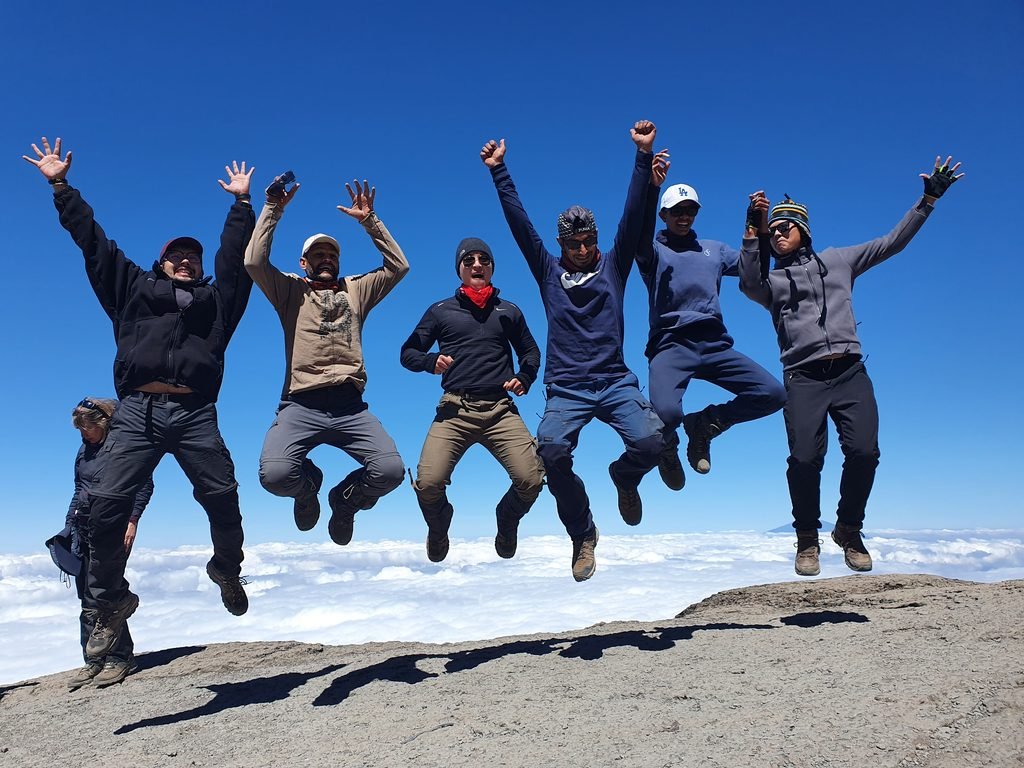
A 7-day Kilimanjaro climb generally costs between USD 1,800 and USD 3,500 per person for a standard guided trekking package, depending on the route, group size, operator, accommodation arrangements, and services provided. Budget packages may fall below this range, while premium private climbs can cost considerably more. These are estimated planning prices for 2027 and 2028 rather than confirmed quotations, as park tariffs, exchange rates, and operating expenses may change.
At Eddy Tours & Safaris, we help travelers understand their climbing options and arrange Kilimanjaro trekking experiences based on their preferred route, available budget, and travel dates. This guide explains where your money goes, how to compare climbing packages, what additional expenses to prepare for, and how to choose a seven-day Kilimanjaro itinerary without compromising safety or essential services.
How Much Does a 7-Day Kilimanjaro Climb Cost?
The total price of climbing Kilimanjaro depends largely on the services included in your package. Two companies may advertise the same seven-day route at different prices because they provide different levels of accommodation, equipment, mountain support, and transportation. For example, one package may include airport transfers and hotel accommodation before and after the trek, while another may cover only the mountain portion of the journey.
The following table provides estimated per-person prices for planning a seven-day Kilimanjaro climb in 2027 or 2028.
| Climbing Package | Estimated Price Per Person |
|---|---|
| Budget group-joining climb | USD 1,800–2,200 |
| Standard guided group climb | USD 2,200–2,700 |
| Private climb for 2–4 people | USD 2,400–3,200 |
| Premium private climbing package | USD 3,000–4,500+ |
These figures are indicative rather than fixed prices from Eddy Tours & Safaris. The final amount depends on the number of climbers, departure date, route, accommodation, equipment, and confirmed park fees. Private climbs for one traveler can be particularly expensive because transport, cooking arrangements, guiding, and other operational expenses are not shared with a larger group.
For travelers comparing available itineraries, our 7 Days Machame Route Kilimanjaro Climbing Package provides a useful starting point for understanding the route and its services.
Complete Cost Breakdown for a 7-Day Kilimanjaro Climb
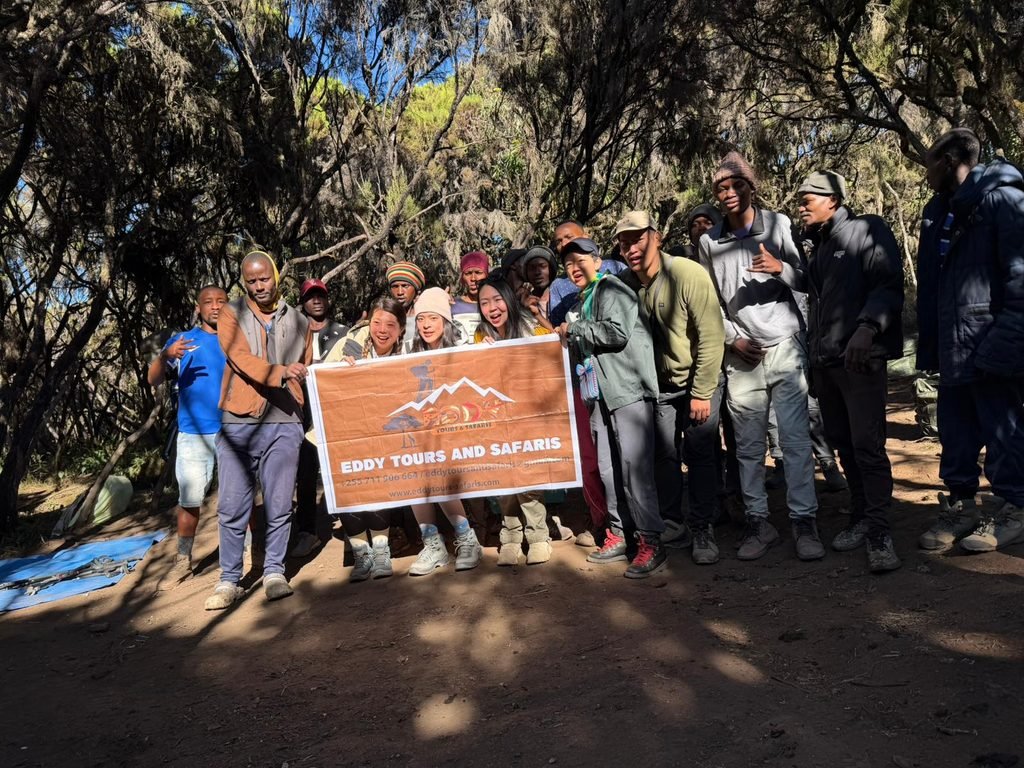
A Kilimanjaro climbing package involves several operating expenses that are often not visible in the advertised price. National park charges account for a significant portion of the total, but guides, porters, cooks, camping equipment, meals, and transport also require proper financial planning.
The following example shows how a standard seven-day camping climb priced at approximately USD 2,400 per person might be allocated. It is an illustrative operator budget, not an official invoice or a fixed industry cost structure.
| Expense Category | Estimated Cost (USD) |
|---|---|
| National park and camping fees | 950 |
| Mountain guides, porters and cook | 550 |
| Camping equipment and maintenance | 180 |
| Food and drinking water | 140 |
| Mountain transfers and logistics | 120 |
| Safety supplies and operating support | 110 |
| Administration, overhead and operating margin | 350 |
| Illustrative package total | 2,400 |
Actual costs vary significantly between operators. Some companies include additional services such as hotels and airport transfers, while others charge separately. The park-fee allocation also depends on the applicable tariff and the treatment of taxes.
1. Kilimanjaro National Park Fees
National park fees are among the largest expenses involved in climbing Mount Kilimanjaro. The mountain is protected and managed by the Tanzania National Parks Authority (TANAPA), which collects fees for conservation, camping, rescue arrangements, and other applicable park services.
For a seven-day camping itinerary, the main park charges generally include conservation fees for seven days, camping fees for six nights, and a rescue fee. Additional charges may apply to the mountain support crew or specific facilities.
For reference, commonly published historical non-resident rates have included USD 70 per conservation day, USD 50 per camping night, and USD 20 for the rescue fee. These figures produce a subtotal of USD 810 before any separately applicable tax or other charges. They should not be treated as a guaranteed 2027 or 2028 tariff because the fee schedule and currency of assessment may change.
Before confirming your booking, check the official TANAPA park tariff information or request an updated fee calculation from your climbing operator. A proper quotation should explain whether all mandatory park charges and applicable taxes are already included in the advertised package price.
2. Mountain Guides, Porters and Cooks
Climbing Kilimanjaro requires a support team to manage the trekking arrangements, carry equipment, prepare meals, establish camps, and guide climbers through changing mountain conditions. The size of the team depends on the number of travelers, route, equipment requirements, and applicable porter-load regulations.
A small climbing group may require a lead guide, an assistant guide, a cook, and several porters. Larger groups generally need more staff to transport tents, food, cooking supplies, and other shared equipment. These workers are essential to the mountain operation, and their wages, meals, equipment, and working conditions should be considered when evaluating the price of a package.
Choosing the cheapest available climb without understanding how the crew is paid can create problems. Responsible operators budget for fair wages, appropriate working equipment, sufficient food, and safe working arrangements. Travelers should ask whether the quoted package includes crew wages and required fees rather than assuming these costs are covered.
3. Camping Equipment and Mountain Accommodation
Most seven-day Kilimanjaro itineraries use camping accommodation. Popular routes such as Machame and Lemosho involve sleeping in mountain tents, while the Marangu Route uses designated mountain huts. Camping packages generally require sleeping tents, mattresses, dining facilities, cooking equipment, and equipment for transporting supplies between camps.
Equipment quality matters because conditions can change considerably during the climb. Rain, wind, freezing temperatures, and rocky camping areas can place considerable strain on tents and other supplies. A reliable operator needs to maintain this equipment and replace damaged items when necessary.
Travelers should confirm whether sleeping bags are included, as many standard climbing packages provide tents and mattresses but require clients to bring or rent their own sleeping bags. Other personal items, including hiking boots, thermal clothing, trekking poles, waterproof jackets, and headlamps, may also be excluded.
4. Meals and Drinking Water During the Climb
A seven-day Kilimanjaro climb requires proper food planning because trekkers spend several days hiking at altitude. Mountain cooks prepare meals using supplies transported by the support team, and menus commonly include porridge, eggs, bread, rice, potatoes, vegetables, soup, pasta, meat, and other available foods.
A standard package normally includes breakfast, lunch, and dinner during the mountain itinerary, together with arrangements for drinking water. Special dietary requirements should be discussed before departure so the operator can plan suitable meals and supplies.
The cost of mountain catering includes more than the food itself. Operators must arrange purchasing, packing, transportation, cooking fuel, equipment, and safe storage throughout the climb. Travelers comparing packages should therefore ask about meal arrangements and drinking water rather than relying only on the advertised price.
5. Transportation to and From Kilimanjaro
Transportation is another important expense that should be included in your Kilimanjaro price plan. Most climbs begin with a road transfer from Moshi or Arusha to the designated mountain entrance gate. After completing the trek, climbers are collected from the exit gate and transported to their hotel or another agreed destination.
For a seven-day Machame climb, the journey normally begins at Machame Gate and finishes at Mweka Gate. The transportation cost depends on the departure location, vehicle arrangements, group size, and any additional airport transfers.
At Eddy Tours & Safaris, travelers can request climbing arrangements together with other Tanzania travel services. When comparing quotations, make sure the operator clearly identifies which transfers are included, particularly if you plan to arrive at Kilimanjaro International Airport and stay in Arusha before beginning the climb.
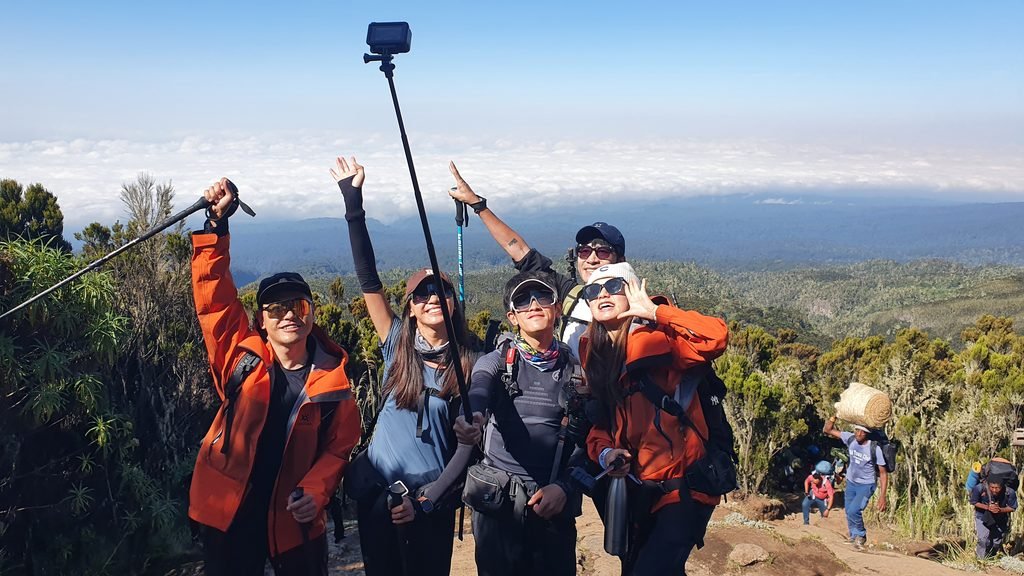
Which Kilimanjaro Route Is Best for Seven Days?
Choosing the correct route affects the climbing experience and can also influence the total package cost. Although several routes can be completed in seven days, they differ in scenery, walking distances, altitude profiles, camping arrangements, and starting points.
7 Days Machame Route
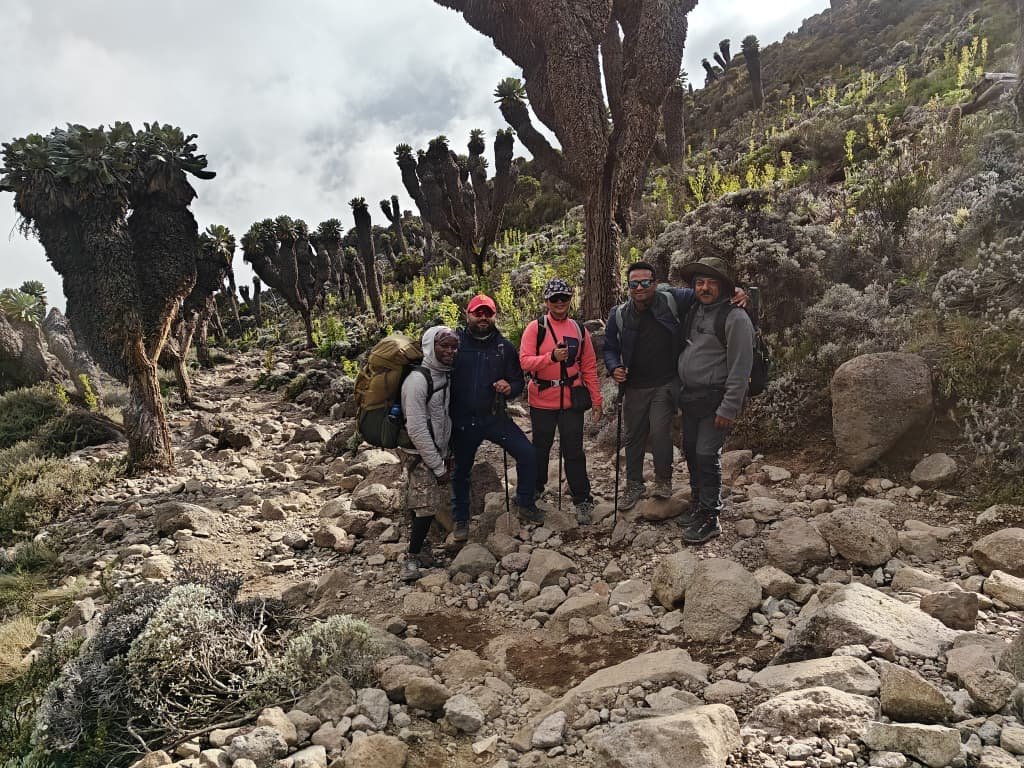
The Machame Route is one of the best-known Kilimanjaro climbing routes. It passes through rainforest, moorland, the Shira Plateau, Barranco Valley, and the southern slopes of Kibo before reaching the summit. The seven-day itinerary allows more time for acclimatization than the shorter six-day version and is often selected by travelers who want a scenic climb with a structured altitude adjustment schedule.
The route includes challenging sections, particularly the Barranco Wall and the long summit ascent. Although technical mountaineering skills are generally not required on the normal route, good fitness, preparation, and careful attention to altitude symptoms remain essential.
You can read the detailed 7 Days Machame Route Itinerary to understand the daily trekking arrangements.
7 Days Lemosho Route
Lemosho begins on the western side of Mount Kilimanjaro and is known for its forest scenery and the open landscapes of the Shira Plateau. It is a good option for travelers interested in a quieter beginning to their trek, although the route eventually joins sections used by Machame climbers.
A seven-day Lemosho itinerary can provide a rewarding experience, but many travelers also consider the eight-day option because the additional day may allow a more gradual altitude adjustment. Transport to the western starting point can affect the overall cost, particularly for small private groups.
7 Days Rongai Route
Rongai approaches Kilimanjaro from the northern side, near the Kenyan border. It offers different scenery from the southern routes and is often considered by travelers looking for a less crowded approach. The route passes through relatively dry landscapes before reaching the higher mountain zones.
The seven-day itinerary includes a planned acclimatization schedule and generally descends by the Marangu side. Because the starting point is farther from the main tourism centers, transportation arrangements can influence the package price.
Travelers who want to compare routes can also explore Kilimanjaro Climb Specialist, which provides additional information about trekking itineraries, route options, and mountain travel arrangements.
Sample 7-Day Kilimanjaro Machame Route Itinerary
The following itinerary demonstrates how a seven-day Machame climb is commonly organized. It covers seven days on the mountain and six nights of camping. Arrival in Tanzania and departure arrangements are separate unless specifically included in the confirmed package.
Day 1: Machame Gate to Machame Camp
The journey begins with a transfer from Moshi or Arusha to Machame Gate, where registration and final preparations take place. After the necessary park formalities, the trek enters the rainforest, following a gradual uphill trail through dense vegetation. The path can become muddy during rainy conditions, making waterproof boots and suitable walking equipment useful.
The first day’s hike usually takes approximately five to seven hours, depending on trail conditions and the group’s pace. Climbers spend the night at Machame Camp, situated at approximately 3,000 meters above sea level, where the mountain crew prepares dinner and camping arrangements.
Day 2: Machame Camp to Shira Camp
After breakfast, the route continues upward through the moorland zone, gradually leaving the dense rainforest behind. The landscape becomes more open, offering views across the lower slopes and surrounding valleys when the weather is clear.
The trail includes rocky sections and a steady ascent toward the Shira Plateau. Climbers generally reach Shira Camp in the afternoon, allowing time to rest, eat, and prepare for the following day’s acclimatization walk.
Day 3: Shira Camp to Barranco Camp via Lava Tower
This day is particularly important for acclimatization. Climbers ascend toward Lava Tower, at approximately 4,600 meters, before descending to Barranco Camp at around 3,900 meters. The route provides an opportunity to experience higher altitude while sleeping at a lower elevation.
The hike can be demanding because of the altitude and changing terrain. Guides normally maintain a controlled walking pace and monitor how climbers are responding to the conditions. By the time the group reaches Barranco Camp, the surrounding landscape offers impressive views of the mountain’s southern slopes.
Day 4: Barranco Camp to Karanga Camp
The morning begins with the ascent of the Barranco Wall, one of the most recognizable sections of the Machame Route. Although it involves some scrambling and requires careful footing, the normal trail is generally manageable with guidance and appropriate preparation.
After completing the wall, climbers continue across valleys and rocky terrain toward Karanga Camp. This is a relatively shorter trekking day, allowing additional time for rest and acclimatization before moving toward the higher summit camps.
Day 5: Karanga Camp to Barafu Camp
The trail continues upward through the alpine desert toward Barafu Camp, the main summit staging point on this itinerary. Vegetation becomes increasingly limited, and the air is noticeably thinner as climbers approach the higher elevations.
After reaching camp, the group receives a summit briefing, eats, and prepares clothing and equipment for the final ascent. Rest is important because the summit attempt normally begins late at night, when temperatures can fall well below freezing.
Day 6: Barafu Camp to Uhuru Peak and Mweka Camp
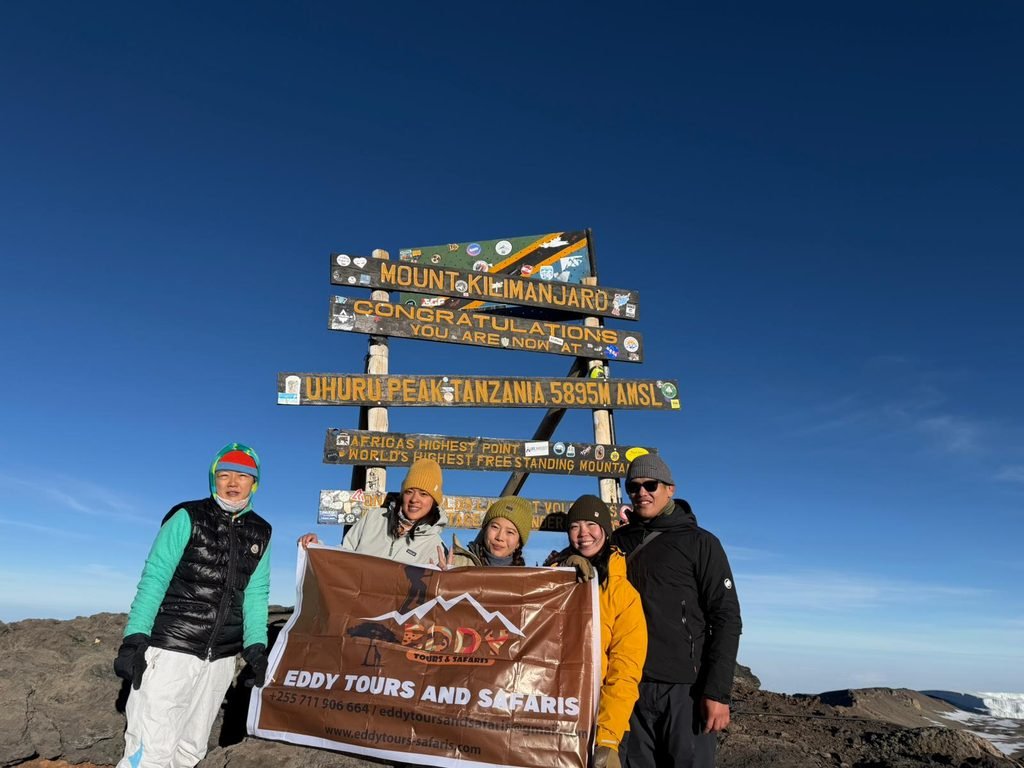
Summit day is the longest and most physically demanding part of the journey. Climbers generally begin ascending around midnight, following the route toward Stella Point and continuing to Uhuru Peak, the highest point on Mount Kilimanjaro at 5,895 meters.
The ascent is slow because of the altitude, cold temperatures, and steep terrain. Reaching the summit depends on weather, physical condition, and the guidance of the mountain team. After the summit attempt, the group descends to Barafu Camp for a short rest before continuing down to Mweka Camp.
Day 7: Mweka Camp to Mweka Gate
The final day follows the descending trail through the rainforest toward Mweka Gate. As the altitude decreases, the weather becomes warmer and the vegetation gradually becomes denser. The walk normally takes several hours, depending on the group’s pace and trail conditions.
At the gate, climbers complete the necessary departure procedures and receive summit certificates where applicable. Transportation then returns the group to the agreed hotel or destination in Moshi or Arusha, marking the end of the seven-day mountain itinerary.
What Is Included in a Standard 7-Day Kilimanjaro Climbing Package?
Understanding the inclusions is one of the most important parts of preparing a Kilimanjaro budget. A properly prepared quotation should identify the services provided throughout the trek, including national park charges, accommodation, mountain crew, meals, and transportation.
A standard seven-day Machame climbing package with Eddy Tours & Safaris can include the following services, subject to the final quotation.
Package Inclusions
- Professional, experienced mountain guides.
- Mountain porters and a cook.
- Applicable Kilimanjaro National Park entrance and conservation fees.
- Camping fees for six nights on the mountain.
- Applicable mountain rescue fees.
- Mountain crew wages and required crew park fees.
- Quality mountain sleeping tents on a shared basis.
- Sleeping mattresses.
- Dining tent, table, chairs, and cooking equipment.
- Breakfast, lunch, and dinner during the mountain trek.
- Drinking water arrangements during the climb.
- Transportation from the agreed hotel to Machame Gate.
- Return transportation from Mweka Gate to the agreed hotel.
- Emergency oxygen cylinder and standard mountain safety equipment.
- Pre-climb briefing and equipment checks.
- Kilimanjaro summit certificate where earned.
- Applicable government taxes on included services.
The exact services should always be confirmed in writing before payment, particularly when comparing private and group-joining packages.
What Is Not Included in a 7-Day Kilimanjaro Climbing Package?
Some expenses are normally paid separately because they depend on the traveler’s nationality, personal preferences, equipment requirements, and international travel arrangements. These additional costs should be considered when calculating the complete budget.
Package Exclusions
- International and domestic flights.
- Tanzania tourist visa fees.
- Travel insurance and appropriate high-altitude emergency evacuation coverage.
- Tips for guides, porters, and cooks.
- Personal hiking clothing and trekking equipment.
- Sleeping bag rental or purchase unless specifically included.
- Hotel accommodation before and after the climb unless included in the quotation.
- Airport transfers not specified in the confirmed package.
- Personal expenses, including laundry, telephone calls, and souvenirs.
- Alcoholic drinks and other beverages not included in the itinerary.
- Optional activities before or after the climb.
- Additional accommodation or transport caused by personal itinerary changes.
- Applicable payment-processing charges disclosed before booking.
Travelers should review these exclusions carefully because some expenses, particularly crew tips, insurance, and personal equipment, can add a noticeable amount to the final cost.
Additional Expenses to Budget for Before Climbing Kilimanjaro
The advertised climbing price is not necessarily the total amount you will spend on your Tanzania holiday. International flights, hotel accommodation, insurance, equipment, and other personal arrangements may increase your overall travel budget.
The following estimates can help with early financial planning.
| Additional Expense | Estimated Cost (USD) |
|---|---|
| Tanzania tourist visa | 50–100 for many visitors |
| Travel insurance with suitable trekking coverage | 80–250+ |
| Personal hiking equipment and rentals | 100–400 |
| Crew tips per climber | 200–350+ |
| Additional hotel accommodation | 40–150 per night |
| Airport transfers, if excluded | 30–100 |
| Personal spending and contingency | 100–250 |
Visa charges depend on nationality and visa category. For example, some travelers, including United States citizens applying for an ordinary tourism visit, may be subject to different visa requirements and fees. Always verify the applicable rules through the official Tanzania Immigration Department.
Crew tipping is generally an additional expense and should be discussed before departure. The amount depends on the size of the support team, the number of climbers sharing the cost, and the operator’s guidance. Ask for a transparent tipping breakdown so you can prepare an appropriate amount without uncertainty.
Example of a Complete Kilimanjaro Travel Budget
Consider a traveler booking a seven-day Kilimanjaro Machame climb with an estimated package price of USD 2,400. The traveler also needs accommodation before and after the trek, insurance, equipment rental, and money for crew tips.
A realistic planning example might look like this:
| Expense | Estimated Cost (USD) |
|---|---|
| 7-day guided climbing package | 2,400 |
| Two hotel nights | 120 |
| Travel insurance | 150 |
| Equipment rental | 150 |
| Crew tips | 250 |
| Visa | 50 |
| Airport transfers | 80 |
| Personal expenses and contingency | 150 |
| Estimated total excluding flights | 3,350 |
This example demonstrates why travelers should prepare a complete travel budget rather than focusing only on the climbing package price. A package advertised at USD 2,400 could result in a total local travel budget of approximately USD 3,350 after adding separately payable expenses.
The final amount may be lower if some of these services are included in the package or if the traveler already owns suitable hiking equipment. International flights must be added separately because fares vary considerably depending on the departure country, airline, season, and booking date.
Is It Cheaper to Climb Kilimanjaro in a Group?
Group-joining Kilimanjaro climbs are often more affordable than private climbs because several operating expenses can be shared among participants. Transportation, guiding arrangements, cooking equipment, dining facilities, and other group services can become more economical when more climbers travel together.
For example, a private climb for one traveler may require a substantial support team even though there is only one paying participant. When several travelers join the same departure, some of these expenses can be divided across the group, reducing the average cost per person.
However, a group-joining climb may offer less flexibility in departure dates, daily schedules, and personal preferences. Private climbing arrangements allow travelers to choose their preferred dates and organize a trip around their own group, which can be especially useful for families, couples, or friends traveling together.
At Eddy Tours & Safaris, travelers can request information about available climbing arrangements and compare options according to their group size and travel plans.
Best Time to Climb Kilimanjaro for Your Budget
Mount Kilimanjaro can be climbed throughout the year, but weather conditions and travel demand vary by season. The most commonly preferred climbing periods are January to early March and June to October, when conditions are often relatively favorable compared with the main rainy periods.
These months can attract more travelers, particularly during international holiday periods. Although national park fees do not necessarily become cheaper during quieter months, hotel prices, group availability, and other travel expenses may vary.
Travelers considering March, April, May, or November should pay particular attention to rainfall, trail conditions, and visibility. Choosing a quieter period solely to save money is not always the best decision because poor weather can make trekking more difficult and less comfortable.
For a first Kilimanjaro climb, it is generally better to select a suitable weather window and a well-planned itinerary than to choose the lowest-priced departure without considering mountain conditions.
How to Save Money on a 7-Day Kilimanjaro Climb
Saving money on Kilimanjaro does not mean choosing the cheapest operator available. The better approach is to identify unnecessary expenses while keeping essential safety arrangements, qualified mountain staff, adequate food, and reliable equipment.
Book With a Local Tanzania Tour Operator
Booking with a local operator can make it easier to communicate directly with the team arranging your climb. Local companies can provide information about transportation, accommodation, route options, and mountain logistics without requiring several separate intermediaries.
Eddy Tours & Safaris is based in Arusha, Tanzania, and helps travelers arrange Kilimanjaro climbs and other Tanzania travel experiences. You can explore the company’s Kilimanjaro Trek in 7 Days via Machame Route when comparing climbing options.
Travel With Friends or Join a Group
Traveling with two or more people can reduce the individual cost of a private climbing arrangement because certain expenses are shared. Travelers with flexible dates can also ask about group departures, which may provide a more affordable option than arranging a completely private expedition.
Bring Essential Equipment From Home
Travelers who already own good hiking boots, waterproof clothing, thermal layers, and other suitable trekking equipment may save money by bringing these items from home. However, buying expensive equipment for a single climb is not always necessary because some items may be available for rental in Moshi or Arusha.
Compare Packages Carefully
Before paying a deposit, request a written breakdown showing park fees, mountain accommodation, crew arrangements, meals, equipment, transport, and any additional charges. Two packages with different advertised prices may offer very different overall value once the exclusions are considered.
Avoid Cutting Essential Safety Costs
A lower price should not come at the expense of proper mountain guidance, crew welfare, adequate food, reliable equipment, or appropriate emergency arrangements. Ask operators how they manage altitude-related illness, what safety equipment they carry, and how evacuation is coordinated when necessary.
Why a Seven-Day Kilimanjaro Itinerary Is Worth Considering
A seven-day Kilimanjaro itinerary offers an additional day on the mountain compared with a six-day version of the same route. This extra time can provide a more gradual ascent and additional opportunities for acclimatization, depending on the route design.
Altitude is one of the biggest challenges on Kilimanjaro. Even physically fit travelers can experience altitude sickness because the body requires time to adjust to lower oxygen availability. Walking slowly, staying hydrated, eating regularly, and following the guide’s instructions are important, but none of these measures guarantees protection from altitude illness.
For travelers deciding between six and seven days, the additional cost of a longer itinerary may be worthwhile when it provides a more suitable acclimatization schedule. The choice should be based on route conditions, fitness, health considerations, available time, and advice from experienced mountain professionals.
Frequently Asked Questions About 7-Day Kilimanjaro Climbing Costs
How much money do I need for a seven-day Kilimanjaro climb?
For a standard guided climb, a planning budget of approximately USD 1,800 to USD 3,500 per person may cover the climbing package itself. Travelers should also budget for flights, insurance, visas, tips, accommodation, and personal equipment when these are not included. A complete trip can therefore cost considerably more than the advertised mountain package.
Are Kilimanjaro National Park fees included in the climbing price?
Most comprehensive climbing packages include mandatory national park charges, but travelers should never assume this without checking. Request written confirmation that conservation fees, camping or hut fees, rescue fees, and applicable taxes are covered. The operator should also explain whether any additional park-related charges will be payable separately.
Can beginners climb Kilimanjaro in seven days?
Many beginners complete seven-day Kilimanjaro climbs with proper preparation, suitable route selection, and professional guidance. However, Kilimanjaro is a demanding high-altitude trek, and reaching the summit is never guaranteed. Travelers should prepare physically, understand the symptoms of altitude sickness, and follow the advice of their guides and healthcare professionals.
Is the seven-day Machame Route expensive?
The seven-day Machame Route is generally considered a mid-range Kilimanjaro climbing option, although the final price depends on group size and service level. Its camping arrangements and established trekking infrastructure make it a popular choice for travelers who want a scenic route and a seven-day acclimatization schedule.
Do I need to pay tips to Kilimanjaro guides and porters?
Tips are customary on Kilimanjaro and are normally separate from the climbing package price. The total depends on the support team, number of climbers, and tipping arrangements. Travelers should ask their operator for guidance before departure and confirm that staff receive their agreed wages independently of voluntary tips.
Can I combine a seven-day Kilimanjaro climb with a Tanzania safari?
Yes. Many travelers combine Kilimanjaro climbing with a wildlife safari to destinations such as Tarangire National Park, Serengeti National Park, and the Ngorongoro Conservation Area. Combining the activities in one itinerary can simplify transport and accommodation arrangements, although the overall cost depends on the safari duration, accommodation standard, and number of travelers.
You can explore additional Tanzania travel options through Eddy Tours & Safaris and request an itinerary that combines mountain trekking with wildlife experiences.
Plan Your 7-Day Kilimanjaro Climb With Eddy Tours & Safaris
Planning a seven-day Kilimanjaro climb becomes much easier when you understand the full cost of the journey. National park fees, professional mountain staff, food, camping equipment, transportation, and safety arrangements all contribute to the final price. Preparing for these expenses in advance helps you choose a package that fits your budget and provides the services you need.
Whether you prefer the Machame Route, Lemosho Route, or another suitable seven-day itinerary, the most important step is to compare the actual services included rather than selecting a climb based only on its advertised price. A properly organized expedition should provide clear booking conditions, a realistic trekking schedule, qualified support staff, and transparent information about additional expenses.
Eddy Tours & Safaris can help you plan a Kilimanjaro climbing experience based on your travel dates, group size, preferred route, and available budget. We can also discuss arrangements for travelers who want to combine their mountain adventure with a Tanzania safari or Zanzibar holiday.
Request Your 7-Day Kilimanjaro Climbing Quotation
Website: https://eddytours-safaris.com/
Email: sales@eddytours-safaris.com
Alternative email: eddytoursandsafaris@gmail.com
Contact Eddy Tours & Safaris with your preferred climbing dates, number of travelers, and route choice to receive a personalized quotation with clearly stated inclusions and exclusions.